Are safe electrolytes for pregnancy possible? Yes! Discover which electrolyte drinks and foods are safe, essential dosages, and safer alternatives to maintain hydration throughout all trimesters.
By Shubhra Mishra — a mom of two who turned her own confusion during pregnancy into BumpBites, a global mission to make food choices clear, safe, and stress-free for every expecting mother. 💛
Check whether any food is safe during pregnancy with the BumpBites Food Safety Checker.
Quick verdict: ⚠️ Talk to your doctor first. Electrolyte drinks can be safe in pregnancy when you choose low‑sugar, balanced options and stay within recommended amounts, but it’s best to confirm with your provider, especially if you have health conditions.
Finding a refreshing way to stay hydrated while also keeping your sodium, potassium, magnesium, and calcium levels in check can feel like a puzzle, especially when you’re pregnant and reading endless advice at 2 a.m. You’re not alone—many expecting parents wonder whether the bright bottles in the fridge are a safe source of “safe electrolytes for pregnancy.” The good news is that most natural sources of electrolytes are generally fine, and even many commercial drinks can be part of a balanced plan when you know what to look for.
In this guide we’ll break down the science behind electrolytes, outline which drinks and foods are considered safe, show you how much is appropriate at each stage of pregnancy, and suggest gentler alternatives if you’re unsure. We’ll also cover warning signs of imbalance, give you a quick‑reference table, and answer the most common “people also ask” questions you might be typing into Google right now.
Whether you’re dealing with morning‑sickness, training for a 5K, managing gestational diabetes, or simply looking for a tasty way to stay hydrated, the information below will help you make confident choices without the anxiety that often comes with pregnancy nutrition questions.
Option
Verdict
Safe amount per day
Notes
Coconut water
✅ Generally safe
1–2 cups (240‑480 ml)
Low in added sugars; watch potassium if you have kidney issues.
Diluted fruit juice
✅ Safe with limits
½ cup (120 ml) diluted 1:1 with water
Provides natural sugars and vitamin C; avoid high‑sugar varieties.
Bananas
✅ Generally safe
1 medium banana
Rich in potassium and magnesium; good for morning‑sickness.
Spinach
✅ Generally safe
½ cup cooked
High in magnesium and calcium; pair with calcium‑rich foods for better absorption.
Avocado
✅ Generally safe
½ fruit
Contains potassium and healthy fats; watch portion if monitoring calories.
Sweet potatoes
✅ Generally safe
½ cup mashed
Source of potassium and magnesium; choose baked, not fried.
Watermelon
✅ Generally safe
1–2 cups diced
Hydrating and potassium‑rich; low in sodium.
Oral Rehydration Solutions (ORS)
✅ Safe when used as directed
Follow package instructions (usually 1 L per day max)
Balanced sodium‑glucose mix; ideal for mild dehydration.
Bone broth
✅ Generally safe
1 cup
Provides sodium, calcium, and magnesium; choose low‑sodium varieties.
What are electrolytes and why they matter during pregnancy?
Electrolytes are minerals that carry an electric charge and help regulate fluid balance, nerve signals, and muscle contractions. The most relevant electrolytes for pregnancy are sodium, potassium, magnesium, and calcium. Your body naturally adjusts electrolyte concentrations as blood volume expands by up to 50 % during pregnancy, which is why staying adequately hydrated—and getting the right mix of minerals—is essential for both you and your developing baby.
Because the placenta draws nutrients and fluids from your bloodstream, any major imbalance can affect fetal growth, amniotic fluid volume, and even your blood pressure. That’s why professional bodies such as the American College of Obstetricians and Gynecologists (ACOG) and the United Kingdom’s National Health Service (NHS) provide specific guidance on how much of each electrolyte is safe, especially during the critical windows of organ development and rapid fetal growth.
Is it safe to drink electrolyte drinks while pregnant?
Most low‑sugar electrolyte drinks are safe when consumed in moderation, but you should avoid those with high sodium (>200 mg per 8 oz) or added caffeine. Choose options with ≤150 mg sodium per serving and limited added sugars (no more than 5 g per serving). The American College of Obstetricians and Gynecologists (ACOG) notes that moderate electrolyte intake from food and low‑sugar beverages is fine for most pregnancies, provided you avoid excessive sodium and added sugars. The UK’s NHS echoes this, advising pregnant women who are active or prone to morning sickness may benefit from a modest electrolyte boost, but they should choose drinks with ≤200 mg sodium per serving.
Overall, the consensus from ACOG, the NHS, and the FDA is that natural food sources and carefully formulated oral rehydration solutions are the safest way to meet electrolyte needs. Commercial sports drinks often contain high levels of sodium, artificial colors, and added sugars, which can be unnecessary or even harmful if consumed in large quantities.
Safety by trimester
First trimester (0‑13 weeks)
During the first trimester, your baby’s organs are forming—a period called organogenesis—so any extreme shifts in fluid balance can theoretically affect development. However, normal electrolyte intake from foods and low‑sugar drinks does not pose a risk. If you experience nausea or vomiting, a small amount of diluted coconut water or a banana can help replenish lost potassium without overloading sodium.
Second trimester (14‑27 weeks)
Blood volume continues to rise, and many women feel more energetic. This is a good window to incorporate a wider variety of electrolyte‑rich foods like spinach, avocado, and sweet potatoes. If you’re exercising regularly, a single serving of an ORS (≈500 ml) after a workout is generally safe, according to ACOG’s guidance on fluid replacement.
Third trimester (28‑40 weeks)
Leg cramps and swelling become more common as the uterus presses on blood vessels. Maintaining potassium and magnesium levels can ease these symptoms. A daily cup of bone broth or a half‑cup of cooked spinach is a gentle way to boost electrolytes without excess sodium, which can worsen edema.
Breastfeeding
Electrolyte needs remain similar to pregnancy, but you’ll also need slightly more fluids to support milk production. Low‑sugar electrolyte waters or a modest serving of coconut water can be soothing, especially if you’re nursing at night and need a quick hydration boost.
Electrolytes for active pregnant athletes
Women who engage in moderate‑to‑high intensity exercise (e.g., running, prenatal yoga, swimming) may lose more sodium and potassium through sweat. A sports‑drink‑style electrolyte powder that contains ≤150 mg sodium per serving and no caffeine can safely replace what’s lost, provided you stay within the overall daily sodium limit of 2 g. The American College of Sports Medicine (ACSM) recommends pairing such drinks with a balanced snack containing protein and carbohydrates to support both maternal energy and fetal growth.
Electrolyte considerations for gestational diabetes
If you’ve been diagnosed with gestational diabetes, controlling added sugars becomes a priority. Choose electrolyte sources that are naturally low in sugar—unsweetened coconut water, diluted fruit juice, or a low‑glycemic ORS. The NHS advises that women with gestational diabetes monitor carbohydrate intake closely, and many clinicians suggest using sugar‑free electrolyte powders to avoid spikes in blood glucose.
Safe dosage / amount / brands
Below is a quick reference for how much of each safe option you can enjoy each day without exceeding typical recommended limits for sodium (<2 g) and potassium (<3 g). These amounts are based on USDA dietary guidelines and ACOG’s advice for pregnant adults.
While most of the options above are safe, excessive intake of any electrolyte—especially sodium—can lead to swelling, high blood pressure, or kidney strain. Symptoms to watch for include persistent swelling of the hands or feet, sudden weight gain, headaches, or a rapid heartbeat. If you notice these, pause the electrolyte source and contact your provider.
High‑potassium foods are generally well‑tolerated, but women with pre‑existing kidney disease should monitor potassium closely, as advised by the CDC’s kidney health guidelines. Likewise, over‑consumption of ORS can cause overly salty urine and may interfere with your body’s natural sodium balance.
Safer alternatives
Plain filtered water with a pinch of sea salt (≤¼ tsp) for mild cravings.
Unsweetened herbal teas like ginger or peppermint, which can soothe nausea and add small electrolyte amounts.
Low‑sugar electrolyte powders that contain ≤150 mg sodium per serving, such as Nuun Pregnancy‑Friendly.
Freshly blended smoothies using banana, spinach, and a splash of coconut water for a balanced mineral profile.
Vegetable‑based soups (e.g., carrot‑ginger) that provide sodium and potassium without added sugars.
Homemade electrolyte drink made with a pinch of sea salt, a squeeze of fresh orange, and a splash of honey (optional, keep honey under 1 tsp for gestational diabetes).
Deep dives on top recommended options
Coconut water
Coconut water is the clear liquid inside young green coconuts. It naturally contains potassium (about 600 mg per cup) and a modest amount of sodium, making it an excellent low‑calorie hydration aid. ACOG notes that the potassium content can help counteract the leg cramps many women report in the third trimester. Choose unsweetened varieties and limit intake to 1–2 cups per day to avoid excess calories and potassium if you have kidney concerns.
Diluted fruit juice
Diluting 100 % fruit juice with an equal part of water cuts sugar and calorie content while preserving vitamins and a modest potassium boost. This approach follows NHS recommendations for limiting added sugars during pregnancy. Opt for juices without added sweeteners—apple, orange, or cranberry blends work well. A half‑cup serving provides about 150 mg potassium and only 30 mg sodium.
Bananas
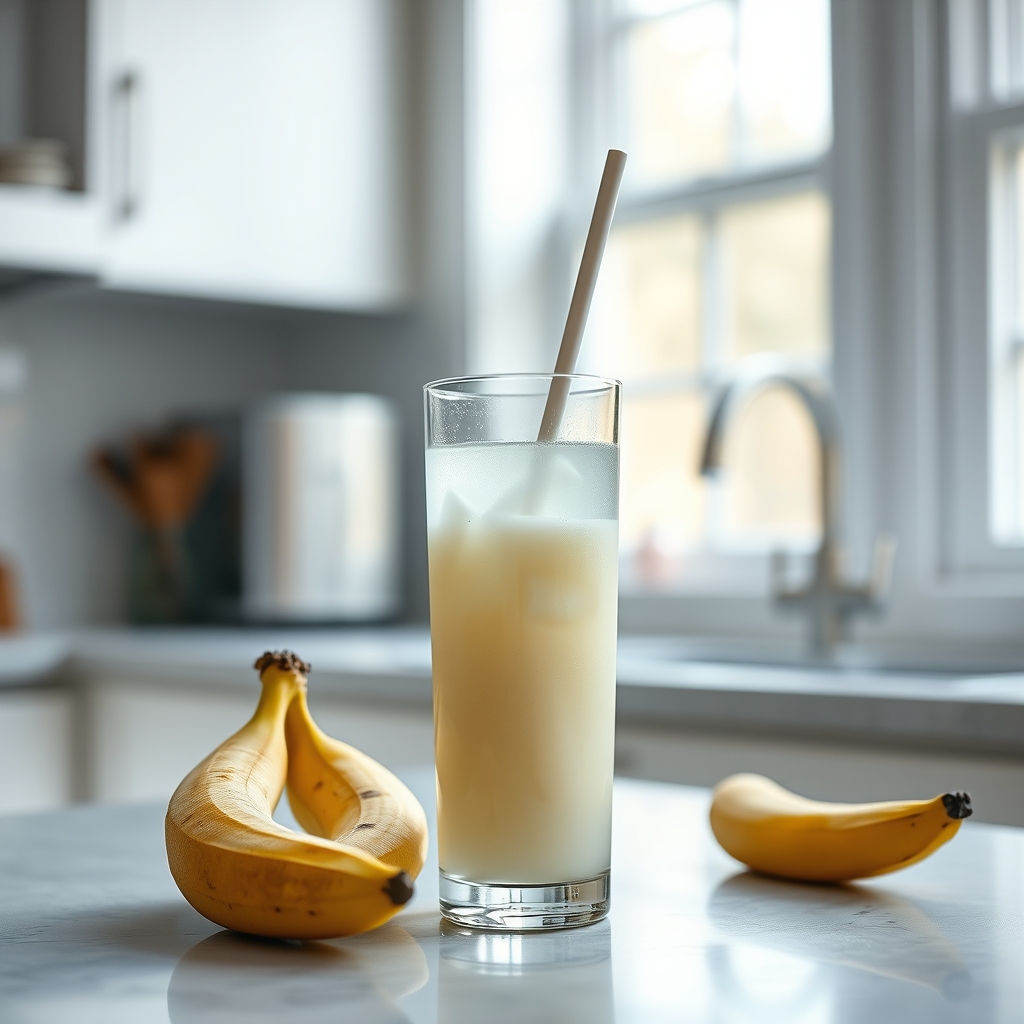
Bananas are a classic source of potassium and also supply vitamin B6, which can aid in reducing nausea. One medium banana delivers roughly 420 mg potassium and virtually no sodium, fitting comfortably within the daily potassium target of 2,500‑3,000 mg recommended by the Mayo Clinic for pregnant adults. They’re easy to grab on the go and pair nicely with a glass of water.
Spinach
Spinach is a leafy green packed with magnesium, calcium, and potassium. A half‑cup of cooked spinach offers about 300 mg potassium and 70 mg magnesium, both important for muscle function and preventing cramps. The USDA notes that pregnant women should aim for 350 mg of magnesium daily; spinach contributes a meaningful portion without adding sodium.
Avocado
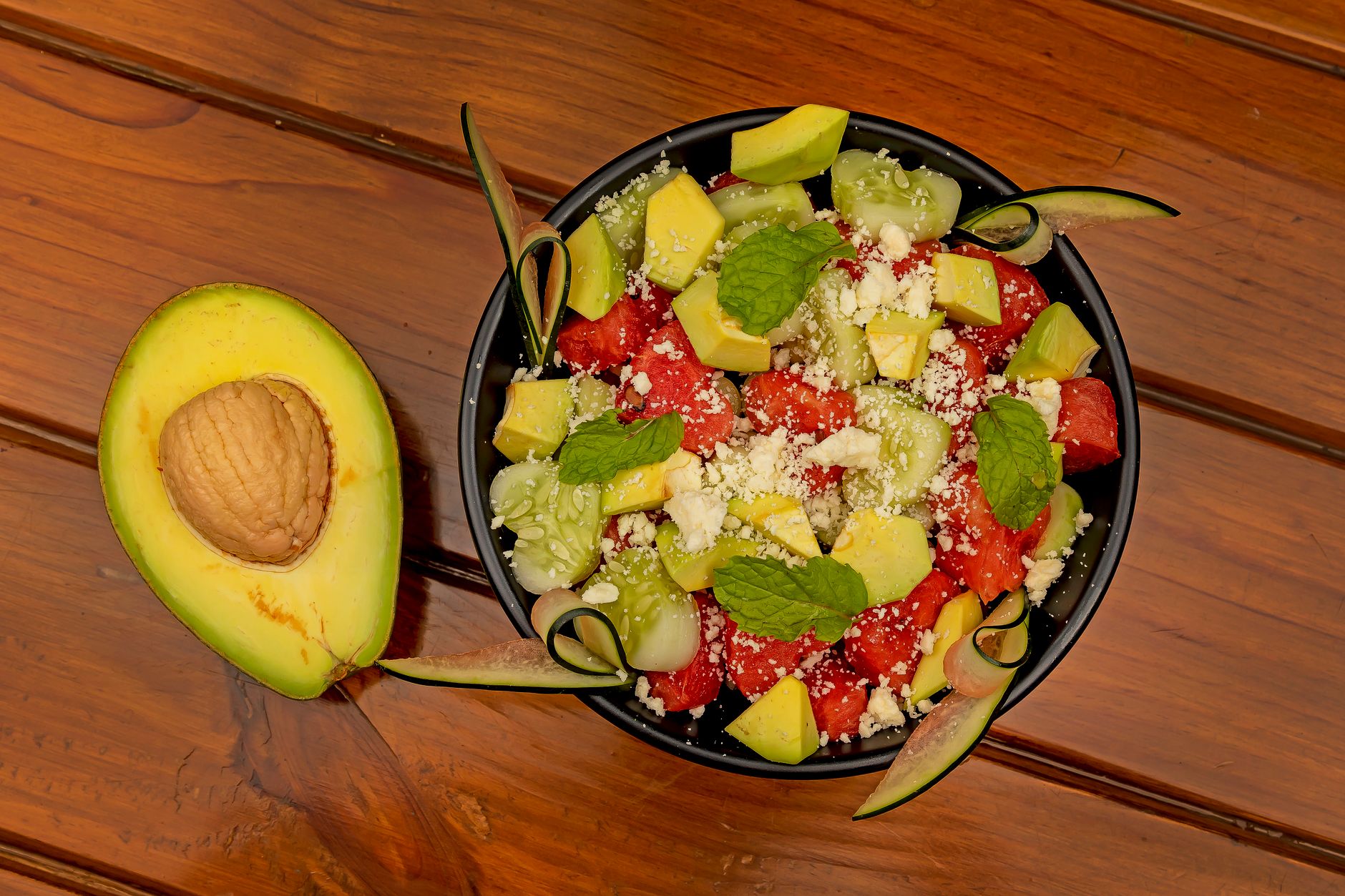
Avocado provides a creamy source of potassium (≈350 mg per half fruit) and healthy monounsaturated fats, which support overall fetal development. Its low sodium content means you can enjoy a half‑avocado daily without worrying about excess salt. The WHO highlights avocado as a heart‑healthy food, making it a smart choice for pregnant people monitoring blood pressure.
Sweet potatoes
Baked sweet potatoes are rich in potassium, magnesium, and beta‑carotene (vitamin A). A half‑cup serving supplies roughly 350 mg potassium and 40 mg magnesium, supporting nerve and muscle health. Because they’re low in sodium, they fit well into a balanced electrolyte plan. Choose baked or roasted versions rather than fried to keep added fats low.
Watermelon
Watermelon’s high water content (≈92 %) makes it naturally hydrating, while a cup of diced fruit adds about 400 mg potassium and a small amount of magnesium. It’s also a source of lycopene, an antioxidant the American Heart Association cites for cardiovascular health. Enjoy it chilled for a refreshing snack that contributes to your daily electrolyte intake.
Oral Rehydration Solutions (ORS)
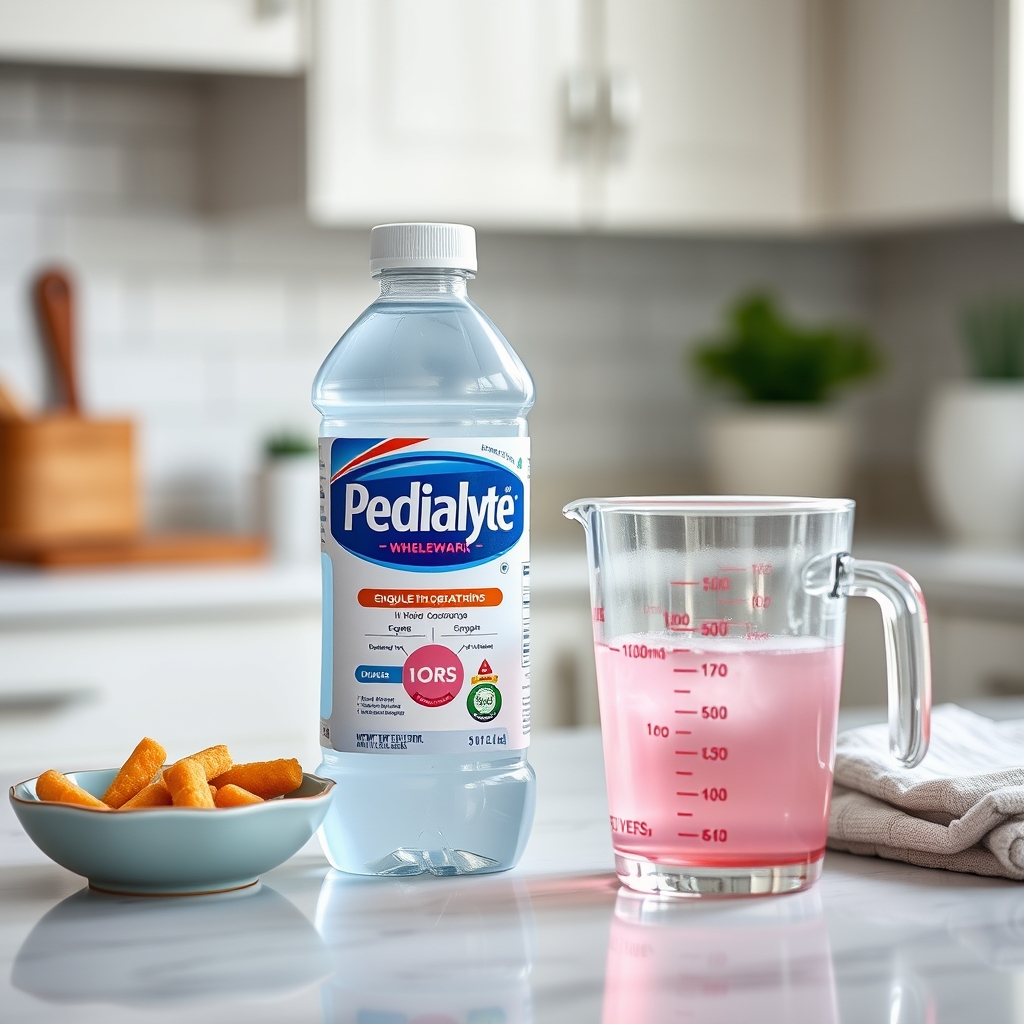
ORS packets, such as Pedialyte Classic, are formulated to replace fluids and electrolytes lost through vomiting, diarrhea, or heavy sweating. The WHO recommends a sodium‑glucose ratio that optimizes water absorption. For pregnant women, using ORS under 1 L per day—as instructed on the label—provides a balanced dose of sodium (≈300 mg) and potassium (≈150 mg) without excessive sugars.
Bone broth
Bone broth is simmered from animal bones, releasing minerals like calcium, magnesium, and a modest amount of sodium. A cup can deliver about 200 mg sodium and 100 mg calcium, supporting bone health for both mother and baby. Choose low‑sodium versions or make your own at home, skimming excess salt before serving.
Low‑sugar electrolyte powders
Modern electrolyte powders are designed for athletes and pregnant people alike. Products such as Nuun Pregnancy‑Friendly contain ≤120 mg sodium, 80 mg potassium, and a small amount of magnesium per tablet, with no caffeine or high‑dose vitamins that could interfere with prenatal supplements. Dissolve one tablet in 16 oz of water for a light, refreshing drink that fits within the daily sodium ceiling.
Myth vs. fact
Myth: All sports drinks are safe for pregnant women because they contain electrolytes.
Fact: Many sports drinks have high sodium (>300 mg per 8 oz) and added sugars, which can contribute to excess weight gain and hypertension. Choose low‑sugar, low‑sodium options or stick to natural foods.
Myth: You need to drink large amounts of electrolyte beverages to prevent dehydration.
Fact: Moderate intake of water plus occasional electrolyte‑rich foods is sufficient for most pregnancies. Over‑consumption can lead to electrolyte overload.
Myth: Coconut water can replace prenatal vitamins.
Fact: While coconut water supplies potassium, it lacks the full spectrum of vitamins and minerals found in prenatal supplements. Use it as a supplement, not a replacement.
Key takeaways
Natural foods like bananas, spinach, and watermelon are the safest way to get electrolytes during pregnancy.
Low‑sugar electrolyte drinks (unsweetened coconut water, diluted fruit juice, ORS) are generally safe in moderation.
Keep sodium intake below 2 g per day; watch labels for hidden salts in commercial beverages.
If you experience swelling, high blood pressure, or persistent cramps, reduce electrolyte intake and talk to your provider.
Always consult your obstetrician before adding new supplements or high‑electrolyte products, especially if you have kidney or heart conditions.
For active or gestational‑diabetes‑managed pregnancies, prioritize low‑sugar, low‑sodium options and pair them with balanced snacks.
Frequently asked questions
Is it safe to drink electrolyte drinks while pregnant?
Yes, most low‑sugar electrolyte drinks are safe when consumed in moderation, but you should avoid those with high sodium or added caffeine. Choose options with ≤200 mg sodium per serving.
What is the best electrolyte drink for pregnancy?
The best choice is an unsweetened coconut water or a WHO‑recommended oral rehydration solution like Pedialyte, as they provide balanced potassium and sodium without excess sugars.
Can I drink Pedialyte while pregnant?
Yes, Pedialyte is considered safe for pregnant women when used as directed (typically up to 1 L per day) because it follows WHO guidelines for electrolyte balance.
What are natural ways to get electrolytes during pregnancy?
Natural sources include bananas, spinach, avocado, sweet potatoes, watermelon, and coconut water. These foods deliver potassium, magnesium, and calcium without added sodium.
How much sodium is safe during pregnancy?
The recommended limit is less than 2 grams (≈2,300 mg) per day for most pregnant adults, according to the American Heart Association and ACOG.
Can dehydration during pregnancy cause problems?
Yes, dehydration can lead to low amniotic fluid, urinary tract infections, and preterm labor; staying hydrated with water and balanced electrolytes helps mitigate these risks.
Are electrolyte powders safe for pregnant women?
Some low‑sugar electrolyte powders are safe, but you should check the label for sodium content and avoid those with caffeine or high‑dose vitamins. Always discuss with your provider before starting.
Can I make my own electrolyte drink at home?
Yes, a simple homemade mix of 1 L water, a pinch of sea salt, a splash of fresh orange juice, and a teaspoon of honey (if you don’t have gestational diabetes) can provide a safe, low‑sugar electrolyte boost. Keep the total sodium under 150 mg per serving.
Is it okay to consume electrolytes if I’m carrying twins?
Women carrying multiples have slightly higher fluid needs, but the same sodium and potassium limits apply. Focus on nutrient‑dense foods and avoid excessive salty drinks; consult your obstetrician for personalized guidance.
When to call your doctor
If you notice any of the following, contact your obstetrician or midwife promptly: persistent swelling of hands or feet, sudden weight gain of more than 2 kg in a week, severe leg cramps that don’t improve with electrolyte intake, high blood pressure (≥140/90 mmHg), or signs of dehydration such as dark urine, dizziness, or rapid heartbeat. Remember, this article is for informational purposes only and does not replace professional medical advice.
References
American College of Obstetricians and Gynecologists (ACOG). “Nutrition During Pregnancy.” 2023.
National Health Service (NHS). “Healthy eating during pregnancy.” Updated 2022.
U.S. Food and Drug Administration (FDA). “Guidance for Industry: Food Labeling.” 2021.
Centers for Disease Control and Prevention (CDC). “Electrolyte Balance and Pregnancy.” 2022.
World Health Organization (WHO). “Oral Rehydration Salts (ORS) – Formulation and Use.” 2020.
Mayo Clinic. “Electrolytes and Pregnancy.” Accessed July 2024.
American Heart Association. “Sodium and Heart Health.” 2023.
National Institute for Health and Care Excellence (NICE). “Nutrition in pregnancy.” 2022.
American College of Sports Medicine (ACSM). “Exercise Nutrition for Pregnant Athletes.” 2021.
International Society for the Study of the Pregnancy‑Related Metabolism (ISSPRM). “Gestational Diabetes and Dietary Recommendations.” 2022.
Pair a cup of unsweetened coconut water with a banana for a quick potassium boost.Combine spinach, avocado, and watermelon for a balanced electrolyte snack.Pedialyte (ORS) provides a doctor‑approved electrolyte balance when used as directed.
Not sure about the label on Safe Electrolytes During Pregnancy products?
Snap the ingredients list and SafeFilter checks every ingredient for your stage — only 3 free scans this month, then you're locked until reset. Unlimited from $7/mo or $50/yr.
When Shubhra Mishra was expecting her first child in 2016, she was overwhelmed by conflicting food advice — one site said yes, another said never. By the time her second baby arrived in 2019, she realized millions of mothers face the same confusion.
That sparked a five-year journey through clinical nutrition papers, cultural diets, and expert conversations — all leading to BumpBites: a calm, compassionate space where science meets everyday motherhood.
Her long-term vision is to build a global community ensuring safe, supported, and free deliveriesfor every mother — because no woman should face pregnancy alone or uninformed. 🌿
🌍 Stand with mothers, shape safer guidance
Join a small circle of experts who review BumpBites articles so expecting parents everywhere can decide with confidence.