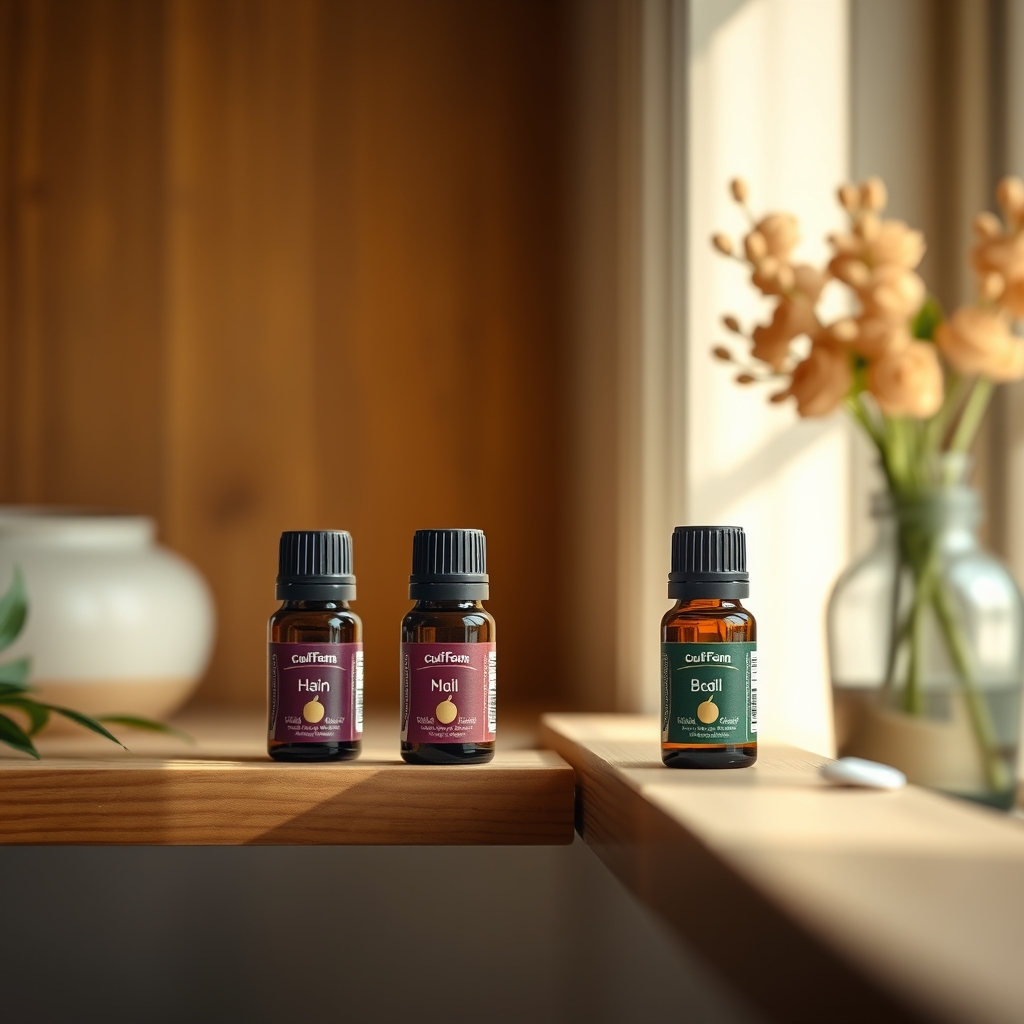
Safe essential oils for pregnancy, use in moderation during 2nd and 3rd trimester with 1-3% dosage
By Shubhra Mishra — a mom of two who turned her own confusion during pregnancy into BumpBites, a global mission to make food choices clear, safe, and stress-free for every expecting mother. 💛
Check whether any food is safe during pregnancy with the BumpBites Food Safety Checker.
Quick verdict: ⚠️ Safe with limits. While some essential oils can be used cautiously and in highly diluted forms during pregnancy, many are best avoided due to insufficient safety data or potential risks. Always consult your healthcare provider or a certified aromatherapist before using any essential oils while pregnant.
That moment when you're pregnant and reach for your favorite essential oil diffuser, or consider a topical rub for a new ache, only to have a sudden wave of panic: "Is this actually safe for my baby?" You're not alone. Many expecting parents wonder about the safety of essential oils during pregnancy, especially with so much conflicting information out there. The good news is that while there's a lot to consider, some essential oils for pregnancy can be used safely with proper precautions, while others should be strictly avoided. We're here to help you navigate the world of aromatherapy during this special time, offering clear guidance from reputable sources.
At BumpBites, we understand your concern for your baby's well-being. That's why we've compiled this complete guide to help you understand which essential oils are safe, how to use them correctly, and when to opt for safer alternatives. Let's dive into the details so you can make informed choices and find relief from common pregnancy discomforts without unnecessary worry.
Always check the labels and consult your doctor before using any essential oils during pregnancy.
Essential Oils for Pregnancy: Safety Snapshot
This table summarizes the general safety of commonly discussed essential oils during pregnancy. Remember, "safe with limits" always implies proper dilution and method of use, and consultation with a healthcare provider.
Essential Oil
Pregnancy Verdict
Notes on Use During Pregnancy
Lavender
⚠️ Safe with limits
Generally considered safe for diffusion or topical use (highly diluted) in 2nd/3rd trimesters for relaxation. Avoid in 1st trimester and high doses.
Roman Chamomile
⚠️ Safe with limits
Often used for relaxation and sleep. Use in low dilution and avoid in 1st trimester. Consult professional.
Lemon
⚠️ Safe with limits
Can help with nausea when diffused. Use cautiously, avoid topical use if photosensitive.
Ginger
⚠️ Safe with limits
May help with nausea when diffused or inhaled from a tissue. Use low concentrations.
Frankincense
⚠️ Safe with limits
Used for calming and skin support. Low dilution, avoid in 1st trimester.
Tea Tree
❌ Best avoided
Generally not recommended due to potential for skin irritation and lack of robust safety data for internal use.
Eucalyptus
❌ Best avoided
Avoid, especially near the face, due to strong vapors that can affect breathing, particularly in infants and young children.
What are Essential Oils?
E
ssential oils are highly concentrated plant extracts that capture the plant's scent and flavor, or its "essence." They are typically made by distillation (steam or water) or mechanical methods, such as cold pressing. These oils contain the chemical compounds that give plants their unique aromas and therapeutic properties. For example, the refreshing scent of peppermint or the calming aroma of lavender comes from their respective essential oils.
People use essential oils for a variety of purposes, including aromatherapy (inhaling the aroma), topical application (diluted on the skin), and sometimes even internal use (though this is highly controversial and generally not recommended, especially during pregnancy). They are often marketed for stress relief, sleep improvement, pain management, and to address various health concerns. However, because they are so potent, even a small amount can have a significant effect, which is why their use requires careful consideration, particularly during sensitive periods like pregnancy.
Is [Essential Oils] safe during pregnancy?
The question of whether essential oils are safe during pregnancy is complex, and the answer isn't a simple yes or no. The overarching guidance from major health organizations like the American College of Obstetricians and Gynecologists (ACOG) and the UK's National Health Service (NHS) emphasizes caution due to a lack of extensive, high-quality research on their effects on pregnant individuals and developing fetuses. Most studies on essential oils are small, animal-based, or focus on non-pregnant populations, meaning direct evidence for pregnancy safety is limited.
Essential oils are not regulated by the U.S. Food and Drug Administration (FDA) in the same way medications are, which means their purity, potency, and safety can vary significantly between brands. This lack of regulation adds another layer of uncertainty. While some essential oils are generally considered low-risk when used appropriately (highly diluted, externally, and in moderation), others are known to be unsafe or lack sufficient data to recommend their use. The primary concern is that the chemical compounds in essential oils can cross the placenta and potentially affect the developing baby, or in some cases, trigger uterine contractions or have other adverse effects on the pregnant person.
Therefore, most obstetricians and certified aromatherapists recommend a cautious approach. If you're considering using essential oils for pregnancy, it's crucial to consult your healthcare provider first. They can offer personalized advice based on your health history and specific pregnancy stage. For BumpBites, we lean on the side of prudence, recommending that if there's any doubt, it's best to avoid or choose a well-researched, safer alternative.
Are essential oils safe in the first trimester vs third trimester?
The safety of essential oils can vary significantly depending on the stage of your pregnancy. Understanding these differences is crucial for making informed choices.
First Trimester
The first trimester (weeks 1-12) is the most critical period for fetal development, as all major organs are forming. This stage is particularly sensitive to external influences, and there is a greater risk of potential harm from substances that can cross the placenta. For this reason, most experts, including the National Association for Holistic Aromatherapy (NAHA), recommend avoiding *all* essential oils during the first trimester. While some sources might suggest a few "safe" options, the lack of robust human studies during this vulnerable window makes extreme caution the wisest approach. If you've already used essential oils before realizing you were pregnant, try not to panic. Take a breath and discuss it with your doctor at your next appointment. The key is to stop using them now and focus on safety going forward.
Second Trimester
By the second trimester (weeks 13-27), organogenesis (organ formation) is largely complete, and the risk of teratogenic effects (causing birth defects) from external substances generally decreases. Some essential oils are cautiously introduced during this period, but always with extreme dilution and only via diffusion or very limited topical application. It's still vital to use only those oils generally recognized as lower risk and to consult with a healthcare professional or a certified aromatherapist experienced in prenatal care. Avoid internal use entirely. Even in the second trimester, certain essential oils known to be emmenagogues (substances that stimulate blood flow in the uterus or pelvic area, potentially inducing menstruation or contractions) should still be avoided.
Third Trimester
In the third trimester (weeks 28-40+), the focus shifts to preparing for labor and delivery. While many essential oils remain off-limits, some may be considered for specific purposes, such as relaxation or pain relief during labor, but only under strict guidance. For example, some oils are believed to help with sleep or reduce anxiety. However, it's crucial to avoid any essential oils that could potentially induce contractions (like Clary Sage, though some sources controversially suggest it for labor *onset*, this should *never* be self-administered). Always discuss any essential oil use with your birthing team or obstetrician, especially as you approach your due date. Dilution remains paramount, and skin sensitivity can increase during pregnancy, so patch testing is always recommended.
Breastfeeding
When breastfeeding, the concern is whether essential oil compounds can pass into breast milk and affect the baby. Many essential oil components can be absorbed into the bloodstream and excreted through milk. While some oils are considered generally safe in small amounts, others may pose a risk to the infant, potentially causing irritation, affecting feeding patterns, or having other systemic effects. For example, strong-smelling oils might deter a baby from feeding. It's best to avoid applying essential oils directly to the breasts or any area where the baby might ingest them. Always consult with a lactation consultant or your healthcare provider about essential oil use while breastfeeding. Diffusion in a well-ventilated room is generally preferred over topical application during this period, but even then, moderation is key.
What is the safest way to use essential oils while pregnant?
If you and your healthcare provider decide that certain essential oils are appropriate for you during pregnancy, how you use them is just as important as which ones you choose. The safest methods prioritize minimizing systemic absorption and direct contact, ensuring proper dilution, and limiting exposure.
Dilution is Non-Negotiable
For topical application, essential oils must *always* be diluted in a carrier oil. Carrier oils are vegetable oils like jojoba, almond, coconut, or grapeseed oil. During pregnancy, a very low dilution rate is recommended, typically 0.5% to 1% for most essential oils. This means for every 1 teaspoon (5 ml) of carrier oil, you would add only 1-2 drops of essential oil. This significantly reduces the concentration and minimizes the risk of skin irritation or systemic absorption.
Diffusion: Less is More
Diffusion is often considered the safest method for pregnant individuals. Use a high-quality diffuser in a well-ventilated room, and diffuse for short periods—typically 15-30 minutes at a time, no more than 2-3 times a day. Avoid continuous diffusion throughout the day or night. Ensure the room is not sealed, allowing for fresh air circulation. Never diffuse in a small, unventilated space, and avoid diffusing directly near your face or in areas where children or pets spend significant time. The goal is to create a subtle aroma, not an overpowering scent.
Inhalation from a Tissue
For quick, localized relief, such as for nausea, inhaling a drop of essential oil from a tissue or cotton ball can be effective. Place one drop on a tissue, hold it a few inches from your nose, and inhale gently. This provides direct aromatic benefits without widespread diffusion or topical application. Again, limit the duration of inhalation.
Avoid Internal Use
Under no circumstances should essential oils be ingested during pregnancy. Essential oils are extremely potent and can be toxic if consumed, especially during pregnancy. The risks of internal use far outweigh any potential benefits and can lead to serious complications for both you and your baby.
Patch Testing
Even with proper dilution, skin sensitivity can change during pregnancy. Always perform a patch test on a small area of skin (like your inner forearm) with your diluted essential oil blend before applying it more broadly. Wait 24 hours to check for any redness, itching, or irritation.
Always dilute essential oils significantly with a carrier oil before applying them topically during pregnancy.
Which essential oils are safe to use during pregnancy?
When considering essential oils for pregnancy, a very limited selection is generally deemed acceptable for cautious use, primarily in the second and third trimesters, and always with proper dilution and consultation. The key is to choose single oils that are well-researched and known for their mildness.
Lavender Essential Oil (Lavandula angustifolia)
Often lauded for its calming and relaxing properties, true Lavender (Lavandula angustifolia, not spike lavender or lavandin) is one of the most commonly suggested essential oils for pregnancy. Many pregnant people find it helpful for reducing anxiety, promoting sleep, and easing mild headaches. It is generally considered safe for diffusion or highly diluted topical application (0.5-1%) in the second and third trimesters. Avoid in the first trimester. Always ensure you are using pure lavender and not a synthetic fragrance.
Roman Chamomile Essential Oil (Chamaemelum nobile)
Like lavender, Roman Chamomile is renowned for its gentle, calming effects. It can be particularly useful for relaxation, soothing nerves, and promoting restful sleep. When diffused or applied topically in low dilution (0.5-1%) during the second and third trimesters, it may help with stress and insomnia. Avoid in the first trimester, and those with ragweed allergies should use caution as cross-reactivity is possible.
Lemon Essential Oil (Citrus limon)
Lemon essential oil is often praised for its uplifting and nausea-reducing properties. Many pregnant people find that diffusing lemon essential oil or inhaling it from a tissue can help alleviate morning sickness or general pregnancy-related nausea. It can also be uplifting for mood. Use caution with topical application, as lemon oil is photosensitive, meaning it can increase sensitivity to sunlight and cause skin reactions. If applied topically (highly diluted), avoid sun exposure for at least 12 hours. Best used via diffusion or inhalation from a tissue.
Ginger Essential Oil (Zingiber officinale)
Ginger is a well-known remedy for nausea and indigestion, and its essential oil can offer similar benefits. Diffusing ginger essential oil or inhaling it directly from a tissue can help calm an upset stomach and reduce feelings of morning sickness. It's generally considered safe for aromatic use (diffusion or direct inhalation) during the second and third trimesters, again, avoiding the first. Topical application should be highly diluted (0.5%) and limited to small areas.
Frankincense Essential Oil (Boswellia carterii or sacra)
Frankincense is valued for its grounding and calming effects, often used to promote feelings of peace and relaxation. It's also sometimes used for skin support. When diffused or applied topically in low dilution (0.5-1%) in the second and third trimesters, it may help reduce stress and anxiety. As with all essential oils, avoid in the first trimester and ensure proper dilution.
What essential oils should pregnant women avoid?
While a few essential oils might be conditionally safe, a much larger list should be strictly avoided during pregnancy due to potential risks. These risks range from stimulating uterine contractions to being toxic to the fetus or causing adverse reactions in the pregnant person. Always err on the side of caution.
Oils that May Stimulate Uterine Contractions
These essential oils are known for their emmenagogue or abortifacient properties, meaning they can stimulate blood flow in the uterus, potentially leading to contractions or even miscarriage. They should be avoided throughout pregnancy, especially in the first trimester:
Clary Sage: Often used to induce labor, making it dangerous during pregnancy.
Cinnamon Bark/Leaf: Highly potent and can stimulate contractions.
Clove Bud: Can be irritating and has uterine stimulant properties.
Rosemary: Known to increase blood pressure and can stimulate uterine contractions.
Peppermint (high doses/topical): While peppermint *tea* is often recommended for nausea, the concentrated essential oil, especially in high doses or applied topically, is often advised against due to its stimulating properties and potential to affect blood pressure, particularly in the first trimester. Some sources consider diffusion safer in later trimesters for nausea, but caution is paramount.
Jasmine: Can stimulate contractions.
Myrrh: Traditionally used as an emmenagogue.
Oils with Potential Toxicity or Irritation
These oils may be toxic, highly irritating, or lack sufficient safety data for pregnancy, making them unsuitable for use:
Tea Tree Oil (Melaleuca): While popular for skin issues, its safety in pregnancy, especially for systemic absorption, is not well-established. It can also be irritating.
Eucalyptus: The strong vapors can be overwhelming and potentially affect breathing, especially in sensitive individuals or those with asthma. It's generally advised to avoid, particularly in the first trimester and near the face.
Fennel: Contains compounds that can be hormone-like and are best avoided.
Aniseed: Similar to fennel, contains compounds that may be problematic.
Wintergreen: Contains methyl salicylate, similar to aspirin, which should be avoided in pregnancy due to blood-thinning properties and potential for Reye's syndrome in children (though not directly for the fetus, caution is warranted).
Birch: Also contains methyl salicylate.
Sage (Common Sage/Dalmatian Sage): Contains thujone, a neurotoxin.
Pennyroyal: Highly toxic and abortifacient.
Tansy, Wormwood, Rue: All are highly toxic and should be strictly avoided.
This list is not exhaustive. When in doubt, always assume an essential oil is unsafe and consult with a qualified healthcare professional or a certified aromatherapist specializing in prenatal care.
What are the potential risks of essential oils during pregnancy?
Even with "safe" essential oils, potential risks exist if not used correctly or if you have underlying sensitivities. Understanding these risks can help you use essential oils more safely or opt for alternatives.
Skin Irritation and Allergic Reactions
Pregnant skin can be more sensitive due to hormonal changes. Essential oils, even diluted, can cause contact dermatitis, redness, itching, or rashes. Some oils are inherently more irritating than others (e.g., cinnamon, clove). An allergic reaction can manifest as hives, swelling, or difficulty breathing, which requires immediate medical attention.
Systemic Absorption and Fetal Exposure
When applied topically or inhaled, essential oil compounds can enter your bloodstream. From there, they can cross the placenta and potentially reach the developing fetus. The long-term effects of this exposure are largely unknown for many oils, making caution essential. High concentrations or frequent use increase the likelihood of systemic absorption.
Uterine Contractions
As mentioned, some essential oils (emmenagogues) can stimulate uterine contractions, posing a risk of premature labor or miscarriage. This is a primary reason why many oils are strictly prohibited, especially in the first trimester.
Photosensitivity
Certain essential oils, particularly citrus oils like lemon, lime, bergamot, and grapefruit, are photosensitive. Applying them to the skin and then exposing that skin to sunlight can cause severe burns, blistering, and hyperpigmentation (dark spots). This risk extends even to highly diluted applications.
Interaction with Medications
Essential oils contain active chemical compounds that can interact with prescription or over-the-counter medications you might be taking, potentially altering their effectiveness or increasing side effects. Always discuss any essential oil use with your doctor, especially if you are on medication.
Effects on Blood Pressure and Hormones
Some essential oils can influence blood pressure (e.g., rosemary can increase it) or mimic hormonal activity within the body. Given the delicate hormonal balance during pregnancy, using oils with such properties could theoretically disrupt normal physiological processes.
How to choose safe essential oil brands for pregnancy?
Choosing a high-quality, pure essential oil brand is crucial, especially during pregnancy, given the lack of FDA regulation. The market is flooded with products, and not all are created equal. Here's what to look for:
100% Pure Essential Oil: The label should clearly state "100% pure essential oil" and include the botanical (Latin) name of the plant. Avoid anything labeled "fragrance oil," "perfume oil," or "natural identical oil," as these are often synthetic or adulterated.
Third-Party Testing: Reputable brands will conduct and publish third-party testing results, specifically Gas Chromatography-Mass Spectrometry (GC-MS) reports. These reports verify the purity and chemical composition of the oil, ensuring it's free from contaminants and adulterants. Look for batch-specific reports.
Dark Glass Bottles: Essential oils should always be stored in dark amber or cobalt blue glass bottles to protect them from UV degradation, which can alter their chemical composition and reduce their potency.
Proper Labeling: Look for labels that include the botanical name, country of origin, extraction method, and expiration date. Clear instructions for dilution and warnings (e.g., "not for internal use") are also good signs.
Reputation and Transparency: Choose brands with a strong reputation for ethical sourcing, sustainable practices, and transparency about their distillation and testing processes. Be wary of brands that make exaggerated health claims or offer suspiciously low prices for rare oils.
Avoid "Therapeutic Grade" Claims: While this term is widely used, it's a marketing term created by some companies and not an official certification or standard recognized by regulatory bodies. Focus on purity and testing instead.
Some well-regarded brands known for their commitment to purity and testing include doTERRA, Young Living (though caution with their internal use recommendations during pregnancy), Plant Therapy, Eden's Garden, and Aura Cacia. However, even with these brands, always verify their specific pregnancy guidelines and consult with your healthcare provider.
Are there essential oil alternatives for pregnancy symptoms?
Absolutely! For many common pregnancy discomforts, there are numerous safe and effective alternatives to essential oils that don't carry the same level of concern. These options often provide gentle relief without the need for extensive precautions or professional consultation regarding specific oil compounds.
Ginger tea: Excellent for nausea and indigestion.
Peppermint tea: Can help with nausea and an upset stomach.
Warm bath: Soothes muscle aches, promotes relaxation, and eases stress.
Prenatal massage: Relieves muscle tension, improves circulation, and reduces stress.
Acupressure bands: Effective for nausea and motion sickness.
Gentle stretching/yoga: Improves flexibility, reduces back pain, and calms the mind.
Cold/warm compresses: Targeted relief for headaches, muscle aches, or swelling.
Magnesium supplements: May help with leg cramps, constipation, and sleep.
Deep Dives on Top Recommended Options
Let's explore some of these safer, non-essential oil alternatives in more detail, as they can be incredibly beneficial for managing pregnancy discomforts.
Ginger Tea
Ginger is a powerhouse for pregnancy-related nausea, often recommended by doctors. It contains compounds like gingerols and shogaols that have anti-inflammatory and antiemetic (anti-nausea) effects. Sipping on warm ginger tea can help settle an upset stomach, reduce morning sickness, and ease indigestion. You can make it by steeping fresh ginger slices in hot water or using pre-packaged ginger tea bags. It's a gentle, natural remedy with a long history of safe use in pregnancy.
Peppermint Tea
While peppermint essential oil requires caution, peppermint *tea* is generally considered safe and effective for alleviating nausea, indigestion, and bloating during pregnancy. The menthol in peppermint can help relax the muscles of the digestive tract, providing relief from discomfort. Ensure you're using pure peppermint tea (from the leaves) and not a blend with other herbs that might be contraindicated. Enjoy a warm cup slowly for best results.
Warm Bath
A warm bath is a classic, simple, and incredibly effective way to soothe many pregnancy aches and pains. The buoyancy of the water takes pressure off your joints and muscles, while the warmth helps relax tense areas like your back and hips. It's also a fantastic stress reliever, promoting mental calm and better sleep. Ensure the water is comfortably warm, not hot (avoiding temperatures that could raise your core body temperature too much), and consider adding Epsom salts (magnesium sulfate) for extra muscle relaxation. Always have someone nearby if you feel dizzy getting in or out.
Prenatal Massage
A prenatal massage, performed by a certified therapist trained in pregnancy massage techniques, can be a godsend for expecting parents. It can significantly reduce back pain, alleviate leg cramps, decrease swelling (edema), and improve sleep. Massage also helps to reduce stress and anxiety by promoting relaxation. Always seek out a therapist specifically qualified in prenatal massage, as they know how to position you safely and which areas to avoid or treat with extra care.
Acupressure Bands
Acupressure bands, such as Sea-Bands, are often recommended for morning sickness and general nausea during pregnancy. These drug-free bands work by applying gentle pressure to the P6 (Neiguan) acupressure point on your inner wrist, which is believed to help regulate nausea signals. They are safe, easy to use, and can provide continuous relief without any side effects. Many pregnant people find them incredibly helpful, especially during the first trimester.
Gentle Stretching/Yoga
Engaging in gentle stretching or prenatal yoga can work wonders for common pregnancy discomforts like back pain, sciatica, and general stiffness. It helps improve flexibility, strengthens core muscles (which support your growing belly), and enhances circulation. Prenatal yoga also incorporates breathing techniques and mindfulness, which can reduce stress and prepare you for labor. Always choose a class or routine specifically designed for pregnant individuals and listen to your body, avoiding any positions that cause discomfort or strain.
Cold/Warm Compresses
Simple cold or warm compresses can provide targeted relief for various pregnancy symptoms without any chemical exposure. A cold compress can soothe headaches, reduce swelling in ankles or wrists, or cool you down during hot flashes. A warm compress can ease muscle aches (e.g., on the lower back), alleviate breast tenderness, or help with sinus congestion. Always wrap compresses in a cloth to protect your skin and ensure they are not too extreme in temperature.
Magnesium Supplements
Magnesium is an essential mineral that plays a role in over 300 biochemical reactions in the body. During pregnancy, it's often depleted, and supplementation can help with several common discomforts. Magnesium can be effective in reducing leg cramps, alleviating constipation, and promoting better sleep by relaxing muscles and calming the nervous system. Always discuss magnesium supplementation with your healthcare provider, as they can recommend the appropriate dosage and form (e.g., magnesium citrate for constipation, magnesium glycinate for absorption) that is safe for your specific needs.
Related Items — Safety at a Glance
Here’s a quick overview of other common remedies and their general safety during pregnancy, to help you make informed decisions.
Item
Pregnancy Verdict
Note on Use During Pregnancy
Acetaminophen (Tylenol)
✅ Generally safe
Considered the safest pain reliever for occasional use at standard doses.
Ibuprofen (Advil, Motrin)
❌ Best avoided
Avoid in 3rd trimester (risk of heart defects), best avoided in 1st/2nd too.
Aspirin
❌ Best avoided
Generally avoided unless low-dose prescribed by doctor for specific conditions.
Naproxen (Aleve)
❌ Best avoided
Similar to ibuprofen, avoid especially in 3rd trimester.
Antacids (Tums, Rolaids)
✅ Generally safe
Calcium carbonate or magnesium hydroxide based are generally safe for heartburn.
Diphenhydramine (Benadryl)
⚠️ Safe with limits
Generally considered safe for occasional sleep aid or allergy relief.
Pseudoephedrine (Sudafed)
❌ Best avoided
Avoid in 1st trimester; use with caution in 2nd/3rd, consult doctor due to blood vessel constriction.
Myth vs. fact
There are many misconceptions about essential oils, especially when it comes to pregnancy safety. Let's clear up some common myths.
Myth: Because essential oils are "natural," they are always safe to use during pregnancy.
Fact: "Natural" does not automatically mean "safe," especially during pregnancy. Many natural substances, including certain herbs and essential oils, are highly potent and can have significant physiological effects. Some essential oils can be toxic, cause uterine contractions, or interfere with fetal development. Their concentrated nature means they are far more powerful than the plant from which they came. Always evaluate natural remedies with the same caution you would a medication.
Myth: If an essential oil is safe to diffuse, it's also safe to apply topically or ingest.
Fact: The method of application dramatically changes the safety profile of essential oils. Diffusion (inhaling the aroma) is generally considered the safest method during pregnancy, and even then, with limits. Topical application (on the skin) leads to greater systemic absorption and requires significant dilution. Ingestion (swallowing) is almost universally advised against during pregnancy due to the high risk of toxicity and potential harm to both parent and baby. Always follow specific guidelines for each method of use.
Myth: If I've used an essential oil before pregnancy without issues, it's fine to continue using it while pregnant.
Fact: Pregnancy changes your body's physiology in profound ways, from hormonal shifts to increased blood volume and altered metabolism. What was safe for you pre-pregnancy may not be safe for you or your developing baby now. Your skin might become more sensitive, your olfactory senses heightened, and your body's ability to process substances may change. Always re-evaluate all products and practices through the lens of pregnancy safety, even familiar ones.
Key Takeaways
Most essential oils are best avoided during the first trimester due to critical fetal development.
Always consult your healthcare provider or a certified aromatherapist before using any essential oils while pregnant.
If using essential oils in the second and third trimesters, prioritize diffusion with good ventilation or highly diluted topical application (0.5-1%).
Strictly avoid internal use of essential oils during pregnancy.
Be aware of specific essential oils to avoid, such as Clary Sage, Cinnamon, Clove, Rosemary, and high doses of Peppermint oil, due to potential uterine stimulation or toxicity.
Opt for well-researched, pure essential oil brands that provide third-party testing results.
Consider safer alternatives like ginger tea, warm baths, or prenatal massage for common pregnancy discomforts.
Frequently asked questions
What essential oils are safe to diffuse while pregnant?
Generally, essential oils like Lavender, Roman Chamomile, Lemon, Ginger, and Frankincense are considered safer for diffusion during the second and third trimesters, but only in a well-ventilated room and for short periods (15-30 minutes). Always use a high-quality diffuser and ensure the aroma is subtle, not overpowering.
Can essential oils cause miscarriage?
Some essential oils, particularly those with emmenagogue or abortifacient properties (e.g., Clary Sage, Pennyroyal, high doses of Rosemary), *can* potentially stimulate uterine contractions or affect fetal development, increasing the risk of miscarriage or premature labor. This is why strict avoidance of certain oils, especially in the first trimester, is crucial. The lack of extensive human research means caution is always recommended.
Is lavender essential oil safe during pregnancy?
True Lavender (Lavandula angustifolia) is one of the most commonly suggested essential oils for pregnancy, generally considered safe for diffusion or highly diluted topical use (0.5-1%) in the second and third trimesters for relaxation. However, it should be avoided in the first trimester, and always ensure it's a pure, unadulterated oil.
What essential oils should be avoided in early pregnancy?
In early pregnancy (first trimester), it's generally recommended to avoid *all* essential oils due to the critical period of fetal development. However, particular caution is advised for oils known to stimulate contractions or be potentially toxic, such as Clary Sage, Cinnamon, Clove, Rosemary, Peppermint (in high doses), Fennel, and Wintergreen, throughout the entire pregnancy.
Can I use essential oils topically when pregnant?
Topical use of essential oils during pregnancy is generally considered riskier than diffusion and should only be done with extreme caution, proper dilution (0.5-1% in a carrier oil), and in the second or third trimesters. Always perform a patch test first, and avoid applying to large areas of the body. Always consult your healthcare provider before topical application.
Are essential oil diffusers safe for pregnant women?
Essential oil diffusers are generally considered the safest method for using essential oils during pregnancy, provided you use approved oils, diffuse in a well-ventilated room, and limit diffusion to short periods (15-30 minutes, a few times a day). Avoid continuous diffusion and ensure the scent is not overwhelming, especially for sensitive noses.
What essential oils are good for morning sickness?
For morning sickness, diffusing or inhaling Lemon or Ginger essential oil from a tissue can be helpful for some pregnant individuals. However, for a proven and widely recommended alternative, ginger tea is often more effective and carries fewer risks than essential oils. Acupressure bands are also an excellent, safe option.
Is peppermint essential oil safe during pregnancy?
While peppermint *tea* is generally considered safe for nausea, the concentrated peppermint essential oil is often advised against, particularly in high doses or topical application, especially in the first trimester, due to its stimulating properties. Some sources suggest cautious diffusion in later trimesters for nausea, but consulting your doctor is crucial, and safer alternatives like ginger tea are often preferred.
When to call your doctor
If you experience any adverse reactions after using essential oils during pregnancy, such as a rash, severe headache, dizziness, nausea, shortness of breath, or any unusual contractions, stop use immediately and contact your healthcare provider. Even if you've used an essential oil deemed "safe" but feel unwell, it's important to seek medical advice. Your doctor can assess your symptoms and provide guidance tailored to your specific situation.
Remember, this information is for educational purposes only and is not a substitute for professional medical advice. Always consult with your doctor, midwife, or a certified aromatherapist specializing in prenatal care before using essential oils or any new remedy during pregnancy.
References
American College of Obstetricians and Gynecologists (ACOG). Official Website.
Not sure about the label on Safe Essential Oils During Pregnancy products?
Snap the ingredients list and SafeFilter checks every ingredient for your stage — only 3 free scans this month, then you're locked until reset. Unlimited from $7/mo or $50/yr.
When Shubhra Mishra was expecting her first child in 2016, she was overwhelmed by conflicting food advice — one site said yes, another said never. By the time her second baby arrived in 2019, she realized millions of mothers face the same confusion.
That sparked a five-year journey through clinical nutrition papers, cultural diets, and expert conversations — all leading to BumpBites: a calm, compassionate space where science meets everyday motherhood.
Her long-term vision is to build a global community ensuring safe, supported, and free deliveriesfor every mother — because no woman should face pregnancy alone or uninformed. 🌿
🌍 Stand with mothers, shape safer guidance
Join a small circle of experts who review BumpBites articles so expecting parents everywhere can decide with confidence.