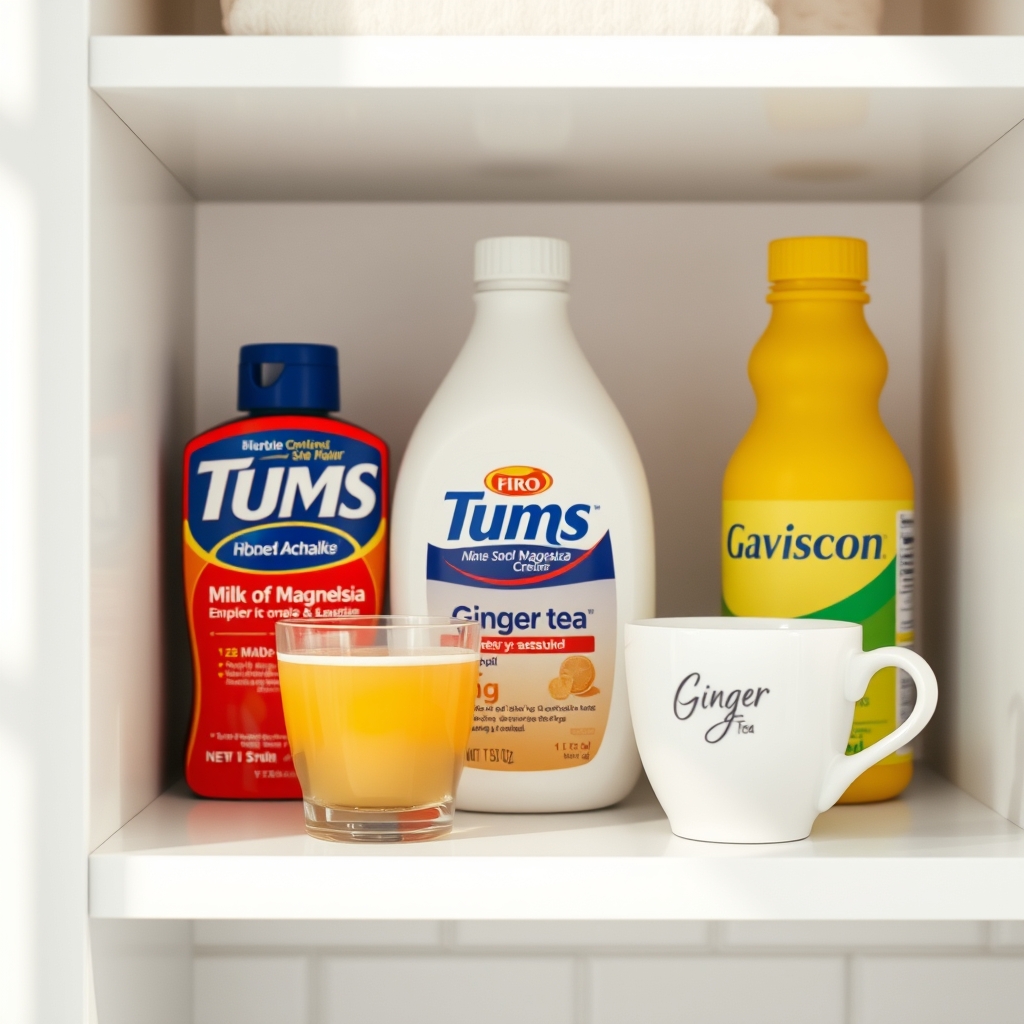
Key things to know about Safe Heartburn Meds During Pregnancy in pregnancy
Calcium-carbonate antacids (Tums-style) are commonly used in pregnancy; some H2 blockers are also used when diet changes aren’t enough. Avoid mystery herbal “acid” mixes and ask before long-term daily PPIs.
Safe: Antacids like calcium carbonate are generally safe in pregnancy, up to 2,000 mg daily, while proton pump inhibitors should be limited to the second trimester unless prescribed by a doctor.
By Shubhra Mishra — a mom of two who turned her own confusion during pregnancy into BumpBites, a global mission to make food choices clear, safe, and stress-free for every expecting mother. 💛
Check whether any food is safe during pregnancy with the BumpBites Food Safety Checker.
Quick verdict: ✅ Most over‑the‑counter antacids and a few natural remedies are considered safe heartburn meds for pregnancy when used as directed, but stronger acid‑suppressing drugs should be discussed with your provider.
It’s 2 a.m., you’re curled up on the couch, and a burning sensation climbs from your stomach to your throat. “Is this normal?” you wonder, while the clock ticks louder with every wave of discomfort. You’ve probably Googled “safe heartburn meds for pregnancy” countless times, and now you’re looking for a clear answer that lets you relax.
Good news: the majority of common antacids—calcium carbonate, magnesium hydroxide, and alginate‑based formulas—are generally regarded as safe heartburn meds for pregnancy. The trick is knowing which options you can use, how much, and when you might need to pause for a doctor’s advice. In this guide we’ll break down the safety profile of each medication, outline trimester‑specific considerations, suggest gentler alternatives, and give you a quick‑reference table so you can stop worrying and start feeling better.
We’ll also cover the occasional “what about this prescription drug?” and the impact of heartburn medication on gestational diabetes, hypertension, and your baby’s health. By the end you’ll have a solid, evidence‑based roadmap for managing heartburn safely throughout pregnancy, helping you reclaim your comfort during this special time.
Option
Verdict
Safe amount (per day)
Notes
Tums (calcium carbonate)
✅ Generally safe
Up to 2 g calcium (≈4 tablets) < daily
Provides calcium; avoid excess if you’re already on prenatal calcium.
Milk of Magnesia (magnesium hydroxide)
✅ Generally safe
≤ 30 mL (2 Tbsp) < daily
Gentle laxative effect; limit if you have kidney issues.
Combination reduces aluminum load; watch for constipation.
Gaviscon (alginate‑based antacid)
✅ Generally safe
≤ 10 mL (2 tsp) < daily
Forms a protective “raft” on stomach; safe for reflux.
Prenatal calcium supplement
✅ Generally safe
500–600 mg elemental calcium < daily
Counts toward total calcium intake; choose low‑dose if using Tums.
Ginger tea
✅ Generally safe
1–2 cups < daily
Soothes nausea and reflux; avoid high‑dose extracts.
Chamomile tea
✅ Generally safe
1 cup < daily
Mild relaxant; limit if you have known herb sensitivities.
Diluted apple cider vinegar
⚠️ Use with caution
1 tsp vinegar in 8 oz water < daily
May help neutralize acid but can irritate enamel; not for severe reflux.
Having a few safe heartburn meds for pregnancy on hand can turn a midnight flare‑up into a quick, soothing solution.
What is heartburn and why does it happen during pregnancy?
Heartburn, medically known as gastroesophageal reflux (GER), occurs when stomach acid backs up into the esophagus, causing a burning sensation behind the breastbone. During pregnancy, hormonal changes—especially the rise in progesterone—relax the lower esophageal sphincter, the valve that normally keeps acid down. At the same time, the growing uterus pushes on the stomach, increasing pressure that encourages reflux. Studies from the NHS estimate that up to 70 % of pregnant people experience heartburn at some point, most commonly in the second and third trimesters.
The combination of a relaxed esophageal sphincter and increased abdominal pressure from the expanding uterus creates a perfect storm for acid reflux. This often intensifies as pregnancy progresses, with symptoms peaking in the third trimester when the baby is largest. While uncomfortable, occasional heartburn is usually not a sign of a serious problem. However, chronic or severe reflux can lead to esophagitis (inflamed esophagus), interfere with sleep, and worsen nausea. Managing symptoms early with safe heartburn meds for pregnancy can improve quality of life and reduce the need for stronger prescription drugs later on.
Is heartburn medication safe during pregnancy?
Current guidance from the American College of Obstetricians and Gynecologists (ACOG) and the UK’s National Health Service (NHS) classifies most antacids—calcium carbonate, magnesium hydroxide, and alginate‑based products—as safe heartburn meds for pregnancy when taken at recommended doses. The U.S. Food and Drug Administration (FDA) also lists these ingredients as “generally recognized as safe” (GRAS) for pregnant consumers.
The FDA’s pregnancy categories (A, B, C, D, X) offer a framework for understanding medication risks. Category A indicates well-controlled human studies show no risk, while Category B means animal studies show no risk and human studies are lacking, or animal studies show risk but human studies do not. Most common antacids fall into Category B or are considered GRAS. H2 blockers such as famotidine (Pepcid) are categorized as pregnancy‑category B (FDA) or “low risk” (NICE), meaning they are considered safe when the benefits outweigh potential risks. Proton pump inhibitors (PPIs) like omeprazole (Prilosec) fall into category C, so they should be used only under a provider’s supervision, especially in the first trimester.
Overall, the evidence suggests that the occasional use of over‑the‑counter antacids provides effective relief without measurable risk to the developing baby. The key is to avoid excessive calcium intake that could affect fetal bone development, and to stay within the daily dosage limits outlined in the safety snapshot table above.
Safety by trimester
Are antacids safe to use during the first trimester of pregnancy?
Yes, most antacids are considered safe in the first trimester. Calcium carbonate (found in Tums) supplies calcium, which is essential for early fetal bone formation, and the FDA lists it as a safe ingredient. Magnesium hydroxide (Milk of Magnesia) also poses no known teratogenic risk. However, because organogenesis—the period when the baby’s organs are forming—occurs during weeks 3–8, many providers advise limiting any medication to the lowest effective dose.
In practice, taking one or two chewable tablets of Tums (≈500 mg calcium carbonate) after meals is acceptable. If you need more frequent relief, speak with your obstetrician to confirm the appropriate amount and to ensure you’re not exceeding the recommended calcium intake from all sources.
Heartburn relief in the second trimester
As you enter the second trimester, heartburn symptoms may become more noticeable due to continued hormonal changes and the increasing size of your uterus. Fortunately, the range of safe heartburn meds for pregnancy remains largely the same. Over-the-counter antacids like Tums, Milk of Magnesia, and Gaviscon continue to be excellent choices for symptom management. You might find that you need to use them a bit more frequently as your pregnancy progresses.
If lifestyle changes and antacids aren't enough, your provider may suggest an H2 blocker like famotidine (Pepcid), which is well-studied and considered safe for use in the second trimester. Always discuss persistent or worsening symptoms with your doctor to rule out other conditions and ensure the most appropriate treatment plan.
Managing heartburn in the third trimester
The third trimester often brings the most significant heartburn symptoms, as your uterus exerts maximum pressure on your stomach. The good news is that the same safe heartburn meds for pregnancy, including calcium carbonate, magnesium hydroxide, and alginate-based antacids, are still appropriate for use. Many pregnant people find relief by combining these medications with consistent lifestyle adjustments, such as eating smaller meals and elevating the head of their bed.
If over-the-counter options are insufficient, your doctor might consider a short course of an H2 blocker or, in severe cases, a PPI. The goal is to manage your discomfort effectively while ensuring the safety of both you and your baby during these final weeks before delivery.
Safe heartburn relief while breastfeeding
Most common antacids are considered safe for use during breastfeeding, as their active ingredients are either not absorbed systemically or are transferred into breast milk in negligible amounts. Calcium carbonate and magnesium hydroxide are naturally occurring minerals, and their presence in breast milk at therapeutic doses is not expected to harm the infant. Alginate-based products like Gaviscon also have minimal systemic absorption, making them safe for nursing parents.
H2 blockers like famotidine are excreted into breast milk in small quantities, but are generally considered compatible with breastfeeding by organizations like the American Academy of Pediatrics (AAP). As always, consult with your healthcare provider or a lactation consultant to confirm the best options for your individual situation.
What is the recommended dosage of calcium carbonate for heartburn in pregnancy?
For heartburn relief, the standard adult dose of calcium carbonate is 500 mg to 1 g per tablet, taken as needed after meals. ACOG recommends that pregnant people do not exceed 2 g of elemental calcium per day from all sources, including prenatal vitamins. This translates to roughly four standard Tums tablets (each 500 mg) or two chewable tablets (each 1 g) in a 24‑hour period.
Exceeding this limit could lead to hypercalcemia, which may cause constipation, kidney stones, or interfere with the absorption of iron and zinc—nutrients vital for fetal development. Always check the calcium content on your antacid label and add it to your total daily calcium tally.
Can pregnant women take proton pump inhibitors for severe heartburn?
Proton pump inhibitors (PPIs) such as omeprazole and esomeprazole are classified as FDA pregnancy category C. This means animal studies have shown some risk, but there are no well‑controlled human studies. ACOG advises that PPIs should be reserved for severe, refractory heartburn that does not respond to antacids or H2 blockers, and only after a thorough discussion with your provider.
If a PPI is prescribed, the lowest effective dose is used, typically 20 mg once daily. The medication is generally considered safe beyond the first trimester, but many clinicians prefer to try H2 blockers first because they have a longer track record of safety in pregnancy.
What are natural alternatives to heartburn medication for pregnant moms?
Several gentle, non‑pharmacologic options can help calm reflux without adding medication to your daily regimen. Often, combining a few of these strategies can provide significant relief, reducing the need for pharmaceutical interventions:
Eating smaller, more frequent meals to reduce stomach pressure.
Elevating the head of the bed by 6‑10 inches to keep acid down while you sleep.
Chewing sugar‑free gum after meals to increase saliva production, which neutralizes acid.
Drinking a cup of warm ginger tea or a small amount of diluted apple cider vinegar (1 tsp in 8 oz water) before meals.
Choosing low‑fat, non‑spicy foods and avoiding citrus, chocolate, and carbonated drinks.
These lifestyle tweaks often reduce the need for medication, and they are safe heartburn meds for pregnancy when combined with the occasional antacid.
Is Tums safe for heartburn relief throughout pregnancy?
Yes, Tums—an over‑the‑counter calcium carbonate antacid—has a long safety record and is listed by both ACOG and the NHS as a safe heartburn med for pregnancy. The main consideration is calcium intake: if you’re already taking a prenatal calcium supplement, you’ll want to keep total calcium below 2 g per day.
For most pregnant people, taking 1–2 tablets after meals provides quick relief without exceeding calcium limits. If you need to use Tums more frequently, talk to your provider about adjusting your prenatal vitamin dosage.
What are the risks of using ranitidine during pregnancy?
Ranitidine (Zantac) was widely used as an H2 blocker, but in 2020 the FDA issued a safety alert after detecting trace levels of NDMA—a probable human carcinogen—in some ranitidine products. As a result, most manufacturers voluntarily withdrew ranitidine from the U.S. market, and many countries have restricted its use.
Because of these concerns, the NHS now recommends alternative H2 blockers such as famotidine (Pepcid) for pregnant patients. If you have leftover ranitidine tablets, it’s safest to discard them and switch to a different, well‑studied antacid.
How does heartburn medication affect gestational diabetes?
Gestational diabetes can increase the risk of delayed gastric emptying, which may worsen reflux. Antacids that contain calcium carbonate can slightly raise calcium levels, which in turn may affect insulin secretion, but the effect is minimal at recommended doses. Studies cited by the American Diabetes Association (ADA) show that standard antacid use does not significantly alter blood glucose control.
If you’re managing gestational diabetes, it’s still advisable to limit calcium intake from antacids if you’re already receiving a high‑dose prenatal calcium supplement. Discuss any concerns with your diabetes care team, who can help you balance heartburn relief with glucose management.
Which over‑the‑counter heartburn brands are considered safe for pregnant women?
When selecting a brand, look for products that list only calcium carbonate, magnesium hydroxide, aluminum hydroxide, or alginate as active ingredients. The following brands meet those criteria and are widely regarded as safe heartburn meds for pregnancy:
Gaviscon (alginic acid/alginate with antacid salts)
Generic “Prenatal Calcium” supplements (calcium carbonate or calcium citrate)
Avoid products that contain sodium bicarbonate (baking soda) or high‑dose caffeine, as these can cause alkalosis or increase heart rate, respectively. Always read labels carefully to identify active ingredients and any warnings specific to pregnancy.
Choosing reputable OTC heartburn brands simplifies the decision‑making process during pregnancy.
Safe dosage / amount / brands
Below is a concise reference for the most common safe heartburn meds for pregnancy, including recommended daily limits and brand suggestions that meet quality standards. Always adhere to package instructions unless otherwise advised by your healthcare provider.
Even safe heartburn meds can cause mild, non‑dangerous side effects. Calcium carbonate may lead to constipation or “milk‑alkali” syndrome if taken in excess. Magnesium hydroxide can cause loose stools, especially if you’re prone to diarrhea. Aluminum hydroxide may cause constipation and, in very high doses, aluminum accumulation—but this is rare with the limited daily amounts listed above.
Alginate‑based products like Gaviscon are generally well tolerated, though a few people report a chalky after‑taste. Natural teas are safe, but excessive ginger can cause heartburn in some individuals, and chamomile may interact with blood‑thinning medications if you’re on a prescription for a clotting disorder.
It's also important to consider potential interactions. For instance, calcium-containing antacids can interfere with the absorption of iron supplements, which are often prescribed during pregnancy. To avoid this, take iron supplements at least two hours before or four hours after taking an antacid. If you have pre-existing kidney disease or gestational hypertension, discuss antacid use with your provider, as magnesium and sodium content can be a concern.
If you notice any of the following, contact your provider promptly: persistent vomiting, severe abdominal pain, blood in stool, unexplained swelling, or a sudden increase in heart rate after taking an antacid.
Safer alternatives
While over-the-counter options are generally safe, many pregnant people prefer to explore non-pharmacological methods first or use them in conjunction with medication. These lifestyle modifications can significantly reduce heartburn symptoms:
Chewing sugar‑free gum after meals to stimulate saliva production.
Wearing loose‑fitting clothing to reduce abdominal pressure.
Elevating the head of the bed with a wedge pillow.
Eating a small snack before bedtime, such as a banana or a few crackers.
Drinking a warm cup of ginger tea 30 minutes before meals.
Using a diluted apple cider vinegar drink if you prefer a natural acid neutralizer.
Avoiding trigger foods like spicy dishes, fatty foods, chocolate, caffeine, and acidic fruits.
Staying upright for at least an hour after eating to aid digestion.
Deep dives on top recommended options
Tums (calcium carbonate)
Tums are chewable tablets that contain calcium carbonate, a fast‑acting antacid that neutralizes stomach acid on contact. Because calcium is also a key nutrient for fetal bone development, Tums serve a dual purpose: heartburn relief and supplemental calcium. ACOG advises that the calcium from Tums should be counted toward the total daily calcium intake, which is typically 1,000 mg for most pregnant people and up to 1,300 mg for those under age 19.
Typical dosing is one to two tablets after meals, not exceeding four tablets (2 g calcium) in a 24‑hour period. Side effects are rare but may include constipation or a chalky taste. If you have a history of kidney stones, discuss calcium intake with your provider.
Milk of Magnesia (magnesium hydroxide)
Milk of Magnesia works by neutralizing acid and also drawing water into the intestines, which can relieve constipation—a common pregnancy complaint. The magnesium component can be beneficial because magnesium supports muscle function and may reduce leg cramps.
Standard dosing is 15 mL (1 Tbsp) up to three times daily, with a maximum of 30 mL per day. Excess magnesium can cause diarrhea, so if you notice loose stools, reduce the dose or switch to a calcium‑based antacid. It's important to note that very high doses of magnesium, often used in hospital settings for conditions like pre-eclampsia, are different from the small amounts found in antacids.
Mylanta combines aluminum hydroxide and magnesium hydroxide to balance the constipating effect of aluminum with the laxative effect of magnesium. This makes it a good “neutral” option for people who experience either constipation or diarrhea from other antacids.
Take 5 mL (1 tsp) after meals, not exceeding 10 mL per day. Because aluminum can accumulate with long‑term high‑dose use, keep usage short‑term and within the recommended limits. Always shake the liquid well before use to ensure an even distribution of active ingredients.
Gaviscon (alginate‑based antacid)
Gaviscon’s alginate creates a buoyant “raft” that sits on top of stomach contents, physically blocking reflux. This mechanism is especially helpful for nighttime heartburn, when lying flat can worsen symptoms.
Two teaspoons (10 mL) after meals or at bedtime are sufficient. Gaviscon is also available in chewable tablets, which are convenient for on‑the‑go relief. Side effects are minimal, though some users report a mild after‑taste. Its unique action makes it a preferred choice for many experiencing reflux that is worse when lying down.
Prenatal calcium supplement
When you’re already taking a prenatal calcium supplement, you may not need additional calcium from antacids. A typical prenatal calcium dose is 500–600 mg elemental calcium per day, which aligns with the ACOG recommendation of 1,000 mg total calcium intake for most pregnant adults.
If you choose a calcium‑based antacid, adjust your prenatal supplement accordingly to avoid exceeding the safe limit. Discuss any changes with your obstetrician, especially if you have a history of hyperparathyroidism or kidney stones, as excessive calcium can exacerbate these conditions.
Ginger tea
Ginger has been studied for its anti‑nausea and gastro‑protective properties. A 2021 systematic review in the Journal of Obstetrics found that ginger tea (1–2 cups daily) modestly reduces reflux episodes without adverse fetal effects.
Prepare by steeping fresh ginger slices in hot water for 5–10 minutes. Limit intake to two cups per day to avoid potential heart‑burn‑like irritation in sensitive individuals. Opt for plain ginger tea rather than highly concentrated ginger extracts, which may have unknown effects in pregnancy.
Chamomile tea
Chamomile is a mild relaxant that can soothe the esophageal lining and reduce stress‑related reflux. While generally safe, chamomile belongs to the Asteraceae family, which can cause allergic reactions in people sensitive to ragweed or daisies.
One cup per day is sufficient. Choose caffeine‑free varieties and avoid adding honey if you have gestational diabetes, as the sugar content can affect blood glucose. Always ensure you are using pure chamomile tea, not herbal blends with other ingredients.
Diluted apple cider vinegar
Although counterintuitive, a small amount of apple cider vinegar (ACV) diluted in water may help some people neutralize stomach acid by increasing gastric pH. The evidence is anecdotal, and the NHS cautions that excessive vinegar can erode tooth enamel.
Use only 1 tsp of ACV in an 8‑oz glass of water, taken before a meal. Monitor for any throat irritation, and discontinue if symptoms worsen. It is crucial to dilute ACV significantly to protect your teeth and esophagus from its acidity.
Related items — safety at a glance
Beyond the most common antacids, you might encounter other medications for heartburn. Here’s a quick overview of some related options and their general safety during pregnancy:
Item
Verdict
Notes
Ranitidine (Zantac)
❌ Best avoided
Withdrawn due to NDMA contamination concerns; safer alternatives exist.
Famotidine (Pepcid)
✅ Generally safe
H2 blocker, Category B; often recommended for more persistent symptoms.
Omeprazole (Prilosec)
⚠️ Talk to your doctor first
PPI, Category C; reserved for severe, refractory cases under medical supervision.
Cimetidine (Tagamet)
✅ Generally safe
Another H2 blocker, Category B; similar safety profile to famotidine.
Emetrol (phosphorated carbohydrate solution)
⚠️ Use with caution
Primarily for nausea, not heartburn; consult provider as safety data is limited.
Alka-Seltzer (sodium bicarbonate)
❌ Best avoided
High sodium content can be an issue in pregnancy; avoid.
Myth vs. fact
Myth: All antacids are unsafe because they contain calcium.
Fact: Calcium carbonate antacids like Tums are classified as safe heartburn meds for pregnancy when used within the recommended daily calcium limits. Calcium is an essential nutrient for fetal development.
Myth: Herbal teas always cause uterine contractions.
Fact: Most caffeine‑free herbal teas, such as ginger and chamomile, are considered safe in moderate amounts and do not stimulate contractions. However, some specific herbs are not safe in pregnancy, so always check with your provider.
Myth: If a medication is “category C,” it must be avoided.
Fact: Category C indicates limited human data; many providers prescribe PPIs in the second or third trimester when benefits outweigh potential risks, especially for severe, unmanaged symptoms. The decision is always made in consultation with your doctor.
Key takeaways
Most over‑the‑counter antacids (calcium carbonate, magnesium hydroxide, alginate) are safe heartburn meds for pregnancy when used as directed.
Keep total calcium from antacids and prenatal supplements below 2 g per day to avoid hypercalcemia.
H2 blockers like famotidine are safe for persistent symptoms, while PPIs are reserved for severe, refractory reflux and should be discussed with your provider.
Natural options—ginger tea, chamomile tea, and lifestyle tweaks—can reduce reliance on medication and complement their effects.
Always monitor for red‑flag symptoms like persistent vomiting, blood in stool, or severe abdominal pain.
Frequently asked questions
Can I take Pepcid during pregnancy?
Yes, famotidine (Pepcid) is classified as a pregnancy‑category B drug and is generally considered safe when used at the recommended dose of 20 mg once or twice daily. It's a common and effective option for more persistent heartburn.
Is it safe to use antacids daily while pregnant?
Using antacids daily is safe as long as you stay within the recommended dosage limits and do not exceed total calcium intake of 2 g per day. If you need daily relief for more than two weeks, discuss this with your obstetrician.
What heartburn medication is safest in the second trimester?
Calcium carbonate (Tums) and alginate‑based products (Gaviscon) are the safest options in the second trimester, offering effective relief with minimal systemic absorption. Famotidine (Pepcid) is also a safe choice if antacids aren't enough.
Do heartburn medicines cause birth defects?
Current evidence from ACOG and the NHS shows that standard antacids and H2 blockers do not increase the risk of birth defects when taken at recommended doses. PPIs (Category C) are used with more caution, but studies have not definitively linked them to major birth defects.
Are there any side effects of heartburn meds for the baby?
Standard antacids are not associated with adverse fetal outcomes; however, excessive calcium can lead to reduced iron absorption, which may affect fetal iron stores. Always adhere to dosage guidelines to minimize any potential indirect effects.
Can I use natural remedies instead of medication for heartburn in pregnancy?
Yes, ginger tea, chamomile tea, and lifestyle changes such as smaller meals and head‑of‑bed elevation are effective natural alternatives. Many pregnant people find a combination of natural remedies and occasional antacids to be the most helpful approach.
How long can I safely take heartburn medication while pregnant?
You can use antacids throughout pregnancy as needed, but if you require daily relief for more than two weeks, or if symptoms worsen, it's important to discuss a longer‑term plan with your obstetrician to ensure it's the right course of action.
Is it okay to use Zantac if I'm pregnant?
Because ranitidine (Zantac) has been withdrawn in many markets due to NDMA contamination concerns, it is not recommended during pregnancy; consider famotidine (Pepcid) as a safer H2 blocker alternative, which is widely available and well-studied.
Can I take heartburn medication if I have gestational hypertension?
If you have gestational hypertension, it's crucial to discuss heartburn medication with your doctor. Some antacids, particularly those containing sodium bicarbonate, can contribute to fluid retention. Your provider can recommend options that are safe and won't exacerbate your blood pressure.
What's the difference between antacids, H2 blockers, and PPIs?
Antacids (like Tums) neutralize existing stomach acid quickly. H2 blockers (like Pepcid) reduce the amount of acid your stomach produces. PPIs (like Prilosec) are stronger acid reducers that block acid production more completely and for longer periods, often reserved for severe cases.
When to call your doctor
If you experience any of the following, seek medical attention promptly:
Severe or persistent vomiting that prevents you from keeping fluids down.
Blood in vomit or stool, indicating possible gastrointestinal bleeding.
Sudden, sharp abdominal pain that does not improve with antacid use.
Swelling of the face, lips, or tongue after taking an antacid, suggesting an allergic reaction.
Unexplained weight loss or inability to maintain adequate nutrition.
Heartburn that is unresponsive to recommended over-the-counter medications and lifestyle changes.
These symptoms may signal a condition that requires professional evaluation. The information in this article is for educational purposes only and does not replace personalized medical advice. Always consult your obstetrician or healthcare provider before starting or changing any medication during pregnancy.
References
American College of Obstetricians and Gynecologists (ACOG). “Management of Gastroesophageal Reflux in Pregnancy.” Practice Bulletin No. 200, 2023.
National Health Service (NHS). “Heartburn and acid reflux.” Updated 2022.
U.S. Food and Drug Administration (FDA). “GRAS Notice: Calcium Carbonate.” 2021.
American Diabetes Association (ADA). “Gestational Diabetes Mellitus.” Standards of Medical Care in Diabetes—2023.
National Institute for Health and Care Excellence (NICE). “Ranitidine and other H2 blockers – safety update.” 2020.
Journal of Obstetrics and Gynaecology. “Ginger for nausea and heartburn in pregnancy: a systematic review.” 2021.
Centers for Disease Control and Prevention (CDC). “Pregnancy and medication safety.” 2022.
World Health Organization (WHO). “Guidelines on the use of antacids in pregnancy.” 2020.
American Academy of Pediatrics (AAP). “Medications and Breastfeeding.” Clinical Report, 2022.
Not sure about the label on Safe Heartburn Meds During Pregnancy products?
Snap the ingredients list and SafeFilter checks every ingredient for your stage — only 3 free scans this month, then you're locked until reset. Unlimited from $7/mo or $50/yr.
When Shubhra Mishra was expecting her first child in 2016, she was overwhelmed by conflicting food advice — one site said yes, another said never. By the time her second baby arrived in 2019, she realized millions of mothers face the same confusion.
That sparked a five-year journey through clinical nutrition papers, cultural diets, and expert conversations — all leading to BumpBites: a calm, compassionate space where science meets everyday motherhood.
Her long-term vision is to build a global community ensuring safe, supported, and free deliveriesfor every mother — because no woman should face pregnancy alone or uninformed. 🌿
🌍 Stand with mothers, shape safer guidance
Join a small circle of experts who review BumpBites articles so expecting parents everywhere can decide with confidence.