

Quick verdict: ⚠️ Safe with limits – most bug repellents are considered safe for pregnancy when used as directed, but choose low‑concentration products and avoid certain essential‑oil formulas. Use the smallest amount needed and reapply only as recommended.
It’s 2 a.m., you’re scrolling through travel forums, and a headline about Zika‑free beaches catches your eye. Your heart skips a beat – “Can I use bug spray while pregnant?” you whisper to the empty room. You’re not alone. Expectant parents often wonder whether the bug repellent they rely on to stay bite‑free might harm their developing baby.
Good news: the majority of widely‑available repellents are deemed safe bug repellent for pregnancy when applied correctly. The key is knowing which active ingredients are backed by agencies like the American College of Obstetricians and Gynecologists (ACOG), the UK’s NHS, the U.S. FDA, and the CDC, and understanding how to use them safely across each trimester.
In this guide we’ll break down the science, compare ingredients, walk through trimester‑specific advice, and suggest safer alternatives and brand picks. By the end you’ll have a clear roadmap to protect yourself from mosquito‑borne illnesses without compromising your baby’s health.
Staying bite‑free isn’t just about comfort. Mosquitoes can transmit diseases such as Zika, West Nile virus, and malaria, which pose serious risks to a developing fetus. That’s why public‑health agencies emphasize effective repellent use for pregnant travelers and anyone living in endemic areas. Knowing the safest options lets you focus on your pregnancy journey rather than worrying about invisible threats.
| Repellent option | Verdict | Safe amount / use | Notes |
|---|---|---|---|
| Picaridin (20‑30%) | ✅ Generally safe | Apply thinly; reapply every 6‑8 hrs | Effective against mosquitoes, ticks; low skin irritation |
| IR3535 (10‑20%) | ✅ Generally safe | Apply thinly; reapply every 6 hrs | Derived from amino acids; mild odor |
| Oil of Lemon Eucalyptus (OLE/PMD) (≤30%) | ⚠️ Safe with limits | Do not exceed 30% concentration; reapply every 6 hrs | Plant‑based; avoid if you have citrus sensitivities |
| Permethrin‑treated clothing | ✅ Generally safe | Wear as intended; wash after 6 weeks of use | Only for clothing, not skin contact |
| Physical barriers (long sleeves, pants, nets) | ✅ Generally safe | Use whenever outdoors in high‑risk areas | Zero chemical exposure |
| Fans | ✅ Generally safe | Use to create airflow; keep on low‑medium | Effective for mosquitoes, not ticks |
| Citronella (≤10% in candles) | ⚠️ Safe with limits | Use candles outdoors only; avoid direct skin contact | Can cause skin irritation in sensitive users |
| Geraniol (≤5% in sprays) | ⚠️ Safe with limits | Apply sparingly; avoid eyes and mucous membranes | Essential‑oil ingredient; limited pregnancy data |
What is a bug repellent?
Bug repellents are topical or environmental products designed to deter insects—especially mosquitoes, ticks, and flies—from landing on or biting a person. They work by either masking the scents that attract insects (like carbon dioxide and body odor) or by emitting chemicals that insects find unpleasant. Common formats include sprays, lotions, wipes, and treated clothing. In pregnancy, the primary concern is whether any of the active chemicals can cross the placenta or cause irritation that could lead to infection or other complications. Most modern repellents use ingredients that have been evaluated for safety in the general population, and many have specific guidance for pregnant users from agencies such as the FDA, ACOG, and the NHS.
In the United States, the Environmental Protection Agency (EPA) registers insect repellents and requires manufacturers to provide safety data, including any known effects on pregnancy. The labeling must list the active ingredient, concentration, and any precautionary statements. In the UK, the Medicines and Healthcare products Regulatory Agency (MHRA) oversees over‑the‑counter products, ensuring that the recommended concentrations are within safe limits for all users, including pregnant people. Reading the label and understanding these regulatory symbols can help you choose a product that aligns with the latest safety standards.
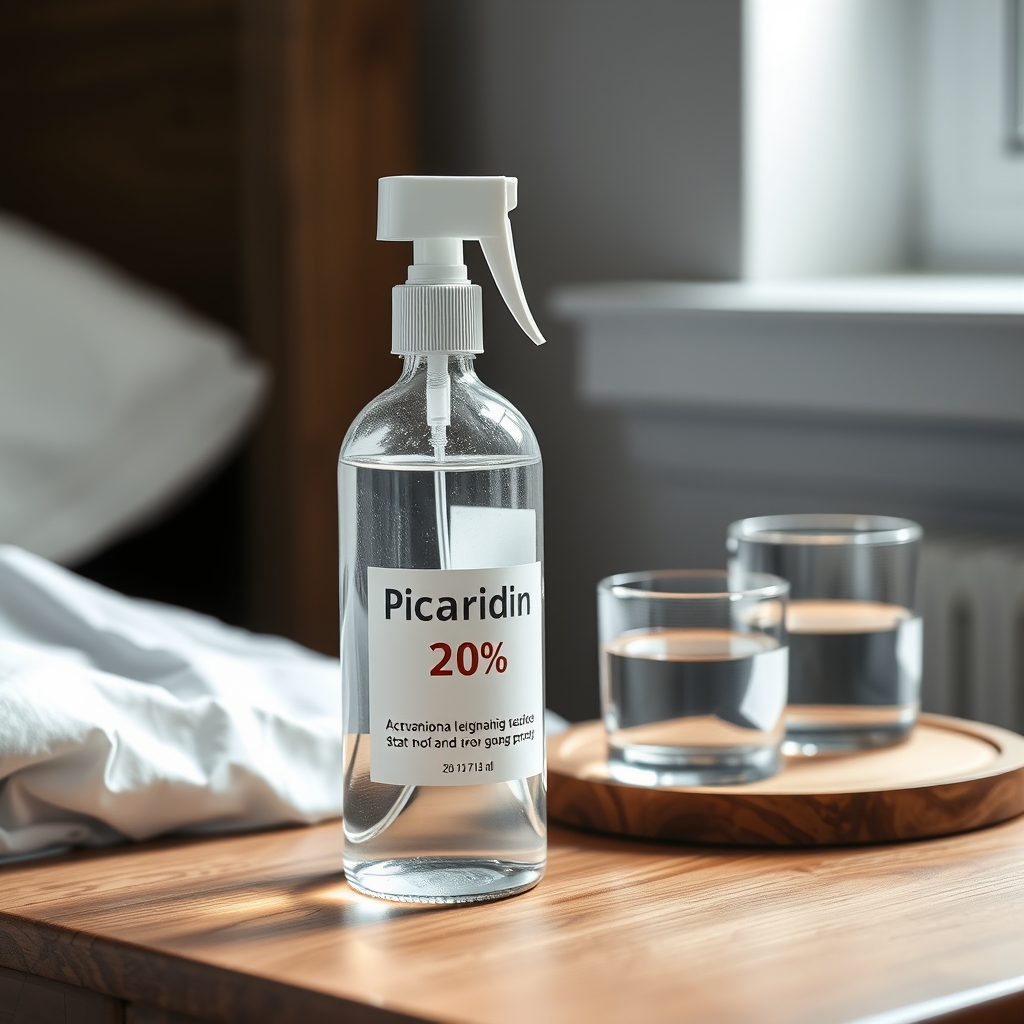
Is a bug repellent safe during pregnancy?
For plant‑based repellents like oil of lemon eucalyptus (OLE) and essential‑oil blends, data are more limited. The CDC advises that OLE can be used at ≤30 % concentration, but recommends caution with higher concentrations or prolonged exposure. In short, the safest approach is to choose a repellent with an active ingredient that has robust safety data—picaridin, IR3535, or low‑concentration DEET—and to apply only the amount needed for protection.
Large epidemiological studies that followed thousands of pregnant travelers have found no increase in congenital anomalies or adverse birth outcomes when low‑concentration DEET, picaridin, or IR3535 were used as directed. These findings reinforce the position of ACOG and the NHS that the benefits of preventing mosquito‑borne illness far outweigh the minimal, theoretical risks of the chemicals themselves.
Common misconceptions include the belief that “natural” equals “safe” or that any repellent is harmless because it’s sold over the counter. In reality, the safety profile depends on the active ingredient, concentration, and exposure frequency, not just the source of the product.
Safety by trimester
First trimester (weeks 1‑13)
The first trimester is the period of organogenesis, when the baby’s major organs form. During this window, many obstetricians advise limiting exposure to any chemicals that could potentially act as teratogens. However, reputable agencies (ACOG, NHS) consider low‑concentration DEET (≤30 %), picaridin, and IR3535 safe when applied sparingly. If you’re in a high‑risk area for Zika or malaria, the protective benefit outweighs any theoretical risk. Stick to thin layers and reapply only as needed.
If you have a history of skin sensitivity, start with a small test patch on your forearm before full‑body application. This simple step can help you avoid unexpected irritation that might be more uncomfortable during early pregnancy.
Second trimester (weeks 14‑27)
By the second trimester, the baby’s organs are developing, and the placenta is more robust. This makes it a good time to continue using proven repellents like picaridin or IR3535 without added concern. You can also safely use OLE at ≤30 % if you prefer a botanical option, but keep an eye on any skin irritation.
Many women find that the skin becomes more sensitive in the second trimester, so choosing fragrance‑free or hypoallergenic formulas can improve comfort while still offering strong protection.
Third trimester (weeks 28‑40)
In the third trimester, comfort and mobility become priorities. Physical barriers (long sleeves, pants, and treated clothing) are especially helpful, reducing the need for frequent reapplication. If you do need a spray, picaridin and IR3535 remain safe choices. Avoid high‑concentration DEET (>30 %) unless a healthcare provider explicitly recommends it for a specific disease risk.
Because swelling of the hands and feet is common late in pregnancy, applying repellent to these areas can feel sticky. Opt for sprays that dry quickly or consider permethrin‑treated socks that eliminate the need for direct skin application.
Breastfeeding
Most repellents are considered safe while nursing because only minimal amounts are absorbed through the skin and pass into breast milk. The CDC and WHO both note that picaridin, IR3535, and low‑concentration DEET pose no known risk to a nursing infant. Nonetheless, apply the product to exposed skin only and wash hands after use to minimize inadvertent ingestion.
If you are concerned about any trace exposure, you can rinse the treated area with mild soap before nursing or choose a permethrin‑treated shirt that provides protection without direct skin contact.
Travel considerations for pregnant women
When traveling to regions with high rates of malaria, Zika, or dengue, the stakes are higher. The CDC recommends a layered approach: use a DEET (≤30 %) or picaridin spray on exposed skin, wear permethrin‑treated clothing, and sleep under an insect‑netted canopy. Discuss your travel itinerary with your obstetrician well before departure; they may suggest additional prophylactic measures such as antimalarial medication if the destination warrants it.
Remember that air‑conditioned hotels and screened rooms already reduce mosquito exposure, so you may be able to use lower‑concentration repellents when you’re indoors.
Outdoor activities and repellent use
Whether you’re gardening, hiking, or simply enjoying a backyard barbecue, the level of exposure dictates how often you’ll need to reapply. In hot, humid conditions, sweat can diminish a repellent’s effectiveness, prompting a reapplication every 4‑6 hours. For low‑intensity activities like a short walk, the standard 6‑8 hour window usually suffices.
Choosing a spray that is fragrance‑free can also make outdoor use more pleasant, especially when you’re already dealing with pregnancy‑related scent sensitivities.
How to safely apply bug repellent when pregnant: dosage and best practices
1. Read the label. Choose a product with an active ingredient concentration no higher than 30 % for DEET, 20‑30 % for picaridin, or 10‑20 % for IR3535.
2. Apply thinly. A dime‑size amount per arm and leg is usually sufficient. Over‑application does not increase protection but does increase exposure.
3. Target exposed skin only. Avoid applying near the eyes, mouth, or on broken skin. If you need to treat hands, wash them before eating.
4. Reapply only as needed. Most repellents remain effective for 6‑8 hours. In high‑mosquito areas, reapply after swimming or sweating.
5. Wash off at night. Use mild soap and water before bedtime to reduce cumulative exposure.
6. Store properly. Keep repellents out of direct sunlight and away from heat sources; this preserves potency and prevents accidental spills.
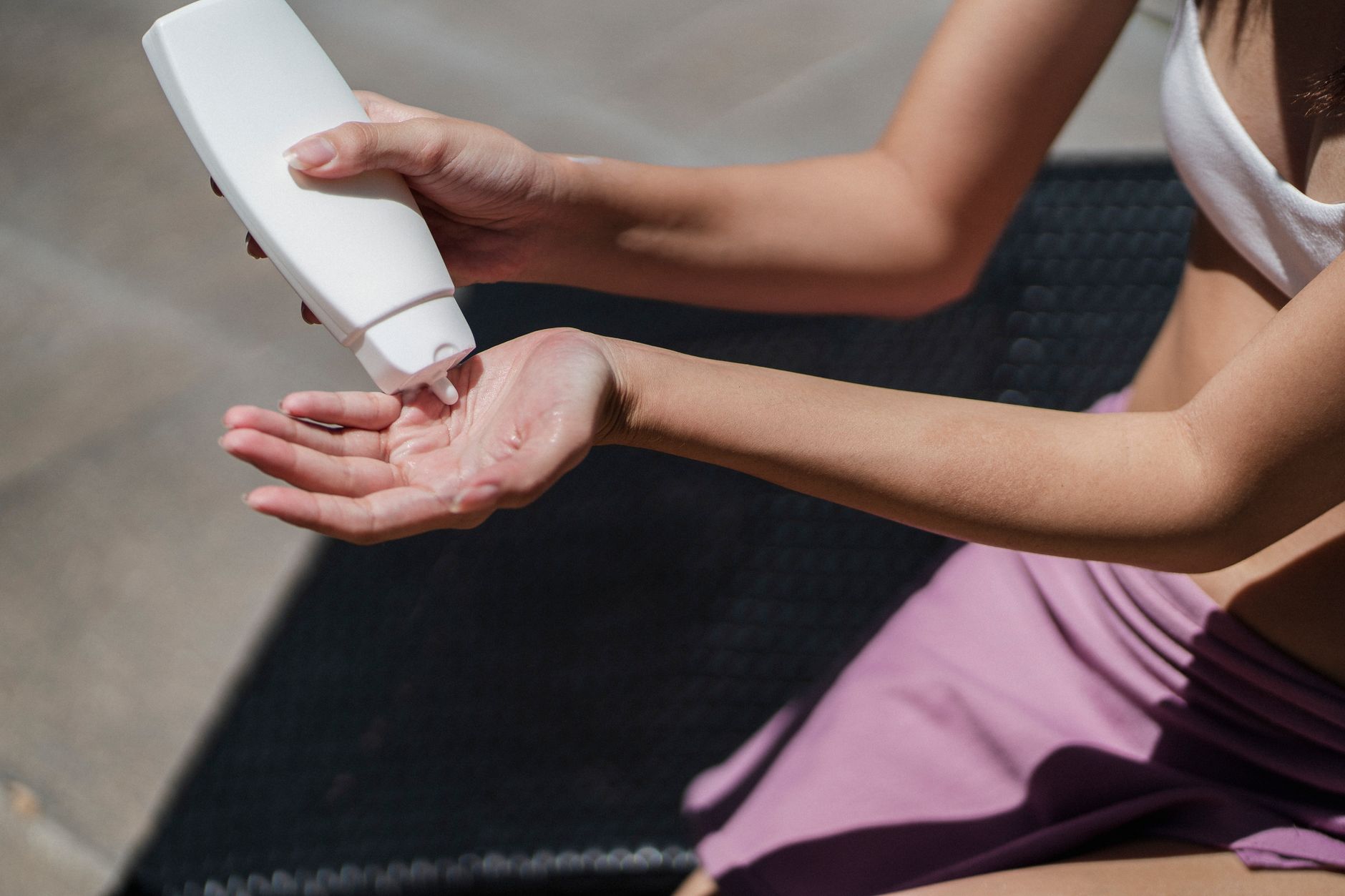
7. Combine with sunscreen wisely. Apply sunscreen first, let it absorb for about 20 minutes, then apply the bug repellent on top. This order prevents the sunscreen from diluting the repellent’s efficacy.
Top pregnancy‑safe bug repellent brands and product recommendations
- Repel® Picaridin 20 % Spray – Lightweight, fragrance‑free, and approved by the CDC for use in pregnancy.
- Off!® Family Care (DEET 20 %) – Low‑DEET formula that meets ACOG guidelines for safe use.
- Sawyer® Permethrin‑treated Clothing – Pre‑treated shirts and pants that provide up to 70 days of protection without skin contact.
- Natrapel® Insect Repellent (IR3535 20 %) – Gentle on skin, ideal for daily wear.
- Badger® Natural Insect Repellent (OLE 30 %) – Plant‑based option for those preferring botanical ingredients.
- Thermacell® Mosquito Repellent Device – Fan‑based, chemical‑free zone protection for outdoor gatherings.
When selecting a product, look for EPA‑registered labels, fragrance‑free formulas, and clear re‑application instructions. If you have a history of skin reactions, a fragrance‑free or hypoallergenic version (like Natrapel® IR3535) may be more comfortable. For travelers, a small travel‑size spray fits easily in a diaper bag, while permethrin‑treated clothing offers set‑and‑forget protection for longer trips.
Side effects and risks
Most chemical repellents cause only mild, temporary skin irritation—redness, itching, or a tingling sensation. Rarely, individuals may experience allergic reactions that manifest as hives or swelling. If you notice any of the following, stop using the product and contact your healthcare provider:
- Severe rash or blistering at the application site.
- Difficulty breathing, swelling of lips or face.
- Persistent headache, dizziness, or nausea after application.
- Unusual fetal movement patterns (e.g., sudden decrease in activity) – seek immediate medical attention.
Essential‑oil based repellents (citronella, geraniol) can be more irritating and have limited safety data, so use them cautiously and avoid high concentrations.
In rare cases, over‑application of DEET can lead to systemic symptoms such as tremors or seizures, but these events are exceedingly uncommon and typically involve misuse far beyond the recommended amounts.
Safer alternatives
- Wear permethrin‑treated clothing for continuous protection without skin contact.
- Use physical barriers: long‑sleeved shirts, pants, and insect‑netting when outdoors.
- Set up fans or Thermacell devices in outdoor spaces to create a mosquito‑free zone.
- Opt for low‑concentration DEET (≤30 %) or picaridin when chemical protection is necessary.
- Choose plant‑based repellents like oil of lemon eucalyptus only at ≤30 % concentration and test on a small skin area first.
- Employ citronella candles or torches outdoors, keeping them away from direct skin contact.
- Consider using a silicone‑based repellent sleeve for infants or toddlers, which eliminates the need for chemical sprays on tiny skin.

What bug repellent ingredients are safe during pregnancy?
Picaridin
Picaridin, also known as KBR 3023, is a synthetic compound modeled after the natural insect‑repellent piperine. It offers protection comparable to DEET but with a milder odor and lower skin‑irritation risk. The CDC lists picaridin as a “preferred” ingredient for pregnant travelers, and ACOG confirms its safety at 20‑30 % concentrations. Apply a thin layer and reapply every 6‑8 hours for continued coverage.
IR3535
IR3535 (ethyl butylacetylaminopropionate) is an amino‑acid‑derived repellent that has been used in Europe for decades. Studies have shown no teratogenic effects, and the NHS recommends it as a “safe option for pregnant women.” It works best when applied at 10‑20 % concentration and is especially suitable for people with DEET sensitivities.
Oil of Lemon Eucalyptus (OLE) / PMD
Derived from the leaves of the lemon eucalyptus tree, OLE contains the active compound p‑menthane‑3,8‑diol (PMD). The CDC acknowledges OLE as a “potentially safe botanical repellent” when used at ≤30 % concentration. Pregnant users should watch for skin irritation and avoid higher percentages, as the safety data beyond 30 % are limited.
Permethrin‑treated clothing
Permethrin is a synthetic pyrethroid applied to fabrics during manufacturing. It binds tightly to fibers, making it safe for skin contact because the chemical does not readily transfer to the body. The ACOG states that permethrin‑treated clothing is “safe for pregnant and nursing mothers.” Wear treated shirts, pants, or socks for up‑to‑70 days of protection without reapplication.
Physical barriers (long sleeves, pants, nets)
Covering exposed skin with clothing or using mosquito nets provides chemical‑free protection. This method eliminates any risk of ingredient exposure while still preventing bites. The CDC recommends physical barriers as the first line of defense, especially for infants and pregnant women in high‑risk zones.
Fans
Mosquitoes are weak flyers, and a simple fan can create enough airflow to keep them away from you. While fans do not repel insects chemically, they are a safe, zero‑risk option for outdoor gatherings. The WHO notes that fans can reduce bite incidence by up to 50 % in certain environments.
Citronella
Citronella oil, often used in candles or portable torches, can deter mosquitoes in a localized area. However, the oil can cause skin irritation and should not be applied directly to the skin in high concentrations. The NHS advises using citronella only in outdoor settings and keeping candles away from the pregnant person’s immediate skin.
Geraniol
Geraniol is an essential‑oil component found in rose and citronella plants. It has modest repellent activity and is sometimes blended into sprays. Because data on pregnant exposure are sparse, the CDC recommends using geraniol at ≤5 % concentration and limiting skin contact.
DEET
DEET (N,N‑diethyl‑m‑toluamide) remains the most studied chemical repellent. While the FDA classifies it as Category C for pregnancy, extensive field studies have not linked low‑concentration use (≤30 %) to adverse fetal outcomes. ACOG advises that DEET can be used in any trimester when the risk of disease outweighs the theoretical chemical risk. Applying a thin layer and avoiding high concentrations is key to maintaining safety.
Is DEET bug spray safe for pregnant women? By trimester breakdown
DEET (N,N‑diethyl‑m‑toluamide) has been the gold standard for insect protection for decades. The FDA classifies DEET as Category C for pregnancy, meaning risk cannot be ruled out, but extensive human studies have not linked low‑concentration DEET use (≤30 %) to birth defects. ACOG advises that DEET can be used during any trimester when the risk of disease (e.g., Zika, malaria) outweighs the theoretical risk of the chemical.
In the first trimester, limit application to the minimum needed and avoid high concentrations (>30 %). In the second and third trimesters, DEET can be applied more liberally if you’re in a high‑risk environment, but reapply only as directed (typically every 4‑6 hours). While breastfeeding, DEET passes into milk in minute amounts; the CDC considers this exposure negligible, but washing hands after use remains prudent.
Picaridin bug repellent during pregnancy: Is it a safer choice?
Picaridin is widely regarded as the safest chemical repellent for pregnant users. Multiple studies cited by the CDC and ACOG demonstrate no increase in adverse pregnancy outcomes when picaridin is used at recommended concentrations (20‑30 %). Its low odor and lower skin‑irritation profile make it a favorite for daily use, especially for those who are sensitive to DEET. For travel to areas with high mosquito‑borne disease risk, picaridin offers reliable protection with minimal concern.
Natural and essential oil bug repellents: Are they safe for pregnancy?
Natural repellents like citronella, geraniol, and OLE appeal to many expecting parents, but “natural” does not automatically equal “safe.” The CDC points out that essential‑oil products can cause allergic reactions and that safety data for many of these oils during pregnancy are limited. OLE at ≤30 % is the most studied botanical repellent and is considered safe with caution. Citronella and geraniol should be used at low concentrations and only in outdoor settings where skin contact is minimal.
What are the risks of unsafe bug repellent use during pregnancy?
Using a repellent with an unapproved ingredient, exceeding the recommended concentration, or applying it excessively can increase systemic absorption. While most repellents have low toxicity, high exposure could theoretically affect fetal development, especially during the first trimester. Moreover, improper application (e.g., on broken skin) can lead to local irritation, secondary infections, or allergic reactions that may stress the mother and indirectly affect the pregnancy.
Bug repellent for pregnant women in high‑risk areas (Zika, West Nile)
When traveling to regions with Zika, West Nile, or malaria, the protective benefit of repellents outweighs potential risks. The CDC recommends using DEET (≤30 %) or picaridin (20‑30 %) on exposed skin and wearing permethrin‑treated clothing. In addition, consider using portable fan devices and sleeping under insect‑netted beds. Pregnant travelers should consult their obstetrician before departure to discuss a personalized protection plan.
Related items — safety at a glance
| Item | Verdict | Notes |
|---|---|---|
| DEET (≤30 %) | ⚠️ Safe with limits | Use sparingly; avoid high concentrations |
| Picaridin | ✅ Generally safe | Preferred chemical repellent |
| IR3535 | ✅ Generally safe | Gentle, low‑odor option |
| Oil of Lemon Eucalyptus (OLE) | ⚠️ Safe with limits | ≤30 % concentration only |
| Permethrin (treated clothing) | ✅ Generally safe | Do not apply to skin |
| Citronella | ⚠️ Safe with limits | Use candles outdoors only |
| Geraniol | ⚠️ Safe with limits | Limited pregnancy data |
Myth vs. fact
Myth: “All essential‑oil repellents are safe because they’re natural.”
Fact: Some essential oils can cause skin irritation or have insufficient safety data for pregnancy; only oil of lemon eucalyptus at ≤30 % has documented safety.
Myth: “If a repellent is labeled ‘for kids,’ it’s automatically safe for pregnant adults.”
Fact: Children’s formulas often have lower concentrations, but safety for pregnancy depends on the active ingredient and its concentration, not the target age group.
Myth: “You don’t need any repellent if you wear long sleeves.”
Fact: Mosquitoes can bite through thin fabrics; combining physical barriers with a chemical repellent offers the most reliable protection.
Key takeaways
- Most repellents—picaridin, IR3535, and low‑concentration DEET—are considered safe for pregnancy when used as directed.
- Apply only a thin layer to exposed skin; reapply every 6‑8 hours, not more often.
- Physical barriers and permethrin‑treated clothing provide chemical‑free protection and are especially useful in the third trimester.
- Essential‑oil repellents can be used cautiously, but avoid high concentrations and direct skin contact.
- In high‑risk disease areas, prioritize proven chemical repellents (DEET ≤30 % or picaridin) and consult your provider before travel.
Frequently asked questions
Is it safe to use bug spray while pregnant?
Yes, bug sprays containing picaridin, IR3535, or DEET up to 30 % are safe when applied according to the label. Use the smallest amount needed and avoid excessive reapplication.
What kind of bug spray can I use when pregnant?
You can use sprays with picaridin (20‑30 %), IR3535 (10‑20 %), or DEET (≤30 %). Low‑concentration botanical options like oil of lemon eucalyptus (≤30 %) are also acceptable with caution.
Can pregnant women use DEET?
Pregnant women can use DEET at concentrations of 30 % or lower; the CDC and ACOG consider this level safe for short‑term, targeted use.
What natural bug repellent is safe during pregnancy?
Oil of lemon eucalyptus (OLE) at ≤30 % concentration is the most studied natural repellent and is deemed safe with limited exposure. Citronella and geraniol should be used at low concentrations and only outdoors.
Is picaridin safe for pregnancy?
Yes, picaridin is regarded as the safest chemical repellent for pregnant individuals, with no known adverse effects on fetal development when used as directed.
Can bug spray harm my unborn baby?
When used correctly, approved repellents do not harm the fetus. Risks arise only from over‑application, high concentrations, or using untested essential‑oil blends.
What are the best bug repellents for pregnant women?
Top choices include Repel® Picaridin 20 % Spray, Off!® Family Care (DEET 20 %), Sawyer® Permethrin‑treated clothing, and Natrapel® IR3535 20 % spray.
Can I use essential oils for bug repellent during pregnancy?
Essential‑oil repellents can be used at low concentrations (≤5‑10 %) but should be applied sparingly and avoided on broken skin. Oil of lemon eucalyptus is the most evidence‑backed botanical option.
What should I do if I accidentally applied too much repellent?
If you notice excessive skin coverage, wash the area with mild soap and water as soon as possible. Most over‑application results in mild irritation only, but if you develop a rash, swelling, or systemic symptoms, contact your obstetrician.
Can I wear sunscreen and bug repellent together while pregnant?
Yes—apply sunscreen first, let it absorb for about 20 minutes, then apply the bug repellent on top. This sequence preserves the efficacy of both products and keeps you protected from UV rays and insect bites.
When to call your doctor
If you experience any of the following after using a bug repellent, contact your obstetrician or seek urgent care:
- Severe skin reaction (blistering, swelling, or hives).
- Difficulty breathing, facial swelling, or throat tightness.
- Persistent nausea, vomiting, or dizziness that does not resolve.
- Sudden change in fetal movement patterns.
These symptoms may indicate an allergic reaction or another condition that warrants medical evaluation. This article provides general information and should not replace personalized medical advice.
References
- American College of Obstetricians and Gynecologists (ACOG). “Guidance on Insect Repellent Use During Pregnancy.” 2023.
- National Health Service (NHS). “Mosquito repellent guidance for pregnant women.” 2022.

