Avoid reptile tank cleaning during pregnancy due to salmonella risk. Use gloves, sanitize tools, or delegate tasks—especially critical in the first trimester.
By Shubhra Mishra — a mom of two who turned her own confusion during pregnancy into BumpBites, a global mission to make food choices clear, safe, and stress-free for every expecting mother. 💛
Check whether any food is safe during pregnancy with the BumpBites Food Safety Checker.
Quick verdict: ⚠️ Cleaning a reptile tank during pregnancy is not risk-free, but you can reduce risks with precautions. The main concern is exposure to Salmonella bacteria, which reptiles commonly carry. Most obstetricians recommend avoiding direct contact with reptile waste or tank cleaning if possible—especially in the first trimester. If you must clean the tank, wear gloves, a mask, and use pregnancy-safe cleaning products. If you’re unsure or have a high-risk pregnancy, ask someone else to handle it.
You’re standing in front of your bearded dragon’s tank at 11 p.m., scrub brush in hand, and that familiar Google spiral hits: is reptile tank cleaning safe during pregnancy? Maybe you’ve already cleaned it a few times this week. Maybe you’re just trying to decide whether to skip it tonight. Either way, you’re not alone—this is one of those quiet, specific worries that keeps expecting parents up at night.
Here’s the good news: you don’t need to rehome your reptile or panic over past cleanings. But you do need to know the real risks—like Salmonella—and how to clean safely if you choose to. In this guide, we’ll break down what’s actually dangerous, which trimester matters most, safer ways to handle tank cleaning, and when to call your doctor. By the end, you’ll have a clear plan—and permission to stop stressing over it.
Reptile tank cleaning safety by trimester
Trimester
Verdict
Notes
First trimester
⚠️ Avoid if possible
Highest risk window for infections. If unavoidable, use extreme precautions (gloves, mask, pregnancy-safe cleaner).
Second trimester
⚠️ Safe with precautions
Lower risk than first trimester, but still avoid direct contact with waste. Use gloves and ventilate the area.
Third trimester
⚠️ Safe with precautions
Same as second trimester. Avoid heavy lifting or bending over the tank to reduce physical strain.
Breastfeeding
✅ Generally safe with precautions
Risk of infection is lower, but still practice good hygiene to avoid passing bacteria to your baby.
What is reptile tank cleaning?
Reptile tank cleaning involves removing waste, uneaten food, shed skin, and bacteria from your pet’s enclosure. This usually includes:
Spot cleaning: Daily removal of feces and leftover food.
Partial cleaning: Weekly or biweekly replacement of substrate (bedding) and wiping down surfaces.
Deep cleaning: Monthly full disinfection of the tank, decorations, and accessories using cleaning products.
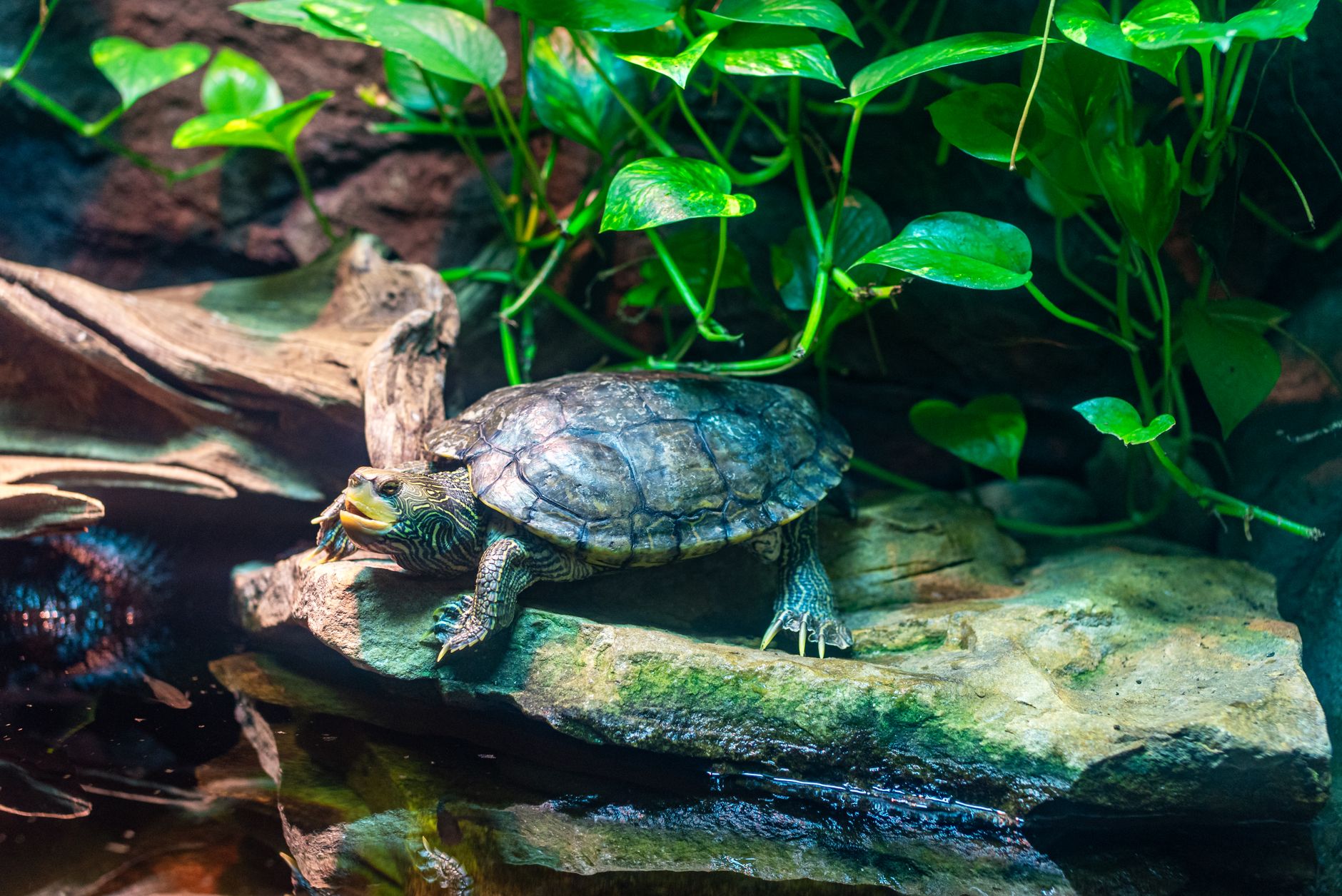
Reptiles—like bearded dragons, snakes, and turtles—naturally carry bacteria like Salmonella in their digestive tracts. While harmless to them, these bacteria can cause serious infections in humans, especially during pregnancy. The risk isn’t just in the waste itself; it’s in the dust, water droplets, and surfaces that can become contaminated during cleaning.
Unlike cleaning a fish tank or bird cage, reptile tank maintenance often involves direct contact with waste and substrate, which increases the risk of exposure. That’s why cleaning an aquarium during pregnancy is generally considered lower-risk than handling reptile waste.
Is reptile tank cleaning safe during pregnancy?
The short answer: not without precautions. The biggest concern is Salmonella, a bacteria reptiles commonly carry. According to the CDC, about 70,000 cases of Salmonella infections in the U.S. each year are linked to reptiles and amphibians. While most healthy adults recover without complications, pregnancy weakens your immune system, making infections more dangerous for both you and your baby.
The American College of Obstetricians and Gynecologists (ACOG) and the NHS both recommend that pregnant women avoid direct contact with reptile waste due to the risk of Salmonella and other infections. However, they don’t outright ban reptile ownership—just emphasize caution. The FDA goes further, advising that households with children under 5, pregnant women, or immunocompromised individuals should avoid keeping reptiles as pets altogether.
That said, if you’re already a reptile owner, rehoming your pet isn’t always practical or necessary. The key is minimizing risk. Most obstetricians agree that if you must clean the tank, you can do so safely by following strict hygiene practices—like wearing gloves, using pregnancy-safe cleaners, and avoiding high-risk activities (e.g., deep cleaning with bleach).
One common misconception? That only "dirty" tanks are risky. In reality, even well-maintained reptile enclosures can harbor bacteria. The risk isn’t about cleanliness—it’s about exposure. That’s why many vets and OB-GYNs recommend delegating tank cleaning to a partner or family member during pregnancy, if possible.
Is it safe to clean a reptile tank during the first trimester of pregnancy?
The first trimester is the highest-risk window for infections during pregnancy. This is when your baby’s organs are forming, and your immune system is naturally suppressed to prevent your body from rejecting the pregnancy. Infections like Salmonella can cross the placenta and, in rare cases, lead to complications like miscarriage or preterm labor.
Because of this, most obstetricians recommend avoiding reptile tank cleaning entirely during the first trimester if possible. If you must clean the tank—for example, if no one else is available—take these precautions:
Wear disposable gloves and a mask to avoid inhaling dust or bacteria.
Use a pregnancy-safe cleaner (more on this below).
Avoid deep cleaning or scrubbing, which can aerosolize bacteria.
Wash your hands thoroughly with soap and warm water for at least 20 seconds after handling anything in the tank.
Ask your partner or a family member to handle the waste removal if possible.
If you’ve already cleaned the tank a few times this trimester, don’t panic. The risk of infection from a single exposure is low. But moving forward, try to minimize contact as much as you can.
Can you clean a reptile tank in the second or third trimester without risk?
The second and third trimesters are lower-risk than the first, but the risk of infection doesn’t disappear. Your immune system is still somewhat suppressed, and while the baby is more developed, infections can still cause complications like preterm labor or low birth weight.
You can clean the tank in these trimesters, but you’ll need to take the same precautions as in the first trimester:
Wear gloves and a mask.
Use a pregnancy-safe cleaner (avoid bleach, ammonia, or strong chemicals).
Avoid direct contact with waste or substrate.
Wash your hands thoroughly afterward.
In the third trimester, you’ll also want to consider your physical comfort. Bending over the tank or lifting heavy items (like a large water dish) can strain your back or cause dizziness. If possible, ask someone else to handle the heavier tasks.
Breastfeeding? The risk of infection is lower, but you’ll still want to practice good hygiene to avoid passing bacteria to your baby. Wash your hands thoroughly after cleaning, and avoid handling the tank right before feeding or holding your newborn.
What are the risks of cleaning a reptile tank while pregnant?
The primary risk of cleaning a reptile tank during pregnancy is exposure to Salmonella, but other bacteria and parasites can also pose a threat. Here’s what you need to know about each:
Salmonella
Salmonella is the biggest concern. Reptiles carry this bacteria in their digestive tracts, and it’s shed in their feces. You can become infected by touching contaminated surfaces, waste, or even the reptile itself, then accidentally ingesting the bacteria (e.g., by touching your mouth or eating without washing your hands).
Symptoms of Salmonella infection include:
Fever
Diarrhea (sometimes bloody)
Stomach cramps
Nausea and vomiting
Headache
In pregnant women, Salmonella can lead to dehydration, which may require hospitalization. In rare cases, the infection can cross the placenta and affect the baby, potentially causing miscarriage, preterm labor, or stillbirth. The risk is highest in the first trimester but exists throughout pregnancy.
Other bacteria and parasites
Reptiles can also carry other harmful bacteria and parasites, including:
Campylobacter: Another bacteria found in reptile feces, which can cause severe diarrhea and dehydration.
Cryptosporidium: A parasite that causes gastrointestinal illness. It’s resistant to many disinfectants, making it hard to eliminate from the tank.
Pseudomonas: A bacteria that can cause skin infections or, in rare cases, more serious illnesses.
While these infections are less common than Salmonella, they can still pose risks during pregnancy, especially if left untreated.
Chemical exposure
Many reptile tank cleaners contain harsh chemicals like bleach, ammonia, or phenols, which can release fumes that are unsafe to inhale during pregnancy. Even "natural" cleaners can contain essential oils or other ingredients that aren’t pregnancy-safe. Always check the label and opt for mild, fragrance-free products when possible.
Physical strain
Cleaning a reptile tank often involves bending, lifting, and scrubbing—activities that can become uncomfortable or risky as your pregnancy progresses. In the third trimester, bending over the tank can cause dizziness or back strain, and lifting heavy items (like a large water dish) can increase the risk of injury.
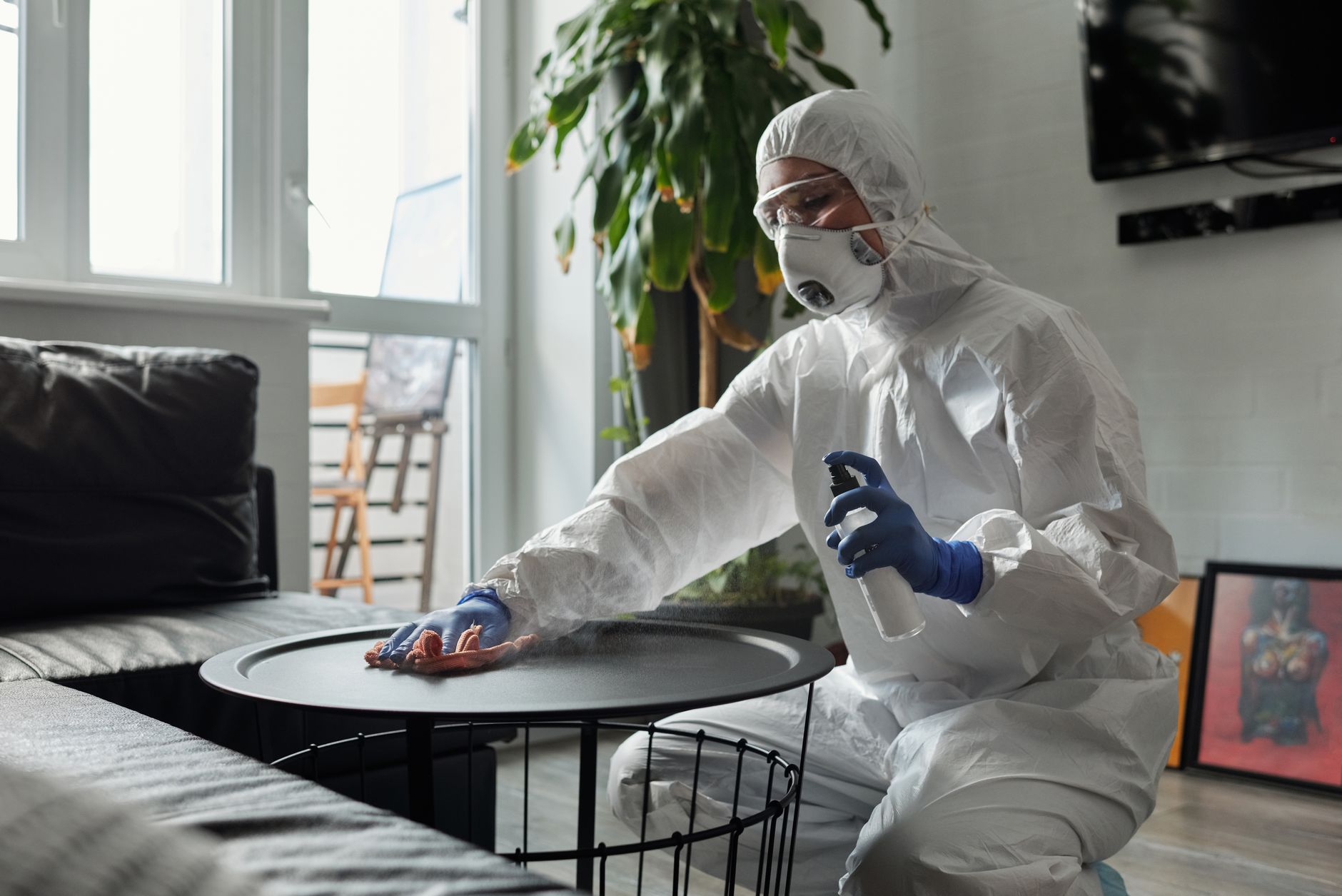
Gloves, a mask, and a pregnancy-safe cleaner are your best tools for reducing risk while cleaning a reptile tank.
Are there pregnancy-safe reptile tank cleaning products or brands?
Yes! While you should avoid harsh chemicals like bleach or ammonia, there are pregnancy-safe cleaning products designed specifically for reptile tanks. Here’s what to look for:
Safe cleaning products
Vinegar and water solution: A 50/50 mix of white vinegar and water is safe for pregnancy and effective for cleaning glass and decorations. Vinegar is a mild disinfectant that can kill some bacteria and remove hard water stains.
Mild dish soap: Unscented, fragrance-free dish soap (like Seventh Generation or Dawn Free & Gentle) can be used for spot cleaning. Rinse thoroughly to avoid leaving residue.
Reptile-safe wipes: Pre-moistened wipes labeled "reptile-safe" and "non-toxic" (like Zoo Med’s Repti Wipes) are convenient for quick cleanups. Check the ingredients to ensure they don’t contain phenols or essential oils.
Hydrogen peroxide (3%): A mild disinfectant that’s safe for pregnancy when used in small amounts. Dilute it with water (1 part hydrogen peroxide to 1 part water) and rinse thoroughly after use.
Brands to consider
These brands offer reptile-safe cleaners that are generally considered safe for pregnancy (but always check the label and consult your provider if you’re unsure):
Zoo Med: Their Repti Clean spray is labeled non-toxic and free of harsh chemicals. It’s a good option for regular cleaning.
Fluker’s: Their Clean N’ Safe Reptile Cleaner is a mild, fragrance-free spray that’s safe for most reptiles and humans.
Nature’s Miracle: Their Reptile Cage Cleaner is enzyme-based and free of harsh chemicals, though it does contain a mild fragrance.
Products to avoid
Avoid these common reptile tank cleaners during pregnancy:
Bleach: Highly toxic when inhaled or absorbed through the skin. Even diluted bleach can release harmful fumes.
Ammonia-based cleaners: Can cause respiratory irritation and are unsafe for pregnancy.
Phenol-based cleaners: Often found in "disinfectant" sprays, these can be toxic if inhaled or absorbed.
Essential oil-based cleaners: Many essential oils (like tea tree, eucalyptus, or citrus) are unsafe during pregnancy, even in small amounts.
Strong fragrances: Even "natural" fragrances can trigger nausea or headaches during pregnancy. Opt for fragrance-free products.
How often can you safely clean a reptile tank when pregnant?
How often you clean your reptile tank depends on the type of cleaning:
Spot cleaning (daily)
Spot cleaning—removing feces, uneaten food, and shed skin—should be done daily, even during pregnancy. However, you should not be the one doing it if possible. Ask a partner, family member, or roommate to handle this task. If you must do it yourself:
Wear disposable gloves.
Avoid touching your face or mouth while cleaning.
Wash your hands thoroughly afterward.
Partial cleaning (weekly/biweekly)
Partial cleaning involves replacing substrate, wiping down surfaces, and rinsing decorations. This should be done every 1-2 weeks. During pregnancy, try to avoid this task entirely. If you must do it:
Wear gloves and a mask.
Use a pregnancy-safe cleaner (like vinegar and water).
Avoid deep scrubbing, which can aerosolize bacteria.
Wash your hands and change clothes afterward.
Deep cleaning (monthly)
Deep cleaning involves disinfecting the entire tank, decorations, and accessories. This should be done once a month. During pregnancy, avoid deep cleaning entirely. If the tank needs a deep clean, ask someone else to handle it. If you must do it yourself:
Wear gloves, a mask, and long sleeves.
Use a pregnancy-safe disinfectant (like hydrogen peroxide diluted with water).
Work in a well-ventilated area.
Wash your hands and change clothes immediately afterward.
If you’re in your third trimester, avoid any cleaning that involves bending, lifting, or scrubbing. Your comfort and safety come first.
A bioactive tank with live plants and a clean-up crew (like isopods) can reduce the need for deep cleaning.
What are safe alternatives to cleaning a reptile tank during pregnancy?
If you’re worried about the risks of cleaning your reptile tank during pregnancy, you’re not out of options. Here are 7 safer alternatives to handling the task yourself:
Hire a professional reptile tank cleaning service.
Many pet stores and reptile specialty shops offer tank cleaning services. A professional can deep clean the tank safely and efficiently, reducing your risk of exposure to bacteria. This is the safest option if you can afford it.
Ask a partner or family member to clean the tank.
The next best option is delegating the task to someone else in your household. Provide them with gloves, a mask, and a pregnancy-safe cleaner, and ask them to handle spot cleaning, partial cleaning, and deep cleaning. Make sure they wash their hands thoroughly afterward.
Use disposable gloves and a mask while cleaning.
If you must clean the tank yourself, wear disposable gloves and a mask to reduce your risk of exposure. Choose gloves made of nitrile (not latex, which can cause allergies) and a mask rated for dust and bacteria (like an N95). Avoid touching your face while cleaning, and wash your hands immediately afterward.
Switch to a vinegar and water solution for cleaning.
Avoid harsh chemicals by using a 50/50 mix of white vinegar and water. Vinegar is a mild disinfectant that’s safe for pregnancy and effective for cleaning glass and decorations. Spray the solution onto a paper towel or cloth (not directly into the tank) to avoid aerosolizing bacteria.
Use pre-moistened reptile-safe wipes for spot cleaning.
Reptile-safe wipes (like Zoo Med’s Repti Wipes) are convenient for quick cleanups. They’re pre-moistened with a mild, non-toxic solution that’s safe for most reptiles and humans. Keep a pack near the tank for easy access, and dispose of used wipes in a sealed trash bag.
Switch to a bioactive reptile tank setup.
A bioactive tank includes live plants and a "clean-up crew" (like isopods and springtails) that break down waste naturally. This setup reduces the need for deep cleaning and can keep the tank cleaner between cleanings. While bioactive tanks require some initial setup, they’re a great long-term solution for reducing maintenance.
Use a reptile tank cleaning spray labeled non-toxic and pregnancy-safe.
Look for sprays labeled "non-toxic" and "pregnancy-safe" (like Zoo Med’s Repti Clean). These products are designed to be safe for both reptiles and humans. Always check the ingredients and avoid products with harsh chemicals, fragrances, or essential oils.
If you’re unsure which alternative is best for you, talk to your obstetrician or a reptile veterinarian. They can help you weigh the risks and benefits based on your specific situation.
Can handling reptile waste or substrate cause infections during pregnancy?
Yes. Handling reptile waste or substrate is one of the highest-risk activities when it comes to cleaning a reptile tank during pregnancy. Reptile feces, urine, and even the substrate (bedding) can harbor harmful bacteria like Salmonella, Campylobacter, and parasites like Cryptosporidium. Here’s what you need to know:
How exposure happens
You can become infected by:
Touching waste or substrate with your bare hands.
Inhaling dust or aerosolized bacteria while cleaning.
Accidentally ingesting bacteria (e.g., by touching your mouth or eating without washing your hands).
Getting scratched or bitten by your reptile (some bacteria can enter through broken skin).
Infections to watch for
The most common infections linked to reptile waste include:
Salmonella: Causes fever, diarrhea, and stomach cramps. In rare cases, it can lead to miscarriage or preterm labor.
Campylobacter: Causes severe diarrhea, dehydration, and fever. It can also lead to preterm labor.
Cryptosporidium: A parasite that causes gastrointestinal illness. It’s resistant to many disinfectants and can be hard to eliminate from the tank.
Wear a mask. A mask rated for dust and bacteria (like an N95) can reduce your risk of inhaling aerosolized bacteria.
Avoid touching your face. Don’t rub your eyes, nose, or mouth while cleaning.
Wash your hands thoroughly. Use soap and warm water for at least 20 seconds after handling waste or substrate.
Disinfect tools and surfaces. Use a pregnancy-safe cleaner (like vinegar or hydrogen peroxide) to wipe down tools, the tank, and any surfaces you’ve touched.
Change clothes afterward. Bacteria can linger on fabric, so change into clean clothes after cleaning.
If you’re in your first trimester or have a high-risk pregnancy, avoid handling waste or substrate entirely. Ask someone else to handle these tasks for you.
Is it safe to use bleach or strong chemicals for reptile tank cleaning while pregnant?
No. Bleach and other strong chemicals are not safe for use during pregnancy, especially for cleaning reptile tanks. Here’s why:
Risks of bleach and strong chemicals
Inhalation: Bleach and ammonia release fumes that can irritate your lungs and cause respiratory issues. During pregnancy, your respiratory system is already under strain, making you more sensitive to fumes.
Skin absorption: Harsh chemicals can be absorbed through your skin, especially if you’re not wearing gloves. Some chemicals (like phenols) can cross the placenta and affect your baby.
Aerosolization: Scrubbing or spraying bleach can aerosolize bacteria and chemicals, increasing your risk of inhaling both.
Residue: Bleach and other chemicals can leave residue in the tank, which may harm your reptile or be ingested by them later.
Safer alternatives to bleach
Instead of bleach, use one of these pregnancy-safe alternatives:
Vinegar and water: A 50/50 mix is effective for cleaning glass and decorations. Vinegar is a mild disinfectant that’s safe for pregnancy.
Hydrogen peroxide (3%): Dilute it with water (1 part hydrogen peroxide to 1 part water) and use it as a disinfectant. Rinse thoroughly after use.
Mild dish soap: Unscented, fragrance-free dish soap (like Seventh Generation) can be used for spot cleaning. Rinse thoroughly to avoid residue.
Reptile-safe wipes: Pre-moistened wipes labeled "non-toxic" and "pregnancy-safe" are convenient for quick cleanups.
If you’ve already used bleach
Don’t panic. The risk from a single exposure is low, especially if you were wearing gloves and working in a well-ventilated area. However, moving forward, switch to a safer cleaner. If you experience symptoms like dizziness, nausea, or difficulty breathing after using bleach, call your doctor.
What precautions should pregnant women take when cleaning a reptile tank?
If you decide to clean your reptile tank during pregnancy, follow these precautions to minimize your risk of infection or chemical exposure:
Avoid cleaning if possible.
The safest option is to avoid cleaning the tank entirely. Ask a partner, family member, or professional to handle it for you.
Wear protective gear.
Disposable gloves: Wear nitrile gloves (not latex) to avoid skin contact with waste or bacteria.
Mask: Use a mask rated for dust and bacteria (like an N95) to reduce your risk of inhaling aerosolized bacteria or chemical fumes.
Long sleeves: Wear long sleeves to protect your arms from scratches or accidental contact with waste.
Use pregnancy-safe cleaners.
Avoid bleach, ammonia, and other harsh chemicals. Instead, use:
A 50/50 mix of white vinegar and water.
Hydrogen peroxide (3%) diluted with water.
Mild, fragrance-free dish soap.
Reptile-safe wipes labeled "non-toxic" and "pregnancy-safe."
Avoid direct contact with waste or substrate.
Use tools (like tongs or a scoop) to remove waste, and avoid touching substrate with your bare hands. If you must handle waste, wear gloves and wash your hands immediately afterward.
Work in a well-ventilated area.
Open windows or use a fan to ensure good airflow. This reduces your risk of inhaling bacteria or chemical fumes.
Wash your hands thoroughly.
After cleaning, wash your hands with soap and warm water for at least 20 seconds. Use a nail brush to clean under your nails, and avoid touching your face until you’ve washed up.
Change clothes afterward.
Bacteria can linger on fabric, so change into clean clothes after cleaning. Wash your cleaning clothes separately in hot water.
Avoid deep cleaning.
Deep cleaning involves scrubbing and disinfecting the entire tank, which can aerosolize bacteria and chemicals. If the tank needs a deep clean, ask someone else to handle it.
Don’t eat or drink while cleaning.
Avoid eating, drinking, or chewing gum while cleaning to reduce your risk of accidentally ingesting bacteria.
Monitor for symptoms.
After cleaning, watch for signs of infection, like fever, diarrhea, or stomach cramps. If you develop symptoms, call your doctor.
If you’re in your first trimester or have a high-risk pregnancy, avoid cleaning the tank entirely. Your health and your baby’s health come first.
Pregnancy safety of related pet and household tasks
Task
Verdict
Notes
Handling cat litter
❌ Avoid
Risk of Toxoplasma infection, which can cause birth defects. Ask someone else to handle it.
Cleaning bird cages
⚠️ Safe with precautions
Risk of Chlamydia psittaci (parrot fever). Wear gloves and a mask, and avoid inhaling dust. Learn more.
Gardening or handling soil
⚠️ Safe with precautions
Risk of Toxoplasma and other soil-borne infections. Wear gloves and wash hands thoroughly.
Cleaning fish tanks
⚠️ Safe with precautions
Lower risk than reptile tanks, but still avoid direct contact with water. Wear gloves and wash hands afterward. Learn more.
Handling raw meat
⚠️ Safe with precautions
Risk of Salmonella, Listeria, and Toxoplasma. Cook meat thoroughly and avoid cross-contamination.
Using household cleaning chemicals
⚠️ Safe with precautions
Avoid bleach, ammonia, and strong fragrances. Use mild, fragrance-free cleaners. Learn more.
Exposure to pet reptiles
⚠️ Safe with precautions
Avoid handling reptiles or cleaning their tanks. Wash hands after any contact.
Handling pet rodents
⚠️ Safe with precautions
Risk of Lymphocytic choriomeningitis virus (LCMV). Avoid cleaning cages and handling bedding.
Cleaning small mammal cages
⚠️ Safe with precautions
Risk of LCMV and other infections. Wear gloves and a mask, and avoid inhaling dust.
Using pesticides or insecticides
❌ Avoid
Many pesticides are toxic during pregnancy. Use natural alternatives or ask someone else to apply them.
Myth vs. fact
Myth: "If my reptile looks healthy, it doesn’t carry Salmonella."
Fact: Reptiles can carry Salmonella without showing any signs of illness. Even a healthy-looking reptile can shed the bacteria in its feces, putting you at risk. Always assume your reptile carries Salmonella and take precautions.
Not sure about the label on Is Reptile Tank Cleaning Safe During Pregnancy products?
Snap the ingredients list and SafeFilter checks every ingredient for your stage — only 3 free scans this month, then you're locked until reset. Unlimited from $7/mo or $50/yr.
When Shubhra Mishra was expecting her first child in 2016, she was overwhelmed by conflicting food advice — one site said yes, another said never. By the time her second baby arrived in 2019, she realized millions of mothers face the same confusion.
That sparked a five-year journey through clinical nutrition papers, cultural diets, and expert conversations — all leading to BumpBites: a calm, compassionate space where science meets everyday motherhood.
Her long-term vision is to build a global community ensuring safe, supported, and free deliveriesfor every mother — because no woman should face pregnancy alone or uninformed. 🌿
🌍 Stand with mothers, shape safer guidance
Join a small circle of experts who review BumpBites articles so expecting parents everywhere can decide with confidence.