Limit borax cleaning during pregnancy, especially in the first trimester. Experts recommend safe alternatives due to potential risks at high doses.
By Shubhra Mishra — a mom of two who turned her own confusion during pregnancy into BumpBites, a global mission to make food choices clear, safe, and stress-free for every expecting mother. 💛
Check whether any food is safe during pregnancy with the BumpBites Food Safety Checker.
Quick verdict: ❌ Best avoided. Borax cleaning products are not considered safe during pregnancy due to potential risks of toxicity from inhalation, skin absorption, or accidental ingestion. While occasional, low-level exposure is unlikely to cause harm, experts recommend choosing safer alternatives to minimize any potential risk to your baby.
You’re standing in the laundry aisle, staring at that familiar box of 20 Mule Team Borax, wondering: is borax cleaning safe during pregnancy? Maybe you’ve used it for years to brighten whites or soften water, and now you’re second-guessing every scoop. Or perhaps you’ve already used it this week and are now panicking at 11 p.m., Googling frantically. Take a deep breath—we’ve got you.
Here’s the bottom line: while borax isn’t classified as a high-risk teratogen (a substance that can cause birth defects), current guidelines from the American College of Obstetricians and Gynecologists (ACOG) and the UK’s National Health Service (NHS) recommend avoiding unnecessary chemical exposures during pregnancy, especially those with known toxicity risks. Borax can irritate your skin, lungs, and digestive system—and while research on its effects during pregnancy is limited, most obstetricians agree it’s not worth the risk when safer alternatives exist.
In this guide, we’ll cover everything you need to know: how borax works, what the research says about its safety during pregnancy, trimester-specific risks, safer cleaning alternatives, and what to do if you’ve already used it. By the end, you’ll have a clear plan—and permission to stop worrying.
Borax cleaning safety during pregnancy at a glance
Trimester / Stage
Verdict
Notes
First trimester
❌ Avoid
Highest risk period for fetal development; avoid unnecessary chemical exposures.
Second trimester
❌ Avoid
While organ development is mostly complete, borax can still irritate your respiratory system and skin, which may stress your body.
Third trimester
❌ Avoid
Your immune system is more sensitive, and skin absorption may increase as your belly grows.
Breastfeeding
⚠️ Limit exposure
Borax can transfer to breast milk; opt for safer alternatives when possible.
What is borax, and how is it used in cleaning?
Borax—also called sodium borate, sodium tetraborate, or disodium tetraborate—is a naturally occurring mineral composed of boron, sodium, oxygen, and water. It’s mined from dried lake beds and processed into a white, powdery substance that dissolves easily in water. You’ve probably seen it in the laundry aisle as 20 Mule Team Borax, a brand that’s been around since the 1800s.
In cleaning, borax is a powerhouse. It’s used to:
Boost laundry detergent performance by softening hard water and removing stains.
Deodorize and disinfect surfaces (though it’s not a registered disinfectant like bleach).
Kill mold and mildew in damp areas like bathrooms.
Act as a pesticide to kill ants, cockroaches, and other household pests.
Borax works by converting water molecules into hydrogen peroxide, which helps break down stains and grime. It’s also alkaline, which makes it effective at cutting through grease and dirt. While it’s not as harsh as bleach or ammonia, it’s still a chemical that requires careful handling—especially when you’re pregnant.
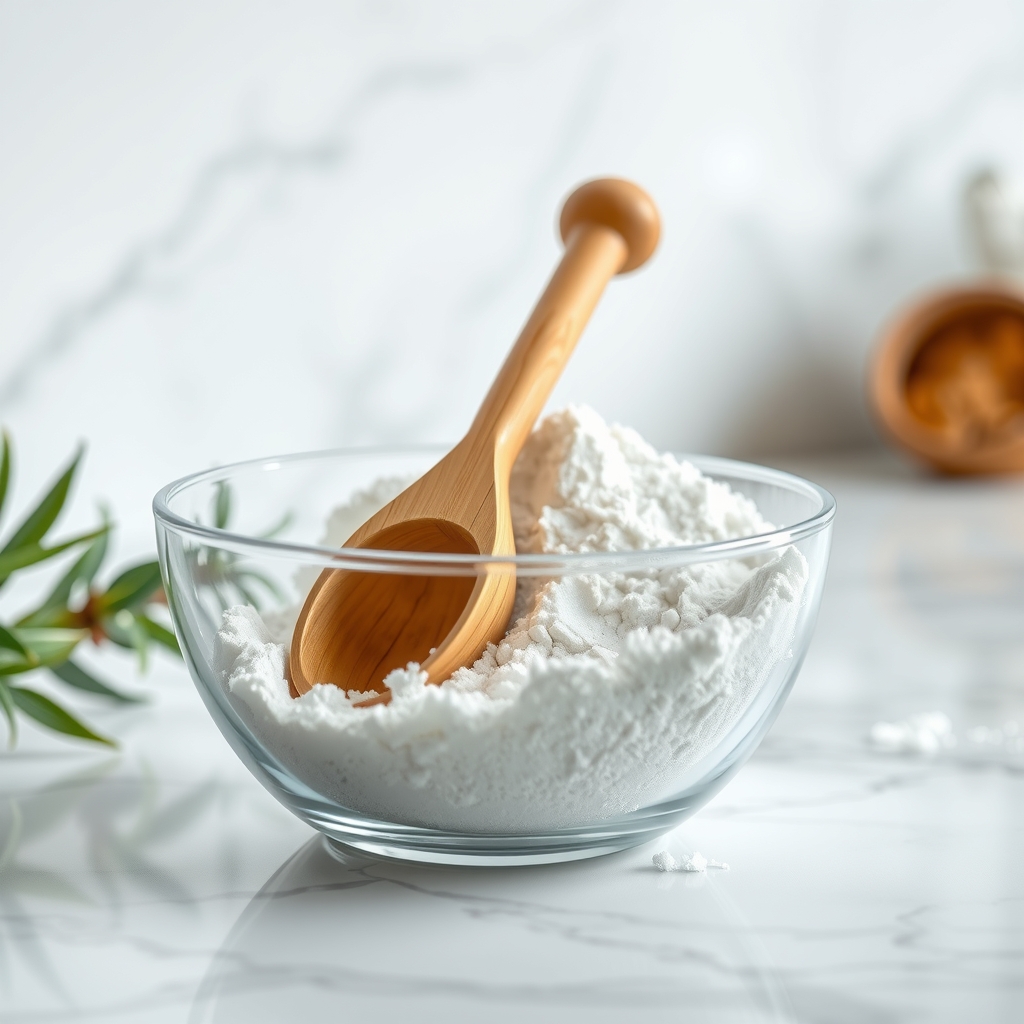
Borax is a white, powdery mineral commonly used in laundry and household cleaning—but is it safe during pregnancy?
Is borax cleaning safe during pregnancy?
The short answer: no, borax cleaning is not considered safe during pregnancy. While there’s no definitive proof that borax causes birth defects or miscarriage in humans, the U.S. Environmental Protection Agency (EPA) and European Chemicals Agency (ECHA) classify borax as a substance of potential concern due to its toxicity at high doses. Here’s what you need to know:
What does the research say?
Most studies on borax toxicity come from animal research, which shows that high doses of boric acid (a related compound) can cause reproductive harm, including reduced fertility and developmental issues in offspring. For example:
A 2010 study published in Reproductive Toxicology found that high doses of boric acid in rats led to reduced fetal weight and skeletal abnormalities.
The National Toxicology Program (NTP) lists boric acid as a developmental and reproductive toxicant based on animal studies.
Human data is limited, but the Centers for Disease Control and Prevention (CDC) notes that borax can irritate the skin, eyes, and respiratory tract. Pregnant women may be more sensitive to these effects due to hormonal changes and increased blood volume.
How can borax enter your body?
Borax can be absorbed in three main ways:
Inhalation: When you scoop or pour borax powder, tiny particles can become airborne and enter your lungs. This is especially concerning if you’re cleaning in a poorly ventilated space.
Skin contact: Borax can irritate your skin, and prolonged exposure may lead to absorption. During pregnancy, your skin is more permeable, which could increase absorption rates.
Ingestion: Accidental ingestion (e.g., from unwashed hands or contaminated food) is the most dangerous route. While rare, it can lead to borax poisoning, which is especially risky during pregnancy.
What do the experts say?
The American College of Obstetricians and Gynecologists (ACOG) advises pregnant women to limit exposure to cleaning chemicals, especially those with known toxicity risks. The NHS recommends avoiding borax and other boron-containing products during pregnancy due to potential developmental risks. While occasional, low-level exposure is unlikely to cause harm, experts agree that it’s best to err on the side of caution and choose safer alternatives.
Is borax cleaning safe during first trimester?
The first trimester is the most critical window for your baby’s development. During these 12 weeks, your baby’s organs, brain, and nervous system are forming—a process called organogenesis. This is also when your baby is most vulnerable to environmental toxins, including chemicals like borax.
While there’s no direct evidence that borax causes birth defects in humans, animal studies suggest that high doses of boron compounds can disrupt fetal development. The EPA notes that boron exposure during early pregnancy may pose risks to the developing embryo, though the exact threshold for harm in humans is unknown.
Here’s what to consider:
Inhalation risk: The first trimester is when many women experience heightened sensitivity to smells and chemicals. Inhaling borax powder can trigger nausea, headaches, or respiratory irritation—symptoms that can make early pregnancy even more uncomfortable.
Skin absorption: Your skin is more permeable during pregnancy, which means chemicals like borax may be absorbed more easily. While the risk of systemic toxicity from skin contact alone is low, it’s still a concern.
Unintentional ingestion: Morning sickness can make it harder to keep track of what you’re touching. If you handle borax and then eat or touch your face, there’s a small risk of accidental ingestion.
Bottom line: Avoid borax during your first trimester. If you’ve already used it, don’t panic—occasional, low-level exposure is unlikely to cause harm. But now that you know the risks, switch to a safer alternative for the rest of your pregnancy.
Can you use borax for laundry while pregnant in the second trimester?
By the second trimester, your baby’s major organs are mostly formed, and the risk of birth defects from chemical exposures decreases. However, that doesn’t mean borax is suddenly safe. Here’s why:
Respiratory irritation: Your lungs are working harder during pregnancy to supply oxygen to your growing baby. Inhaling borax powder can irritate your airways, leading to coughing, wheezing, or shortness of breath—symptoms that can be especially uncomfortable as your belly grows.
Skin sensitivity: Many women develop pruritic urticarial papules and plaques of pregnancy (PUPPP), a condition that causes itchy rashes. Borax can dry out and irritate your skin, making these rashes worse.
Hormonal changes: Your body is more sensitive to chemicals during pregnancy, and borax can disrupt your skin’s natural pH balance, leading to irritation or infections.
If you’ve been using borax for laundry, you might be wondering: Is it safe to keep using it in small amounts? While the risk of harm is low, most obstetricians recommend avoiding it altogether. The ACOG advises pregnant women to minimize exposure to all unnecessary chemicals, including those in cleaning products. If you’re attached to borax for its stain-fighting power, consider switching to a borax-free detergent like Seventh Generation Free & Clear or ECOS Magnolia & Lily.
What if you’ve already used borax this trimester? Unless you’ve experienced symptoms like nausea, dizziness, or skin irritation, you’re likely fine. But now’s the time to make the switch to a safer alternative.
What are the risks of borax exposure during third trimester?
The third trimester is all about preparing for your baby’s arrival, but it’s also a time when your body is under extra stress. Your immune system is more sensitive, your skin is stretching, and your respiratory system is working overtime. Here’s how borax exposure could affect you and your baby during these final months:
Increased skin absorption: As your belly grows, your skin becomes thinner and more permeable. This means chemicals like borax may be absorbed more easily, increasing the risk of irritation or systemic exposure.
Respiratory stress: Your lungs have less room to expand as your uterus grows, making you more susceptible to respiratory irritants. Inhaling borax powder can trigger coughing, wheezing, or shortness of breath—symptoms that can mimic or worsen pregnancy-related breathing difficulties.
Hormonal fluctuations: Your body is preparing for labor, and hormonal shifts can make you more sensitive to chemicals. Borax can disrupt your skin’s natural barrier, leading to dryness, itching, or even infections like yeast or bacterial vaginosis.
Accidental ingestion: As you prepare for your baby’s arrival, you might be nesting and doing more cleaning than usual. If you’re handling borax and then preparing food or touching your face, there’s a small risk of accidental ingestion.
While the risk of borax causing harm to your baby at this stage is low, it’s still not worth the potential irritation or stress on your body. The NHS recommends avoiding borax during the third trimester, especially if you have a history of respiratory issues, skin sensitivities, or preterm labor risks.
What if you’ve already used borax? If you’ve used it occasionally and haven’t experienced any symptoms, you’re likely fine. But if you’re using it regularly (e.g., for laundry or cleaning), now’s the time to switch to a safer alternative like baking soda or white vinegar.
Your third trimester is a time to prioritize safety—opt for borax-free laundry detergents to minimize chemical exposure.
How much borax is safe to use while pregnant?
There’s no established "safe" amount of borax for pregnant women. The World Health Organization (WHO) and EPA have set exposure limits for boron compounds in drinking water and occupational settings, but these don’t translate directly to household use during pregnancy. Here’s what you need to know:
Occupational limits: The Occupational Safety and Health Administration (OSHA) sets a permissible exposure limit (PEL) for borax at 10 mg/m³ of air for an 8-hour workday. However, this is for healthy adults in industrial settings—not pregnant women at home.
Drinking water limits: The EPA recommends that boron levels in drinking water not exceed 2.4 mg/L. While this doesn’t apply to cleaning products, it gives you an idea of how strictly boron exposure is regulated.
Household use: Most laundry and cleaning recipes call for ½ to 1 cup of borax per load. While this is a relatively small amount, the risk comes from repeated exposure over time, especially if you’re handling it frequently.
The ACOG and NHS don’t provide specific dosage guidelines for borax during pregnancy because the safest amount is zero. Even small, repeated exposures can add up, especially if you’re using borax for multiple purposes (e.g., laundry, cleaning, and pest control).
If you’ve already used borax during your pregnancy, don’t panic. The risk of harm from occasional, low-level exposure is very low. But moving forward, it’s best to avoid it entirely and choose safer alternatives.
What are safe alternatives to borax for cleaning during pregnancy?
If you’re looking for effective, pregnancy-safe alternatives to borax, you’re in luck. Many natural and non-toxic cleaners can tackle stains, odors, and grime just as well—without the potential risks. Here are some of the best options:
Baking soda: A gentle abrasive that deodorizes, softens water, and lifts stains. Use it in laundry, on carpets, or to scrub sinks and tubs. It’s safe, non-toxic, and won’t irritate your skin.
White vinegar: A natural disinfectant and deodorizer that cuts through grease and grime. Mix equal parts vinegar and water for an all-purpose cleaner. (Note: Avoid using vinegar on natural stone like granite or marble, as it can etch the surface.)
Castile soap: A plant-based, biodegradable soap that’s safe for cleaning almost anything—from laundry to floors to dishes. Look for unscented versions to avoid potential skin irritation.
Seventh Generation Free & Clear Laundry Detergent: A borax-free, fragrance-free detergent that’s safe for sensitive skin and effective at removing stains.
ECOS Magnolia & Lily Laundry Detergent: Another borax-free option that’s plant-based and hypoallergenic. It’s also free of dyes and synthetic fragrances.
Molly’s Suds Laundry Powder: A natural, non-toxic laundry powder that’s safe for pregnancy and effective at cleaning clothes. It’s free of borax, synthetic fragrances, and harsh chemicals.
Dr. Bronner’s Pure-Castile Liquid Soap: A versatile, concentrated soap that can be diluted for cleaning floors, counters, and even your body. It’s made with organic ingredients and is safe for pregnancy.
Hydrogen peroxide (3%): A natural disinfectant that kills mold, mildew, and bacteria. Use it to clean bathrooms, whiten laundry, or disinfect surfaces. (Note: Always spot-test on fabrics and surfaces first, as it can bleach some materials.)
Lemon juice: A natural bleaching agent that can brighten whites and remove stains. Mix it with baking soda for a gentle scrub or add it to your laundry for a fresh scent.
Arm & Hammer Super Washing Soda: A stronger alternative to baking soda that’s great for tough stains and odors. It’s borax-free and safe for pregnancy when used as directed.
Are there any borax-free laundry detergents safe for pregnancy?
Yes! Many borax-free laundry detergents are safe for pregnancy and just as effective at cleaning your clothes. Here are some of the best options, along with what makes them a smart choice:
Pregnancy-safe, borax-free laundry detergents
Detergent
Why it’s safe
Best for
Seventh Generation Free & Clear
Fragrance-free, dye-free, and plant-based. No borax, phosphates, or synthetic chemicals.
Sensitive skin, allergies, newborn laundry
ECOS Magnolia & Lily
Hypoallergenic, biodegradable, and made with plant-based ingredients. No borax or harsh chemicals.
Everyday laundry, stain removal
Molly’s Suds Laundry Powder
Made with natural ingredients and free of borax, synthetic fragrances, and dyes. Safe for cloth diapers too.
Tough stains, cloth diapers, sensitive skin
Dr. Bronner’s Pure-Castile Liquid Soap
Concentrated, plant-based soap that can be diluted for laundry. No borax, synthetic preservatives, or fragrances.
Dye-free and fragrance-free, with no borax or harsh chemicals. Uses baking soda for cleaning power.
Sensitive skin, budget-friendly option
When choosing a detergent, look for labels that say "fragrance-free," "dye-free," and "hypoallergenic." Avoid products with synthetic fragrances, as these can contain phthalates, which are linked to hormonal disruptions. If you’re unsure, check the Environmental Working Group’s (EWG) Guide to Healthy Cleaning for ratings on specific brands.
Can borax cause birth defects or miscarriage?
This is the question that keeps many pregnant women up at night. Here’s what the research says:
Birth defects: There’s no direct evidence that borax causes birth defects in humans. However, animal studies suggest that high doses of boron compounds (like boric acid) can lead to developmental issues, including skeletal abnormalities and reduced fetal weight. The EPA classifies boric acid as a developmental toxicant based on these studies, but the relevance to humans is unclear.
Miscarriage: There’s no evidence that borax causes miscarriage in humans. However, high doses of boron compounds have been linked to reduced fertility and fetal loss in animal studies. The National Toxicology Program (NTP) notes that while the risk to humans is unknown, it’s best to err on the side of caution.
The key word here is high doses. Most household uses of borax (e.g., laundry or cleaning) involve low-level exposure that’s unlikely to cause harm. However, the ACOG and NHS recommend avoiding unnecessary chemical exposures during pregnancy, especially those with potential reproductive risks.
If you’ve already used borax during your pregnancy, try not to stress. The risk of harm from occasional, low-level exposure is very low. But moving forward, it’s best to choose safer alternatives to minimize any potential risk.
Is it safe to use 20 Mule Team Borax while pregnant?
20 Mule Team Borax is one of the most popular borax brands on the market, and it’s the one you’re most likely to find in the laundry aisle. But is it safe to use during pregnancy? The short answer: no. Here’s why:
Same risks as other borax products: 20 Mule Team Borax is pure sodium borate, which means it carries the same potential risks as any other borax product. These include skin irritation, respiratory irritation, and—at high doses—potential developmental risks.
No pregnancy-specific warnings: While the product’s label doesn’t include a pregnancy warning, that doesn’t mean it’s safe. Many household chemicals aren’t tested for safety during pregnancy, so the absence of a warning doesn’t equal safety.
Exposure routes: Whether you’re using it for laundry, cleaning, or pest control, 20 Mule Team Borax can enter your body through inhalation, skin contact, or accidental ingestion. During pregnancy, your body is more sensitive to these exposures.
The NHS and ACOG recommend avoiding borax during pregnancy, regardless of the brand. If you’ve already used 20 Mule Team Borax, don’t panic—occasional, low-level exposure is unlikely to cause harm. But now that you know the risks, it’s best to switch to a safer alternative.
What are the symptoms of borax poisoning during pregnancy?
Borax poisoning is rare, especially from household use, but it’s important to know the signs—just in case. Symptoms of borax toxicity can vary depending on how it enters your body (inhalation, skin contact, or ingestion). Here’s what to watch for:
Inhalation (breathing in borax powder)
Coughing or wheezing
Sore throat
Shortness of breath
Nausea or dizziness
Headache
Skin contact
Redness, itching, or rash
Dry, cracked skin
Burning or stinging sensation
Blisters (in severe cases)
Ingestion (accidental swallowing)
Nausea or vomiting
Abdominal pain or diarrhea
Headache
Lethargy or weakness
Seizures (in extreme cases)
If you experience any of these symptoms after using borax, stop using it immediately and contact your healthcare provider. While mild irritation is unlikely to harm your baby, severe symptoms (e.g., vomiting, seizures, or difficulty breathing) require prompt medical attention.
If you’ve already used borax and are experiencing symptoms, don’t panic. Most household exposures are low-level and unlikely to cause serious harm. However, it’s always best to err on the side of caution and call your doctor if you’re concerned.
Can borax affect fertility or pregnancy tests?
If you’re trying to conceive or just found out you’re pregnant, you might be wondering whether borax could affect your fertility or the accuracy of your pregnancy test. Here’s what you need to know:
Fertility
There’s no direct evidence that borax affects human fertility, but animal studies suggest that high doses of boron compounds can reduce fertility in both males and females. For example:
A 2015 study published in Reproductive Biology and Endocrinology found that high doses of boric acid reduced sperm count and motility in male rats.
The National Toxicology Program (NTP) lists boric acid as a reproductive toxicant based on animal research.
However, these studies involve much higher doses than you’d encounter from household use. If you’re trying to conceive, it’s still a good idea to minimize your exposure to borax and other chemicals with potential reproductive risks.
Pregnancy tests
Borax does not affect the accuracy of pregnancy tests. Pregnancy tests detect the hormone human chorionic gonadotropin (hCG), which borax cannot interfere with. If you’ve used borax and are worried about your test results, rest assured that it won’t give you a false positive or negative.
That said, if you’re trying to conceive or are newly pregnant, it’s best to avoid borax altogether. The ACOG recommends minimizing exposure to chemicals with potential reproductive risks, even if the evidence in humans is limited.
Safer alternatives to borax for cleaning during pregnancy
If you’re ready to ditch borax but still want effective cleaning power, you’re in luck. There are plenty of safe, non-toxic alternatives that work just as well—without the potential risks. Here are some of the best options, along with how to use them:
Baking soda: A gentle abrasive that deodorizes, softens water, and lifts stains. Use it to scrub sinks, tubs, and toilets, or add ½ cup to your laundry to boost detergent performance. It’s safe, non-toxic, and won’t irritate your skin.
White vinegar: A natural disinfectant and deodorizer that cuts through grease and grime. Mix equal parts vinegar and water for an all-purpose cleaner, or add 1 cup to your laundry to brighten whites. (Avoid using vinegar on natural stone like granite or marble.)
Castile soap: A plant-based, biodegradable soap that’s safe for cleaning almost anything. Dilute it with water for an all-purpose cleaner, or use it to hand-wash delicate fabrics. Look for unscented versions to avoid potential skin irritation.
Seventh Generation Free & Clear Laundry Detergent: A borax-free, fragrance-free detergent that’s safe for sensitive skin and effective at removing stains. It’s also free of dyes and synthetic chemicals, making it a great choice for pregnancy.
ECOS Magnolia & Lily Laundry Detergent: Another borax-free option that’s plant-based and hypoallergenic. It’s free of dyes and synthetic fragrances, and it’s gentle enough for newborn laundry.
Molly’s Suds Laundry Powder: A natural, non-toxic laundry powder that’s safe for pregnancy and effective at cleaning clothes. It’s free of borax, synthetic fragrances, and harsh chemicals, and it’s safe for cloth diapers too.
Dr. Bronner’s Pure-Castile Liquid Soap: A versatile, concentrated soap that can be diluted for cleaning floors, counters, and even your body. It’s made with organic ingredients and is safe for pregnancy.
Hydrogen peroxide (3%): A natural disinfectant that kills mold, mildew, and bacteria. Use it to clean bathrooms, whiten laundry, or disinfect surfaces. (Always spot-test on fabrics and surfaces first, as it can bleach some materials.)
Lemon juice: A natural bleaching agent that can brighten whites and remove stains. Mix it with baking soda for a gentle scrub, or add it to your laundry for a fresh scent.
Arm & Hammer Super Washing Soda: A stronger alternative to baking soda that’s great for tough stains and odors. It’s borax-free and safe for pregnancy when used as directed.
If you’re wondering about the safety of other common cleaning products during pregnancy, this table gives you a quick overview. Remember, the safest approach is to minimize exposure to all unnecessary chemicals, especially during your first trimester.
Pregnancy safety of common cleaning products
Product
Verdict
Notes
Bleach cleaning
⚠️ Limit exposure
Avoid mixing with other chemicals (e.g., ammonia). Use in a well-ventilated area and wear gloves.
Ammonia cleaning
⚠️ Limit exposure
Can irritate your respiratory system. Avoid mixing with bleach (produces toxic chloramine gas).
Essential oils during pregnancy
⚠️ Talk to your doctor
Some oils (e.g., rosemary, clary sage) may trigger contractions. Others (e.g., lavender, chamomile) are generally safe in small amounts.
OxiClean
⚠️ Safe with limits
Contains sodium percarbonate, which breaks down into hydrogen peroxide and soda ash. Safe for occasional use, but avoid inhaling the powder.
Tide laundry detergent
✅ Generally safe
Most Tide detergents are considered safe during pregnancy, but opt for fragrance-free versions if you have sensitive skin.
Clorox wipes
⚠️ Safe with limits
Safe for occasional use, but avoid prolonged skin contact. Wash your hands after use.
Lysol disinfectant spray
⚠️ Safe with limits
Use in a well-ventilated area and avoid inhaling the spray. Opt for fragrance-free versions if possible.
Fabric softeners during pregnancy
⚠️ Limit exposure
Many contain synthetic fragrances and phthalates, which may disrupt hormones. Opt for fragrance-free or natural alternatives.
Dishwasher detergents during pregnancy
✅ Generally safe
Most are safe, but avoid those with synthetic fragrances or harsh chemicals. Opt for plant-based or fragrance-free options.
Air fresheners during pregnancy
⚠️ Limit exposure
Many contain phthalates and synthetic fragrances, which may disrupt hormones. Opt for natural alternatives like essential oil diffusers (with safe oils) or open windows.
Not sure about the label on Is Borax Cleaning Safe During Pregnancy products?
Snap the ingredients list and SafeFilter checks every ingredient for your stage — only 3 free scans this month, then you're locked until reset. Unlimited from $7/mo or $50/yr.
When Shubhra Mishra was expecting her first child in 2016, she was overwhelmed by conflicting food advice — one site said yes, another said never. By the time her second baby arrived in 2019, she realized millions of mothers face the same confusion.
That sparked a five-year journey through clinical nutrition papers, cultural diets, and expert conversations — all leading to BumpBites: a calm, compassionate space where science meets everyday motherhood.
Her long-term vision is to build a global community ensuring safe, supported, and free deliveriesfor every mother — because no woman should face pregnancy alone or uninformed. 🌿
🌍 Stand with mothers, shape safer guidance
Join a small circle of experts who review BumpBites articles so expecting parents everywhere can decide with confidence.