

Quick verdict: ⚠️ Carpet cleaning fumes are safe with limits during pregnancy. Most obstetricians agree that occasional, brief exposure to typical carpet cleaning products is unlikely to harm your baby—but prolonged or high exposure to strong chemicals should be avoided. If you're cleaning yourself, choose low-VOC or natural products, ventilate well, and take breaks. If professionals are cleaning, plan to stay out of the house for at least 4–6 hours (longer for strong solvents) and ask about pregnancy-safe options.
You're standing in the middle of your living room, hands on your belly, staring at the freshly cleaned carpet. The smell is strong—maybe a little too strong—and now you're wondering: is carpet cleaning fumes safe during pregnancy? Maybe you already had the carpets cleaned before you thought to check, or maybe you're planning a deep clean and want to do it the safest way possible. Either way, you're not alone. This is one of those 11 pm Google searches that keeps expecting parents up at night.
Here's the good news: most carpet cleaning fumes aren't an automatic red flag during pregnancy. But like many things, the devil is in the details—what chemicals are used, how long you're exposed, and which trimester you're in all play a role. In this guide, we'll break down exactly what the research says, how to minimize risks, and what safer alternatives you can use instead. And if you've already been exposed? We'll cover that too—so you can stop worrying and know exactly what to watch for.
| Trimester | Verdict | Notes |
|---|---|---|
| First trimester (weeks 1–12) | ⚠️ Limit exposure | Organ development is most sensitive now. Avoid strong solvents like perchloroethylene (perc) and naphthalene. Opt for steam or natural cleaners if possible. |
| Second trimester (weeks 13–26) | ⚠️ Safe with precautions | Risk of birth defects is lower, but avoid prolonged exposure to strong fumes. Ventilate well and take breaks if cleaning yourself. |
| Third trimester (weeks 27–40) | ⚠️ Safe with precautions | Focus on avoiding respiratory irritation, which can be uncomfortable in late pregnancy. Stick to low-VOC or natural products. |
| Breastfeeding | ⚠️ Safe with precautions | Chemicals can linger in dust and air. Ventilate well and avoid nursing in freshly cleaned rooms for 24 hours if possible. |
What are carpet cleaning fumes?
Carpet cleaning fumes come from the chemicals used in both professional and DIY carpet cleaning products. These products often contain solvents, detergents, deodorizers, and stain removers designed to break down dirt, grease, and odors. When applied, these chemicals can evaporate into the air—especially in warm or poorly ventilated spaces—creating fumes that you might inhale.
Common chemicals found in carpet cleaning products include:
- Perchloroethylene (perc): A solvent often used in dry cleaning and some professional carpet cleaners. It's classified as a possible carcinogen and can cause dizziness, headaches, and nausea.
- Naphthalene: Found in some mothballs and carpet deodorizers, this chemical can cause respiratory irritation and has been linked to blood disorders in high doses.
- Ammonia: A strong alkaline cleaner that can irritate the lungs, eyes, and skin. It's often found in DIY carpet cleaners.
- Formaldehyde: A preservative and disinfectant that can off-gas from some carpet cleaning products. It's a known irritant and possible carcinogen.
- Volatile Organic Compounds (VOCs): A broad category of chemicals that evaporate at room temperature. Many carpet cleaners contain VOCs like benzene, toluene, and xylene, which can cause headaches, nausea, and long-term health effects with prolonged exposure.
Not all carpet cleaners contain these chemicals, and many modern products are formulated to be low-VOC or fragrance-free. But if you're not sure what's in the product being used, it's always a good idea to ask—or opt for a safer alternative.
Is carpet cleaning fumes safe during pregnancy?
Here's what the research and expert guidance say:
- Low risk for birth defects: Most studies on chemical exposure during pregnancy focus on industrial or occupational settings, where exposure levels are much higher than what you'd encounter during a typical carpet cleaning. The Centers for Disease Control and Prevention (CDC) notes that while high levels of certain solvents (like perc) have been linked to miscarriage and birth defects in animal studies, the risk to humans at typical household exposure levels is considered low.
- Respiratory irritation: Pregnancy can make you more sensitive to strong smells and fumes, which can trigger nausea, headaches, or dizziness. The NHS advises avoiding strong cleaning products during pregnancy, not because they're proven to harm your baby, but because they can make you feel unwell.
- Long-term exposure risks: If you're frequently exposed to carpet cleaning fumes—say, because you work in a cleaning service or live in a home that's regularly treated with strong chemicals—the risks may be higher. A 2019 study published in Environmental Health Perspectives found that women with high exposure to household cleaning chemicals had a slightly increased risk of preterm birth, though the study didn't isolate carpet cleaning specifically.
So what does this mean for you? If you're having your carpets professionally cleaned, ask about the products they use and opt for low-VOC or natural options if possible. If you're cleaning yourself, choose gentler products (more on that below), ventilate the room well, and take breaks. And if you're worried about past exposure, remember that the occasional cleaning is unlikely to pose a significant risk to your baby.
Are carpet cleaning fumes safe during first trimester?
The first trimester is the most sensitive time for your baby's development, as this is when their organs, brain, and nervous system are forming. Because of this, many expecting parents are extra cautious about chemical exposures—including carpet cleaning fumes.
The good news is that brief, occasional exposure to typical carpet cleaning fumes is unlikely to harm your baby during the first trimester. However, there are a few chemicals to be especially mindful of:
- Perchloroethylene (perc): This solvent is sometimes used in professional carpet cleaning and dry cleaning. Animal studies have linked high levels of perc to miscarriage and birth defects, though human studies are limited. The Environmental Protection Agency (EPA) considers perc a possible human carcinogen, and ACOG recommends avoiding it during pregnancy.
- Naphthalene: Found in some carpet deodorizers and mothballs, naphthalene can cause blood disorders in high doses. While the risk from occasional carpet cleaning is low, it's best to avoid products containing this chemical.
- Formaldehyde: This preservative can off-gas from some carpet cleaning products and is a known irritant. While the risk of birth defects from low-level exposure is minimal, it's best to avoid strong fumes that can cause nausea or headaches.
If you're having your carpets cleaned during the first trimester, ask the cleaning service about the products they use. Opt for low-VOC or natural cleaners if possible, and plan to stay out of the house for at least 4–6 hours after cleaning to allow fumes to dissipate. If you're cleaning yourself, choose gentler products (like steam or baking soda and vinegar) and ventilate the room well. And if you're worried about past exposure, remember that the occasional cleaning is unlikely to pose a significant risk—your body is designed to protect your baby.
Can carpet cleaning chemicals cause miscarriage?
This is one of the biggest fears for expecting parents, and it's understandable to worry. The short answer is that there's no strong evidence that typical household exposure to carpet cleaning chemicals causes miscarriage. However, high or prolonged exposure to certain solvents—particularly in occupational settings—has been linked to a slightly increased risk.
Here's what the research says:
- Perchloroethylene (perc): Some studies have suggested a possible link between high exposure to perc (such as in dry cleaning workers) and miscarriage, but the evidence isn't conclusive. The CDC notes that while animal studies have shown a risk, human studies are limited and often confounded by other factors. If you're not working in a dry cleaning facility, your exposure to perc from carpet cleaning is likely much lower.
- Other solvents: Some studies have found a slight increase in miscarriage risk among women exposed to high levels of solvents like benzene, toluene, and xylene in industrial settings. However, these chemicals are typically found in much lower concentrations in household carpet cleaning products.
- Household exposure: A 2018 study published in Occupational and Environmental Medicine found no significant increase in miscarriage risk among women with typical household exposure to cleaning chemicals. The study concluded that while it's wise to minimize exposure, the risk from occasional use is low.
So what does this mean for you? If you've had your carpets cleaned a few times during pregnancy, there's no need to panic. The risk of miscarriage from typical household exposure is very low. However, if you're concerned or have had high exposure (for example, if you work in a cleaning service or live in a home that's frequently treated with strong chemicals), it's worth discussing with your healthcare provider. In the meantime, opt for low-VOC or natural cleaning products whenever possible, and ventilate your home well after cleaning.
How long should you stay out of the house after carpet cleaning while pregnant?
The answer depends on the type of cleaning products used and how well your home is ventilated. As a general rule, it's best to stay out of the house for at least 4–6 hours after carpet cleaning, and longer if strong solvents or professional-grade products were used. Here's a breakdown:
| Type of cleaning | Recommended time away | Notes |
|---|---|---|
| Steam cleaning (hot water extraction) | 2–4 hours | Steam cleaning uses hot water and minimal chemicals, so fumes dissipate quickly. Open windows to speed up ventilation. |
| Natural/DIY cleaners (e.g., baking soda, vinegar) | 1–2 hours | These products are low-VOC and safe for most people. Ventilate well and avoid lingering in the room. |
| Professional low-VOC cleaners | 4–6 hours | Ask the cleaning service about the products they use. If they're low-VOC, 4–6 hours is usually sufficient. |
| Professional solvent-based cleaners (e.g., perc) | 24 hours | Strong solvents like perc can linger in the air and dust. If possible, avoid these products during pregnancy. |
| DIY cleaners with strong fumes (e.g., ammonia, bleach) | 4–6 hours | These products can cause respiratory irritation. Ventilate well and take breaks if cleaning yourself. |
If you're unsure about the products used, ask the cleaning service for a safety data sheet (SDS) or ingredient list. When in doubt, err on the side of caution and stay out longer. If you're cleaning yourself, open windows, use fans to ventilate the room, and take breaks outside to get fresh air. And if you start to feel dizzy, nauseous, or develop a headache, leave the area immediately and get some fresh air.
What are the safest carpet cleaning products for pregnancy?
If you're cleaning your carpets during pregnancy, the safest products are those that are low-VOC, fragrance-free, and free from harsh solvents like perc, naphthalene, and formaldehyde. Here are some of the safest options, backed by obstetric and environmental health guidelines:
| Product | Type | Why it's safe |
|---|---|---|
| Steam cleaning (hot water extraction) | Professional/DIY | Uses hot water and minimal chemicals. No fumes, no solvents, and effective at removing dirt and allergens. |
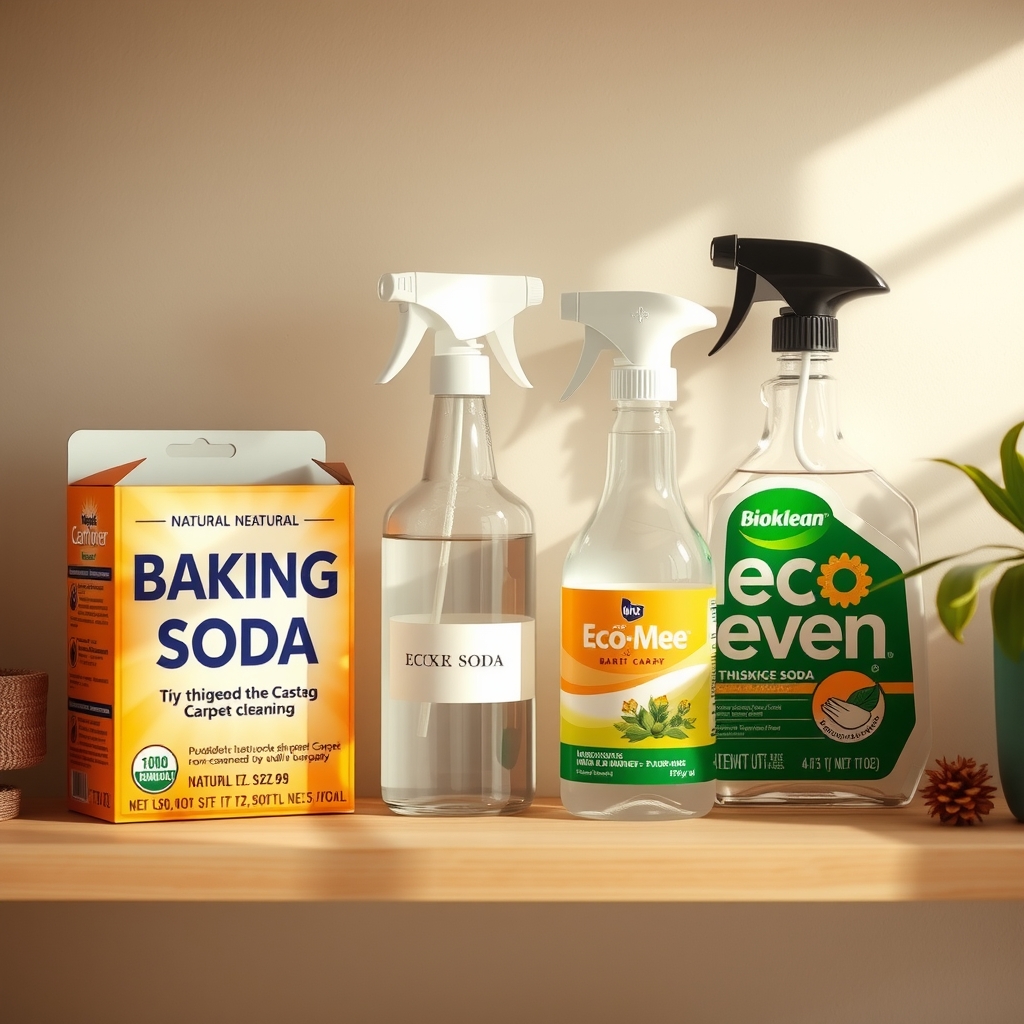
| Baking soda and vinegar | DIY | Non-toxic, low-VOC, and safe for most surfaces. Mix baking soda with water to form a paste for stains, or spray vinegar and water (1:1 ratio) for general cleaning. |
| Eco-Me Carpet Stain Remover | Commercial | Plant-based, non-toxic, and free from harsh chemicals. Safe for pregnancy and effective on most stains. |
| Biokleen Carpet & Rug Shampoo | Commercial | Low-VOC, biodegradable, and free from synthetic fragrances and dyes. Safe for pregnancy and the environment. |
| Dr. Bronner's Pure-Castile Liquid Soap (diluted) | DIY | Made from plant-based oils, this soap is non-toxic and safe for most cleaning tasks. Dilute with water for carpet cleaning. |
| Branch Basics Concentrate | Commercial | A non-toxic, plant-based cleaner that can be diluted for carpet cleaning. Free from synthetic fragrances and harsh chemicals. |
| Force of Nature | Commercial | An electrolyzed water cleaner that uses salt, water, and vinegar to create a non-toxic disinfectant. Safe for pregnancy and effective on stains. |
| Hydrogen peroxide (3%) | DIY | Safe for spot cleaning and disinfecting. Test on a small area first, as it can bleach some carpets. |
When choosing a carpet cleaning product, look for labels that say "low-VOC," "fragrance-free," "non-toxic," or "plant-based." Avoid products with strong fumes or those that list perc, naphthalene, formaldehyde, or ammonia in the ingredients. And if you're unsure, ask your healthcare provider or the cleaning service for recommendations.
Are professional carpet cleaning fumes worse than DIY during pregnancy?
It depends on the products used. Professional carpet cleaning can be safer than DIY if the service uses low-VOC or natural products, but it can also be riskier if they use strong solvents like perc or high-VOC cleaners. Here's how they compare:
| Factor | Professional cleaning | DIY cleaning |
|---|---|---|
| Chemical strength | Can use strong solvents (e.g., perc) or low-VOC products. Ask about the products used. | You control the products. Opt for low-VOC or natural cleaners to minimize risks. |
| Exposure time | You're not present during cleaning, so exposure is limited to lingering fumes. | You're exposed during cleaning, so ventilate well and take breaks. |
| Ventilation | Professionals may use industrial fans to ventilate, but fumes can linger if strong chemicals are used. | You can open windows and use fans to ventilate, but fumes may linger if strong products are used. |
| Effectiveness | Often more effective at deep cleaning, especially for tough stains. | Can be effective for light cleaning and spot treatment, but may not deep clean as well. |
| Cost | More expensive, but may be worth it for deep cleaning or large areas. | More affordable, but may require more time and effort. |
If you're hiring a professional carpet cleaning service, ask about the products they use and opt for low-VOC or natural options if possible. Some services specialize in "green" or "eco-friendly" cleaning and use safer products. If you're cleaning yourself, choose low-VOC or natural products, ventilate the room well, and take breaks to minimize exposure.
One advantage of professional cleaning is that you're not exposed to fumes during the cleaning process itself. However, you'll still need to avoid the area for several hours afterward to allow fumes to dissipate. If you're unsure about the products used, ask the cleaning service for a safety data sheet (SDS) or ingredient list.
Can carpet cleaning fumes trigger pregnancy complications like preeclampsia?
There's no direct evidence that carpet cleaning fumes cause preeclampsia or other pregnancy complications like gestational diabetes or preterm labor. However, prolonged or high exposure to certain chemicals may contribute to stress on your body, which could indirectly affect your pregnancy. Here's what you should know:
- Preeclampsia: This condition is characterized by high blood pressure and organ damage, typically occurring after 20 weeks of pregnancy. While the exact cause is unknown, it's thought to involve a combination of genetic, immune, and environmental factors. There's no evidence that carpet cleaning fumes directly cause preeclampsia, but stress and inflammation—both of which can be triggered by strong chemical exposure—may play a role in its development.
- Respiratory stress: Strong fumes can irritate your lungs and airways, making it harder to breathe. This can be especially uncomfortable in late pregnancy, when your growing belly puts pressure on your diaphragm. While this won't directly cause preeclampsia, it can contribute to overall stress on your body.
- Inflammation: Some chemicals found in carpet cleaners, like formaldehyde and VOCs, can trigger inflammation in the body. Chronic inflammation has been linked to a higher risk of pregnancy complications, though the evidence is still evolving.
- Occupational exposure: Studies on women with high occupational exposure to solvents (such as those working in dry cleaning or manufacturing) have found a slightly increased risk of preterm birth and low birth weight. However, these studies don't isolate carpet cleaning specifically, and the exposure levels are much higher than what you'd encounter at home.
So what does this mean for you? While there's no need to panic about occasional carpet cleaning, it's wise to minimize exposure to strong chemicals during pregnancy. Opt for low-VOC or natural cleaning products, ventilate your home well, and take breaks if you're cleaning yourself. If you're concerned about past exposure or have a history of preeclampsia, discuss it with your healthcare provider—they can monitor your blood pressure and other risk factors throughout your pregnancy.
Are there non-toxic alternatives to traditional carpet cleaning while pregnant?
Absolutely! If you're looking to avoid traditional carpet cleaning chemicals during pregnancy, there are plenty of non-toxic alternatives that are just as effective—and often more affordable. Here are some of the best options, all of which are safe for pregnancy when used as directed:
- Steam cleaning (hot water extraction): This method uses hot water and minimal (or no) chemicals to deep clean carpets. It's highly effective at removing dirt, allergens, and stains, and it doesn't leave behind harmful fumes. You can rent a steam cleaner or hire a professional service that specializes in chemical-free cleaning.
- Baking soda and vinegar: This classic DIY combo is safe, non-toxic, and effective for light cleaning and deodorizing. Sprinkle baking soda on the carpet, let it sit for 15–30 minutes, then vacuum it up. For stains, mix equal parts white vinegar and water in a spray bottle, apply to the stain, and blot with a clean cloth. Avoid using vinegar on natural fibers like wool, as it can damage them.
- Eco-Me Carpet Stain Remover: This plant-based, non-toxic stain remover is free from harsh chemicals and synthetic fragrances. It's safe for pregnancy and effective on most stains, including food, pet messes, and dirt.
- Biokleen Carpet & Rug Shampoo: A low-VOC, biodegradable carpet shampoo that's free from synthetic fragrances and dyes. It's safe for pregnancy and the environment, and it works well for both spot cleaning and deep cleaning.
- Dr. Bronner's Pure-Castile Liquid Soap (diluted): Made from plant-based oils, this soap is non-toxic and safe for most cleaning tasks. Mix 1–2 tablespoons of soap with a gallon of hot water for general carpet cleaning, or use a stronger solution for tough stains.
- Branch Basics Concentrate: A non-toxic, plant-based cleaner that can be diluted for carpet cleaning. It's free from synthetic fragrances and harsh chemicals, making it a safe choice for pregnancy. Mix with water according to the instructions for carpet cleaning.
- Force of Nature: An electrolyzed water cleaner that uses salt, water, and vinegar to create a non-toxic disinfectant. It's safe for pregnancy and effective on stains, odors, and bacteria. Simply spray and blot for spot cleaning, or use with a carpet cleaner for deeper cleaning.
- Hydrogen peroxide (3%): Safe for spot cleaning and disinfecting, hydrogen peroxide can help remove stains and kill bacteria. Test on a small, hidden area of your carpet first, as it can bleach some fabrics. Apply to the stain, let it sit for a few minutes, then blot with a clean cloth.
- Professional green carpet cleaning services: Many professional carpet cleaning companies offer "green" or "eco-friendly" cleaning options that use non-toxic, low-VOC products. Ask about their pregnancy-safe options and request a list of the products they use.
When using any cleaning product—even natural ones—it's a good idea to ventilate the room well and take breaks to avoid overexposure. And if you're unsure about a product, check the label for ingredients or ask your healthcare provider for guidance.
Is steam carpet cleaning safe during pregnancy?
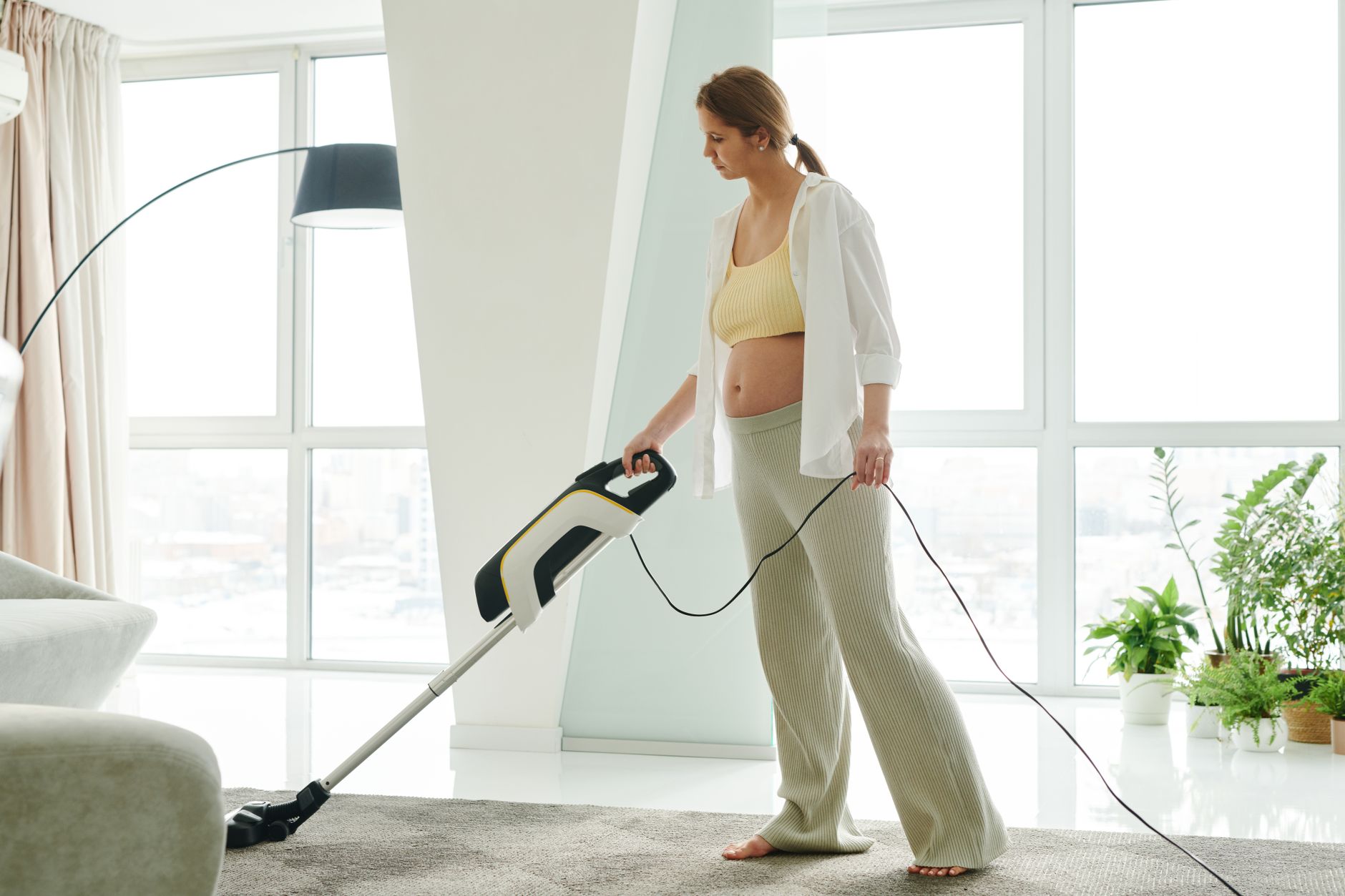
Yes, steam carpet cleaning is one of the safest options during pregnancy. This method uses hot water and minimal (or no) chemicals to deep clean carpets, making it a great choice for expecting parents who want to avoid fumes and harsh solvents. Here's why steam cleaning is a smart pick:
- No harsh chemicals: Steam cleaning relies on the power of hot water to loosen dirt and stains, so it doesn't require strong solvents or detergents. Some professional services may use a small amount of mild detergent, but it's typically low-VOC and safe for pregnancy.
- No lingering fumes: Because steam cleaning doesn't involve strong chemicals, there are no harmful fumes to worry about. This makes it a safer option for both you and your baby.
- Effective deep cleaning: Steam cleaning is highly effective at removing dirt, allergens, and stains from carpets. It can also help reduce dust mites and other allergens, which is especially helpful if you're sensitive to dust during pregnancy.
- Safe for all trimesters: Because steam cleaning doesn't involve harsh chemicals, it's safe to use during any trimester of pregnancy. Just be sure to ventilate the room well and avoid lingering in the area while it's being cleaned.
If you're hiring a professional steam cleaning service, ask about the products they use. Some services add a small amount of mild detergent to the water, which is typically safe, but it's always a good idea to confirm. If you're renting a steam cleaner and doing it yourself, you can use plain water or add a small amount of a pregnancy-safe detergent, like Dr. Bronner's Pure-Castile Liquid Soap.
One thing to keep in mind: steam cleaning can leave your carpets damp for several hours, which can promote mold growth if the room isn't ventilated well. To prevent this, open windows, use fans, and avoid walking on the carpets until they're completely dry. If you're concerned about mold, consider using a dehumidifier in the room after cleaning.
What symptoms should I watch for after exposure to carpet cleaning fumes while pregnant?
Most of the time, brief exposure to carpet cleaning fumes won't cause any symptoms, but if you're sensitive to strong smells or were exposed to high levels of chemicals, you might experience some discomfort. Here are the symptoms to watch for, along with what they could mean and when to seek medical help:
| Symptom | What it could mean | When to seek help |
|---|---|---|
| Headache | Common with exposure to strong fumes, especially in poorly ventilated spaces. Can also be caused by stress or dehydration. | If the headache is severe, persistent, or accompanied by other symptoms like vision changes or swelling, call your provider. |
| Nausea or dizziness | Strong fumes can trigger nausea, especially in the first trimester. Dizziness can also be caused by low blood sugar or dehydration. | If nausea or dizziness is severe, persistent, or accompanied by vomiting, call your provider. |
| Shortness of breath or coughing | Fumes can irritate your lungs and airways, making it harder to breathe. This can be especially uncomfortable in late pregnancy. | If you're struggling to breathe, wheezing, or coughing up mucus, seek medical help immediately. |
| Eye, nose, or throat irritation | Common with exposure to strong fumes or VOCs. Can cause redness, itching, or a burning sensation. | If irritation is severe or doesn't improve with fresh air, call your provider. |
| Skin irritation or rash | Some carpet cleaning products can irritate your skin, especially if you have sensitive skin or allergies. | If you develop a rash, hives, or swelling, call your provider. |
| Fatigue | Exposure to strong fumes can make you feel tired or sluggish, especially if you're already dealing with pregnancy fatigue. | If fatigue is severe or accompanied by other symptoms, call your provider. |
If you experience any of these symptoms after exposure to carpet cleaning fumes, the first step is to get some fresh air. Leave the area, open windows, and use fans to ventilate the room. Drink plenty of water to stay hydrated, and rest if you're feeling tired. Most symptoms will improve within a few hours, but if they persist or worsen, don't hesitate to call your healthcare provider.
It's also a good idea to monitor your baby's movements after exposure to strong fumes. While there's no evidence that typical carpet cleaning fumes harm your baby, it's always reassuring to feel those kicks and rolls. If you notice a decrease in your baby's movements, contact your provider right away.
Are certain carpet cleaning brands safer for pregnant women?
Yes! Some carpet cleaning brands are specifically formulated to be low-VOC, non-toxic, and free from harsh chemicals, making them safer choices during pregnancy. Here are some of the safest brands and products to look for, along with what to avoid:
| Brand/Product | Why it's safe | What to avoid |
|---|---|---|
| Eco-Me Carpet Stain Remover | Plant-based, non-toxic, and free from synthetic fragrances and dyes. Safe for pregnancy and effective on most stains. | Avoid products with strong fragrances or those that list perc, naphthalene, or formaldehyde in the ingredients. |
| Biokleen Carpet & Rug Shampoo | Low-VOC, biodegradable, and free from synthetic fragrances and dyes. Safe for pregnancy and the environment. | Avoid products with ammonia, bleach, or strong solvents. |
| Dr. Bronner's Pure-Castile Liquid Soap (diluted) | Made from plant-based oils, this soap is non-toxic and safe for most cleaning tasks. Dilute with water for carpet cleaning. | Avoid undiluted use, as it can be too strong for some carpets. |
| Branch Basics Concentrate | A non-toxic, plant-based cleaner that can be diluted for carpet cleaning. Free from synthetic fragrances and harsh chemicals. | Avoid products with synthetic fragrances or those that aren't labeled as non-toxic. |
| Force of Nature | An electrolyzed water cleaner that uses salt, water, and vinegar to create a non-toxic disinfectant. Safe for pregnancy and effective on stains. | Avoid products with strong fumes or those that list VOCs in the ingredients. |
| Bissell Pet Stain & Odor Remover (natural formula) | Formulated to be low-VOC and free from harsh chemicals. Safe for pregnancy and effective on pet stains and odors. |

