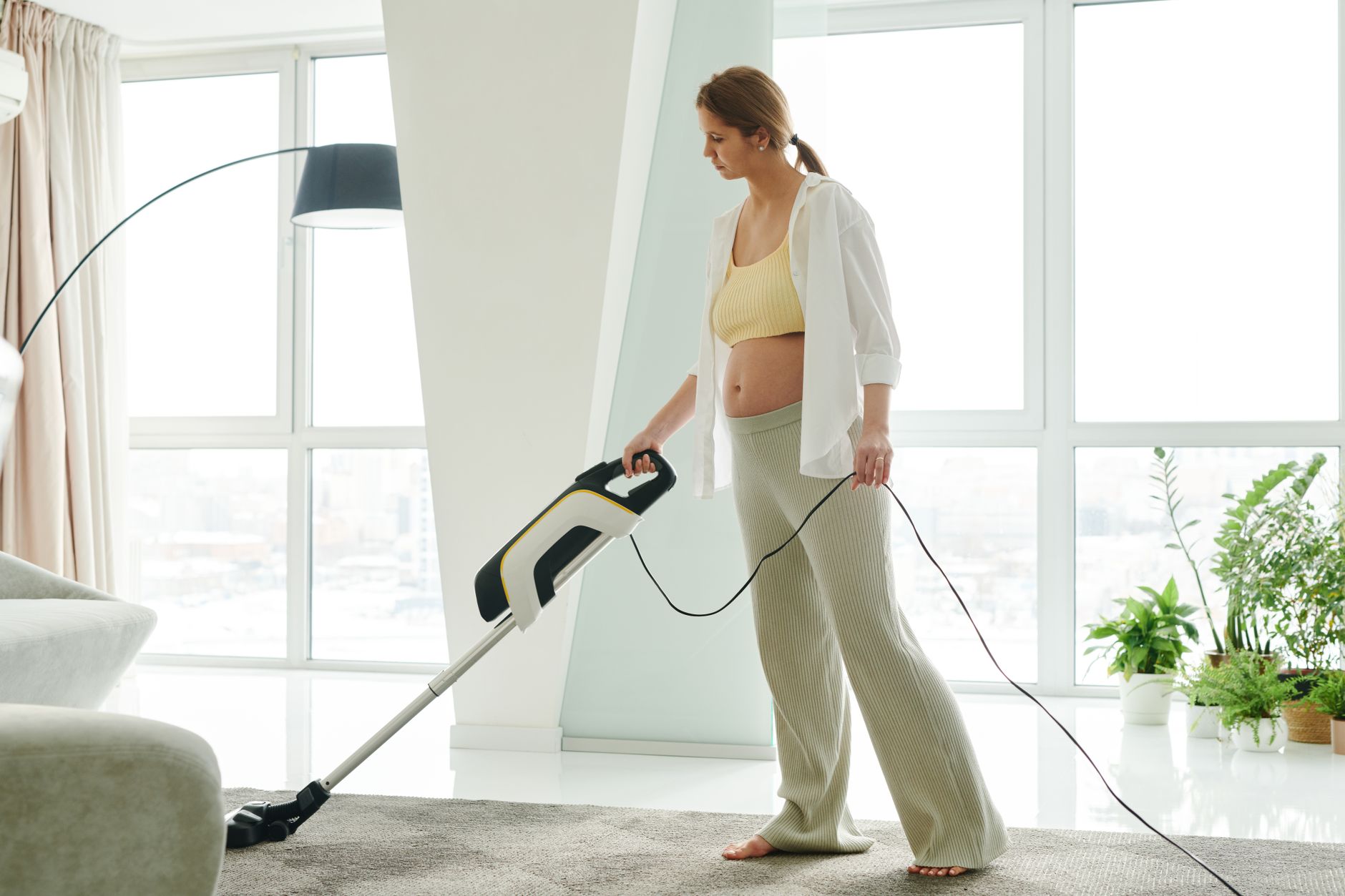
Avoid aquarium water cleaning during pregnancy due to harmful bacteria and chemicals. Opt for safer alternatives in the first trimester.
By Shubhra Mishra — a mom of two who turned her own confusion during pregnancy into BumpBites, a global mission to make food choices clear, safe, and stress-free for every expecting mother. 💛
Check whether any food is safe during pregnancy with the BumpBites Food Safety Checker.
Quick verdict: ⚠️ Cleaning aquarium water during pregnancy is generally safe with precautions, but it’s not risk-free. The main concerns are exposure to harmful bacteria, parasites, and chemicals found in aquarium products. Most obstetricians recommend wearing gloves, ensuring good ventilation, and minimizing direct contact with aquarium water. If you’re unsure or have a high-risk pregnancy, consider safer alternatives like asking a partner to help or hiring a professional.
You’re standing in front of your fish tank at 11 p.m., net in hand, and suddenly it hits you: Is aquarium water cleaning safe during pregnancy? Maybe you’ve already done it a dozen times this week, or maybe you’re just trying to decide whether to skip your usual maintenance routine. Either way, the worry is real—and you’re not alone. Many expecting parents find themselves Googling the same question, especially when their beloved betta or goldfish starts looking a little less vibrant.
Here’s the good news: you don’t need to panic if you’ve already cleaned your tank. The risks are low, but they’re not zero. In this guide, we’ll break down what’s actually dangerous about aquarium water, which chemicals to avoid, how to clean your tank safely (if you choose to), and what to do instead if you’d rather skip the hassle. We’ll also cover the infections you’ve probably heard about—like toxoplasmosis—and whether they’re a real concern for fish owners. By the end, you’ll know exactly what precautions to take (or when to call in backup).
Safety snapshot: Is aquarium water cleaning safe during pregnancy?
Trimester / Stage
Verdict
Notes
First trimester
⚠️ Caution advised
Highest risk period for fetal development. Avoid direct contact with aquarium water and wear gloves. Minimize exposure to chemicals like water conditioners or algaecides.
Second trimester
✅ Generally safe with precautions
Lower risk than the first trimester, but still wear gloves and ensure good ventilation. Avoid heavy lifting or straining.
Third trimester
✅ Generally safe with precautions
Same precautions as the second trimester. Be mindful of balance and avoid bending or lifting heavy buckets of water.
Breastfeeding
✅ Generally safe
Risks to your baby are minimal, but continue to wear gloves to avoid skin irritation or infections.
What is aquarium water cleaning?
Aquarium water cleaning is the routine maintenance required to keep your fish tank healthy and your fish thriving. It typically involves several tasks:
Water changes: Removing a portion of the old water (usually 10-25%) and replacing it with fresh, dechlorinated water. This helps remove waste, uneaten food, and harmful chemicals like ammonia and nitrites.
Gravel vacuuming: Using a siphon to clean debris from the substrate (gravel or sand) at the bottom of the tank. This prevents the buildup of harmful bacteria and waste.
Filter maintenance: Rinsing or replacing filter media to ensure it continues to trap debris and support beneficial bacteria.
Glass cleaning: Scrubbing algae off the tank walls to keep the view clear and prevent overgrowth.
Chemical treatments: Adding water conditioners, algaecides, or medications to address specific issues like chlorine, algae blooms, or fish illnesses.
For most fish owners, these tasks are a weekly or biweekly ritual. But when you’re pregnant, the question of is aquarium water cleaning safe during pregnancy becomes more complicated. The water in your tank isn’t just water—it can harbor bacteria, parasites, and chemical residues that may pose risks to you and your baby.
Is aquarium water cleaning safe during pregnancy?
T
he short answer is yes, but with precautions. The American College of Obstetricians and Gynecologists (ACOG) and the UK’s National Health Service (NHS) don’t explicitly address aquarium cleaning, but they do provide guidance on similar activities, like handling soil, pet waste, or household chemicals. The key risks of cleaning aquarium water during pregnancy fall into two categories:
Infections: Aquarium water can harbor bacteria and parasites that may cause illness, though the risk to your baby is generally low.
Chemical exposure: Some aquarium products, like water conditioners, algaecides, or medications, contain ingredients that may be harmful if ingested or absorbed in large amounts.
Most obstetricians agree that the risks of aquarium cleaning are minimal if you take basic precautions, such as wearing gloves and washing your hands afterward. However, if you have a weakened immune system, a high-risk pregnancy, or concerns about specific chemicals, it’s worth discussing with your provider. The NHS also notes that while the risk of infection from aquarium water is low, it’s still a good idea to avoid direct contact with water that may be contaminated with harmful bacteria or parasites.
One common concern is whether is aquarium water cleaning safe during pregnancy because of the risk of toxoplasmosis, a parasitic infection that can cause birth defects. The good news? Toxoplasmosis is not a risk from aquarium water. The parasite that causes toxoplasmosis (Toxoplasma gondii) is found in cat feces, undercooked meat, and contaminated soil—not in fish tanks. However, other infections, like those caused by Mycobacterium marinum (a bacteria found in aquariums), can occur if you have an open cut or sore. We’ll dive deeper into these risks later in the article.
Is it safe to clean aquarium water during the first trimester of pregnancy?
The first trimester is the most critical period for your baby’s development, as this is when their organs, brain, and nervous system are forming. Because of this, many expecting parents are extra cautious about exposures during these early weeks. So, is aquarium water cleaning safe during pregnancy in the first trimester? The answer is yes, but with extra precautions.
During the first trimester, you should:
Avoid direct contact with aquarium water. Wear waterproof gloves (like dishwashing gloves) to minimize exposure to bacteria and chemicals. If you get water on your skin, wash the area immediately with soap and water.
Skip chemical treatments if possible. Some water conditioners, algaecides, and medications contain ingredients that haven’t been extensively studied in pregnancy. If you must use them, wear gloves and ensure the room is well-ventilated. We’ll cover specific chemicals to avoid in the next section.
Ask for help with heavy lifting. Carrying buckets of water can strain your back and increase the risk of falls, which is especially dangerous during the first trimester.
Wash your hands thoroughly after cleaning. Even if you wore gloves, wash your hands with soap and warm water for at least 20 seconds to remove any lingering bacteria or chemical residues.
If you’re feeling particularly fatigued or nauseous (common first-trimester symptoms), it’s okay to skip aquarium cleaning altogether. Your fish will be fine for a week or two without a water change, and you can always ask a partner, friend, or professional to help. If you’re worried about is aquarium water cleaning safe during pregnancy because you’ve already done it a few times, take a deep breath—most women who clean their tanks during pregnancy have healthy babies. The risks are low, but it’s always better to err on the side of caution.
Can you clean aquarium water in the second and third trimesters?
As your pregnancy progresses, your baby becomes more resilient, and the risks associated with aquarium cleaning decrease. So, is aquarium water cleaning safe during pregnancy in the second and third trimesters? The answer is yes, with the same precautions as the first trimester, but with a few additional considerations.
In the second trimester, you may have more energy and feel more comfortable moving around, but it’s still important to:
Wear gloves and avoid direct contact with water. The risk of infection is still present, so gloves are a must.
Ensure good ventilation. If you’re using chemical treatments, open a window or turn on a fan to avoid inhaling fumes.
Be mindful of your balance. As your belly grows, your center of gravity shifts, making it easier to lose your balance. Avoid bending or lifting heavy buckets of water.
In the third trimester, the biggest concerns are comfort and safety. You may find it harder to bend over or lift heavy objects, so consider:
Using a gravel vacuum with a long handle. This allows you to clean the substrate without bending over.
Asking for help with water changes. If your tank is large, enlist a partner or friend to carry buckets of water for you.
Taking breaks. If you feel tired or short of breath, stop and rest. There’s no rush—your fish will be fine.
Breastfeeding parents often wonder if is aquarium water cleaning safe during pregnancy extends to the postpartum period. The good news is that the risks to your baby are minimal once they’re born. However, you should still wear gloves to avoid skin irritation or infections, and wash your hands thoroughly before handling your baby. If you’re using chemical treatments, ensure the room is well-ventilated to avoid inhaling fumes.
What are the risks of handling aquarium water while pregnant?
When asking is aquarium water cleaning safe during pregnancy, it’s important to understand the specific risks involved. While the overall risk is low, there are a few potential concerns to be aware of:
1. Bacterial and parasitic infections
Aquarium water can harbor bacteria and parasites that may cause illness, though the risk to your baby is generally low. The most common infections associated with aquariums include:
Mycobacterium marinum: This bacteria is found in both freshwater and saltwater aquariums and can cause skin infections if it enters through a cut or scrape. While rare, these infections can be difficult to treat and may require antibiotics. The risk to your baby is minimal, but it’s still important to avoid exposure if you have an open wound.
Aeromonas and Vibrio species: These bacteria are commonly found in aquarium water and can cause gastrointestinal or skin infections. Again, the risk to your baby is low, but it’s best to avoid direct contact.
Ichthyophthirius multifiliis (Ich): This is a common parasitic infection in fish, but it does not infect humans. However, some medications used to treat Ich contain chemicals that may be harmful during pregnancy, so it’s best to avoid handling water from a tank undergoing treatment.
2. Chemical exposure
Many aquarium products contain chemicals that may pose risks during pregnancy, especially if ingested or absorbed in large amounts. Some common chemicals to be cautious of include:
Water conditioners: Most water conditioners, like Seachem Prime or API Stress Coat, are considered safe when used as directed. However, some contain ingredients like formaldehyde (a preservative) or malachite green (a dye used in some medications), which may be harmful in large amounts. Always check the label and wear gloves when handling these products.
Algaecides: Some algaecides contain copper sulfate or quaternary ammonium compounds, which can be toxic if ingested or absorbed through the skin. Avoid using these products during pregnancy if possible.
Medications: Many fish medications contain antibiotics, antifungals, or antiparasitics that haven’t been studied in pregnancy. If your fish are sick, consider asking someone else to administer the medication or consult your veterinarian for pregnancy-safe options.
3. Physical strain
Cleaning an aquarium can be physically demanding, especially if you have a large tank. Lifting heavy buckets of water, bending over, or standing for long periods can strain your back, increase the risk of falls, or cause discomfort. During pregnancy, it’s important to:
Avoid lifting more than 20-25 pounds (about the weight of a full 5-gallon bucket).
Take frequent breaks to rest and hydrate. Dehydration can worsen pregnancy symptoms like dizziness or fatigue, so keep a water bottle nearby. If you’re unsure about how much water you should be drinking, check out our guide on how much water to drink during pregnancy.
Use a stool or chair if you need to sit while cleaning the tank.
Are there specific chemicals in aquarium water that pregnant women should avoid?
When asking is aquarium water cleaning safe during pregnancy, it’s important to pay attention to the chemicals you’re using. While most aquarium products are safe when used as directed, some contain ingredients that may pose risks during pregnancy. Here are the most common chemicals to be cautious of:
Chemicals in aquarium products: What to avoid during pregnancy
Chemical
Found in
Potential risks
Pregnancy-safe alternative
Copper sulfate
Algaecides, some medications
Toxic if ingested or absorbed in large amounts; may cause nausea or vomiting
Avoid use; opt for manual algae removal or natural methods like adding live plants
Formaldehyde
Some water conditioners, medications
Possible carcinogen; may cause skin or respiratory irritation
Choose formaldehyde-free water conditioners like Seachem Prime or API Stress Coat
Malachite green
Some fish medications (e.g., for Ich or fungal infections)
Possible teratogen (may cause birth defects); avoid exposure
Ask someone else to administer medication or use alternative treatments like salt baths
Quaternary ammonium compounds
Some algaecides, disinfectants
May cause skin or respiratory irritation; avoid inhalation
Avoid use; opt for manual cleaning or natural methods
Potassium permanganate
Some medications, water treatments
Can cause skin irritation or burns; avoid contact
Avoid use; ask someone else to administer or use alternative treatments
If you’re unsure about a specific product, check the label for warnings or consult your veterinarian. When in doubt, it’s always safer to avoid using chemical treatments during pregnancy or ask someone else to handle them for you.
How often can you safely clean an aquarium during pregnancy?
If you’re wondering is aquarium water cleaning safe during pregnancy on a regular basis, the answer depends on how you do it. Most aquariums require weekly or biweekly maintenance, but during pregnancy, you may need to adjust your routine to minimize risks. Here’s a general guideline for how often you can safely clean your aquarium:
Small tanks (5-20 gallons): Clean every 1-2 weeks, but limit water changes to 10-15% of the tank volume. Wear gloves and avoid chemical treatments if possible.
Medium tanks (20-50 gallons): Clean every 2 weeks, with water changes of 15-20%. Ask for help with lifting buckets of water, and avoid bending or straining.
Large tanks (50+ gallons): Clean every 3-4 weeks, with water changes of 20-25%. Enlist a partner or hire a professional to help with heavy lifting and water changes.
If you’re feeling fatigued, nauseous, or uncomfortable, it’s okay to skip a cleaning or two. Your fish will be fine for a little longer, and you can always ask someone else to help. If you’re using chemical treatments, try to space them out as much as possible to minimize exposure.
For planted tanks or low-maintenance setups, you may be able to go longer between cleanings. Live plants help absorb waste and reduce the need for frequent water changes, making them a great option if you’re looking to minimize maintenance during pregnancy. Snails and shrimp can also help keep the tank clean by eating algae and debris.
What are the safest alternatives to cleaning aquarium water when pregnant?
If you’re still asking is aquarium water cleaning safe during pregnancy and the answer isn’t sitting well with you, don’t worry—there are plenty of safer alternatives. Here are some options to consider:
Hire a professional aquarium maintenance service. Many pet stores or aquarium shops offer cleaning services, so you can sit back and relax while someone else takes care of your tank. This is a great option if you have a large tank or just want to avoid the hassle.
Use a gravel vacuum with a long handle. This allows you to clean the substrate without bending over or getting too close to the water. Look for a vacuum with a flexible hose and a comfortable grip to minimize strain.
Wear waterproof gloves during aquarium cleaning. Gloves create a barrier between your skin and the water, reducing the risk of infection or chemical exposure. Choose gloves that are long enough to cover your wrists and forearms.
Ask a partner or family member to clean the aquarium. If you have someone who’s willing to help, this is the easiest way to avoid exposure altogether. Just make sure they’re wearing gloves and following safety precautions too!
Use automatic aquarium cleaners. Devices like automatic gravel cleaners or self-cleaning tanks can reduce the amount of manual maintenance required. While they won’t eliminate the need for water changes, they can make the process easier and safer.
Switch to a low-maintenance aquarium setup. Planted tanks with live plants, snails, and shrimp require less frequent cleaning because the plants absorb waste and the snails help keep algae under control. You can also opt for a tank with a built-in filtration system to reduce maintenance.
Use pre-conditioned water for water changes. Instead of treating tap water with conditioners, use pre-conditioned water from a trusted source. This eliminates the need to handle chemical treatments during pregnancy.
If you’re looking for more ways to reduce exposure to potentially harmful substances during pregnancy, check out our guide on whether borax cleaning is safe during pregnancy. It covers similar precautions for household cleaning products.
Is it safe to use tap water conditioners like Seachem Prime during pregnancy?
Tap water conditioners like Seachem Prime are a staple for fish owners, as they neutralize chlorine, chloramine, and heavy metals in tap water, making it safe for fish. But is aquarium water cleaning safe during pregnancy when using these products? The answer is generally yes, but with precautions.
Seachem Prime and similar conditioners (like API Stress Coat) are considered safe when used as directed. They contain ingredients like sodium thiosulfate (to neutralize chlorine) and aloe vera (to reduce stress in fish). However, some conditioners may also contain preservatives like formaldehyde, which can be harmful in large amounts. Here’s what you need to know:
Check the label. Look for conditioners that are labeled as formaldehyde-free. Seachem Prime, for example, does not contain formaldehyde, but some other brands do.
Wear gloves. Even if the conditioner is considered safe, it’s a good idea to wear gloves to avoid skin irritation or accidental ingestion.
Ensure good ventilation. If you’re adding conditioner to a large bucket of water, do it in a well-ventilated area to avoid inhaling fumes.
Avoid direct contact with the product. Don’t touch the conditioner with your bare hands, and wash your hands thoroughly after handling it.
If you’re unsure about a specific product, consult your veterinarian or opt for pre-conditioned water instead. The risk of using tap water conditioners during pregnancy is low, but it’s always better to err on the side of caution.
Can exposure to aquarium bacteria or parasites harm a pregnant woman or her baby?
One of the biggest concerns when asking is aquarium water cleaning safe during pregnancy is the risk of exposure to bacteria or parasites. While the risk to your baby is generally low, some infections can cause illness in pregnant women, which may indirectly affect your pregnancy. Here’s what you need to know about the most common aquarium-related infections:
Mycobacterium marinum
Mycobacterium marinum is a bacteria found in both freshwater and saltwater aquariums. It can cause skin infections if it enters through a cut or scrape, leading to redness, swelling, and sometimes pus-filled bumps. While these infections are rare, they can be difficult to treat and may require antibiotics. The risk to your baby is minimal, but it’s still important to avoid exposure if you have an open wound.
Aeromonas and Vibrio species
These bacteria are commonly found in aquarium water and can cause gastrointestinal or skin infections. Symptoms may include diarrhea, nausea, vomiting, or skin redness. The risk to your baby is low, but these infections can make you feel unwell, which may indirectly affect your pregnancy. To minimize risk, avoid direct contact with aquarium water and wash your hands thoroughly after cleaning.
Ichthyophthirius multifiliis (Ich)
Ich is a common parasitic infection in fish, but it does not infect humans. However, some medications used to treat Ich contain chemicals that may be harmful during pregnancy, so it’s best to avoid handling water from a tank undergoing treatment.
Toxoplasmosis
Toxoplasmosis is a parasitic infection that can cause birth defects, but it is not a risk from aquarium water. The parasite that causes toxoplasmosis (Toxoplasma gondii) is found in cat feces, undercooked meat, and contaminated soil—not in fish tanks. If you’re worried about toxoplasmosis, focus on avoiding these sources rather than your aquarium. For more information on toxoplasmosis and pregnancy, check out our guide on whether cleaning cat litter is safe during pregnancy.
While the risk of infection from aquarium water is low, it’s still important to take precautions. Wear gloves, avoid direct contact with water, and wash your hands thoroughly after cleaning. If you develop any symptoms of infection (e.g., redness, swelling, fever, or gastrointestinal issues), contact your healthcare provider.
What precautions should pregnant women take when cleaning an aquarium?
If you’ve decided that is aquarium water cleaning safe during pregnancy with precautions, here’s a checklist of steps to minimize risks:
Wear waterproof gloves. Choose gloves that are long enough to cover your wrists and forearms, and make sure they’re waterproof to prevent water from seeping in.
Avoid direct contact with aquarium water. If water splashes on your skin, wash the area immediately with soap and water.
Ensure good ventilation. If you’re using chemical treatments, open a window or turn on a fan to avoid inhaling fumes.
Avoid lifting heavy buckets of water. Ask for help with water changes, or use a siphon to transfer water to a drain or garden.
Wash your hands thoroughly after cleaning. Even if you wore gloves, wash your hands with soap and warm water for at least 20 seconds to remove any lingering bacteria or chemical residues.
Avoid chemical treatments if possible. If your fish are sick or you need to treat algae, ask someone else to administer the medication or opt for natural methods.
Take breaks. If you feel tired, dizzy, or short of breath, stop and rest. Dehydration can worsen pregnancy symptoms, so keep a water bottle nearby. For tips on staying hydrated, check out our guide on how much water to drink during pregnancy.
Wear comfortable, non-slip shoes. This reduces the risk of falls, especially if you’re standing on a wet floor.
If you have a high-risk pregnancy or a weakened immune system, it’s especially important to take these precautions. When in doubt, ask your healthcare provider for personalized advice.
Are there any pregnancy-safe aquarium cleaning products or methods?
If you’re looking for pregnancy-safe ways to clean your aquarium, you’re in luck! There are plenty of products and methods that minimize risks while keeping your tank healthy. Here are some options to consider:
Pregnancy-safe aquarium products
Seachem Prime: A formaldehyde-free water conditioner that neutralizes chlorine, chloramine, and heavy metals. Safe to use as directed, but wear gloves and ensure good ventilation.
API Stress Coat: Another formaldehyde-free water conditioner that contains aloe vera to reduce stress in fish. Safe to use as directed, but follow the same precautions as Seachem Prime.
Natural algaecides: Some algaecides use natural ingredients like barley straw or live plants to control algae. These are generally safer than chemical algaecides, but always check the label for warnings.
Salt baths: For treating minor fish illnesses, salt baths (using aquarium salt) can be a safer alternative to chemical medications. However, avoid handling salt directly—ask someone else to prepare the bath if possible.
Pregnancy-safe cleaning methods
Manual algae removal: Use an algae scraper or sponge to clean the tank walls without chemicals. This is a safe and effective way to keep your tank looking its best.
Gravel vacuuming: Use a gravel vacuum with a long handle to clean the substrate without bending over or getting too close to the water. This reduces the risk of exposure to bacteria and chemicals.
Live plants and snails: Adding live plants and snails to your tank can reduce the need for frequent cleanings. Plants absorb waste, and snails help keep algae under control.
Pre-conditioned water: Instead of treating tap water with conditioners, use pre-conditioned water from a trusted source. This eliminates the need to handle chemical treatments during pregnancy.
If you’re unsure about a specific product or method, consult your veterinarian or opt for a low-maintenance tank setup. The goal is to keep your fish healthy while minimizing risks to you and your baby.
Wearing waterproof gloves and using a long-handled gravel vacuum can help minimize direct contact with aquarium water during pregnancy.
Related activities: Safety at a glance
Activity
Verdict
Notes
Cleaning cat litter
❌ Best avoided
Risk of toxoplasmosis, which can cause birth defects. Ask someone else to clean the litter box or wear gloves and wash hands thoroughly.
Handling raw fish or seafood
⚠️ Safe with precautions
Avoid raw or undercooked seafood due to the risk of listeria or parasites. Cooked seafood is safe to handle and eat.
Using bleach for household cleaning
⚠️ Safe with precautions
Diluted bleach is generally safe for household cleaning, but avoid mixing it with other chemicals. Wear gloves and ensure good ventilation.
Gardening or handling soil
⚠️ Safe with precautions
Risk of toxoplasmosis or other infections. Wear gloves and wash hands thoroughly after gardening.
Using pool or hot tub chemicals
⚠️ Talk to your doctor first
Some pool chemicals can be harmful if inhaled or absorbed in large amounts. Avoid handling them if possible.
Handling pet reptiles or amphibians
⚠️ Safe with precautions
Risk of salmonella. Wash hands thoroughly after handling and avoid direct contact with their habitats.
Using fertilizers or pesticides
❌ Best avoided
Many fertilizers and pesticides contain chemicals that may be harmful during pregnancy. Avoid use if possible.
Fact: There is no evidence that cleaning a fish tank causes miscarriage. The risks associated with aquarium cleaning are minimal and primarily involve exposure to bacteria or chemicals, which are unlikely to affect your pregnancy if you take basic precautions. However, if you have a high-risk pregnancy or a weakened immune system, it’s always a good idea to discuss your concerns with your healthcare provider.
Myth: You can get toxoplasmosis from cleaning a fish tank.
Fact: Toxoplasmosis is not a risk from aquarium water. The parasite that causes toxoplasmosis (Toxoplasma gondii) is found in cat feces, undercooked meat, and contaminated
Not sure about the label on Is Aquarium Water Cleaning Safe During Pregnancy products?
Snap the ingredients list and SafeFilter checks every ingredient for your stage — only 3 free scans this month, then you're locked until reset. Unlimited from $7/mo or $50/yr.
When Shubhra Mishra was expecting her first child in 2016, she was overwhelmed by conflicting food advice — one site said yes, another said never. By the time her second baby arrived in 2019, she realized millions of mothers face the same confusion.
That sparked a five-year journey through clinical nutrition papers, cultural diets, and expert conversations — all leading to BumpBites: a calm, compassionate space where science meets everyday motherhood.
Her long-term vision is to build a global community ensuring safe, supported, and free deliveriesfor every mother — because no woman should face pregnancy alone or uninformed. 🌿
🌍 Stand with mothers, shape safer guidance
Join a small circle of experts who review BumpBites articles so expecting parents everywhere can decide with confidence.