Avoid cat feces cleaning during pregnancy due to toxoplasmosis risk. Wear gloves, delegate tasks, or use safe alternatives in the first trimester.
By Shubhra Mishra — a mom of two who turned her own confusion during pregnancy into BumpBites, a global mission to make food choices clear, safe, and stress-free for every expecting mother. 💛
Check whether any food is safe during pregnancy with the BumpBites Food Safety Checker.
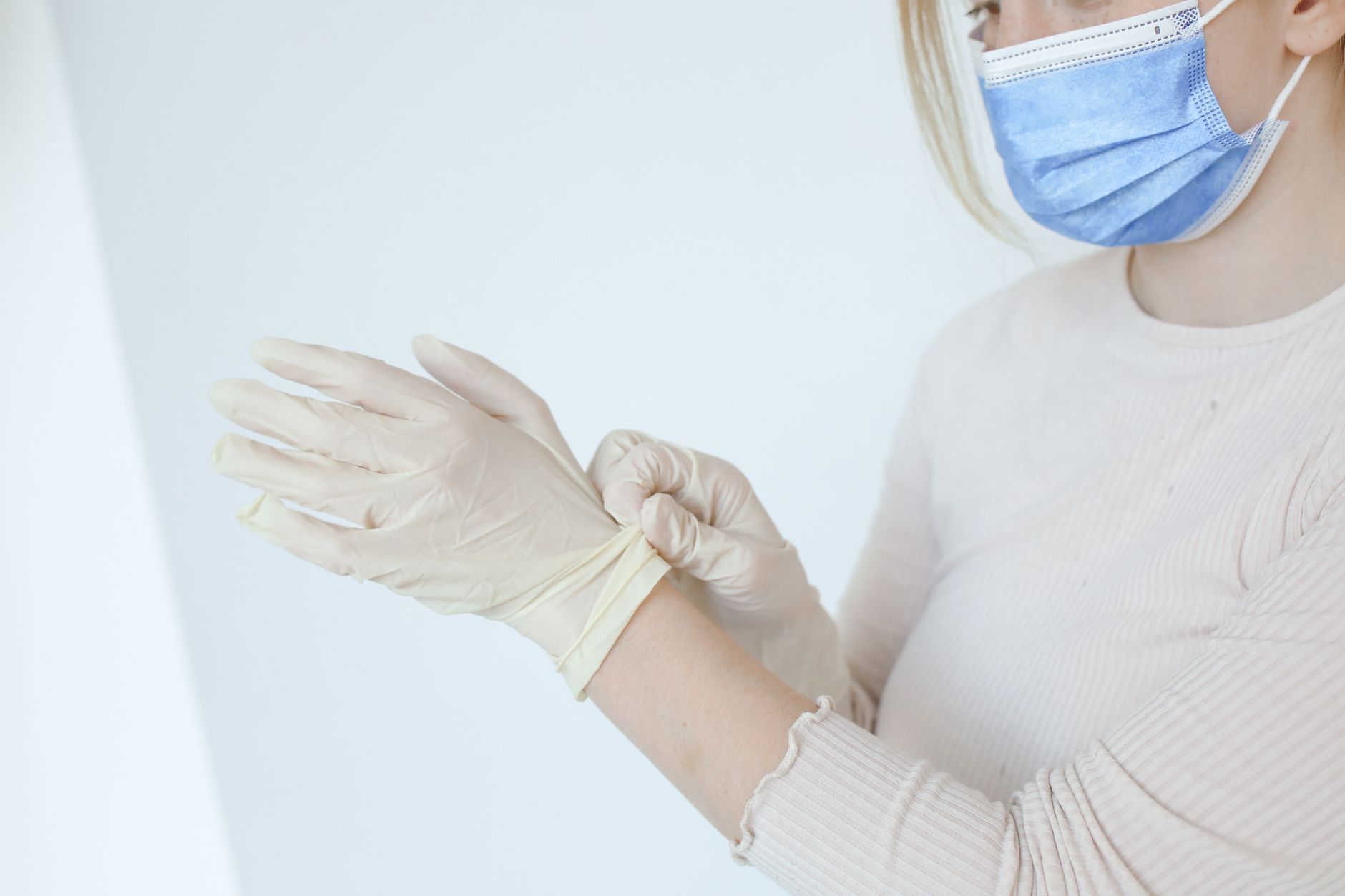
Quick verdict: ❌ Best avoided. Cleaning cat feces during pregnancy carries a small but serious risk of toxoplasmosis—a parasitic infection that can harm your baby. The CDC, ACOG, and NHS all recommend avoiding cat litter box duties while pregnant. If you must clean it, wear disposable gloves, a mask, and wash your hands thoroughly afterward—but ideally, ask someone else to take over.
You’re standing in the laundry room at 11 p.m., staring at the litter box you’ve cleaned a thousand times before. But now, with a positive pregnancy test tucked in your pocket, every scoop feels like a risk. Is cat feces cleaning safe during pregnancy? The short answer: no, it’s not worth the worry. But if you’re a cat owner, you’re not alone—millions of expecting parents face this exact dilemma.
Here’s what you need to know: the real risk isn’t the litter itself, but a parasite called Toxoplasma gondii, which can lurk in cat poop. While most healthy adults shrug off toxoplasmosis with mild flu-like symptoms (or none at all), the infection can cross the placenta and cause serious complications for your baby, especially in the first trimester. The good news? The risk is low if you take precautions—or better yet, hand the scoop to someone else. In this guide, we’ll cover exactly how much exposure is dangerous, safer alternatives, and what to do if you’ve already cleaned the litter box. (Spoiler: you’re probably fine, but let’s talk about why.)
Safety snapshot: Cleaning cat feces during pregnancy
Trimester
Verdict
Notes
First trimester
❌ Avoid
Highest risk for fetal harm if toxoplasmosis is contracted. Organ development is underway, and the placenta is still forming a barrier.
Second trimester
❌ Avoid
Risk decreases slightly but remains significant. Toxoplasmosis can still cause miscarriage, preterm birth, or congenital disabilities.
Third trimester
⚠️ Avoid if possible
Risk to the baby is lower but not zero. Late-term infection can still lead to neurological issues or vision problems.
Breastfeeding
✅ Generally safe
Toxoplasmosis is not transmitted through breast milk. However, continue practicing good hygiene to avoid other infections.
What is toxoplasmosis, and how is it connected to cat feces?
Toxoplasmosis is an infection caused by the parasite Toxoplasma gondii. It’s one of the most common parasitic infections in the world—so common that up to 50% of the global population has been exposed to it at some point. For most people, toxoplasmosis feels like a mild flu (if it causes symptoms at all), and the immune system clears it without treatment. But during pregnancy, the stakes are higher.
Cats are the only animals that can shed Toxoplasma gondii in their feces, which is why cleaning the litter box is a risk. The parasite doesn’t become infectious immediately—it takes 1 to 5 days to "mature" in the environment. That means fresh poop isn’t dangerous, but poop that’s been sitting in the litter box for a day or more can be. The risk isn’t just from direct contact, either. Tiny particles of dried feces can become airborne when you scoop or dump litter, and inhaling them can also lead to infection.
Here’s how the parasite spreads:
From cat feces: Cleaning the litter box, gardening in contaminated soil, or even touching your face after petting a cat that’s walked through its own poop.
From food: Eating undercooked meat (especially pork, lamb, or venison) or unwashed fruits and vegetables that have come into contact with contaminated soil or water.
From mother to baby: If you contract toxoplasmosis for the first time during pregnancy, the parasite can cross the placenta and infect your baby.
Is cleaning cat feces safe during pregnancy?
No—cleaning cat feces is not considered safe during pregnancy, according to the Centers for Disease Control and Prevention (CDC), the American College of Obstetricians and Gynecologists (ACOG), and the UK’s National Health Service (NHS). These organizations unanimously recommend that pregnant people avoid changing cat litter to reduce the risk of toxoplasmosis.
Here’s why: while the odds of contracting toxoplasmosis from cat feces are low (studies estimate 1 in 1,000 to 1 in 10,000 pregnant people in the U.S. are infected this way each year), the potential consequences for your baby are serious. If you contract toxoplasmosis for the first time during pregnancy, there’s a 30-40% chance the infection will pass to your baby. The earlier in pregnancy you’re infected, the higher the risk of severe complications, including:
Miscarriage or stillbirth
Congenital toxoplasmosis, which can cause seizures, intellectual disabilities, or vision problems
Low birth weight or preterm birth
Enlarged liver or spleen
Hearing loss or developmental delays
That said, the risk isn’t the same for everyone. If you’ve been exposed to toxoplasmosis before pregnancy (even years ago), your immune system will likely protect you and your baby from a new infection. About 11% of women in the U.S. have antibodies to toxoplasmosis, meaning they’re already immune. A simple blood test can tell you if you’re one of them—ask your provider about toxoplasmosis screening at your first prenatal visit.
If you test negative, the guidance is clear: avoid cat litter box duties. If you must clean the litter box (for example, if you live alone and have no other options), take these precautions:
Wear disposable gloves and a mask.
Wash your hands thoroughly with soap and water afterward.
Clean the litter box daily—fresh poop isn’t infectious.
Avoid touching your face or eating while cleaning.
Keep your cat indoors to reduce its risk of infection (outdoor cats are more likely to carry toxoplasmosis).
Is it safe to clean cat litter while pregnant in the first trimester?
No—the first trimester is the riskiest time to clean cat litter. This is when your baby’s organs are forming, and the placenta is still developing its protective barrier. If you contract toxoplasmosis during the first 12 weeks of pregnancy, the risk of transmission to your baby is lower (about 15%), but the potential consequences are more severe. Early infection can lead to miscarriage, stillbirth, or congenital disabilities like hydrocephalus (fluid on the brain) or vision problems.
The CDC and ACOG both recommend avoiding cat litter box duties entirely during the first trimester, especially if you’ve never been exposed to toxoplasmosis before. If you’ve already been cleaning the litter box and just found out you’re pregnant, don’t panic. The odds are in your favor—most women who contract toxoplasmosis during pregnancy don’t pass it to their babies. Still, mention it to your provider at your first prenatal visit. They may recommend a blood test to check for antibodies or monitor your baby’s development with ultrasounds.
If you have no choice but to clean the litter box during the first trimester, take these extra precautions:
Wear disposable gloves and a mask to avoid inhaling dust from dried feces.
Use a litter box with high sides or a covered design to reduce splatter.
Scoop the litter box daily—the parasite needs 1-5 days to become infectious.
Avoid clumping or dusty litters, which can create more airborne particles.
Wash your hands with soap and water for at least 20 seconds after cleaning.
Can cleaning cat poop cause miscarriage in the second trimester?
Yes—cleaning cat poop can increase the risk of miscarriage in the second trimester if you contract toxoplasmosis. While the overall risk of transmission to your baby is higher in the second trimester (about 30%), the risk of miscarriage is lower than in the first trimester. However, toxoplasmosis can still cause serious complications, including preterm birth, low birth weight, or congenital toxoplasmosis, which may lead to long-term health issues for your baby.
The second trimester is often called the "honeymoon phase" of pregnancy—morning sickness fades, energy returns, and you might feel more confident about your routine. But this is not the time to let your guard down about cat litter. The NHS warns that toxoplasmosis contracted in the second trimester can lead to:
Miscarriage or stillbirth (though less common than in the first trimester)
Preterm labor or low birth weight
Enlarged liver or spleen in the baby
Vision problems or developmental delays
If you’ve been cleaning the litter box and notice any of these symptoms in the second trimester, call your provider right away:
Flu-like symptoms (fever, muscle aches, fatigue)
Swollen lymph nodes (especially in the neck)
Blurred vision or eye pain
Headaches that don’t go away with rest
These could be signs of toxoplasmosis, though they’re also common in other pregnancy-related conditions. A blood test can confirm the diagnosis. If you test positive, your provider may prescribe antibiotics to reduce the risk of transmission to your baby.
What are the risks of toxoplasmosis from cat feces in the third trimester?
In the third trimester, the risk of transmitting toxoplasmosis to your baby is highest (about 60-70%), but the potential harm is generally less severe than in earlier trimesters. If you contract toxoplasmosis late in pregnancy, your baby is more likely to be born with a mild or asymptomatic infection. However, some babies develop complications later in life, such as vision problems, hearing loss, or developmental delays.
The CDC notes that about 85% of babies infected with toxoplasmosis in the third trimester show no symptoms at birth but may develop issues like chorioretinitis (inflammation of the eye) or learning disabilities as they grow. This is why avoiding cat litter box duties remains important even in the final months of pregnancy.
If you must clean the litter box in the third trimester, follow these steps to minimize risk:
Wear disposable gloves and a mask to avoid inhaling dust.
Use a litter box liner to make cleaning easier and reduce contact with feces.
Scoop the litter box twice daily—the parasite needs time to become infectious.
Keep your cat indoors to reduce its exposure to toxoplasmosis.
Wash your hands thoroughly after cleaning, even if you wore gloves.
If you develop symptoms like fever, swollen lymph nodes, or fatigue in the third trimester, don’t dismiss them as "just pregnancy." Toxoplasmosis can mimic other conditions, so it’s worth getting checked out. A simple blood test can confirm whether you’ve been infected, and treatment can reduce the risk of passing the infection to your baby.
How much exposure to cat litter is dangerous during pregnancy?
There’s no "safe" amount of exposure to cat litter during pregnancy—any contact with cat feces carries some risk of toxoplasmosis. However, the risk increases with:
Frequency: Cleaning the litter box daily is riskier than doing it once a week.
Duration: The longer feces sits in the litter box, the more time the parasite has to become infectious (1-5 days).
Type of litter: Clumping or dusty litters can create more airborne particles, increasing the risk of inhalation.
Hygiene: Not washing your hands after cleaning or touching your face while scooping raises the risk of infection.
Here’s a breakdown of exposure risks:
Exposure risk levels for cleaning cat litter during pregnancy
Exposure level
Risk level
Notes
No exposure (someone else cleans the litter box)
✅ Lowest risk
Ideal scenario. No action needed beyond general hygiene.
Occasional exposure (e.g., cleaning once a week with gloves and mask)
⚠️ Low risk
Risk is minimal if you follow precautions, but not zero.
Frequent exposure (e.g., cleaning daily without gloves)
⚠️ Moderate risk
Higher chance of infection, especially if feces sits for days.
Direct contact with old feces (e.g., scooping litter that’s been sitting for 3+ days)
❌ High risk
Parasite is likely infectious. Avoid this scenario entirely.
If you’ve already been exposed to cat litter during pregnancy, don’t panic. The odds of contracting toxoplasmosis are still low, especially if you’ve been taking precautions. However, mention it to your provider at your next appointment. They may recommend a blood test to check for antibodies or monitor your baby’s development with ultrasounds.
What are safe alternatives to cleaning cat litter when pregnant?
If you’re pregnant and own a cat, the safest option is to avoid cleaning the litter box entirely. Here are some alternatives to keep your home clean and your baby safe:
Ask a partner, family member, or friend to take over.
This is the easiest and most effective solution. If you live with others, delegate the task to someone who isn’t pregnant. If you live alone, consider asking a neighbor or hiring a pet sitter for the duration of your pregnancy.
Use disposable gloves and a mask while cleaning.
If you must clean the litter box yourself, wear disposable gloves and a mask to reduce the risk of inhaling dust or touching your face. Wash your hands thoroughly with soap and water afterward.
Switch to a self-cleaning litter box.
Self-cleaning litter boxes, like the Litter-Robot or PetSafe ScoopFree, automatically scoop waste into a sealed compartment, reducing your contact with feces. However, you’ll still need to empty the waste tray occasionally—wear gloves and a mask when doing so.
Use litter box liners for easier cleaning.
Liners make it easier to lift and dispose of waste without touching it. Choose liners that fit your litter box snugly to prevent leaks or tears.
Hire a professional pet waste service.
Some companies specialize in cleaning litter boxes and disposing of pet waste. This is a great option if you don’t have someone to help and want to minimize your exposure.
Use a litter box with a high-sided design to reduce splatter.
High-sided or covered litter boxes contain messes better than open trays, reducing the risk of feces or litter particles spreading outside the box.
Keep your cat indoors to reduce its risk of infection.
Outdoor cats are more likely to contract toxoplasmosis from hunting or eating raw meat. Keeping your cat indoors lowers its risk of carrying the parasite.
Feed your cat commercial dry or canned food.
Avoid feeding your cat raw or undercooked meat, which can carry toxoplasmosis. Stick to high-quality commercial cat food to reduce its risk of infection.
Are there pregnancy-safe cat litter brands or products?
No cat litter is 100% "pregnancy-safe" because the risk comes from the feces, not the litter itself. However, some litters are designed to minimize dust, reduce odor, and make cleaning easier—all of which can lower your exposure to toxoplasmosis. Here are some features to look for in a pregnancy-friendly litter:
Low-dust formulas: Dusty litters can create airborne particles that may contain the toxoplasmosis parasite. Look for litters labeled "low-dust" or "dust-free," such as Dr. Elsey’s Precious Cat or Arm & Hammer Clump & Seal.
Clumping litters: Clumping litters make it easier to scoop waste without touching feces. However, they can also create more dust, so opt for a low-dust clumping formula.
Scented vs. unscented: Scented litters can help control odor, but some pregnant people are sensitive to strong fragrances. If you’re experiencing nausea, an unscented litter might be a better choice.
Natural or plant-based litters: Litters made from corn, wheat, or pine are often low-dust and biodegradable. Brands like World’s Best Cat Litter or ökocat are popular options, but they may not clump as well as clay litters.
Silica gel crystals: These litters absorb moisture and control odor with minimal dust. Brands like Fresh Step Crystals are long-lasting and easy to clean, but they can be more expensive.
Here’s a comparison of popular cat litter brands and their features:
Pregnancy-friendly cat litter brands
Brand
Type
Low-dust?
Clumping?
Notes
Dr. Elsey’s Precious Cat
Clay
✅ Yes
✅ Yes
One of the lowest-dust clay litters. Good odor control.
Arm & Hammer Clump & Seal
Clay
✅ Yes
✅ Yes
Baking soda formula helps control odor. Low dust.
World’s Best Cat Litter
Corn
✅ Yes
✅ Yes
Natural, flushable, and low-dust. Good for sensitive stomachs.
ökocat
Wood
✅ Yes
✅ Yes
Made from reclaimed wood. Biodegradable and low-dust.
Fresh Step Crystals
Silica gel
✅ Yes
❌ No
Long-lasting and low-dust, but doesn’t clump. Good odor control.
Remember: even the safest litter won’t eliminate the risk of toxoplasmosis if you’re cleaning the litter box yourself. If possible, ask someone else to handle the task or use one of the alternatives listed in the previous section.
Can wearing gloves reduce the risk of toxoplasmosis from cat feces?
Yes—wearing disposable gloves can significantly reduce your risk of toxoplasmosis from cat feces. The CDC and NHS both recommend wearing gloves while cleaning the litter box during pregnancy, as the parasite can enter your body through small cuts or cracks in your skin. However, gloves alone aren’t enough. Here’s how to use them safely:
Choose the right gloves: Use disposable gloves (like latex or nitrile) that you can throw away after each use. Avoid reusable gloves, which can harbor bacteria or parasites.
Put them on before you start: Don’t touch the litter box or any surfaces in the area until your gloves are on.
Avoid touching your face: Even with gloves on, avoid touching your face, mouth, or eyes while cleaning.
Wash your hands after removing gloves: Gloves can have tiny tears or leaks, so always wash your hands with soap and water for at least 20 seconds after removing them.
Dispose of gloves properly: Throw them away in a sealed trash bag to prevent contamination.
While gloves reduce the risk of skin contact, they don’t protect you from inhaling dust or particles from dried feces. To minimize this risk:
Wear a mask (like an N95 or surgical mask) while cleaning.
Scoop the litter box daily to prevent feces from drying out.
Use a low-dust litter to reduce airborne particles.
Avoid shaking the litter box or dumping litter forcefully.
Even with gloves and a mask, the safest option is still to avoid cleaning the litter box altogether. If you have no other choice, take every precaution to protect yourself and your baby.
What are the symptoms of toxoplasmosis during pregnancy?
Most people with toxoplasmosis don’t have any symptoms, or they mistake them for a mild flu. However, if you contract toxoplasmosis during pregnancy, watch for these signs:
Flu-like symptoms: Fever, muscle aches, fatigue, or sore throat. These are the most common symptoms, but they’re also common in pregnancy, so they’re easy to overlook.
Swollen lymph nodes: Especially in the neck, armpits, or groin. This is a classic sign of toxoplasmosis, but it can also occur with other infections.
Headaches: Persistent headaches that don’t go away with rest or hydration.
Blurred vision or eye pain: Toxoplasmosis can cause inflammation in the eyes (chorioretinitis), leading to vision problems.
Confusion or neurological symptoms: Rare, but possible in severe cases. If you experience confusion, seizures, or difficulty coordinating movements, seek medical attention immediately.
If you notice any of these symptoms—especially if you’ve recently cleaned the litter box or been exposed to cat feces—call your provider. A simple blood test can confirm whether you’ve been infected. If the test is positive, your provider may recommend:
Antibiotics: Medications like spiramycin or pyrimethamine can reduce the risk of transmitting toxoplasmosis to your baby.
Ultrasounds: To monitor your baby’s development and check for signs of infection.
Amniocentesis: A test to check if the parasite has crossed the placenta. This is usually done after 15 weeks of pregnancy.
Remember: most women who contract toxoplasmosis during pregnancy don’t pass it to their babies, and even if they do, many babies are born without symptoms. Early detection and treatment can make a big difference, so don’t hesitate to reach out to your provider if you’re concerned.
How to safely handle cat litter if no one else can do it while pregnant?
If you live alone or don’t have anyone to help with the litter box, you can still minimize your risk of toxoplasmosis by following these steps:
Wear disposable gloves and a mask.
Put on gloves and a mask before you start cleaning. This reduces the risk of skin contact and inhalation of dust or particles.
Scoop the litter box daily.
The toxoplasmosis parasite needs 1-5 days to become infectious, so scooping daily reduces the risk of exposure. Use a slotted scoop to separate waste from clean litter.
Use a low-dust litter.
Choose a litter labeled "low-dust" or "dust-free" to minimize airborne particles. Avoid clumping litters if they create a lot of dust.
Avoid touching your face.
Even with gloves on, avoid touching your face, mouth, or eyes while cleaning. If you need to adjust your mask or scratch an itch, wash your hands first.
Wash your hands thoroughly.
After removing your gloves, wash your hands with soap and water for at least 20 seconds. Use warm water and scrub all surfaces of your hands, including between your fingers and under your nails.
Clean the litter box in a well-ventilated area.
Open a window or turn on a fan to improve airflow and reduce the risk of inhaling dust or particles.
Disinfect the litter box regularly.
Once a week, empty the litter box completely and wash it with hot, soapy water. Avoid using harsh chemicals like bleach, which can be harmful if inhaled. Instead, opt for a mild detergent or a pet-safe disinfectant.
Keep your cat indoors.
Outdoor cats are more likely to contract toxoplasmosis from hunting or eating raw meat. Keeping your cat indoors reduces its risk of infection and, in turn, yours.
Feed your cat commercial food.
Avoid feeding your cat raw or undercooked meat, which can carry toxoplasmosis. Stick to high-quality commercial cat food to reduce its risk of infection.
Consider a self-cleaning litter box.
Self-cleaning litter boxes, like the Litter-Robot or PetSafe ScoopFree, automatically scoop waste into a sealed compartment, reducing your contact with feces. However, you’ll still need to empty the waste tray occasionally—wear gloves and a mask when doing so.
If you follow these steps, your risk of contracting toxoplasmosis is low. However, if you develop any symptoms (like fever, swollen lymph nodes, or fatigue), call your provider right away. Early detection and treatment can make a big difference for you and your baby.
Are self-cleaning litter boxes safe to use during pregnancy?
Self-cleaning litter boxes can reduce your exposure to cat feces during pregnancy, but they’re not 100% risk-free. These devices automatically scoop waste into a sealed compartment, minimizing your contact with feces. However, you’ll still need to empty the waste tray occasionally, which carries some risk. Here’s what you need to know:
How they work:
Self-cleaning litter boxes, like the Litter-Robot or PetSafe ScoopFree, use sensors or timers to detect when your cat has used the box. They then scoop the waste into a covered tray, which you empty every few days.
Pros for pregnancy:
Reduces your direct contact with feces.
Minimizes airborne dust or particles.
Encourages daily scooping, which prevents the toxoplasmosis parasite from becoming infectious.
Cons for pregnancy:
You’ll still need to empty the waste tray, which can expose you to dried feces or dust.
Some models require you to handle the waste tray directly, increasing the risk of skin contact.
Not all models are low-dust, so check the specifications before buying.
If you decide to use a self-cleaning litter box during pregnancy, follow these precautions:
Wear disposable gloves and a mask when emptying the waste tray.
Empty the tray outdoors or in a well-ventilated area to reduce the risk of inhaling dust.
Wash your hands thoroughly after handling the waste tray, even if you wore gloves.
Choose a model with a sealed waste compartment to minimize exposure.
Avoid models that require you to manually scoop or handle waste.
Here’s a comparison of popular self-cleaning litter boxes and their features:
Self-cleaning litter boxes for pregnancy safety
Brand/Model
Type
Sealed waste compartment?
Low-dust?
Notes
Litter-Robot 3
Automatic
✅ Yes
✅ Yes
Large capacity, good for multi-cat households. Requires occasional manual scooping.
PetSafe ScoopFree Ultra
Automatic
✅ Yes
✅ Yes
Uses disposable trays for easy cleanup. Low-dust crystal litter included.
CatGenie A.I.
Automatic
✅ Yes
❌ No
Washes and dries litter automatically. Requires special litter cartridges.
Omega Paw Roll’N Clean
Manual
❌ No
⚠️ Depends on litter
Not automatic, but reduces contact with waste. Requires rolling the box to separate waste.
While self-cleaning litter boxes can make litter box duties safer during pregnancy, they’re not a substitute for avoiding the task altogether. If possible, ask someone else to empty the waste tray or hire a professional pet waste service.
If you must clean the litter box during pregnancy, wear gloves and a mask—and do it outdoors if possible.
Related items: Safety at a glance
If you’re worried about is cat feces cleaning safe during pregnancy, you might also be wondering about other household tasks or activities. Here’s a quick comparison of related items and their safety during pregnancy:
Pregnancy safety for cat-related and similar activities
Not sure about the label on Is Cat Feces Cleaning Safe During Pregnancy products?
Snap the ingredients list and SafeFilter checks every ingredient for your stage — only 3 free scans this month, then you're locked until reset. Unlimited from $7/mo or $50/yr.
When Shubhra Mishra was expecting her first child in 2016, she was overwhelmed by conflicting food advice — one site said yes, another said never. By the time her second baby arrived in 2019, she realized millions of mothers face the same confusion.
That sparked a five-year journey through clinical nutrition papers, cultural diets, and expert conversations — all leading to BumpBites: a calm, compassionate space where science meets everyday motherhood.
Her long-term vision is to build a global community ensuring safe, supported, and free deliveriesfor every mother — because no woman should face pregnancy alone or uninformed. 🌿
🌍 Stand with mothers, shape safer guidance
Join a small circle of experts who review BumpBites articles so expecting parents everywhere can decide with confidence.