

Quick verdict: ❌ Best avoided. While occasional brief exposure to low‑dust cat litter is unlikely to cause serious harm, the consensus of obstetric societies recommends pregnant people avoid handling cat litter whenever possible and use safer alternatives instead.
It’s easy to feel a surge of anxiety when you realize you’ve been scooping cat litter in the middle of your pregnancy. You might wonder, “is cat litter safe during pregnancy?” and worry about every minute you spend near the box. The good news is that most experts agree the safest route is to limit exposure and choose low‑dust, non‑clumping options. In this article we’ll break down exactly what the evidence says about cat litter, how risk changes across each trimester, how much exposure is considered safe, which brands are less risky, and what alternatives you can switch to for peace of mind.
We’ll also give you a quick‑reference safety snapshot, outline signs to watch for if you do get infected, and list practical steps you can take right now—so you can stop the night‑time Googling and feel confident about protecting your growing baby.

| Trimester / Phase | Verdict | Notes |
|---|---|---|
| First trimester | ❌ Avoid | Highest risk period for fetal organ development; limit any potential toxoplasma exposure. |
| Second trimester | ❌ Avoid | Risk remains; consider delegating litter duties to a partner or using low‑dust alternatives. |
| Third trimester | ❌ Avoid | Potential for respiratory irritation and infection; safe alternatives recommended. |
| Breastfeeding | ❌ Avoid | Continued risk of toxoplasma; low‑dust options are still preferable. |
Cat litter is the granular or clumping material placed in a box to absorb urine and feces from domestic cats. It comes in many formulations—clumping (usually bentonite clay), non‑clumping (often silica gel or plant‑based), and biodegradable options made from wood, corn, paper, or recycled materials. The primary purpose is to keep the litter box odor‑free and easy to clean. Unfortunately, the very nature of cat feces can harbour a parasite called Toxoplasma gondii, which is the cause of toxoplasmosis, a disease that can be harmful to a developing fetus if a pregnant person becomes infected.
So, is cat litter safe during pregnancy? The short answer: most obstetric guidelines, including those from the American College of Obstetricians and Gynecologists (ACOG) and the UK’s National Health Service (NHS), advise pregnant individuals to avoid direct handling of cat litter, especially clumping varieties that generate more dust. The CDC notes that toxoplasmosis is primarily transmitted through ingestion of oocysts from contaminated cat feces, and while the risk from a well‑maintained litter box is low, it is not zero. The safest approach is to delegate litter duties, wear disposable gloves, and choose low‑dust, non‑clumping litter if handling cannot be avoided.
Is cat litter safe during pregnancy in the first trimester?
The first trimester (weeks 1–13) is when the fetus’s major organs are forming—a period called organogenesis. Because this is the most vulnerable window, ACOG recommends extra caution with any potential teratogens, including infections like toxoplasmosis. While the probability of contracting toxoplasmosis from a clean, well‑maintained litter box is modest, the consequences—miscarriage, stillbirth, or severe neurological damage—are serious enough that most clinicians advise pregnant people to avoid cleaning the box during this stage.
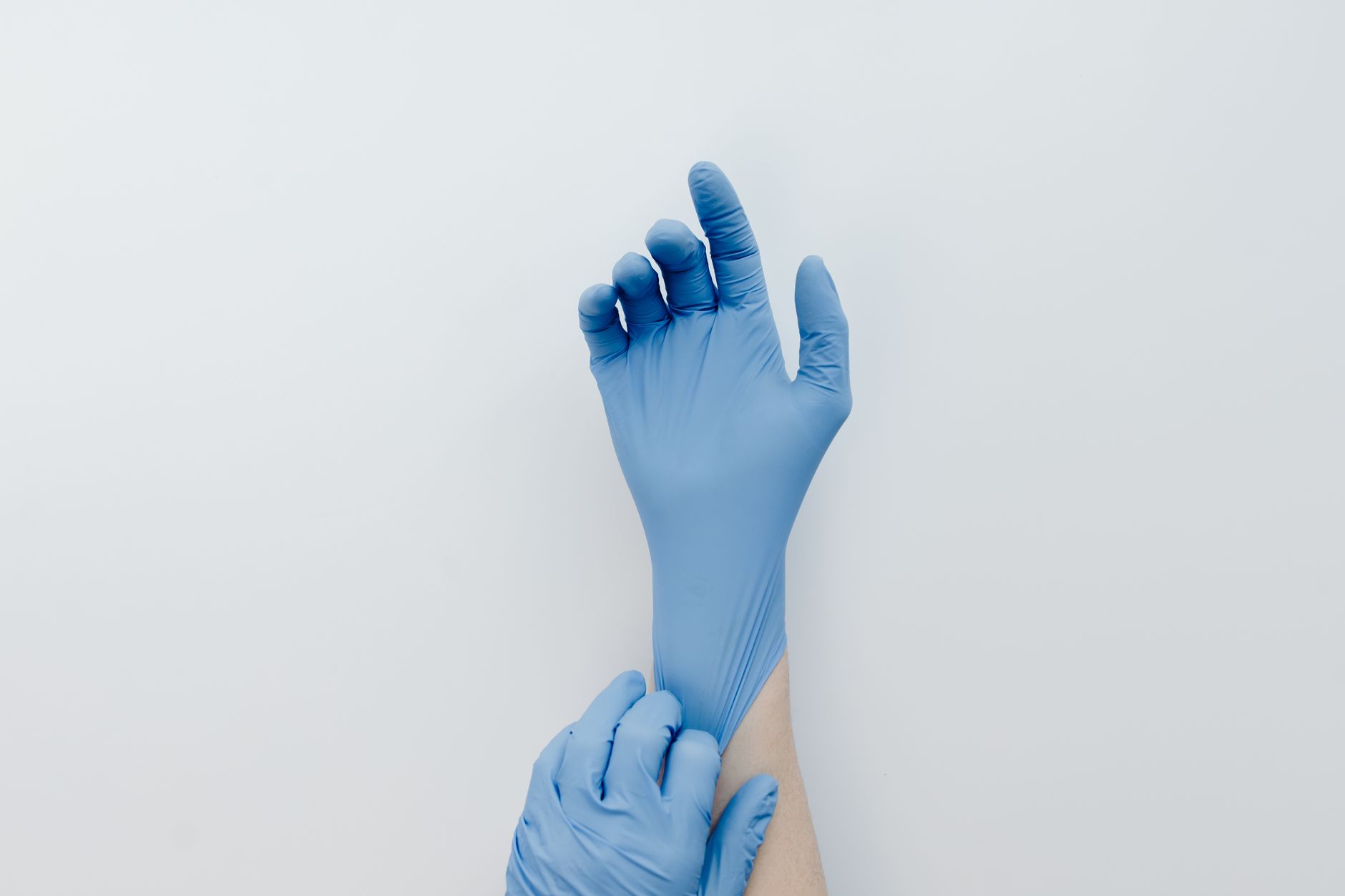
If you must clean the litter box early in pregnancy, wear disposable nitrile gloves, wash your hands thoroughly with soap and water afterward, and ensure the area is well‑ventilated. Even with these precautions, many providers suggest delegating the task to a partner or a trusted friend.
How much cat litter exposure is safe for pregnant women?
There is no precise “dose” of cat litter that is universally declared safe, because risk depends on several variables: the type of litter (clumping vs. non‑clumping), the amount of dust generated, and the frequency of cleaning. The CDC does not provide a numeric exposure limit, but it emphasizes minimizing contact with cat feces. In practice, obstetric experts recommend limiting exposure to less than 15 minutes per day of direct contact with litter, and only if you’re using a low‑dust, non‑clumping product.
For pregnant people with a compromised immune system, the recommended exposure time drops even further—ideally none at all. The safest strategy is to assign litter box duties to another household member or to use an automatic self‑cleaning litter box that reduces the need for manual scooping.
Can using clumping cat litter increase risk of toxoplasmosis in pregnancy?
Clumping cat litter, typically made from bentonite clay, creates fine dust when scooped. This dust can become airborne, making it easier to inhale or inadvertently ingest particles that may carry Toxoplasma oocysts. While the parasite is primarily found in the feces rather than the litter material itself, the increased dust can facilitate spread of any contaminant present. The NHS specifically advises pregnant cat owners to avoid clumping litter because of the higher dust generation, recommending low‑dust, non‑clumping alternatives instead.
Non‑clumping silica gel or plant‑based litters tend to produce less airborne dust, reducing the risk of respiratory irritation and potential ingestion. However, the safest approach remains to limit any direct handling of cat feces, regardless of litter type.
What are the safest cat litter alternatives for pregnant cat owners?
- Silica gel cat litter – Produces minimal dust and can be scooped less frequently.
- Paper‑based cat litter – Soft, low‑dust, and biodegradable; easy to clean without stirring up particles.
- Wood pellet cat litter – Low‑dust, natural absorbent; pellets break down into sawdust, which stays relatively settled.
- Corn‑based cat litter – Biodegradable and low‑dust; made from renewable corn starch.
- Recycled newspaper cat litter – Uses shredded newspaper; virtually dust‑free and environmentally friendly.
- Low‑dust biodegradable cat litter – Often a blend of wood and plant fibers, designed to limit airborne particles.
All of these options reduce the amount of dust you inhale and the chance of spreading any oocysts that might be present. Pair any litter choice with proper hygiene—gloves, hand‑washing, and good ventilation—to further protect yourself and your baby.
Are there any cat litter brands that are safe for pregnant women?
While no brand can be declared “completely risk‑free,” several manufacturers market low‑dust, non‑clumping products that are widely regarded as safer for pregnant owners. Examples include:
- World’s Best Cat Litter (corn‑based, low‑dust).
- Fresh Step Light (low‑dust, silica‑based).
- ökocat Natural Wood (wood pellet, dust‑free).
- Yesterday’s News (recycled newspaper, minimal dust).
- Dr. Elsey’s Precious Cat (paper‑based, low‑dust).
Even with these “safer” brands, the recommendation remains to minimize direct contact and use protective gloves. Always check the product label for “low‑dust” or “dust‑free” claims before purchase.
What pregnancy complications are linked to cat litter exposure?
The primary complication of concern is toxoplasmosis infection, which can lead to miscarriage, stillbirth, or severe neurological problems for the baby if contracted during pregnancy. Symptoms in the mother are often mild—flu‑like aches, fever, or swollen lymph nodes—making it easy to overlook. In rare cases, severe infection can cause vision problems or encephalitis.
Another, less severe issue is respiratory irritation from inhaling litter dust, which can exacerbate asthma or cause chronic cough. While not directly harmful to the fetus, chronic respiratory irritation can affect maternal well‑being and sleep quality.
Should I avoid cat litter if I have a weakened immune system while pregnant?
Yes. Pregnant individuals with compromised immunity—whether due to a medical condition, immunosuppressive medication, or HIV—are at higher risk for severe toxoplasmosis and other opportunistic infections. The CDC advises such patients to avoid any direct contact with cat feces, including cleaning litter boxes. If you cannot delegate the task, use a fully enclosed, self‑cleaning litter box and wear double gloves, a mask, and ensure the area is well‑ventilated.
Is there a safe amount of time to spend cleaning cat litter during pregnancy?
There is no officially quantified safe duration, but obstetric guidelines suggest limiting exposure to under 15 minutes per day of direct contact. Splitting the cleaning into shorter, more frequent sessions (e.g., 5‑minute intervals) can reduce dust buildup. Using a scoop with a long handle and a dust‑free litter reduces the need to bend over and stir up particles, further shortening the exposure time.
Ultimately, the safest plan is to have another household member handle the litter box or to invest in an automatic self‑cleaning unit that requires only occasional topping‑up of litter.
Safe dosage / amount / brands
Because cat litter is not a medication, “dosage” refers to the amount of time you spend in the litter area and the quantity of dust you might inhale. The following table summarises recommended exposure limits and brand suggestions:
| Exposure factor | Recommended limit | Low‑dust brand examples |
|---|---|---|
| Direct handling time per day | ≤ 15 minutes (shorter if immunocompromised) | World’s Best, Fresh Step Light, ökocat Natural Wood |
| Dust generation | Low‑dust (≤ 5 % airborne particles) | Yesterday’s News, Dr. Elsey’s Precious Cat, Corn‑based blends |
| Frequency of litter change | Every 2–3 days for clumping; weekly for low‑dust alternatives | All low‑dust brands listed above |
When choosing a brand, look for terms such as “low‑dust,” “dust‑free,” “biodegradable,” or “natural wood.” Avoid products that list “clumping” without a dust‑control claim. If you have any doubt, contact the manufacturer or your obstetric provider.
Side effects and risks
While cat litter itself is not toxic, the risks stem from two main sources:
- Toxoplasmosis infection – Ingesting oocysts from cat feces can cause flu‑like symptoms in the mother and severe fetal complications.
- Respiratory irritation – Inhaling fine dust from clumping or silica‑based litters can trigger coughing, wheezing, or exacerbate asthma.
If you notice fever, swollen lymph nodes, persistent cough, or unusual fatigue after cleaning the litter box, seek medical attention promptly. These could be early signs of toxoplasmosis or a respiratory irritation that needs treatment.
Safer alternatives
- Silica gel cat litter – Very low dust; requires less frequent scooping.
- Paper‑based cat litter – Soft, dust‑free, and biodegradable.
- Wood pellet cat litter – Natural absorbent with minimal airborne particles.
- Corn‑based cat litter – Renewable, low‑dust, and easy on the environment.
- Recycled newspaper cat litter – Virtually dust‑free and eco‑friendly.
- Low‑dust biodegradable cat litter – Blends of wood and plant fibers designed for minimal dust.
Related items — safety at a glance
| Item | Verdict | One‑line note |
|---|---|---|
| Clumping cat litter | ❌ Avoid | High dust; increased risk of inhaling Toxoplasma oocysts. |
| Non‑clumping cat litter | ⚠️ Use with caution | Lower dust but still potential for fecal exposure. |
| Silica cat litter | ⚠️ Use with caution | Low dust; still requires protective gloves. |
| Natural wood cat litter | ✅ Safer | Dust‑free and biodegradable; best for pregnant owners. |
| Corn‑based cat litter | ✅ Safer | Low‑dust, renewable; minimal respiratory irritation. |
| Recycled paper cat litter | ✅ Safer | Virtually dust‑free; easy to handle with gloves. |
Myth vs. fact
Myth: “If I wash my hands after cleaning the litter box, I’m completely safe.”
Fact: Hand‑washing removes most surface contamination, but inhaled dust can still carry oocysts. Wearing gloves and minimizing dust exposure are also essential.
Myth: “Only people who own outdoor cats need to worry about toxoplasmosis.”
Fact: Indoor cats can still become infected by eating infected prey (e.g., rodents) and shed oocysts, so all cat owners should follow precautions.
Myth: “All cat litters are equally risky.”
Fact: Dust‑producing clumping litters pose a higher inhalation risk than low‑dust, non‑clumping or biodegradable options.
Key takeaways
Frequently asked questions
Can pregnant women get toxoplasmosis from cat litter?
Yes. Toxoplasmosis can be transmitted when a pregnant person ingests oocysts from contaminated cat feces, which may be present in litter.
How often should I change cat litter while pregnant?
Change clumping litter every 2–3 days and low‑dust alternatives weekly, but limit handling time and wear gloves each time you scoop.
Is it safe to use clumping cat litter during pregnancy?
Generally, no. Clumping litters generate more dust, increasing the chance of inhaling Toxoplasma oocysts; low‑dust, non‑clumping options are preferred.
What are the symptoms of toxoplasmosis in pregnant women?
Symptoms can include mild flu‑like signs such as fever, muscle aches, swollen lymph nodes, and fatigue; many women are asymptomatic.
Do I need to wear gloves when cleaning cat litter while pregnant?
Yes. Disposable nitrile gloves are recommended to prevent direct skin contact with any parasites and to reduce dust inhalation.
Can a cat's litter box cause miscarriage?
Severe toxoplasmosis infection can increase the risk of miscarriage or fetal complications, which is why avoiding exposure is advised.
Are there any cat litter brands that are toxin‑free for pregnancy?
While no brand is completely risk‑free, low‑dust, non‑clumping brands like World’s Best (corn‑based) and ökocat Natural Wood (wood pellets) are considered safer options.
When to call your doctor
If you experience any of the following after handling cat litter, contact your obstetric provider right away:
- Fever above 100.4 °F (38 °C) lasting more than 24 hours.
- Swollen or painful lymph nodes, especially around the neck or under the arms.
- Persistent cough, shortness of breath, or wheezing that does not improve.
- Unexplained fatigue, muscle aches, or flu‑like symptoms lasting more than a few days.
- Any signs of vision changes or severe headache, which could indicate complications.
These symptoms may signal toxoplasmosis or another infection that requires prompt evaluation. Remember, this article provides general information and is not a substitute for personalized medical advice. Always discuss your specific situation with your healthcare provider.
References
- American College of Obstetricians and Gynecologists (ACOG). “Toxoplasmosis and Pregnancy.” 2023.
- National Health Service (NHS). “Pregnancy and Toxoplasmosis.” Updated 2022.
- Centers for Disease Control and Prevention (CDC). “Toxoplasmosis – Pregnancy.” Accessed July 2026.
- Food and Drug Administration (FDA). “Guidance on Dust Exposure in Household Products.” 2021.
- World Health Organization (WHO). “Toxoplasmosis.” 2020.
- Mayo Clinic. “Cat Litter Safety During Pregnancy.” 2022.
- British Pregnancy Advisory Service. “Handling Pets While Pregnant.” 2023.

