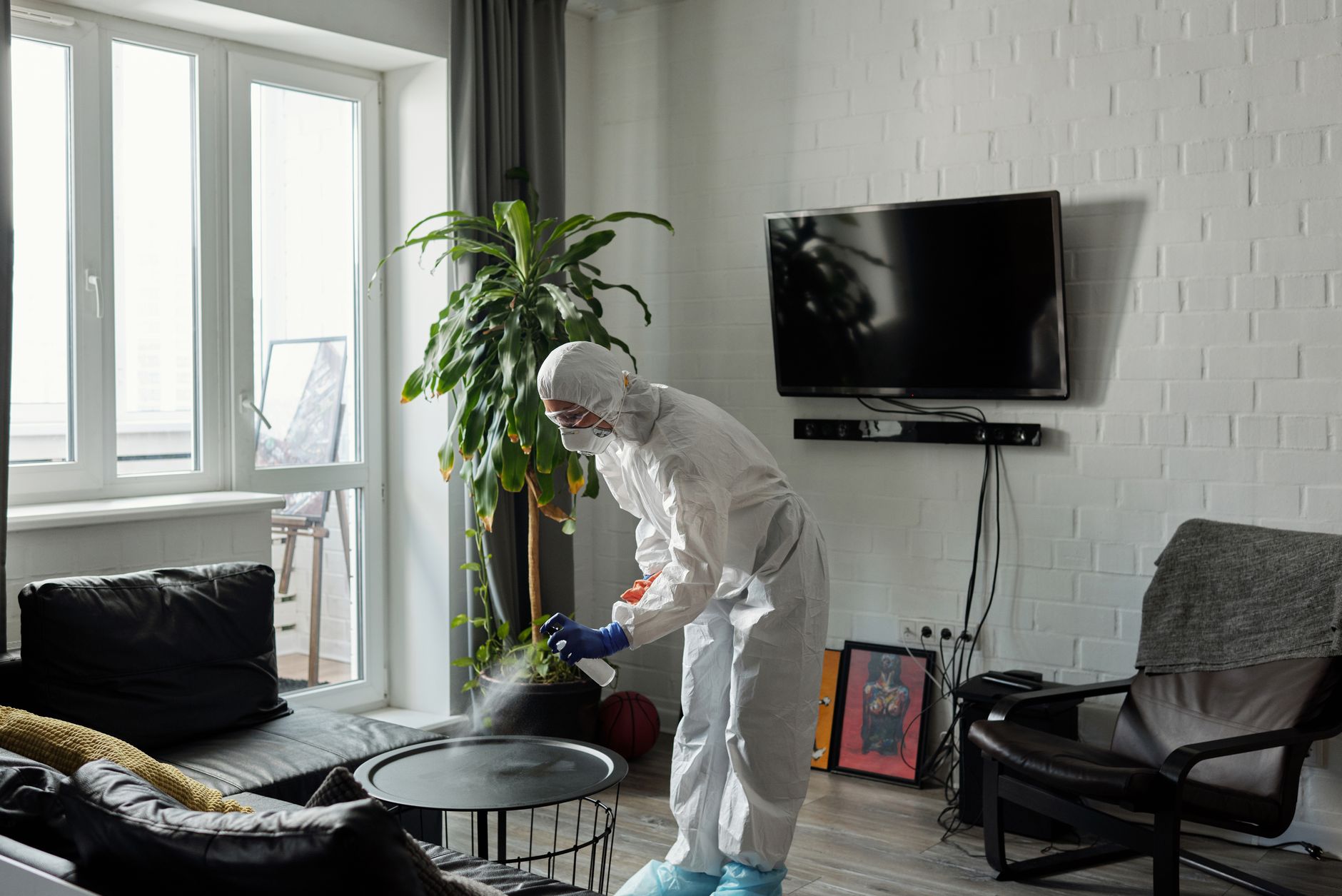
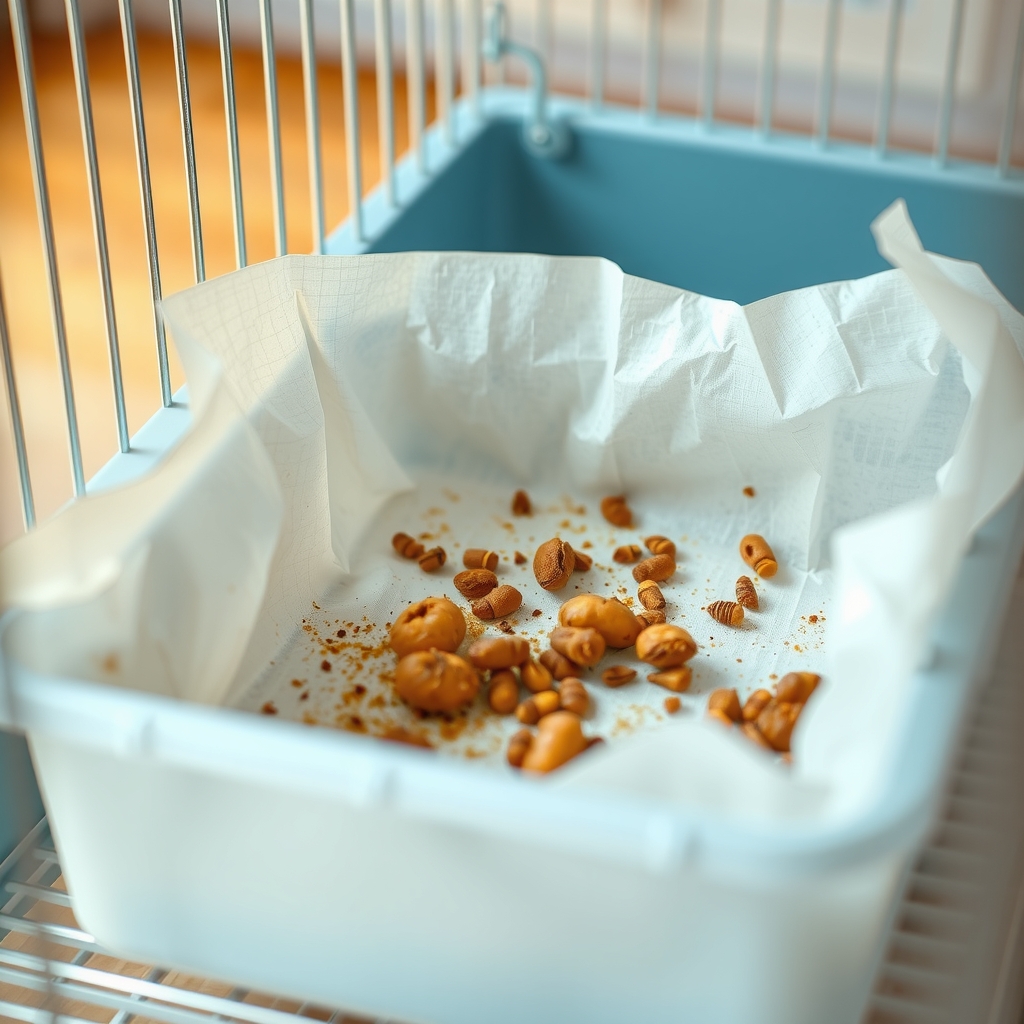
Limit bird cage cleaning during pregnancy, especially in the first trimester. Use gloves, masks, and ventilate well to reduce infection and toxin risks.
By Shubhra Mishra — a mom of two who turned her own confusion during pregnancy into BumpBites, a global mission to make food choices clear, safe, and stress-free for every expecting mother. 💛
Check whether any food is safe during pregnancy with the BumpBites Food Safety Checker.
Quick verdict: ⚠️ Bird cage cleaning is generally safe during pregnancy if you take precautions. The main risks come from inhaling dust, dander, or cleaning fumes, and potential exposure to bacteria like Salmonella or the rare but serious Chlamydia psittaci (which causes psittacosis). Most obstetricians recommend avoiding direct contact with bird droppings and using protective gear like gloves and masks if you must clean the cage yourself. If possible, ask someone else to handle the task.
You’re standing in front of your bird’s cage at 11 p.m., scrub brush in hand, and suddenly it hits you: Is bird cage cleaning safe during pregnancy? Maybe you’ve already cleaned it a few times since finding out you’re expecting, or maybe you’re just staring at the mess, wondering if you should even touch it. Take a deep breath—you’re not alone. Many pregnant people worry about the safety of everyday tasks, especially when pets are involved.
Here’s the good news: you don’t need to rehome your bird or panic if you’ve already cleaned the cage. But there are some real risks to be aware of, and simple steps you can take to stay safe. In this guide, we’ll break down exactly what the risks are, which trimesters matter most, how to clean safely (or avoid it altogether), and what to do if you’ve already been exposed. By the end, you’ll have a clear plan—and permission to stop worrying.
Bird cage cleaning safety during pregnancy: trimester-by-trimester
Trimester
Verdict
Notes
First trimester
⚠️ Caution advised
Organ development is most sensitive now. Avoid inhaling dust or fumes. Delegate cleaning if possible.
Second trimester
⚠️ Caution advised
Risks are lower, but still avoid direct contact with droppings. Use gloves and a mask if you must clean.
Third trimester
⚠️ Caution advised
Same precautions as earlier trimesters. Heavy lifting (e.g., moving cages) may be uncomfortable.
Breastfeeding
✅ Generally safe with precautions
Risks to baby are minimal, but avoid inhaling dust or fumes to protect your respiratory health.
What is bird cage cleaning, and why are people worried?
Bird cage cleaning involves removing droppings, old food, and debris from your bird’s cage, then scrubbing the bars, perches, and trays with soap, water, and sometimes disinfectants. It’s a routine task for bird owners, but during pregnancy, it raises concerns for two main reasons:
Inhalation risks: Bird cages accumulate dust, dander, and dried droppings, which can become airborne when disturbed. Inhaling these particles may irritate your lungs or, in rare cases, expose you to bacteria or viruses.
Chemical exposure: Many bird owners use disinfectants, bleach, or other cleaning products to sanitize cages. Some of these chemicals release fumes that may not be safe to inhale during pregnancy.
For most people, these risks are low, but pregnancy changes how your body responds to potential hazards. Your immune system is slightly suppressed to protect the baby, which can make you more vulnerable to infections. Additionally, some cleaning products contain ingredients that may cross the placenta or affect your respiratory system, which is already working harder to support your growing baby.
Birds produce a lot of dust—especially species like cockatiels, cockatoos, and African greys. This dust can contain:
Dander: Tiny flakes of skin, similar to pet dander from cats or dogs. While not inherently dangerous, it can trigger allergies or asthma, which may be more bothersome during pregnancy.
Dried droppings: These can harbor bacteria like Salmonella or E. coli, which may cause food poisoning-like symptoms. More seriously, they can contain Chlamydia psittaci, the bacteria responsible for psittacosis (more on this below).
The risk of inhaling enough dust to cause harm is low, but it’s not zero. The Centers for Disease Control and Prevention (CDC) notes that pregnant people should avoid activities that generate a lot of dust, such as sweeping or vacuuming without a mask, because of the potential for respiratory irritation. The same logic applies to bird cage cleaning.
2. Chemical exposure from cleaning products
Many bird owners use disinfectants to keep cages sanitary. Some common products include:
Bleach: Effective but releases strong fumes. The FDA and ACOG recommend avoiding bleach or using it in well-ventilated areas during pregnancy.
Enzymatic cleaners: Often marketed as pet-safe, but some contain fragrances or preservatives that may irritate your lungs or skin.
Vinegar or mild soap: Generally safe, but may not be strong enough to kill all bacteria.
If you must use chemicals, opt for the mildest effective product and wear gloves and a mask. Better yet, ask someone else to handle the cleaning while you’re pregnant. For more details on safe cleaning products, check out our guide on cleaning supplies safe for pregnancy.
Is it safe to clean a bird cage in early pregnancy?
The first trimester is the most critical time for your baby’s development. During these 12 weeks, all of your baby’s major organs form, and exposure to certain infections or chemicals could theoretically increase the risk of birth defects or miscarriage. That said, the actual risk of bird cage cleaning in the first trimester is very low—provided you take precautions.
Here’s what to keep in mind:
Avoid inhaling dust or fumes: Wear an N95 respirator mask if you must clean the cage yourself. This will filter out most airborne particles, including bacteria and dander.
Skip the harsh chemicals: Stick to mild soap and water, or ask someone else to use disinfectants. If you’ve already used bleach or other strong cleaners, don’t panic—just avoid them moving forward.
Delegate if possible: The safest option is to have someone else clean the cage for you. If that’s not an option, take extra care to protect yourself.
If you’ve already cleaned the cage a few times in early pregnancy, try not to stress. The risk of harm is minimal, and stress itself isn’t good for you or the baby. Focus on taking precautions from now on.
What are the specific risks of cleaning a bird cage while pregnant?
The risks of bird cage cleaning during pregnancy fall into two main categories: infections from bird droppings and chemical exposure from cleaning products. Here’s a closer look at each:
1. Infections from bird droppings
Bird droppings can harbor several types of bacteria and viruses, but two are of particular concern during pregnancy:
Psittacosis (Parrot Fever)
Chlamydia psittaci is a bacteria found in the droppings, urine, and respiratory secretions of infected birds. It causes psittacosis, a rare but serious illness that can lead to pneumonia. Symptoms include:
Fever and chills
Headache
Muscle aches
Dry cough
Fatigue
The CDC estimates that about 1-2% of pet birds carry Chlamydia psittaci, but the risk of transmission is low if you take precautions. Pregnant people are not at higher risk of infection, but if you do get sick, the illness can be more severe due to your suppressed immune system. There’s also a theoretical risk of passing the infection to your baby, though this is extremely rare.
Salmonella
Salmonella bacteria are commonly found in bird droppings and can cause food poisoning-like symptoms, including:
Nausea and vomiting
Diarrhea
Fever
Abdominal cramps
While Salmonella infections are usually mild, they can cause dehydration, which may require medical treatment during pregnancy. There’s also a small risk of the infection spreading to the uterus, though this is rare.
2. Chemical exposure
Many cleaning products release fumes that can irritate your lungs or, in some cases, cross the placenta. The most common culprits include:
Bleach: Releases chlorine gas, which can irritate your respiratory system. Prolonged exposure may increase the risk of asthma or other respiratory issues.
Ammonia: Found in some glass cleaners and disinfectants. Can cause coughing, shortness of breath, or chemical burns if inhaled in high concentrations.
Fragrances and preservatives: Found in many "pet-safe" cleaners. Can trigger headaches, nausea, or allergic reactions.
If you must use these products, wear gloves, a mask, and work in a well-ventilated area. Better yet, switch to milder alternatives like vinegar or mild soap.
Can bird droppings cause toxoplasmosis or psittacosis during pregnancy?
Let’s clear up a common misconception: birds do not carry Toxoplasma gondii, the parasite that causes toxoplasmosis. That’s a risk associated with cat feces, not bird droppings. So if you’re worried about toxoplasmosis, you can cross that off your list—birds aren’t a concern. For more on this, check out our article on cat feces cleaning safety during pregnancy.
However, bird droppings can carry Chlamydia psittaci, the bacteria responsible for psittacosis (also called "parrot fever"). Here’s what you need to know:
How it spreads: You can inhale the bacteria when cleaning a cage or handling an infected bird. It’s not spread through casual contact, like petting or feeding your bird.
Symptoms: Psittacosis causes flu-like symptoms, including fever, chills, headache, and a dry cough. In severe cases, it can lead to pneumonia.
Risk to pregnancy: There’s no evidence that psittacosis directly harms your baby, but severe illness can be dangerous for you. Dehydration or high fever may require medical treatment.
Prevention: Wear a mask and gloves when cleaning the cage, and wash your hands thoroughly afterward. If your bird seems sick (e.g., nasal discharge, lethargy, or loss of appetite), take them to a vet and avoid handling them until they’re treated.
If you develop symptoms of psittacosis, contact your healthcare provider. The infection is treatable with antibiotics, and early treatment reduces the risk of complications.
What precautions should pregnant women take when cleaning a bird cage?
If you must clean your bird’s cage during pregnancy, follow these precautions to minimize risks:
Wear protective gear:
Gloves: Use disposable or heavy-duty rubber gloves to avoid direct contact with droppings.
Mask: Wear an N95 respirator mask to filter out dust, dander, and bacteria. A regular cloth mask won’t offer enough protection.
Eye protection: Safety goggles can prevent dust or cleaning solution splashes from irritating your eyes.
Work in a well-ventilated area:
Open windows or use a fan to keep air circulating.
Avoid cleaning in small, enclosed spaces like bathrooms.
Use mild cleaning products:
Opt for mild soap and water instead of harsh chemicals like bleach or ammonia.
If you must use a disinfectant, choose a pet-safe enzymatic cleaner and follow the instructions carefully.
Avoid stirring up dust:
Lightly mist the cage with water before cleaning to reduce airborne dust.
Use a damp cloth to wipe surfaces instead of dry scrubbing.
Wash your hands thoroughly:
Use soap and warm water for at least 20 seconds after removing your gloves.
Avoid touching your face or mouth while cleaning.
Delegate heavy lifting:
Moving cages or large trays can be physically demanding, especially in the third trimester. Ask for help if needed.
If you’re unsure about a specific cleaning product, check out our guide on cleaning supplies safe for pregnancy for a list of ingredients to avoid.
Who should clean the bird cage if I'm pregnant?
The safest option is to ask someone else to clean the cage for you. This could be your partner, a family member, a friend, or even a professional pet cleaning service. Here’s how to make it work:
Partner or family member: If someone in your household can take over the task, that’s ideal. Show them how you usually clean the cage and emphasize the importance of wearing gloves and a mask.
Professional pet cleaning service: Some companies specialize in cleaning bird cages or offer general pet waste removal services. This is a great option if you don’t have help at home.
Disposable cage liners: Use liners to make cleaning easier and reduce the need for deep scrubbing. Replace them daily or as needed.
If you must clean the cage yourself, follow the precautions outlined above and take frequent breaks. Listen to your body—if you feel lightheaded, nauseous, or short of breath, stop and ask for help.
Are cleaning product fumes from bird cages safe during pregnancy?
Cleaning product fumes are one of the biggest concerns when it comes to bird cage cleaning during pregnancy. Here’s what you need to know about the most common products:
Safety of common bird cage cleaning products during pregnancy
Product
Safety during pregnancy
Notes
Bleach
❌ Avoid if possible
Releases chlorine gas, which can irritate your lungs. If you must use it, dilute it (1 part bleach to 10 parts water) and work in a well-ventilated area. Wear gloves and a mask.
Ammonia
❌ Avoid
Can cause respiratory irritation or chemical burns. Never mix with bleach—this creates toxic chloramine gas.
Enzymatic cleaners
⚠️ Safe with precautions
Generally safer than bleach or ammonia, but some contain fragrances or preservatives. Choose unscented, pet-safe brands and use in a ventilated area.
Vinegar
✅ Generally safe
Mild and non-toxic, but may not be strong enough to kill all bacteria. Mix with water (1:1 ratio) for cleaning.
Mild soap and water
✅ Generally safe
The safest option. Use fragrance-free, dye-free soap to avoid irritation.
If you’re unsure about a specific product, check the label for warnings or ask your healthcare provider. For more information, read our guide on whether Borax is safe during pregnancy, which covers similar concerns about cleaning ingredients.
Is it safe to be around bird dander and dust when pregnant?
Yes, it’s generally safe to be around bird dander and dust during pregnancy, as long as you’re not directly inhaling large amounts. Here’s what to keep in mind:
Dander is not inherently dangerous: Bird dander is similar to pet dander from cats or dogs. While it can trigger allergies or asthma, it doesn’t carry the same risks as droppings or cleaning fumes.
Avoid stirring up dust: Activities like sweeping, vacuuming, or cleaning the cage can release dander and dust into the air. If you’re sensitive to dust, wear a mask during these tasks.
Keep your bird’s environment clean: Regular cage cleaning (by someone else, if possible) reduces the amount of dander and dust in your home.
Monitor for allergies: Pregnancy can make allergies worse. If you notice symptoms like sneezing, itchy eyes, or a runny nose, talk to your healthcare provider about safe allergy treatments.
If you have asthma or a history of respiratory issues, take extra care to avoid inhaling dust. Use an air purifier with a HEPA filter to reduce airborne particles in your home.
Misting the cage with water before cleaning helps reduce airborne dust and dander, making the task safer for you and your baby.
Safety by trimester
First trimester
The first trimester is the most critical time for your baby’s development, but the risks of bird cage cleaning are still low if you take precautions. Here’s what to focus on:
Avoid inhaling dust or fumes: Wear an N95 mask if you must clean the cage yourself.
Skip harsh chemicals: Stick to mild soap and water, or ask someone else to handle disinfectants.
Delegate if possible: The safest option is to have someone else clean the cage for you.
If you’ve already cleaned the cage a few times, don’t stress. The risk of harm is minimal, and focusing on precautions moving forward is the best approach.
Second trimester
The second trimester is often called the "honeymoon phase" of pregnancy—morning sickness fades, energy returns, and the risk of miscarriage drops significantly. While the risks of bird cage cleaning are lower now, it’s still a good idea to take precautions:
Wear gloves and a mask: Even if you’re feeling better, protect yourself from dust and bacteria.
Work in a ventilated area: Open windows or use a fan to keep air circulating.
Listen to your body: If you feel tired or short of breath, take a break or ask for help.
This is also a great time to set up a system for someone else to take over cage cleaning, so you’re prepared for the third trimester.
Third trimester
The third trimester brings physical challenges like fatigue, shortness of breath, and difficulty bending or lifting. Here’s how to stay safe while cleaning your bird’s cage:
Delegate heavy tasks: Ask someone else to move the cage or lift heavy trays.
Take frequent breaks: Sit down and rest if you feel lightheaded or tired.
Avoid bending or stretching: Use tools with long handles to reach high or low areas.
If you’re struggling to clean the cage yourself, consider using disposable liners or hiring a professional service. Your comfort and safety are the top priorities now.
Breastfeeding
After your baby arrives, you might wonder if bird cage cleaning is safe while breastfeeding. The good news is that the risks are minimal, but there are still a few things to keep in mind:
Avoid inhaling dust or fumes: Your respiratory health is important, especially as you recover from childbirth.
Wash your hands thoroughly: Prevent the spread of bacteria to your baby by washing your hands after cleaning the cage.
Delegate if you’re tired: Newborns are exhausting! If you’re feeling overwhelmed, ask for help with cage cleaning.
If you’re using cleaning products, opt for mild, fragrance-free options to avoid irritating your baby’s sensitive skin or respiratory system.
Safe dosage/amount/brands for bird cage cleaning during pregnancy
When it comes to bird cage cleaning during pregnancy, the "dosage" isn’t about how much you use—it’s about how often you do it and what precautions you take. Here’s a breakdown of safe practices:
Safe bird cage cleaning practices during pregnancy
Task
Safe frequency
Recommended products/brands
Precautions
Daily spot cleaning (removing droppings, old food)
Daily
Disposable gloves, mild soap and water
Wear gloves, wash hands afterward
Deep cleaning (scrubbing cage, perches, trays)
Weekly (delegate if possible)
Mild soap and water, vinegar (diluted), or pet-safe enzymatic cleaners (e.g., Nature’s Miracle, Simple Solution)
Wear gloves and mask, work in ventilated area
Disinfecting
Monthly (delegate if possible)
Pet-safe disinfectants (e.g., F10SC Veterinary Disinfectant, diluted bleach if necessary)
Wear gloves, mask, and eye protection; rinse thoroughly
If you’re unsure about a specific product, check the label for warnings or ask your healthcare provider. For more on safe cleaning products, read our guide on cleaning supplies safe for pregnancy.
Disposable cage liners make daily spot cleaning a breeze—just remove and replace the liner instead of scrubbing.
Side effects and risks
While the risks of bird cage cleaning during pregnancy are low, it’s important to be aware of potential side effects and when to seek medical attention. Here’s what to watch for:
Respiratory irritation
Inhaling dust, dander, or cleaning fumes can irritate your lungs, especially if you have asthma or allergies. Symptoms may include:
Coughing or wheezing
Shortness of breath
Sore throat
Nasal congestion
If these symptoms persist or worsen, contact your healthcare provider. They may recommend safe treatments to manage your symptoms.
Infections
Exposure to bird droppings can lead to infections like psittacosis or Salmonella. Symptoms to watch for include:
If you develop these symptoms, contact your healthcare provider. Most infections are treatable with antibiotics or supportive care.
Chemical exposure
Harsh cleaning products can cause:
Headaches
Nausea
Dizziness
Skin irritation or burns (if you come into direct contact with the product)
If you experience severe symptoms like difficulty breathing, chest pain, or chemical burns, seek medical attention immediately.
Safer alternatives to cleaning your bird cage during pregnancy
If you’re worried about the risks of bird cage cleaning during pregnancy, here are some safer alternatives to consider:
Partner cleans the cage: The easiest solution! Ask your partner or a family member to take over cage cleaning while you’re pregnant. Show them how you usually do it and emphasize the importance of wearing gloves and a mask.
Professional pet cleaning service: Some companies specialize in cleaning bird cages or offer general pet waste removal services. This is a great option if you don’t have help at home or want to avoid the task entirely.
Disposable cage liners: Use liners to make daily spot cleaning easier. Simply remove and replace the liner instead of scrubbing the tray. This reduces the need for deep cleaning and minimizes your exposure to droppings.
N95 respirator mask (if you must clean): If you have no other option but to clean the cage yourself, wear an N95 mask to filter out dust, dander, and bacteria. Pair it with gloves and eye protection for extra safety.
Heavy-duty cleaning gloves: If you’re handling droppings or cleaning products, wear disposable or rubber gloves to avoid direct contact with bacteria or chemicals.
Ventilated cleaning area: Clean the cage outdoors or in a well-ventilated room with open windows and a fan. This helps disperse dust and fumes, reducing your risk of inhalation.
Pet-safe enzymatic cleaners (used by another person): Enzymatic cleaners break down organic matter and are generally safer than bleach or ammonia. Ask someone else to use them while you’re pregnant to avoid inhaling fumes.
Automatic cage cleaners: Some bird cages come with self-cleaning features or removable trays that make cleaning easier. While these don’t eliminate the need for deep cleaning, they can reduce the frequency of hands-on tasks.
Related items — safety at a glance
If you’re worried about bird cage cleaning, you might also be curious about the safety of other pet-related or household cleaning tasks. Here’s a quick comparison:
Pregnancy safety of related cleaning tasks
Task
Verdict
Notes
Cat litter box cleaning
❌ Best avoided
Carries a risk of toxoplasmosis, which can harm your baby. Delegate this task to someone else.
Dog waste cleanup
⚠️ Safe with precautions
Wear gloves and wash your hands afterward. Avoid if your dog has diarrhea, which may carry Salmonella or E. coli.
Cleaning with harsh chemicals (e.g., bleach)
⚠️ Safe with precautions
Use in well-ventilated areas and wear gloves. Avoid mixing chemicals (e.g., bleach + ammonia).
Gardening without gloves
⚠️ Caution advised
Soil can carry Toxoplasma gondii or other bacteria. Wear gloves and wash your hands afterward.
Handling raw meat
⚠️ Safe with precautions
Wash your hands and surfaces thoroughly to avoid Salmonella or Listeria. Cook meat to safe temperatures.
Cleaning fish tanks
⚠️ Safe with precautions
Wear gloves to avoid contact with bacteria or algae. Avoid if you have open cuts or sores.
Cleaning rodent cages
❌ Best avoided
Rodents can carry Lymphocytic choriomeningitis virus (LCMV), which may harm your baby. Delegate this task.
Dusting old attics
⚠️ Caution advised
Old dust may contain mold, bacteria, or allergens. Wear a mask and gloves, or delegate the task.
Not sure about the label on Is Bird Cage Cleaning Safe During Pregnancy products?
Snap the ingredients list and SafeFilter checks every ingredient for your stage — only 3 free scans this month, then you're locked until reset. Unlimited from $7/mo or $50/yr.
When Shubhra Mishra was expecting her first child in 2016, she was overwhelmed by conflicting food advice — one site said yes, another said never. By the time her second baby arrived in 2019, she realized millions of mothers face the same confusion.
That sparked a five-year journey through clinical nutrition papers, cultural diets, and expert conversations — all leading to BumpBites: a calm, compassionate space where science meets everyday motherhood.
Her long-term vision is to build a global community ensuring safe, supported, and free deliveriesfor every mother — because no woman should face pregnancy alone or uninformed. 🌿
🌍 Stand with mothers, shape safer guidance
Join a small circle of experts who review BumpBites articles so expecting parents everywhere can decide with confidence.