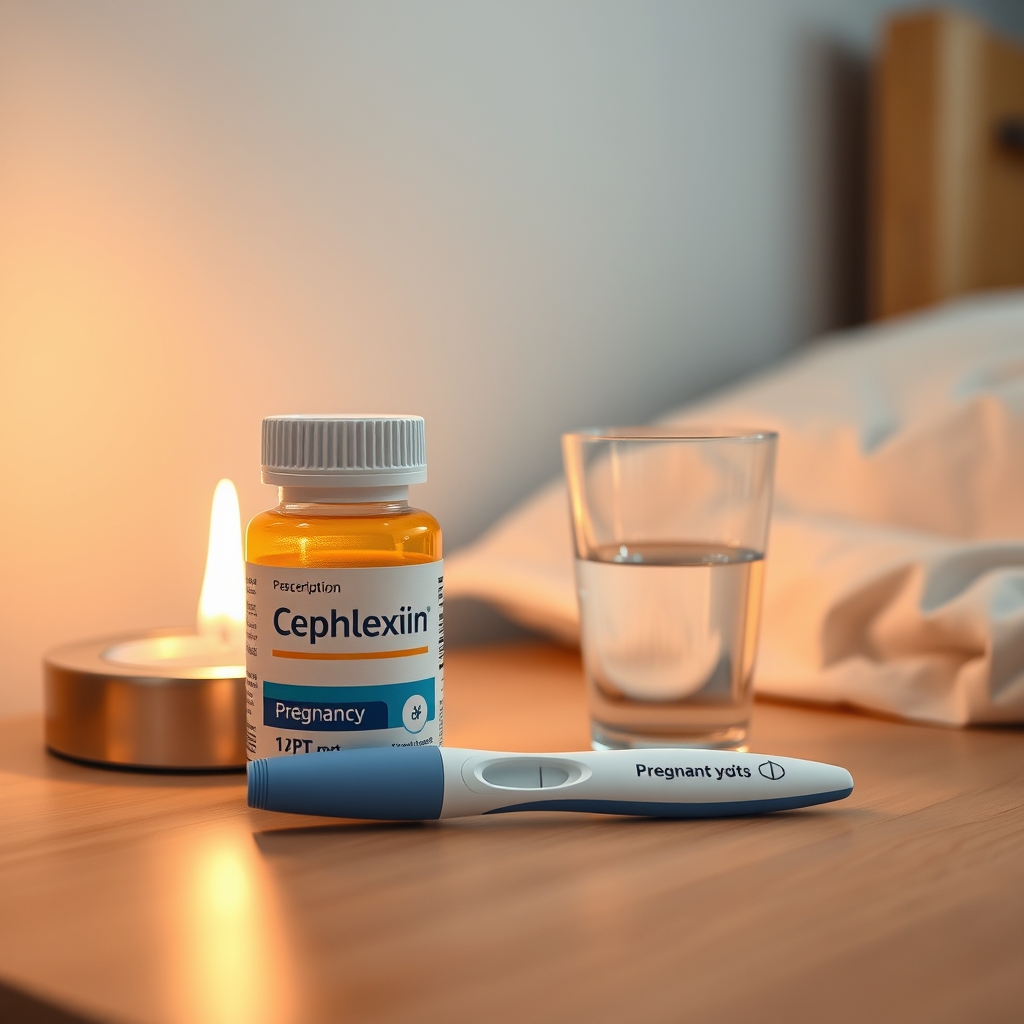
Safe antibiotics for UTI during pregnancy include nitrofurantoin and cephalexin. Learn which are approved, dosages, and safer alternatives for each trimester.
By Shubhra Mishra — a mom of two who turned her own confusion during pregnancy into BumpBites, a global mission to make food choices clear, safe, and stress-free for every expecting mother. 💛
Check whether any food is safe during pregnancy with the BumpBites Food Safety Checker.
Quick verdict: ⚠️ Safe antibiotics in pregnancy for UTI are available, but they must be chosen carefully, used at the recommended dose, and discussed with your provider. In most cases, penicillins, cephalosporins, and nitrofurantoin are first‑line; fluoroquinolones like Cipro are reserved for special circumstances.
It’s 3 a.m., you’re scrolling through your phone, and a sudden pang of worry hits you: “I’ve got a urinary tract infection, but am I allowed to take antibiotics now that I’m pregnant?” You’re not alone. Many expecting parents search for safe antibiotics in pregnancy for UTI the moment they hear that familiar burning sensation. The good news is that there are evidence‑based options that protect both you and your baby, and you don’t have to navigate this alone.
In this guide we’ll walk through the antibiotics that are generally considered safe, how safety changes from the first to the third trimester, the typical doses you’ll be prescribed, and what to do if you have special health concerns like diabetes or a kidney infection. We’ll also list brand‑name products, outline potential side effects, and suggest non‑antibiotic strategies that many clinicians recommend as adjuncts. By the end, you’ll have a clear, evidence‑backed roadmap for treating a UTI while protecting your pregnancy.
Antibiotic
Verdict (pregnancy)
Typical safe dose
Notes
Macrobid (nitrofurantoin)
✅ Generally safe (except near term)
100 mg PO BID for 5–7 days
Avoid after 36 weeks due to rare hemolysis risk.
Bactrim (trimethoprim‑sulfamethoxazole)
⚠️ Safe with limits
800 mg/160 mg PO BID for 7 days
Avoid first trimester & near term; use if no alternatives.
Cipro (ciprofloxacin)
⚠️ Use only when no safer option
500 mg PO BID for 7 days
Fluoroquinolone; limited data—reserve for resistant infections.
Amoxicillin
✅ Generally safe
500 mg PO TID for 7–10 days
First‑line for many uncomplicated UTIs.
Augmentin (amoxicillin‑clavulanate)
✅ Generally safe
875 mg/125 mg PO BID for 7–10 days
Useful when beta‑lactamase‑producing bugs are suspected.
Cephalexin
✅ Generally safe
500 mg PO QID for 7–10 days
Cephalosporin class; excellent safety profile.
UTIs are bacterial infections that affect the urinary tract, most commonly the bladder (cystitis) or urethra. During pregnancy, hormonal changes and pressure from the growing uterus can slow urine flow, making infections more likely. If left untreated, a UTI can ascend to the kidneys (pyelonephritis), increasing the risk of preterm labor, low birth weight, and, in severe cases, maternal sepsis. Antibiotics clear the infection, relieve symptoms, and protect both mother and baby.
When it comes to safe antibiotics in pregnancy for UTI, the consensus from the American College of Obstetricians and Gynecologists (ACOG), the UK’s National Health Service (NHS), and the FDA is that most penicillins and cephalosporins are low‑risk throughout pregnancy. Nitrofurantoin is also widely used, except in the very late third trimester because of a small chance of neonatal hemolysis. Fluoroquinolones such as Cipro have limited safety data and are generally avoided unless the infection is resistant to first‑line agents. The CDC’s treatment guidelines echo these recommendations, emphasizing susceptibility‑guided therapy whenever possible.
Because the first trimester is the period of organ formation (organogenesis), clinicians are most cautious about exposing the embryo to any potential teratogen. However, most of the antibiotics listed above have not been linked to birth defects when used appropriately. In the second and third trimesters, the focus shifts to preventing complications like preterm birth, and dosing adjustments are rarely needed unless the mother has renal impairment or other comorbidities.
Safe antibiotics for UTI in first trimester
During the first 12 weeks, the placenta is still developing, so any medication that could interfere with organ formation is scrutinized. ACOG advises that amoxicillin, amoxicillin‑clavulanate (Augmentin), and cephalexin are first‑line choices because extensive data show no increase in congenital anomalies. Nitrofurantoin is also considered safe, but many providers prefer to hold it until after the first trimester to avoid the theoretical risk of fetal hemolysis.
Trimethoprim‑sulfamethoxazole (Bactrim) contains a folate antagonist, which can theoretically interfere with neural tube closure. For this reason, it is generally avoided in the first trimester unless the infection cannot be treated with a safer agent. If a provider does prescribe Bactrim, they will often add folic acid supplementation (400 µg daily) to mitigate any potential effect.
Can you take antibiotics for UTI while pregnant in second trimester
The second trimester (weeks 13‑27) offers a wider therapeutic window. The placenta is fully functional, and the fetus is less vulnerable to teratogenic effects. Nitrofurantoin becomes a preferred option because it concentrates in the urine and has a minimal systemic exposure. Cephalexin and amoxicillin remain safe and are often chosen for their broad coverage and low side‑effect profile.
If your infection is caused by a resistant organism, a fluoroquinolone like Cipro may be considered, but only after a culture confirms that no first‑line drug will work. The NHS specifically notes that fluoroquinolones should be a “last‑resort” in pregnancy, aligning with FDA labeling that flags potential cartilage toxicity in the developing fetus.
UTIs during pregnancy third trimester treatment options
In the final three months, the primary concern is preventing ascending infection and preterm labor. Nitrofurantoin is usually avoided after 36 weeks because of the rare risk of neonatal hemolytic anemia, especially in babies with glucose‑6‑phosphate dehydrogenase (G6PD) deficiency. Instead, clinicians often turn to cephalexin or amoxicillin‑clavulanate, which are both safe and effective.
For women with a known allergy to penicillins, a macrolide such as azithromycin may be used, though it is not first‑line for uncomplicated UTIs. In cases where a kidney infection (pyelonephritis) is suspected, hospitalization and IV antibiotics—typically ceftriaxone—are recommended, followed by an oral switch to a safe oral agent for the remainder of the course.
What is the dosage of antibiotics for UTI in pregnancy
Dosage is usually based on standard adult regimens, adjusted only for renal function or weight. Below is a quick reference:
Antibiotic
Typical adult dose for UTI
Duration
Macrobid (nitrofurantoin)
100 mg orally twice daily
5–7 days
Bactrim (trimethoprim‑sulfamethoxazole)
800 mg/160 mg orally twice daily
7 days
Cipro (ciprofloxacin)
500 mg orally twice daily
7 days
Amoxicillin
500 mg orally three times daily
7–10 days
Augmentin (amoxicillin‑clavulanate)
875 mg/125 mg orally twice daily
7–10 days
Cephalexin
500 mg orally four times daily
7–10 days
These regimens are consistent with ACOG’s “Infection in Pregnancy” guideline and the NHS’s “UTI in Pregnancy” treatment pathway. If you have reduced kidney function, your provider may lower the dose or extend the interval to avoid drug accumulation.
Are there any alternative treatments to antibiotics for UTI in pregnancy
While antibiotics remain the gold standard, several adjunctive measures can help relieve symptoms and may reduce recurrence:
Hydration: Drinking at least 2–3 L of water daily flushes bacteria from the urinary tract.
Cranberry products: Some studies suggest cranberry juice or capsules can lower bacterial adhesion, though evidence is mixed; it’s safe in pregnancy.
Probiotics: Lactobacillus rhamnosus GR-1 and L. reuteri RC-14 have shown promise in reducing recurrent UTIs.
Vitamin C: Increases urinary acidity, which can inhibit bacterial growth.
Urination after intercourse: Mechanical flushing helps prevent bacterial ascent.
These strategies are supportive, not replacements, for antibiotic therapy when an active infection is confirmed. If symptoms persist despite these measures, a repeat urine culture and appropriate antibiotic are warranted.
Staying hydrated and adding safe supportive foods like cranberries can complement antibiotic treatment.
List of brand name antibiotics safe for UTI in pregnancy
Brand names often differ by country, but the active ingredients matter most. Below are common U.S. and U.K. brands that contain the safe antibiotics we discussed:
Macrobid (nitrofurantoin) – also sold as Macrodantin.
Bactrim (trimethoprim‑sulfamethoxazole) – generics include Septra.
Cipro (ciprofloxacin) – generics include Ciproflox.
Amoxil (amoxicillin) – generics include Amoxil, Moxatag.
Augmentin (amoxicillin‑clavulanate) – generics include Co‑amoxiclav.
Keflex (cephalexin) – generics include Cephalexin.
What are the risks of taking antibiotics for UTI while pregnant
Most first‑line agents (penicillins, cephalosporins, nitrofurantoin) have a very low risk of causing birth defects or maternal complications. Potential risks include:
Allergic reactions: Rash, itching, or anaphylaxis—rare but serious.
Gastrointestinal upset: Nausea, diarrhea, or abdominal cramping—usually mild.
Clostridioides difficile infection: Broad‑spectrum antibiotics can disrupt gut flora, increasing C. difficile risk.
Neonatal hemolysis: Nitrofurantoin near term may cause red‑cell breakdown in newborns with G6PD deficiency.
Teratogenicity: Trimethoprim (in Bactrim) can interfere with folate metabolism, raising concern for neural‑tube defects if used in the first trimester.
Overall, the benefits of treating a UTI—preventing pyelonephritis, preterm birth, and maternal sepsis—far outweigh these relatively low risks when the appropriate antibiotic is chosen.
Can you take antibiotics for UTI with kidney infection while pregnant
A kidney infection (pyelonephritis) is a medical emergency in pregnancy. Intravenous antibiotics such as ceftriaxone or cefotaxime are recommended initially, followed by an oral switch to a safe agent (e.g., cephalexin or amoxicillin‑clavulanate) once the patient stabilizes. Hospitalization allows close monitoring of fever, renal function, and fetal well‑being. Oral fluoroquinolones are generally avoided unless culture data show susceptibility and no other options exist.
Antibiotics for UTI in pregnancy with diabetes
Pregnant people with diabetes have a higher risk of complicated UTIs. The same first‑line agents—amoxicillin, cephalexin, and nitrofurantoin—remain safe, but clinicians often choose a longer course (10‑14 days) to ensure eradication. Because diabetics may have altered urinary pH, nitrofurantoin’s efficacy can be reduced, so a culture‑directed therapy is especially important. Close glucose monitoring is also advised, as some antibiotics (e.g., trimethoprim) can affect blood sugar control.
Cephalexin is a commonly prescribed, pregnancy‑safe antibiotic for UTIs.
Safe dosage / amount / brands
Below is a concise reference for dose, brand, and trimester‑specific notes:
Antibiotic
Standard dose
Trimester notes
Common brand
Macrobid (nitrofurantoin)
100 mg PO BID
Safe 2nd & 3rd trimester; avoid >36 wks
Macrobid
Bactrim (trimethoprim‑sulfamethoxazole)
800 mg/160 mg PO BID
Use after 1st trimester; avoid near term
Bactrim, Septra
Cipro (ciprofloxacin)
500 mg PO BID
Reserve for resistant infections only
Cipro
Amoxicillin
500 mg PO TID
Safe all trimesters
Amoxil
Augmentin (amoxicillin‑clavulanate)
875 mg/125 mg PO BID
Safe all trimesters
Augmentin
Cephalexin
500 mg PO QID
Safe all trimesters
Keflex
Side effects and risks
Even the safest antibiotics can cause side effects. Common, non‑urgent reactions include mild nausea, transient diarrhea, or a metallic taste. If you develop a rash, fever, or swelling of the face—signs of an allergic reaction—contact your provider immediately.
More serious concerns are rare but worth knowing:
Neonatal hemolysis: Associated with nitrofurantoin after 36 weeks; monitor newborn for jaundice.
Clostridioides difficile colitis: Broad‑spectrum agents like Bactrim can predispose; seek urgent care if you have severe watery diarrhea.
Kidney function impact: High‑dose nitrofurantoin can accumulate if renal clearance is reduced; your provider will check kidney labs.
These risks are far outweighed by the danger of an untreated UTI, which can lead to preterm labor, low birth weight, and maternal sepsis. Always discuss any new symptom with your obstetrician.
Safer alternatives
Probiotic supplements (Lactobacillus rhamnosus): May lower recurrence risk without drug exposure.
Cranberry capsules: Provide anti‑adhesion compounds; safe in all trimesters.
Increased fluid intake: Helps flush bacteria, especially effective for mild, early‑stage infections.
Urination after intercourse: A simple habit that reduces bacterial migration.
Macrobid (nitrofurantoin)
Macrobid is a nitrofurantoin formulation that concentrates in the urine, making it ideal for uncomplicated cystitis. ACOG lists it as a first‑line agent for pregnant patients without contraindications. The drug’s mechanism—interfering with bacterial enzyme systems—means it has minimal systemic absorption, which contributes to its safety profile. However, because it can cause oxidative stress in red blood cells, clinicians avoid it after 36 weeks, especially in infants at risk for G6PD deficiency.
Bactrim (trimethoprim‑sulfamethoxazole)
Bactrim combines two agents that block bacterial folic acid synthesis. While effective, the trimethoprim component can cross the placenta and compete with folic acid, raising concern for neural‑tube defects if used in the first trimester. The NHS advises limiting its use to later pregnancy or when culture results show susceptibility and no safer options exist. If prescribed, a supplemental folic acid dose (400‑800 µg) is often recommended.
Cipro (ciprofloxacin)
Cipro belongs to the fluoroquinolone class, which has been associated with cartilage toxicity in animal studies. Human data are less clear, but the FDA’s labeling cautions that fluoroquinolones should be reserved for situations where no alternative is effective. In pregnancy, this typically means infections with multidrug‑resistant E. coli that are not susceptible to nitrofurantoin, amoxicillin, or cephalexin. When used, the shortest effective course is chosen.
Amoxicillin
Amoxicillin is a penicillin‑type antibiotic with a long history of safe use in pregnancy. It works by inhibiting bacterial cell wall synthesis, a mechanism that does not affect human cells. The ACOG guideline lists amoxicillin as the preferred oral agent for many uncomplicated UTIs, especially when the pathogen is known to be penicillin‑sensitive. It is well‑tolerated, inexpensive, and available in many generic forms.
Augmentin (amoxicillin‑clavulanate)
Augmentin adds clavulanic acid, a beta‑lactamase inhibitor, expanding coverage to bacteria that produce enzymes destroying amoxicillin. This makes it useful when resistance patterns suggest beta‑lactamase‑producing organisms. Like amoxicillin, it is considered safe throughout pregnancy per ACOG and NHS guidance. The main side effect is gastrointestinal upset, which can be mitigated by taking the medication with food.
Cephalexin
Cephalexin is a first‑generation cephalosporin, structurally related to penicillins but with a broader spectrum against gram‑positive organisms. It is categorized by the FDA as pregnancy‑category B, indicating no evidence of risk in human studies. The drug is widely prescribed for UTIs in pregnant patients, especially when a penicillin allergy is present, as cross‑reactivity is low.
Myth vs. fact
Myth: All antibiotics are unsafe during pregnancy.
Fact: Many antibiotics, including amoxicillin, cephalexin, and nitrofurantoin, have extensive safety data and are routinely used to treat UTIs in pregnant patients.
Myth: You must finish the entire antibiotic course even if symptoms improve.
Fact: Completing the prescribed course is essential to fully eradicate the infection and prevent resistance, especially in pregnancy where an untreated UTI can cause serious complications.
Myth: Cranberry juice can replace antibiotics.
Fact: Cranberry may help prevent recurrent infections but cannot cure an active UTI; antibiotics remain the definitive treatment.
Key takeaways
Penicillins (amoxicillin, Augmentin) and cephalosporins (cephalexin) are the safest first‑line options for UTIs in any trimester.
Nitrofurantoin (Macrobid) is safe except after 36 weeks; avoid near term.
Trimethoprim‑sulfamethoxazole (Bactrim) should be avoided in the first trimester and used cautiously later.
Fluoroquinolones (Cipro) are reserved for resistant infections when no safer drug is effective.
Supportive measures—hydration, cranberry, probiotics—can aid recovery but do not replace antibiotics.
Always discuss any medication, dosage, or symptom changes with your obstetric provider.
Frequently asked questions
What antibiotics are safe to take during pregnancy for UTI?
First‑line safe choices include amoxicillin, amoxicillin‑clavulanate (Augmentin), cephalexin, and nitrofurantoin (Macrobid) after the first trimester; Bactrim can be used later with folic acid supplementation.
Can I take Cipro while pregnant for UTI?
Ciprofloxacin is generally reserved for cases where the infection is resistant to safer antibiotics; it is not a routine first‑line choice in pregnancy.
How long do antibiotics take to work for UTI in pregnancy?
Most patients notice symptom relief within 48‑72 hours, but the full course (usually 7‑10 days) should be completed to ensure the infection is fully cleared.
What are the side effects of antibiotics for UTI during pregnancy?
Common side effects include nausea, mild diarrhea, and occasional rash; serious reactions such as allergic anaphylaxis or neonatal hemolysis (with nitrofurantoin near term) require immediate medical attention.
Can UTI during pregnancy cause miscarriage?
While an untreated UTI can increase the risk of preterm labor and maternal infection, there is no direct evidence that a properly treated UTI causes miscarriage.
How to treat UTI in pregnancy without antibiotics
Supportive measures like increased fluid intake, cranberry products, and probiotics can help prevent recurrence, but an active infection should still be treated with antibiotics to protect mother and baby.
What are the symptoms of UTI in pregnancy?
Typical signs include a burning sensation when urinating, increased urgency, cloudy or foul‑smelling urine, and sometimes mild lower‑abdominal discomfort or fever.
Can you take cranberry juice for UTI while pregnant?
Cranberry juice is safe during pregnancy and may help prevent recurrent infections, but it does not replace the need for antibiotics when an infection is present.
When to call your doctor
If you experience any of the following, seek medical attention promptly:
Fever ≥ 38.0 °C (100.4 °F) or chills
Severe flank or back pain suggesting kidney involvement
Persistent vomiting or inability to keep fluids down
New rash, swelling, or difficulty breathing after starting an antibiotic
Signs of newborn jaundice (yellowing of skin or eyes) if you took nitrofurantoin near term
These symptoms may indicate a complicated infection or an adverse reaction that warrants urgent care. Remember, this article provides general information and is not a substitute for personalized medical advice. Always consult your obstetrician or primary care provider with specific concerns.
References
American College of Obstetricians and Gynecologists. “Infection in Pregnancy.” ACOG Practice Bulletin No. 189, 2023.
National Health Service (UK). “Urinary Tract Infections (UTI) in Pregnancy.” NHS website, updated 2022.
U.S. Food and Drug Administration. “Drug Safety Communication: Nitrofurantoin Use Near Term.” FDA, 2021.
Centers for Disease Control and Prevention. “Guidelines for the Management of Urinary Tract Infections.” CDC, 2022.
Mayo Clinic. “Urinary Tract Infection (UTI) Treatment.” Mayo Clinic, accessed July 2024.
World Health Organization. “WHO Model List of Essential Medicines.” WHO, 2023.
National Institute for Health and Care Excellence (NICE). “UTI in Pregnancy: Diagnosis and Management.” NICE guideline NG157, 2022.
Not sure about the label on Safe Antibiotics In Pregnancy For Uti During Pregnancy products?
Snap the ingredients list and SafeFilter checks every ingredient for your stage — only 3 free scans this month, then you're locked until reset. Unlimited from $7/mo or $50/yr.
When Shubhra Mishra was expecting her first child in 2016, she was overwhelmed by conflicting food advice — one site said yes, another said never. By the time her second baby arrived in 2019, she realized millions of mothers face the same confusion.
That sparked a five-year journey through clinical nutrition papers, cultural diets, and expert conversations — all leading to BumpBites: a calm, compassionate space where science meets everyday motherhood.
Her long-term vision is to build a global community ensuring safe, supported, and free deliveriesfor every mother — because no woman should face pregnancy alone or uninformed. 🌿
🌍 Stand with mothers, shape safer guidance
Join a small circle of experts who review BumpBites articles so expecting parents everywhere can decide with confidence.