Proteinuria with severe features signals a high‑risk preeclampsia case. This guide explains the classification criteria, stages, and management steps for clinicians.
By Shubhra Mishra — a mom of two who turned her own confusion during pregnancy into BumpBites, a global mission to make food choices clear, safe, and stress-free for every expecting mother. 💛
Check whether any food is safe during pregnancy with the BumpBites Food Safety Checker.
Quick take: Preeclampsia is a serious pregnancy complication characterized by new-onset high blood pressure and often, but not always, protein in the urine (proteinuria). When preeclampsia is diagnosed alongside specific signs of organ damage or severe blood pressure readings, it's classified as "preeclampsia with severe features," indicating a higher risk for both you and your baby and requiring more intensive medical management.
It's 2 a.m., you're scrolling through your phone, feeling a strange headache or swelling, and a word you might have heard in passing suddenly looms large: preeclampsia. The worry is real, and the medical terms can feel overwhelming, especially when you encounter phrases like "proteinuria" and "severe features." We understand that feeling of searching for clear, trustworthy answers in the quiet hours.
Preeclampsia is a serious condition that can develop during pregnancy, usually after 20 weeks, or even postpartum. It involves new-onset high blood pressure and can affect various organs. Understanding its classification, particularly the distinction between preeclampsia with and without "severe features," is crucial for your care. This guide will break down exactly what these terms mean, what to look out for, and why this classification is so important for your health and your baby's.
We'll walk you through the diagnostic criteria, explain what proteinuria means for you, detail each of the severe features, and outline what to expect if you receive this diagnosis. Our goal is to empower you with knowledge, reduce anxiety, and help you know when it's time to reach out to your healthcare provider.
What Exactly Is Preeclampsia?
Preeclampsia is a complex pregnancy complication defined by new-onset high blood pressure (hypertension) that develops after 20 weeks of gestation in a woman who previously had normal blood pressure. Historically, proteinuria (protein in the urine) was considered a mandatory diagnostic criterion, but current guidelines, such as those from the American College of Obstetricians and Gynecologists (ACOG), recognize that preeclampsia can also be diagnosed in the absence of proteinuria if other specific signs of organ dysfunction are present.
This condition affects about 2-8% of pregnancies worldwide and is a leading cause of maternal and fetal morbidity and mortality. It's not just about high blood pressure; preeclampsia is a multi-system disorder that can impact the kidneys, liver, brain, and blood clotting system. It's believed to stem from issues with the placenta's development and function, leading to widespread inflammation and blood vessel problems throughout the mother's body. Because it can progress rapidly and without obvious symptoms in its early stages, regular prenatal check-ups are vital for early detection.
When Does Preeclampsia Usually Develop?
While preeclampsia typically emerges after 20 weeks of pregnancy, it's most commonly diagnosed in the third trimester. However, it can occasionally appear earlier, especially in cases of molar pregnancy, or even after childbirth, known as postpartum preeclampsia. The timing of onset can influence the severity and management plan. Early-onset preeclampsia (before 34 weeks) tends to be more severe and carries higher risks for both mother and baby compared to late-onset preeclampsia.
One mom we spoke with shared, "I felt fine until about 36 weeks, then suddenly I had this awful headache that wouldn't go away, and my ankles swelled up like balloons. I thought it was just 'normal' third-trimester discomfort until my blood pressure shot up at my next appointment." This highlights how varied the onset can be and why staying alert to any new or worsening symptoms is so important.
Key Diagnostic Criteria for Preeclampsia
According to ACOG, a diagnosis of preeclampsia requires the following:
New-onset hypertension: Systolic blood pressure of 140 mmHg or higher, or diastolic blood pressure of 90 mmHg or higher, on two occasions at least four hours apart, after 20 weeks of gestation in a previously normotensive woman.
AND one or more of the following:
Proteinuria (protein in the urine)
Thrombocytopenia (platelet count less than 100,000/microliter)
Impaired liver function (elevated liver enzymes to twice the normal concentration)
New-onset renal insufficiency (serum creatinine greater than 1.1 mg/dL or a doubling of serum creatinine in the absence of other kidney disease)
This updated definition emphasizes that while proteinuria is a common sign, it's not the only indicator of organ damage that can accompany high blood pressure in preeclampsia.
Regular prenatal check-ups and being aware of new symptoms are crucial for early detection of preeclampsia.
Understanding Proteinuria: A Key Diagnostic Marker
Prote
inuria refers to the presence of excess protein in your urine. Normally, your kidneys act as a filter, allowing waste products to pass into your urine while retaining important substances like protein in your blood. In preeclampsia, the tiny blood vessels in your kidneys can become damaged, allowing protein to leak into your urine. This leakage is a sign that your kidneys are not functioning as they should, indicating potential organ damage.
For many years, proteinuria was seen as the hallmark symptom differentiating preeclampsia from gestational hypertension (high blood pressure in pregnancy without other complications). While modern guidelines have broadened the diagnostic criteria, proteinuria remains a very common and important indicator that your body is being affected by the condition.
How Proteinuria is Measured in Pregnancy
There are several ways your healthcare provider might check for proteinuria:
Urine Dipstick Test: This is a quick and common screening tool used at routine prenatal appointments. A dipstick is dipped into a urine sample and changes color if protein is present. While easy, it's not very precise and can be influenced by factors like concentrated urine or contamination. A result of 1+ or greater usually warrants further investigation.
24-Hour Urine Collection: This is considered the "gold standard" for quantifying proteinuria. You'll collect all your urine over a 24-hour period. The total amount of protein in this collection is then measured. This provides a more accurate picture of how much protein your kidneys are leaking.
Urine Protein-to-Creatinine Ratio (UPCR): This is a more convenient and often preferred method for diagnosing preeclampsia. It involves collecting a single, random urine sample. The ratio compares the amount of protein to creatinine (a waste product) in that sample. It correlates well with the 24-hour collection and can provide a quicker diagnosis, which is critical in managing preeclampsia.
What Do the Proteinuria Numbers Mean?
For the diagnosis of preeclampsia, the following thresholds are generally used:
24-hour urine collection: A total protein excretion of 300 mg or more in a 24-hour period.
Urine protein-to-creatinine ratio (UPCR): A ratio of 0.3 mg/dL or greater.
If your dipstick test shows protein, your provider will likely order either a 24-hour collection or a UPCR to confirm and quantify the proteinuria. It's important to remember that a small amount of protein can be normal in pregnancy, but anything consistently above these thresholds, especially when accompanied by high blood pressure, is a cause for concern.
A high level of proteinuria, such as 5 grams or more in a 24-hour collection, was historically used to define severe preeclampsia. However, current ACOG guidelines no longer use a specific proteinuria level as a criterion for "severe features." Instead, they focus on a broader range of organ dysfunction indicators, which we'll discuss next.
Can You Have Preeclampsia Without Proteinuria?
Yes, absolutely. This is a crucial point that has evolved in recent years. While proteinuria is a common finding, the latest guidelines from organizations like ACOG now recognize that you can indeed have preeclampsia without it. The diagnosis can be made if you have new-onset hypertension combined with any of the other criteria for organ dysfunction, such as impaired liver function, kidney insufficiency, low platelet count, pulmonary edema, or persistent cerebral or visual disturbances.
This change reflects a deeper understanding of preeclampsia as a multi-system disorder that doesn't always manifest with kidney involvement first. If you're experiencing high blood pressure along with any of these other symptoms, even without protein in your urine, your doctor will still consider a preeclampsia diagnosis and initiate appropriate monitoring and management.
The "Severe Features" of Preeclampsia: What They Are and Why They Matter
When preeclampsia is accompanied by certain signs of significant organ dysfunction or very high blood pressure, it's classified as "preeclampsia with severe features." This classification is incredibly important because it indicates a higher risk of serious complications for both you and your baby, requiring more intensive monitoring and often, earlier intervention or delivery. It signals to your medical team that the condition is more advanced and potentially more dangerous.
Understanding each of these severe features can help you recognize potential warning signs, though it's always your medical team's role to make a diagnosis based on clinical assessment and lab results. Let's break down each one:
High Blood Pressure
One of the clearest indicators of severe preeclampsia is persistently very high blood pressure. Specifically, this means a systolic blood pressure of 160 mmHg or higher, or a diastolic blood pressure of 110 mmHg or higher, measured on two occasions at least four hours apart, while you are on bed rest and not on anti-hypertensive medication. These levels are significantly higher than the 140/90 mmHg threshold for general preeclampsia and indicate a greater strain on your cardiovascular system, increasing your risk for stroke, heart failure, and other complications.
For instance, if you usually have a blood pressure of 120/80 mmHg and it suddenly jumps to 165/112 mmHg on two separate readings, that's a red flag for severe features. It's not just the numbers, but the persistence and the magnitude of the increase that are critical.
Impaired Liver Function
The liver is vital for many bodily functions, and preeclampsia can cause damage to liver cells. Impaired liver function is diagnosed when liver enzyme levels in your blood are elevated to twice their normal concentration. The specific enzymes typically measured are AST (aspartate aminotransferase) and ALT (alanine aminaminase).
Symptoms: You might experience symptoms like severe pain in the upper right side of your abdomen (under your ribs), nausea, vomiting, or sometimes jaundice (yellowing of the skin or eyes). This pain is often described as a sharp, persistent ache or tenderness.
Clinical Significance: Severely impaired liver function can lead to liver rupture (though rare) or can be a sign of HELLP syndrome, a life-threatening variant of severe preeclampsia.
Kidney Dysfunction
While proteinuria indicates kidney stress, more significant kidney dysfunction is a severe feature. This is diagnosed by new-onset renal insufficiency, specifically a serum creatinine level greater than 1.1 mg/dL, or a doubling of your serum creatinine concentration in the absence of other kidney disease. Creatinine is a waste product filtered by the kidneys, so high levels indicate that your kidneys are not filtering waste efficiently.
Symptoms: You might notice a significant decrease in your urine output (oliguria), or your urine may appear darker.
Clinical Significance: Severe kidney dysfunction can lead to acute kidney injury and, in rare cases, require dialysis. It also signals a higher risk for long-term kidney problems.
Fluid in the Lungs (Pulmonary Edema)
Pulmonary edema occurs when fluid builds up in the air sacs of your lungs, making it difficult to breathe. This is a serious complication that can result from the widespread vascular leakage and fluid shifts caused by severe preeclampsia.
Symptoms: Shortness of breath, difficulty breathing, a persistent cough, or feeling like you can't get enough air are key signs. You might also notice a rapid heart rate.
Clinical Significance: Pulmonary edema can be life-threatening and requires immediate medical attention to support breathing and manage fluid balance.
Brain or Visual Disturbances
Preeclampsia can affect the brain and eyes, leading to a range of severe neurological symptoms. These are critical indicators of severe features.
Persistent and severe headache: This is a headache that is not relieved by over-the-counter pain medication and might feel different from your usual headaches. It's often described as throbbing or intense.
Visual disturbances: These can include blurred vision, seeing flashing lights or spots (scotomata), temporary blindness, or sensitivity to light.
Altered mental status: This can range from confusion, disorientation, or agitation to more severe symptoms like seizures (eclampsia), which is the most severe neurological complication of preeclampsia.
Clinical Significance: These symptoms indicate increased pressure within the brain or damage to blood vessels in the brain or eyes, significantly increasing the risk of stroke or eclampsia.
Low Platelet Count (Thrombocytopenia)
Platelets are tiny blood cells that help your blood clot. In severe preeclampsia, the platelet count can drop significantly, a condition called thrombocytopenia. This is defined as a platelet count less than 100,000/microliter.
Symptoms: You might notice easy bruising, nosebleeds, bleeding gums, or tiny red spots on your skin (petechiae).
Clinical Significance: A low platelet count increases your risk of excessive bleeding, especially during delivery or if surgery (like a C-section) is needed. It's also a component of HELLP syndrome.
Other Signs of Organ Damage
While the above are the primary severe features, the broad impact of preeclampsia means other organs can be affected. For instance, sometimes severe preeclampsia can manifest as HELLP syndrome, which stands for:
Hemolysis (breakdown of red blood cells)
Elevated Liver enzymes
Low Platelet count
HELLP syndrome is a particularly dangerous variant of severe preeclampsia that requires immediate medical intervention due to its rapid progression and high risk of complications for both mother and baby. While not a distinct "severe feature" on its own, it encompasses several of them and signifies extreme severity.
When any one of these severe features is present alongside high blood pressure, the diagnosis shifts from preeclampsia without severe features to preeclampsia with severe features, signaling a more urgent and intensive care pathway.
Classifying Preeclampsia: With or Without Severe Features
The classification of preeclampsia into "with severe features" or "without severe features" is critical because it dictates the urgency of treatment, the intensity of monitoring, and often, the timing of delivery. It's not just a descriptive label; it's a guide for your medical team on how to best protect your health and your baby's.
Preeclampsia Without Severe Features
This diagnosis applies when you meet the general criteria for preeclampsia (new-onset hypertension after 20 weeks gestation, plus proteinuria or another mild sign of organ dysfunction like a slightly elevated creatinine) but do NOT have any of the specific "severe features" we just discussed. In these cases, your blood pressure might be elevated (e.g., consistently 140/90 mmHg to 159/109 mmHg) but not reach the very high thresholds of severe preeclampsia.
Management for preeclampsia without severe features often involves close outpatient monitoring with frequent blood pressure checks, urine tests, blood work, and fetal surveillance (like non-stress tests and ultrasounds). Delivery might be considered around 37 weeks, though this is decided on an individual basis with your healthcare provider.
Preeclampsia With Severe Features
This is diagnosed when you meet the general criteria for preeclampsia AND have one or more of the severe features listed above (e.g., blood pressure 160/110 mmHg or higher, impaired liver function, kidney dysfunction, pulmonary edema, new-onset cerebral/visual disturbances, or low platelet count). The presence of even one severe feature automatically elevates the diagnosis to this higher-risk category.
A diagnosis of preeclampsia with severe features typically necessitates hospitalization for continuous monitoring of both you and your baby. This often involves intravenous medications to control blood pressure and prevent seizures, and the timing of delivery may be expedited to stabilize your condition and protect your baby. For example, delivery may be considered as early as 34 weeks, or even earlier if your condition rapidly worsens.
Here's a quick comparison of the key differences:
Feature
Preeclampsia Without Severe Features
Preeclampsia With Severe Features
Blood Pressure
Systolic 140-159 mmHg or Diastolic 90-109 mmHg
Systolic ≥160 mmHg or Diastolic ≥110 mmHg (on two occasions)
Proteinuria
≥300 mg in 24-hr urine OR UPCR ≥0.3
Often present, but specific level (e.g., ≥5g) no longer defines "severe feature"
Liver Function
Normal or mildly elevated liver enzymes
Elevated liver enzymes (≥2x normal concentration)
Kidney Function
Normal or mildly elevated serum creatinine
New-onset renal insufficiency (serum creatinine >1.1 mg/dL or doubled)
Platelet Count
Normal (≥100,000/microliter)
Thrombocytopenia (<100,000/microliter)
Pulmonary Edema
Absent
Present
Neurological Symptoms
Absent
New-onset persistent headache, visual disturbances, altered mental status
Fetal Growth Restriction
Less common, but can occur
More common and often more severe
Management
Close outpatient monitoring; delivery typically ≥37 weeks
Hospitalization, intensive monitoring, IV medications; delivery often ≥34 weeks (or sooner)
Current Guidelines for Diagnosis and Management
Navigating a preeclampsia diagnosis means relying on the most up-to-date medical guidelines. These are developed by leading professional organizations based on extensive research and clinical experience. In the United States, the American College of Obstetricians and Gynecologists (ACOG) provides comprehensive recommendations, while internationally, organizations like the World Health Organization (WHO) and the National Institute for Health and Care Excellence (NICE) in the UK offer similar, though sometimes subtly different, guidance.
ACOG Recommendations
ACOG's guidelines, particularly Practice Bulletin No. 222 (Hypertension in Pregnancy), form the backbone of preeclampsia diagnosis and management in the US. As we've discussed, these guidelines emphasize:
Diagnosis without proteinuria: Preeclampsia can be diagnosed with new-onset hypertension and one of the other severe features, even if proteinuria is absent. This is a significant shift from older criteria.
"Severe features" as key: The presence of any single severe feature classifies preeclampsia as more severe, regardless of the absolute proteinuria level.
Management tailored to severity:
For preeclampsia without severe features, close outpatient monitoring is often recommended, with delivery typically considered at 37 weeks gestation or later.
For preeclampsia with severe features, hospitalization is usually required. Management often includes magnesium sulfate for seizure prevention, antihypertensive medications, and consideration of delivery at 34 weeks gestation or later, or even earlier if maternal or fetal condition deteriorates.
Postpartum vigilance: ACOG also stresses the importance of monitoring for preeclampsia symptoms for up to six weeks postpartum, as the condition can develop or worsen after delivery.
To help you understand your specific situation and potential risks, you might find our Preeclampsia Diagnostic Criteria calculator a useful tool to visualize how different symptoms fit into the diagnostic picture, though it's important to remember it's for informational purposes and not a substitute for medical consultation.
Global Perspectives on Diagnosis
While ACOG guidelines are widely adopted, other global bodies offer similar, reinforcing advice:
World Health Organization (WHO): The WHO emphasizes similar diagnostic criteria, focusing on hypertension and signs of organ damage. They also provide comprehensive recommendations for low-resource settings, highlighting the importance of early detection and access to essential medicines like magnesium sulfate and antihypertensives. Their guidance often aims for pragmatic, universally applicable strategies to reduce maternal and fetal mortality.
National Institute for Health and Care Excellence (NICE - UK): NICE guidelines in the UK largely align with ACOG, classifying preeclampsia based on hypertension and other features like proteinuria or organ dysfunction. They also provide detailed algorithms for monitoring and managing gestational hypertension, preeclampsia, and severe preeclampsia, including specific recommendations for antenatal care, timing of delivery, and postpartum follow-up.
The consistent message across these authoritative bodies is the critical role of early detection, careful monitoring, and timely intervention to prevent severe complications. While minor differences in specific thresholds or management protocols may exist, the core principles of recognizing high blood pressure alongside signs of organ damage remain universal.
Clinical Significance and Risks: Why Early Diagnosis Matters
A preeclampsia diagnosis, especially with severe features, carries significant clinical weight because it signals a higher risk of complications for both you and your baby. This isn't meant to be alarming, but rather to underscore why your healthcare team takes this condition so seriously and why early, accurate diagnosis is paramount. Understanding these risks helps you appreciate the importance of adherence to your medical plan.
Maternal Risks
The potential risks for the mother with severe preeclampsia are substantial and can affect multiple organ systems. These include:
Eclampsia: This is perhaps the most feared complication, characterized by new-onset grand mal seizures in a woman with preeclampsia. Eclampsia can lead to brain damage, stroke, and even death. Magnesium sulfate is often given to prevent these seizures.
HELLP Syndrome: As mentioned, HELLP syndrome (Hemolysis, Elevated Liver enzymes, Low Platelet count) is a severe form of preeclampsia that can rapidly progress. It can lead to liver rupture, kidney failure, disseminated intravascular coagulation (DIC - a severe bleeding and clotting disorder), and stroke.
Stroke: The extremely high blood pressure associated with severe preeclampsia puts immense strain on blood vessels, increasing the risk of hemorrhagic or ischemic stroke. This is a primary reason for aggressive blood pressure management.
Acute Kidney Injury: Severe preeclampsia can cause significant damage to the kidneys, potentially leading to acute kidney failure requiring dialysis, though this is rare.
Pulmonary Edema: Fluid buildup in the lungs can severely impair breathing and oxygenation, requiring urgent respiratory support.
Placental Abruption: This is when the placenta prematurely separates from the uterine wall before birth, leading to severe bleeding, fetal distress, and potential emergency delivery.
Future Health Risks: Women who experience preeclampsia, especially with severe features or early onset, have a higher lifetime risk of cardiovascular disease, including chronic hypertension, heart disease, and stroke. This is why postpartum follow-up and long-term health management are so important.
Many moms share how scary this information can feel. "When my doctor explained the risks, I just wanted to cry," one mom recounted. "But knowing exactly what they were watching for made me feel like we were all on the same page, fighting for me and my baby."
Fetal and Neonatal Risks
Preeclampsia also significantly impacts the developing baby and newborn:
Fetal Growth Restriction (FGR): The compromised blood flow to the placenta due to preeclampsia can limit the baby's supply of oxygen and nutrients, leading to slower growth and a smaller-than-expected baby.
Preterm Birth: Often, the safest course of action for severe preeclampsia is early delivery, sometimes significantly before the due date. While this saves the mother's health, it means the baby is born prematurely and may face complications associated with prematurity, such as respiratory distress syndrome, feeding difficulties, and developmental challenges.
Fetal Distress: Reduced placental blood flow can lead to periods of fetal distress, where the baby isn't getting enough oxygen, necessitating immediate delivery.
Stillbirth: In severe, uncontrolled cases, preeclampsia can unfortunately lead to stillbirth, though this risk is significantly reduced with close monitoring and timely intervention.
Neonatal Complications: Babies born to mothers with severe preeclampsia may be at higher risk for low birth weight, respiratory problems, and other issues related to placental insufficiency.
The severity of these risks is precisely why your medical team will take a proactive and intensive approach if you are diagnosed with preeclampsia, particularly if severe features are present. The goal is always to balance keeping the baby in utero for as long as safely possible with protecting the mother's health.
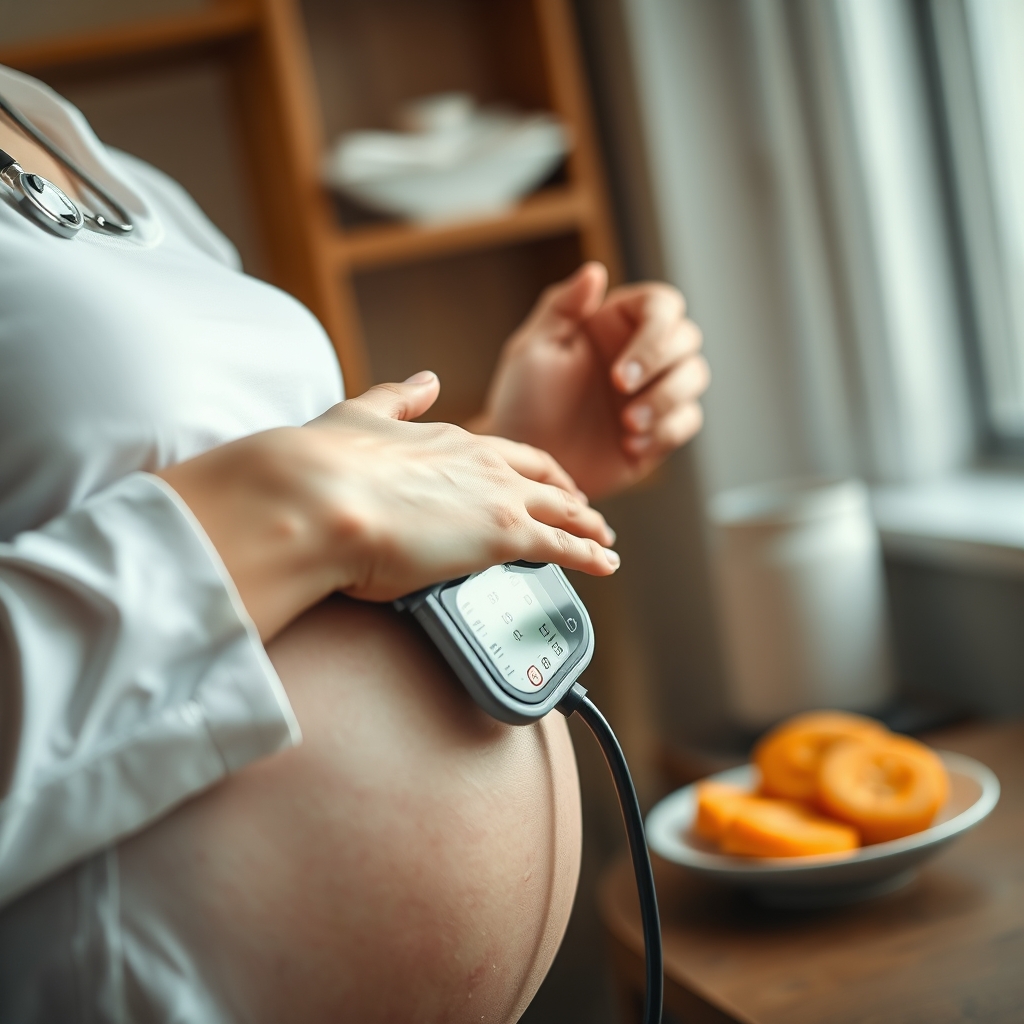
Regular blood pressure checks are a cornerstone of prenatal care and crucial for early detection of preeclampsia.
What Happens After Diagnosis? Monitoring and Initial Management
Receiving a diagnosis of preeclampsia, especially with severe features, can be unsettling. Your immediate next steps and management plan will depend entirely on the severity of your condition, your gestational age, and your overall health. The overarching goal is to prevent complications, stabilize your condition, and ensure the best possible outcomes for both you and your baby.
For preeclampsia without severe features, management often involves very close outpatient monitoring, including frequent doctor's visits, blood pressure checks at home, and regular lab tests. But for preeclampsia with severe features, the approach is typically more immediate and intensive.
Close Monitoring and Tests
If you're diagnosed with preeclampsia with severe features, you'll likely be admitted to the hospital for continuous observation. This involves:
Frequent Blood Pressure Checks: Often every 15-30 minutes initially, then every 1-4 hours, to ensure your blood pressure is controlled.
Blood Tests: Regular checks of your platelet count, liver enzymes (AST, ALT), kidney function (creatinine), and sometimes red blood cell indices to monitor for HELLP syndrome.
Urine Tests: Monitoring for proteinuria and urine output.
Fetal Surveillance: This is crucial. It includes:
Non-Stress Tests (NSTs): To monitor your baby's heart rate in response to movement.
Biophysical Profiles (BPPs): A comprehensive ultrasound assessment of your baby's breathing, movement, muscle tone, amniotic fluid volume, and heart rate.
Doppler Ultrasounds: To assess blood flow through the umbilical cord and to specific fetal organs, checking for signs of growth restriction.
Growth Scans: Regular ultrasounds to monitor your baby's growth and estimated weight.
Symptom Monitoring: You'll be asked to report any new or worsening symptoms, especially severe headaches, visual changes, upper abdominal pain, or shortness of breath.
Medications for Blood Pressure and Seizure Prevention
Medications play a vital role in managing severe preeclampsia:
Antihypertensive Medications: If your blood pressure is consistently high (e.g., ≥160/110 mmHg), your doctor will prescribe medications to bring it down. Common options in pregnancy include labetalol, nifedipine, and hydralazine. These are often given intravenously in the hospital for rapid effect. The goal isn't to normalize your blood pressure completely, but to bring it to a safer range (typically 140-150/90-100 mmHg) to prevent stroke, while ensuring adequate blood flow to the placenta.
Magnesium Sulfate: This is a cornerstone of severe preeclampsia management. It's given intravenously to prevent seizures (eclampsia). While it might sound scary, magnesium sulfate is highly effective and widely used. You'll likely receive it for at least 24 hours after delivery. It can cause side effects like flushing, warmth, and lethargy, but your medical team will closely monitor you for any signs of toxicity.
Corticosteroids (e.g., Betamethasone): If your baby is likely to be delivered prematurely (before 34 weeks), you might receive a course of corticosteroids. These injections help accelerate the development of your baby's lungs, brain, and other organs, reducing the risk of complications associated with preterm birth.
Delivery: The Ultimate "Cure"
Ultimately, the only definitive treatment for preeclampsia is delivery of the baby and placenta. Once the placenta is delivered, the underlying cause of preeclampsia is removed, and your symptoms typically begin to resolve. The timing of delivery is a delicate balance:
For Preeclampsia Without Severe Features: Delivery is usually recommended around 37 weeks gestation.
For Preeclampsia With Severe Features: Delivery is generally recommended at or after 34 weeks gestation. However, if your condition or your baby's condition rapidly deteriorates (e.g., uncontrolled blood pressure, worsening HELLP syndrome, signs of fetal distress), delivery may be initiated immediately, regardless of gestational age. This could be via induction of labor or a C-section, depending on the urgency and other obstetric factors.
The decision for delivery is always individualized, taking into account the severity of your preeclampsia, your gestational age, and your baby's well-being. Your healthcare team will discuss the risks and benefits of continued pregnancy versus immediate delivery with you.
Living with a Preeclampsia Diagnosis: Practical Steps and Support
A preeclampsia diagnosis can be a whirlwind of emotions—fear, anxiety, frustration, and even guilt. It's a lot to process, especially when you're already navigating the physical and emotional demands of pregnancy. Beyond the medical management, there are practical steps you can take and sources of support that can make a profound difference in your experience.
Prioritize Rest and Reduce Stress
While rest doesn't "cure" preeclampsia, it can help manage your symptoms and reduce the strain on your body. If you're on bed rest, try to make your environment as comfortable and calming as possible. Delegate chores, accept help from family and friends, and focus on simple activities that bring you peace, like reading, listening to music, or gentle meditation. Reducing stress is easier said than done, but even small efforts can make a difference.
Monitor Your Symptoms Diligently
You'll be asked to be vigilant about monitoring your own body. This often includes:
Daily Blood Pressure Checks: If your provider recommends it, invest in a reliable home blood pressure cuff and keep a detailed log of your readings.
Tracking Symptoms: Pay close attention to any new or worsening symptoms like persistent headaches, visual changes, upper abdominal pain, sudden swelling, or a decrease in fetal movement. Keep a journal to note these and their severity.
Fetal Movement Counts: Your doctor may ask you to do kick counts daily to monitor your baby's well-being.
One mom shared, "I felt like I was constantly checking my blood pressure and counting kicks. It was exhausting, but it also made me feel empowered, like I was actively participating in my own care."
Nutrition and Hydration
While diet doesn't cause or cure preeclampsia, maintaining a healthy, balanced diet rich in fruits, vegetables, and lean proteins is always important for overall health during pregnancy. Staying well-hydrated is also crucial. Discuss any dietary concerns or restrictions with your healthcare provider.
Build Your Support Network
You don't have to go through this alone. Lean on your partner, family, and close friends. Don't be afraid to ask for practical help, whether it's cooking meals, running errands, or simply listening. Connecting with others who have experienced preeclampsia can also be incredibly validating. Online forums, support groups, and organizations dedicated to maternal health can provide a sense of community and shared understanding.
Advocate for Yourself
You are your own best advocate. Don't hesitate to ask questions, seek clarification, and express your concerns to your medical team. If something doesn't feel right, speak up. Your comfort and understanding are paramount. Remember, this article is for informational purposes only, and your specific medical advice should always come from your healthcare provider.
Prioritizing rest and finding moments of calm can help manage the stress that comes with a preeclampsia diagnosis.
From our medical team: "Preeclampsia, especially with severe features, requires a vigilant and personalized approach. While the diagnosis can be daunting, remember that medical advancements have significantly improved outcomes. Our focus is always on close monitoring, timely intervention, and open communication with you. Don't hesitate to voice any concerns or symptoms; your input is invaluable in guiding your care."
There are many misconceptions about preeclampsia that can add to anxiety. Let's clear up some common ones:
Myth: Preeclampsia only affects women who are overweight or unhealthy.
Fact: While certain risk factors like obesity exist, preeclampsia can affect any pregnant woman, regardless of her health, fitness, or diet. It's not a reflection of your lifestyle choices.
Myth: Eating a low-salt diet can prevent or cure preeclampsia.
Fact: While a healthy diet is important, there's no evidence that restricting salt prevents or cures preeclampsia. In fact, severe salt restriction can sometimes be harmful in pregnancy. Always follow your doctor's dietary advice.
Myth: Preeclampsia always goes away immediately after delivery.
Fact: While delivery is the definitive treatment, symptoms can persist or even worsen for several days or weeks postpartum. This is known as postpartum preeclampsia, and it's why monitoring continues after birth.
Myth: If you don't have protein in your urine, you can't have preeclampsia.
Fact: As per current ACOG guidelines, preeclampsia can be diagnosed in the absence of proteinuria if other severe features or signs of organ dysfunction are present.
Key Takeaways
Preeclampsia is a serious pregnancy complication defined by new-onset high blood pressure and often, but not always, proteinuria.
"Severe features" indicate a higher-risk form of preeclampsia, characterized by very high blood pressure (≥160/110 mmHg) or signs of significant organ damage (liver, kidney, brain, lungs, blood).
Proteinuria (protein in the urine) is a common sign of kidney involvement in preeclampsia, measured via 24-hour collection (≥300 mg) or protein-to-creatinine ratio (≥0.3).
You can have preeclampsia without proteinuria if other severe features are present, as per current ACOG guidelines.
Early diagnosis and classification (with or without severe features) are crucial as they dictate the intensity of monitoring, medication, and timing of delivery to protect both mother and baby.
Management includes close monitoring, medications (like magnesium sulfate for seizure prevention and antihypertensives), and often, expedited delivery.
Be vigilant for symptoms like persistent headaches, visual changes, upper abdominal pain, or sudden swelling, and communicate immediately with your care team.
Frequently Asked Questions
What are the severe features of preeclampsia?
Severe features of preeclampsia include very high blood pressure (systolic ≥160 mmHg or diastolic ≥110 mmHg), impaired liver function (elevated liver enzymes), kidney dysfunction (high serum creatinine), fluid in the lungs (pulmonary edema), brain or visual disturbances (severe headache, blurred vision), and low platelet count (thrombocytopenia). The presence of any one of these indicates preeclampsia with severe features.
What is the diagnostic criteria for preeclampsia with severe features?
Diagnosis requires new-onset hypertension (BP ≥140/90 mmHg) after 20 weeks of gestation, plus at least one severe feature. This means either very high blood pressure, or evidence of organ damage such as impaired liver function, kidney dysfunction, low platelets, pulmonary edema, or neurological symptoms like severe headache or visual changes.
Can you have preeclampsia without proteinuria?
Yes, according to current ACOG guidelines, preeclampsia can be diagnosed in the absence of proteinuria. If you have new-onset high blood pressure after 20 weeks of gestation along with any of the other diagnostic criteria for organ dysfunction (e.g., low platelets, impaired liver function, kidney dysfunction, pulmonary edema, or neurological symptoms), you can still be diagnosed with preeclampsia.
What level of proteinuria indicates severe preeclampsia?
Historically, a very high level of proteinuria (e.g., 5 grams or more in 24 hours) was used to define severe preeclampsia. However, current ACOG guidelines no longer use a specific proteinuria level as a criterion for "severe features." Instead, the diagnosis of severe preeclampsia is based on the presence of very high blood pressure or any other signs of significant organ damage, regardless of the absolute protein amount in urine.
How is preeclampsia with severe features managed?
Management typically involves hospitalization for continuous monitoring of both mother and baby. It often includes intravenous medications to control blood pressure and prevent seizures (magnesium sulfate), corticosteroids to aid fetal lung development if preterm, and careful consideration of expedited delivery to resolve the condition and ensure safety.
When should I go to the hospital for preeclampsia symptoms?
You should go to the hospital or call your doctor immediately if you experience any signs of severe preeclampsia. These include a severe, persistent headache not relieved by medication, blurred vision or seeing spots/flashing lights, severe pain in your upper right abdomen, sudden and significant swelling in your face or hands, shortness of breath, or sudden changes in your baby's movement. Don't wait for your next appointment.
When to Call Your Doctor
Preeclampsia can progress quickly. It is vital to call your doctor or midwife immediately, or go to the nearest emergency room, if you experience any of the following symptoms:
A severe headache that doesn't go away with over-the-counter pain relievers.
Changes in your vision, such as blurred vision, seeing spots or flashing lights, or temporary blindness.
Severe pain or tenderness in your upper right abdomen (under your ribs).
Sudden, significant swelling in your face or hands.
Shortness of breath or difficulty breathing.
Any change in your baby's movements, such as less movement than usual.
Blood pressure readings consistently above 140/90 mmHg, even if you feel fine.
This article is for informational purposes only and does not constitute medical advice. Always consult with your healthcare provider for any health concerns or before making any decisions related to your health or treatment.
References
American College of Obstetricians and Gynecologists (ACOG) Practice Bulletin No. 222: Hypertension in Pregnancy. (2020).
World Health Organization (WHO) Recommendations for Prevention and Treatment of Pre-eclampsia and Eclampsia. (2011).
National Institute for Health and Care Excellence (NICE) Guideline: Hypertension in pregnancy: diagnosis and management. (2019, updated 2022).
Mayo Clinic: Preeclampsia.
Centers for Disease Control and Prevention (CDC): Preeclampsia and Eclampsia.
Not sure about the label on Proteinuria Severe Features Preeclampsia Classification Guide products?
Snap the ingredients list and SafeFilter checks every ingredient for your stage — only 3 free scans this month, then you're locked until reset. Unlimited from $7/mo or lock $50/yr through Aug 31 (16 days left).
When Shubhra Mishra was expecting her first child in 2016, she was overwhelmed by conflicting food advice — one site said yes, another said never. By the time her second baby arrived in 2019, she realized millions of mothers face the same confusion.
That sparked a five-year journey through clinical nutrition papers, cultural diets, and expert conversations — all leading to BumpBites: a calm, compassionate space where science meets everyday motherhood.
Her long-term vision is to build a global community ensuring safe, supported, and free deliveriesfor every mother — because no woman should face pregnancy alone or uninformed. 🌿
🌍 Stand with mothers, shape safer guidance
Join a small circle of experts who review BumpBites articles so expecting parents everywhere can decide with confidence.