Quick take: Before you start trying for a baby, ask yourself about money, health, emotions, work, lifestyle, fertility, birth plans, and postpartum support. Getting clear answers now saves stress later and helps you and your partner feel confident about the journey ahead.
Imagine you’re scrolling through a baby‑name list at 2 a.m., coffee in hand, while a tiny voice in your head whispers, “Will we be ready?” That feeling—equal parts excitement and anxiety—is exactly why many future parents create a checklist of questions before taking the plunge. In this guide, we walk you through the most important topics to discuss, from dollars to doctor visits, and give you concrete questions you can write down, ask, or research.
We’ll cover financial planning, medical screenings, relationship readiness, workplace benefits, lifestyle tweaks, fertility basics, birth‑plan details, and postpartum support. By the end, you’ll have a ready‑to‑use notebook of queries, a practical preconception checklist, and a clearer sense of what “being ready” really looks like for you and your partner.
Let’s dive in—one question at a time—so you can move from “I hope I’m prepared” to “I know what I need to know.”

What financial questions and how much should I save before trying to have a baby?
Money is often the first practical hurdle that pops up in a conversation about starting a family. While love and intention matter, the reality of diapers, pediatric appointments, and unexpected expenses can feel overwhelming if you haven’t set a budget.
Key questions to ask yourself and your partner
- What is our current monthly cash flow after rent/mortgage, utilities, and existing debts?
- How much do we estimate for baby‑related costs in the first year (diapers, formula or breastfeeding supplies, clothing, childcare, and health care)?
- Do we have an emergency fund that could cover three to six months of living expenses, plus an extra buffer for baby‑related surprises?
- Will one partner’s income change (e.g., reduced hours, parental leave, or a new job) and how will that affect our budget?
- What insurance coverage do we have for prenatal, delivery, and newborn care, and what out‑of‑pocket costs might we face?
- Are there tax benefits (e.g., dependent exemptions, child tax credit) we can plan for?
How much should you aim to save?
Experts from the CDC and the U.S. Department of Agriculture suggest a baseline of $10,000–$15,000 in a dedicated “baby fund” before conception. This amount typically covers:
Adjust these numbers based on your location, lifestyle, and whether you plan to breastfeed, use a home‑birth setup, or have extended family support.
Practical tip
Set up a separate high‑yield savings account titled “Baby Fund.” Automate a modest monthly transfer—$300 to $500 if possible—and treat it like any other bill. Watching the balance grow can turn anxiety into confidence.

What health screenings, tests, and vitamins should I get before pregnancy?
Before you try to conceive, a thorough health check‑up helps ensure both you and your future baby start on the best possible footing. Many of these screenings are routine, but they become especially important when you’re planning a pregnancy.
Essential preconception labs and exams
- Complete blood count (CBC) – checks for anemia and overall health.
- Rubella immunity – a vaccine‑preventable infection that can harm a developing fetus.
- Thyroid stimulating hormone (TSH) – thyroid imbalances affect ovulation and early pregnancy.
- Sexually transmitted infection (STI) panel – includes HIV, syphilis, chlamydia, and gonorrhea.
- Blood type and Rh factor – determines if you’ll need Rh immunoglobulin later.
- Screen for diabetes or pre‑diabetes – especially if you have a family history of gestational diabetes.
Vitamins and supplements recommended
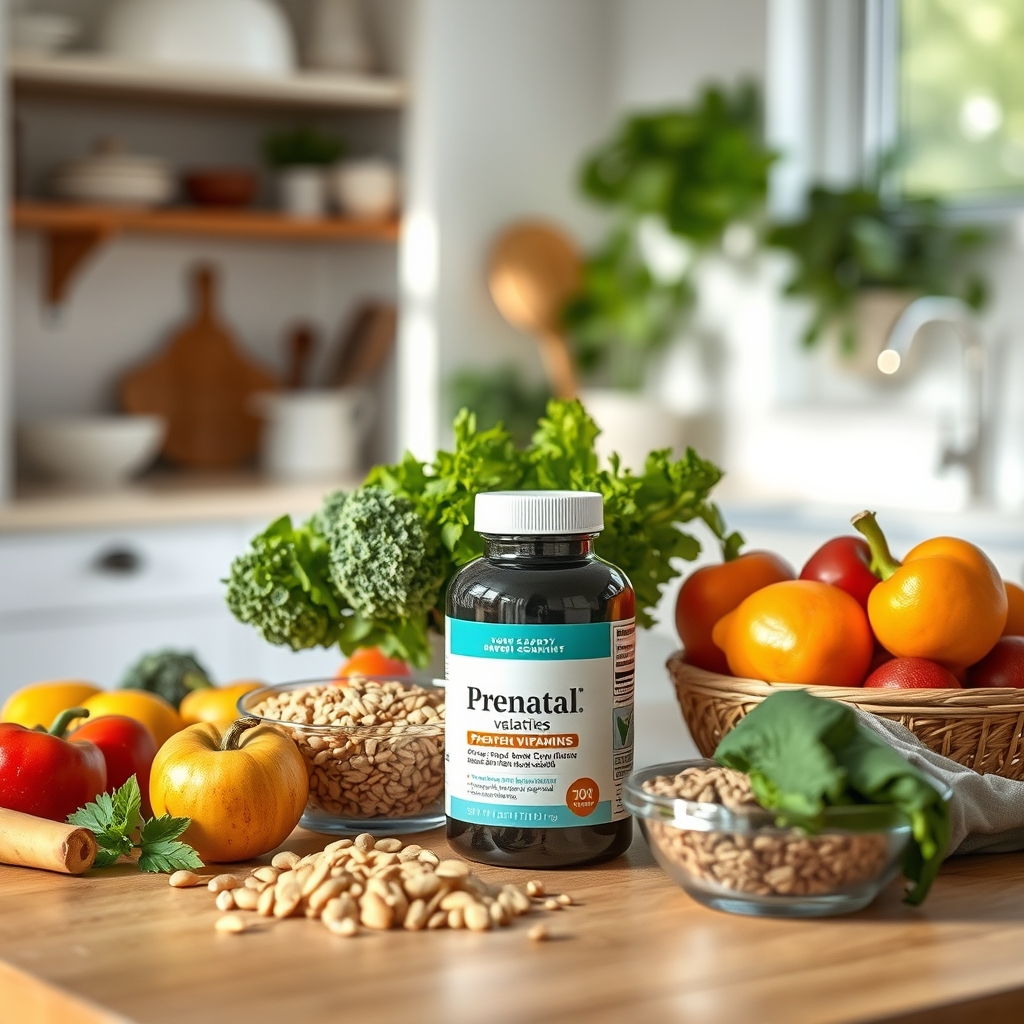
The American College of Obstetricians and Gynecologists (ACOG) advises all women who could become pregnant to take a daily prenatal vitamin containing at least 400 µg of folic acid. Folic acid reduces the risk of neural‑tube defects such as spina bifida.
Additional nutrients to consider (after discussing with your provider):
- Vitamin D – 600–800 IU daily, especially if you live in northern latitudes.
- Iron – 27 mg daily if you’re not already meeting needs through diet.
- Omega‑3 DHA – 200–300 mg daily to support fetal brain development.
- Co‑enzyme Q10 – sometimes recommended for women over 35 to improve egg quality, though evidence is still emerging.
When to schedule these tests
Ideally, see your primary care provider or OB‑GYN at least three months before you plan to conceive. This gives enough time to address any abnormal results, start supplements, and get vaccinated if needed.
Real‑world example
One reader, “Emma,” discovered she was low on iron during her pre‑conception visit. After a month of iron‑rich foods and a prenatal vitamin, her levels normalized, and she felt more energetic—an easy win that likely helped her future pregnancy.
How can I discuss parenting styles, discipline, and emotional readiness with my partner before a baby?
Every couple has a vision of how they’ll raise a child. Aligning on core values early prevents conflict when the real work begins.
Conversation starters
- What are our non‑negotiables (e.g., breastfeeding, sleep training, screen time limits)?
- How did we each feel growing up, and which parenting habits do we want to repeat or avoid?
- What discipline approach feels right—positive reinforcement, time‑outs, natural consequences?
- How will we handle disagreements in front of the child?
- What emotional support do we each need during the early months?
Assessing emotional readiness
Ask yourselves:
- Do we have healthy coping strategies for stress (e.g., exercise, therapy, journaling)?
- Are we comfortable with the idea of losing personal freedom for a few years?
- Do we have a solid support network of family or friends we can call on?
Consider taking a free online “parenting style quiz” from reputable sites like NIMH or scheduling a pre‑conception counseling session with a therapist who specializes in relationship dynamics.
Story snapshot
“Jenna and Carlos” sat down with a therapist after a heated debate about bedtime routines. The therapist helped them map out each partner’s core values, turning a potential clash into a collaborative plan that included flexible bedtime windows and shared “quiet‑time” responsibilities.
What maternity leave policies, workplace benefits, and career timing should I ask about before getting pregnant?
Understanding your employer’s policies can shape when you feel comfortable starting a family.
Key questions for HR or your manager
- How many weeks of paid maternity leave does our company offer, and is it inclusive of both parents?
- Is there a “short‑term disability” benefit that covers a portion of my salary during leave?
- Can I use accrued vacation or sick days to extend my leave?
- What is the policy for returning part‑time or on a flexible schedule?
- Are there any “family‑care” or “parenting” assistance programs (e.g., on‑site childcare, subsidies, lactation rooms)?
- How does a career break affect my performance reviews or promotion timeline?
Best time to have a baby after a career change
Many women wonder whether to wait until they’re settled in a new role. A practical rule from the Society for Human Resource Management (SHRM) is to aim for at least six months in a new position before planning a pregnancy. This period typically allows you to understand job expectations, build rapport, and confirm that your benefits are fully active.
Practical tip
Document your conversations in writing—email confirmations of leave length, flexible‑work arrangements, and any agreed‑upon return‑to‑work plan. Having a paper trail protects both you and the employer.
What lifestyle changes—including diet, exercise, sleep, and substance use—should I consider before trying to conceive?
What you do day‑to‑day now sets the stage for fertility and pregnancy health.
Nutrition basics
- Aim for a balanced plate: half vegetables and fruits, a quarter whole grains, and a quarter lean protein.
- Limit processed foods high in added sugars and trans fats.
- Include folate‑rich foods (leafy greens, beans, citrus) to complement your prenatal vitamin.
- Stay hydrated—about 2–3 L of water per day.
Exercise guidelines
The CDC recommends at least 150 minutes of moderate aerobic activity per week, plus two sessions of strength training. If you’re currently sedentary, start with brisk walking or gentle yoga, then build up.
Sleep hygiene
Aim for 7–9 hours of quality sleep each night. Establish a wind‑down routine (dim lights, no screens 30 minutes before bed) and keep your bedroom cool and dark.
Substance use
- Alcohol – The AHA advises no more than one drink per day for women planning pregnancy; many choose complete abstinence.
- Caffeine – Limit to 200 mg (about one 12‑oz coffee) per day.
- Tobacco – Quit entirely; smoking reduces fertility and increases miscarriage risk.
- Recreational drugs – Avoid all non‑prescribed substances; discuss any prescription meds with your provider.
Real‑life tip
“Sofia” swapped her nightly glass of wine for a calming herbal tea and added a 20‑minute walk after dinner. Within three months, she reported more regular cycles and felt more energetic.
What fertility concerns, questions, and tests should I bring to my doctor before trying to conceive?
Even if you feel perfectly healthy, a brief fertility discussion can uncover hidden issues and set realistic expectations.
Common concerns to raise
- Do I have regular ovulatory cycles? (Typically 24‑35 days.)
- What is my ovarian reserve, and should I consider a AMH (anti‑Müllerian hormone) test?
- Are there any known genetic conditions in my family that could affect pregnancy?
- How does my age impact my chances of conceiving naturally?
- Should I be screened for common antibodies (e.g., anti‑phospholipid) that affect implantation?
Key fertility tests
When to see a specialist
If you’ve been trying to conceive for six months (under age 35) or three months (age 35 or older) without success, consider a referral to a reproductive endocrinologist. Early evaluation helps identify issues and opens more treatment options.
Story from the field
“Leah” and her partner thought they were “fine” because they had regular periods. A simple AMH test revealed a low ovarian reserve, prompting a timely discussion about egg freezing. The couple now feels proactive rather than surprised.
What birth plan questions should I ask my OB‑GYN or midwife before labor?
A birth plan isn’t a rigid script; it’s a communication tool that lets your care team know your preferences while staying flexible for the unpredictable nature of labor.
Core questions to include
- What are the hospital’s policies on mobility during labor (walking, using a birthing ball, water immersion)?
- Can I have a support person (partner, doula, family member) present for the entire labor?
- What pain‑relief options are available (epidural, nitrous oxide, non‑pharmacologic methods) and how are they administered?
- What are the guidelines for fetal monitoring (continuous vs. intermittent) and how might they affect mobility?
- What are the protocols for delayed cord clamping and skin‑to‑skin contact right after birth?
- If a cesarean becomes necessary, what are the options for anesthesia (spinal vs. general) and postoperative pain control?
Sample birth‑plan template
Labor preferences:
- Mobility: Walk, use birthing ball, shower if available.
- Pain management: Start with breathing techniques; open to epidural if needed.
- Monitoring: Prefer intermittent fetal monitoring.
- Support: Partner and doula present at all times.

Delivery preferences:
- Position: Open to vaginal birth in any comfortable position.
- Cord: Delayed clamping for at least 60 seconds.
- Skin‑to‑skin: Immediate after birth, if baby is stable.

Cesarean preferences (if needed):
- Anesthesia: Spinal block.
- Partner presence: Partner in the OR.
- Skin‑to‑skin: As soon as possible post‑delivery.
How to discuss your plan
Schedule a dedicated “birth‑plan” appointment with your OB‑GYN or midwife. Bring a printed copy, ask for any hospital‑specific forms, and note any “must‑have” items (e.g., a specific type of music, a particular pillow).
What postpartum support, recovery, and sibling‑preparation questions should I ask before the baby arrives?
The weeks after birth are a whirlwind of joy, exhaustion, and new responsibilities. Preparing a support network and thinking ahead about older siblings can make the transition smoother.
Postpartum support checklist
- Do we have a postpartum doula or a trusted family member who can help with meals, laundry, and night‑time feeds?
- What is our plan for postpartum mental‑health screening (e.g., Edinburgh Postnatal Depression Scale) and who will conduct it?
- Will we have a lactation consultant available within the first week?
- What pain‑relief options are offered for perineal recovery (e.g., Sitz baths, ibuprofen, witch hazel pads)?
- Do we have a designated “recovery space” in the home where the birthing parent can rest?
Preparing older siblings
- How will we explain the new baby’s arrival in age‑appropriate language?
- What “big‑kid” responsibilities can we assign (e.g., fetching diapers, singing lullabies) to make them feel involved?
- Can we schedule a “special‑time” each day with the older child to maintain the parent‑child bond?
- Will we arrange a “gift‑exchange” where the older sibling receives a small present to celebrate their new role?
Real‑world example
“Maya” created a “Welcome the Baby” storybook with her 4‑year‑old son, letting him illustrate each page. The book became a cherished keepsake and helped him feel proud of his new sibling role.
Myth vs. fact
Myth: You need to be 100 % “perfectly ready” before trying for a baby.
Fact: No one ever feels completely prepared. A solid plan—financial, medical, and emotional—greatly reduces stress, but flexibility and support are equally important.
Myth: If you’re under 35, fertility isn’t a concern.
Fact: While age is a factor, many couples under 35 face unexplained infertility. Early screening helps identify issues before months of trying.
Myth: Postpartum recovery is the same for every parent.
Fact: Recovery varies widely based on birth method, complications, and personal health. Tailored support plans are essential.
Key takeaways
- Set a realistic baby budget and build an emergency fund of $10‑15 K before conception.
- Complete essential pre‑conception labs (CBC, rubella, TSH) and start a prenatal vitamin with 400 µg folic acid.
- Discuss parenting values, discipline approaches, and emotional coping strategies with your partner early.
- Know your employer’s maternity leave, disability, and flexible‑work policies; aim for at least six months in a new role before pregnancy.
- Adopt a balanced diet, regular exercise, good sleep, and eliminate smoking and excess alcohol.
- Ask your doctor about ovulation tracking, AMH testing, and partner’s semen analysis if you’ve been trying for several months.
- Create a concise birth plan that outlines mobility, pain control, monitoring, and support‑person preferences.
- Plan postpartum help (doula, family) and involve older siblings with age‑appropriate tasks and stories.
Frequently asked questions
How many months before trying to get pregnant should I see a doctor?
Ideally, schedule a pre‑conception visit 3 months before you plan to conceive. This gives time to complete labs, start supplements, and address any health concerns.
What are the most important questions to ask your partner before having a baby?
Focus on core values (breastfeeding, sleep schedules), discipline philosophy, emotional support needs, and how you’ll share household responsibilities.
Do I need to get a fertility test before trying to conceive?
Not always, but a basic fertility screen (ovulation tracking, partner’s semen analysis) is wise, especially if you have a history of irregular cycles, PCOS, or are over 35.
How much money should I save before having a child?
Experts recommend a dedicated “baby fund” of $10,000–$15,000, plus an emergency reserve covering 3–6 months of living expenses.
What lifestyle changes are recommended before pregnancy?
Adopt a balanced diet rich in folate, maintain regular moderate exercise, aim for 7–9 hours of sleep, limit caffeine to 200 mg, and quit smoking and recreational drugs.
When should I start a birth plan with my OB‑GYN?
Begin the conversation at your 12‑week prenatal appointment, and finalize the plan by 28 weeks to allow any hospital‑specific forms to be completed.
What postpartum support should I arrange before the baby arrives?
Identify a postpartum doula or family member for help with meals and newborn care, schedule a lactation consult, and plan for mental‑health screening within the first six weeks.
When to see a doctor / specialist
If you notice any of the following red‑flag symptoms, schedule an appointment promptly. These signs may indicate underlying health issues that could affect pregnancy.
- Persistent pelvic pain or abnormal bleeding.
- Sudden weight loss or gain (>10 % of body weight) without a clear cause.
- Severe fatigue, shortness of breath, or chest pain.
- Signs of depression or anxiety that interfere with daily life.
- Unexplained fever, rash, or persistent infections.
For these concerns, see your primary care provider, OB‑GYN, or a reproductive endocrinologist as appropriate. This article is for informational purposes only and does not replace personalized medical advice.
References
- American College of Obstetricians and Gynecologists (ACOG). “Preconception Care.” 2023.
- Centers for Disease Control and Prevention (CDC). “Pregnancy Planning and Preconception Health.” 2022.
- National Institute of Mental Health (NIMH). “Parenting Styles and Child Development.” 2021.
- Society for Human Resource Management (SHRM). “Maternity Leave Policies Overview.” 2023.
- American Heart Association (AHA). “Alcohol Consumption Guidelines for Women Planning Pregnancy.” 2022.
- Harvard T.H. Chan School of Public Health. “Nutrition During Preconception.” 2023.
- National Academy of Medicine. “Folic Acid Supplementation and Neural‑Tube Defects.” 2021.
- World Health Organization (WHO). “Recommendations on Pre‑Pregnancy Health.” 2022.
- American Academy of Pediatrics (AAP). “Sibling Preparation for Newborn Arrival.” 2021.



