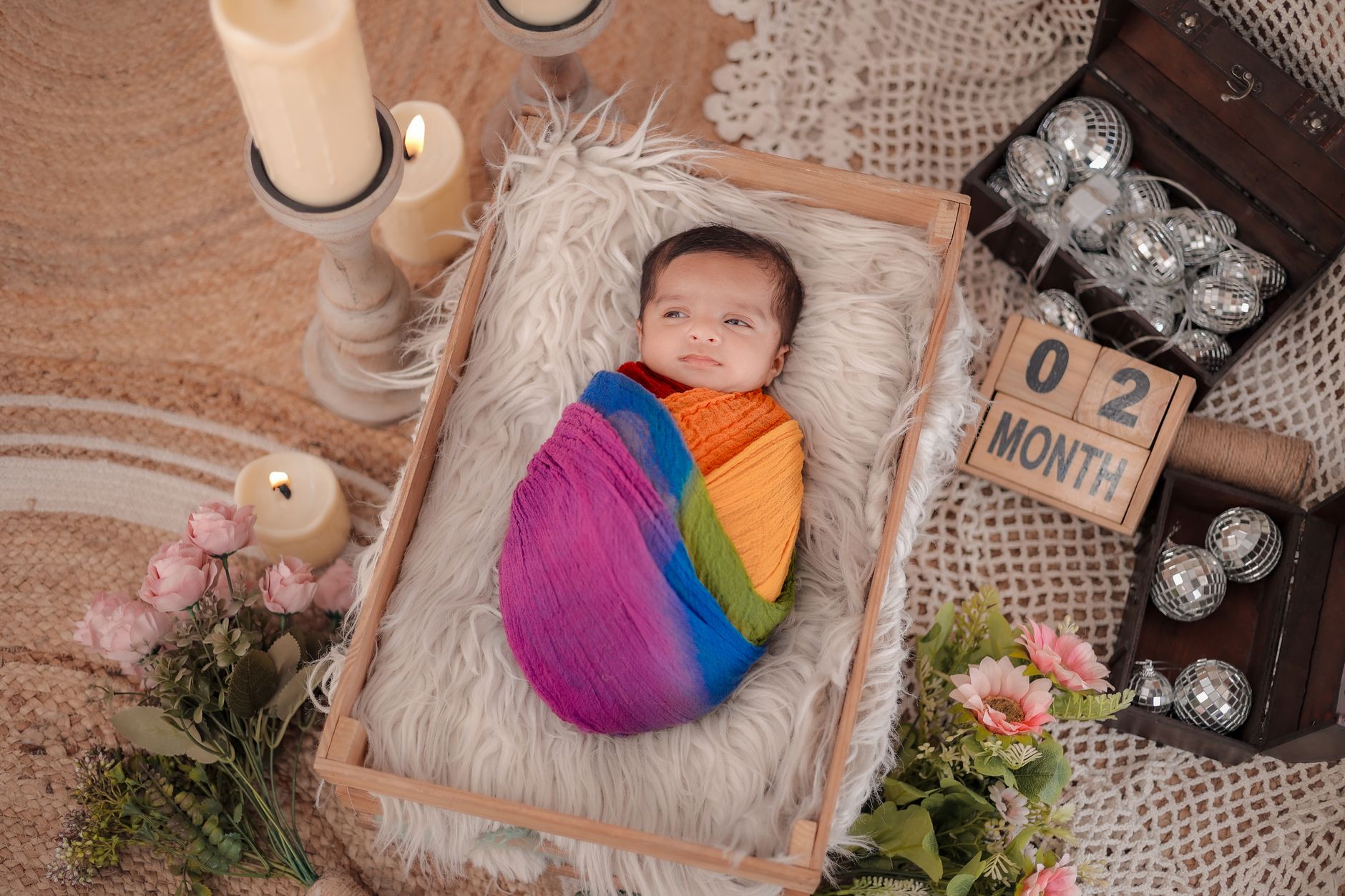
A rainbow baby is a child born after loss, symbolizing hope and healing. Discover its meaning, cultural roots, and how families find comfort in this term.
By Shubhra Mishra — a mom of two who turned her own confusion during pregnancy into BumpBites, a global mission to make food choices clear, safe, and stress-free for every expecting mother. 💛
Check whether any food is safe during pregnancy with the BumpBites Food Safety Checker.
Quick take: A “rainbow baby” is a child born after the loss of a previous pregnancy, miscarriage, stillbirth, or infant death. The term honors the hope that follows grief—like a rainbow after a storm. While the journey can feel fragile, many families find comfort in rituals, support networks, and gentle celebrations that acknowledge both loss and new life.
It’s 2 a.m., you’re scrolling through a quiet phone feed, and a soft pink notification pops up: “Your rainbow baby is on the way.” Your heart jumps, then steadies as a wave of questions rushes in—what does this term really mean? How do you honor the baby you’ve already loved while welcoming a new one? You’re not alone. Millions of parents navigate the delicate balance of grief and hope, and the answers lie in stories, symbols, and practical steps that make the journey feel less solitary.
In this guide we’ll unpack the rainbow baby meaning, explore its origins, and walk you through coping strategies, meaningful rituals, and joyful celebrations. You’ll find ideas for announcements, clothing, photography, and heartfelt poems, plus resources and support options for parents and friends. Whether you’re pregnant now, planning a future pregnancy, or simply looking to support a loved one, this article gives you clear, compassionate answers backed by reputable health organizations.
What is a rainbow baby after miscarriage?
When a pregnancy ends in miscarriage, stillbirth, or infant loss, the term “rainbow baby” describes the child conceived or born afterward. The metaphor reflects the way a rainbow appears after a storm—signifying hope, renewal, and the promise of brighter days. The phrase first entered online parenting communities in the early 2000s and quickly spread through support groups and blogs.
Medical bodies such as the American College of Obstetricians and Gynecologists (ACOG) acknowledge the emotional impact of pregnancy loss and encourage clinicians to discuss future family planning sensitively. While “rainbow baby” isn’t a clinical diagnosis, it has become a cultural touchstone that validates the mixed emotions many parents feel: joy for the new life and lingering grief for the one that was lost.
Most families experience a spectrum of feelings—relief, excitement, anxiety, and sometimes guilt. Recognizing these emotions as normal helps prevent isolation. A common experience is the “rainbow pause,” where parents take extra time to grieve before trying again, often guided by their provider’s recommendation to wait at least a few menstrual cycles before attempting conception again. This pause can be medically and emotionally beneficial, allowing the uterus to heal and the mind to reset.
Rainbow baby quotes and poems
“A rainbow baby is a promise that after the darkest night, the sun will rise again.”
“You are the rainbow after my storm, the color that makes my heart whole again.” – Anonymous
“In the garden of my heart, you are the bloom that follows the rain.” – Adapted from a popular rainbow baby poem.
Rainbow baby symbol and meaning
The rainbow itself is the most recognized symbol, often paired with a heart or a delicate feather. In many cultures, the color spectrum represents hope, healing, and continuity. Some families add a small, pastel‑colored ribbon to a baby’s onesie or nursery décor as a subtle tribute.
Rainbow motifs often appear in clothing, nursery décor, and keepsakes to honor the journey.
How to cope with pregnancy after loss?
Pregnancy after loss can feel both miraculous and terrifying. Anxiety often spikes in the first trimester, a time when hormonal changes can amplify grief. ACOG recommends regular prenatal visits, open communication with your care team, and, when needed, referrals to mental‑health specialists experienced in perinatal loss.
Practical coping strategies include:
Journaling: Write daily reflections, letters to your lost baby, or gratitude notes. This externalizes emotions and creates a tangible record of your journey.
Mind‑body practices: Gentle yoga, meditation, or breathing exercises can reduce cortisol levels and improve sleep.
Support groups: In‑person or online communities (e.g., March of Dimes, the Rainbow Baby Foundation) provide a safe space to share experiences.
Therapeutic rituals: Light a candle for the lost baby during prenatal appointments, or create a memory box with photos and mementos.
It’s also helpful to set realistic expectations. Some parents notice a heightened sensitivity to fetal movements, while others may feel numb. Both reactions are valid. If anxiety feels overwhelming, the National Institute of Mental Health (NIMH) advises seeking a therapist specializing in grief or perinatal mental health.
Another layer of support comes from your obstetric provider’s mental‑health screening tools, such as the Edinburgh Postnatal Depression Scale, which can be used throughout pregnancy to catch early signs of depression or anxiety.
Rainbow baby stories of hope and inspiration
Many families find strength in sharing their narratives. For instance, one mother described how she painted a tiny rainbow on the wall of her nursery, calling it “the bridge between our hearts.” Another couple turned their loss into a charity, donating a portion of each birthday gift to a local pregnancy‑loss support organization. These stories illustrate how personal rituals can transform grief into purpose.
Rainbow baby meaning and significance
The meaning of a rainbow baby extends beyond a simple label. It encapsulates resilience, the acknowledgement of a past loss, and the celebration of new life. For many, the term provides a language to discuss a topic that can otherwise feel taboo. It also serves as a reminder that grief does not disappear—it evolves.
Research from the Centers for Disease Control and Prevention (CDC) indicates that about 10–20 % of recognized pregnancies end in miscarriage, meaning a sizable portion of families may eventually have a rainbow baby. Understanding the prevalence can reduce feelings of isolation and foster community empathy.
Significance often appears in three domains:
Emotional: Validates mixed feelings and encourages parents to process grief rather than suppress it.
Social: Provides a shared vocabulary for friends and extended family to offer appropriate support.
Ritualistic: Inspires traditions—like planting a tree, creating a memory quilt, or naming a special “rainbow” lullaby—that integrate loss and hope.
Rainbow baby books and resources
“The Rainbow Baby: A Guide for Parents After Loss” – A practical handbook with coping tools and personal narratives.
“Grieving the Child I Never Knew” – Offers grief counseling techniques for couples.
Online resources: the Rainbow Baby Foundation, March of Dimes Pregnancy Loss Support, and the UK’s Missed Baby Support (NHS).
Difference between rainbow baby and sunshine baby
While “rainbow baby” refers to a child born after any pregnancy loss, “sunshine baby” describes a child born before the loss. In other words, the sunshine baby is the first child, and the rainbow baby follows the loss. Both terms help families articulate the chronology of their experiences.
Below is a quick comparison:
Aspect
Rainbow Baby
Sunshine Baby
Birth order
After loss
Before loss
Typical emotional focus
Hope and healing
Joy and continuity
Common symbols
Rainbow, feather, pastel ribbon
Sun, bright colors, gold accents
Support resources
Loss‑focused groups
General parenting groups
Knowing the distinction helps friends and clinicians tailor their language. For example, a friend might say, “Congratulations on your sunshine baby” when the first child arrives, and later, “Your rainbow baby is a beautiful blessing.” Using the correct term validates each child’s unique place in the family story.
How to announce a rainbow baby pregnancy?
Sharing the news of a rainbow baby often involves a blend of celebration and remembrance. Many parents choose to incorporate symbols of both loss and hope in their announcement.
Popular ideas include:
Photo cards: A soft‑focused image of a tiny rainbow or a pastel‑colored balloon with the words “Our rainbow is on the way.”
Memory boxes: Sending a small box containing a pressed flower, a ribbon, and a note that explains the meaning.
Social‑media posts: A heartfelt caption that acknowledges the previous loss while expressing excitement for the new arrival.
When crafting the message, keep tone gentle and inclusive. Here’s an example:
“After a storm, a rainbow appears. We’re overjoyed to share that our little rainbow is expected in August. Thank you for holding space with us as we welcome hope anew.”
Choosing the right moment to announce can also be therapeutic. Some families wait until the second trimester, when the risk of early loss decreases, while others share the news earlier to involve their support network from the start.
Rainbow baby onesies and clothing
Specialized apparel often features rainbow motifs, pastel hues, or the phrase “Rainbow Baby” embroidered on the chest. Many parents find comfort in dressing their baby in a soft, muted rainbow‑colored onesie for the first photo shoot, symbolizing both the fragility and resilience of the journey.
Support for mothers of rainbow babies
Even after a successful pregnancy, mothers of rainbow babies may continue to experience anxiety, especially around milestones that remind them of the lost child (e.g., first birthday, holidays). Ongoing support is crucial.
Key resources:
Therapeutic counseling: Perinatal grief specialists can provide coping tools for lingering sadness.
Parenting groups: Local meet‑ups or online forums like “Rainbow Moms United” allow sharing of daily triumphs and challenges.
Professional check‑ins: Regular postpartum visits with your OB‑GYN or midwife, who can screen for postpartum depression (PPD) using the Edinburgh Postnatal Depression Scale.
Partners also benefit from tailored guidance. The National Partnership for Women & Families suggests involving the partner in counseling sessions to foster shared understanding and reduce feelings of isolation.
Beyond mental health, practical self‑care—such as balanced nutrition, gentle exercise, and adequate sleep—helps sustain emotional stamina during the demanding early months.
Rainbow baby memorial ideas
Honoring the baby who was lost can coexist with celebrating the new arrival. Some families create a “memory garden,” planting a flower in the baby’s name. Others keep a small keepsake box in the nursery, holding a lock of hair, ultrasound photo, or a special piece of jewelry. These rituals provide a tangible way to remember while allowing the rainbow baby to thrive.
Celebrating a rainbow baby birth
When the rainbow finally appears, many families want a meaningful way to mark the milestone. Celebrations can be as simple or elaborate as you wish.
Ideas include:
Family ceremony: Light a candle for the lost child, then a second candle for the newborn, creating a “two‑candle” ritual.
Photo session: Incorporate soft pastel backdrops, rainbow ribbons, or a gentle sunrise setting to symbolize hope.
Birthday traditions: Combine the rainbow baby’s birthday with a “memory day” for the lost child, perhaps sharing a favorite song or story.
These moments can be recorded in a family journal or a digital scrapbook, creating a legacy that honors both the past and the present.
Rainbow baby photography ideas
Professional photographers often suggest using natural light and subtle props. Consider a close‑up of tiny hands holding a pastel ribbon, a silhouette against a sunrise, or a macro shot of a newborn’s foot on a soft, rainbow‑tinted blanket. These images become treasured heirlooms that capture both the fragility and the promise of new life.
Soft rainbow hues in newborn photos echo the hope behind a rainbow baby.
Choosing a prenatal vitamin and supplements after loss
Nutrition plays a vital role in a healthy pregnancy, especially after a loss when the body may be recovering from earlier stress. The U.S. Food and Drug Administration (FDA) requires that prenatal vitamins meet specific standards for folic acid, iron, and iodine, which support fetal development and reduce the risk of birth defects.
Many clinicians recommend a prenatal vitamin that contains at least 400 µg of folic acid, 27 mg of iron, and 150 µg of iodine, as outlined by ACOG guidelines. If you have a history of miscarriage related to a specific deficiency—such as low vitamin D or B12—your provider may suggest targeted supplements. Always discuss any new supplement with your OB‑GYN to avoid excess dosing, especially with calcium or vitamin A, which can be harmful in high amounts.
Beyond pills, focus on whole foods: leafy greens for folate, lean meats for iron, and dairy or fortified plant milks for calcium and vitamin D. Hydration, adequate protein, and omega‑3 fatty acids (found in low‑mercury fish or algae supplements) also support brain development and maternal mood stability.
Managing holidays and family gatherings with a rainbow baby
Holiday seasons can amplify both joy and grief. When you’re expecting a rainbow baby, the pressure to “be happy” can feel overwhelming. The NHS advises planning ahead: communicate your needs to family members early, set boundaries around conversation topics, and consider a quiet space for occasional retreats.
Practical tips include:
Designate a memory moment: Light a candle or place a photo of the lost child at the family table to acknowledge their presence.
Create a “rainbow box”: Invite guests to write a note of hope that you can keep for your new baby.
Limit exposure: If certain traditions (e.g., a particular prayer or song) trigger intense sadness, give yourself permission to step away.
Remember that it’s okay to ask for support, whether that means a friend staying over, a partner handling the bulk of cooking, or a professional therapist joining you for a brief check‑in before the festivities.
Financial and insurance considerations for pregnancy after loss
Pregnancy after loss can bring unexpected expenses—additional ultrasounds, mental‑health counseling, or specialized fertility treatments. In the United States, many health insurance plans cover standard prenatal care, but coverage for grief counseling or fertility services varies.
Check your policy’s summary of benefits for terms like “perinatal mental health,” “counseling,” and “fertility treatment.” If coverage is limited, the U.S. Department of Health and Human Services (HHS) offers resources for low‑income families, and nonprofit organizations such as the Pregnancy Loss Support Network may provide vouchers for counseling.
In the UK, the NHS provides free mental‑health support for perinatal grief, and you can request a referral from your midwife. Keeping receipts, tracking out‑of‑pocket costs, and discussing financial worries with a social worker can prevent stress from compounding emotional challenges.
Organizing supplies and support helps turn anxiety into actionable plans.
Talking to siblings about a rainbow baby
Older children often wonder why a “new baby” feels different after a loss. The NHS recommends using age‑appropriate language—explain that the new baby is a “rainbow” that follows a storm, and reassure them that love for the sibling who is no longer here never changes. Involve them in simple rituals, like helping to place a memory stone in the garden, to foster inclusion.
Research shows that children who feel included in the grieving process are less likely to develop anxiety or feelings of guilt. Encourage questions, validate emotions, and maintain routine as much as possible. A short, consistent family meeting each week can give siblings a safe space to share feelings and ask questions.
Traveling safely during a rainbow baby pregnancy
Many parents wonder whether it’s safe to travel while pregnant after loss. ACOG states that most low‑risk pregnancies can travel safely up to the 36th week, provided you have your prenatal records handy and stay hydrated. If you’re on blood‑thinning medication or have a history of complications, discuss travel plans with your provider first.
Practical tips for a smoother trip include: packing a “pregnancy travel kit” (prenatal vitamins, water, snacks, and a copy of your recent ultrasound), scheduling breaks to move around on long flights, and choosing seats with easy aisle access. Always know the nearest medical facilities at your destination, and consider travel insurance that covers pregnancy‑related care.
Doctor’s note
From our medical team: A rainbow baby is a beautiful term that reflects a real, measurable need for emotional support after pregnancy loss. While the physical health of a subsequent pregnancy follows standard obstetric guidelines, the psychological aspect deserves equal attention. If you notice persistent anxiety, intrusive thoughts, or signs of depression, please reach out to your OB‑GYN or a perinatal mental‑health professional. You deserve care that honors both your loss and your new joy.
Myth vs. fact
Myth: A rainbow baby will erase the grief of the previous loss.
Fact: While a rainbow baby brings hope, many parents continue to grieve. Acknowledging both emotions is healthy and normal.
Myth: You must wait a year before trying again.
Fact: Medical guidance varies; ACOG suggests waiting until after one or two normal menstrual cycles, but the emotional readiness timeline is personal and can be shorter or longer.
Myth: Only mothers need support after a rainbow baby.
Fact: Partners, siblings, and extended family also benefit from counseling and community resources.
Key takeaways
“Rainbow baby” honors a child born after miscarriage, stillbirth, or infant loss, symbolizing hope after grief.
Grief can coexist with joy; seek counseling, support groups, and open communication with your provider.
Use gentle rituals—candles, memory boxes, or rainbow‑themed clothing—to remember the lost baby while celebrating the new one.
When announcing, blend remembrance with excitement; a simple rainbow card or photo works well.
Post‑birth, continue supportive care: regular check‑ins, mental‑health screening, and shared family traditions.
If anxiety feels overwhelming or you notice signs of postpartum depression, contact your healthcare provider promptly.
Choose prenatal vitamins that meet FDA standards and discuss any additional supplements with your OB‑GYN.
Plan holidays with clear boundaries and a “rainbow box” to keep the focus on hope.
Review insurance coverage for mental‑health and fertility services; seek nonprofit assistance when needed.
Include siblings in age‑appropriate conversations and rituals to help them feel connected.
Travel is generally safe up to 36 weeks for low‑risk pregnancies—consult your provider and pack a travel kit.
Frequently asked questions
What is a rainbow baby?
A rainbow baby is a baby born after a previous pregnancy loss, such as miscarriage, stillbirth, or infant death, symbolizing hope after a difficult “storm.”
What is a sunshine baby?
A sunshine baby is the child born before a loss; the term helps families differentiate between the first child (sunshine) and the child that follows a loss (rainbow).
How common are rainbow babies?
Because roughly 10–20 % of recognized pregnancies end in miscarriage, a significant portion of families may eventually have a rainbow baby, though exact prevalence is difficult to track.
What are the emotional challenges of having a rainbow baby?
Parents often feel a mix of joy, anxiety, guilt, and lingering grief. Concerns may include fear of another loss, heightened sensitivity to fetal movement, and difficulty celebrating milestones without feeling conflicting emotions.
How can I support a friend who has had a miscarriage and is now having a rainbow baby?
Listen without judgment, acknowledge both the loss and the new pregnancy, offer practical help (meals, errands), and respect any rituals they choose—such as lighting a candle for the lost child.
What are some ways to honor a lost baby while celebrating a rainbow baby?
Consider a memory garden, a keepsake box in the nursery, a dual‑candle ceremony, or incorporating a subtle rainbow symbol in clothing and décor to keep the lost baby’s memory alive.
Are prenatal vitamins safe for a pregnancy after loss?
Yes, when they meet FDA standards for folic acid, iron, and iodine. Discuss any additional supplements with your OB‑GYN to ensure they’re appropriate for your health history.
Should I tell my extended family about my rainbow baby early in the pregnancy?
Many parents choose to wait until the second trimester, when the risk of early loss decreases. Sharing the timing that feels right for you helps balance excitement with emotional safety.
How can I involve my older children in the arrival of a rainbow baby?
Use simple language to explain the concept of a “rainbow after a storm,” involve them in memory‑keeping rituals, and keep regular family meetings to answer their questions and validate their feelings.
Is it safe to travel by plane during a pregnancy after loss?
For most low‑risk pregnancies, ACOG says air travel is safe up to 36 weeks. Bring your prenatal records, stay hydrated, and choose seats with easy aisle access. Always check with your provider if you have complications.
When to call your doctor
If you experience any of the following, contact your obstetric provider or midwife immediately: severe abdominal pain, heavy bleeding, fever over 100.4 °F (38 °C), sudden swelling of hands or face, or a rapid change in mood that feels unmanageable. Remember, this article provides general information and is not a substitute for personalized medical advice.
References
American College of Obstetricians and Gynecologists (ACOG). “Management of Pregnancy After Loss.” Clinical Guidance, 2023.
Centers for Disease Control and Prevention (CDC). “Pregnancy Loss Statistics.” National Center for Health Statistics, 2022.
National Institute of Mental Health (NIMH). “Perinatal Grief and Depression.” Clinical Resources, 2021.
March of Dimes. “Support for Families After Pregnancy Loss.” Patient Education, 2022.
Rainbow Baby Foundation. “Resources and Community Support.” Official Website, accessed July 2024.
National Partnership for Women & Families. “Partner Involvement in Perinatal Grief.” Policy Brief, 2020.
UK National Health Service (NHS). “Miscarriage and Aftercare.” Clinical Guidance, 2023.
American Pregnancy Association. “Understanding Rainbow Babies.” Health Article, 2023.
U.S. Food and Drug Administration (FDA). “Dietary Supplement Labeling Guide.” 2022.
National Health Service (NHS). “Perinatal Mental Health Support.” 2023.
U.S. Department of Health and Human Services (HHS). “Low‑Income Health Resources.” 2022.
National Institute for Health and Care Excellence (NICE). “Perinatal Mental Health: Clinical Guidance.” 2023.
Not sure about the label on Rainbow Baby Meaning products?
Snap the ingredients list and SafeFilter checks every ingredient for your stage — only 3 free scans this month, then you're locked until reset. Unlimited from $7/mo or $50/yr.
When Shubhra Mishra was expecting her first child in 2016, she was overwhelmed by conflicting food advice — one site said yes, another said never. By the time her second baby arrived in 2019, she realized millions of mothers face the same confusion.
That sparked a five-year journey through clinical nutrition papers, cultural diets, and expert conversations — all leading to BumpBites: a calm, compassionate space where science meets everyday motherhood.
Her long-term vision is to build a global community ensuring safe, supported, and free deliveriesfor every mother — because no woman should face pregnancy alone or uninformed. 🌿
🌍 Stand with mothers, shape safer guidance
Join a small circle of experts who review BumpBites articles so expecting parents everywhere can decide with confidence.