PUPPP rash during pregnancy is uncomfortable but harmless. Learn about its symptoms, causes, and effective relief strategies to manage this common pregnancy skin condition. Get expert tips for soothing PUPPP rash pregnancy itch.
By Shubhra Mishra — a mom of two who turned her own confusion during pregnancy into BumpBites, a global mission to make food choices clear, safe, and stress-free for every expecting mother. 💛
Check whether any food is safe during pregnancy with the BumpBites Food Safety Checker.
Quick take: Pruritic Urticarial Papules and Plaques of Pregnancy (PUPPP) rash is a common, intensely itchy, but harmless skin condition that can develop during late pregnancy. While uncomfortable, it poses no risk to you or your baby and typically resolves shortly after delivery. Gentle home remedies and medical treatments can help manage the itching.
If you’re deep into your pregnancy, perhaps in your third trimester, and suddenly notice an intensely itchy rash spreading across your belly, you might be feeling a mix of alarm and sheer discomfort. Many women experience this unexpected visitor, often wondering, "Is this normal? What is this rash, and will it ever go away?" You're not alone in these concerns. This unwelcome guest is most likely PUPPP rash, medically known as Pruritic Urticarial Papules and Plaques of Pregnancy.
The good news is that while PUPPP rash can be incredibly frustrating and disruptive to sleep and daily comfort, it's not dangerous for you or your baby. It's one of the most common dermatological conditions specific to pregnancy, affecting about 1 in 160 pregnancies. Understanding what PUPPP rash is, why it occurs, and how to manage its relentless itching can bring much-needed peace of mind and relief during a time that should be focused on preparing for your baby's arrival.
Here, we’ll explore everything you need to know about PUPPP rash during pregnancy, from its telltale appearance to effective treatment options, and how to distinguish it from other pregnancy-related skin conditions. Our goal is to provide you with clear, accurate information so you can navigate this challenge with confidence and comfort.
What is PUPPP rash and what does it look like?
PUPPP rash, or Pruritic Urticarial Papules and Plaques of Pregnancy, is a highly itchy skin condition unique to pregnancy. It's characterized by an eruption of small, red, raised bumps (papules) that often merge into larger, elevated patches (plaques). The word "pruritic" in its name means intensely itchy, and this is often the most distressing symptom women experience.
When does PUPPP typically appear?
While PUPPP rash can technically appear at any point in pregnancy, it most commonly develops in the third trimester, especially in the last few weeks. It can also emerge shortly after delivery in some cases. It's rare to see PUPPP rash symptoms early in pregnancy, though not impossible. Most commonly, it affects first-time mothers (primigravidae) and those carrying multiple babies.
Where does PUPPP rash usually appear on the body?
The rash almost always starts on the abdomen, specifically within the stretch marks (striae) if you have them. Many women tell us it begins as tiny, itchy red bumps concentrated around their belly button area, then spreads outwards. From the abdomen, it can then extend to the thighs, buttocks, and arms. It typically spares the face, palms of the hands, and soles of the feet, which can be a helpful distinguishing factor from other rashes.
What are the visual characteristics of PUPPP?
Papules: Small, red, raised bumps, often resembling hives or mosquito bites.
Plaques: As the papules multiply, they can coalesce into larger, slightly elevated, red patches. These plaques can be irregular in shape and quite extensive.
Halo of pallor: Sometimes, the individual bumps might have a pale ring around them, similar to hives.
Blisters: In some cases, tiny fluid-filled blisters (vesicles) can form within the plaques, though this is less common. If you notice large blisters, it's important to rule out other conditions like Pemphigoid Gestationis, which requires specific medical attention.
Excoriations: Due to the intense itching, you might see scratch marks (excoriations) on the affected areas.
The appearance can vary from person to person, but the consistent factor is the severe itchiness accompanying the red, raised bumps and patches. One reader described it as "feeling like a thousand tiny ants crawling under my skin, but then when I scratch, it just gets worse and spreads." If you notice these symptoms, especially in your third trimester, PUPPP rash pregnancy is a strong possibility.
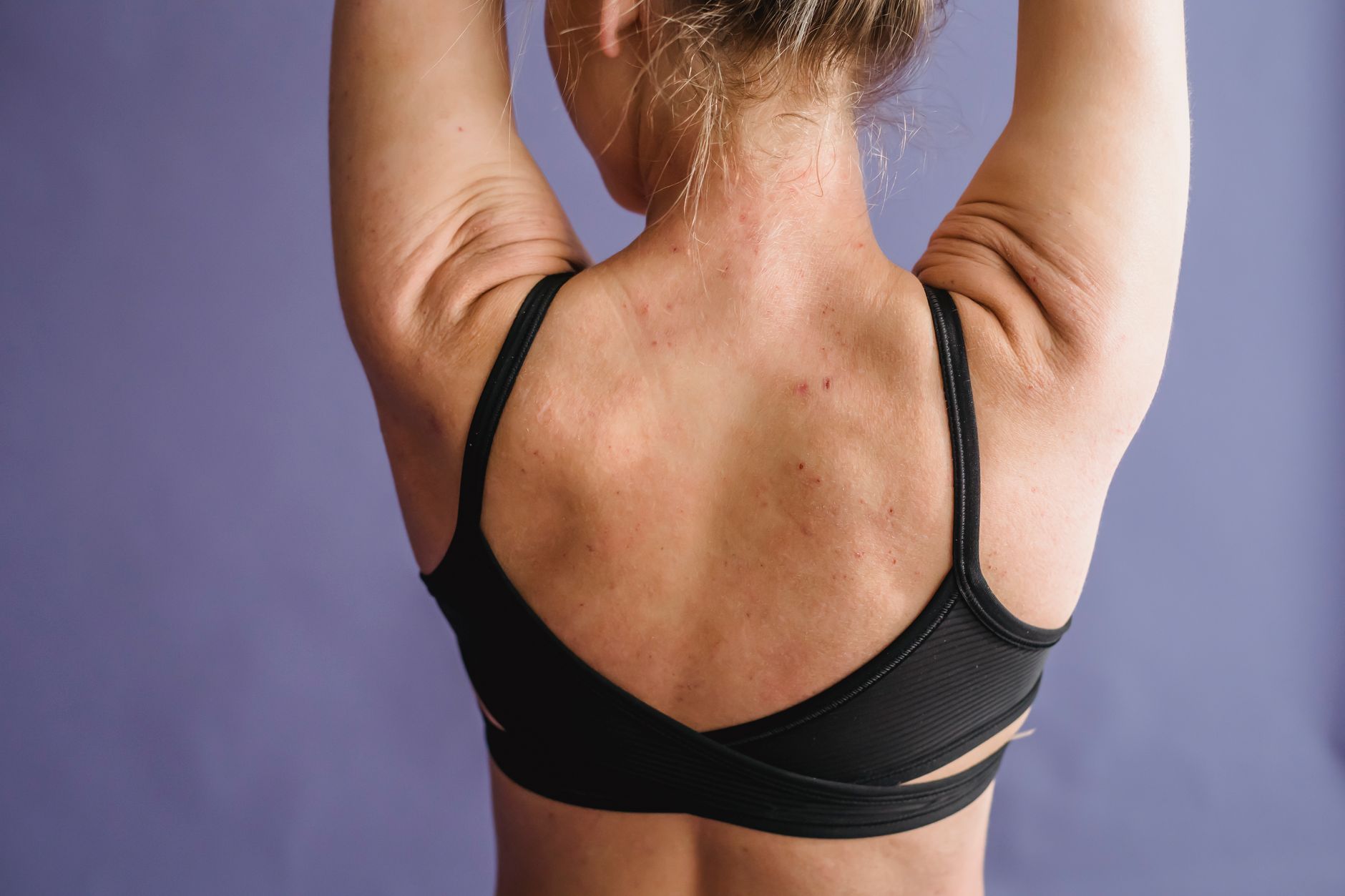
PUPPP rash typically presents as intensely itchy, red, raised bumps and patches, often starting on the abdomen.
What causes PUPPP rash during pregnancy?
Despite being a common condition, the exact cause of PUPPP rash remains a bit of a mystery to medical researchers. However, several theories and risk factors have emerged, offering some clues as to why some pregnant women develop this intensely itchy rash while others do not.
Theories behind PUPPP development
The most widely accepted theory points to the rapid stretching of the skin on the abdomen. As your belly grows larger to accommodate your developing baby, the connective tissue in your skin stretches. It's believed that this stretching might cause damage to the dermal layer, leading to an inflammatory reaction. This theory is supported by the fact that PUPPP often starts within stretch marks and is more common in women with larger abdomens, such as those carrying twins or triplets, or those with significant weight gain during pregnancy.
Another theory suggests that PUPPP might be related to the presence of fetal cells in the maternal skin. Some studies have found a correlation between male fetuses and a higher incidence of PUPPP. It's hypothesized that certain fetal cells or DNA might migrate into the mother's skin, triggering an immune response that manifests as the rash. However, more research is needed to fully understand this potential link, and PUPPP can certainly occur with female fetuses as well.
Hormonal changes, which are profound during pregnancy, are also often implicated in various skin conditions. While no specific hormonal imbalance has been definitively linked to PUPPP, the general hormonal shifts could contribute to skin sensitivity and inflammation in some women.
Risk factors for developing PUPPP rash
First pregnancy: PUPPP is significantly more common in women experiencing their first pregnancy. While it can recur, it's less frequent in subsequent pregnancies.
Multiple pregnancies: Women carrying twins, triplets, or more are at a higher risk of developing PUPPP. This supports the theory that greater abdominal distension and skin stretching play a role.
Excessive weight gain: Rapid or substantial weight gain during pregnancy can contribute to more significant skin stretching, increasing the likelihood of PUPPP.
Male fetus: Some research suggests a slightly higher incidence of PUPPP in pregnancies where the baby is male. However, this is not a definitive predictor, and PUPPP can occur regardless of the baby's sex.
Later stages of pregnancy: As mentioned, PUPPP typically appears in the third trimester, when abdominal stretching is most pronounced.
It's important to remember that none of these are definitive causes, and many women who fit these risk factors never develop PUPPP. Conversely, some women without these risk factors might still experience it. The condition is not contagious, nor is it a sign of poor hygiene or any underlying health problem in the mother or baby. It's simply an uncomfortable, yet harmless, reaction some bodies have to the incredible changes of pregnancy.
What are the symptoms of PUPPP rash? A checklist
The hallmark symptom of PUPPP rash is intense itching, often described as relentless and disruptive. But beyond the itch, there are specific visual cues that can help you and your healthcare provider identify PUPPP. Here's a detailed checklist of common symptoms:
PUPPP Rash Symptoms Checklist
✅ Intense itching (pruritus): This is usually the first and most prominent symptom. The itching can be severe, especially at night, and may interfere with sleep.
✅ Small, red, raised bumps (papules): These are often the initial lesions. They may resemble hives or mosquito bites.
✅ Larger, elevated patches (plaques): As the condition progresses, the papules often merge to form broader, red, inflamed areas. These plaques can feel firm to the touch.
✅ Location, location, location:
Starts on the abdomen, particularly within stretch marks (striae).
Often spares the area directly around the belly button.
Can spread to the thighs, buttocks, and arms.
Typically does NOT affect the face, chest, back, palms, or soles of the feet.
✅ Halo of pallor: Some individual papules or plaques may have a thin, pale ring around their edges.
✅ Small blisters (vesicles): In about 20% of cases, tiny fluid-filled blisters (less than 1-2 mm) may appear on top of the plaques. If larger blisters are present, it's crucial to seek medical evaluation to rule out other conditions.
✅ Absence of systemic symptoms: Generally, you won't experience fever, fatigue, nausea, or other signs of general illness with PUPPP. The symptoms are primarily dermatological.
✅ Onset in late pregnancy: Most commonly appears in the third trimester (after 35 weeks), though it can appear earlier or even postpartum.
How does PUPPP rash typically progress?
The rash usually begins as small, red, itchy bumps within the stretch marks on the belly. It often appears suddenly and can spread rapidly over a few days to weeks. The itching can worsen as the rash spreads and becomes more inflamed. One mother-to-be shared, "I woke up one morning with a few itchy spots, and by the end of the week, my entire belly and thighs were covered. It was maddening."
While the visual symptoms are key, the diagnosis of PUPPP rash is primarily clinical, meaning your doctor will typically diagnose it based on its characteristic appearance, location, and the absence of other symptoms. Sometimes, a skin biopsy may be performed to rule out other conditions, especially if the presentation is unusual or if there are large blisters. However, this is not common for typical PUPPP cases.
If you're experiencing these symptoms, especially the intense itching and characteristic rash distribution, it's important to discuss them with your obstetrician or midwife. They can confirm the diagnosis and help you find relief, ensuring it's not another, potentially more serious, pregnancy-related skin condition.
How can you relieve PUPPP rash itching? Home remedies and over-the-counter options
When you're dealing with the relentless itch of PUPPP rash, finding relief becomes your top priority. While the rash isn't harmful, the discomfort can be incredibly challenging. Fortunately, there are many home remedies and over-the-counter (OTC) solutions that can help soothe your skin and manage the itching. The goal is to calm the inflammation and provide a cooling, moisturizing barrier.
Soothing baths and compresses
Oatmeal baths: Colloidal oatmeal has natural anti-inflammatory and anti-itch properties. Add a cup of colloidal oatmeal (available at most pharmacies) to a lukewarm bath and soak for 15-20 minutes. Avoid hot water, as it can exacerbate itching. The American Academy of Dermatology (AAD) often recommends oatmeal as a soothing agent for itchy skin conditions.
Baking soda baths: Similar to oatmeal, adding half a cup of baking soda to a lukewarm bath can help calm irritated skin.
Cool compresses: Applying a cool, damp cloth or ice pack wrapped in a towel to the itchy areas can provide immediate, temporary relief by numbing the nerve endings and reducing inflammation.
Topical creams and lotions
Moisturizers: Keeping your skin well-hydrated is crucial. Opt for thick, unscented moisturizers, especially those designed for sensitive skin. Look for ingredients like ceramides, hyaluronic acid, or shea butter. Apply generously after bathing while your skin is still slightly damp to lock in moisture.
Menthol or calamine lotions: These OTC options can provide a cooling sensation that distracts from the itch. Calamine lotion also helps dry out weeping lesions if present.
Hydrocortisone cream (OTC strength): A low-dose (0.5% or 1%) hydrocortisone cream can help reduce inflammation and itching. Use sparingly and discuss with your doctor, especially if applying to large areas, as it's a corticosteroid. The Mayo Clinic suggests this for temporary relief.
Natural anti-itch creams: Some women find relief with creams containing ingredients like aloe vera, witch hazel, or chamomile, known for their soothing properties. Always do a patch test first to ensure no allergic reaction.
Other practical tips for PUPPP rash itching relief
Wear loose, breathable clothing: Tight clothing can irritate the skin and trap heat, making itching worse. Opt for natural fibers like cotton.
Avoid heat: Hot showers, excessive sun exposure, and humid environments can intensify the itch. Keep your living space cool and well-ventilated.
Stay hydrated: Drinking plenty of water helps keep your skin hydrated from the inside out.
Distraction techniques: When the itch feels overwhelming, try to distract yourself. Gentle activities, reading, listening to music, or talking to a friend can shift your focus.
Keep nails short: This helps minimize skin damage and potential infection if you inadvertently scratch during sleep. Consider wearing cotton gloves at night.
Dietary considerations: While no specific diet cures PUPPP, some women report that reducing processed foods, sugar, and potential allergens (like gluten or dairy) can help reduce overall inflammation. This is anecdotal and not scientifically proven for PUPPP, but focusing on a nutrient-rich, anti-inflammatory diet is beneficial for pregnancy generally.
While these home remedies can offer significant comfort, remember to always consult your healthcare provider before trying new treatments, especially during pregnancy. They can ensure the remedies are safe for you and your baby and that your PUPPP rash is correctly diagnosed.
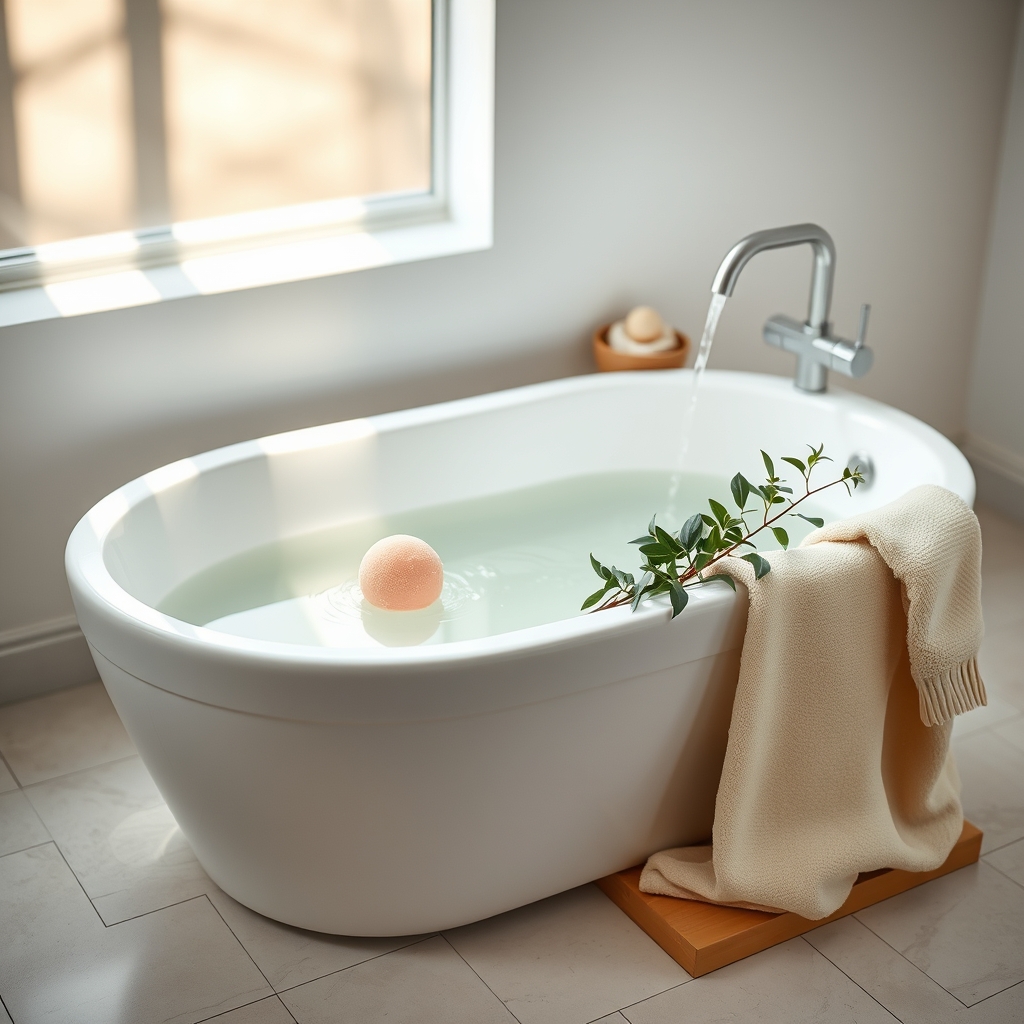
Lukewarm oatmeal or baking soda baths can offer significant relief from intense PUPPP itching.
What are the best medical treatments for PUPPP rash?
While home remedies and over-the-counter options can provide comfort, sometimes the itching from PUPPP rash is so severe that it warrants stronger medical intervention. Your healthcare provider can prescribe medications to effectively manage the inflammation and itch, allowing you to get much-needed rest and relief during the final weeks of pregnancy.
Oral antihistamines
Your doctor might recommend oral antihistamines to help reduce the itching, especially at night. Options like cetirizine (Zyrtec) or loratadine (Claritin) are generally considered safe during pregnancy. For more severe itching and sleep disruption, a sedating antihistamine like diphenhydramine (Benadryl) might be recommended for short-term evening use. Always consult your provider before taking any oral medications during pregnancy.
Topical corticosteroids
For more localized or stubborn areas of PUPPP rash, your doctor may prescribe a stronger topical corticosteroid cream or ointment than what's available over-the-counter. These creams work by reducing inflammation and suppressing the immune response in the skin. Examples include triamcinolone or clobetasol. They are applied directly to the rash. Your provider will guide you on the appropriate strength, frequency, and duration of use, as prolonged use of potent corticosteroids on large areas can sometimes lead to skin thinning or systemic absorption.
Oral corticosteroids
In cases of extremely severe and widespread PUPPP rash that doesn't respond to topical treatments or oral antihistamines, a short course of oral corticosteroids, such as prednisone, may be prescribed. Oral steroids are very effective at rapidly reducing inflammation and itching. While generally considered safe for short-term use during pregnancy, especially in the third trimester, your doctor will carefully weigh the benefits against any potential risks and monitor you closely. This is typically reserved for the most debilitating cases.
When should you consider medical treatment?
You should definitely discuss medical treatment options with your doctor if:
The itching is so severe it's disrupting your sleep and daily life.
The rash is spreading rapidly or covering a large area of your body.
Home remedies and over-the-counter options aren't providing sufficient relief.
You suspect your rash might be something other than PUPPP, especially if you see large blisters or have other concerning symptoms.
Your healthcare provider will assess your individual situation, consider your pregnancy stage, and recommend the safest and most effective treatment plan to bring you comfort. They will also ensure proper diagnosis to rule out other conditions that might require different interventions.
Comparison of PUPPP Rash Medical Treatment Options
Reduces inflammation and suppresses immune response directly on the skin.
Highly effective for localized inflammation, minimal systemic absorption with appropriate use.
Requires prescription, prolonged high-potency use can thin skin or have minimal systemic effects.
Localized, stubborn, or intensely itchy plaques.
Oral Corticosteroids (e.g., Prednisone)
Potent anti-inflammatory and immune-suppressing effects systemically.
Rapid and significant relief for severe, widespread rash.
Requires prescription, potential side effects (e.g., mood changes, blood sugar fluctuations), generally reserved for severe cases due to systemic effects.
Severe, widespread, debilitating PUPPP rash unresponsive to other treatments.
Is PUPPP rash harmful to my baby?
When you're dealing with the intense discomfort of PUPPP rash during pregnancy, it's natural to worry about how it might affect your baby. Many expectant mothers wonder, "Is this rash a sign of something wrong?" or "Could the itching harm my little one?" We can offer a strong reassurance: PUPPP rash is generally considered harmless to your baby.
No known risks to fetal health
Medical research and clinical experience consistently show that PUPPP rash does not pose any known risks to the developing fetus. It is not associated with:
Increased risk of miscarriage or premature birth.
Fetal distress or growth restrictions.
Birth defects or other congenital anomalies.
Any long-term health problems for the baby after delivery.
The rash is an inflammatory response in the mother's skin and does not affect the placenta or cross into the fetal circulation in a way that would cause harm. The American College of Obstetricians and Gynecologists (ACOG) and other major health organizations confirm that PUPPP is a benign condition with no adverse fetal outcomes.
Impact on the mother
While your baby is safe, PUPPP rash can significantly impact your well-being as the expectant mother. The primary impact is the severe discomfort and potential sleep deprivation due to the relentless itching. This can lead to:
Exhaustion: Constant itching, especially at night, can make it difficult to get restorative sleep, adding to the general fatigue of late pregnancy.
Emotional distress: Dealing with a persistent, itchy rash can be incredibly frustrating, anxious, and even depressing. It can detract from the joy and excitement of preparing for your baby's arrival.
Skin irritation and secondary infection: Constant scratching can break the skin, leading to excoriations (scratch marks) and, in rare cases, secondary bacterial infections. Keeping nails short and applying soothing agents can help prevent this.
One BumpBites reader shared, "The rash itself didn't worry me as much as the fact that I couldn't sleep. I was so worried about being too tired for labor or for taking care of my newborn." This concern is valid, and addressing the itching effectively is crucial for your physical and mental health.
Is PUPPP rash a sign of a healthy baby?
There's an old wives' tale that a severe PUPPP rash means you're carrying a healthy, robust baby. While it's true that PUPPP often occurs in pregnancies with healthy babies, there's no scientific basis to link the severity of the rash to the baby's health. It's simply a correlation rather than a causation. A PUPPP rash is not an indicator of your baby's health or vitality; your baby's health is best monitored through regular prenatal check-ups, ultrasounds, and other medical assessments.
In summary, while PUPPP rash can make your final weeks of pregnancy incredibly uncomfortable, you can rest assured that it's not harming your baby. Focusing on finding effective relief for yourself is the best course of action.
How long does PUPPP rash last after pregnancy?
One of the most common questions women with PUPPP rash ask is, "When will this finally go away?" The good news is that PUPPP rash is self-limiting and almost always resolves completely after delivery. The timeline for its disappearance can vary, but there's a clear end in sight.
Typical resolution timeline
For most women, PUPPP rash begins to improve very rapidly once the baby is born. The intense itching often subsides within a few days of delivery, and the rash itself typically clears completely within one to two weeks postpartum. The relief can be quite dramatic, with many women reporting a significant reduction in symptoms almost immediately after giving birth.
Immediately postpartum: Many women experience noticeable improvement in itching and redness within 24-48 hours after delivery.
Within 1-2 weeks postpartum: The rash usually fades completely during this period. Any remaining discoloration or slight bumps tend to resolve without scarring.
Rare prolonged cases: In a small number of cases, the rash might persist for a few weeks longer, up to a month or so, but this is uncommon. If your rash lingers significantly longer than expected, it's worth mentioning to your doctor during your postpartum check-up.
Why does it resolve after delivery?
The resolution of PUPPP rash after delivery further supports the theories linking its cause to pregnancy-specific factors, such as the stretching of the abdominal skin and hormonal changes. Once the baby is born, the abdominal skin begins to retract, and the hormonal milieu shifts dramatically. These changes likely remove the triggers for the inflammatory response, allowing the rash to subside.
One mother shared her experience: "It felt like an eternity with the itching, but the moment my baby was born, I noticed the itch was less intense. Within a week, my skin was almost clear. It was such a relief to finally feel comfortable in my own skin again." This rapid improvement is a common experience and offers a light at the end of the tunnel for those suffering.
PUPPP rash after delivery
While PUPPP typically resolves postpartum, it's worth noting that in a very small percentage of cases, PUPPP can actually *start* in the immediate postpartum period, usually within a few days of delivery. This is less common than antenatal onset but follows the same pattern of intense itching and rash. Treatment remains the same as during pregnancy, focusing on symptom relief, and it will also resolve on its own.
The certainty of resolution is a significant comfort for many women struggling with PUPPP. Knowing that the discomfort is temporary and will pass once your baby arrives can help you manage the remaining weeks with greater patience and focus on the exciting journey ahead.
PUPPP rash vs. other common pregnancy rashes: How to tell the difference
Pregnancy brings about many changes, and skin issues are common. While PUPPP rash is one of the most frequent and well-known, it's not the only rash that can appear during pregnancy. Distinguishing PUPPP from other conditions is crucial because some rashes require different treatments or indicate underlying issues. Here’s a comparison of PUPPP with other common pregnancy-related skin conditions:
1. PUPPP (Pruritic Urticarial Papules and Plaques of Pregnancy)
Appearance: Starts as small, intensely itchy red bumps (papules) within stretch marks on the abdomen, then forms larger raised plaques. May have a pale halo. Small blisters can occur.
Location: Abdomen (sparing belly button), spreads to thighs, buttocks, arms. Typically spares face, palms, soles.
Onset: Most common in late third trimester, sometimes postpartum.
Key differentiator: Intense itch, characteristic spread starting in stretch marks, no risk to fetus.
2. Prurigo of Pregnancy (PP)
Appearance: Small, intensely itchy, red bumps, often with central crusting from scratching. Can look like bug bites.
Location: Can appear anywhere, but often on extensor surfaces (arms, legs), trunk, or neck. Does NOT specifically start in stretch marks.
Onset: Can appear at any stage of pregnancy, from early to late, or even postpartum.
Key differentiator: Lesions are typically discrete, scattered papules rather than large coalescing plaques. Can appear earlier in pregnancy. Not specific to stretch marks.
3. Eczema in Pregnancy (Atopic Eruption of Pregnancy - AEP)
Appearance: Red, dry, scaly, very itchy patches. May appear as small, itchy bumps or widespread dry skin. Often seen in women with a history of eczema, asthma, or hay fever.
Location: Common on flexural surfaces (backs of knees, inside elbows), neck, face, and chest. Can be widespread.
Onset: Can occur at any time, often in early to mid-pregnancy, but can flare throughout.
Key differentiator: Often linked to a personal or family history of atopy. Skin is typically dry and scaly, and the distribution is different from PUPPP. PUPPP rash vs eczema pregnancy is a common point of confusion, but eczema often presents with more dryness and less prominent raised plaques.
Appearance: This is a more serious autoimmune blistering condition. It starts with intensely itchy red bumps and hives, often around the belly button, but rapidly progresses to large, tense blisters (bullae).
Location: Often starts around the belly button and can spread widely.
Onset: Usually in the second or third trimester, but can be earlier or postpartum.
Key differentiator: The presence of large, tense blisters is the key distinguishing feature. This condition requires prompt medical attention and can rarely be associated with preterm birth or small for gestational age babies. It's diagnosed by specific skin biopsy tests. If you see large blisters, seek medical advice immediately.
5. Cholestasis of Pregnancy (ICP)
Appearance: No visible rash. The main symptom is severe, generalized itching, often worse at night, without any primary skin lesions. Scratch marks may be present due to intense itching.
Location: Generalized, often palms and soles are particularly itchy.
Onset: Typically in the third trimester.
Key differentiator: Intense itching without a rash. This is a liver condition that needs urgent diagnosis and management as it can pose risks to the baby. Your doctor will order blood tests to check liver function and bile acid levels.
Given the similarities and differences, it's always best to have any new or persistent rash during pregnancy evaluated by your healthcare provider. They can accurately diagnose the condition and ensure you receive the appropriate care, especially if it's something more serious than PUPPP.
Can PUPPP rash occur in subsequent pregnancies?
One of the many worries for women who have experienced PUPPP rash in a previous pregnancy is whether they will have to endure it again. It's a valid concern, especially given the intense discomfort it can cause. The good news is that recurrence is less common than the initial onset, but it's not impossible.
Recurrence rates
PUPPP rash is significantly more common in first pregnancies. Estimates suggest that it recurs in about 3-5% of subsequent pregnancies. This means that while there's a small chance it could come back, the vast majority of women who had PUPPP in one pregnancy do not experience it in their next.
Factors influencing recurrence
Sex of the baby: Some studies have indicated a slightly higher risk of recurrence if the subsequent baby is male, echoing the theory that fetal cells might play a role in PUPPP development. However, this is not a definitive predictor.
Type of pregnancy: If your first PUPPP rash occurred with a multiple pregnancy (twins, triplets), and your subsequent pregnancy is also a multiple pregnancy, the risk of recurrence might be slightly higher due to the increased abdominal distension.
Severity of previous PUPPP: There's no strong evidence to suggest that the severity of your first PUPPP rash predicts its recurrence or severity in a future pregnancy.
Why is recurrence less common?
The reduced incidence of PUPPP in subsequent pregnancies further supports the idea that the "first-time stretch" of the abdominal skin plays a significant role in its development. In subsequent pregnancies, the skin and connective tissues may have already undergone stretching, making them less susceptible to the inflammatory response seen in PUPPP.
One mother shared her relief: "I had terrible PUPPP with my first son, so I was dreading it with my second. To my absolute joy, it never appeared! It was such a different, more comfortable pregnancy." This experience is common among women who have had PUPPP previously.
If you're planning another pregnancy and had PUPPP before, it's a good idea to discuss your concerns with your obstetrician. While there's no way to guarantee you won't get it again, your doctor can provide reassurance and discuss management strategies should it return. Knowing the recurrence rates can help alleviate some anxiety, allowing you to focus on the joy of your next pregnancy.
Myth vs. Fact about PUPPP Rash
With any common pregnancy condition, myths and misinformation can easily spread. It's important to separate fact from fiction when it comes to PUPPP rash so you can make informed decisions and reduce unnecessary worry.
Myth: PUPPP rash means you're having a boy.
Fact: While some studies suggest a slightly higher incidence of PUPPP in pregnancies carrying male fetuses, it is by no means a definitive indicator. PUPPP rash can occur regardless of the baby's sex, and it's not a reliable way to predict gender. The only way to confirm your baby's sex is through ultrasound or genetic testing.
Myth: PUPPP rash is a sign of an unhealthy pregnancy or something is wrong with the baby.
Fact: This is a common and understandable worry, but it's false. PUPPP rash is a benign (harmless) skin condition that poses no known risks to the health of your baby or the outcome of your pregnancy. It's an inflammatory reaction in the mother's skin, not a systemic issue affecting the fetus. Your baby's health is determined by regular prenatal care, not by the presence of a rash.
Myth: You can prevent PUPPP rash by moisturizing diligently or avoiding certain foods.
Fact: Unfortunately, there's no proven way to prevent PUPPP rash. While keeping your skin moisturized is good practice for overall skin health during pregnancy and can help with general itching, it hasn't been shown to prevent PUPPP. Similarly, no specific diet has been scientifically linked to preventing or causing PUPPP, although eating a healthy, balanced diet is always recommended for pregnancy.
Myth: PUPPP rash is contagious.
Fact: PUPPP rash is not contagious. It is an internal inflammatory response of your own body to pregnancy-related changes. You cannot spread it to other people, nor can you catch it from someone else.
PUPPP rash is harmless to your baby, though it can be incredibly uncomfortable for the mother.
Key Takeaways
PUPPP rash is an intensely itchy, but harmless, skin condition common in late pregnancy.
It typically starts on the abdomen within stretch marks and can spread to thighs, buttocks, and arms, sparing the face.
The exact cause is unknown, but theories include skin stretching and fetal cells; it's more common in first pregnancies and multiple gestations.
PUPPP poses no risk to your baby's health or the outcome of your pregnancy.
Relief can be found through home remedies like oatmeal baths, cool compresses, and soothing lotions, as well as prescribed antihistamines or topical/oral corticosteroids for severe cases.
The rash almost always resolves completely within one to two weeks after delivery.
It's important to distinguish PUPPP from other pregnancy rashes like eczema or the more serious Pemphigoid Gestationis, especially if large blisters are present.
Frequently Asked Questions about PUPPP Rash
What does PUPPP rash look like?
PUPPP rash typically appears as small, red, intensely itchy bumps (papules) that often merge into larger, raised, inflamed patches (plaques). It usually begins within stretch marks on the abdomen, often sparing the belly button area, and can spread to the thighs, buttocks, and arms. Sometimes, a pale halo surrounds the bumps, and tiny fluid-filled blisters can also occur.
What causes PUPPP rash to flare up?
The exact cause of PUPPP rash is not fully understood, but it's thought to be related to the stretching of the abdominal skin during late pregnancy. Hot temperatures, friction from tight clothing, and scratching can exacerbate the itch and make the rash appear to "flare up." While stress doesn't cause PUPPP, it can certainly worsen the perception of itching.
How do you stop PUPPP rash from spreading?
You can't fully stop PUPPP rash from spreading once it starts, as it's an internal inflammatory process. However, you can manage the symptoms and prevent it from worsening. Avoid scratching, wear loose and breathable clothing, keep your skin cool, and use soothing topical treatments like calamine lotion or prescribed corticosteroid creams. These measures help control inflammation and reduce the urge to scratch, which can irritate the rash further.
What is the fastest way to get rid of PUPPP rash?
The fastest way to get rid of PUPPP rash is to deliver your baby, as it almost always resolves completely within one to two weeks postpartum. During pregnancy, there's no "cure," but medical treatments like oral corticosteroids can provide rapid and significant relief for severe cases. For milder cases, a combination of prescribed topical corticosteroids, oral antihistamines, and consistent home remedies can effectively manage symptoms and offer significant comfort quickly.
Is PUPPP rash a sign of a healthy baby?
No, PUPPP rash is not a sign of a healthy baby. While it's a benign condition and typically occurs in healthy pregnancies, there is no scientific evidence to suggest that the presence or severity of PUPPP rash correlates with your baby's health or vitality. Your baby's health is monitored through standard prenatal care, not by skin rashes.
Can PUPPP rash appear on face?
No, PUPPP rash typically does not appear on the face. One of its distinguishing characteristics is that it usually spares the face, palms of the hands, and soles of the feet. If you have a rash on your face during pregnancy, it is highly unlikely to be PUPPP and should be evaluated by your doctor to determine its actual cause.
When to see a doctor or specialist
While PUPPP rash is generally harmless, it's always wise to consult your healthcare provider for any new or concerning rash during pregnancy. Your obstetrician or midwife is the best person to diagnose your condition and rule out other, potentially more serious, pregnancy-related skin issues. You should definitely see your doctor if:
You develop any new rash during pregnancy, especially if it's intensely itchy or spreading rapidly.
You notice large blisters forming on your skin. This is a key symptom of Pemphigoid Gestationis, a rarer but more serious condition that requires immediate medical attention.
The itching is so severe that it interferes with your sleep, daily activities, or causes significant distress.
Home remedies and over-the-counter treatments are not providing adequate relief.
You experience generalized itching without a visible rash, particularly on your palms and soles. This could be a symptom of Cholestasis of Pregnancy, a liver condition that needs urgent diagnosis and management to protect your baby.
You develop any signs of infection in the scratched areas, such as increased redness, warmth, swelling, or pus.
Your doctor can accurately diagnose your rash, prescribe appropriate and safe medications if needed, and offer reassurance. Remember, this article is for informational purposes only and is not a substitute for professional medical advice, diagnosis, or treatment. Always seek the advice of your physician or other qualified health provider with any questions you may have regarding a medical condition.
References
American College of Obstetricians and Gynecologists (ACOG). FAQs: Skin Conditions During Pregnancy.
Mayo Clinic. PUPPP Rash.
American Academy of Dermatology Association (AAD). Eczema in Adults: Diagnosis and Treatment.
Cleveland Clinic. Pruritic Urticarial Papules and Plaques of Pregnancy (PUPPP).
Murase, J. E., & Kjellberg, R. P. (2018). Pruritic Urticarial Papules and Plaques of Pregnancy (PUPPP). In Pregnancy and Dermatology (pp. 53-58). Springer, Cham.
Wong, R. C., & Ellis, C. N. (1984). Pruritic urticarial papules and plaques of pregnancy. Journal of the American Academy of Dermatology, 10(4), 621-625.
Not sure about the label on Pupps Rash Pregnancy products?
Snap the ingredients list and SafeFilter checks every ingredient for your stage — only 3 free scans this month, then you're locked until reset. Unlimited from $7/mo or lock $50/yr through Aug 31 (16 days left).
When Shubhra Mishra was expecting her first child in 2016, she was overwhelmed by conflicting food advice — one site said yes, another said never. By the time her second baby arrived in 2019, she realized millions of mothers face the same confusion.
That sparked a five-year journey through clinical nutrition papers, cultural diets, and expert conversations — all leading to BumpBites: a calm, compassionate space where science meets everyday motherhood.
Her long-term vision is to build a global community ensuring safe, supported, and free deliveriesfor every mother — because no woman should face pregnancy alone or uninformed. 🌿
🌍 Stand with mothers, shape safer guidance
Join a small circle of experts who review BumpBites articles so expecting parents everywhere can decide with confidence.