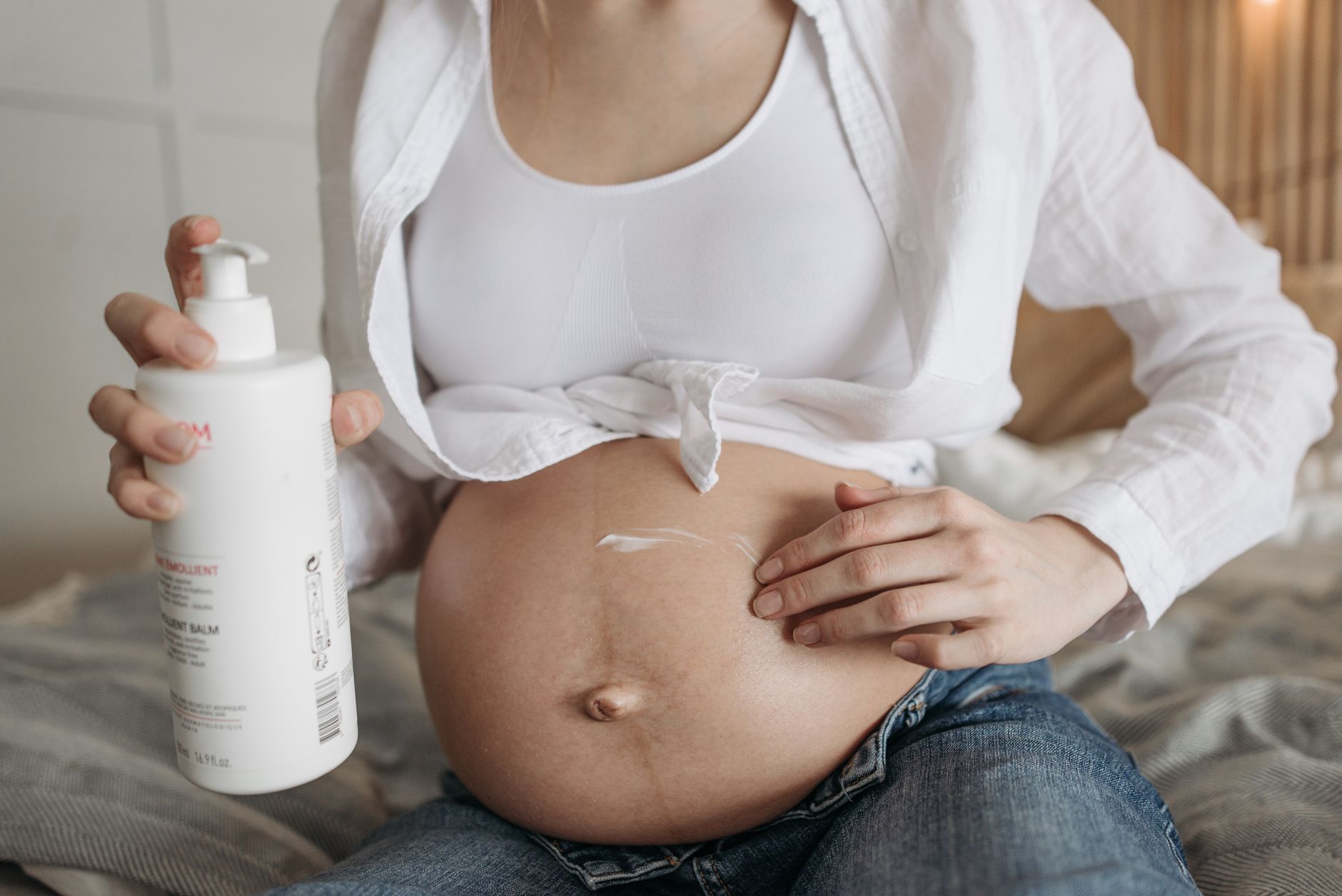
Prurigo of pregnancy is a harmless itchy rash that appears during the third trimester; it usually clears after delivery. Learn its causes, symptoms, and safe treatments in this concise guide.
By Shubhra Mishra — a mom of two who turned her own confusion during pregnancy into BumpBites, a global mission to make food choices clear, safe, and stress-free for every expecting mother. 💛
Check whether any food is safe during pregnancy with the BumpBites Food Safety Checker.
Quick take: Prurigo of pregnancy is a harmless, itchy skin rash that usually appears in the second half of pregnancy, often in the third trimester. It does not harm the baby, and most women see the bumps fade within weeks after delivery. Gentle skin care, topical anti‑itch medicines approved for pregnancy, and, if needed, short‑course oral steroids can keep symptoms manageable.
It’s 2 a.m., you’re curled up on the couch, and the sudden onset of tiny, red bumps on your arms makes you wonder if something’s wrong with the baby. You’ve heard the term “prurigo of pregnancy” tossed around in a forum, but you’re not sure what it means, whether it’s dangerous, or how to soothe the relentless itch.
First, take a breath. Prurigo of pregnancy is a relatively common, pregnancy‑related rash that, while uncomfortable, is not a threat to the fetus. In this guide we’ll explain what it looks like, how doctors confirm the diagnosis, which treatments are safe at each stage of pregnancy, and what you can do at home to calm the itching. We’ll also compare prurigo with other pregnancy rashes, discuss how long it usually lasts after birth, and answer the most common questions that new‑and‑expecting parents have.
By the end of this article you’ll have a clear roadmap: you’ll know the signs to watch for, when to reach out to a dermatologist, which over‑the‑counter or prescription options are pregnancy‑friendly, and how to protect your skin while protecting your baby.
What are the symptoms and signs of prurigo of pregnancy?
Prurigo of pregnancy (sometimes called “pruritic papular eruption of pregnancy”) typically appears after the 20th week, with a peak incidence in the third trimester. The hallmark is an intensely itchy rash that starts as small, firm papules—about 2–5 mm in diameter—often grouped together. These bumps are usually pink to red, may become crusted if scratched, and can develop a central punctum that looks like a tiny “head” of a pimple.
Common locations include the abdomen (especially the lower belly), thighs, arms, and occasionally the neck or back. The rash is usually symmetric, meaning it shows up on both sides of the body. The itch can be constant or flare up at night, making sleep difficult. Some women describe a “crawling” sensation, similar to that of eczema or allergic dermatitis.
While the rash itself is benign, the intense scratching can lead to secondary infection, skin thickening (lichenification), or post‑inflammatory hyperpigmentation. It’s also not unusual for the lesions to be mistaken for insect bites, especially when they appear on exposed areas like the forearms.
Risk factors include a personal or family history of atopic dermatitis, a prior episode of prurigo in an earlier pregnancy, and, to a lesser extent, higher maternal age. Hormonal shifts—particularly rising estrogen and progesterone—are thought to alter skin barrier function and immune response, triggering the rash.
Clinicians often grade the severity of prurigo using a visual analogue scale for itch intensity and the percentage of body surface involved. Mild cases may stay under 10 % of the skin, while severe presentations can exceed 30 % and require more aggressive therapy.
Typical prurigo papules are pink, firm, and intensely itchy.
How is prurigo of pregnancy diagnosed by doctors?
D
iagnosis begins with a thorough skin examination. Your obstetrician or dermatologist will ask about the timing of the rash, any previous skin conditions, and whether you’ve experienced similar symptoms in past pregnancies. They’ll look for the classic papular lesions, distribution pattern, and the presence of excoriations from scratching.
Because prurigo can resemble other rashes, doctors may perform a skin scrape or a punch biopsy in uncertain cases. A biopsy removes a tiny piece of skin—usually less than 4 mm—so it can be examined under a microscope. Histology typically shows a mixed inflammatory infiltrate with eosinophils, which helps differentiate prurigo from conditions like PUPPP (pruritic urticarial papules and plaques of pregnancy) or cholestasis, where the rash is more urticarial or absent.
Laboratory tests are not routinely required, but a basic blood panel may be ordered to rule out liver dysfunction (elevated bile acids) if cholestasis is suspected, or to check platelet counts if preeclampsia is a concern. It’s worth noting that prurigo itself is not a sign of preeclampsia, though both can cause itching; the key difference is that preeclampsia presents with high blood pressure, proteinuria, and systemic symptoms.
Dermatoscopy—magnified visual inspection of the skin—can also aid diagnosis by highlighting the papular architecture without invasive testing. A detailed patient history, especially noting previous episodes of atopic dermatitis, helps clinicians narrow the differential.
When the visual clues and, if needed, a small biopsy point to prurigo, the diagnosis is usually confirmed without further testing. A dermatologist can provide additional guidance, especially if the rash is severe or does not respond to first‑line treatments.
What treatment options are safe for prurigo of pregnancy during each trimester?
Because the itch can be relentless, treatment focuses on symptom relief while keeping both mother and baby safe. The safety profile of medications varies by trimester, so it’s helpful to know what’s recommended at each stage.
First trimester
Topical corticosteroids: Low‑ to medium‑potency steroids such as hydrocortisone 1 % or betamethasone valerate 0.05 % are considered safe. Apply a thin layer to affected areas twice daily.
Moisturizers: Thick, fragrance‑free ointments (e.g., petrolatum, lanolin‑free creams) restore barrier function and reduce itch.
Antihistamines: Non‑sedating options like loratadine or cetirizine are generally regarded as low risk, while diphenhydramine can be used at night for sleep.
Second trimester
Prescription topical steroids: If low potency isn’t enough, a medium‑strength steroid (e.g., triamcinolone acetonide 0.1 %) may be prescribed for short periods (≤2 weeks).
Topical calcineurin inhibitors: Tacrolimus 0.03 % or pimecrolimus 1 % can be used on sensitive areas (face, neck) where steroids are discouraged. They have minimal systemic absorption.
Phototherapy: Narrow‑band UVB may be considered for widespread disease, under dermatology supervision.
Third trimester
Oral corticosteroids: A short course of prednisone (≤20 mg daily) for 1–2 weeks can dramatically reduce itch when topical therapy fails. This is used sparingly because higher doses may increase the risk of gestational diabetes or hypertension.
Systemic antihistamines: Continue low‑dose cetirizine if needed; avoid first‑generation sedating antihistamines if you need to stay alert.
Adjuncts: Wet‑wrap therapy (a damp layer of gauze followed by a dry one) can provide immediate relief for severe itching.
Across all trimesters, the principle is “the lowest effective potency for the shortest time.” Your provider will weigh the severity of prurigo against any potential medication risks, and most women find adequate relief with topical agents alone.
Both the FDA and NICE (National Institute for Health and Care Excellence) classify these topical agents as Category B (no evidence of risk in human studies) for pregnancy, reinforcing their safety when used as directed.
Can prurigo of pregnancy affect the baby or cause complications?
Extensive research from organizations such as the American College of Obstetricians and Gynecologists (ACOG) and the Royal College of Obstetricians and Gynaecologists (RCOG) confirms that prurigo of pregnancy does not directly harm the fetus. There is no increased risk of preterm birth, low birth weight, or congenital anomalies linked to the rash itself.
The main concern is indirect: severe itching can disrupt sleep, leading to fatigue, mood changes, or heightened stress, which in turn can affect overall pregnancy wellbeing. In rare cases, if the skin becomes secondarily infected, systemic infection could pose a risk, but this is preventable with good skin hygiene and prompt treatment of any broken lesions.
Because prurigo is not associated with abnormal liver function, bile acid levels remain normal, and there is no need for fetal monitoring beyond standard obstetric care. However, if you notice new symptoms—such as jaundice, dark urine, or severe abdominal pain—those could signal intrahepatic cholestasis of pregnancy, a different condition that does require closer fetal surveillance.
Placental transfer studies of corticosteroids show minimal systemic exposure when low‑potency topical formulations are used, providing reassurance that the baby’s development is not compromised.
How long does prurigo of pregnancy usually last after delivery?
For most women, prurigo resolves spontaneously within 2–6 weeks postpartum. The hormonal surge that accompanies delivery—particularly the rapid drop in estrogen and progesterone—helps the rash subside. In a small minority (about 5–10 % of cases), lesions may linger for up to three months, gradually fading as the skin recovers.
Post‑partum treatment mirrors the antenatal approach. Low‑potency topical steroids and moisturizers remain first‑line, and short courses of oral prednisone may be used if itching persists. Since the baby is no longer in utero, clinicians can sometimes use slightly higher‑potency steroids if needed, but they still aim for the minimal effective dose.
Women who have experienced prurigo in a previous pregnancy often report that the rash returns more quickly in subsequent pregnancies, sometimes even earlier in the second trimester. Knowing this pattern allows you to start preventive skin care early—regular moisturization and avoidance of known irritants.
Breastfeeding does not appear to worsen prurigo, and most topical treatments are considered safe for lactation. Nevertheless, discuss any medication you plan to continue while nursing with your provider.
Consistent moisturization can lessen itching and help lesions heal faster.
What home remedies and skincare tips help relieve prurigo of pregnancy itching?
While medical treatment is often necessary, many women find significant relief with simple at‑home strategies. Below are evidence‑based, pregnancy‑friendly options that you can start tonight.
Cool compresses: Apply a clean, cool (not icy) damp cloth to itchy spots for 10–15 minutes, several times a day. The temperature drop reduces nerve firing and eases the urge to scratch.
Oatmeal baths: Adding colloidal oatmeal (e.g., Aveeno) to a lukewarm bath for 15–20 minutes soothes the skin and provides anti‑inflammatory benefits.
Moisturizing routine: Use fragrance‑free, hypoallergenic creams or ointments immediately after bathing while the skin is still damp. Look for ingredients like ceramides, hyaluronic acid, and shea butter.
Dietary considerations: Some women notice flare‑ups after consuming foods high in histamine (aged cheese, fermented soy, alcohol). Keeping a food diary can help identify personal triggers, though evidence is limited.
Stress reduction: Techniques such as deep breathing, prenatal yoga, or short walks can lower cortisol levels, which may indirectly calm skin inflammation.
It’s also advisable to avoid hot showers, harsh soaps, and synthetic fabrics that can irritate the rash. Cotton clothing, gentle detergents, and breathable nightwear create a less hostile environment for your skin.
While some natural products like aloe vera gel are soothing, choose those without added fragrances or alcohol. Essential oils, even in diluted form, are best avoided because they can cause sensitization during pregnancy.
How does prurigo of pregnancy differ from other pregnancy rashes like PUPPP and cholestasis?
Understanding the distinctions helps you and your provider choose the right treatment. Below is a quick comparison:
Condition
Typical Onset
Lesion Appearance
Primary Symptom
Key Diagnostic Clues
Potential Fetal Impact
Prurigo of pregnancy
20–36 weeks (most common third trimester)
Papular, pink‑red, firm nodules; may crust
Intense itch, often worse at night
Symmetric papules on abdomen, thighs, arms; biopsy shows eosinophils
None known; rash is benign
PUPPP (pruritic urticarial papules & plaques)
28–34 weeks, usually first pregnancy
Large, erythematous plaques with papules; often stretch‑mark‑like
Severe itch, sometimes burning
Begins in stretch marks, spares face; no biopsy usually needed
No direct fetal risk; rare association with preterm labor
Intrahepatic cholestasis of pregnancy (ICP)
Second to third trimester
Usually no rash; may have mild erythema
Intense itching on palms and soles, no rash
Elevated serum bile acids, jaundice, dark urine
Increased risk of preterm birth, fetal distress
Atopic dermatitis in pregnancy
Can flare any time; history of eczema
Dry, scaly patches; may become lichenified
Chronic itch, often on flexural surfaces
Personal atopic history, chronic course; may need patch testing
Generally none; skin barrier issues can affect comfort
Key takeaways: prurigo produces distinct papules, whereas PUPPP gives larger plaques, and cholestasis is characterized by itch without visible rash but with abnormal liver labs. Atopic dermatitis tends to be chronic and may pre‑exist pregnancy, while prurigo is pregnancy‑specific.
When should you see a dermatologist for prurigo of pregnancy?
Most obstetricians can manage mild to moderate prurigo with topical steroids and moisturizers. However, a dermatologist’s expertise becomes important if:
The rash spreads rapidly or covers more than 30 % of the body surface.
Standard treatments fail after two weeks of consistent use.
There are signs of secondary infection—pus, increasing redness, or fever.
You have a personal history of severe eczema or psoriasis that may complicate the presentation.
Dermatologists can offer advanced options such as phototherapy, stronger prescription steroids, or tailored skin‑care regimens that minimize fetal exposure while delivering rapid relief.
In some health systems, a joint obstetric‑dermatology clinic streamlines care, allowing both specialists to coordinate treatment plans and monitor any potential impact on pregnancy.
What about recurrence in future pregnancies?
Studies indicate that women who have experienced prurigo once have a 30–50 % chance of having it again in a subsequent pregnancy. Recurrences often appear earlier—sometimes as early as 16 weeks—and may be milder if preventive skin care is started early. Keeping a skin diary, maintaining a robust moisturization routine from the first trimester, and discussing a proactive treatment plan with your provider before symptoms arise can reduce the severity of a repeat episode.
Some clinicians recommend a pre‑emptive low‑dose topical steroid applied to high‑risk areas (such as the abdomen) beginning at 12 weeks, especially for women with a strong personal history. This strategy has been highlighted in recent BAD (British Association of Dermatologists) guidance as a safe, low‑risk approach.
From our medical team: Prurigo of pregnancy is a skin condition you can manage safely with the right combination of gentle skincare, targeted topical medications, and, when necessary, short courses of oral steroids. It’s not a warning sign for your baby’s health, but persistent itching deserves attention—especially if the rash becomes infected or you develop systemic symptoms. Always keep your obstetrician in the loop, and feel free to ask for a dermatology referral if the rash isn’t responding to first‑line care.
Can natural remedies like aloe vera or coconut oil be used safely?
Many expectant mothers wonder whether soothing natural products can replace prescription creams. Aloe vera gel (pure, without added fragrance or alcohol) can provide temporary cooling relief, but it does not address the underlying inflammation. Coconut oil is an excellent moisturizer for dry skin, yet it may be comedogenic for some people and does not have anti‑inflammatory properties.
Both aloe and coconut oil are listed as low‑risk by the FDA for topical use in pregnancy, provided they are pure and applied in thin layers. They can be used as adjuncts to prescribed therapy, but they should not replace corticosteroids or antihistamines when those are needed. Always patch‑test a small area first to ensure you don’t develop a new irritation.
How to monitor and track prurigo during pregnancy?
Keeping a simple log helps you and your provider see patterns and adjust treatment promptly. Record the date, location of new lesions, itch intensity on a 0‑10 scale, any new triggers (foods, stress, weather changes), and any over‑the‑counter products you’ve tried. Photographs taken in consistent lighting can also be valuable for visual comparison over weeks.
Several pregnancy‑tracking apps now include skin‑health modules where you can upload images and notes. Sharing this information at prenatal visits allows your obstetrician to gauge whether the rash is progressing, stabilizing, or responding to therapy, and to decide when a dermatology referral is warranted.
What is the impact of prurigo on mental health and coping strategies?
Chronic itch can be emotionally draining, especially when it disrupts sleep or draws unwanted attention. Studies from the NHS highlight a higher incidence of anxiety and depressive symptoms in pregnant women dealing with persistent skin conditions. Acknowledging these feelings and seeking support is essential.
Mind‑body techniques such as guided meditation, prenatal yoga, or gentle stretching can lower cortisol levels and reduce perceived itch intensity. Connecting with online support groups for “pregnancy skin rashes” can also provide reassurance—knowing you’re not alone often eases the emotional burden.
If you notice persistent low mood, talk therapy, or a brief course of prenatal‑safe antidepressants (e.g., sertraline, as approved by ACOG) may be discussed with your provider. Addressing mental health proactively improves overall pregnancy wellbeing and can indirectly lessen skin flare‑ups.
Myth vs. fact
Myth: Prurigo of pregnancy signals a serious complication like preeclampsia.
Fact: Prurigo is a benign skin rash. Preeclampsia involves high blood pressure, proteinuria, and systemic signs, none of which are caused by prurigo.
Myth: Steroid creams are unsafe for the baby.
Fact: Low‑ to medium‑potency topical steroids are considered safe throughout pregnancy. They act locally and have minimal systemic absorption.
Myth: You must stop all itching to protect the baby.
Fact: While scratching can cause skin infections, it’s the itch itself—not the rash—that’s harmless. Managing itch with moisturizers and safe medications is the goal.
Key takeaways
Prurigo of pregnancy appears after 20 weeks as itchy pink papules, most often on the abdomen and thighs.
Diagnosis relies on visual exam; a biopsy is only needed if the rash looks atypical.
Topical hydrocortisone, moisturizers, and antihistamines are first‑line, with short oral steroid courses reserved for severe cases.
The condition does not harm the baby, and most rashes fade within weeks after delivery.
Cool compresses, oatmeal baths, and fragrance‑free moisturizers provide effective at‑home relief.
Seek a dermatologist if the rash spreads rapidly, doesn’t improve with treatment, or shows signs of infection.
Tracking lesions and itch intensity helps you and your provider adjust therapy promptly.
Mind‑body strategies and support groups can mitigate the emotional impact of chronic itch.
Frequently asked questions
Is prurigo of pregnancy dangerous for the baby?
No. Current evidence from ACOG and the NHS states that prurigo does not affect fetal growth, cause preterm labor, or lead to congenital issues. The rash is purely a skin reaction to pregnancy hormones.
Can I use steroid creams for prurigo of pregnancy?
Yes. Low‑ to medium‑strength topical steroids such as hydrocortisone 1 % or triamcinolone 0.1 % are safe throughout pregnancy and help control inflammation and itch.
How soon after delivery does prurigo of pregnancy improve?
Most women notice a reduction in itching within 2–3 weeks postpartum, with complete resolution by six weeks. A small minority may experience lingering papules for up to three months.
Are there any foods that trigger prurigo of pregnancy?
Research is limited, but some women report flare‑ups after high‑histamine foods such as aged cheeses, fermented soy, and alcoholic beverages. Keeping a food‑symptom diary can help identify personal triggers.
Do I need a biopsy to confirm prurigo of pregnancy?
Usually not. A clinical exam is sufficient in classic cases. A skin biopsy is reserved for atypical lesions or when the diagnosis is uncertain, to rule out other dermatoses.
Can prurigo of pregnancy recur in later pregnancies?
Yes. Recurrence rates range from 30 % to 50 %. Prior episodes often reappear earlier in subsequent pregnancies, so early skin‑care and prompt treatment are advisable.
Is it safe to breastfeed while using topical steroids for prurigo?
Most low‑ to medium‑potency topical steroids have minimal systemic absorption and are considered compatible with breastfeeding by the FDA and WHO. Apply only to the skin, avoid the nipple area, and wash hands thoroughly after use.
Does vitamin D deficiency play a role in prurigo of pregnancy?
Some observational studies suggest low vitamin D levels may correlate with increased skin inflammation, but there is no direct causal evidence. Maintaining adequate vitamin D through safe sunlight exposure, diet, or prenatal supplements (as recommended by your provider) is a reasonable precaution.
When to call your doctor
If you notice any of the following, contact your obstetrician or midwife right away: spreading redness, swelling, or warmth suggesting infection; fever over 100.4 °F (38 °C); new yellowing of the skin or eyes (jaundice); severe abdominal pain; or a sudden rise in blood pressure. This article provides general information and is not a substitute for personalized medical advice.
References
American College of Obstetricians and Gynecologists (ACOG). “Skin Changes in Pregnancy.” Practice Bulletin No. 215, 2022.
Royal College of Obstetricians and Gynaecologists (RCOG). “Management of Pruritic Skin Conditions in Pregnancy.” Green‑top Guideline No. 63, 2021.
National Health Service (NHS). “Pruritic Papular Eruption of Pregnancy (Prurigo).” Updated 2023.
Mayo Clinic. “Prurigo of Pregnancy.” Patient Education, accessed July 2026.
Centers for Disease Control and Prevention (CDC). “Pregnancy‑Related Skin Conditions.” 2022.
British Association of Dermatologists (BAD). “Guidelines for the Treatment of Prurigo in Pregnancy.” 2021.
World Health Organization (WHO). “Maternal Health: Skin Manifestations.” 2022.
Food and Drug Administration (FDA). “Topical Corticosteroid Use in Pregnancy.” Safety Review, 2021.
National Institute for Health and Care Excellence (NICE). “Skin Care in Pregnancy.” Clinical Guideline NG123, 2020.
Not sure about the label on Prurigo Of Pregnancy Understanding This Skin Condition products?
Snap the ingredients list and SafeFilter checks every ingredient for your stage — only 3 free scans this month, then you're locked until reset. Unlimited from $7/mo or $50/yr.
When Shubhra Mishra was expecting her first child in 2016, she was overwhelmed by conflicting food advice — one site said yes, another said never. By the time her second baby arrived in 2019, she realized millions of mothers face the same confusion.
That sparked a five-year journey through clinical nutrition papers, cultural diets, and expert conversations — all leading to BumpBites: a calm, compassionate space where science meets everyday motherhood.
Her long-term vision is to build a global community ensuring safe, supported, and free deliveriesfor every mother — because no woman should face pregnancy alone or uninformed. 🌿
🌍 Stand with mothers, shape safer guidance
Join a small circle of experts who review BumpBites articles so expecting parents everywhere can decide with confidence.