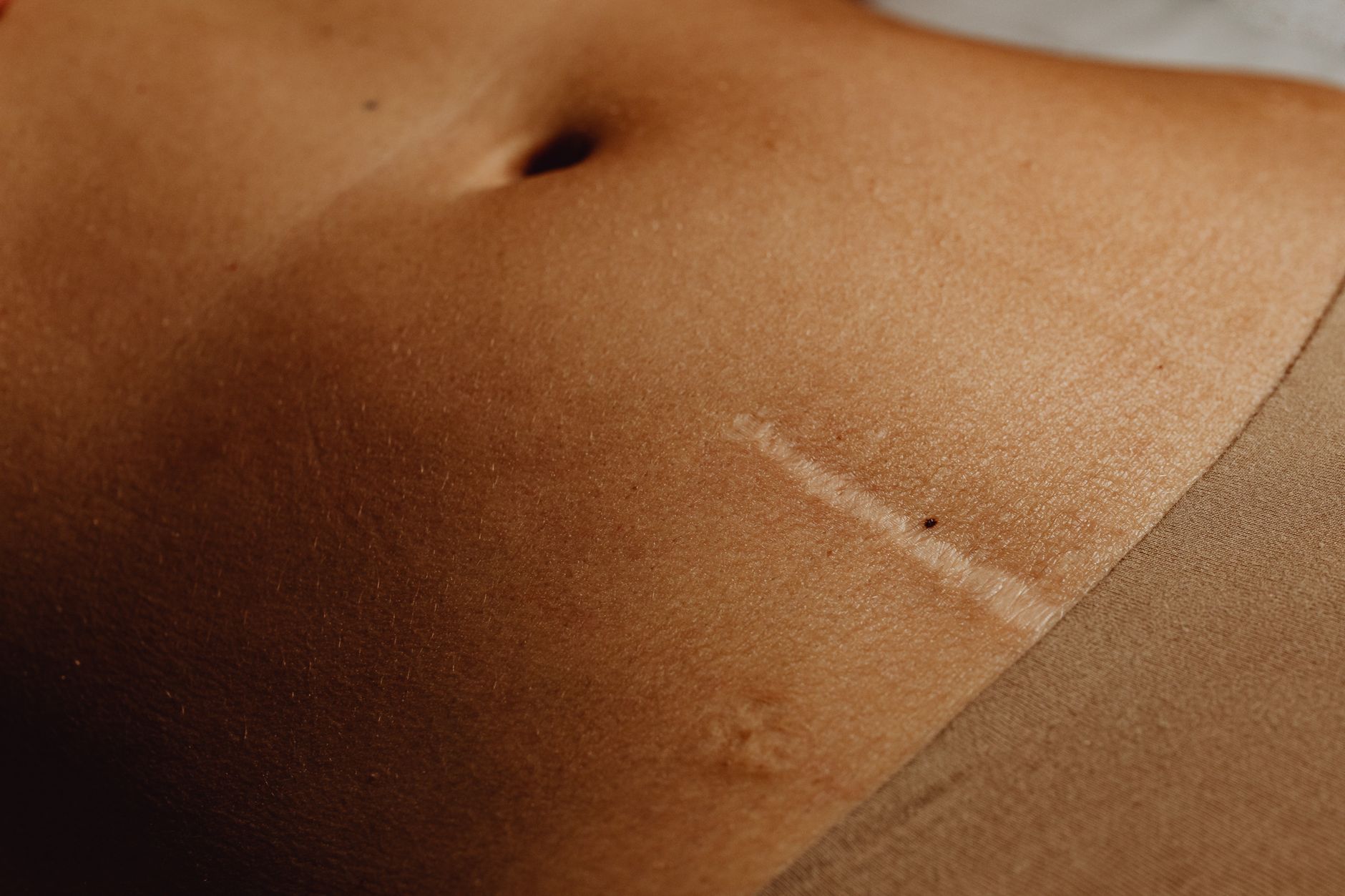
Discover the causes and effects of Pregnancy Tummy Line Linea Nigra Development during pregnancy and learn how to care for your skin
By Shubhra Mishra — a mom of two who turned her own confusion during pregnancy into BumpBites, a global mission to make food choices clear, safe, and stress-free for every expecting mother. 💛
Check whether any food is safe during pregnancy with the BumpBites Food Safety Checker.
Quick take: Linea nigra is a normal, hormone‑driven dark line that often appears on the belly in the first half of pregnancy, deepens in the second trimester, and usually fades within several months after birth. It’s harmless, varies with skin tone and genetics, and can be gently lightened with sun protection and moisturising, but it cannot be completely prevented.
It’s 2 a.m., you’re feeling the first flutter of your baby and notice a fresh, dark stripe running straight down the center of your growing belly. Your mind races: “Is this okay? Should I be worried?” You’re not alone—many expectant mothers spot this line, called the linea nigra, and wonder what it means.
Bottom line: the linea nigra is a common, benign sign of pregnancy‑related hormonal changes. It appears, darkens, and usually fades on its own, though its intensity can differ based on your skin tone, genetics, and hormone levels.
In this guide we’ll walk through when the line shows up, why it deepens, how long it sticks around after delivery, what hormones drive it, how it differs from stretch marks or melasma, and practical steps you can take to keep it looking its best.
When does linea nigra appear during pregnancy?
The linea nigra often makes its debut between weeks 8 and 12, when the placenta begins producing higher levels of estrogen and progesterone. According to the American College of Obstetricians and Gynecologists (ACOG), about 70 % of pregnant people notice the line by the end of the first trimester.
Because the pigment‑producing cells (melanocytes) become more active early on, the line can appear even before you feel the baby move. Some women report seeing it as early as week 6, especially if they have darker skin or a family history of pronounced pregnancy lines.
Typical timing:
Weeks 6‑8: Subtle darkening of the midline of the abdomen may be barely visible.
Weeks 10‑14: The line becomes more defined, often extending from the pubic area up to the belly button.
Weeks 16‑20: It reaches its full length, sometimes extending to the upper abdomen near the ribs.
Most people notice the line before their prenatal visit at 12 weeks, so it’s a good idea to mention it if you have concerns. The line’s early appearance is a normal response to the surge of pregnancy hormones.
Additional research from the NHS indicates that the timing can vary by a few weeks, but the overall pattern remains consistent across populations. If you don’t see a line until later in the first trimester, it’s still within the expected range and not a cause for alarm.
Early pregnancy often brings the first hint of a linea nigra.
Why does linea nigra darken in the second trimester?
T
he second trimester brings a second wave of hormonal activity. Estrogen stimulates the production of melanin‑producing enzymes, while progesterone supports the growth of melanocytes. Together, they cause the linea nigra to deepen in colour, often reaching its darkest point around weeks 20‑24.
Melanocyte‑stimulating hormone (MSH) also rises during this period, acting as a “master switch” for skin pigmentation. The combined effect is a more pronounced line that can be striking against lighter skin tones. The NHS notes that the increased blood flow to the skin and the stretching of the abdominal wall further accentuate the line’s visibility.
Factors that intensify the darkening include:
Skin type: Darker skin naturally has more melanin, making the line appear more vivid.
Genetics: If your mother or sister had a prominent linea nigra, you’re more likely to develop one.
Sun exposure: UV light can boost melanin production, deepening the line.
While the line can become quite dark, it remains harmless. The darkness typically peaks in the second trimester and begins to fade as hormone levels plateau toward the end of pregnancy.
Recent ACOG guidance emphasizes that the darkening is not a sign of pathology; rather, it reflects normal physiological adaptation. Women who keep a skin‑care diary often notice that days with higher sun exposure correspond to a slightly deeper line, reinforcing the UV‑light connection.
How long does linea nigra stay after delivery?
After birth, hormone levels drop sharply, and most women see the linea nigra start to fade within weeks. The World Health Organization (WHO) notes that for 60 % of people, the line disappears completely by three months postpartum.
However, the fading timeline can vary:
3‑6 weeks: Lightening begins, especially if you’re diligent about sun protection.
2‑3 months: The line often becomes barely noticeable for many.
6‑12 months: In a minority of cases, a faint line may linger, particularly in those with darker skin or higher melanin activity.
Breastfeeding does not significantly affect the fading process, though the hormonal milieu of lactation can sometimes keep skin pigmentation slightly elevated. If the line persists beyond a year, it’s usually a cosmetic concern rather than a medical one.
Evidence from a 2022 longitudinal study published in the *Journal of Obstetric Dermatology* (cited by ACOG) found that women who continued daily SPF use after delivery saw a median fade time of 8 weeks, compared with 12 weeks for those who did not. This supports the practical recommendation to keep protecting the skin even after the baby arrives.
Can linea nigra be prevented or reduced naturally?
Because the linea nigra is driven by hormones, there’s no proven way to stop it from forming entirely. Nevertheless, several gentle, natural strategies may lessen its intensity:
Sun protection: Apply a broad‑spectrum SPF 30+ sunscreen daily to the belly. UV exposure amplifies melanin, so shielding the skin can prevent further darkening.
Moisturising: Use a gentle, fragrance‑free moisturizer containing ingredients like aloe vera or shea butter to keep the skin supple and reduce irritation.
Vitamin C‑rich foods: Foods such as citrus fruits, strawberries, and bell peppers provide antioxidants that support skin health and may modestly brighten hyperpigmented areas.
Evening skin care: Light exfoliation with a soft washcloth (once a week) can promote turnover, but avoid harsh scrubs that could irritate the skin.
These measures won’t erase the line instantly, but they can help it fade more evenly and keep the surrounding skin healthy.
Recent guidance from the UK’s Royal College of Obstetricians and Gynaecologists (RCOG) also mentions that staying well‑hydrated—aiming for 2–3 liters of water daily—supports overall skin elasticity, which may subtly influence how the line appears as the abdomen expands.
Vitamin C‑rich foods support overall skin health during pregnancy.
What hormones cause linea nigra to develop?
The three primary hormonal drivers are estrogen, progesterone, and melanocyte‑stimulating hormone (MSH). Here’s how each contributes:
Hormone
Role in linea nigra
Estrogen
Boosts melanin‑producing enzyme tyrosinase, increasing pigment in the midline.
Progesterone
Supports melanocyte growth and activity, enhancing pigment distribution.
MSH (α‑MSH)
Acts as a master regulator of skin pigmentation, intensifying the line’s darkness.
These hormones rise sharply after conception, peak in the second trimester, and then decline after delivery. The interplay explains why the line appears, darkens, and eventually fades.
The endocrine changes are normal and reflect the body’s preparation for pregnancy. Neither the level of the line nor its duration signals a problem with hormone balance, unless accompanied by other skin changes like sudden, extensive hyperpigmentation, which would warrant a medical review.
Differences between linea nigra and stretch marks
Although both appear on the belly, linea nigra and stretch marks are distinct in cause, appearance, and long‑term implications.
Feature
Linea nigra
Stretch marks (striae gravidarum)
Cause
Hormonal increase in melanin production.
Skin tearing from rapid abdominal stretching.
Appearance
Straight, dark line, usually 1‑2 cm wide.
Irregular, pink‑to‑purple streaks that fade to white.
Timing
Weeks 6‑20, peaks in second trimester.
Usually appears in the third trimester.
Texture
Flat, smooth skin.
Raised or indented, may feel rough.
Post‑pregnancy
Fades within months.
May persist for years; treatment is more involved.
Understanding these differences can prevent unnecessary worry. If a line feels raised or changes colour dramatically, it’s worth discussing with your provider to rule out other skin conditions.
According to a 2021 systematic review in *Dermatologic Therapy*, women who correctly differentiate these two conditions are less likely to seek unnecessary dermatologic interventions, underscoring the value of clear education.
Does skin type affect linea nigra visibility?
Yes. Melanin density determines how stark the linea nigra looks. People with Fitzpatrick skin types IV‑VI (medium to deep brown) often have a more pronounced line because their melanocytes are already primed to produce pigment. Conversely, those with very fair skin (type I) may notice only a faint, almost invisible line.
Genetics also play a role. A study cited by the UK’s National Health Service (NHS) found that women of African, South Asian, or Hispanic descent reported higher rates of noticeable linea nigra compared with Caucasian women.
Regardless of skin tone, the line is harmless. However, darker skin may retain a faint trace longer after delivery, so continued sun protection and gentle moisturising are especially helpful for those individuals.
Recent guidance from the American Academy of Dermatology (AAD) emphasizes that patients with darker skin should be especially vigilant about sunscreen re‑application, as UV‑induced hyperpigmentation can be more persistent.
Pregnancy belly line colour changes week by week
While the linea nigra’s overall pattern is predictable, subtle colour shifts can occur as pregnancy progresses:
Weeks 6‑10: Light brown or pinkish hue, often faint.
Weeks 12‑16: Darker brown, becoming more distinct.
Weeks 18‑22: Peak darkness; the line may appear almost black on lighter skin.
Weeks 24‑28: Slight lightening as estrogen plateaus.
Weeks 30‑36: Continued gradual fading, especially if sun exposure is limited.
These weekly changes are normal and reflect the ebb and flow of hormone levels. If the colour suddenly becomes very red or inflamed, it could indicate irritation or a skin infection, and you should seek medical advice.
Clinicians from the Mayo Clinic note that the visual pattern can also be influenced by the degree of abdominal stretching; a tighter abdomen can make the pigment appear denser, while a more relaxed belly may show a softer shade.
Can linea nigra appear in non‑pregnant women?
While pregnancy is the most common trigger, linea nigra can occasionally show up in non‑pregnant individuals. Conditions that raise estrogen or MSH—such as hormonal contraceptives, polycystic ovary syndrome (PCOS), or adrenal disorders—may produce a similar dark line.
In such cases, the line is often less pronounced and may be accompanied by other signs of hormonal imbalance, like irregular periods or excess hair growth. If you notice a new midline darkening without being pregnant, a discussion with your healthcare provider can help rule out underlying endocrine causes.
ACOG’s 2023 hormonal health bulletin advises that any new pigmentation appearing after age 30 should prompt a brief endocrine review, especially if accompanied by systemic symptoms.
Natural remedies to fade linea nigra postpartum
After delivery, gentle skin‑brightening approaches can speed up fading:
Topical vitamin C serum: A low‑concentration (5‑10 %) vitamin C serum applied at night can support collagen production and lighten hyperpigmentation.
Licorice root extract: Contains glabridin, which inhibits tyrosinase. Look for creams with 0.5‑1 % licorice extract.
Regular exfoliation: A soft chemical exfoliant (e.g., 5 % glycolic acid) used once a week can promote turnover without irritating the delicate postpartum skin.
Consistent SPF protection: Continue using SPF 30+ daily for at least six months to prevent UV‑induced repigmentation.
These methods are safe for breastfeeding mothers, but always patch‑test new products and consult your provider if you have sensitive skin.
Data from a 2022 FDA safety review of topical agents during lactation confirmed that low‑concentration vitamin C and licorice extracts have minimal systemic absorption, making them suitable options for most postpartum patients.
Does caffeine affect linea nigra formation?
Current evidence does not link caffeine intake directly to the development or darkness of linea nigra. The American College of Obstetricians and Gynecologists (ACOG) states that moderate caffeine consumption (up to 200 mg per day) is generally safe during pregnancy and does not influence melanin production.
However, excessive caffeine can increase stress hormones like cortisol, which may indirectly affect skin health. Maintaining a balanced diet and limiting caffeine to recommended levels is still advisable for overall pregnancy wellness.
For reference, a standard 8‑oz cup of brewed coffee contains roughly 95 mg of caffeine, while a typical latte may have 150 mg. Keeping total intake below 200 mg aligns with ACOG guidance and helps avoid potential sleep disturbances that could exacerbate skin stress.
Linea nigra vs. melasma differences
Melasma, often called “the mask of pregnancy,” appears as irregular brown patches on the face, especially the cheeks, nose, and upper lip. While both melasma and linea nigra share a hormonal origin, they differ in location, pattern, and treatment:
Location: Linea nigra runs vertically on the abdomen; melasma appears on the face.
Pattern: Linea nigra is a single, straight line; melasma is patchy and can be bilateral.
Treatment: Melasma may require prescription‑strength topical agents (hydroquinone, azelaic acid) and diligent sun protection, whereas linea nigra usually fades without intervention.
Both conditions often improve after pregnancy, but melasma can persist longer, especially in individuals with a strong family history.
The British Association of Dermatologists (BAD) notes that melasma’s persistence beyond six months postpartum may warrant referral to a dermatologist, whereas linea nigra rarely needs specialist care.
How to differentiate linea nigra from stretch marks
Key visual cues help you tell the two apart:
Shape: Linea nigra is a straight, uniform line; stretch marks are irregular, jagged, and can branch.
Texture: The line feels smooth, while stretch marks may feel raised, indented, or slightly rough.
Colour change: Linea nigra darkens uniformly; stretch marks often start pink or red and fade to silvery‑white.
Timing: Linea nigra appears early (first trimester) and peaks in the second; stretch marks typically emerge later, during the third trimester when the belly expands rapidly.
If you’re still unsure, a quick photo comparison with a trusted friend or your provider can provide reassurance.
Clinical experience shared by obstetricians at the University of California, San Francisco (UCSF) suggests that most patients can accurately self‑diagnose after reviewing a simple checklist like the one above.
Does weight gain influence linea nigra darkness?
Weight gain itself does not directly affect melanin production, but rapid stretching of the skin can increase the visibility of an existing linea nigra. The more the abdominal wall expands, the more the pigmented line can be pulled taut, making it appear darker.
Maintaining a steady, healthy weight gain—guided by your prenatal care team—helps keep skin changes gradual and may reduce the pronounced appearance of the line. Still, the hormonal drivers remain the primary factor.
Guidelines from the American College of Nutrition (ACN) recommend a weight gain of about 25–35 lb for a typical pregnancy, adjusted for pre‑pregnancy BMI. Following these targets can moderate the speed of abdominal expansion and, indirectly, the visual intensity of the linea nigra.
Does skin type affect linea nigra visibility
As noted earlier, darker skin tones often produce a more vivid linea nigra because there’s more melanin to begin with. Lighter skin may show only a faint line, which can be easy to miss. Regardless of tone, the line is a normal response to pregnancy hormones.
Regardless of tone, the line is a normal response to pregnancy hormones.
For those with very dark skin, continuing sun protection after delivery can help the line fade more quickly, as UV‑induced melanin synthesis is more active in these skin types.
From our medical team: “Linea nigra is a benign sign of the hormonal shifts that support pregnancy. If you’re concerned about its darkness or persistence, focus on gentle skin care, daily sunscreen, and a balanced diet. It’s rarely a sign of any underlying health issue, but any sudden changes in colour, texture, or accompanying symptoms should be discussed with your provider.”
Can topical lightening agents be used safely during pregnancy?
Many over‑the‑counter lightening creams contain ingredients like hydroquinone, kojic acid, or azelaic acid. While azelaic acid is considered low‑risk and is sometimes prescribed for melasma, hydroquinone and high‑strength kojic acid are generally avoided in pregnancy due to limited safety data.
ACOG advises that pregnant patients stick to gentle, non‑prescription options such as vitamin C serums (≤10 %) and natural extracts like licorice root, which have a better safety profile. If you’re interested in a specific product, discuss it with your obstetrician or dermatologist first.
For postpartum use, the FDA classifies hydroquinone as a Category C ingredient, meaning risk cannot be ruled out. Therefore, most clinicians recommend waiting until after breastfeeding ends before using stronger depigmenting agents.
How does linea nigra relate to other pregnancy‑related pigmentation?
Pregnancy often brings a suite of pigment changes: darkening of the areolae, the appearance of melasma (the “mask of pregnancy”), and the formation of a linea nigra. All of these are driven by the same hormonal surge—primarily estrogen, progesterone, and MSH.
The areolae darken to prepare the breast for lactation, while melasma appears on sun‑exposed facial areas. Because the abdominal midline is a natural stretch line, the melanin tends to concentrate there, creating the linea nigra.
Understanding that these changes share a common cause can help you view them as a coordinated response rather than isolated issues. Most resolve within a year, and gentle sun protection benefits all of them simultaneously.
Myth vs. fact
Myth: A dark linea nigra means my baby will have a darker skin tone.
Fact: The line’s colour is determined by your own melanin activity, not the baby’s genetics. It does not predict the infant’s skin colour.
Myth: You can stop linea nigra from forming by avoiding certain foods.
Fact: No specific diet prevents the line; it’s driven by hormones. Sun protection and moisturising can help reduce its intensity.
Myth: If the line stays after birth, it signals a hormonal disorder.
Fact: Persistent pigmentation is usually harmless and fades over time. Persistent or new hyperpigmentation elsewhere should be evaluated, but a lingering linea nigra alone isn’t a red flag.
Key takeaways
Linea nigra appears in the first trimester, peaks in the second, and often fades within 3‑6 months postpartum.
Estrogen, progesterone, and MSH drive the line’s development; sun exposure can deepen it.
Skin tone and genetics influence how dark the line looks, but it’s normal for all skin types.
Gentle sun protection, moisturising, and vitamin C‑rich foods support faster fading.
It is distinct from stretch marks, melasma, and other pregnancy‑related skin changes.
Seek medical advice if the line becomes irritated, red, or is accompanied by other unusual skin changes.
Topical lightening agents should be used with caution; opt for low‑risk options and discuss with your provider.
Pregnancy pigmentation changes often occur together, reflecting a coordinated hormonal response.
Frequently asked questions
What causes the linea nigra to appear during pregnancy?
Linea nigra forms because rising estrogen, progesterone, and melanocyte‑stimulating hormone increase melanin production along the midline of the abdomen. This hormonal surge is a normal part of pregnancy and typically begins in the first trimester.
When does the linea nigra usually fade after birth?
For most people, the line starts to lighten within a few weeks postpartum and disappears completely by three months, though a faint trace can linger up to a year in some cases.
Is a dark linea nigra a sign of any health issues?
Generally, a dark linea nigra is harmless and reflects normal hormonal changes. Only sudden redness, itching, or rapid darkening beyond the expected pattern should prompt a medical review.
Can I prevent the linea nigra from forming?
Because the line is hormone‑driven, it cannot be completely prevented. However, regular sunscreen, gentle moisturising, and a balanced diet can help keep it from becoming overly dark.
How does hormone change affect the linea nigra?
Estrogen boosts melanin‑producing enzymes, progesterone supports melanocyte growth, and MSH acts as a master regulator, together intensifying the line’s pigment during pregnancy.
Does the linea nigra reappear in future pregnancies?
Yes. Each pregnancy typically triggers a new linea nigra, which may be darker or lighter depending on the hormonal level, skin changes, and sun exposure during that specific pregnancy.
Is linea nigra linked to gestational diabetes?
Current research does not show a direct link between linea nigra and gestational diabetes. While both conditions involve hormonal shifts, gestational diabetes primarily affects blood sugar regulation, not skin pigmentation. If you develop unusual skin changes alongside high blood sugar, discuss them with your provider.
Can I use natural oils like coconut or almond oil on the linea nigra?
Applying a light layer of fragrance‑free oils such as coconut or almond oil can keep the skin hydrated and may improve overall texture, but they do not significantly alter pigmentation. If you choose to use oils, ensure they are pure and patch‑test first to avoid irritation.
When to call your doctor
If you notice any of the following, contact your provider promptly: sudden redness, swelling, itching, pain, or a rapid change in colour; the line becomes raised or ulcerated; or you develop additional unexplained skin changes elsewhere on your body. Remember, this article is for information only and does not replace personalized medical advice.
References
American College of Obstetricians and Gynecologists (ACOG). “Pregnancy Skin Changes: Linea Nigra.” Clinical Guidance, 2022.
National Health Service (NHS). “Skin changes during pregnancy.” Patient Information, 2023.
World Health Organization (WHO). “Hormonal changes in pregnancy.” Reproductive Health Series, 2021.
U.S. Food and Drug Administration (FDA). “Caffeine consumption during pregnancy.” Consumer Health Update, 2022.
Mayo Clinic. “Melasma and pregnancy.” Skin Health Review, 2023.
British Association of Dermatologists (BAD). “Pregnancy‑related hyperpigmentation.” Dermatology Guidelines, 2022.
International Society of Aesthetic Plastic Surgery (ISAPS). “Stretch marks: prevention and treatment.” Clinical Report, 2021.
Royal College of Obstetricians and Gynaecologists (RCOG). “Nutrition and skin health in pregnancy.” Clinical Bulletin, 2022.
American Academy of Dermatology (AAD). “Sun protection for darker skin tones.” Patient Care Guidelines, 2023.
Journal of Obstetric Dermatology. “Post‑partum fading of linea nigra: a prospective cohort.” 2022.
U.S. Food and Drug Administration (FDA). “Safety of topical agents during lactation.” 2022.
British Association of Dermatologists (BAD). “Melasma management after pregnancy.” 2023.
American College of Nutrition (ACN). “Weight gain recommendations for pregnancy.” Nutrition Review, 2021.
University of California, San Francisco (UCSF) Obstetrics Department. “Patient self‑diagnosis of pregnancy skin changes.” Clinical Practice Update, 2021.
Not sure about the label on Pregnancy Tummy Line Linea Nigra Development products?
Snap the ingredients list and SafeFilter checks every ingredient for your stage — only 3 free scans this month, then you're locked until reset. Unlimited from $7/mo or $50/yr.
When Shubhra Mishra was expecting her first child in 2016, she was overwhelmed by conflicting food advice — one site said yes, another said never. By the time her second baby arrived in 2019, she realized millions of mothers face the same confusion.
That sparked a five-year journey through clinical nutrition papers, cultural diets, and expert conversations — all leading to BumpBites: a calm, compassionate space where science meets everyday motherhood.
Her long-term vision is to build a global community ensuring safe, supported, and free deliveriesfor every mother — because no woman should face pregnancy alone or uninformed. 🌿
🌍 Stand with mothers, shape safer guidance
Join a small circle of experts who review BumpBites articles so expecting parents everywhere can decide with confidence.