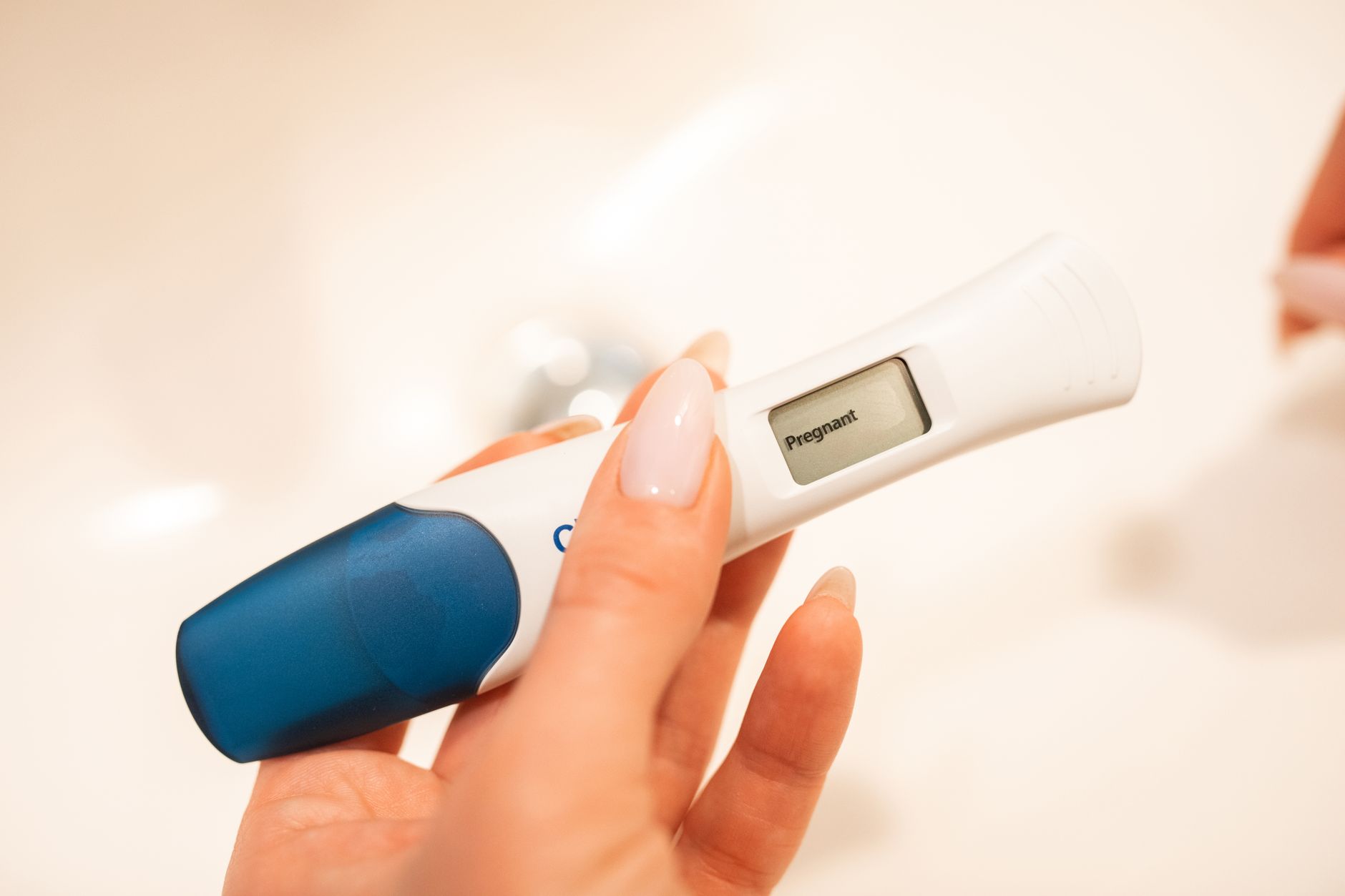
Discover the normal progesterone levels in early pregnancy with a detailed chart. Learn what ranges indicate a healthy pregnancy and when to consult your doctor.
By Shubhra Mishra — a mom of two who turned her own confusion during pregnancy into BumpBites, a global mission to make food choices clear, safe, and stress-free for every expecting mother. 💛
Check whether any food is safe during pregnancy with the BumpBites Food Safety Checker.
Quick take: In early pregnancy, progesterone usually rises from about 10 ng/mL in the first week to 20‑30 ng/mL by the end of the first trimester. Levels that stay below 10 ng/mL or drop suddenly can signal a problem, but a single measurement isn’t diagnostic. Your provider can track trends, discuss symptoms, and suggest diet, lifestyle, or supplemental options if needed.
It’s 2 a.m., you’re curled up with a warm cup of tea, and a sudden wave of nausea makes you wonder whether the hormone test you had last week was “normal.” You’re not alone—many expectant parents stare at lab results and replay every symptom in their head. The good news is that progesterone, the hormone that prepares your uterus for a growing baby, follows a fairly predictable pattern in the first weeks of pregnancy. Knowing what to expect, when to be concerned, and how to nurture healthy levels can turn that anxious night into a calmer morning.
In this guide we’ll walk through the typical progesterone ranges week by week, explain why the hormone matters, describe the signs of unusually low or high levels, and share practical ways to keep it where it belongs. We’ll also cover special situations—twins, in‑vitro fertilization (IVF), and pregnancy after a miscarriage—so you have a complete picture no matter how your journey looks.
What are normal progesterone levels in early pregnancy and how do they change week by week?
Progesterone is produced by the corpus luteum right after ovulation and later by the placenta. During the first trimester it climbs steadily, peaking around weeks 8‑10 before the placenta takes over. While labs may report results in nanograms per milliliter (ng/mL) or nanomoles per liter (nmol/L), the patterns are the same.
Below is a typical progesterone levels in early pregnancy chart that clinicians use as a reference. Remember, individual numbers can vary by a few nanograms, and what matters most is the trend over time, not a single snapshot.
Gestational week
Typical range (ng/mL)
Typical range (nmol/L)
4–5 (post‑implantation)
10–15
31–47
6–7
15–20
47–63
8–9
20–30
63–95
10–12
25–35
79–111
13–14 (end of first trimester)
30–40
95–127
These figures come from the American College of Obstetricians and Gynecologists (ACOG) and the UK’s National Institute for Health and Care Excellence (NICE). In most healthy pregnancies, progesterone will stay within these windows, rising roughly 3‑5 ng/mL each week until the placenta takes the reins.
Why does this matter? Progesterone keeps the uterine lining thick, blocks uterine contractions, and modulates the immune system so the body tolerates the genetically foreign fetus. If levels lag behind the chart, the lining may become less supportive, which can lead to spotting, cramping, or, in rare cases, early pregnancy loss.
Because the hormone is secreted by two different sources (corpus luteum then placenta), a sudden dip after week 10 is uncommon and should prompt a repeat test. Your provider may also compare the result to your baseline (e.g., a pre‑conception level) to gauge how well your body is adapting.
Laboratories sometimes use slightly different reference ranges based on the assay they employ. For example, a high‑sensitivity immunoassay might list 8–12 ng/mL as the lower limit for week 5, while another method might start at 10 ng/mL. That’s why your clinician will interpret your result in the context of the specific test used, rather than relying on a universal cut‑off.
In practice, many providers order a second progesterone draw a few days after the first if the number sits near the lower end of the range. Seeing a steady rise over a 48‑hour window is often more reassuring than a single “in‑range” value.
A typical lab report—your numbers will be compared to the chart above.
What symptoms might indicate low progesterone in early pregnancy, and how do they relate to cramping, spotting, or bleeding?
Low progesterone often whispers rather than shouts. The most common clues are subtle: light spotting, mild cramping, or a sudden drop in energy. These symptoms overlap with normal early‑pregnancy changes, which is why many people wonder if they’re “normal” or a sign of a problem.
Low progesterone symptoms can include:
Spotting or pink‑brown discharge that isn’t heavy enough to be a period.
Uterine cramping that feels like menstrual cramps, often centered low in the abdomen.
Feeling unusually fatigued or experiencing mood swings that seem out of proportion.
Breast tenderness that doesn’t improve with time.
Persistent nausea that doesn’t follow the typical “morning sickness” pattern.
When spotting occurs, it’s usually tiny (a few drops) and resolves on its own. However, if the bleeding becomes heavier than a normal period, or if you experience sharp, constant pain, it could indicate a miscarriage or an ectopic pregnancy—both of which require immediate medical attention.
Cramping linked to low progesterone often arises because the uterus isn’t fully relaxed. Progesterone normally dampens the muscle’s contractile activity; without enough of it, the uterus may contract more frequently, leading to the sensation of “period‑like” cramps.
It’s also worth noting that stress, dehydration, and even vigorous exercise can mimic low‑progesterone cramping. A single blood test can’t always distinguish the cause, which is why clinicians look at the whole picture: symptom timing, hormone trends, and ultrasound findings.
If you notice any of these signs, keep a brief diary—date, type of symptom, and any related activities. Sharing this record with your provider helps them decide whether a repeat progesterone test or an early ultrasound is warranted.
Beyond the physical signs, low progesterone can subtly affect mood and sleep. Some people report feeling “on edge” or having trouble staying asleep, which aligns with progesterone’s role in balancing the stress hormone cortisol. Recognizing these less obvious cues can give your care team a fuller picture of how your hormone environment is influencing overall wellbeing.
How does low progesterone influence miscarriage risk and fetal development, especially in twin pregnancies or after IVF?
Progesterone’s primary job is to create a supportive environment for the embryo. When levels are markedly low, the uterine lining may not thicken enough, and the placenta may not form properly. This can increase the odds of an early miscarriage, though the absolute risk remains low for most women.
Research from the Royal College of Obstetricians and Gynaecologists (RCOG) and the American Society for Reproductive Medicine (ASRM) shows that women with progesterone under 10 ng/mL in the first trimester have a modestly higher miscarriage rate—roughly 15‑20 % versus 8‑10 % in those with typical levels. However, many other factors (chromosomal issues, maternal age, uterine anomalies) play a larger role, so low progesterone is just one piece of the puzzle.
In twin pregnancies, the demand for progesterone is higher because two placentas (or a shared one) need to be supported. Studies indicate that average progesterone levels in twin gestations are about 10‑15 % higher than in singleton pregnancies by week 10. If a twin pregnancy shows low progesterone, the risk of preterm labor and miscarriage can rise more sharply, making close monitoring essential.
IVF cycles often include progesterone supplementation because the natural luteal phase may be disrupted by fertility drugs. When IVF patients have low progesterone after embryo transfer, clinicians may prescribe vaginal or intramuscular progesterone to bring levels into the target range (usually 15‑30 ng/mL). A meta‑analysis published by the European Society of Human Reproduction and Embryology (ESHRE) found that supplemental progesterone after IVF improves implantation rates and reduces early loss, especially in women with a history of luteal‑phase deficiency.
Fetal development depends on a stable hormonal environment. While progesterone itself doesn’t directly shape the baby’s organs, it ensures that the placenta can deliver oxygen and nutrients efficiently. Very low levels early on have been linked to slower growth trajectories in the first trimester, which can translate to lower birth weight later on. Nonetheless, most babies catch up once the placenta fully takes over around week 12.
It’s also reassuring to know that many clinicians use early ultrasound—often by week 6–7—to confirm that the gestational sac and yolk sac are developing normally. Even if progesterone is on the lower side of the chart, a healthy‑looking sac can offset concerns and guide a more conservative monitoring plan.
How can I naturally support healthy progesterone levels in early pregnancy—diet, supplements, and lifestyle?
Supporting progesterone doesn’t require a prescription; many everyday choices can help your body produce and maintain adequate levels. Below are evidence‑based strategies that many pregnant people find helpful.
Nutrition that encourages progesterone production
Vitamin B6‑rich foods: chicken, bananas, potatoes, and chickpeas. B6 is a co‑factor in steroid hormone synthesis.
Zinc sources: pumpkin seeds, beef, and lentils. Zinc deficiency can blunt progesterone output.
Magnesium: leafy greens, almonds, and whole grains help relax uterine muscles and may indirectly support hormone balance.
Healthy fats: avocados, olive oil, and fatty fish provide the building blocks (cholesterol) needed for steroid hormones.
Herbal and supplemental options
Some women turn to herbal remedies such as chasteberry (Vitex agnus‑castus) or maca root. Small studies suggest chasteberry may modestly raise progesterone, but evidence is limited, and the herb can interact with blood‑thinning medications. Always discuss any supplement with your provider before starting.
For those who need a more direct boost, progesterone supplements in early pregnancy are available as vaginal suppositories, oral capsules, or intramuscular injections. The form your doctor chooses depends on your situation—IVF patients often get vaginal gels, while women with a luteal‑phase defect may be prescribed a low‑dose oral capsule.
Lifestyle habits
Stress reduction: Chronic stress elevates cortisol, which can compete with progesterone production. Gentle yoga, meditation, or short walks can help.
Adequate sleep: Hormone production peaks during deep sleep; aim for 7‑9 hours per night.
Avoid smoking and excess caffeine: Both can impair luteal function and lower progesterone.
Maintain a moderate weight: Both under‑ and overweight can disrupt hormone balance.
Stay hydrated: Proper fluid balance supports overall endocrine function and can lessen cramping.
While these measures are generally safe, they are not guaranteed to correct a clinically low progesterone level. They are best used alongside medical monitoring.
Include B‑rich and magnesium‑rich foods to help your body make progesterone.
How are progesterone levels checked after IVF, embryo transfer, or a previous miscarriage, and what should I expect?
Monitoring progesterone after assisted reproductive technologies (ART) is routine because the timing of implantation is known and the luteal phase can be fragile. The typical protocol looks like this:
Baseline test—A blood draw 7‑10 days after embryo transfer to verify that progesterone has reached the therapeutic target (usually >15 ng/mL).
Follow‑up testing—If the first result is borderline, a second draw 2‑3 days later helps confirm the trend.
Ultrasound correlation—Around week 6–7 of gestation, an early ultrasound checks the gestational sac and fetal heartbeat, providing a visual confirmation that the hormone environment is supporting growth.
After a miscarriage, many clinicians re‑measure progesterone before attempting another pregnancy, especially if the loss occurred early. Low levels after a miscarriage can signal a luteal‑phase deficiency that may need supplemental support for the next cycle.
In IVF cycles, progesterone is often given as a vaginal gel (e.g., Crinone) or intramuscular injection (e.g., Progesterone in oil). The choice depends on patient preference, previous response, and the clinic’s protocol. Women who conceive naturally after IVF may continue the same supplement until the placenta takes over, typically around week 12.
Frequency of testing varies by provider, but a common schedule is:
Day 0 (day of embryo transfer) – baseline if not already on supplements.
Day 7–10 – first progesterone level.
Day 14–21 – repeat if earlier level was low or if you’re experiencing spotting, cramping.
When you’re on a supplement, the lab will usually measure the total progesterone (endogenous + exogenous). Some labs can differentiate, but most clinicians interpret the total number against the target range. If you’re not on a supplement, a level below 10 ng/mL is a cue to discuss luteal support options.
Patients often describe the testing process as a “checkpoint” that gives both them and their care team peace of mind. Knowing that the hormone is on track can reduce anxiety and help you focus on other aspects of early pregnancy.
What are the different ways to test progesterone levels, and which is most reliable?
The gold standard for assessing progesterone in pregnancy is a serum blood test. It directly measures the hormone circulating in your bloodstream and aligns with the reference ranges shown in the chart above. Most obstetricians order a quantitative immunoassay, which offers high sensitivity and reproducibility.
Urine progesterone tests exist, but they are generally used for ovulation tracking rather than pregnancy monitoring. Urine concentrations can fluctuate with hydration status and do not correlate well with serum levels, making them less reliable for clinical decision‑making.
Saliva testing is an emerging, non‑invasive method that some fertility clinics offer. While saliva reflects the free (bioactive) fraction of progesterone, the assays are still being validated, and results can vary widely between laboratories. At this time, most professional societies—including ACOG and the NHS—recommend serum testing for any diagnostic or monitoring purpose.
If you need a repeat measurement, ask your provider whether a fasting sample is required (most labs accept non‑fasting draws). Consistency in timing—preferably the same time of day—helps reduce variability caused by the hormone’s natural diurnal rhythm.
Looking ahead, point‑of‑care devices that can give rapid serum progesterone results are being piloted in a few clinics. Early data suggest they could streamline monitoring for IVF patients, but broader adoption will require more validation.
Can progesterone levels affect the risk of preterm labor or other pregnancy complications?
Low progesterone has been linked to uterine irritability, which can precipitate preterm contractions. For women with a history of preterm birth, ACOG’s Committee on Obstetric Practice recommends prophylactic progesterone (usually 250 mg vaginally daily) starting in the late second trimester to reduce the chance of early delivery. This recommendation is based on multiple randomized trials showing a 30‑40 % reduction in preterm birth rates when progesterone is added.
In singleton pregnancies without a prior preterm birth, routine progesterone supplementation is not universally advised. However, if a clinician identifies a persistent luteal‑phase deficiency—often signaled by low early‑pregnancy progesterone and ongoing cramping—they may consider a short course of supplementation to help maintain uterine quiescence.
Beyond preterm labor, abnormal progesterone levels can sometimes correlate with other complications, such as gestational hypertension or placental insufficiency. The exact mechanisms are still under investigation, and the current guidance emphasizes using progesterone testing as part of a broader assessment rather than as a standalone predictor.
Ongoing research is exploring whether tailoring progesterone doses to individual hormone curves could further lower the risk of preterm birth, especially in high‑risk groups. While the science is evolving, the present consensus remains that progesterone is a safe and useful tool when used appropriately.
Early monitoring can catch hormone trends before symptoms appear.
From our medical team: A single progesterone value rarely tells the whole story. We look at trends, symptoms, and ultrasound findings together. If your level is low but you feel well and the ultrasound shows a healthy gestational sac, we may simply monitor. If you’re experiencing bleeding, cramping, or have a history of miscarriage, we’ll discuss targeted progesterone supplementation and possibly adjust the dosage.
Progesterone and mood or sleep changes in early pregnancy
Progesterone has a calming effect on the brain by interacting with GABA receptors, which can make you feel sleepy after meals. Many people notice a “pregnancy fog” or a deeper need for rest during the first trimester, and that’s often hormone‑driven.
When progesterone drops unexpectedly, some patients report increased irritability, anxiety, or difficulty staying asleep. While these mood shifts are usually mild, they can compound the emotional rollercoaster of early pregnancy. Simple sleep hygiene—cool, dark rooms, limiting screens before bed, and a short evening walk—can help balance the hormonal influence.
If mood changes feel severe or persist beyond the first trimester, bring them up at your next visit. Your provider may check progesterone again, consider a brief supplement, or refer you to a mental‑health professional for additional support.
Understanding progesterone in the context of other early‑pregnancy labs (hCG, estrogen)
Progesterone doesn’t act alone. Human chorionic gonadotropin (hCG) rises rapidly after implantation and signals the corpus luteum to keep making progesterone. Estrogen (particularly estradiol) also climbs, helping the uterus expand and the breasts develop.
When labs are ordered together, clinicians look for a coordinated pattern: rising hCG, rising progesterone, and increasing estradiol all point to a healthy early pregnancy. A discordant result—high hCG but low progesterone—might prompt a closer ultrasound or repeat testing to rule out luteal‑phase insufficiency.
Because each hormone follows its own timeline, a single “out‑of‑range” value isn’t automatically alarming. Your provider will interpret the trio of numbers alongside your symptoms and ultrasound findings to form a complete picture.
Myth vs. fact
Myth: “If my progesterone is a little low, I’ll definitely miscarry.”
Fact: Slightly low levels are common and often resolve on their own; only persistently low or rapidly dropping levels, especially with symptoms, raise miscarriage risk.
Myth: “You can’t eat anything that affects progesterone—diet doesn’t matter.”
Fact: Certain nutrients (vitamin B6, zinc, magnesium) and healthy fats provide the building blocks needed for hormone synthesis, and many people see modest improvements with dietary tweaks.
Myth: “Progesterone supplements are dangerous for the baby.”
Fact: When prescribed at appropriate doses, progesterone supplementation is considered safe by ACOG and the FDA and is routinely used in IVF pregnancies.
Key takeaways
Normal early‑pregnancy progesterone rises from ~10 ng/mL (week 4) to 30‑40 ng/mL by week 14.
Spotting, mild cramping, or fatigue can signal low progesterone, but they’re also common in healthy pregnancies.
Low progesterone modestly increases miscarriage risk; supplementation is standard after IVF and for luteal‑phase deficiency.
Eat B‑rich foods, zinc, magnesium, and healthy fats; manage stress and get enough sleep to support natural production.
Blood tests are usually done at weeks 7‑10 and again if symptoms arise; your provider will interpret trends, not a single number.
Always discuss any supplement—herbal or pharmaceutical—with your provider before starting.
Frequently asked questions
What are the symptoms of low progesterone in early pregnancy?
Low progesterone often shows as light spotting, mild cramping, fatigue, breast tenderness, or nausea that feels different from typical morning sickness; if you notice these, track them and discuss with your provider.
How do I know if my progesterone levels are normal during early pregnancy?
Ask your provider for a blood test and compare the result to the week‑specific range (e.g., 10–15 ng/mL at week 5, 20–30 ng/mL by week 9); trends over a few weeks are more reassuring than a single “in‑range” value.
Can low progesterone levels cause miscarriage?
Low progesterone can increase the chance of early miscarriage, especially if levels stay below 10 ng/mL and are accompanied by bleeding or cramping, but many other factors also influence pregnancy loss.
What foods increase progesterone levels in early pregnancy?
Foods rich in vitamin B6 (chicken, bananas), zinc (pumpkin seeds, beef), magnesium (leafy greens, almonds), and healthy fats (avocado, olive oil) provide the nutrients needed for hormone production.
How often should progesterone levels be checked during early pregnancy?
Most clinicians test once between weeks 7‑10 after conception, then repeat if symptoms appear or if you’re undergoing IVF; the exact schedule is personalized to your health history.
Can progesterone supplements help prevent miscarriage in early pregnancy?
When prescribed for luteal‑phase deficiency or after IVF, progesterone supplements have been shown to improve implantation rates and reduce early loss; they should only be used under medical guidance.
Can stress affect my progesterone levels?
Chronic stress raises cortisol, which can compete with progesterone synthesis. Managing stress through gentle exercise, mindfulness, or short breaks can help keep hormone balance steady.
Do birth‑control pills taken before pregnancy impact early progesterone?
Recent hormonal contraceptives can temporarily suppress natural progesterone production, but levels usually normalize within a few weeks after stopping the pill. If you’re concerned, your provider can order a baseline test before trying to conceive.
Is there a safe progesterone level for twins?
Twin pregnancies typically need slightly higher progesterone—about 10‑15 % above singleton ranges—by week 10. Most providers aim for 30‑45 ng/mL in the second trimester of a twin gestation; your clinician will tailor monitoring to your specific situation.
Can lifestyle changes alone raise progesterone enough to avoid supplements?
Dietary and lifestyle tweaks (B‑vitamins, zinc, magnesium, stress reduction) can modestly support natural production, but they rarely replace the need for medical supplementation when a clear deficiency is identified.
When to call your doctor
If you experience any of the following, contact your provider right away: heavy bleeding (soaking a pad in under an hour), severe abdominal pain, fever, sudden loss of pregnancy symptoms, or a sudden drop in progesterone confirmed by a lab test. This article is for informational purposes only and does not replace personalized medical advice.
References
American College of Obstetricians and Gynecologists (ACOG). “Progesterone Use in Pregnancy.” Clinical Guidance, 2023.
National Institute for Health and Care Excellence (NICE). “Progesterone for Luteal Phase Support.” Guideline NG234, 2022.
Royal College of Obstetricians and Gynaecologists (RCOG). “Management of Early Pregnancy Loss.” Green‑top Guideline, 2021.
American Society for Reproductive Medicine (ASRM). “Progesterone Supplementation in IVF.” Practice Committee Report, 2022.
European Society of Human Reproduction and Embryology (ESHRE). “Meta‑analysis of Progesterone in IVF.” Fertility and Sterility, 2020.
Mayo Clinic. “Progesterone Hormone.” Patient Education, 2024.
World Health Organization (WHO). “Maternal Hormonal Changes in Early Pregnancy.” Reproductive Health Series, 2023.
National Health Service (NHS). “Progesterone blood test – what it means.” Clinical Laboratory Services, 2022.
American College of Obstetricians and Gynecologists (ACOG). “Progesterone for Prevention of Preterm Birth.” Committee Opinion, 2021.
Food and Drug Administration (FDA). “Progesterone Drug Labeling and Safety.” 2023.
Not sure about the label on Progesterone Levels In Early Pregnancy Chart Normal Ranges products?
Snap the ingredients list and SafeFilter checks every ingredient for your stage — only 3 free scans this month, then you're locked until reset. Unlimited from $7/mo or $50/yr.
When Shubhra Mishra was expecting her first child in 2016, she was overwhelmed by conflicting food advice — one site said yes, another said never. By the time her second baby arrived in 2019, she realized millions of mothers face the same confusion.
That sparked a five-year journey through clinical nutrition papers, cultural diets, and expert conversations — all leading to BumpBites: a calm, compassionate space where science meets everyday motherhood.
Her long-term vision is to build a global community ensuring safe, supported, and free deliveriesfor every mother — because no woman should face pregnancy alone or uninformed. 🌿
🌍 Stand with mothers, shape safer guidance
Join a small circle of experts who review BumpBites articles so expecting parents everywhere can decide with confidence.