Our prenatal vitamin checklist guides you on essential nutrients like folate, iron, and DHA. Learn what to look for in a prenatal vitamin and understand deficiency risks.
By Shubhra Mishra — a mom of two who turned her own confusion during pregnancy into BumpBites, a global mission to make food choices clear, safe, and stress-free for every expecting mother. 💛
Check whether any food is safe during pregnancy with the BumpBites Food Safety Checker.
Quick take: Choosing the right prenatal vitamin is a crucial step for a healthy pregnancy, supporting both you and your baby's development. Focus on key nutrients like folic acid, iron, DHA, and choline, and always discuss your options with your healthcare provider to find a supplement tailored to your individual needs. Don't worry if it feels overwhelming — we're here to help you understand what matters most.
It's 7 AM, you're already feeling a bit queasy, and you're staring at a wall of prenatal vitamin options at the pharmacy, wondering which one is "the best." You know they're important, but what exactly should you be looking for? And what if you miss a day, or haven't started taking them yet? The world of prenatal nutrition can feel like a maze, especially when you're navigating the many changes of pregnancy.
You're not alone in these questions. Many expecting parents feel overwhelmed by the choices and the sheer volume of information. But taking a prenatal vitamin is one of the most proactive and impactful steps you can take for a healthy pregnancy. It acts as a nutritional safety net, ensuring you and your growing baby receive essential vitamins and minerals that might be hard to get enough of through diet alone.
In this guide, we'll walk you through everything you need to know about choosing the right prenatal vitamin. We'll break down the key nutrients, explain why they're so vital, highlight potential deficiency risks, and offer practical advice on what to look for, what to avoid, and how to manage common side effects. Our goal is to empower you with clear, trustworthy information so you can make an informed decision with confidence, working alongside your healthcare provider.
Selecting the right prenatal vitamin is a simple yet powerful step towards a healthy pregnancy.
Why Are Prenatal Vitamins So Important?
Prenatal vitamins are more than just a regular multivitamin; they're specifically formulated to meet the unique and increased nutritional demands of pregnancy. Think of your body as building a tiny human from scratch – a process that requires a huge amount of raw materials. While a healthy, balanced diet is always the foundation, a prenatal vitamin helps bridge any gaps, ensuring you have enough of the critical nutrients for both your well-being and your baby's optimal development.
During pregnancy, your body's need for certain nutrients skyrockets. For example, your blood volume increases significantly, requiring more iron. Your baby's brain and spinal cord are forming rapidly, demanding extra folic acid and choline. Bones are developing, which means more calcium and vitamin D are needed. Getting these nutrients in adequate amounts is crucial for preventing certain birth defects, supporting healthy growth, and maintaining your own energy levels and health throughout the journey.
Many expecting parents find it challenging to consistently meet all these increased nutritional needs through diet alone, especially during the first trimester when nausea and food aversions can make eating a wide variety of foods difficult. That's where a prenatal vitamin truly shines, offering peace of mind that you're covering your bases. It's a small daily habit with a massive impact on the health of your pregnancy.
Your Essential Prenatal Vitamin Checklist: Key Nutrients and Why They Matter
When
you're sifting through the options, it helps to know which ingredients are non-negotiable and why. Here's a breakdown of the powerhouse nutrients your prenatal vitamin should definitely include, along with their recommended daily intakes for pregnancy according to leading health organizations like the American College of Obstetricians and Gynecologists (ACOG), the Centers for Disease Control and Prevention (CDC), and the National Health Service (NHS).
Folic Acid (Folate)
Folic acid is arguably the most critical nutrient in a prenatal vitamin. It's a B vitamin that plays a vital role in the development of your baby's neural tube, which forms the brain and spinal cord. Adequate folic acid intake, especially in the weeks before conception and during the first trimester, drastically reduces the risk of serious birth defects like spina bifida and anencephaly.
The CDC recommends 400 micrograms (mcg) of folic acid daily for all women of childbearing age, increasing to 600 mcg daily during pregnancy. Some healthcare providers may recommend even higher doses (e.g., 4,000 mcg or 4 mg) for women with a history of neural tube defects. It's important to differentiate between folic acid (the synthetic form found in supplements and fortified foods) and folate (the natural form found in foods like leafy greens). Both are beneficial, but folic acid is often preferred in supplements due to its higher bioavailability.
Iron
Iron is essential for making hemoglobin, the protein in red blood cells that carries oxygen to your body's tissues and to your baby. During pregnancy, your blood volume increases by 30-50%, meaning you need significantly more iron to produce extra red blood cells for yourself and your growing baby. Iron also supports your baby's growth and development.
The recommended daily intake of iron during pregnancy is 27 milligrams (mg). Iron deficiency can lead to maternal anemia, causing fatigue, weakness, and shortness of breath. Severe anemia during pregnancy has been linked to an increased risk of preterm birth, low birth weight, and postpartum depression. Look for prenatals with a well-tolerated form of iron, such as iron bisglycinate, which may cause less constipation than other forms like ferrous sulfate.
Calcium
Calcium is fundamental for building your baby's bones, teeth, heart, nerves, and muscles. If you don't get enough calcium from your diet or supplements, your baby will draw it from your own bones, potentially compromising your bone health later on. The recommended daily allowance (RDA) for calcium during pregnancy is 1,000 mg for women aged 19-50, and 1,300 mg for those 18 and younger.
Many prenatal vitamins don't contain the full 1,000 mg of calcium because it's a bulky mineral and would make the pill too large. You'll likely need to get a good portion of your calcium from dairy products, fortified foods, or a separate calcium supplement if your dietary intake is low. Always check the label and discuss your intake with your provider.
Vitamin D
Vitamin D works hand-in-hand with calcium, helping your body absorb and utilize it effectively for bone development. It also plays a critical role in immune function, cell division, and maintaining healthy blood pressure. Low vitamin D levels during pregnancy have been associated with an increased risk of pre-eclampsia, gestational diabetes, and preterm birth.
The recommended daily intake of Vitamin D for pregnant women is 600 international units (IU), though many experts and healthcare providers suggest higher doses, often ranging from 1,000 to 4,000 IU, especially for those with limited sun exposure or darker skin tones. Your doctor may check your vitamin D levels and recommend a specific dosage for you.
DHA (Docosahexaenoic Acid)
DHA is an omega-3 fatty acid crucial for the development of your baby's brain, eyes, and nervous system. It's particularly important during the third trimester when brain growth is rapid. While not all prenatal vitamins include DHA, it's highly recommended to choose one that does or take a separate DHA supplement.
The American Pregnancy Association recommends that pregnant and lactating women aim for at least 200 mg of DHA per day. Good dietary sources include fatty fish like salmon, mackerel, and sardines, as well as DHA-fortified foods. If you're vegan or vegetarian, look for algae-derived DHA supplements.
Choline
Often overlooked, choline is a vital nutrient for your baby's brain and spinal cord development, much like folic acid. It also plays a role in placental function and gene expression. Research suggests that adequate choline intake during pregnancy may support cognitive development and help prevent certain birth defects.
The recommended daily intake for choline during pregnancy is 450 mg. While some foods like eggs, meat, and soybeans are rich in choline, many prenatals contain only a small amount, if any. You may need to supplement separately or focus on choline-rich foods. Discuss your choline intake with your provider to ensure you're getting enough.
Iodine
Iodine is essential for healthy thyroid function, both for you and your baby. Your baby's thyroid gland, which produces hormones necessary for brain and nervous system development, relies on your iodine intake. Severe iodine deficiency during pregnancy can lead to impaired neurological development and even cretinism.
The World Health Organization (WHO) and ACOG recommend 220 mcg of iodine daily during pregnancy. Many prenatal vitamins now include iodine, often in the form of potassium iodide. Good dietary sources include iodized salt, dairy products, and seafood.
Other Important Nutrients
Vitamin B Complex: B vitamins like B6 can help alleviate morning sickness, while B12 is crucial for red blood cell formation and neurological function, especially important for vegetarian and vegan diets.
Vitamin C: An antioxidant that supports immune health and aids in iron absorption.
Zinc: Important for immune function, cell growth, and DNA synthesis.
Magnesium: Supports muscle and nerve function, blood sugar control, and blood pressure regulation.
Here's a quick reference table for these key nutrients:
Essential for healthy thyroid function, baby's brain development.
Vitamin B6
1.9 mg
May help alleviate morning sickness, supports metabolism.
Vitamin B12
2.6 mcg
Supports red blood cell formation, neurological function.
Vitamin C
85 mg
Antioxidant, supports immune health, aids iron absorption.
Zinc
11 mg
Supports immune function, cell growth, DNA synthesis.
Navigating Deficiency Risks: What Happens Without Key Nutrients?
While prenatal vitamins are a helpful "insurance policy," understanding the risks associated with deficiencies can underscore why they're so important. It's not about fear-mongering, but about appreciating the profound impact these micronutrients have on your and your baby's health.
Folic Acid Deficiency Risks
The most well-known and serious risk of insufficient folic acid intake is neural tube defects (NTDs). These are serious birth defects of the brain and spinal cord, such as spina bifida (where the spinal cord doesn't close completely) and anencephaly (where a major part of the brain is missing). NTDs can occur very early in pregnancy, often before you even know you're pregnant, which is why starting folic acid *before* conception is so critical. The CDC estimates that adequate folic acid intake could prevent up to 70% of NTDs.
Iron Deficiency Risks
Iron deficiency is incredibly common during pregnancy, affecting many women worldwide. If left unaddressed, it can lead to maternal anemia, causing extreme fatigue, dizziness, shortness of breath, and pale skin. For the baby, severe maternal anemia is linked to an increased risk of preterm birth, low birth weight, and impaired cognitive or behavioral development. It can also increase the risk of postpartum hemorrhage and postpartum depression for the mother.
Calcium & Vitamin D Deficiency Risks
Your baby needs a significant amount of calcium to build their skeleton. If your dietary and supplemental calcium intake is insufficient, your baby will take calcium from your bones, potentially increasing your risk of osteoporosis later in life. Low vitamin D levels can further impair calcium absorption, impacting fetal bone development. Additionally, both low calcium and vitamin D have been linked to an increased risk of pre-eclampsia, a serious blood pressure condition in pregnancy.
DHA & Choline Deficiency Risks
These two nutrients are powerhouses for brain development. Insufficient DHA intake can impact the optimal development of your baby's brain and eyes, potentially affecting cognitive function and visual acuity. Choline deficiency, while still being actively researched, is associated with a higher risk of neural tube defects and may influence your baby's long-term brain health and cognitive abilities. Ensuring adequate intake of both is a proactive step for your baby's future development.
Iodine Deficiency Risks
Iodine is vital for the production of thyroid hormones, which regulate metabolism and are essential for brain development. Severe iodine deficiency during pregnancy can lead to cretinism, a condition characterized by severe mental and physical growth retardation. Even mild to moderate deficiency can impair a child's cognitive function and IQ. This is why many health organizations globally emphasize the importance of iodine supplementation during pregnancy.
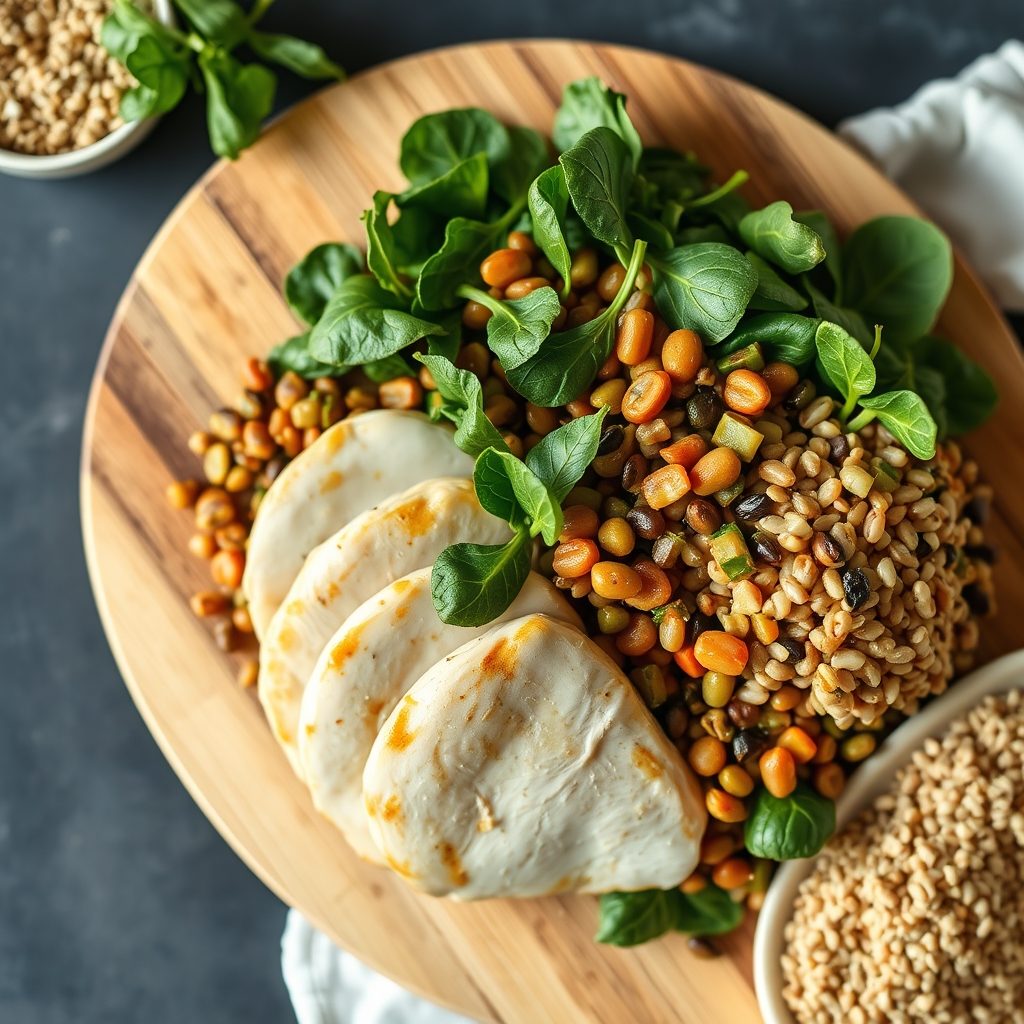
While prenatal vitamins are essential, a balanced diet rich in nutrients like iron (found in spinach and lentils) also plays a key role.
Ingredients to Look For and What to Avoid
Beyond the core nutrients, the *form* of those nutrients and other ingredients in your prenatal vitamin matter. It's not just about what's in there, but how well your body can absorb and utilize it, and what else might be tagging along for the ride.
What to Look For
Bioavailable Forms of Nutrients:
Folate vs. Folic Acid: While folic acid is effective, some women have a genetic variation (MTHFR polymorphism) that makes it harder to convert folic acid into its active form, L-methylfolate. If you have this variation, or simply want to ensure optimal absorption, look for a prenatal that contains L-methylfolate (or 5-MTHF).
Iron: Iron bisglycinate is a chelated form of iron that is often better absorbed and causes fewer gastrointestinal side effects like constipation compared to ferrous sulfate.
Vitamin D: Look for Vitamin D3 (cholecalciferol) as it's the form naturally produced by the body and more effective at raising vitamin D levels than D2.
Third-Party Testing and Certifications: Look for certifications from organizations like NSF International, USP (United States Pharmacopeia), or ConsumerLab. These certifications indicate that the product has been independently tested for purity, potency, and accuracy of ingredients, ensuring it contains what the label claims and is free from harmful contaminants. This is especially important for supplements, which are not as tightly regulated as prescription medications.
Clear Labeling: A good prenatal vitamin will have transparent labeling, clearly listing all ingredients and their amounts, along with any allergens.
What to Potentially Avoid or Discuss with Your Provider
Excessive Vitamin A (Retinol): While Vitamin A is important, too much of the preformed type (retinol, retinyl palmitate, or retinyl acetate) can be harmful to a developing baby, potentially causing birth defects. The safe upper limit for Vitamin A during pregnancy is 10,000 IU per day. Many prenatals include Vitamin A in the form of beta-carotene, which is safe because your body only converts what it needs. Always check the form and amount.
Herbal Blends Without Clear Safety Data: Many herbal supplements lack sufficient safety data for use during pregnancy. Unless specifically recommended and cleared by your healthcare provider, it's generally best to avoid prenatals that include complex herbal blends.
Artificial Colors, Sweeteners, and Fillers: While not definitively proven harmful in small amounts, many women prefer to avoid artificial additives during pregnancy. Look for prenatals with minimal unnecessary ingredients.
Common Allergens: If you have allergies (e.g., gluten, dairy, soy, nuts), carefully check the ingredient list to ensure the prenatal is free of these. Many brands offer "allergen-free" options.
Very High Doses of Certain Nutrients: More isn't always better. While certain nutrient needs increase, excessively high doses of some vitamins and minerals can be detrimental. Stick to recommended guidelines unless specifically advised by your doctor based on blood tests.
When to Start and How Long to Continue Taking Prenatal Vitamins
One of the most common questions is about timing. When should you actually start taking these important supplements, and when can you stop?
Before Conception (Preconception)
Ideally, you should start taking a prenatal vitamin at least one month *before* you even start trying to conceive. This is primarily because of folic acid. As mentioned, the neural tube develops very early in pregnancy, often before you've missed a period or even realize you're pregnant. By starting early, you ensure your body has adequate stores of folic acid during this critical window, significantly reducing the risk of neural tube defects. The CDC strongly recommends that all women of childbearing age take 400 mcg of folic acid daily.
Many women feel a sense of relief when they realize they're already taking a prenatal when they get a positive pregnancy test, having proactively supported their body for this journey.
During Pregnancy
Continue taking your prenatal vitamin consistently throughout all three trimesters of your pregnancy. Your baby's development is ongoing, and your body's nutritional demands remain high. For example, iron needs increase significantly in the second and third trimesters as your blood volume expands and your baby stores iron for their first few months of life. DHA is particularly important for brain and eye development in the later stages of pregnancy.
Consistency is key. Try to take your prenatal at the same time each day to make it a habit. If you forget a dose, don't double up – just take your next dose as usual. If you're struggling to take them due to side effects, discuss alternatives with your doctor.
Postpartum and Breastfeeding
The journey doesn't end after birth! Most healthcare providers recommend continuing your prenatal vitamin during the postpartum period, especially if you are breastfeeding. Breastfeeding places significant nutritional demands on your body, and a prenatal vitamin helps ensure you're getting adequate nutrients to support both your recovery and your milk supply, as well as providing essential nutrients to your baby through breast milk (like DHA and iodine).
Even if you're not breastfeeding, your body needs time and nutrients to recover from pregnancy and childbirth. Continuing a prenatal for at least a few months postpartum can help replenish nutrient stores and support your overall well-being during this demanding time. Your doctor will advise you on the appropriate duration based on your individual circumstances.
Choosing the Right Prenatal for Your Needs (and Managing Side Effects)
With so many options on the market, finding the "right" prenatal can feel like a quest. But focusing on your individual dietary needs, lifestyle, and potential side effects can help narrow down the choices and make the decision much clearer. Remember, the best prenatal is one you can take consistently.
Dietary Considerations
Vegan/Vegetarian Diets: If you follow a plant-based diet, you'll need to be extra vigilant about certain nutrients that are more commonly found in animal products. Ensure your prenatal vitamin provides ample:
Vitamin B12: Exclusively found in animal products, B12 supplementation is crucial for vegans.
Iron: While plant-based iron exists, it's less bioavailable. Look for a prenatal with a good iron source and consider taking it with Vitamin C to enhance absorption.
DHA: Look for algae-derived DHA supplements, as fish oil is not an option.
Iodine: Plant-based diets can sometimes be lower in iodine.
Allergies: Many prenatal vitamins contain common allergens like gluten, dairy, or soy. If you have known allergies or sensitivities, carefully read labels and look for "free from" claims. Brands are increasingly offering specialized formulations to cater to these needs.
Specific Health Conditions: If you have conditions like gestational diabetes, thyroid issues, or celiac disease, your nutritional needs might be different. Always consult your healthcare provider, who may recommend specific types or dosages of nutrients.
Managing Common Side Effects
It's a common experience: you start a prenatal, and suddenly you're feeling more nauseous or constipated. These side effects can be frustrating, but there are often simple ways to manage them.
Nausea: The iron content in prenatal vitamins can sometimes trigger or worsen nausea.
Try taking your prenatal with food, especially a meal with some fat (like avocado or nuts), rather than on an empty stomach.
Consider taking it at night, right before bed, so you sleep through some of the initial discomfort.
Ask your doctor about different brands or formulations; some women find chewable or gummy prenatals easier to tolerate, or prenatals with lower iron or a different iron form.
Vitamin B6 in your prenatal may also help alleviate nausea.
Constipation: Iron is a frequent culprit for constipation.
Ensure you're drinking plenty of water throughout the day.
Increase your dietary fiber intake through fruits, vegetables, and whole grains.
Regular light exercise, like walking, can also help keep things moving.
Talk to your doctor about switching to a prenatal with a different form of iron (like iron bisglycinate) or a lower dose if your iron levels are good. They might also recommend a stool softener.
Taste or Smell: Some prenatals have a distinct smell or taste that can be off-putting, especially with a heightened sense of smell during pregnancy.
Look for coated pills or capsules that are easier to swallow.
Some brands offer prenatals without any strong odor.
The Role of Your Healthcare Provider
This is perhaps the most crucial point: your healthcare provider (doctor, midwife, or registered dietitian) is your best resource for choosing a prenatal vitamin. They can:
Assess Your Individual Needs: Based on your diet, health history, any pre-existing conditions, and blood test results (e.g., for iron or vitamin D levels), they can recommend specific nutrient dosages or types of prenatals. For instance, if you have a history of iron deficiency, they might suggest a prenatal with a higher iron content or a separate iron supplement.
Discuss Prescription vs. Over-the-Counter Options: Some women may benefit from a prescription prenatal vitamin, which often contains higher doses of certain nutrients.
Address Concerns and Side Effects: Don't hesitate to tell your provider if you're experiencing side effects or difficulty taking your prenatal. They can offer solutions or suggest alternatives.
Complement Your Diet: Your doctor can help you assess your dietary intake alongside your prenatal, and tools like our Pregnancy Nutrition Calculator can give you a better idea of your daily nutrient intake.
One BumpBites reader shared, "I tried three different prenatals before finding one that didn't make me feel sick. My midwife was so patient, suggesting I try taking it at night, or with a bigger meal, and eventually recommended a gummy version that was a game-changer. It felt like a small win, but it made a huge difference to my daily well-being." This perfectly illustrates that finding the right prenatal is a personal journey, and your provider is there to guide you.
Understanding Third-Party Testing and Quality
When selecting a prenatal vitamin, it's not just about the ingredients listed, but also about the quality and purity of the product. The supplement industry is not as strictly regulated as prescription medications, which means that the actual contents of a supplement bottle can sometimes differ from what's stated on the label. This is where third-party testing comes in.
Third-party testing involves an independent organization reviewing the manufacturing process and testing the finished product to verify its contents, purity, and potency. When a prenatal vitamin carries a seal from a reputable third-party certifier, it provides an extra layer of assurance that:
It contains the ingredients listed on the label: This confirms that you're getting the specified amounts of folic acid, iron, DHA, etc.
It does not contain harmful levels of contaminants: This includes heavy metals (like lead or mercury), pesticides, or other undesirable substances.
It is manufactured according to good manufacturing practices (GMP): This ensures quality control throughout the production process.
Look for seals from organizations such as NSF International, USP (United States Pharmacopeia), or ConsumerLab. While not all high-quality prenatals will have these certifications (they can be expensive for manufacturers), their presence is a strong indicator of a brand's commitment to quality and transparency. If a brand doesn't have a third-party seal, you might look for information on their website about their own testing procedures or ask your healthcare provider if they have recommendations for trusted brands.
From our medical team: Choosing a prenatal vitamin can feel like a big decision, but remember it's a supportive tool, not a pass/fail test. The most important thing is to find a prenatal you can take consistently, that provides the key nutrients, and that you've discussed with your doctor. We're here to help you navigate the options and ensure you're getting the best support for your unique pregnancy journey. Don't let perfect be the enemy of good – a consistent, suitable prenatal is what truly matters.
Myth vs. Fact: All prenatal vitamins are essentially the same.
Myth: Many people assume that if it says "prenatal vitamin," it's all good.
Fact: Prenatal vitamins vary significantly in their ingredients, dosages, forms of nutrients (e.g., folic acid vs. methylfolate), and whether they include additional components like DHA or choline. Some might be missing key nutrients entirely, while others might include ingredients you don't need or want. Always read the label carefully and compare options.
Myth vs. Fact: You only need a prenatal vitamin if your diet isn't perfect.
Myth: "I eat really healthy, so I probably don't need a prenatal."
Fact: Even with the most balanced diet, it's incredibly challenging to meet the significantly increased nutritional demands of pregnancy for certain nutrients, especially folic acid, iron, and choline. A prenatal vitamin acts as a crucial "nutritional insurance policy" to bridge these gaps, ensuring both you and your baby get what you need, regardless of your daily food intake fluctuations.
Myth vs. Fact: You can stop taking prenatals after the first trimester.
Myth: Once the neural tube is formed, some believe the job is done.
Fact: While folic acid's critical window is early, other nutrients like iron, calcium, vitamin D, DHA, and choline are vital throughout the entire pregnancy for your baby's ongoing development (brain, bones, organs) and your own health. Most experts recommend continuing prenatals through all trimesters and into the postpartum period, especially if breastfeeding.
Key Takeaways
Start taking a prenatal vitamin with at least 400-600 mcg of folic acid at least one month before trying to conceive.
Ensure your prenatal includes key nutrients like folic acid, iron (27 mg), calcium (1000 mg), vitamin D (600+ IU), DHA (200-300 mg), choline (450 mg), and iodine (220 mcg).
Be aware of potential deficiency risks, such as neural tube defects from low folic acid or maternal anemia from low iron.
Look for bioavailable nutrient forms (e.g., methylfolate, iron bisglycinate) and third-party certifications (NSF, USP) for quality assurance.
Avoid excessive preformed Vitamin A (retinol) and unverified herbal blends.
Continue taking your prenatal throughout pregnancy and during the postpartum period, especially if breastfeeding.
Manage common side effects like nausea by taking your prenatal with food or at night, and constipation by increasing water and fiber.
Always discuss your prenatal vitamin choice and any concerns with your healthcare provider for personalized advice.
Making your prenatal vitamin a consistent part of your routine, perhaps at bedtime, can help you remember and reduce side effects.
Frequently Asked Questions
What are the most important ingredients in a prenatal vitamin?
The most crucial ingredients in a prenatal vitamin are folic acid (600 mcg), iron (27 mg), calcium (1,000 mg), vitamin D (600+ IU), DHA (200-300 mg), choline (450 mg), and iodine (220 mcg). These nutrients are essential for preventing birth defects, supporting your baby's brain and bone development, and maintaining your own health throughout pregnancy.
What should I look for in a good prenatal vitamin?
A good prenatal vitamin should contain the essential nutrients in their recommended dosages, preferably in bioavailable forms (like methylfolate and iron bisglycinate). Look for third-party certifications (e.g., NSF, USP) to ensure quality and purity. It should also be free from excessive preformed Vitamin A and unverified herbal blends, and ideally, free from common allergens if you have sensitivities.
What happens if you don't take prenatal vitamins?
Not taking prenatal vitamins can increase the risk of nutrient deficiencies for both you and your baby. This can lead to serious consequences such as neural tube defects (due to insufficient folic acid), maternal anemia (from low iron), impaired fetal bone development (due to low calcium and vitamin D), and suboptimal brain and eye development (from lack of DHA and choline). While a healthy diet helps, a prenatal vitamin acts as a vital safety net.
When should I start taking prenatal vitamins?
You should ideally start taking a prenatal vitamin at least one month before you begin trying to conceive. This early start ensures your body has sufficient folic acid stores during the critical period of neural tube development, which occurs very early in pregnancy. Continue taking them throughout all trimesters and during the postpartum period, especially if you are breastfeeding.
Are all prenatal vitamins the same?
No, all prenatal vitamins are not the same. They differ significantly in their nutrient profiles, dosages, the forms of vitamins and minerals used, and the presence of additional ingredients like DHA or choline. Some may also be formulated to be vegan-friendly or allergen-free. It's important to compare labels and discuss options with your healthcare provider to find one that best suits your individual needs.
Can prenatal vitamins cause side effects?
Yes, prenatal vitamins can sometimes cause side effects, with nausea and constipation being the most common. The iron content often contributes to these issues. You can manage nausea by taking your vitamin with food or at night, and constipation by increasing your water and fiber intake. If side effects persist or are severe, talk to your healthcare provider, who can suggest alternative brands or formulations.
When to Call Your Doctor
While prenatal vitamins are generally safe and beneficial, it's always wise to consult your healthcare provider with any concerns. You should call your doctor or midwife if you experience:
Severe or persistent nausea, vomiting, or diarrhea after taking your prenatal vitamin.
Severe constipation or other digestive issues that don't improve with home remedies.
Any allergic reactions, such as rash, itching, swelling, severe dizziness, or trouble breathing.
Concerns about your nutrient intake or if you're struggling to find a prenatal vitamin that works for you.
If you have any underlying health conditions that might affect your nutritional needs.
Remember, this article is for informational purposes only and is not a substitute for professional medical advice. Always consult with your healthcare provider for personalized guidance regarding your health and pregnancy.
References
American College of Obstetricians and Gynecologists (ACOG). Nutrition During Pregnancy.
Centers for Disease Control and Prevention (CDC). Folic Acid.
National Health Service (NHS) UK. Vitamins and supplements in pregnancy.
American Pregnancy Association. DHA during Pregnancy.
National Institutes of Health (NIH) Office of Dietary Supplements. Folate, Iron, Calcium, Vitamin D, Choline, Iodine Fact Sheets for Health Professionals.
World Health Organization (WHO). Iodine supplementation in pregnant and lactating women.
Institute of Medicine (US) Committee on Dietary Reference Intakes for Thiamin, Riboflavin, Niacin, Vitamin B6, Folate, Vitamin B12, Pantothenic Acid, Biotin, and Choline. Washington (DC): National Academies Press (US); 1998.
NSF International. Dietary Supplements.
United States Pharmacopeia (USP). Dietary Supplements.
Not sure about the label on Prenatal Vitamin Checklist What To Look For Deficiency Risks products?
Snap the ingredients list and SafeFilter checks every ingredient for your stage — only 3 free scans this month, then you're locked until reset. Unlimited from $7/mo or lock $50/yr through Aug 31 (16 days left).
When Shubhra Mishra was expecting her first child in 2016, she was overwhelmed by conflicting food advice — one site said yes, another said never. By the time her second baby arrived in 2019, she realized millions of mothers face the same confusion.
That sparked a five-year journey through clinical nutrition papers, cultural diets, and expert conversations — all leading to BumpBites: a calm, compassionate space where science meets everyday motherhood.
Her long-term vision is to build a global community ensuring safe, supported, and free deliveriesfor every mother — because no woman should face pregnancy alone or uninformed. 🌿
🌍 Stand with mothers, shape safer guidance
Join a small circle of experts who review BumpBites articles so expecting parents everywhere can decide with confidence.