Our pregnancy weight gain calculator helps you find what's normal for your body type and BMI. Get personalized healthy ranges, tracking tips, and expert advice for managing weight during pregnancy.
By Shubhra Mishra — a mom of two who turned her own confusion during pregnancy into BumpBites, a global mission to make food choices clear, safe, and stress-free for every expecting mother. 💛
Check whether any food is safe during pregnancy with the BumpBites Food Safety Checker.
Quick take: Healthy weight gain during pregnancy is highly personal and depends on your pre-pregnancy Body Mass Index (BMI). Using a pregnancy weight gain calculator, like the one on BumpBites, can help you understand the recommended range for your body, guiding you toward a healthy pregnancy for both you and your baby. Remember, it's about nourishing your body, not just the number on the scale.
It’s completely normal to feel a mix of excitement and a little anxiety when it comes to pregnancy weight gain. You might be wondering, "Am I gaining enough?" or "Is this too much?" Many expecting parents find themselves staring at the scale, trying to figure out if their numbers are "normal." You’re not alone in these thoughts.
🔢 Calculate it for your situation: Use our Pregnancy Weight Gain for a personalized result in seconds.
The truth is, there's no one-size-fits-all answer. What's considered healthy weight gain for you depends largely on your body before pregnancy. Understanding these personalized guidelines can bring immense peace of mind and help you focus on what truly matters: a healthy pregnancy journey.
Here at BumpBites, we want to help you understand these guidelines, how to use tools like a pregnancy weight gain calculator effectively, and what steps you can take to support a healthy weight for you and your growing baby. Let's demystify pregnancy weight gain together.
Understanding Pregnancy Weight Gain Guidelines
Weight gain is a natural and necessary part of pregnancy. Your body is doing incredible work growing a new life, and that requires extra nutrients and energy stores. However, both gaining too little and gaining too much weight can come with potential health risks for both you and your baby. That's why health organizations like the American College of Obstetricians and Gynecologists (ACOG) and the UK's National Institute for Health and Care Excellence (NICE) provide specific recommendations.
These guidelines aren't arbitrary; they are based on extensive research aimed at promoting the best possible outcomes. They help to prevent complications such as gestational diabetes, pre-eclampsia, preterm birth, and babies who are either too small or too large for their gestational age. Think of these guidelines as a helpful map, rather than a strict set of rules, designed to keep you on a healthy path throughout your pregnancy.
How to Use a Pregnancy Weight Gain Calculator: Your Personalized Guide
Tryin
g to figure out your ideal weight gain range can feel a bit like solving a puzzle, especially with all the information out there. That’s where a pregnancy weight gain calculator becomes incredibly useful. It takes the guesswork out of the equation by using your unique starting point to give you a personalized recommendation.
To use most calculators, including our own, you’ll typically need two key pieces of information:
Your pre-pregnancy weight: This is your weight before you became pregnant. It’s crucial because all recommendations are based on this starting point.
Your height: This is used to calculate your Body Mass Index (BMI).
Once you input these details, the calculator will provide you with your pre-pregnancy BMI and then display the recommended total weight gain range for your entire pregnancy. As you progress, you can also input your current weight and gestational week to see if you're tracking within the suggested weekly or overall range. To see your personalized numbers, we recommend trying the BumpBites Pregnancy Weight Gain calculator.
Remember, a calculator offers guidance, not a rigid target. Your healthcare provider will also monitor your weight gain and consider your individual circumstances, offering tailored advice that’s right for you.
Tracking your weight gain can be reassuring, but remember that overall health is more important than hitting exact numbers.
Your Pre-Pregnancy BMI: The Starting Point for Recommendations
Your Body Mass Index (BMI) is a measure that uses your height and weight to estimate if you’re at a healthy weight. It's a simple calculation: weight in kilograms divided by the square of height in meters (kg/m²). While BMI isn't a perfect measure of health, it's widely used in medicine, especially in obstetrics, to categorize weight status and provide appropriate health recommendations.
Before you became pregnant, your BMI provided a baseline for your body's nutritional reserves and metabolic health. This baseline is what health professionals use to determine your personalized weight gain targets during pregnancy. For example, someone who was underweight before pregnancy might need to gain more weight to support a healthy baby, while someone who was overweight might need to gain less.
Understanding your pre-pregnancy BMI helps your healthcare provider assess potential risks and guide you toward a weight gain path that optimizes health for both you and your baby. It's a key piece of information that personalizes the general guidelines to your specific body and needs.
Recommended Weight Gain Ranges Based on Pre-Pregnancy BMI
The following table outlines the general recommendations for total weight gain during a single pregnancy, based on your pre-pregnancy BMI. These are the guidelines set forth by organizations like ACOG, and they are designed to promote the best health outcomes.
Pre-Pregnancy BMI Category
BMI Range (kg/m²)
Recommended Total Weight Gain (Single Pregnancy)
Underweight
Less than 18.5
28–40 pounds (12.5–18 kg)
Normal Weight
18.5 – 24.9
25–35 pounds (11.5–16 kg)
Overweight
25.0 – 29.9
15–25 pounds (7–11.5 kg)
Obese
30.0 or greater
11–20 pounds (5–9 kg)
Underweight (BMI < 18.5)
If you were underweight before pregnancy, your body may have fewer nutrient reserves. Gaining sufficient weight is crucial to support your baby's growth and development, as well as your own health. The higher recommended range helps ensure you have enough energy and nutrients to sustain a healthy pregnancy and prepare for breastfeeding.
Normal Weight (BMI 18.5 – 24.9)
For those starting pregnancy at a normal weight, the recommended gain supports the necessary physiological changes without adding excessive strain. This range aims to balance the needs of your growing baby with maintaining your own health and reducing the risk of pregnancy complications.
Overweight (BMI 25.0 – 29.9)
If you were overweight before pregnancy, your body likely has more energy reserves. The lower recommended weight gain helps minimize additional risks often associated with higher weight in pregnancy, such as gestational diabetes, pre-eclampsia, and a larger baby. Focusing on nutrient-dense foods and moderate activity is key here.
Obese (BMI ≥ 30.0)
For individuals with obesity, the recommended weight gain is the lowest. This is because significant weight gain can further increase risks like gestational diabetes, pre-eclampsia, blood clots, sleep apnea, and the need for a C-section. Your healthcare provider will work closely with you to manage your weight gain, often focusing on healthy eating and gentle exercise to support a safe pregnancy without needing to gain a large amount of additional weight.
The Breakdown: Where Does Pregnancy Weight Come From?
When you step on the scale during pregnancy, it’s easy to think that every pound is just "you" gaining weight. But the reality is far more complex and fascinating! The weight you gain is distributed across many different components, all essential for your baby's development and your body's ability to support pregnancy. Understanding this can be incredibly reassuring.
Here’s a typical breakdown of where those extra pounds go by the end of a full-term pregnancy:
Baby: Around 7-8 pounds (3-3.6 kg). This is, of course, the star of the show!
Placenta: About 1-2 pounds (0.5-1 kg). This vital organ provides oxygen and nutrients to your baby.
Amniotic Fluid: Roughly 2 pounds (1 kg). This fluid cushions and protects your baby.
Increased Blood Volume: Approximately 3-4 pounds (1.5-2 kg). Your blood volume increases by 30-50% to meet the demands of pregnancy.
Increased Breast Tissue: Around 1-3 pounds (0.5-1.5 kg). Your breasts are preparing for breastfeeding.
Enlarged Uterus: About 2 pounds (1 kg). Your uterus grows significantly to accommodate your baby.
Maternal Fat Stores: Typically 6-8 pounds (2.7-3.6 kg). These fat reserves are essential for energy during pregnancy and breastfeeding.
Increased Fluid Volume: Another 2-3 pounds (1-1.5 kg). Extra fluid is retained in your body tissues.
So, if you’re gaining around 25-35 pounds, less than half of that is actually maternal fat stores. The rest is all directly supporting your pregnancy. This perspective often helps shift the focus from "weight gain" to "body changes supporting life," which is a much healthier way to view this incredible process.
Weight Gain by Trimester: A Non-Linear Journey
Weight gain isn't a steady, linear process throughout pregnancy. It typically follows a pattern, with slower gain in the first trimester and a more significant increase in the second and third trimesters. Knowing what to generally expect can help manage expectations and reduce anxiety about your progress.
First Trimester (Weeks 1-13)
Many women gain very little weight in the first trimester, and some might even lose a few pounds due to morning sickness, nausea, or changes in appetite. A typical gain is around 1-5 pounds (0.5-2.3 kg) in total for these first three months. If you're struggling with severe morning sickness, don't worry too much about hitting a specific number in this early stage; focus on staying hydrated and eating whatever you can tolerate.
Second Trimester (Weeks 14-27)
This is often when weight gain picks up. Morning sickness usually subsides, appetite increases, and your baby is growing rapidly. Most women are advised to gain about 1 pound (0.5 kg) per week during this trimester, though this can vary based on your pre-pregnancy BMI. For someone with a normal BMI, this could mean a total of 12-14 pounds (5.5-6.4 kg) over the second trimester.
Third Trimester (Weeks 28-40)
Weight gain continues at a similar pace to the second trimester, around 1 pound (0.5 kg) per week, or sometimes slightly less towards the very end. Your baby is putting on significant weight, and your body is continuing to build fluid and fat stores. For a normal BMI, this might be another 10-12 pounds (4.5-5.5 kg) during the third trimester. Some women may experience a slight plateau or even a small drop in weight in the final weeks as their body prepares for labor.
Remember, these are averages. Your individual experience might differ slightly, and that's perfectly fine. The key is consistent, healthy gain, not hitting exact weekly numbers. Your healthcare provider will monitor your overall trend.
Beyond Singletons: Weight Gain for Multiple Pregnancies
If you're expecting more than one baby – twins, triplets, or more – your weight gain recommendations will be significantly higher than for a single pregnancy. Your body needs to support the growth and development of multiple fetuses, placentas, and increased amniotic fluid and blood volume. This naturally requires more energy and nutrient intake.
For twin pregnancies, ACOG suggests the following ranges based on pre-pregnancy BMI:
Normal Weight (BMI 18.5 – 24.9): 37–54 pounds (17–24.5 kg)
Overweight (BMI 25.0 – 29.9): 31–50 pounds (14–22.7 kg)
Obese (BMI ≥ 30.0): 25–42 pounds (11.3–19 kg)
If you're carrying triplets or more, the recommendations will be even higher, and your medical team will provide specific guidance tailored to your unique situation. It's crucial to work closely with your healthcare provider from the very beginning if you're expecting multiples, as they will help you establish a healthy eating plan and monitor your weight gain more closely to support optimal outcomes for all your babies.
Focus on nutrient-dense foods to fuel your body and your baby's growth, rather than empty calories.
The Impact of Weight: Risks of Gaining Too Much or Too Little
While the weight gain guidelines are flexible, straying too far from them can increase certain risks for both you and your baby. It’s not about judgment, but about understanding how your body’s health influences your pregnancy journey.
Risks of Gaining Too Much Weight During Pregnancy
Excessive weight gain can sometimes lead to complications. For the mother, these risks include a higher chance of developing:
Gestational diabetes: A type of diabetes that develops during pregnancy, which can affect both mother and baby.
Pre-eclampsia: A serious condition involving high blood pressure and potential organ damage.
C-section: An increased likelihood of needing a cesarean delivery, which carries its own recovery challenges.
Blood clots: A higher risk of developing deep vein thrombosis (DVT).
Postpartum weight retention: Making it harder to return to a healthy weight after birth, which can impact long-term health.
For the baby, too much maternal weight gain can increase the risk of:
Macrosomia: Being born larger than average (often over 9 pounds), which can lead to difficult delivery, birth injuries, and potentially higher rates of C-section.
Childhood obesity: Babies born to mothers with excessive weight gain have a higher risk of becoming overweight or obese later in life.
Preterm birth: Though less common, some studies suggest a link between excessive weight gain and early delivery.
Risks of Gaining Too Little Weight During Pregnancy
On the other hand, not gaining enough weight can also pose challenges. For the mother, this might mean:
Nutrient deficiencies: Not getting enough essential vitamins and minerals for yourself and your baby.
Lack of energy: Feeling constantly fatigued due to insufficient caloric intake.
For the baby, insufficient weight gain can increase the risk of:
Low birth weight (LBW): Babies born weighing less than 5 pounds, 8 ounces (2.5 kg) are at higher risk for health problems.
Preterm birth: Being born before 37 weeks of gestation, which can lead to breathing problems, feeding difficulties, and other health issues.
Developmental issues: Babies may not develop as fully as they should in the womb due to inadequate nutrient supply.
The goal is to find that healthy balance. Your healthcare team is there to support you in navigating these guidelines and addressing any concerns about your weight gain trajectory.
Nourishing Your Body: Strategies for Healthy Weight Management
Managing weight gain during pregnancy isn't about dieting or restriction; it's about nourishing your body and your baby with healthy, balanced choices. It's a shift towards mindful eating and staying active in ways that feel good and are safe for pregnancy.
Nutrition Tips: Eating for Two (Wisely!)
The old adage "eating for two" often leads to the misconception that you need to double your food intake. In reality, you only need a modest increase in calories, and those calories should be nutrient-dense. The National Health Service (NHS) and ACOG recommend:
First Trimester: No extra calories needed.
Second Trimester: Around 340 extra calories per day.
Third Trimester: Around 450 extra calories per day.
Focus on a diet rich in:
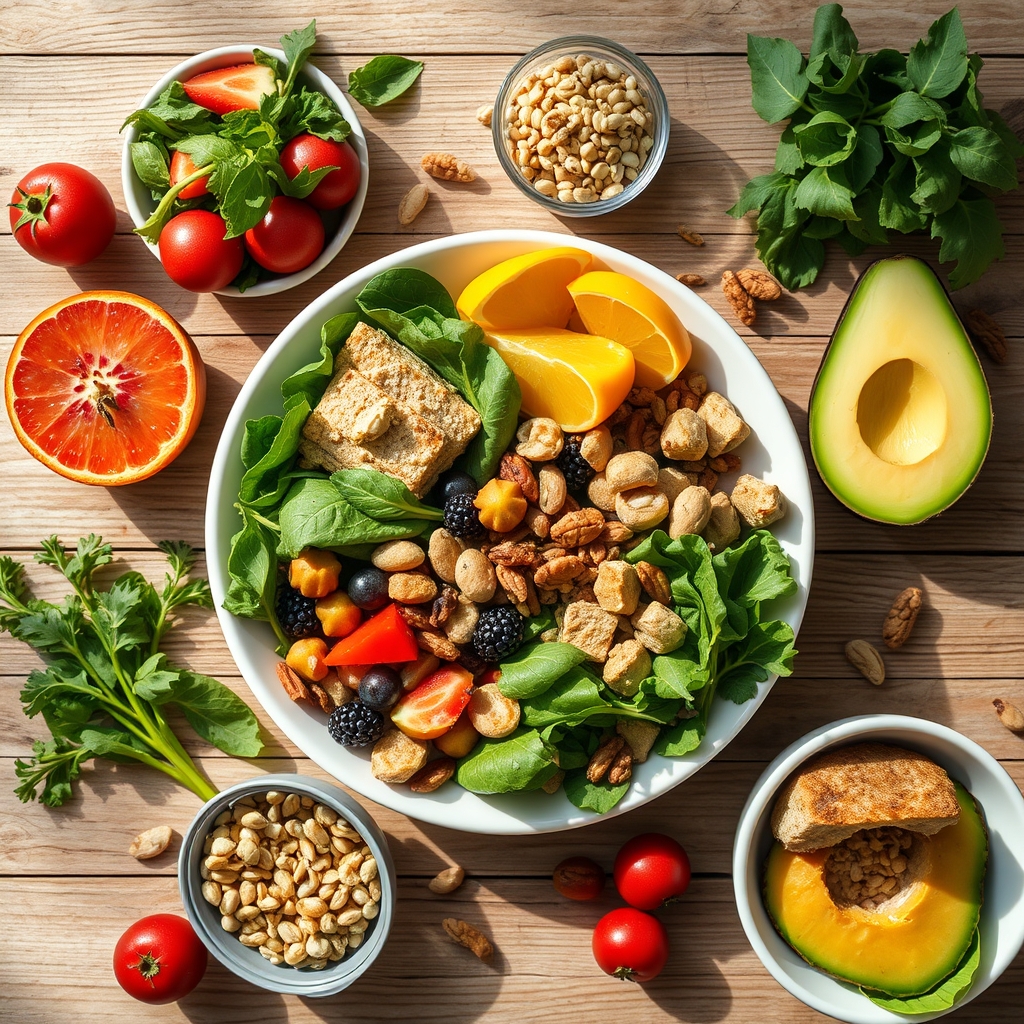
Lean proteins: Chicken, fish (low mercury), beans, lentils, tofu, eggs.
Whole grains: Oats, brown rice, whole wheat bread, quinoa.
Fruits and vegetables: A wide variety of colorful produce for vitamins, minerals, and fiber.
Healthy fats: Avocados, nuts, seeds, olive oil.
Dairy or fortified alternatives: For calcium and Vitamin D.
Limit processed foods, sugary drinks, excessive saturated fats, and empty calories. Listen to your body's hunger and fullness cues, and aim for regular, smaller meals and snacks throughout the day to keep your energy stable.
Exercise Tips: Staying Active Safely
Unless advised otherwise by your doctor, most pregnant individuals can and should continue or start moderate exercise. Physical activity helps manage weight, improves mood, boosts energy, and can even prepare your body for labor. The Centers for Disease Control and Prevention (CDC) recommends at least 150 minutes of moderate-intensity aerobic activity each week.
Safe activities often include:
Walking
Swimming or water aerobics
Prenatal yoga or Pilates
Cycling (stationary bike is safest later in pregnancy)
Dancing
Always listen to your body, stay hydrated, avoid overheating, and steer clear of activities with a high risk of falls or abdominal trauma. If you were active before pregnancy, you might be able to continue many of your usual routines, with modifications as needed. If you're new to exercise, start slowly and build up gradually, always with your provider's approval.
Mindful Eating and Hydration
Pay attention to *how* you eat, not just *what* you eat. Eating slowly, savoring your food, and noticing your body's signals can prevent overeating. Also, don't forget water! Staying well-hydrated is crucial for countless bodily functions, can help manage appetite, and prevent common pregnancy discomforts like constipation.
When to Adjust: What to Do If Your Weight Gain Isn't on Track
It's common for weight gain to fluctuate, and a week or two outside the recommended range isn't usually cause for panic. What's more important is the overall trend and discussing any concerns with your healthcare provider. They can help you understand if adjustments are needed and guide you safely.
If You're Gaining Too Much Weight
If your weight gain seems to be consistently above the recommended range, your doctor might suggest:
Reviewing your diet: Identifying areas where you might be consuming extra calories, particularly from sugary drinks, unhealthy snacks, or large portion sizes.
Increasing physical activity: If safe and appropriate, your provider might encourage more moderate exercise.
Consulting a registered dietitian: They can help create a personalized meal plan that is nutrient-rich but calorie-appropriate for pregnancy.
The goal isn't to *lose* weight during pregnancy, but to slow down the rate of gain to get back within a healthier trajectory.
If You're Gaining Too Little Weight
If you're struggling to gain enough weight, especially if you started pregnancy underweight or have severe nausea and vomiting, your provider might recommend:
Eating more frequent, smaller meals: This can be easier to manage, especially if you have a reduced appetite.
Nutritional supplements: Beyond your prenatal vitamin, your doctor might suggest specific supplements if you're not meeting your needs.
Addressing underlying issues: For severe morning sickness (hyperemesis gravidarum), medical interventions might be necessary to ensure adequate nutrition and hydration.
Never try to drastically change your diet or exercise routine without speaking to your doctor first. They are your best resource for personalized advice.
More Than a Number: Focusing on Overall Well-being
While a pregnancy weight gain calculator and guidelines are helpful tools, it's crucial to remember that your pregnancy journey is about more than just numbers on a scale. Your overall well-being – physical, mental, and emotional – is paramount. Stressing excessively about weight can sometimes be counterproductive to a healthy pregnancy.
A representative story we often hear is from Sarah, a first-time mom who was meticulously tracking every ounce. "I was so focused on hitting the exact number each week," she shared. "But when my midwife reminded me that my baby was thriving, I was eating well, and I felt good, it really shifted my perspective. I started paying more attention to how I felt and less to the scale, and honestly, it made the rest of my pregnancy so much more enjoyable."
Your healthcare provider will monitor many factors beyond just weight, including your baby's growth, your blood pressure, and your overall health. Trust in their guidance and focus on making choices that support a healthy, happy pregnancy. Celebrate the incredible changes your body is undergoing to bring new life into the world.
From our medical team: "It's natural to be curious about pregnancy weight gain, but remember that these guidelines are just that — guides. Every pregnancy is unique. We look at the bigger picture: your baby's growth, your nutrition, your energy levels, and how you're feeling. Don't let the numbers cause undue stress; instead, use them as a conversation starter with your doctor or midwife. Your health and your baby's health are our top priorities."
🔢 Ready to crunch your numbers? Use our Pregnancy Weight Gain for a personalized result in seconds.
Myth vs. Fact
Let's clear up some common misconceptions about pregnancy weight gain:
Myth: You need to "eat for two" and significantly increase your portion sizes from day one.
Fact: While you are nourishing two, the caloric increase is modest. You don't need any extra calories in the first trimester, and only a few hundred extra per day in the second and third. Focus on nutrient quality, not just quantity.
Myth: Any weight gained during pregnancy will automatically "melt off" with breastfeeding or after birth.
Fact: While breastfeeding can help with postpartum weight loss for some, and a significant amount of pregnancy weight (baby, placenta, fluid) is lost immediately, retaining some "baby weight" is very common. It takes time and healthy habits to return to your pre-pregnancy weight, and for some, their body composition may permanently shift.
Myth: You shouldn't exercise or be too active during pregnancy, especially if you're trying to manage weight gain.
Fact: For most healthy pregnancies, regular, moderate-intensity exercise is encouraged and beneficial. It helps manage weight, improves mood, reduces discomfort, and can prepare your body for labor. Always check with your healthcare provider about safe activities for you.
Key Takeaways
Your ideal pregnancy weight gain range is personalized based on your pre-pregnancy BMI.
Use a pregnancy weight gain calculator as a helpful guide, but discuss your individual progress with your doctor.
A significant portion of pregnancy weight gain comes from your baby, placenta, amniotic fluid, and increased bodily fluids, not just fat stores.
Both gaining too much and too little weight can carry potential risks for you and your baby.
Focus on a nutrient-dense diet, stay safely active, and prioritize overall well-being throughout your pregnancy.
Communicate openly with your healthcare provider about any concerns regarding your weight gain.
Frequently Asked Questions
How do I calculate my ideal pregnancy weight gain?
Your ideal pregnancy weight gain is primarily determined by your pre-pregnancy Body Mass Index (BMI). You can calculate your BMI using your pre-pregnancy weight and height. Once you have your BMI, you can refer to established guidelines or use an online tool, like the BumpBites Pregnancy Weight Gain calculator, which will provide a recommended total weight gain range for your pregnancy based on your specific BMI category.
Is it bad to gain more than the recommended weight during pregnancy?
Gaining more than the recommended weight can increase risks for both you and your baby, such as gestational diabetes, pre-eclampsia, the need for a C-section, and a larger baby (macrosomia). However, a single week of slightly higher gain isn't usually a concern. Your doctor will look at the overall trend and provide guidance if your gain is consistently outside the healthy range.
What is the average weight gain per trimester?
Weight gain is not linear. In the first trimester, most women gain only 1-5 pounds (0.5-2.3 kg) due to potential nausea. In the second and third trimesters, gain typically increases to about 1 pound (0.5 kg) per week, though this can vary based on your pre-pregnancy BMI. Total gain ranges from 11-40 pounds for single pregnancies.
Can my pre-pregnancy BMI affect my baby's health?
Yes, your pre-pregnancy BMI can influence your baby's health. If you start pregnancy underweight, your baby has a higher risk of low birth weight or preterm birth. If you start overweight or obese, there's an increased risk of gestational diabetes, a larger baby (macrosomia), and a higher chance of your child developing obesity later in life.
What foods help with healthy pregnancy weight gain?
Focus on nutrient-dense foods that provide essential vitamins, minerals, and healthy calories. Include lean proteins (chicken, fish, beans), whole grains (oats, brown rice), a variety of fruits and vegetables, and healthy fats (avocado, nuts, seeds). Limit processed foods, sugary drinks, and excessive saturated fats. These choices support both your health and your baby's development.
When should I be concerned about my pregnancy weight?
You should discuss any concerns about your weight gain with your doctor or midwife. This includes rapid or sudden weight gain, very little or no weight gain over several weeks, or if you are consistently gaining significantly outside your recommended range. Your healthcare provider can assess your individual situation and rule out any underlying issues.
When to Call Your Doctor
While minor fluctuations in weight gain are normal, there are times when it’s important to contact your healthcare provider:
You experience sudden, rapid weight gain (more than 4-5 pounds in a week), especially if accompanied by swelling in your hands, face, or feet, or a severe headache. This could be a sign of pre-eclampsia.
You are consistently gaining very little or no weight, particularly if you are also experiencing severe nausea, vomiting, or difficulty keeping food down.
You have concerns about your weight gain that are causing you significant stress or anxiety.
You are actively trying to lose weight or restrict calories during pregnancy.
This article is for informational purposes only and is not a substitute for professional medical advice, diagnosis, or treatment. Always seek the advice of your physician or other qualified health provider with any questions you may have regarding a medical condition.
References
American College of Obstetricians and Gynecologists (ACOG). (2018). Weight Gain During Pregnancy. Committee Opinion No. 548.
Not sure about the label on Pregnancy Weight Gain Calculator What S Normal For My Body Type products?
Snap the ingredients list and SafeFilter checks every ingredient for your stage — only 3 free scans this month, then you're locked until reset. Unlimited from $7/mo or lock $50/yr through Aug 31 (16 days left).
When Shubhra Mishra was expecting her first child in 2016, she was overwhelmed by conflicting food advice — one site said yes, another said never. By the time her second baby arrived in 2019, she realized millions of mothers face the same confusion.
That sparked a five-year journey through clinical nutrition papers, cultural diets, and expert conversations — all leading to BumpBites: a calm, compassionate space where science meets everyday motherhood.
Her long-term vision is to build a global community ensuring safe, supported, and free deliveriesfor every mother — because no woman should face pregnancy alone or uninformed. 🌿
🌍 Stand with mothers, shape safer guidance
Join a small circle of experts who review BumpBites articles so expecting parents everywhere can decide with confidence.