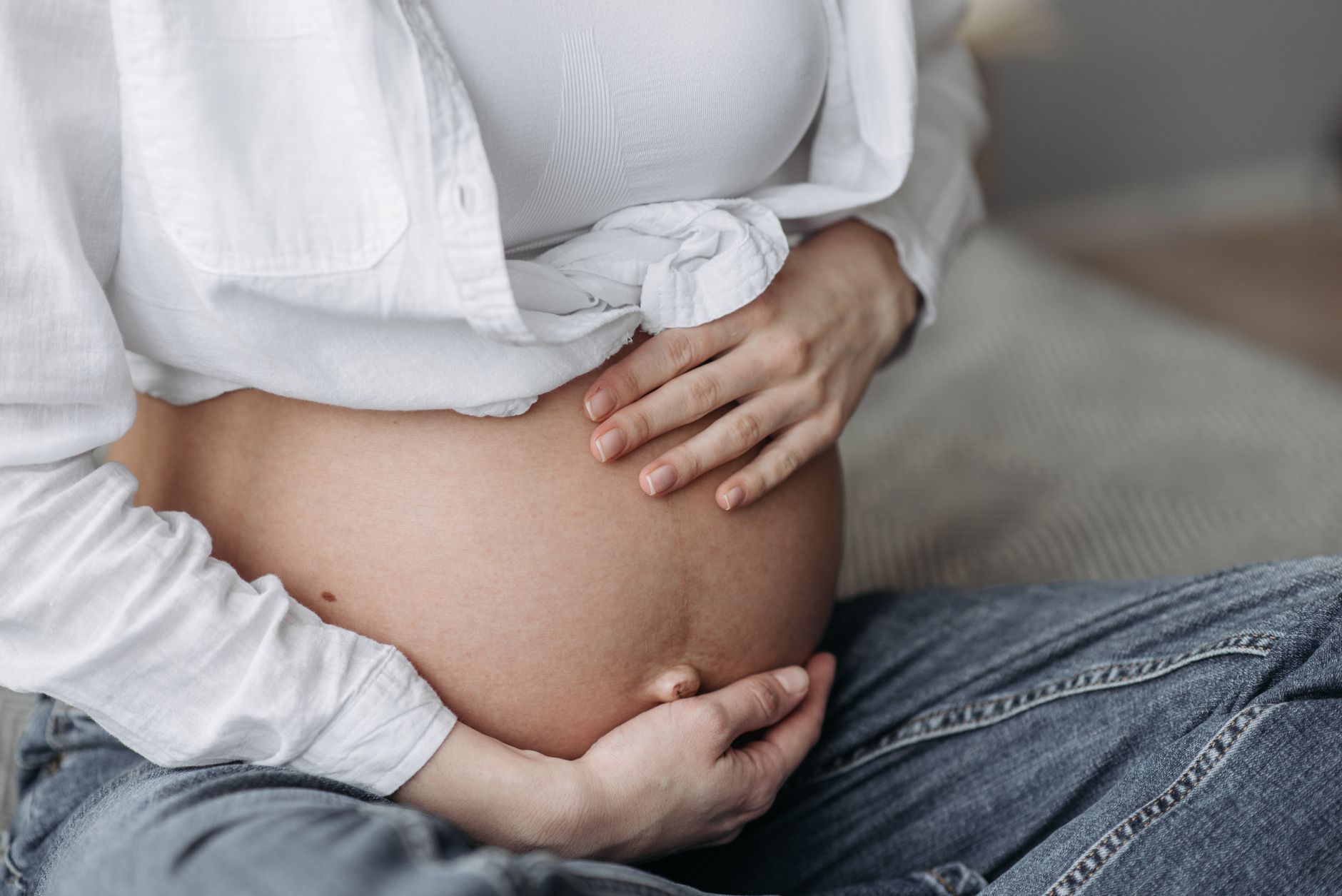
Yes, pregnancy with low BMI is manageable with proper care. Understand the risks, safe weight gain guidelines, and nutritional strategies to ensure a healthy pregnancy for you and your baby. Get expert tips here.
By Shubhra Mishra — a mom of two who turned her own confusion during pregnancy into BumpBites, a global mission to make food choices clear, safe, and stress-free for every expecting mother. 💛
Check whether any food is safe during pregnancy with the BumpBites Food Safety Checker.
Quick take: If you're pregnant and have a low Body Mass Index (BMI) — generally below 18.5 — it's important to know that while it comes with specific considerations for both you and your baby, proactive care and a focused nutrition plan can lead to a healthy pregnancy. Working closely with your healthcare provider to ensure adequate weight gain and nutrient intake is key to mitigating potential risks.
It's 2 a.m., you're scrolling through your phone, and a little voice in your head is wondering if your pre-pregnancy weight, or lack thereof, is something you should be worrying about now that you're expecting. Perhaps you've always been naturally slender, or maybe morning sickness has made it hard to keep food down. Whatever the reason, if you're navigating pregnancy with a low Body Mass Index (BMI), you're not alone in feeling a mix of concern and a desire for clear, trustworthy guidance.
At BumpBites, we understand this worry. While a low BMI can present unique challenges during pregnancy, the good news is that with the right support and strategies, you can absolutely have a healthy pregnancy and a thriving baby. This article will help you understand what a low BMI means in pregnancy, the potential risks, and most importantly, how to work with your healthcare team to ensure you're getting the nutrition and care you need.
We'll cover everything from how to safely gain weight and what foods to prioritize, to the medical monitoring you might need and tips for managing common pregnancy symptoms that can make eating difficult. Our goal is to empower you with knowledge, reduce your anxiety, and guide you toward a healthy, confident pregnancy journey.
Prioritizing nutrient-dense, calorie-rich meals like this can help ensure you're getting enough energy and vitamins.
What are the risks of low BMI during pregnancy for mom and baby?
Having a low Body Mass Index (BMI) before or during pregnancy, generally defined as a BMI below 18.5, means your body might have fewer reserves to draw upon for the significant demands of growing a baby. While many women with a low BMI have perfectly healthy pregnancies, it's important to be aware of the increased risks so you and your healthcare provider can proactively manage them.
Risks for the Mother
Increased fatigue and anemia: Your body needs extra iron and energy during pregnancy. If your stores are already low, you might experience more severe fatigue and be at a higher risk for iron-deficiency anemia, which can impact your energy levels and overall well-being.
Exacerbated pregnancy symptoms: Nausea and vomiting, often referred to as "morning sickness," can be particularly challenging for women with a low BMI. If you're already struggling to eat enough, severe nausea (hyperemesis gravidarum) can lead to significant weight loss and nutrient deficiencies.
Higher risk of preterm labor: Studies suggest that women with a low BMI have an increased chance of going into labor before 37 weeks of pregnancy. Preterm birth can lead to health complications for the baby.
Longer postpartum recovery: Inadequate nutritional reserves can make your body's recovery from childbirth more challenging, potentially impacting energy levels and healing.
Lower likelihood of successful breastfeeding: While not universal, some evidence suggests that women with very low BMIs may have a harder time establishing and maintaining a full milk supply.
Risks for the Baby
Low birth weight (LBW) and Small for Gestational Age (SGA): Babies born to mothers with a low BMI are more likely to be born weighing less than 5.5 pounds (2.5 kg) and to be smaller than expected for their gestational age. This is often due to inadequate nutrient transfer during pregnancy.
Preterm birth: As mentioned above, the increased risk of preterm labor in mothers with low BMI directly translates to an increased risk of preterm birth for the baby, which can lead to various health and developmental challenges.
Developmental issues: Inadequate nutrition during critical periods of fetal development can impact organ growth and function, potentially leading to long-term health issues for the child, including compromised immune function and an increased risk of chronic diseases later in life (such as diabetes and heart disease).
Increased risk of stillbirth: Although rare, some research indicates a slightly elevated risk of stillbirth in pregnancies complicated by severe maternal underweight.
It's crucial to remember that these are *potential* risks, and many women with a low BMI have healthy pregnancies. The key is to be proactive, communicate openly with your healthcare provider, and follow their guidance on nutrition and weight gain.
How to safely gain weight when pregnant with a low BMI?
Gaining enough weight during pregnancy is vital for both your health and your baby's development, especially if you start with a low BMI. The goal isn't just to gain weight, but to gain it healthily, focusing on nutrient-dense foods rather than empty calories. Your healthcare provider will give you personalized weight gain targets, but general guidelines exist.
Recommended Weight Gain for Low BMI Pregnancy
The American College of Obstetricians and Gynecologists (ACOG) and the Institute of Medicine (IOM) provide specific recommendations based on your pre-pregnancy BMI:
If your pre-pregnancy BMI is below 18.5 (underweight): The recommended weight gain is typically 28 to 40 pounds (approximately 12.5 to 18 kilograms).
If your pre-pregnancy BMI is 18.5-24.9 (normal weight): The recommended weight gain is 25 to 35 pounds (approximately 11.5 to 16 kilograms).
These are general ranges, and your individual needs might vary based on factors like whether you're carrying multiples or if you're experiencing severe nausea. Your doctor or midwife will help you set a realistic and safe target.
Strategies for Healthy Weight Gain
Focus on Nutrient-Dense Foods: Instead of reaching for sugary drinks or processed snacks, prioritize foods that offer both calories and essential nutrients. Think avocados, nuts, seeds, full-fat dairy, lean proteins, and whole grains.
Eat Small, Frequent Meals: This can be easier on your digestive system, especially if you're experiencing nausea, and helps ensure a steady supply of nutrients to your baby. Aim for 5-6 small meals and snacks throughout the day.
Incorporate Healthy Fats: Fats are calorie-dense and essential for fetal brain development. Add olive oil to salads, snack on nuts and seeds, and include avocado in your meals.
Boost Protein Intake: Protein is crucial for your baby's growth and your own tissue repair. Include lean meats, poultry, fish, eggs, dairy, beans, and lentils in your diet.
Don't Forget Healthy Carbohydrates: Whole grains, fruits, and starchy vegetables provide energy and fiber. Opt for brown rice, whole-wheat bread, oats, sweet potatoes, and bananas.
Liquid Calories Can Help: If eating solid food is difficult, nutrient-rich smoothies made with full-fat yogurt, milk, fruit, nut butter, and even a scoop of protein powder can be an excellent way to get extra calories and nutrients.
Remember, consistent, gradual weight gain is often healthier than sudden, rapid increases. Your healthcare provider will monitor your weight gain at each appointment and provide guidance if you're gaining too little or too much.
Recommended diet and nutrition for low BMI pregnancy
When you're pregnant with a low BMI, your diet becomes an even more crucial tool for supporting both your health and your baby's development. The focus should be on maximizing nutrient and calorie intake with every bite. It's not just about eating more; it's about eating smarter.
Key Nutritional Focus Areas
Calorie-Dense, Nutrient-Rich Foods: Prioritize foods that pack a punch in terms of both energy and essential vitamins and minerals. Examples include avocados, nuts, seeds, full-fat dairy, nut butters, and dried fruits.
Protein Power: Aim for a good source of protein at every meal. Protein is the building block for your baby's tissues and organs. Think lean meats, poultry, fish (low-mercury options), eggs, Greek yogurt, cheese, beans, lentils, and tofu.
Healthy Fats: Essential for energy and fetal brain development. Incorporate sources like olive oil, avocado, nuts, seeds, and fatty fish (like salmon, in moderation) into your daily diet.
Complex Carbohydrates: Provide sustained energy. Choose whole grains like oats, brown rice, whole-wheat bread, and starchy vegetables such as sweet potatoes and corn.
Vitamins and Minerals: Ensure adequate intake of folic acid, iron, calcium, vitamin D, and omega-3 fatty acids. While a prenatal vitamin is essential, dietary sources are crucial too.
Smart Food Choices & Practical Tips
Boost your smoothies: Blend full-fat milk or yogurt, fruit, a handful of spinach, nut butter, and perhaps some flax seeds or chia seeds for a powerful, easy-to-digest meal or snack.
Snack strategically: Instead of empty calories, opt for snacks like a handful of nuts and dried fruit, an apple with peanut butter, a hard-boiled egg, or full-fat Greek yogurt with berries.
Add extra to meals: Stir a tablespoon of olive oil into soups or pasta, sprinkle cheese on dishes, or add extra avocado to sandwiches and salads.
Don't skip breakfast: Start your day with a substantial meal, like oatmeal with nuts and fruit, or eggs with whole-wheat toast and avocado.
Prenatal Vitamins: Your Daily Insurance
Even with the most diligent diet, it can be challenging to meet all your nutritional needs during pregnancy, especially with a low BMI. A high-quality prenatal vitamin is non-negotiable. It acts as a safety net, ensuring you and your baby receive adequate amounts of crucial nutrients like folic acid (to prevent neural tube defects), iron (to prevent anemia), and calcium (for bone development). Your doctor or midwife will recommend a specific prenatal vitamin that's right for you.
Here's a table of healthy, calorie-dense snack ideas that can help you boost your intake:
Snack Idea
Key Nutrients & Calories
Tips for Boosting
Full-Fat Greek Yogurt
Protein, Calcium, Probiotics
Add granola, nuts, seeds, honey, or fresh/dried fruit.
Avocado Toast
Healthy Fats, Fiber, Vitamins
Use whole-grain bread, add an egg, cheese, or everything bagel seasoning.
Nut Butter & Fruit
Protein, Healthy Fats, Fiber, Vitamins
Pair with apples, bananas, or whole-grain crackers. Choose natural, unsweetened nut butters.
Trail Mix
Healthy Fats, Protein, Fiber, Energy
Make your own with nuts, seeds, dried fruit, and a few dark chocolate chips.
Cheese & Whole-Grain Crackers
Calcium, Protein, Fiber
Opt for full-fat cheese. Add a slice of avocado or a few olives.
Smoothie
Varies widely depending on ingredients
Blend milk/yogurt, fruit, spinach, nut butter, chia/flax seeds, and protein powder.
Hard-Boiled Eggs
Protein, Choline, Vitamins
Sprinkle with salt and pepper, or mash with avocado for a quick spread.
Does being underweight affect fetal growth and development?
Yes, being underweight during pregnancy can absolutely affect fetal growth and development. Your body is the primary source of nutrients for your growing baby, and if your own reserves are insufficient, it can directly impact how well your baby develops in the womb. This is one of the main reasons why managing a low BMI in pregnancy is so important.
How Low Maternal Weight Impacts Fetal Development
Nutrient Restriction: When a mother has insufficient nutritional intake, the baby may not receive adequate amounts of essential macronutrients (proteins, fats, carbohydrates) and micronutrients (vitamins, minerals) needed for healthy growth. This can lead to a condition known as Intrauterine Growth Restriction (IUGR) or result in the baby being Small for Gestational Age (SGA).
Compromised Organ Development: Critical periods of development occur throughout pregnancy. A lack of proper nutrition during these times can affect the development of vital organs, including the brain, lungs, and heart. For example, inadequate choline and omega-3 fatty acids can impact brain development.
Reduced Fetal Fat Stores: Babies born to underweight mothers may have fewer fat stores, which are crucial for regulating body temperature and providing energy after birth.
Long-Term Health Implications: Research suggests that babies who experience nutrient restriction in the womb may be at a higher risk for certain health issues later in life. This concept, known as "fetal programming" or "developmental origins of health and disease (DOHaD)," links prenatal conditions to increased susceptibility to chronic diseases like type 2 diabetes, cardiovascular disease, and obesity in adulthood.
Increased Risk of Preterm Birth: As discussed, low maternal BMI is a risk factor for preterm birth. Babies born prematurely, regardless of size, face a range of developmental challenges and health complications due to their organs not being fully mature.
It's important to understand that your body will always prioritize the baby's needs to some extent, but this can come at a cost to your own health if you're not getting enough. This is why a collaborative approach with your healthcare team, focusing on consistent, healthy weight gain and a nutrient-rich diet, is the best way to support your baby's optimal growth and development.
Regular prenatal care and open communication with your provider are essential steps in ensuring a healthy pregnancy with a low BMI.
When should I be concerned about low BMI in early pregnancy?
Discovering you have a low BMI in early pregnancy can certainly raise questions and concerns. The good news is that early identification allows you and your healthcare team to implement strategies right away to support a healthy pregnancy. However, there are specific situations where a low BMI warrants immediate and focused attention.
Initial Concern: Pre-pregnancy or Early Pregnancy BMI Below 18.5
If your BMI was below 18.5 before conception or is identified as such in your first prenatal appointment, it's a signal to your provider that you may need a more tailored approach to your care. This isn't necessarily a crisis, but it means a proactive plan for nutrition and weight gain should be a priority from the outset.
When to be Actively Concerned and Seek Further Medical Advice
Inability to Gain Weight (or Weight Loss): If you are consistently failing to gain weight according to your provider's recommendations, or if you are actually losing weight during pregnancy (especially after the first trimester), this is a significant concern. Weight loss can indicate insufficient caloric intake, severe nausea, or an underlying issue.
Severe or Persistent Nausea and Vomiting (Hyperemesis Gravidarum): While common, if morning sickness is so severe that you can't keep food or fluids down for prolonged periods, leading to dehydration and weight loss, it requires medical intervention. This condition, called hyperemesis gravidarum, can be serious for both you and your baby.
Symptoms of Nutrient Deficiencies: Pay attention to symptoms like extreme fatigue that doesn't improve with rest, dizziness, brittle hair or nails, pallor (pale skin), or unusual cravings. These could be signs of anemia or other nutrient deficiencies needing urgent attention.
Fetal Growth Concerns on Ultrasound: If routine ultrasounds indicate that your baby is measuring small for gestational age or shows signs of growth restriction, it's a direct indicator that your nutritional status might be impacting fetal development.
History of Eating Disorders: If you have a history of anorexia nervosa, bulimia nervosa, or other disordered eating, pregnancy can be a particularly vulnerable time. It's crucial to disclose this to your provider so you can receive appropriate mental health and nutritional support.
Underlying Medical Conditions: Conditions like hyperthyroidism, inflammatory bowel disease, or other malabsorption issues can make it very difficult to gain weight and absorb nutrients. If you have such a condition, or develop symptoms, it needs careful management during pregnancy.
The most important thing is open and honest communication with your healthcare provider. Don't hesitate to voice your concerns or report any symptoms that worry you. They are there to support you and ensure the healthiest possible outcome for you and your baby.
What medical monitoring and support are needed for low BMI pregnancy?
When you're pregnant with a low BMI, your healthcare team will likely recommend a more tailored and often more frequent monitoring schedule to ensure both you and your baby are thriving. This proactive approach helps to catch and address potential issues early on.
Increased Prenatal Care
More Frequent Visits: You might have prenatal appointments scheduled more often than someone with a normal BMI, especially in the second and third trimesters. These visits will closely track your weight gain, blood pressure, and overall health.
Detailed Nutritional Counseling: Your doctor or midwife will likely spend more time discussing your diet and may refer you to a registered dietitian specializing in prenatal nutrition. A dietitian can help you create a personalized meal plan to meet your specific calorie and nutrient needs, taking into account any food preferences or challenges like nausea.
Close Weight Monitoring: Expect consistent weigh-ins at every appointment. Your provider will compare your weight gain against the recommended targets for your pre-pregnancy BMI and adjust guidance as needed.
Specialized Diagnostic Tests
Serial Ultrasounds for Fetal Growth: To monitor your baby's growth and development closely, your provider may recommend more frequent ultrasounds, particularly in the second and third trimesters. These ultrasounds will assess fetal biometry (measurements), amniotic fluid levels, and sometimes blood flow through the umbilical cord to ensure your baby is receiving adequate nourishment.
Blood Tests for Anemia and Nutrient Levels: Regular blood tests will be crucial to check for iron-deficiency anemia, which is more common in women with a low BMI. Your provider may also monitor other nutrient levels if there's a concern about specific deficiencies.
Referrals and Additional Support
Maternal-Fetal Medicine (MFM) Specialist: In some cases, especially if there are significant concerns about fetal growth or other complications, your primary obstetrician may refer you to a maternal-fetal medicine specialist. These doctors have advanced training in high-risk pregnancies.
Mental Health Support: If a history of eating disorders or body image concerns is a factor, or if the pressure to gain weight causes significant anxiety, mental health support (e.g., a therapist or counselor) can be an invaluable part of your care team.
Exercise Recommendations
For most women with a low BMI, gentle to moderate exercise is still beneficial for overall health, mood, and preparing for labor. However, the focus should be on energy conservation and ensuring your activity doesn't compromise your ability to gain weight. Low-impact activities like walking, swimming, prenatal yoga, or stationary cycling are generally good choices. Avoid intense, high-impact workouts that burn excessive calories without providing proportional benefit or might put strain on your body. Always discuss your exercise routine with your healthcare provider to ensure it's appropriate for your individual circumstances.
From our medical team: "Navigating pregnancy with a low BMI is a journey best taken with a supportive healthcare team. We often recommend a multi-disciplinary approach, involving obstetricians, dietitians, and sometimes mental health professionals. The goal isn't just to increase your weight, but to ensure optimal nutritional status for both mother and baby. Early intervention and consistent monitoring are key to minimizing risks and promoting a healthy outcome."
Tips for managing nausea and poor appetite during low BMI pregnancy
Nausea and a reduced appetite are common in pregnancy, particularly in the first trimester, but they can be especially challenging for women with a low BMI who are already working to gain weight. It can feel like a frustrating cycle: you need to eat, but the thought of food makes you feel sick. Here are some practical strategies to help you navigate these symptoms and ensure you're getting enough nourishment.
Strategies for Managing Nausea
Eat Small, Frequent Meals: An empty stomach can worsen nausea. Try to eat every 2-3 hours, even if it's just a few bites. This keeps your blood sugar stable and prevents your stomach from becoming overly empty.
Choose Bland Foods: Opt for foods that are easy to digest and don't have strong smells or flavors. Crackers, dry toast, plain pasta, rice, boiled potatoes, and bananas are often well-tolerated.
Avoid Trigger Foods and Smells: Pay attention to what makes your nausea worse. For many, strong-smelling foods (like fried foods, garlic, or certain spices) can be a trigger.
Stay Hydrated (but separate from meals): Dehydration can worsen nausea. Sip on water, clear broths, or ginger ale throughout the day. Some find it helpful to drink liquids between meals rather than with them, to avoid feeling too full.
Ginger: Ginger is a well-known natural remedy for nausea. Try ginger tea, ginger candies, or ginger chews.
Vitamin B6: Your doctor might recommend a vitamin B6 supplement, which can be effective in reducing nausea for some pregnant individuals. Always consult your provider before starting any new supplement.
Tips for Increasing Appetite
Focus on Nutrient-Dense, High-Calorie Foods: When you can eat, make every bite count. Choose foods that offer a lot of calories and nutrients in a smaller volume. Smoothies are excellent for this, as are avocados, nuts, seeds, and full-fat dairy.
Make Food Appealing: Sometimes, presentation can make a difference. Opt for fresh, colorful ingredients. Keep a variety of healthy snacks readily available so you can grab something whenever you feel a slight appetite.
Eat What You Can Tolerate: Don't feel guilty if your diet isn't perfect during periods of severe nausea. The priority is getting *some* calories and nutrients in. If plain pasta is all you can manage for a few days, that's okay.
Get Creative with Add-ins: Boost the calorie and nutrient content of foods you can eat. Add a spoonful of olive oil to soup, stir nut butter into oatmeal, or sprinkle cheese on vegetables.
Consider Liquid Meals: As mentioned, smoothies, milkshakes made with full-fat milk and fruit, or even nutritional supplement drinks (approved by your doctor) can be easier to consume than solid food when your appetite is low.
Rest: Fatigue can suppress appetite. Ensure you're getting adequate rest and naps when possible.
If your nausea and poor appetite are severe, leading to significant weight loss or dehydration, it's crucial to contact your healthcare provider. They can offer stronger anti-nausea medications or discuss other interventions like IV fluids if necessary.
Finding comfort and making strategic food choices, even small ones, can make a big difference when managing nausea.
Myth vs. fact
There's a lot of information and misinformation floating around about pregnancy and weight. Let's clear up some common misconceptions about low BMI during pregnancy.
Myth: If you're naturally thin, you don't need to gain much weight during pregnancy.
Fact: Even if you've always been slender, your body still needs to gain a significant amount of weight to support a healthy pregnancy. In fact, women who start pregnancy with a low BMI (under 18.5) are recommended to gain *more* weight than those with a normal BMI – typically 28 to 40 pounds. This extra weight provides the necessary reserves for your baby's growth and your own health throughout pregnancy and postpartum.
Myth: Being thin means you'll have an easier labor and delivery because the baby will be smaller.
Fact: While some babies born to underweight mothers may be smaller, this doesn't automatically translate to an easier labor. In fact, low maternal BMI can sometimes be associated with a slightly increased risk of certain complications, such as preterm labor. Additionally, inadequate nutrition can affect your stamina and recovery during and after childbirth. The size of your baby is just one factor in labor; pelvic structure, baby's position, and overall maternal health play significant roles.
Myth: As long as you take your prenatal vitamins, your low BMI won't affect your baby.
Fact: Prenatal vitamins are crucial and act as an important nutritional safety net, but they are not a substitute for a healthy, calorie- and nutrient-dense diet. While vitamins provide essential micronutrients, your baby also needs macronutrients (proteins, fats, carbohydrates) from your diet for proper growth and development. Relying solely on a prenatal vitamin while having insufficient food intake can still lead to low birth weight, growth restriction, and other potential developmental issues for your baby.
Key takeaways
A low Body Mass Index (BMI) in pregnancy (under 18.5) requires proactive management and close collaboration with your healthcare provider.
Low BMI can increase risks for both mother (e.g., anemia, preterm labor) and baby (e.g., low birth weight, developmental issues).
Aim for healthy weight gain, typically 28-40 pounds, focusing on nutrient-dense, calorie-rich foods rather than just "empty" calories.
Prioritize protein, healthy fats, and complex carbohydrates, and eat small, frequent meals to maximize nutrient intake and manage appetite.
A high-quality prenatal vitamin is essential, but it complements, rather than replaces, a balanced and adequate diet.
Expect increased medical monitoring, including more frequent appointments and potentially additional ultrasounds, to ensure optimal fetal growth.
Openly communicate any challenges, such as severe nausea or poor appetite, with your healthcare team to receive appropriate support and interventions.
Frequently asked questions
Is it OK to be underweight and pregnant?
While a low BMI (under 18.5) isn't ideal for pregnancy, it's manageable with focused care. It means you'll need to work closely with your healthcare provider to ensure you gain enough weight and receive adequate nutrients to support both your health and your baby's development. Many women with low BMIs have healthy pregnancies with proper guidance.
What are the dangers of being too skinny while pregnant?
Being underweight during pregnancy can increase risks for both you and your baby. For the mother, risks include higher chances of anemia, excessive fatigue, and preterm labor. For the baby, dangers include low birth weight, being small for gestational age, and potential developmental issues due to insufficient nutrient transfer. Proactive care helps mitigate these risks.
How much weight should an underweight woman gain during pregnancy?
For women starting pregnancy with a low BMI (under 18.5), the American College of Obstetricians and Gynecologists (ACOG) generally recommends gaining between 28 to 40 pounds (approximately 12.5 to 18 kilograms). Your healthcare provider will give you a personalized target based on your individual health and pregnancy progression.
Can low BMI affect baby's health?
Yes, a low maternal BMI can affect your baby's health. It increases the risk of your baby being born with a low birth weight or being small for gestational age (SGA). Inadequate nutrient intake can also impact critical organ development and may be linked to certain long-term health issues for the child. Close monitoring and good nutrition are key.
What should I eat if I'm underweight and pregnant?
Focus on nutrient-dense, calorie-rich foods. Prioritize lean proteins (meat, eggs, dairy, beans), healthy fats (avocado, nuts, olive oil), and complex carbohydrates (whole grains, sweet potatoes). Eat small, frequent meals and incorporate healthy snacks like smoothies with full-fat yogurt, nut butters, and dried fruits to boost your intake effectively.
Does low BMI affect fertility and conception?
Yes, a significantly low BMI can sometimes affect fertility and conception. Being underweight can disrupt hormonal balance, potentially leading to irregular periods or anovulation (not releasing an egg), making it harder to conceive. However, this article focuses primarily on managing a low BMI once pregnancy has already been achieved.
When to call your doctor
While navigating pregnancy with a low BMI is manageable with good care, there are specific signs that warrant immediate contact with your healthcare provider:
Significant, unexplained weight loss at any point in pregnancy, especially after the first trimester.
Severe and persistent nausea and vomiting that prevents you from keeping down food or fluids for more than 24 hours, or causes signs of dehydration (e.g., decreased urination, extreme thirst, dizziness).
Symptoms of nutrient deficiencies such as extreme fatigue, dizziness, unusual cravings, or brittle hair/nails.
Concerns from your provider about your baby's growth during routine ultrasounds.
Any other symptoms that cause you significant worry or discomfort.
Remember, this information is for educational purposes only and is not a substitute for professional medical advice. Always consult with your doctor or midwife for personalized guidance regarding your health and pregnancy.
References
American College of Obstetricians and Gynecologists (ACOG). Weight Gain During Pregnancy.
Institute of Medicine (IOM) and National Research Council. Weight Gain During Pregnancy: Reexamining the Guidelines.
Centers for Disease Control and Prevention (CDC). Maternal Weight Gain.
World Health Organization (WHO). Guidelines for the management of common conditions in pregnancy.
NHS (National Health Service). Eating well in pregnancy.
Mayo Clinic. Pregnancy weight gain: What's healthy?
Not sure about the label on Pregnancy With Low Bmi products?
Snap the ingredients list and SafeFilter checks every ingredient for your stage — only 3 free scans this month, then you're locked until reset. Unlimited from $7/mo or lock $50/yr through Aug 31 (16 days left).
When Shubhra Mishra was expecting her first child in 2016, she was overwhelmed by conflicting food advice — one site said yes, another said never. By the time her second baby arrived in 2019, she realized millions of mothers face the same confusion.
That sparked a five-year journey through clinical nutrition papers, cultural diets, and expert conversations — all leading to BumpBites: a calm, compassionate space where science meets everyday motherhood.
Her long-term vision is to build a global community ensuring safe, supported, and free deliveriesfor every mother — because no woman should face pregnancy alone or uninformed. 🌿
🌍 Stand with mothers, shape safer guidance
Join a small circle of experts who review BumpBites articles so expecting parents everywhere can decide with confidence.