Yes, a healthy pregnancy with thyroid disorder is possible with proper treatment and monitoring. Discover key steps, risks, and tips for a safe pregnancy.
By Shubhra Mishra — a mom of two who turned her own confusion during pregnancy into BumpBites, a global mission to make food choices clear, safe, and stress-free for every expecting mother. 💛
Check whether any food is safe during pregnancy with the BumpBites Food Safety Checker.
Quick take: Most women with hypothyroidism or hyperthyroidism can have healthy pregnancies when their thyroid is well‑controlled with the right medication, regular monitoring, and supportive lifestyle choices. Untreated thyroid disease raises the risk of miscarriage, preterm birth, and other complications, so close partnership with your healthcare team is essential.
Imagine it’s 2 a.m.; you’re lying in bed, feeling a flutter in your chest, and you’ve just read that thyroid problems might affect your baby. Your mind races with questions: “Can I get pregnant? Will my medication hurt my child?” You’re not alone—many expectant parents share these worries. The good news is that, with proper care, most thyroid disorders are manageable throughout pregnancy.
In this guide we’ll walk through everything you need to know about pregnancy with thyroid disorder: from fertility and medication safety to monitoring schedules, diet tips, and what to watch for after delivery. We’ll answer the most common questions people type into Google, so you can feel confident in the decisions you make for yourself and your baby.
Read on for clear, evidence‑based answers, practical tips you can apply tonight, and the red‑flag signs that merit a call to your provider.
Can I get pregnant if I have hypothyroidism?
Yes—most women with hypothyroidism can conceive and carry a pregnancy to term, but the condition does require careful management before and during pregnancy. Low thyroid hormone levels (especially free T4) can interfere with ovulation, making it harder to become pregnant. Treating hypothyroidism with levothyroxine usually restores normal menstrual cycles and improves fertility.
Before trying to conceive, your doctor will typically check your TSH (thyroid‑stimulating hormone) level and aim for a value between 0.5 and 2.5 mIU/L, which is lower than the standard non‑pregnant target. Achieving this range often involves a modest increase in your levothyroxine dose—sometimes 25‑30 % more than your pre‑conception dose.
Many patients report feeling a sense of relief once their medication is adjusted and their labs are in range. One reader shared that after a six‑month wait, a simple blood test confirmed her TSH was optimal, and she soon conceived naturally. If you’re on medication, don’t stop it—continue taking it exactly as prescribed and schedule a pre‑conception appointment with your obstetrician‑gynecologist (OB‑GYN) or an endocrinologist.
In addition to medication, addressing any underlying iron deficiency or vitamin D insufficiency can boost ovulatory health. Your provider may recommend a short course of folic acid (400‑800 µg daily) before conception, which also supports early fetal neural development.
How does hyperthyroidism affect pregnancy outcomes?
H
yperthyroidism—excess thyroid hormone—can lead to several pregnancy complications if not controlled. Common concerns include pre‑eclampsia (high blood pressure), low birth weight, and preterm delivery. The fetus relies on the mother’s thyroid hormone balance, especially in the first trimester, to support brain development.
When hyperthyroidism is adequately treated, most risks diminish. Studies from the American Thyroid Association (ATA) and the American College of Obstetricians and Gynecologists (ACOG) indicate that women whose thyroid hormone levels stay within the trimester‑specific reference range have outcomes comparable to those without thyroid disease.
Untreated or poorly controlled hyperthyroidism, however, can cause a fast heart rate for the mother, gestational diabetes, and in severe cases, thyroid storm—a life‑threatening emergency. Proper medication, typically propylthiouracil (PTU) in the first trimester and then a possible switch to methimazole, helps keep hormone levels stable. Many pregnant people describe the relief of seeing their thyroid labs normalize and feeling more energetic as the pregnancy progresses.
Because hyperthyroidism can increase the workload on the heart, your provider may also monitor cardiac function with an echocardiogram if symptoms are severe. Early detection and prompt dose adjustment are key to preventing complications.
What thyroid medication is safe during pregnancy?
Levothyroxine is the first‑line treatment for hypothyroidism and is considered safe throughout pregnancy. It is a synthetic form of the thyroid hormone thyroxine (T4) and does not cross the placenta in harmful amounts. The dose often needs to be increased by about 30 % once pregnancy is confirmed because estrogen raises thyroid‑binding globulin, reducing free hormone availability.
For hyperthyroidism, the safest options differ by trimester. The ATA recommends propylthiouracil (PTU) during the first trimester because methimazole has been linked to rare birth defects when taken early. After the first trimester, many clinicians switch to methimazole, as PTU carries a small risk of liver toxicity.
Both medications are FDA‑approved for use in pregnancy, and your provider will monitor your thyroid function every 4–6 weeks to fine‑tune the dose. If you have concerns about medication side effects, discuss them with your healthcare team; they can adjust the type or dose while keeping both mother and baby safe.
In rare cases where a woman cannot tolerate standard therapy, a specialist may consider alternative treatments such as a low‑dose beta‑blocker for symptom control, but these are always individualized and closely supervised.
Symptoms of thyroid disorder in pregnancy and how to manage them
Thyroid imbalance can mimic many normal pregnancy symptoms, which makes it tricky to spot. Common signs of hypothyroidism include fatigue, constipation, cold intolerance, and a feeling of “brain fog.” Hyperthyroidism often presents with rapid heartbeat, heat intolerance, tremors, and anxiety.
Managing these symptoms starts with accurate diagnosis. Your provider will order blood tests for TSH, free T4, and sometimes thyroid antibodies. Once the underlying cause is identified, medication adjustments usually bring relief within weeks.
In addition to medication, lifestyle tweaks help. For hypothyroidism, aim for regular, light exercise and a balanced diet rich in iodine, selenium, and vitamin D. For hyperthyroidism, stress‑reduction techniques such as prenatal yoga or mindfulness can ease anxiety and tremors. Many patients find that keeping a symptom diary—tracking energy levels, temperature changes, and mood—helps their doctor fine‑tune treatment.
Sleep quality is another often‑overlooked factor. Hormonal shifts can disrupt rest, and poor sleep can worsen thyroid symptoms. Creating a calming bedtime routine—dim lighting, gentle stretching, and a short meditation—can improve both sleep and thyroid balance.
How often should thyroid levels be tested during pregnancy?
Frequent monitoring is key to keeping thyroid hormone levels steady. The ATA and ACOG suggest the following schedule:
First trimester (0‑13 weeks): Test TSH and free T4 as soon as pregnancy is confirmed, then repeat every 4 weeks.
Second trimester (14‑27 weeks): Continue testing every 4‑6 weeks.
Third trimester (28‑40 weeks): Test at least once more, often at 28‑30 weeks, and again at 36‑38 weeks.
Women with a history of thyroid disease may need even more frequent checks, especially if symptoms change quickly. After delivery, a final test at 6 weeks postpartum helps determine whether the dose should be lowered or if you’ve entered a remission phase.
Some clinicians also order thyroid antibody testing (TPO‑Ab) in the first trimester if you have a personal or family history of autoimmune thyroid disease, as this can influence pregnancy management and postpartum monitoring.
Diet and lifestyle tips for pregnant women with thyroid disease
Nutrition supports thyroid health and fetal development. Aim for a diet that includes:
Iodine‑rich foods: Seaweed, iodized salt, dairy, and eggs. The recommended daily intake during pregnancy is 220 µg.
Selenium sources: Brazil nuts (just 1‑2 per day), sunflower seeds, and fish.
Vitamin D: Fortified milk, fatty fish, or safe sunlight exposure; many pregnant people supplement with 600‑800 IU daily.
Balanced macronutrients: Whole grains, lean proteins, and plenty of colorful vegetables to maintain steady blood sugar.
Stay hydrated, aim for at least 8 cups of water a day, and limit caffeine to under 200 mg (about one 12‑oz coffee) because excess caffeine can affect thyroid hormone absorption.
Regular, moderate exercise—such as walking, swimming, or prenatal yoga—helps regulate metabolism and reduces stress, which can influence thyroid function. Avoid smoking and excessive alcohol, as both can interfere with hormone balance.
When planning meals, try to space iodine‑rich foods and thyroid medication at least 30 minutes apart to maximize absorption. A simple routine of taking levothyroxine with a glass of water first thing in the morning, then having breakfast an hour later, works well for many.
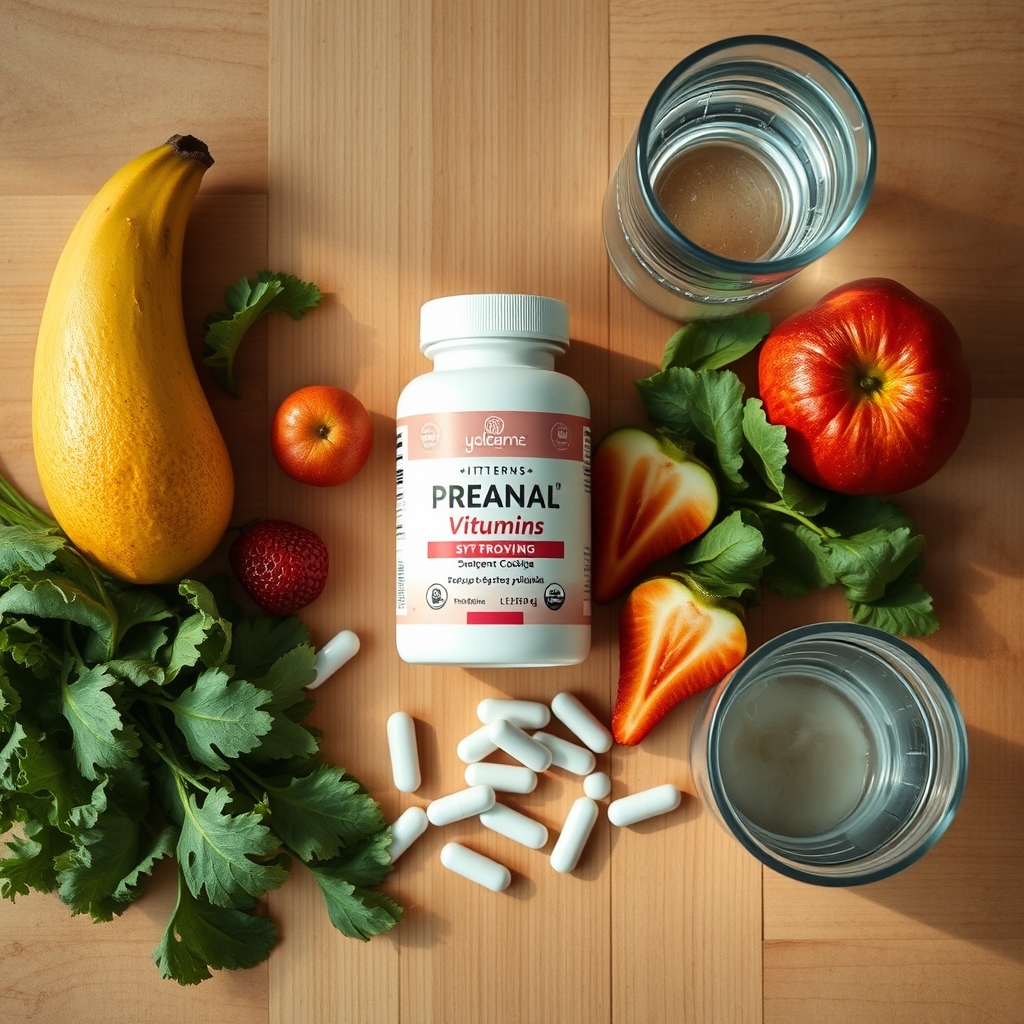
Choosing prenatal vitamins with iodine and selenium can support thyroid health.
Risks of untreated thyroid disorder for mother and baby
If thyroid disease goes untreated, the mother faces several health challenges: increased risk of anemia, hypertension, and pre‑eclampsia for hypothyroidism; and heart‑rate abnormalities, weight loss, and bone loss for hyperthyroidism. The baby is also affected; low maternal thyroid hormone can impair fetal brain development, leading to lower IQ scores later in childhood.
Specific risks include:
Miscarriage (especially with uncontrolled hypothyroidism).
Preterm birth and low birth weight.
Neonatal hyperthyroidism when maternal antibodies cross the placenta.
Potential neurodevelopmental delays if the first trimester TSH is >2.5 mIU/L.
Timely treatment dramatically reduces these risks. ACOG emphasizes that achieving euthyroid (normal thyroid) status before 10 weeks’ gestation is associated with the best outcomes for both mother and child.
Beyond the immediate pregnancy, untreated thyroid disease can set the stage for long‑term maternal health issues, including increased cardiovascular risk later in life. This underscores the importance of lifelong follow‑up even after the baby is born.
Can thyroid disorder cause miscarriage or preterm labor?
Both hypothyroidism and hyperthyroidism have been linked to higher rates of miscarriage and preterm delivery when not properly managed. In hypothyroidism, insufficient thyroid hormone can disrupt the early implantation process, while excessive hormone in hyperthyroidism can trigger uterine irritability.
Data from the National Institute of Health (NIH) indicate that women with untreated TSH > 4 mIU/L have a miscarriage rate up to 30 % higher than euthyroid peers. Conversely, well‑controlled hyperthyroidism, with free T4 within trimester‑specific ranges, reduces the odds of preterm labor to near‑normal levels.
If you experience any vaginal bleeding, cramping, or fluid loss, contact your provider immediately—these could be signs of miscarriage or preterm labor, regardless of thyroid status.
Proactive monitoring, especially after a previous loss, can help catch subtle hormonal shifts early, allowing timely dose adjustments that protect the pregnancy.
Best prenatal vitamins for thyroid patients
Most standard prenatal vitamins contain iodine, but not all provide adequate selenium or vitamin D, which are important for thyroid function. Look for a prenatal supplement that lists at least 150 µg of iodine (the recommended amount for pregnancy) and includes 55 µg of selenium.
Brands that specifically market to thyroid health often combine iodine, selenium, and vitamin D in one pill. If your current prenatal vitamin lacks these, discuss adding a separate iodine or selenium supplement with your provider. Remember, excess iodine can be harmful, so stay within the recommended daily intake.
Some prenatal formulas also contain calcium carbonate, which can interfere with levothyroxine absorption if taken too close together. Separating calcium supplements by at least four hours from your thyroid medication helps maintain optimal hormone levels.
Thyroid function test schedule by trimester
Trimester
Weeks of gestation
Tests recommended
Target TSH range (mIU/L)
First
0‑13
TSH, free T4, thyroid antibodies (if history)
0.5‑2.5
Second
14‑27
TSH, free T4
0.5‑3.0
Third
28‑40
TSH, free T4, repeat antibodies if positive
0.5‑3.0
These intervals help catch any dose changes needed as pregnancy progresses. Your endocrinologist may fine‑tune the schedule based on your baseline levels and symptom pattern.
When you’re nearing delivery, your provider will also check for thyroid antibodies to anticipate possible neonatal thyroid issues, especially if you have a history of autoimmune thyroid disease.
Natural remedies for thyroid during pregnancy
While medication remains the cornerstone of treatment, certain natural approaches can complement medical care. Safe options include:
Vitamin D supplementation: Helps modulate immune response and may reduce thyroid‑autoimmune activity.
Selenium: A daily Brazil nut (1‑2 nuts) supplies enough selenium to support thyroid hormone conversion.
Stress reduction: Prenatal yoga, meditation, and deep‑breathing exercises can lower cortisol, which can interfere with thyroid hormone metabolism.
Avoid herbal supplements that claim to “boost thyroid” unless they are proven safe in pregnancy; many contain compounds that can stimulate or suppress the gland unpredictably. Always check with your provider before adding any new supplement.
Some women find modest amounts of omega‑3 fatty acids (from low‑mercury fish or a purified supplement) helpful for overall endocrine health, but dosage should be discussed with a clinician.
Postpartum thyroiditis symptoms and treatment
Postpartum thyroiditis affects up to 10 % of women after delivery, especially those with pre‑existing thyroid antibodies. It often follows a biphasic pattern: an initial hyperthyroid phase (weeks 1‑3) followed by hypothyroidism (weeks 4‑12).
Symptoms of the hyperthyroid phase include rapid heartbeat, heat intolerance, and anxiety. The subsequent hypothyroid phase can cause fatigue, weight gain, and depression. Diagnosis is confirmed with thyroid labs—low TSH in the first phase, high TSH in the second.
Treatment is usually symptomatic: beta‑blockers for rapid heart rate, and low‑dose levothyroxine if hypothyroid symptoms persist beyond six weeks. Most women’s thyroid function returns to normal within a year, but regular follow‑up is advised.
If you’re breastfeeding, levothyroxine remains safe and does not affect milk production, but keep your provider updated so any dose changes are promptly reflected in your labs.
Impact of thyroid antibodies on fertility
Thyroid peroxidase antibodies (TPO‑Ab) and thyroglobulin antibodies (Tg‑Ab) can affect fertility even when thyroid hormone levels appear normal. These antibodies may interfere with ovarian function and increase the risk of miscarriage.
Women who test positive for TPO‑Ab often benefit from a slightly higher levothyroxine dose to keep TSH below 2.5 mIU/L. Some studies from the Endocrine Society suggest that maintaining a low‑normal TSH improves pregnancy rates and reduces early loss.
If you’re trying to conceive and have a history of thyroid antibodies, ask your OB‑GYN about a pre‑conception thyroid panel and consider a targeted treatment plan.
Beyond medication, maintaining a healthy weight and managing stress are key lifestyle factors that can improve outcomes for antibody‑positive patients.
Safe foods for pregnant women with thyroid issues
Most foods are safe, but a few require moderation:
Goitrogenic foods: Cruciferous vegetables (broccoli, cauliflower, kale) contain compounds that can interfere with iodine uptake when eaten raw in large quantities. Cooking deactivates most of these compounds, so enjoy them steamed or roasted.
Soy products: Soy can affect levothyroxine absorption. If you love tofu or soy milk, consume them at least four hours apart from your thyroid medication.
Seafood with high mercury: Limit shark, swordfish, and king mackerel; opt for low‑mercury fish like salmon, which also provides selenium.
Overall, a balanced diet rich in whole grains, fruits, vegetables, lean protein, and dairy will support both thyroid health and fetal growth.
When you’re craving a snack, pair a small portion of raw kale chips with a squeeze of lemon—cooking isn’t required, but keep the portion modest to avoid excess goitrogens.
How to adjust levothyroxine dose when pregnant
Pregnancy often necessitates a dose increase of 25‑30 % early on, followed by fine‑tuning each trimester. A practical approach:
Take your levothyroxine on an empty stomach, ideally 30‑60 minutes before breakfast.
Avoid calcium or iron supplements within four hours of your dose, as they reduce absorption.
Check TSH 4 weeks after confirming pregnancy; if TSH is above the target range, ask your provider to increase the dose by 12‑25 µg.
Repeat testing every 4‑6 weeks, adjusting the dose incrementally until TSH stays within the trimester‑specific range.
Many patients find that a small weekly dose adjustment—such as adding an extra half tablet—helps keep labs stable without large swings. Keep a log of dose changes and lab results to discuss at each appointment.
Remember that levothyroxine tablets come in various strengths; your pharmacist can split tablets accurately if you need a non‑standard dose.
Brazil nuts provide selenium, a mineral that supports thyroid hormone conversion.
From our medical team: Managing thyroid disease during pregnancy is a team effort. Regular lab monitoring, adherence to medication timing, and a nutrient‑rich diet are the cornerstones of a healthy pregnancy. If you ever feel unsure about your dose or notice new symptoms, reach out promptly—early adjustments prevent most complications.
Understanding iodine supplementation during pregnancy with thyroid disease
Iodine is essential for making thyroid hormones, and pregnant people need about 220 µg per day—roughly 50 % more than non‑pregnant adults. If you have hypothyroidism, adequate iodine helps your body use levothyroxine more efficiently, while excessive iodine can trigger or worsen autoimmune thyroiditis.
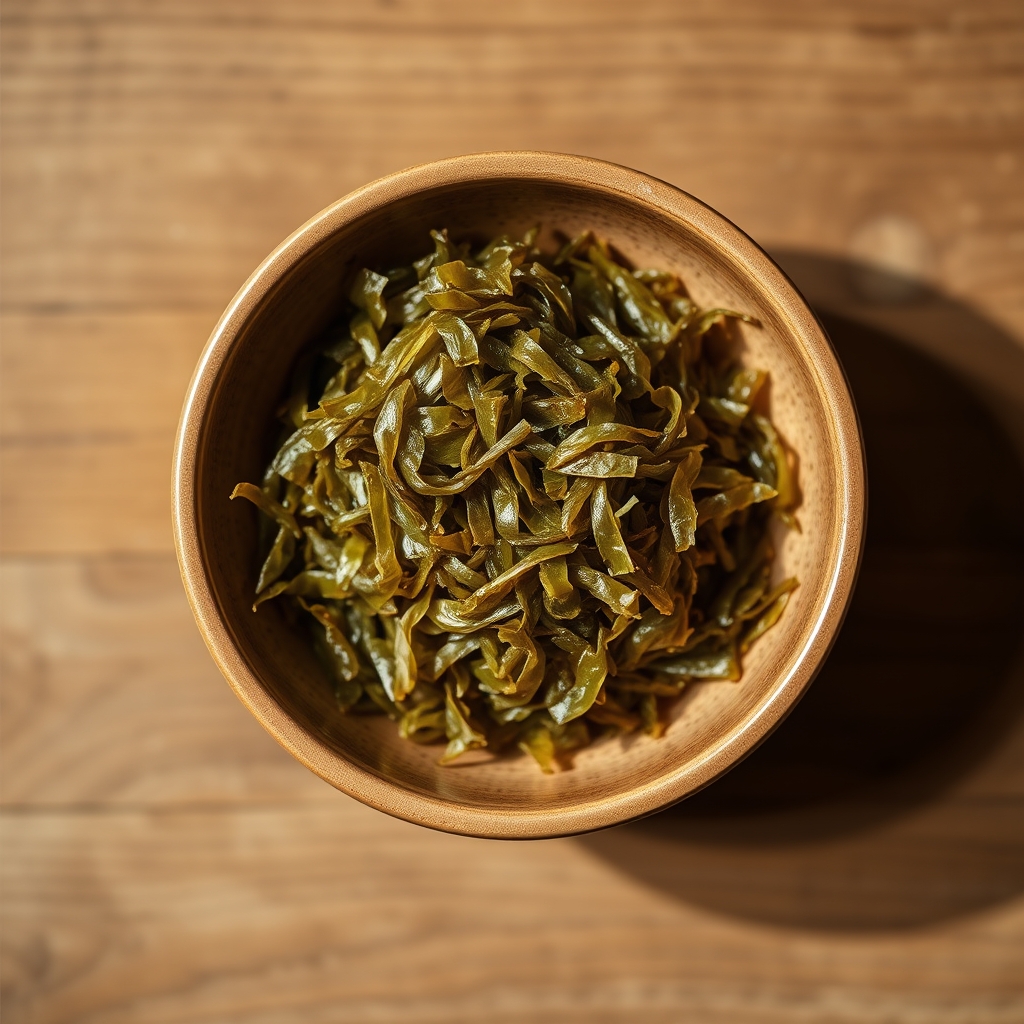
Good sources include iodized table salt, dairy, eggs, and certain sea vegetables. A single serving of seaweed can provide more than the daily requirement, so moderation is key. If you’re unsure whether you’re meeting the target, ask your provider to check a urinary iodine test, which can guide supplementation.
When choosing a prenatal vitamin, look for one that lists at least 150 µg of iodine. If your diet is low in iodine, a modest supplement (50‑100 µg) is usually safe, but always confirm the dose with your clinician.
Seaweed can be a potent source of iodine—use sparingly if you have thyroid autoimmunity.
First‑trimester thyroid management: early steps for a smooth pregnancy
The first 12 weeks are critical because the fetus depends entirely on maternal thyroid hormone for brain development. Your provider will usually confirm pregnancy, then re‑check TSH and free T4 within the first two weeks.
If levels are out of range, a dose adjustment is made quickly—often a 15‑25 % increase for levothyroxine or a tailored antithyroid drug dose for hyperthyroidism. Early stabilization reduces the risk of miscarriage and supports optimal neurodevelopment.
In addition to labs, your clinician may advise a low‑iodine diet if you have Graves’ disease (hyperthyroidism) to limit excess hormone production, while ensuring you still meet the minimum iodine requirement for fetal health.
Traveling while pregnant with thyroid disorder: what to prepare
Travel can be exciting, but it also adds logistical challenges for medication adherence and lab access. Before you go, pack enough levothyroxine or antithyroid medication for the entire trip plus a few extra days in case of delays.
Bring a copy of your recent thyroid labs and a note from your provider stating the medication name, dose, and why you need it—this can smooth customs checks and help in emergencies. If you’re crossing time zones, aim to take your dose at the same clock time each day, adjusting gradually to avoid missed doses.
Stay hydrated, avoid excessive caffeine, and keep stress low—travel stress can affect hormone balance. If you’ll be far from your regular provider, identify a local obstetrician or endocrine clinic you could contact if lab testing becomes necessary.
From our medical team: Managing thyroid disease during pregnancy is a team effort. Regular lab monitoring, adherence to medication timing, and a nutrient‑rich diet are the cornerstones of a healthy pregnancy. If you ever feel unsure about your dose or notice new symptoms, reach out promptly—early adjustments prevent most complications.
Myth vs. fact
Myth: I have to stop all thyroid medication once I’m pregnant.
Fact: Continuing the right medication, often at a higher dose, is essential for a healthy pregnancy and protects the baby’s development.
Myth: Natural supplements can replace prescription thyroid drugs.
Fact: While nutrients like iodine and selenium support thyroid health, they cannot substitute for prescribed levothyroxine or antithyroid drugs, which are needed to maintain hormone balance.
Myth: All prenatal vitamins are safe for thyroid patients.
Fact: Some prenatal vitamins lack sufficient iodine or contain excessive amounts of certain minerals; choose a formula that meets the recommended iodine and selenium levels.
Key takeaways
Pregnancy is possible and safe with hypothyroidism or hyperthyroidism when the condition is well‑controlled.
Levothyroxine is safe throughout pregnancy; doses often need a 25‑30 % increase.
Monitor thyroid labs every 4‑6 weeks—more often if symptoms change.
Include iodine‑rich foods, selenium sources, and vitamin D in your diet.
Avoid high‑goitrogen foods raw and separate soy or calcium supplements from your thyroid medication.
Postpartum thyroiditis can cause a temporary swing in hormone levels—track symptoms and labs after delivery.
Plan ahead for travel and keep medication supplies handy to maintain consistent dosing.
Frequently asked questions
What are the signs of thyroid problems during pregnancy?
Common signs include fatigue, weight changes, rapid heartbeat, heat intolerance, and mood swings. If you notice persistent symptoms that differ from typical pregnancy discomfort, ask your provider for a thyroid panel.
Is it safe to take thyroid medication while breastfeeding?
Yes—levothyroxine and antithyroid drugs are considered safe for breastfeeding mothers. Levels in breast milk are low, but you should continue regular thyroid monitoring.
Can thyroid disease cause birth defects?
Uncontrolled hypothyroidism, especially in the first trimester, can increase the risk of neurodevelopmental issues, but proper medication reduces this risk dramatically. Hyperthyroidism, if well‑managed, does not significantly raise birth‑defect rates.
How much levothyroxine should I take during each trimester?
Most women start with a 25‑30 % dose increase once pregnancy is confirmed, then adjust based on TSH results every 4‑6 weeks. Exact amounts vary; your provider will tailor the dose to keep TSH within trimester‑specific targets.
Do I need a special diet if I have thyroid disorder and am pregnant?
A balanced diet with adequate iodine (≈220 µg /day) and selenium is recommended. Limit raw cruciferous vegetables, avoid excessive soy close to medication time, and stay hydrated.
Will my thyroid disorder affect my labor and delivery?
When thyroid levels are controlled, most women have normal labor. Uncontrolled hyperthyroidism can increase the risk of pre‑eclampsia, while untreated hypothyroidism may lead to a higher chance of cesarean delivery due to complications.
Can I travel during pregnancy if I have a thyroid disorder?
Yes—travel is safe as long as you bring enough medication, keep a copy of recent labs, and maintain your dosing schedule across time zones. Plan for hydration, stress reduction, and know where a local medical facility is in case you need lab work.
Is it safe to use over‑the‑counter cold remedies when I have thyroid disease?
Most simple decongestants (like saline nasal spray) are safe, but certain combination cold medicines contain ingredients such as phenylephrine that can raise blood pressure and potentially interfere with thyroid medication absorption. Always read labels and check with your provider before taking any new over‑the‑counter product.
When to call your doctor
If you experience any of the following, seek medical attention promptly: severe chest pain, rapid heart rate (>120 bpm), high fever, uncontrolled vomiting, signs of pre‑eclampsia (severe headache, visual changes, swelling), vaginal bleeding, or sudden swelling of the neck. This article provides general information and is not a substitute for personalized medical advice.
References
American Thyroid Association. Guidelines for the Diagnosis and Management of Thyroid Disease During Pregnancy and the Postpartum Period.
American College of Obstetricians and Gynecologists (ACOG). Thyroid Disorders in Pregnancy.
National Institute of Health (NIH). Thyroid Function and Pregnancy Outcomes.
World Health Organization (WHO). Iodine Nutrition in Pregnancy.
National Health Service (NHS). Thyroid Hormone Replacement in Pregnancy.
Endocrine Society. Clinical Practice Guidelines for Thyroid Disease.
Centers for Disease Control and Prevention (CDC). Pregnancy Nutrition Recommendations.
British Thyroid Foundation. Postpartum Thyroiditis Overview.
U.S. Food and Drug Administration (FDA). Pregnancy and Lactation Labeling for Levothyroxine.
Royal College of Obstetricians and Gynaecologists (RCOG). Management of Thyroid Disease in Pregnancy.
Not sure about the label on Pregnancy With Thyroid Disorder products?
Snap the ingredients list and SafeFilter checks every ingredient for your stage — only 3 free scans this month, then you're locked until reset. Unlimited from $7/mo or lock $50/yr through Aug 31 (16 days left).
When Shubhra Mishra was expecting her first child in 2016, she was overwhelmed by conflicting food advice — one site said yes, another said never. By the time her second baby arrived in 2019, she realized millions of mothers face the same confusion.
That sparked a five-year journey through clinical nutrition papers, cultural diets, and expert conversations — all leading to BumpBites: a calm, compassionate space where science meets everyday motherhood.
Her long-term vision is to build a global community ensuring safe, supported, and free deliveriesfor every mother — because no woman should face pregnancy alone or uninformed. 🌿
🌍 Stand with mothers, shape safer guidance
Join a small circle of experts who review BumpBites articles so expecting parents everywhere can decide with confidence.