

Quick take: Most women with endometriosis can conceive—either naturally or with assisted reproduction—and many go on to have healthy pregnancies. Risks such as a slightly higher chance of miscarriage or preterm labor exist, but careful monitoring, pain‑management strategies, and a balanced diet keep outcomes favorable. Talk with a fertility specialist early and follow your care team’s guidance throughout pregnancy.
It’s 2 a.m.; you’ve just taken a deep breath after a wave of pelvic pain and are scrolling through your phone, wondering if the “endometriosis” label on your chart means pregnancy is out of reach. You’re not alone. Hundreds of readers send us messages each week describing the same mix of hope, uncertainty, and a desire for clear, practical steps.
Below you’ll find a step‑by‑step guide that answers the most common questions about pregnancy with endometriosis. We’ll walk through natural conception, assisted‑reproductive options, what to expect during pregnancy, how to manage pain safely, and when to call in a specialist. All advice is grounded in recommendations from ACOG, NICE, the CDC, and other leading bodies, and we’ve added lifestyle tips you can start using tonight.
Whether you’re just learning you have endometriosis or you’ve been managing the condition for years, this article is designed to give you confidence and a roadmap for the months ahead.
Can women with endometriosis get pregnant naturally?
Yes—many people with endometriosis conceive without medical assistance. The condition can interfere with ovulation, egg quality, or the ability of sperm to reach the egg, but it does not make natural pregnancy impossible. Studies from the American College of Obstetricians and Gynecologists (ACOG) estimate that 30‑50 % of women with endometriosis achieve pregnancy within a year of trying, compared with about 85 % of women without the condition.
How endometriosis influences natural fertility
- Ovulation disruption: Deep infiltrating endometriosis (DIE) can affect the ovaries or the blood supply to the follicles, leading to irregular cycles.
- Inflammation: Elevated cytokines in the pelvic environment may reduce sperm motility and embryo implantation.
- Adhesions: Scar tissue can block the fallopian tubes, making it harder for the egg to travel.
Because the impact varies widely, a personalized approach works best. Here’s a practical roadmap you can follow while trying to conceive naturally.
Track ovulation accurately
Ovulation tracking is essential when endometriosis may cause irregular cycles. Consider using a combination of methods:
- Basal body temperature (BBT): Measure each morning before getting out of bed. A rise of about 0.5 °F signals ovulation.
- Luteinizing hormone (LH) test strips: These over‑the‑counter kits detect the surge that precedes ovulation.
- Smartphone fertility apps: Many apps incorporate BBT, LH results, and cervical mucus observations to predict fertile windows.
For women with irregular periods, using an LH strip daily for at least two weeks can pinpoint the surge more reliably than calendar methods alone.
Natural fertility treatments
While evidence is still emerging, certain lifestyle interventions can improve fertility outcomes:
- Anti‑inflammatory diet: Emphasize omega‑3‑rich foods (salmon, walnuts), plenty of fruits and vegetables, and limit processed red meat.
- Stress reduction: Yoga, mindfulness meditation, and gentle exercise may lower pelvic inflammation.
- Supplements: Vitamin D (1000–2000 IU daily) and CoQ10 have shown modest benefits for egg quality in some studies, though you should discuss dosing with your provider.
These steps are not a cure, but they create a healthier environment for conception.
When natural attempts may need help
If you haven’t conceived after six months of regular, unprotected intercourse (or after three months if you’re over 35), it’s time to talk to a fertility specialist. Early referral is especially important if you have:
- Severe pelvic pain or known deep infiltrating endometriosis
- Previous tubal surgery or known adhesions
- Irregular menstrual cycles despite ovulation tracking
Prompt evaluation can lead to targeted treatments—like surgery or assisted‑reproductive technologies—that boost your chances of pregnancy.
Beyond the medical side, many women find that a supportive partner, clear communication, and realistic expectations reduce the emotional strain of trying to conceive. Remember, you’re not alone, and a small community of moms with endometriosis can offer encouragement and practical tips.

What are the success rates of IVF for endometriosis patients?
Below is a concise comparison of typical success metrics across different ART options for women with endometriosis.
| ART method | Typical live‑birth rate per cycle* | Key considerations for endometriosis |
|---|---|---|
| IVF (fresh embryo transfer) | 35‑55 % | Higher success after surgical removal of large endometriomas; may benefit from GnRH‑agonist pretreatment. |
| IVF (freeze‑all strategy) | 40‑58 % | Reduces hormonal exposure; improves uterine receptivity after surgery. |
| IUI with ovulation induction | 10‑15 % | Best for minimal disease; success drops if tubal adhesions are present. |
| Natural cycle IVF | 20‑30 % | Lower hormone use; suitable for women with ovarian reserve concerns. |
*Live‑birth rates reflect data from 2020‑2023 pooled analyses; individual outcomes vary based on age, ovarian reserve, and disease severity.
Preparing for IVF when you have endometriosis
Before starting IVF, many clinicians recommend a laparoscopic excision of visible endometriomas larger than 3 cm. A 2022 NICE guideline notes that removal of large cysts can improve ovarian response and reduce the chance of ovarian hyperstimulation syndrome (OHSS). However, surgery also carries a small risk of reducing ovarian reserve, so the decision should be individualized.
Other preparatory steps include:
- Optimizing vitamin D levels (≥30 ng/mL) to support implantation.
- Ensuring a stable weight—both under‑ and overweight can affect success.
- Discussing the use of a “freeze‑all” approach, which allows the uterus to recover from hormonal stimulation before embryo transfer.
What to expect during an IVF cycle
During stimulation, you’ll receive injectable gonadotropins to grow multiple follicles. Because endometriosis can cause an exaggerated inflammatory response, your clinic may use a GnRH‑agonist protocol, which “quiets” the pelvic environment before stimulation. Monitoring involves frequent blood tests and ultrasounds to track follicle growth.
After egg retrieval, embryos are cultured for three to five days before transfer. If you have a history of severe disease, a blastocyst transfer (day 5) is often recommended, as it selects the most robust embryos.
Success after IVF: realistic expectations
Even with the best protocols, IVF is not a guarantee. Age remains the strongest predictor—women under 35 typically have a 45‑55 % chance per cycle, while those over 40 see rates drop below 15 %. Discuss with your reproductive endocrinologist how many cycles are reasonable for your personal situation and whether adjunct therapies (e.g., intra‑uterine platelet‑rich plasma) might be appropriate.
Recent research also suggests that cumulative live‑birth rates improve when multiple cycles are considered. For example, a 2023 ASRM analysis showed that the chance of at least one live birth after three IVF cycles rises to about 70 % for women with stage I–II endometriosis, underscoring the value of persistence combined with close monitoring.
How does endometriosis affect fertility and pregnancy outcomes?
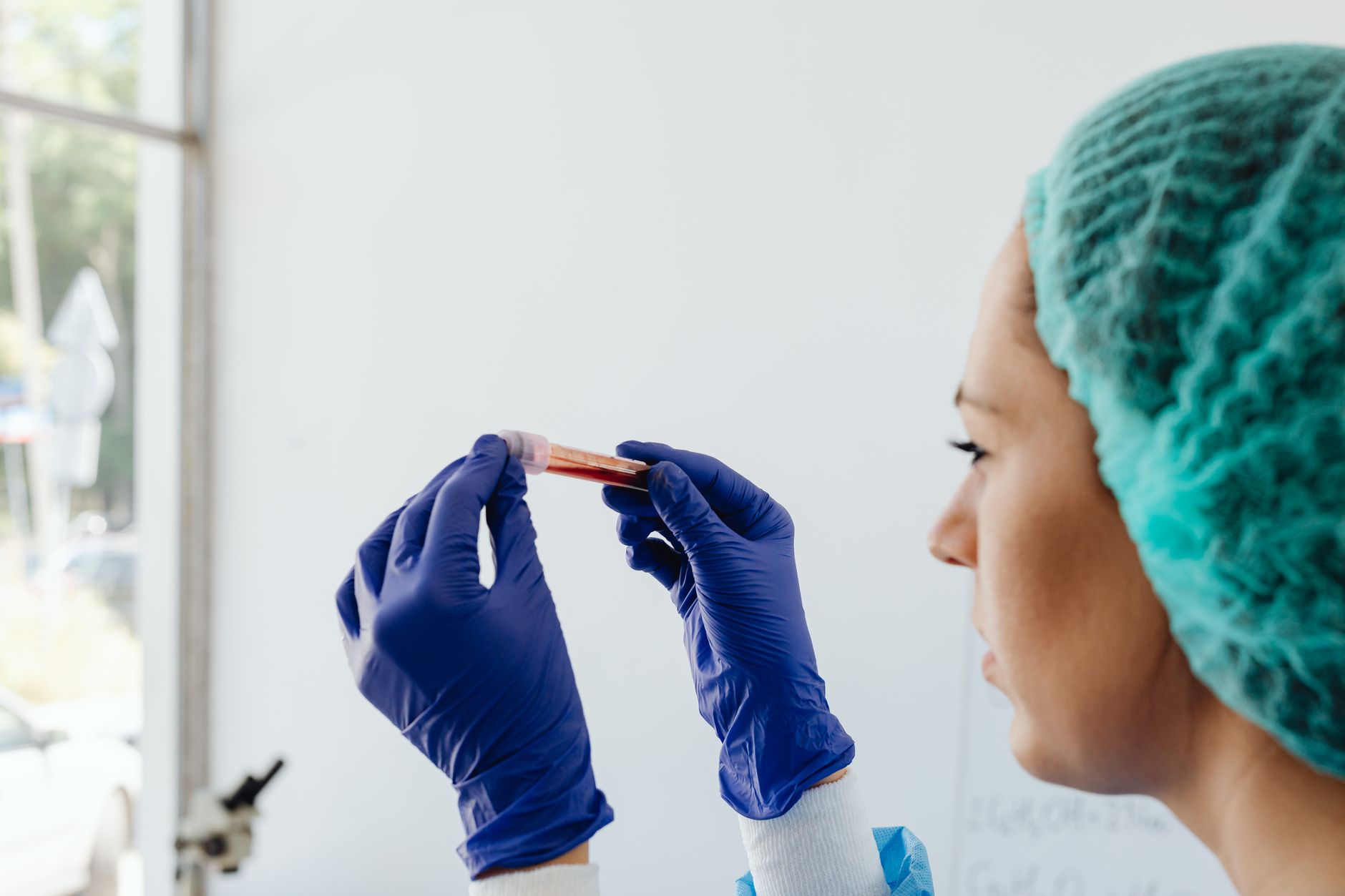
Endometriosis can influence both the ability to conceive and the course of pregnancy. The mechanisms are complex, involving hormonal imbalances, inflammatory pathways, and anatomical changes. Below we break down the main ways the condition interacts with fertility and pregnancy.
Fertility impact
Women with endometriosis have a 30‑40 % higher odds of experiencing infertility compared with those without the disease, according to a meta‑analysis published by the World Health Organization (WHO). The increased risk stems from:
- Reduced ovarian reserve, especially after surgical removal of endometriomas.
- Altered tubal function due to adhesions.
- Impaired endometrial receptivity linked to cytokine dysregulation.
Even mild disease (stage I) can lower the chance of natural conception by up to 15 %.
Pregnancy outcomes
When pregnancy does occur, the presence of endometriosis modestly raises the odds of certain complications:
- Miscarriage: A 2021 CDC review reported a 1.3‑fold increase in first‑trimester loss for women with confirmed endometriosis.
- Preterm labor: Meta‑analyses suggest a 1.5‑fold higher risk of delivery before 37 weeks, likely related to chronic inflammation.
- Placental abnormalities: Higher rates of placenta praevia and abruptio placenta have been observed, though absolute numbers remain low.
- Cesarean delivery: Some studies note a slight increase, often driven by obstetrician concern over pelvic pain or adhesions.
Importantly, the absolute risk remains modest, and most pregnancies progress without major issues.
Endometriosis and miscarriage risk
While the odds of miscarriage are slightly higher, the absolute increase is small—approximately 5‑7 % more than in the general population. The leading theory is that inflammatory mediators interfere with the early implantation window. Optimizing vitamin D, omega‑3 intake, and managing pain can help create a more supportive uterine environment.
Endometriosis and preterm labor risk
Chronic pelvic inflammation may trigger early uterine contractions. A 2020 NICE guideline recommends closer monitoring of cervical length in the second trimester for women with moderate to severe endometriosis, and the use of progesterone supplementation if the cervix shortens.
Current evidence also indicates that children born to mothers with endometriosis do not have higher rates of congenital anomalies or developmental delays, according to a 2022 RCOG cohort study. This reassurance is valuable for couples worried about long‑term outcomes for their baby.
What pregnancy complications are associated with endometriosis?
Beyond miscarriage and preterm labor, several other complications can arise. Knowing what to watch for helps you and your care team act early.
Placental issues
Women with endometriosis have a modestly higher chance of placenta praevia (low‑lying placenta) and placental abruption. Symptoms include painless vaginal bleeding after the first trimester or sudden abdominal pain. Routine anatomy scans at 20 weeks often catch low‑lying placentas, allowing for early planning of delivery mode.
Adhesion‑related pain
Scar tissue from prior endometriosis surgery can cause discomfort as the uterus expands. While pain does not usually threaten the fetus, severe pain may require a short course of safe analgesics (e.g., acetaminophen) and close monitoring.
Gestational hypertension and pre‑eclampsia
Some cohort studies link endometriosis with a 1.2‑fold increased risk of gestational hypertension. Blood‑pressure checks at each prenatal visit remain the cornerstone of early detection. If you develop swelling, headaches, or visual changes, call your provider immediately.
Labor and delivery considerations
Because adhesions can limit uterine mobility, some obstetricians recommend a planned cesarean section, especially if extensive pelvic surgery was performed. However, many women deliver vaginally without issue. Discuss your surgical history with your midwife or obstetrician well before labor.
Close monitoring throughout pregnancy—such as serial ultrasounds and cervical length measurements—helps catch complications early, ensuring timely interventions that protect both you and your baby.
Tips for managing endometriosis pain during pregnancy
Pregnancy often eases endometriosis symptoms, but many women still experience pelvic pain, especially in the first and third trimesters. Below are safe, evidence‑based strategies to keep you comfortable while protecting your baby.
Gentle physical activity
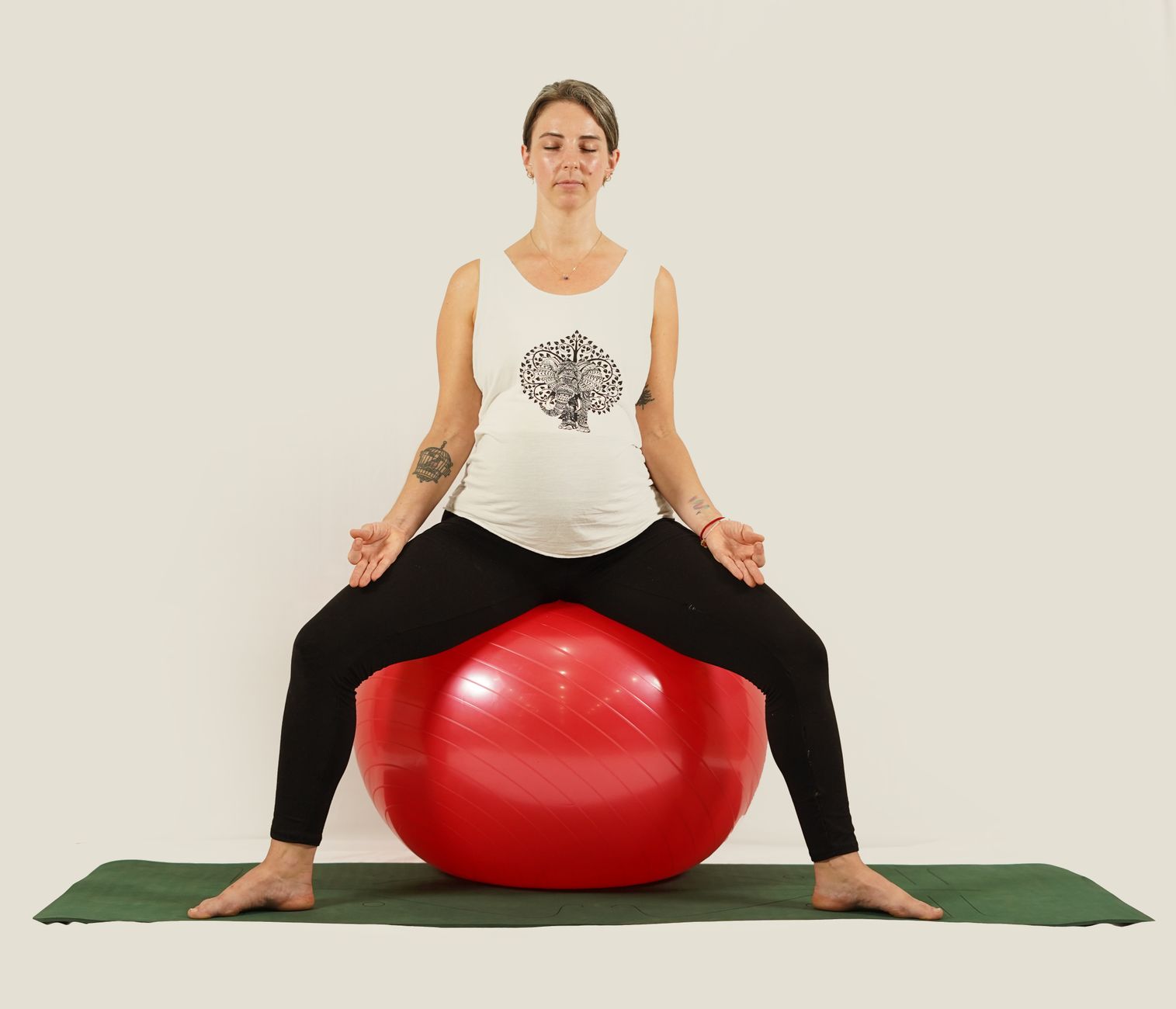
Low‑impact exercises—prenatal yoga, swimming, and walking—can improve blood flow and reduce pelvic tension. A 2021 ACOG advisory notes that regular movement also helps maintain a healthy weight, which is linked to better pregnancy outcomes.
Heat therapy
Applying a warm (not hot) compress to the lower abdomen for 15‑20 minutes can relieve cramping. Ensure the temperature stays below 40 °C to avoid overheating, which could affect fetal development.
Safe medication options
- Acetaminophen: Considered safe throughout pregnancy for mild‑to‑moderate pain.
- NSAIDs (e.g., ibuprofen): Generally safe in the second trimester but avoided after 30 weeks due to potential fetal kidney effects.
- Opioids: Only used when other options fail, and always under close supervision.
Never start or restart hormonal treatments (e.g., GnRH agonists) without consulting your obstetrician—these are contraindicated in pregnancy.
Dietary recommendations for pregnant women with endometriosis
Diet can influence inflammation and pain levels. Here’s a simple, pregnancy‑friendly meal plan outline:
- Breakfast: Oatmeal topped with blueberries, walnuts, and a splash of fortified almond milk.
- Lunch: Grilled salmon salad with mixed greens, avocado, and a drizzle of olive‑oil‑lemon dressing.
- Dinner: Quinoa‑based stir‑fry with broccoli, bell peppers, and tofu, seasoned with turmeric and ginger.
- Snacks: Greek yogurt, fresh fruit, or a handful of pumpkin seeds.
Key nutrients to focus on:
- Omega‑3 fatty acids: Aim for 2‑3 servings of fatty fish per week or consider a DHA supplement (200 mg daily) approved for pregnancy.
- Vitamin D: 1000–2000 IU daily, especially if you live in northern latitudes.
- Fiber: Prevent constipation, which can exacerbate pelvic pain.
When to consider surgical intervention during pregnancy
Rarely, severe endometriosis may require laparoscopic surgery during the second trimester to relieve obstruction or control bleeding. The CDC notes that minimally invasive procedures performed by experienced surgeons carry a low complication rate, but they are reserved for urgent situations.
Pelvic‑floor physical therapy
A certified pelvic‑floor therapist can teach you gentle breathing and core‑stabilization exercises that lessen pressure on endometriosis implants. Sessions are usually short, non‑invasive, and can be continued postpartum to aid recovery.
Is it safe to take hormonal medication for endometriosis while pregnant?
Most hormonal therapies used to treat endometriosis—such as combined oral contraceptives, progestins, and GnRH agonists—are contraindicated once pregnancy is confirmed. These agents can interfere with the hormonal milieu essential for fetal development.
What to do if you’re already on medication
If you discover you’re pregnant while taking a hormonal drug, contact your obstetrician immediately. In many cases, the medication will be stopped, and a short “wash‑out” period (usually 24‑48 hours) is sufficient before the pregnancy proceeds safely.
Alternative symptom‑relief options
During pregnancy, the following non‑hormonal strategies are considered safe:
- Acetaminophen for pain
- Physical therapy focused on pelvic floor relaxation
- Heat packs and gentle stretching
- Dietary adjustments rich in anti‑inflammatory foods
Post‑delivery hormonal considerations
After birth, many women resume hormonal therapy to manage lingering endometriosis symptoms. If you are breastfeeding, progestin‑only pills (e.g., norethindrone) are generally compatible with lactation, while combined oral contraceptives may reduce milk supply. Discuss timing and options with your provider during the postpartum visit.
When should I see a specialist if I have endometriosis and want to conceive?
Early and proactive specialist involvement can dramatically improve your chances of a healthy pregnancy. Below are the key milestones when a referral is advisable.
Initial evaluation
Schedule an appointment with a reproductive endocrinologist or a fertility‑focused gynecologist as soon as you decide to try for a baby—ideally before you begin tracking ovulation. Bring any prior imaging (e.g., MRI or laparoscopy reports) and a list of current medications.
After six months of trying naturally
If you’re under 35 and haven’t conceived after six months of regular intercourse (or three months if you’re over 35), a specialist can assess ovarian reserve, tubal patency, and the extent of disease. Tests may include:
- Transvaginal ultrasound to evaluate ovarian cysts
- Anti‑Müllerian hormone (AMH) level to gauge ovarian reserve
- Hysterosalpingography (HSG) to check tubal openness
Before starting assisted reproduction
If IVF or IUI is recommended, a pre‑treatment consultation is essential. The specialist will discuss:
- Whether surgical removal of endometriomas is advisable
- The optimal stimulation protocol (e.g., GnRH‑agonist “flare” vs. antagonist)
- Potential need for a “freeze‑all” approach
Throughout pregnancy
Even after conception, keep your specialist in the loop—especially if you have a history of severe disease, prior surgeries, or if you develop new pain. Regular follow‑up appointments (every 4‑6 weeks) allow for early detection of complications like preterm labor or placental issues.
Postpartum follow‑up
Endometriosis symptoms often flare after delivery, especially if hormonal changes are rapid. A postpartum visit with your fertility specialist (or your obstetrician) within six weeks can help you plan pain management, discuss breastfeeding considerations, and decide whether to restart hormonal therapy.
From our medical team: “Most women with endometriosis who receive timely, individualized care—whether that means natural conception, surgery, or IVF—have pregnancy outcomes comparable to the general population. The key is early specialist involvement, vigilant monitoring, and a supportive lifestyle plan.”
Nutrition and supplements for pregnancy with endometriosis
Nutrition plays a dual role: it supports the developing baby and can modulate the inflammatory environment that fuels endometriosis. While no single diet guarantees fertility, a balanced, anti‑inflammatory eating plan aligns with ACOG’s recommendations for healthy pregnancy nutrition.
Key food groups
- Omega‑3 rich proteins: Salmon, sardines, chia seeds, and walnuts provide EPA/DHA, which may reduce pelvic inflammation.
- Colorful fruits and vegetables: Berries, leafy greens, and orange vegetables supply antioxidants such as vitamin C and beta‑carotene.
- Whole grains: Oats, quinoa, and brown rice deliver fiber that prevents constipation—a common trigger for pelvic discomfort.
- Legumes and nuts: Sources of plant‑based iron and magnesium, both important for hormone balance.
Supplements with proven safety
When dietary intake falls short, consider these pregnancy‑approved supplements, all of which have been deemed safe by the FDA and NHS:
- **Vitamin D (1000–2000 IU daily):** Supports immune regulation and may improve implantation rates.
- **Prenatal DHA (200–300 mg daily):** Enhances fetal brain development and may lessen endometriosis‑related pain.
- **Iron (as ferrous sulfate):** Prevents anemia, which can exacerbate fatigue and pain.
- **Probiotic (Lactobacillus rhamnosus):** Emerging evidence suggests gut health influences systemic inflammation.
Always discuss supplement choices with your obstetrician, especially if you’re undergoing IVF, to avoid any potential interactions with fertility medications.

Exercise, pelvic floor, and postpartum recovery
Staying active during pregnancy is safe for most women with endometriosis and can reduce pain, improve mood, and prepare the body for labor. The following activities have been highlighted by the NHS and ACOG as beneficial.
Safe prenatal exercises
- **Prenatal yoga:** Gentle stretches focus on the hips and lower back, easing endometriosis‑related tension.
- **Swimming or water aerobics:** Buoyancy reduces pressure on the pelvis while providing cardiovascular benefits.
- **Walking with a supportive stroller:** Simple, low‑impact, and easy to fit into a busy day.
Pelvic‑floor therapy
Specialized pelvic‑floor physiotherapy can teach you diaphragmatic breathing, pelvic tilts, and coordinated muscle relaxations. These techniques often lessen cramping and improve bladder control, a common concern after pelvic surgery.
Postpartum focus
After delivery, many women experience a flare‑up of endometriosis symptoms as hormone levels shift. A gradual return to core‑strengthening exercises—such as modified planks and pelvic‑tilt bridges—helps rebuild support without over‑loading scar tissue. Aim for short sessions (10‑15 minutes) three times a week, and increase intensity only with your therapist’s guidance.
Mind‑body connection
Mindfulness meditation and guided breathing have been shown to lower cortisol, a stress hormone that can worsen inflammatory conditions. Even five minutes of daily focused breathing can improve pain perception and promote a calmer pregnancy experience.
Planning your birth: vaginal delivery vs. cesarean in endometriosis
Deciding how to give birth can feel overwhelming when you have a history of endometriosis. The good news is that most women with the condition can have a safe vaginal delivery, but certain factors may tip the balance toward a planned cesarean.
When vaginal birth is usually feasible
- No extensive pelvic adhesions that restrict uterine expansion.
- Absence of large endometriomas that could obstruct the birth canal.
- Favorable fetal position and normal labor progression.
In these scenarios, the ACOG guidelines recommend allowing labor to proceed naturally, with continuous monitoring for any signs of distress.
Reasons a cesarean might be recommended
- History of extensive pelvic surgery that could compromise uterine contractility.
- Large, deep infiltrating endometriotic nodules near the cervix.
- Severe pre‑eclampsia or other obstetric complications that develop during pregnancy.
Even when a cesarean is planned, many hospitals now use minimally invasive techniques that reduce recovery time and surgical trauma.
Discussing your birth plan
Bring a copy of any surgical reports and imaging to your 20‑week anatomy scan appointment. Your obstetrician, midwife, and possibly a colorectal surgeon (if bowel involvement exists) can collaborate to create a personalized birth plan that balances safety with your preferences.
Remember, the mode of delivery does not usually affect long‑term outcomes for the baby, and most women with endometriosis recover well regardless of the route.
Myth vs. fact
Myth: Endometriosis always makes pregnancy impossible.
Fact: While the condition can lower fertility, many women conceive naturally or with ART and carry healthy pregnancies.
Myth: Hormonal birth control must be stopped months before trying to conceive.
Fact: Fertility can return within weeks after stopping most hormonal contraceptives; a brief “wash‑out” period is usually sufficient.
Myth: Surgery for endometriosis guarantees pregnancy.
Fact: Surgery can improve odds, especially when large endometriomas are removed, but it does not guarantee conception and may affect ovarian reserve.
Key takeaways
- Natural conception is possible for most women with endometriosis; track ovulation carefully.
- IVF success rates range from 35‑58 % per cycle, depending on disease stage and protocol.
- Endometriosis modestly raises miscarriage and preterm‑birth risk; routine monitoring helps manage these risks.
- Safe pain relief includes acetaminophen, heat therapy, and gentle exercise; avoid hormonal meds once pregnant.
- Follow an anti‑inflammatory diet rich in omega‑3s, vitamin D, and fiber to support both fertility and pregnancy.
- Seek specialist care early—ideally before you start trying, and definitely after six months of unsuccessful attempts.
- Postpartum flare‑ups are common; plan pain‑management and discuss hormonal options with your provider.
- Pelvic‑floor therapy and tailored exercise can ease pain during pregnancy and speed postpartum recovery.
Frequently asked questions
Does endometriosis increase the risk of miscarriage?
Yes—studies from the CDC show a 1.3‑fold increase in first‑trimester loss, translating to about a 5‑7 % higher absolute risk.
Can endometriosis cause infertility?
Endometriosis is a recognized cause of infertility, accounting for roughly 30‑40 % of unexplained cases, mainly due to inflammation, adhesions, and ovarian‑reserve reduction.

