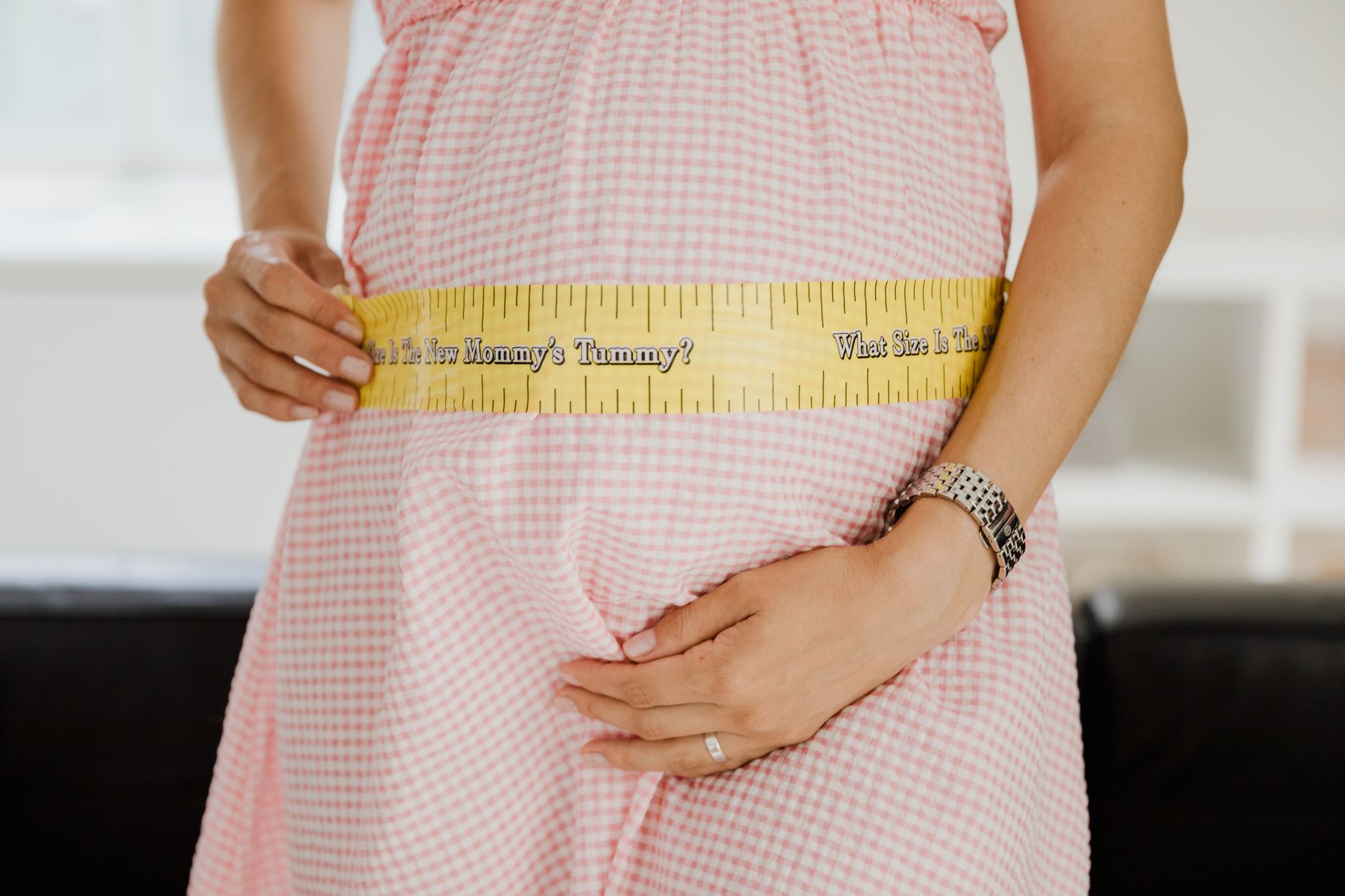
Understand your pregnancy weight gain chart and what's normal by week. Most women gain 25-35 pounds, but it depends on your pre-pregnancy BMI. Use our guide to track healthy weight gain while pregnant.
By Shubhra Mishra — a mom of two who turned her own confusion during pregnancy into BumpBites, a global mission to make food choices clear, safe, and stress-free for every expecting mother. 💛
Check whether any food is safe during pregnancy with the BumpBites Food Safety Checker.
Quick take: Healthy weight gain during pregnancy is highly individualized and depends on your pre-pregnancy Body Mass Index (BMI). It's not about hitting a magic number, but about supporting your health and your baby's growth with a steady, appropriate gain. Your doctor or midwife will provide personalized recommendations and help you track your progress.
It's 2 a.m., you're scrolling through forums, and you've just stepped off the scale feeling a mix of excitement and anxiety. Is this number too high? Too low? Am I gaining enough, or too much? The topic of pregnancy weight gain can feel overwhelming, with so many numbers and expectations floating around.
Here at BumpBites, we understand that worry. It's natural to want to do everything right for your baby, and that includes making sure you're nourishing your body appropriately. The truth is, there's no single "perfect" number for everyone. What's considered healthy weight gain during pregnancy is deeply personal, rooted in your pre-pregnancy health and unique circumstances.
This comprehensive guide will walk you through the science-backed recommendations for pregnancy weight gain, explain why those numbers matter, and give you practical strategies to feel confident and healthy throughout your pregnancy journey. We'll cover everything from weekly expectations and what that weight actually consists of, to what to do if you're concerned about your gain and when to talk to your healthcare provider.
What is the recommended total weight gain during pregnancy by BMI?
The most important factor in determining how much weight you should aim to gain during pregnancy is your Body Mass Index (BMI) before you became pregnant. BMI is a measure that uses your height and weight to estimate if you're in a healthy weight range. It’s important because your pre-pregnancy weight status influences the ideal amount of extra weight your body needs to carry to support a healthy pregnancy and baby.
Think of these recommendations as a general roadmap, not a rigid rule. Your healthcare provider will use these guidelines, along with your individual health history, to give you personalized advice. They might adjust expectations based on factors like your ethnicity, any pre-existing conditions, or if you're carrying multiples.
The following table outlines the recommended total weight gain ranges for singleton pregnancies (one baby), based on pre-pregnancy BMI categories, as advised by leading health organizations like the American College of Obstetricians and Gynecologists (ACOG) and the UK's National Institute for Health and Care Excellence (NICE).
Pre-Pregnancy BMI Category
BMI Range (kg/m²)
Recommended Total Weight Gain (US - ACOG/CDC)
Recommended Total Weight Gain (UK - NICE)
Underweight
Less than 18.5
28 to 40 pounds (12.7 to 18.1 kg)
10 to 12.5 kg (no specific BMI recommendation, focus on healthy eating)
Normal Weight
18.5 to 24.9
25 to 35 pounds (11.3 to 15.9 kg)
11.5 to 16 kg
Overweight
25.0 to 29.9
15 to 25 pounds (6.8 to 11.3 kg)
7 to 11 kg
Obese
30.0 or greater
11 to 20 pounds (5.0 to 9.1 kg)
5 to 9 kg
It's worth noting that while the US guidelines provide specific ranges for each BMI category, UK guidance (NICE) tends to be less prescriptive for specific BMI ranges, instead emphasizing healthy eating and activity for all women and monitoring individual progress rather than strict targets. However, the general principles of lower gain for higher pre-pregnancy BMI and higher gain for lower pre-pregnancy BMI are consistent globally.
These ranges are designed to minimize risks for both you and your baby. Gaining too much or too little weight can lead to various complications, which we'll explore in more detail later. For now, remember that your BMI is just one piece of the puzzle, and your healthcare provider is your best resource for tailored advice.
Tracking your weight gain and eating nutrient-dense foods are key parts of a healthy pregnancy.
What is the average weekly weight gain during pregnancy by trimester?
Understanding the total recommended weight gain is one thing, but knowing how that gain typically progresses throughout your pregnancy can help alleviate some anxieties. Weight gain isn't linear; it often follows a pattern that aligns with your baby's growth and your body's changing needs during each trimester.
First Trimester (Weeks 1-13)
For many women, the first trimester is a period of minimal weight gain, or even a slight loss. If you're wondering "is it normal to lose weight in early pregnancy?", the answer is often yes! This is completely normal and usually nothing to worry about. The typical gain for women in the normal BMI range is only about 1 to 4.5 pounds (0.5 to 2 kg) during these first 12-13 weeks. For some, especially those dealing with morning sickness (nausea and vomiting), losing a few pounds is common because it can be hard to keep food down.
The baby is still very tiny at this stage, so your body isn't yet putting on significant weight for fetal growth. Instead, changes are happening internally to prepare for pregnancy, such as increased blood volume and uterine growth, but these don't typically translate to a large number on the scale just yet. If you're experiencing severe nausea or significant weight loss, always speak to your doctor.
Second Trimester (Weeks 14-27)
This is often when the steady weight gain begins, and you'll likely start to "show" more prominently. Your morning sickness might subside, and your appetite may increase. This is typically the period when you'll gain about 1 pound (0.45 kg) per week, on average. The exact weekly gain can vary slightly based on your pre-pregnancy BMI:
Underweight: Aim for about 1 to 1.3 pounds (0.45 to 0.6 kg) per week.
Normal Weight: Aim for about 1 pound (0.45 kg) per week.
Overweight: Aim for about 0.6 pounds (0.28 kg) per week.
Obese: Aim for about 0.5 pounds (0.23 kg) per week.
During this trimester, your baby is growing rapidly, and your body is also accumulating more blood volume, developing the placenta, and increasing breast tissue. This steady, consistent gain is ideal for supporting these developments.
Third Trimester (Weeks 28-40)
Weight gain usually continues at a similar pace to the second trimester, or even slightly increases in the early part of the third trimester, before potentially leveling off or slowing down in the final weeks. You'll still be gaining around 1 pound (0.45 kg) per week, though some women might experience a slight dip or plateau towards the very end as the baby "drops" and your body prepares for labor.
Underweight: Continue aiming for about 1 to 1.3 pounds (0.45 to 0.6 kg) per week.
Normal Weight: Continue aiming for about 1 pound (0.45 kg) per week.
Overweight: Continue aiming for about 0.6 pounds (0.28 kg) per week.
Obese: Continue aiming for about 0.5 pounds (0.23 kg) per week.
The baby is putting on a lot of weight and fat stores during these final weeks, and your body is continuing to hold more fluid, which can sometimes lead to "what causes rapid weight gain in pregnancy" concerns, especially if swelling is prominent. While some fluid retention is normal, sudden, significant swelling along with rapid weight gain could be a sign of pre-eclampsia and warrants immediate medical attention.
Your healthcare provider will track your weight gain at each appointment using a "pregnancy weight gain chart by week" or similar tool. This helps them ensure you're within a healthy range and can offer guidance if needed. Don't stress too much about daily or even weekly fluctuations; the overall trend is what matters most.
What is the recommended pregnancy weight gain for underweight women?
If your pre-pregnancy BMI was less than 18.5, you're considered underweight. For you, gaining adequate weight during pregnancy is particularly important for both your health and your baby's development. The recommended total weight gain for underweight women carrying a single baby is typically higher: 28 to 40 pounds (12.7 to 18.1 kg).
This higher range is essential because your body needs to build up additional nutrient stores to support the demands of pregnancy. Without sufficient stores, there's an increased risk of complications. Many moms in this category tell us the same thing: "I was already trying to gain weight before pregnancy, and now I have even more pressure!" It's a valid feeling, but remember, this weight gain is for a vital purpose.
Why a higher gain is recommended
Fetal Growth: Adequate maternal weight gain ensures your baby has enough nutrients to grow and develop properly.
Maternal Reserves: Your body needs to build up fat and nutrient reserves to support milk production during breastfeeding and to recover postpartum.
Reduced Risks: Gaining enough weight helps reduce the risk of preterm birth and having a baby with low birth weight (less than 5.5 pounds or 2.5 kg). Babies born too small can face health challenges, including difficulty regulating body temperature, blood sugar issues, and a higher risk of infections.
Strategies for healthy weight gain if you're underweight
Focus on Nutrient-Dense Foods: Rather than simply eating more empty calories, prioritize foods rich in nutrients. Think healthy fats (avocado, nuts, seeds, olive oil), lean proteins (chicken, fish, beans, lentils), whole grains, and plenty of fruits and vegetables.
Eat Frequent, Smaller Meals: Large meals can feel overwhelming. Try eating 5-6 smaller meals and snacks throughout the day.
Add Healthy Calories: Incorporate calorie-dense, nutritious additions like nut butters, cheese, full-fat dairy (if tolerated), and dried fruits into your diet. Smoothies with added protein powder, fruit, and healthy fats can also be a great way to boost intake.
Stay Hydrated: Sometimes thirst can be mistaken for hunger. Drink plenty of water, but consider drinking calorie-containing beverages like milk or 100% fruit juice *between* meals rather than with them, so they don't fill you up too much before solid food.
It's crucial to work closely with your healthcare provider and potentially a registered dietitian if you're underweight. They can help you create a personalized eating plan to ensure you're meeting your increased nutritional needs safely and effectively, and monitor your "pregnancy weight gain chart for underweight women" to ensure you're on track.
How much weight should an overweight pregnant woman gain?
If your pre-pregnancy BMI was 25.0 or higher (overweight or obese), your recommended total weight gain during pregnancy is lower than for those in the normal or underweight categories. This is a critical point that sometimes causes confusion or frustration, but it's rooted in evidence-based guidelines designed to optimize outcomes for both you and your baby. For women classified as overweight, the recommended gain is typically 15 to 25 pounds (6.8 to 11.3 kg), and for those classified as obese, it's 11 to 20 pounds (5.0 to 9.1 kg).
One reader described feeling like "everyone was telling me to eat more, but my doctor said to be careful about weight gain." This highlights the importance of personalized advice from your provider. The goal isn't to restrict or "diet" during pregnancy, but to achieve a healthy, moderate weight gain that supports your baby's growth without adding unnecessary risks.
Why a lower gain is recommended
Reduced Maternal Risks: Gaining within the recommended range can significantly lower your risk of developing gestational diabetes, pre-eclampsia (a serious blood pressure condition), blood clots, and needing a C-section. It also helps reduce the likelihood of retaining excess weight postpartum.
Reduced Fetal Risks: A moderate weight gain helps decrease the chances of your baby being born with macrosomia (excessively large baby), which can lead to difficult vaginal deliveries, birth injuries, and a higher risk of childhood obesity and related health issues later in life.
Strategies for healthy weight gain if you're overweight or obese
Focus on Quality, Not Quantity: Prioritize nutrient-dense foods that provide essential vitamins and minerals without excessive calories. Load up on vegetables, fruits, lean proteins, and whole grains.
Portion Control: Be mindful of portion sizes. You don't need to "eat for two" – typically, only an extra 300-500 calories per day are needed in the second and third trimesters, and often none in the first.
Regular Physical Activity: Unless advised otherwise by your doctor, aim for at least 150 minutes of moderate-intensity exercise per week. Walking, swimming, prenatal yoga, and cycling on a stationary bike are excellent choices. Exercise can help manage blood sugar, improve mood, and support healthy weight gain.
Limit Sugary Drinks and Processed Foods: These offer little nutritional value and can contribute to excess calorie intake. Opt for water, unsweetened tea, and whole foods instead.
Work with Your Healthcare Team: Your doctor or a registered dietitian can help you develop a safe and effective plan to manage your weight gain, focusing on healthy habits that benefit both you and your baby. They can also monitor your "pregnancy weight gain chart for overweight women" to ensure you're progressing safely.
Remember, the goal is not weight loss, but healthy weight gain. Even if you start pregnancy in an overweight or obese category, a healthy lifestyle during pregnancy can significantly improve outcomes for you and your baby. Focus on nourishing your body and staying active, and let your healthcare provider guide you on your personal "how much weight should an overweight pregnant woman gain" journey.
What are the risks of gaining too much weight while pregnant?
While some weight gain is essential for a healthy pregnancy, gaining significantly more than the recommended amount can introduce a range of potential complications for both the pregnant person and the baby. It's not about body shaming or judgment; it's about understanding the health implications so you can make informed choices with your healthcare team.
Risks for the Pregnant Person
Gestational Diabetes: This is a type of diabetes that develops during pregnancy. Excess weight gain is a major risk factor, and it can lead to complications like a larger baby, C-sections, and a higher risk of developing type 2 diabetes later in life for the mother.
Pre-eclampsia: A serious condition characterized by high blood pressure and signs of damage to another organ system, most often the liver and kidneys. Excessive weight gain can increase your risk, and pre-eclampsia can be dangerous for both mother and baby.
Macrosomia and Difficult Delivery: Gaining too much weight can lead to a larger baby (macrosomia), making vaginal delivery more difficult, increasing the risk of shoulder dystocia (when the baby's shoulder gets stuck during birth), perineal tears, and the need for a C-section.
C-section and Surgical Complications: Women who gain excessive weight are more likely to need a C-section. They also face higher risks of surgical complications like infections, excessive bleeding, and longer recovery times.
Postpartum Weight Retention: Gaining too much weight during pregnancy makes it harder to lose that weight after birth, increasing the risk of being overweight or obese in the long term, which carries its own set of health risks.
Sleep Apnea: Increased weight can worsen or lead to sleep apnea, affecting sleep quality and overall health.
Blood Clots: The risk of developing blood clots (venous thromboembolism) is also increased with excessive weight gain.
Risks for the Baby
Macrosomia: As mentioned, a larger baby increases birth risks.
Childhood Obesity: Babies born to mothers with excessive gestational weight gain have a higher risk of being overweight or obese in childhood and developing related health issues, such as type 2 diabetes and heart disease, later in life.
Preterm Birth: While less common than with insufficient gain, some studies suggest a link between excessive weight gain and preterm birth, particularly in women with obesity.
Difficulty Monitoring Fetal Growth: Excess abdominal fat can make it more challenging for healthcare providers to accurately feel and measure the baby's growth and position.
It's easy to feel guilty or worried if you've already gained more than recommended. Take a breath. Pregnancy is a journey, and every day is a new opportunity for healthy choices. The important thing is to be aware of the risks and to work with your healthcare provider to manage your weight gain moving forward. They can help you adjust your diet and activity levels safely to support a healthy outcome for both you and your baby.
Focus on nutritious, balanced meals to support healthy weight gain and reduce risks.
What should you do if you're not gaining enough weight during pregnancy?
Just as gaining too much weight carries risks, not gaining enough can also impact your pregnancy and your baby's health. If your weight gain is consistently below the recommended range for your pre-pregnancy BMI, it's important to address it with your healthcare provider. One reader shared, "I was so worried because I kept losing weight in my first trimester, even though I was trying to eat." This is a common concern, especially with morning sickness.
Potential Causes for Insufficient Weight Gain
Severe Morning Sickness (Hyperemesis Gravidarum): This condition involves severe, persistent nausea and vomiting, making it very difficult to keep food down and absorb nutrients.
Poor Appetite: Some women simply don't feel hungry, or certain foods become unappealing during pregnancy.
Underlying Health Conditions: Less commonly, an undiagnosed medical condition could be affecting your appetite or nutrient absorption.
Inadequate Caloric Intake: You might genuinely not be eating enough calories or nutrient-dense foods to support your pregnancy.
Risks of Gaining Too Little Weight
Preterm Birth: Not gaining enough weight, particularly in the later trimesters, is associated with a higher risk of delivering your baby prematurely (before 37 weeks).
Low Birth Weight (LBW): Babies born to mothers with insufficient weight gain are more likely to have a low birth weight (less than 5.5 pounds or 2.5 kg). LBW babies face increased risks of health problems, including developmental issues, breathing difficulties, and a weaker immune system.
Fetal Growth Restriction: The baby may not grow as much as expected, potentially leading to long-term health challenges.
Maternal Nutrient Deficiencies: You might not be getting enough essential vitamins and minerals, which can impact your energy levels, bone density, and overall health postpartum.
Strategies to Help Increase Weight Gain Safely
Focus on Nutrient-Dense, Calorie-Rich Foods: Prioritize foods that pack a nutritional punch without excessive bulk. Examples include avocados, nuts, seeds, nut butters, full-fat dairy (if tolerated), healthy oils (olive, avocado), lean meats, and whole grains.
Eat Small, Frequent Meals and Snacks: Instead of three large meals, try 5-6 smaller meals and snacks throughout the day. This can be easier to manage, especially if you have a reduced appetite or mild nausea.
Add Healthy Fats: Incorporate healthy fats into your meals. Drizzle olive oil over salads and vegetables, add avocado to sandwiches or smoothies, or snack on nuts and seeds.
Drink Your Calories (Nutritiously): Smoothies made with fruit, yogurt or milk, nut butter, and sometimes a scoop of protein powder can be a great way to get extra calories and nutrients. Milk, 100% fruit juice, or fortified plant-based milks can also contribute.
Keep Snacks Handy: Always have healthy snacks with you – trail mix, cheese sticks, fruit, yogurt, or whole-grain crackers with peanut butter.
Track Your Intake: Briefly tracking what you eat for a few days can help you identify if you're truly falling short on calories or specific nutrients.
If you're concerned about "what to do if not gaining enough weight during pregnancy," the first step is always to talk to your healthcare provider. They can assess your individual situation, rule out any underlying medical issues, and connect you with a registered dietitian who specializes in prenatal nutrition. Together, you can create a safe and effective plan to help you reach a healthy weight gain for your pregnancy.
How much of your pregnancy weight gain is actually the baby, placenta, and amniotic fluid?
One of the most fascinating aspects of pregnancy weight gain is understanding where all that extra weight actually goes. It's not just "fat" and it's certainly not just the baby. Your body undergoes incredible transformations to support new life, and each component plays a vital role. Knowing this can be reassuring when you see the number on the scale climb.
Let's break down the typical distribution of pregnancy weight gain for a woman with a normal pre-pregnancy BMI who gains around 25-35 pounds (11.3-15.9 kg):
Component of Weight Gain
Approximate Weight (pounds)
Approximate Weight (kg)
Role in Pregnancy
Baby
6.5 - 9 lbs
3 - 4 kg
The star of the show! Fully developed fetus at term.
Placenta
1.5 lbs
0.7 kg
Delivers nutrients and oxygen, removes waste.
Amniotic Fluid
2 lbs
0.9 kg
Cushions and protects the baby, helps lung development.
Uterus Growth
2 lbs
0.9 kg
Your womb expands from pear-size to watermelon-size.
Breast Tissue
1 - 3 lbs
0.5 - 1.4 kg
Prepares for breastfeeding.
Increased Blood Volume
3 - 4 lbs
1.4 - 1.8 kg
Supports uterus, placenta, and baby's circulation.
Increased Fluid Volume
2 - 5 lbs
0.9 - 2.3 kg
Extra fluid for maternal tissues, baby, and placenta.
Maternal Fat Stores
6 - 8 lbs
2.7 - 3.6 kg
Energy reserves for pregnancy and breastfeeding.
Total Average Gain
25 - 35 lbs
11.3 - 15.9 kg
Sum of all components for a healthy pregnancy.
As you can see, the baby itself accounts for only a portion of the total weight gain. The majority of the extra weight comes from vital bodily changes that support your pregnancy. This is why it's so important to gain enough weight, even if the number on the scale feels big. Each pound serves a purpose!
What about losing weight immediately after birth?
Many people wonder "how much weight do you lose immediately after birth?" You might be surprised to find that you typically lose a significant amount of weight very quickly! Right after delivery, you can expect to lose:
Baby's weight: 6-9 pounds (3-4 kg)
Placenta: ~1.5 pounds (0.7 kg)
Amniotic fluid: ~2 pounds (0.9 kg)
This alone accounts for about 10-12.5 pounds (4.5-5.7 kg) lost almost instantly. Over the next few days and weeks, your body will continue to shed excess fluid (often through increased urination and sweating) and your uterus will contract back to its pre-pregnancy size, leading to further weight loss. While some fat stores will remain, a good portion of the pregnancy weight is gone fairly rapidly, which can be a welcome relief for new moms.
What are healthy eating tips for managing pregnancy weight gain?
Managing your weight gain during pregnancy isn't about dieting or deprivation; it's about nourishing your body and your growing baby with wholesome, nutrient-dense foods. The goal is to feel energized, support healthy development, and keep your weight gain within the recommended range for your "pregnancy weight gain by height and weight" (i.e., your BMI).
1. Prioritize Whole, Unprocessed Foods
Focus on foods in their most natural state. This means plenty of:
Fruits and Vegetables: Aim for a colorful variety every day. They provide essential vitamins, minerals, and fiber, which can help with common pregnancy issues like constipation.
Lean Proteins: Chicken, turkey, fish (low-mercury options like salmon, cod, shrimp), eggs, beans, lentils, and tofu are crucial for your baby's growth and your energy levels.
Whole Grains: Opt for whole-wheat bread, brown rice, oats, quinoa, and whole-grain pasta over refined grains. They offer sustained energy and fiber.
Healthy Fats: Avocados, nuts, seeds, olive oil, and fatty fish (like salmon) provide essential fatty acids important for your baby's brain and eye development.
2. Listen to Your Body's Hunger and Fullness Cues
Pregnancy can sometimes make hunger cues feel erratic, especially with nausea or cravings. Try to eat when you're genuinely hungry and stop when you're comfortably full. Eating slowly and mindfully can help you tune into these signals.
3. Stay Hydrated
Drink plenty of water throughout the day. Water is vital for numerous bodily functions, helps with digestion, and can sometimes be mistaken for hunger. Keep a water bottle handy and sip regularly.
4. Plan for Nutrient-Dense Snacks
Regular, healthy snacks can prevent extreme hunger, which often leads to overeating or unhealthy choices. Good options include:
Yogurt with berries
Apple slices with peanut butter
A handful of almonds or walnuts
Hard-boiled eggs
Vegetable sticks with hummus
Whole-grain crackers with cheese
5. Limit Empty Calories
Foods high in added sugars, unhealthy fats, and refined carbohydrates offer little nutritional value but contribute significantly to calorie intake. This includes:
Sugary drinks (soda, sweetened teas, fruit juices with added sugar)
Cakes, cookies, pastries
Fried foods and fast food
Highly processed snacks
Occasional treats are fine, but make them the exception, not the rule.
6. Incorporate Safe Physical Activity
Unless advised otherwise by your doctor, aim for at least 150 minutes of moderate-intensity aerobic activity each week. This could be brisk walking, swimming, prenatal yoga, or cycling on a stationary bike. Exercise not only helps manage weight gain but also improves mood, reduces discomfort, and prepares your body for labor.
7. Consult with a Professional
If you have specific concerns about your diet or weight gain, consider consulting with a registered dietitian specializing in prenatal nutrition. They can provide personalized guidance, especially if you have gestational diabetes, allergies, or specific dietary preferences.
By focusing on these "healthy eating tips for managing pregnancy weight gain," you'll not only support your baby's optimal development but also feel better throughout your pregnancy and set yourself up for a healthier postpartum recovery.
From our medical team: It's common for pregnant individuals to feel a lot of pressure about weight gain, but remember that your body is doing incredible work. We monitor your weight not to judge, but to ensure both you and your baby are thriving. The ranges are guidelines, and slight variations are normal. What's most important is a consistent, healthy pattern of gain, supported by good nutrition and appropriate activity. Always bring any concerns you have about your weight to your next appointment.
Myth vs. fact
There are many old wives' tales and misconceptions surrounding pregnancy weight gain. Let's bust a few common myths:
Myth: You need to "eat for two" when you're pregnant.
Fact: While you are nourishing two, you don't need double the calories. In the first trimester, most women don't need any extra calories. In the second trimester, you generally need about 340 extra calories per day, and around 450 extra calories in the third trimester. This is equivalent to a healthy snack, not a whole extra meal.
Myth: Losing weight in early pregnancy is always a sign of a problem.
Fact: It's common and usually normal to lose a small amount of weight in the first trimester, especially if you're experiencing morning sickness or a reduced appetite. As long as it's not severe or prolonged, and your healthcare provider isn't concerned, it's typically nothing to worry about. Steady gain usually picks up in the second trimester.
Myth: All pregnancy weight gain is just fat that you'll have to work hard to lose later.
Fact: As we explored, a significant portion of pregnancy weight gain is vital for your baby's development and your body's support systems, including the baby, placenta, amniotic fluid, increased blood volume, uterus, and breast tissue. While some fat stores are accumulated, they serve as energy reserves for pregnancy and breastfeeding. Much of this weight is lost naturally in the weeks following birth.
Myth: If you're carrying twins, you just double the recommended weight gain for a single baby.
Fact: While you do need to gain more weight with multiples, it's not simply double. For a normal-weight woman carrying twins, the recommended total weight gain is typically 37-54 pounds (16.8-24.5 kg). Your provider will give you specific "pregnancy weight gain for twins chart" guidance, which is higher but tailored to the unique demands of a multiple pregnancy.
Key takeaways
Healthy pregnancy weight gain is personalized based on your pre-pregnancy BMI.
The recommended range ensures optimal health for both you and your baby, minimizing risks.
Weight gain usually starts slowly in the first trimester, then becomes more consistent in the second and third trimesters.
Much of the weight gained is for the baby, placenta, amniotic fluid, increased blood volume, and other vital bodily changes.
Focus on nutrient-dense foods, stay hydrated, and incorporate safe physical activity to support healthy weight gain.
Both gaining too much and too little weight carry potential risks, making it important to stay within your recommended range.
Always discuss your weight gain or any concerns with your healthcare provider for personalized advice and monitoring.
Frequently asked questions
Is 10 kg weight gain normal in pregnancy?
Yes, 10 kg (approximately 22 pounds) weight gain is often considered normal and healthy, especially for women who started pregnancy at an overweight BMI. For women with a normal BMI, it's at the lower end of the recommended range (11.3-15.9 kg or 25-35 lbs), but still acceptable if your baby is growing well and your provider isn't concerned. Your individual BMI and overall health determine what's ideal.
What is a healthy weight gain per week during pregnancy?
After the first trimester, a healthy weight gain is typically about 1 pound (0.45 kg) per week for women starting at a normal BMI. For underweight women, it might be slightly higher (1 to 1.3 lbs/week), and for overweight or obese women, it's generally lower (0.5 to 0.6 lbs/week). The first trimester usually sees minimal gain or even a slight loss.
Can I gain 50 lbs during pregnancy?
Gaining 50 lbs (approximately 22.7 kg) during pregnancy is generally considered excessive for a singleton pregnancy, especially if you started at a normal or higher BMI. While it might be within the very high end for an underweight woman, for most, it exceeds the recommended guidelines and can increase risks for both mother and baby. Discuss any rapid or high weight gain with your healthcare provider.
How much weight should I gain in my first trimester if I'm overweight?
If you're overweight, you typically don't need to gain much weight, if any, in the first trimester. The recommended total gain for overweight women is 15-25 pounds (6.8-11.3 kg), and usually, only 1-4.5 pounds (0.5-2 kg) total is expected in the entire first trimester for any BMI category. Some women may even experience a slight loss due to morning sickness.
What is the maximum weight gain during pregnancy?
There isn't a strict "maximum" beyond which it's absolutely unsafe, but exceeding the recommended upper limits significantly increases risks. For a normal-weight woman, the upper limit is generally 35 pounds (15.9 kg). For underweight women, it's 40 pounds (18.1 kg). Your healthcare provider will monitor your individual situation and advise if your gain is becoming concerning.
What is the ideal weight gain in pregnancy in kg?
The ideal weight gain in pregnancy in kg depends on your pre-pregnancy BMI:
Underweight (BMI <18.5): 12.7 to 18.1 kg
Normal Weight (BMI 18.5-24.9): 11.3 to 15.9 kg
Overweight (BMI 25.0-29.9): 6.8 to 11.3 kg
Obese (BMI ≥30.0): 5.0 to 9.1 kg
These are ranges, and your doctor will help you find the right target within them.
When to call your doctor
While some fluctuations in weight gain are normal, there are times when it's important to reach out to your healthcare provider. Call your doctor or midwife if you experience:
Rapid, sudden weight gain: Especially if accompanied by sudden swelling in your hands, face, or feet, as this could be a sign of pre-eclampsia.
Significant, unexplained weight loss: Beyond the typical small loss in the first trimester, particularly if you're unable to keep food down or feel unwell.
No weight gain whatsoever: If you're well into your second or third trimester and haven't gained any weight, or are losing weight consistently.
Persistent concerns: If you're constantly worried about your weight gain, whether it's too much or too little, and these worries are affecting your well-being.
This article is for informational purposes only and is not a substitute for professional medical advice, diagnosis, or treatment. Always seek the advice of your physician or other qualified health provider with any questions you may have regarding a medical condition.
Not sure about the label on Pregnancy Weight Gain Chart What S Normal By Week products?
Snap the ingredients list and SafeFilter checks every ingredient for your stage — only 3 free scans this month, then you're locked until reset. Unlimited from $7/mo or $50/yr.
When Shubhra Mishra was expecting her first child in 2016, she was overwhelmed by conflicting food advice — one site said yes, another said never. By the time her second baby arrived in 2019, she realized millions of mothers face the same confusion.
That sparked a five-year journey through clinical nutrition papers, cultural diets, and expert conversations — all leading to BumpBites: a calm, compassionate space where science meets everyday motherhood.
Her long-term vision is to build a global community ensuring safe, supported, and free deliveriesfor every mother — because no woman should face pregnancy alone or uninformed. 🌿
🌍 Stand with mothers, shape safer guidance
Join a small circle of experts who review BumpBites articles so expecting parents everywhere can decide with confidence.