Limit working with grain dust during pregnancy. Inhalation risks exist, especially in the first trimester. Is working with grain dust safe during pregnancy?
By Shubhra Mishra — a mom of two who turned her own confusion during pregnancy into BumpBites, a global mission to make food choices clear, safe, and stress-free for every expecting mother. 💛
Check whether any food is safe during pregnancy with the BumpBites Food Safety Checker.
Quick verdict: ⚠️ Talk to your doctor first. While complete avoidance is ideal, working with grain dust during pregnancy is generally considered safe only with strict protective measures and under medical supervision, as significant exposure carries potential risks for both you and your baby.
That moment you realize your daily work environment might pose a question mark for your pregnancy can be incredibly stressful. If your job involves exposure to fine particles from grains like wheat, corn, or barley, you’ve likely found yourself Googling late into the night: "is working with grain dust safe during pregnancy?" You're not alone in wondering about the tiny particles you might inhale and their potential impact on your developing baby.
At BumpBites, we understand this worry. The good news is that with proper precautions and open communication with your healthcare provider and employer, many risks associated with grain dust exposure can be significantly minimized. However, it's crucial to understand why this type of dust can be a concern, what specific risks it might pose, and what steps you can take to protect yourself and your pregnancy.
This article will walk you through the current guidance from leading health organizations, break down the risks by trimester, and offer practical, actionable advice on how to reduce your exposure. We'll also cover safer alternatives, essential protective equipment, and when it's time to have a more in-depth conversation with your doctor.
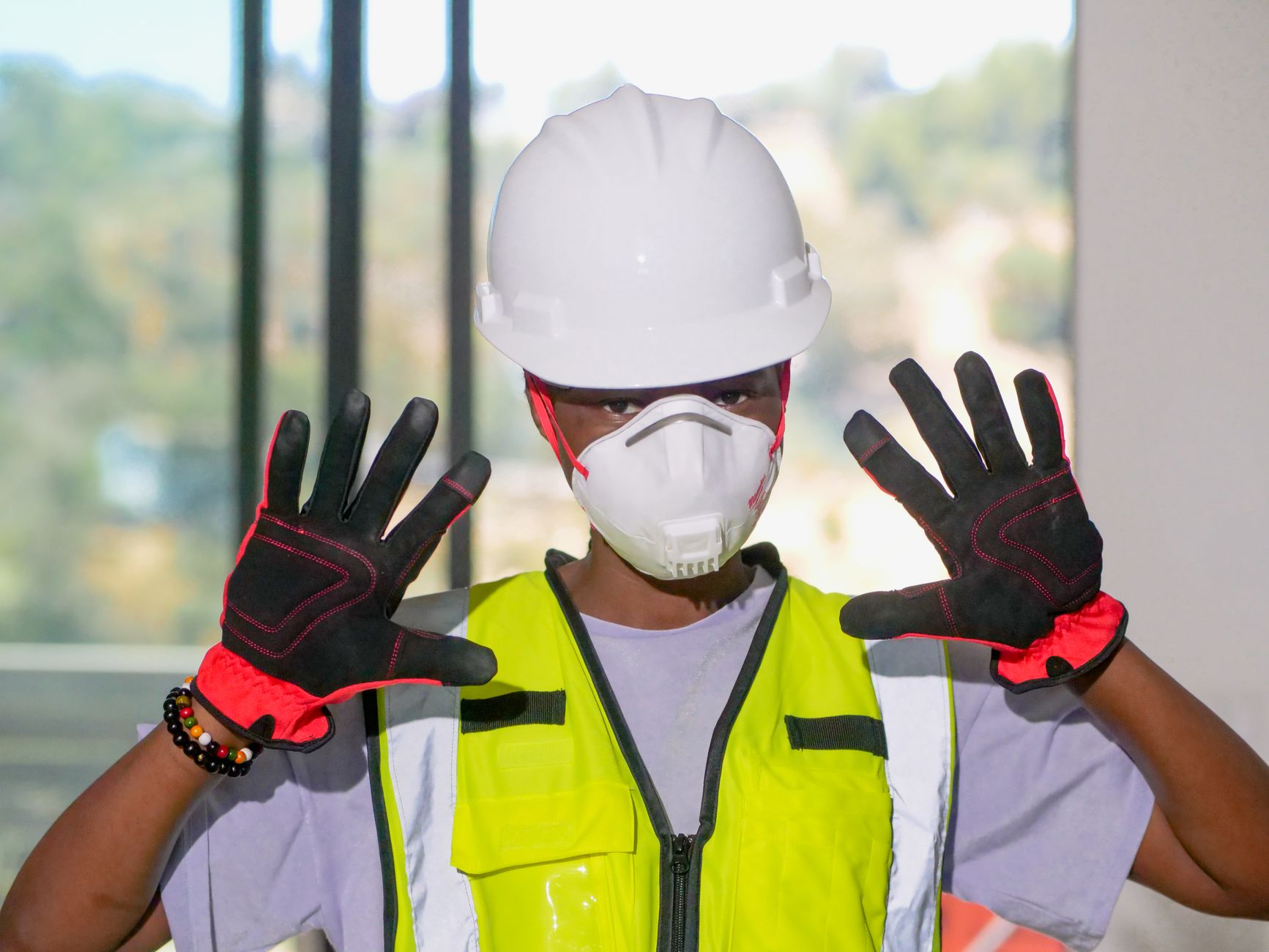
Prioritizing safety with appropriate personal protective equipment (PPE) like an N95 mask is crucial when working in environments with potential dust exposure during pregnancy.
Safety Snapshot: Working with Grain Dust During Pregnancy
Trimester
Verdict
Notes
First Trimester
⚠️ Caution Advised
Highest risk for potential developmental concerns if severe maternal respiratory issues or systemic exposure to contaminants occur. Strict avoidance or maximum precautions are crucial.
Second Trimester
⚠️ Caution Advised
Continued risk of maternal respiratory issues, which can indirectly affect fetal oxygen supply and growth. Preterm birth risk. Maintain rigorous exposure control.
Third Trimester
⚠️ Caution Advised
Increased maternal respiratory strain. Risk of preterm labor due to severe maternal illness. Continue all protective measures.
Breastfeeding
⚠️ Caution Advised
Direct transfer to milk is unlikely, but maternal respiratory health is vital for adequate milk supply and caregiving. Avoid bringing dust home on clothing.
What is Grain Dust?
Grain dust refers to the fine particulate matter generated during the handling, processing, and storage of grains such as wheat, corn, barley, oats, rye, and sorghum. It's a complex mixture that can include fragments of the grain itself, husks, fungi (molds), bacteria, insect parts, animal dander, and even residues from pesticides or fertilizers used in cultivation. This dust becomes airborne when grains are moved, dried, cleaned, milled, or transported, creating a hazy, often irritating, environment.
People working in agricultural settings, grain elevators, mills, bakeries, feedlots, and even some food manufacturing plants are most commonly exposed to grain dust. Its composition varies depending on the type of grain, harvesting conditions, and storage practices, but a common thread is its fine particulate size, allowing it to be easily inhaled deep into the respiratory system. The presence of biological components like mold spores and endotoxins (from bacteria) makes grain dust particularly allergenic and irritating, potentially triggering significant respiratory responses in susceptible individuals. Understanding what grain dust is helps us appreciate why the question, "is working with grain dust safe during pregnancy?" is so important for expecting parents.
Is Working with Grain Dust Safe During Pregnancy?
T
he direct answer is that working with grain dust during pregnancy is generally not considered safe without significant precautions, and ideally, exposure should be minimized or avoided altogether. Major health organizations like the American College of Obstetricians and Gynecologists (ACOG) and the UK's National Health Service (NHS) consistently advise pregnant individuals to avoid or minimize exposure to environmental hazards, especially those that can compromise respiratory health or introduce potential toxins. Grain dust falls squarely into this category.
The primary concern stems from the inhalation of these fine particles. Grain dust is a known respiratory irritant and allergen, capable of causing or exacerbating conditions like asthma, bronchitis, and hypersensitivity pneumonitis (often called "farmer's lung"). Severe maternal respiratory distress can lead to reduced oxygen supply to the fetus, which is a critical concern for development and growth. Furthermore, grain dust can carry various biological contaminants, including mold spores and mycotoxins, which, while not directly proven to cross the placental barrier in significant amounts from inhalation, raise concerns about systemic maternal health impacts.
The Occupational Safety and Health Administration (OSHA) sets Permissible Exposure Limits (PELs) for various dusts, including grain dust, for general worker safety. However, these limits are established for the average healthy adult worker, not specifically for pregnant individuals, whose physiological changes (like increased respiratory rate and cardiac output) and the presence of a developing fetus warrant a more cautious approach. Therefore, most obstetricians and occupational health specialists recommend that pregnant workers aim for exposure levels significantly below standard PELs, or ideally, zero exposure, making the question "is working with grain dust safe during pregnancy?" a complex one that often leans towards caution.
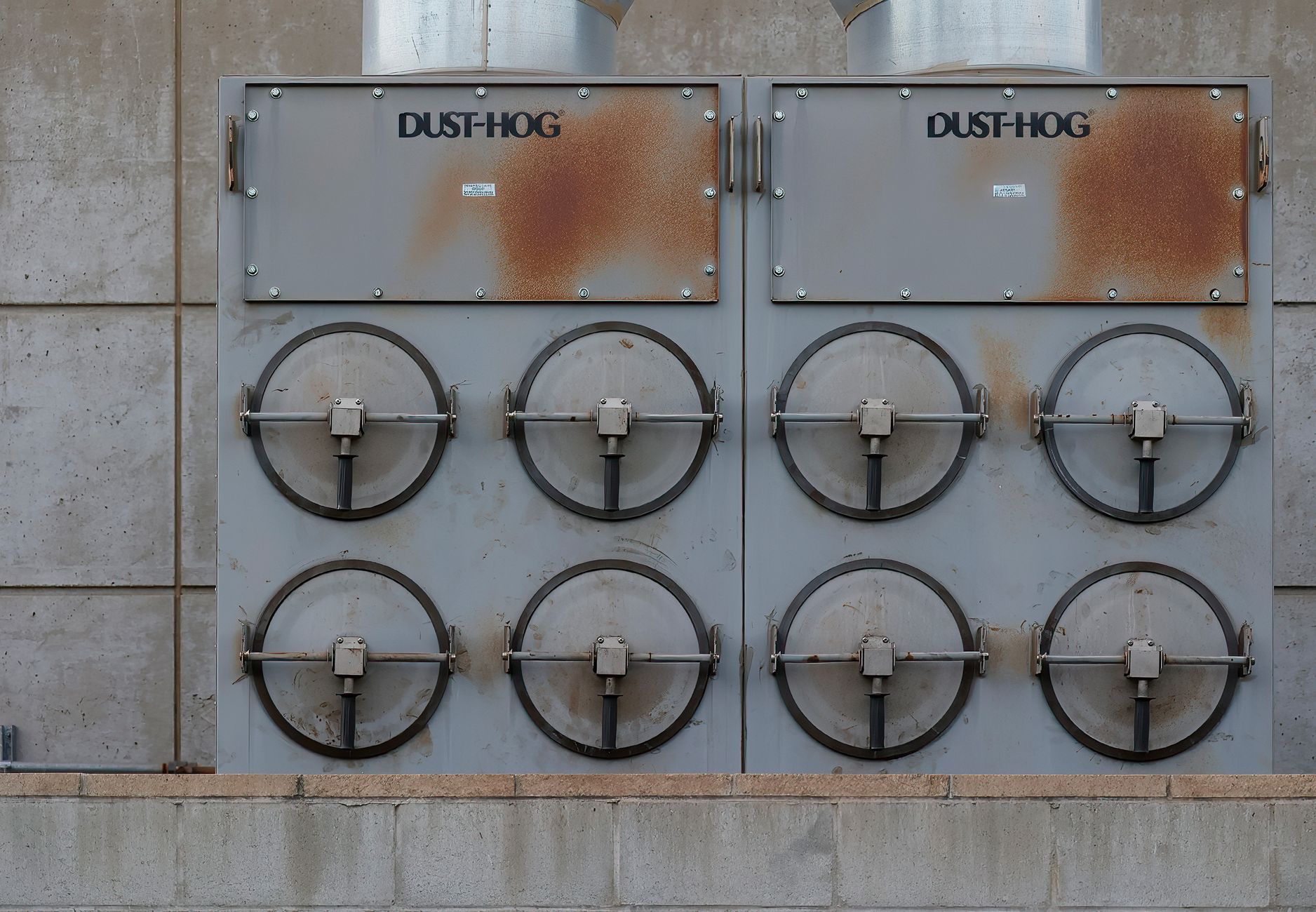
Modern dust extraction systems are vital for maintaining a safer work environment by significantly reducing airborne grain dust.
Is Inhaling Grain Dust Harmful During Early Pregnancy?
The first trimester is a period of rapid organogenesis, where the baby's major organs are forming. This makes it a particularly sensitive time for exposure to environmental hazards. When considering "is working with grain dust safe during pregnancy" during these crucial weeks, the answer is a strong emphasis on caution. While grain dust itself is not classified as a teratogen (a substance known to cause birth defects), severe maternal illness can indirectly impact fetal development.
Inhaling grain dust can trigger significant respiratory inflammation, asthma attacks, or allergic reactions in the pregnant parent. If these reactions are severe enough to compromise the parent's oxygen intake, it could theoretically lead to reduced oxygen delivery to the developing fetus. Persistent maternal respiratory issues could also lead to chronic stress on the body, impacting overall health and potentially diverting resources from fetal growth. Additionally, some grain dust may contain mycotoxins (toxins produced by molds) or pesticide residues. While the direct placental transfer and fetal effects of inhaled levels of these contaminants are not well-studied or definitive, the precautionary principle suggests minimizing any potential exposure during this vulnerable period.
What Are the Risks of Grain Dust Exposure in the Second Trimester?
As you move into the second trimester, major organ development is largely complete, but the baby continues to grow rapidly. The primary risks associated with grain dust exposure during this period continue to revolve around maternal health. Sustained or severe respiratory problems in the pregnant parent, such as chronic bronchitis or exacerbated asthma, can lead to systemic inflammation and stress. This can indirectly increase the risk of complications such as preterm labor and low birth weight, as the mother's body is under increased strain.
The second trimester is also a time when many pregnant individuals report increased sensitivity to environmental irritants. The body's immune system changes during pregnancy, and existing allergies or respiratory conditions can worsen. Therefore, even if you felt fine with grain dust exposure before pregnancy, you might find yourself more reactive now. Maintaining a safe working environment and strictly adhering to protective measures remains paramount to ensure both your well-being and your baby's continued healthy development. This careful approach is key to understanding "is working with grain dust safe during pregnancy" in the middle months.
Can Grain Dust Exposure Cause Miscarriage or Birth Defects?
It's natural to worry about the most severe outcomes when asking "is working with grain dust safe during pregnancy?" Current scientific evidence does not directly link grain dust exposure to an increased risk of miscarriage or birth defects in humans. Grain dust itself is primarily a respiratory irritant and allergen, not a known teratogen or abortifacient (a substance that causes miscarriage).
However, it's crucial to understand the indirect risks. If exposure to grain dust leads to severe maternal health complications, such as profound respiratory distress, uncontrolled asthma attacks, or serious allergic reactions, these conditions *could* indirectly affect pregnancy outcomes. For example, prolonged periods of maternal hypoxia (lack of oxygen) from a severe respiratory event could theoretically impact fetal oxygen supply, which in extreme cases, *could* pose a risk. Similarly, a severe, prolonged maternal illness that significantly impacts overall health and nutrition could, in rare circumstances, contribute to poor fetal growth or preterm labor.
The key takeaway is that the risk is predominantly indirect, stemming from the *impact on the pregnant parent's health*. This is why prevention and aggressive management of any respiratory symptoms are so vital. Always discuss your specific workplace exposures and any symptoms with your healthcare provider to assess your individual risk.
What Are the Safe Limits for Grain Dust Exposure During Pregnancy?
When considering "is working with grain dust safe during pregnancy," understanding "safe limits" is tricky because there are no specific occupational exposure limits established *specifically* for pregnant workers. Standard regulatory bodies like OSHA set Permissible Exposure Limits (PELs) for general workers (e.g., 5 mg/m³ for respirable dust, 15 mg/m³ for total dust for "nuisance dusts" when no specific toxic effects are known). However, these limits are designed to prevent adverse health effects in the general working population over a lifetime of exposure and do not account for the unique physiological changes and vulnerabilities of pregnancy.
Therefore, for pregnant individuals, the recommendation from occupational health specialists and obstetricians is to minimize exposure to the absolute lowest level reasonably achievable (ALARA principle), ideally to zero. This means aiming for levels significantly below the general PELs. Factors like the type of grain, the presence of molds or pesticides, and individual sensitivity (e.g., pre-existing asthma or allergies) can also influence what constitutes a "safe" limit for an individual. Your employer is generally required to provide a safe working environment, and under laws like the Pregnancy Discrimination Act in the US, they may need to accommodate pregnant workers. It's essential to have a frank discussion with your employer and your healthcare provider about your specific exposure levels and what accommodations can be made to ensure your safety.
How to Reduce Grain Dust Exposure for Pregnant Workers?
Reducing grain dust exposure is paramount for pregnant workers. It involves a multi-pronged approach combining engineering controls, administrative controls, and personal protective equipment (PPE). When asking "is working with grain dust safe during pregnancy," the answer often hinges on the effectiveness of these measures:
Engineering Controls: These are the most effective because they remove or reduce the hazard at its source. This includes installing or improving local exhaust ventilation systems at dust-generating points (e.g., grain transfer points, milling machinery). Enclosed cabin machinery, which provides a sealed, filtered air environment for operators, is another excellent engineering control.
Administrative Controls: These involve changing work practices. This could mean adjusting work schedules to avoid peak dust times, rotating tasks to minimize continuous exposure, or implementing temporary job reassignment away from high-dust areas. Regular wet cleaning methods (instead of dry sweeping) can also significantly reduce airborne dust levels.
Personal Protective Equipment (PPE): While less effective than engineering controls, appropriate PPE is crucial where dust cannot be fully eliminated. This includes wearing well-fitted respirators (like N95 or P100 masks) and protective clothing.
Training and Awareness: Ensuring all workers, especially pregnant ones, are aware of the risks and proper safety protocols is vital.
Your employer has a responsibility to provide a safe working environment and should be able to discuss these measures with you. For example, if you are also in a role that involves working with chemo patients or working with TB patients, similar principles of minimizing exposure and utilizing robust PPE apply.
What Type of PPE Is Best for Pregnant Women Around Grain Dust?
When engineering and administrative controls aren't sufficient to eliminate grain dust exposure, personal protective equipment (PPE) becomes your last line of defense. For pregnant individuals, selecting the right PPE is critical to ensure "is working with grain dust safe during pregnancy" is answered with confidence. The most important piece of PPE for airborne dust is a respirator.
N95 Respirator Mask: This is the minimum recommended protection for grain dust. An N95 mask filters at least 95% of airborne particles, including fine dust. It must be properly fitted (requiring a fit test) to create a seal around your face to be effective.
P100 Respirator Mask: Offering superior protection, a P100 respirator filters at least 99.97% of airborne particles. These are often reusable, with replaceable cartridges. Like N95s, a proper fit test is essential. For higher levels of grain dust, or if you have pre-existing respiratory sensitivities, a P100 is often preferred.
Other Protective Gear:
Eye Protection: Safety glasses or goggles can prevent dust from irritating your eyes.
Protective Clothing: Long-sleeved shirts and pants, or coveralls, can prevent skin irritation and reduce the amount of dust you carry home.
Gloves: If handling grains directly, gloves can prevent skin contact with dust and potential allergens.
Remember, PPE is only effective if it's used correctly and maintained. Always ensure your respirator is properly fitted and that you understand how to use and care for it. Your employer should provide appropriate PPE and training.
Are All Types of Grain Dust Equally Dangerous During Pregnancy?
While all grain dust carries some level of risk due to its particulate nature and potential to cause respiratory irritation, not all types are equally dangerous, and the specific hazards can vary. When evaluating "is working with grain dust safe during pregnancy," it's helpful to consider the nuances:
Wheat Dust: Often associated with baker's asthma, a common occupational respiratory disease, due to specific allergenic proteins in wheat flour.
Corn Dust: Can contain high levels of endotoxins from bacteria, which are potent inflammatory agents that can trigger severe respiratory reactions.
Barley, Oats, Rye Dust: Similar to wheat and corn, these can also contain allergens and endotoxins, leading to respiratory issues.
Mold Contamination: Regardless of the grain type, if the grain is stored in damp conditions, it can become heavily contaminated with molds. Inhaling mold spores and their mycotoxins can significantly increase the health risks, potentially leading to conditions like hypersensitivity pneumonitis ("farmer's lung"), severe allergic reactions, and general respiratory illness.
Pesticide Residues: Grains may carry residues from pesticides used during cultivation or storage. The inhalation of these residues, while generally in low concentrations in dust, adds another layer of potential concern.
Therefore, while the general recommendation is to minimize exposure to *all* grain dust, specific types of grain or conditions of storage (e.g., visibly moldy grain) might present elevated risks. Always exercise maximum caution, regardless of the specific grain you're working with.
What Are the Long-Term Health Effects of Grain Dust on Pregnant Women?
The long-term health effects of grain dust exposure primarily concern the respiratory system, and these risks can be exacerbated or become more problematic during pregnancy. While the focus of "is working with grain dust safe during pregnancy" is often on immediate risks, it's important to consider chronic impacts:
Chronic Respiratory Issues: Long-term exposure to grain dust can lead to chronic bronchitis, persistent cough, and reduced lung function. For a pregnant person, pre-existing or exacerbated respiratory issues can make it harder to breathe, potentially leading to fatigue and reduced oxygen saturation, which is not ideal for pregnancy.
Occupational Asthma: Grain dust is a well-known sensitizer and can cause occupational asthma, even in individuals who previously had no respiratory problems. Developing asthma during pregnancy would add a significant layer of complexity and risk, requiring careful management.
Hypersensitivity Pneumonitis ("Farmer's Lung"): This is a severe allergic reaction to inhaled organic dusts, including mold spores found in grain dust. It can cause permanent lung damage if exposure continues. While rare, it's a serious condition that would be particularly dangerous during pregnancy.
Allergies and Dermatitis: Prolonged skin contact or inhalation can lead to chronic skin irritation (dermatitis) or persistent allergic rhinitis (hay fever symptoms).
The critical point is that pregnancy places additional demands on the respiratory and cardiovascular systems. Any pre-existing or newly developed respiratory condition due to grain dust exposure can be more challenging to manage during pregnancy and could indirectly affect the well-being of both the parent and the baby. This underscores the importance of minimizing exposure from the outset of pregnancy.
Side Effects and Risks
Understanding the potential side effects and risks associated with grain dust exposure is crucial for any pregnant person asking, "is working with grain dust safe during pregnancy?" These risks primarily affect the pregnant parent, but severe maternal health issues can indirectly impact the fetus.
Risks to the Pregnant Parent
Respiratory Symptoms: The most common effects include coughing, wheezing, shortness of breath, chest tightness, and nasal irritation. These can range from mild to severe and may exacerbate pre-existing conditions like asthma.
Allergic Reactions: Grain dust contains allergens that can trigger allergic rhinitis (hay fever symptoms), conjunctivitis (eye irritation), and skin rashes or dermatitis.
Asthma Exacerbation: For individuals with asthma, exposure can lead to severe asthma attacks, requiring immediate medical attention.
Hypersensitivity Pneumonitis ("Farmer's Lung"): A serious inflammatory lung disease caused by an allergic reaction to mold spores often found in grain dust. Symptoms include fever, chills, cough, and shortness of breath, and it can lead to permanent lung damage.
Bronchitis: Acute or chronic inflammation of the bronchial tubes.
Increased Susceptibility to Infections: Respiratory irritation can make the lungs more vulnerable to infections.
Indirect Risks to the Fetus
While grain dust is not directly linked to birth defects or miscarriage, severe maternal health complications can have indirect impacts:
Reduced Oxygen Supply: If the pregnant parent experiences severe respiratory distress (e.g., a severe asthma attack or pneumonitis), their oxygen levels can drop, potentially leading to reduced oxygen supply to the fetus. This can be detrimental to fetal growth and development.
Preterm Birth and Low Birth Weight: Chronic maternal illness, severe inflammation, or significant physiological stress from severe respiratory conditions can increase the risk of preterm labor and babies being born with a low birth weight.
Maternal Stress and Fatigue: Dealing with persistent respiratory issues or allergic reactions can cause significant stress and fatigue, impacting the pregnant parent's overall well-being and ability to care for themselves during pregnancy.
It's important to differentiate between direct toxic effects (which are not generally attributed to grain dust) and indirect effects stemming from severe maternal illness. Any concerning symptoms should prompt an immediate call to your healthcare provider.
Safer Alternatives and Other Safe Options for Pregnant Workers
When asking "is working with grain dust safe during pregnancy," the best answer often involves exploring ways to eliminate or significantly reduce exposure. Here are safer alternatives and options for pregnant workers:
N95 Respirator Mask: While not an "alternative" to avoiding dust, a properly fitted N95 mask is a crucial protective measure if some exposure is unavoidable. It filters at least 95% of airborne particles.
P100 Respirator Mask: Offers even higher filtration (99.97%) than an N95 and is recommended for higher dust concentrations or individuals with increased sensitivity.
Dust Extraction Systems: These engineering controls capture dust at the source using local exhaust ventilation, significantly reducing airborne concentrations in the work area.
Enclosed Cabin Machinery: Operating machinery from a sealed, climate-controlled cabin with filtered air provides a highly effective barrier against external dust.
Temporary Job Reassignment: Discuss with your employer the possibility of being temporarily moved to a role or area with minimal or no grain dust exposure during your pregnancy.
Remote Work Options: If any aspects of your job can be performed off-site or in a dust-free administrative area, this can eliminate exposure.
Wet Cleaning Methods: Instead of dry sweeping, which kicks dust back into the air, using wet mops or industrial vacuums with HEPA filters helps to contain and remove dust effectively.
Improved General Ventilation: Ensuring adequate airflow and air changes in the workplace can help dilute airborne dust concentrations.
Always prioritize eliminating the hazard at the source, followed by engineering controls, administrative controls, and finally, appropriate PPE. Your employer has a responsibility to explore these options with you.
Related Items – Safety at a Glance
Occupational Dust & Fume Exposure During Pregnancy
Exposure Type
Verdict
Note
Sawdust Exposure
⚠️ Caution Advised
Respiratory irritant; can contain mold/allergens. Minimize exposure, use PPE (N95/P100).
Flour Dust Exposure
⚠️ Caution Advised
Common allergen, can cause baker's asthma. Minimize exposure, use PPE.
Silica Dust Exposure
❌ Best Avoided
Can cause silicosis (irreversible lung damage). Strict avoidance is crucial.
Asbestos Exposure
❌ Best Avoided
Known carcinogen, severe lung disease risk. Absolute avoidance is mandatory.
Pesticide Exposure
❌ Best Avoided
Potential reproductive toxins. Strict avoidance or maximum protection/reassignment.
Chemical Fumes Exposure
⚠️ Talk to your doctor first
Varies widely by chemical. Avoid all unknown fumes; consult MSDS & doctor.
Mold Exposure
⚠️ Caution Advised
Can cause respiratory issues, allergies. Avoid damp, moldy environments; professional remediation.
Animal Dander Exposure
⚠️ Caution Advised
Common allergen, can exacerbate asthma. Minimize contact, good ventilation, PPE if needed.
Welding Fumes Exposure
❌ Best Avoided
Contains heavy metals, gases. Strict avoidance due to respiratory and systemic risks. For similar concerns, see our article on working with X-rays during pregnancy.
Lead Exposure
❌ Best Avoided
Neurotoxin, can cross placenta. Absolute avoidance is mandatory.
Myth vs. Fact
Myth: A little grain dust won't hurt, especially if I'm only exposed occasionally.
Fact: While acute, low-level exposure might not immediately cause severe symptoms, the cumulative effect of even "a little" dust can be problematic, especially for someone with increased sensitivity or pre-existing respiratory conditions during pregnancy. Furthermore, what constitutes "a little" can be subjective, and fine particulate matter can linger in the air long after visible dust has settled. It's best to minimize all exposure.
Myth: Wearing a cloth mask or bandana is enough to protect me from grain dust.
Fact: Cloth masks and bandanas offer minimal to no protection against fine particulate matter like grain dust. These materials are not designed to filter microscopic particles effectively. For true protection, a properly fitted N95 or P100 respirator mask is essential, as recommended by occupational health experts.
Myth: Only direct farm work or milling is risky; other jobs with grain dust are safe.
Fact: While farm work and milling facilities often have the highest concentrations, grain dust exposure can occur in many other settings, including grain storage elevators, bakeries, feed manufacturing plants, and even transport operations. Any environment where grains are handled or processed can generate airborne dust, making the question "is working with grain dust safe during pregnancy?" relevant across a range of occupations.
Key Takeaways
Working with grain dust during pregnancy requires significant caution and proactive measures.
The primary risks are to the pregnant parent's respiratory health, which can indirectly affect fetal well-being.
There are no specific "safe limits" for grain dust exposure during pregnancy; aim for the lowest possible exposure.
Prioritize engineering controls (like ventilation) and administrative controls (like job reassignment) over PPE.
If exposure is unavoidable, a properly fitted N95 or P100 respirator mask is essential.
Discuss your specific work environment and any concerns with both your healthcare provider and your employer.
Be aware of potential contaminants in grain dust, such as molds and pesticides, which can increase risk.
Frequently Asked Questions
Is it safe to work in a dusty environment while pregnant?
Working in any dusty environment while pregnant is generally advised against without strict precautions. Dust can be an irritant, allergen, and may carry contaminants, all of which can affect maternal respiratory health. Always consult your doctor and employer to assess the specific type of dust and implement appropriate safety measures.
Can dust affect pregnancy?
Yes, dust can affect pregnancy, primarily by impacting the pregnant parent's health. Inhaling dust can lead to respiratory issues, allergic reactions, and exacerbation of conditions like asthma. Severe maternal illness or reduced oxygen intake can indirectly affect fetal development, growth, and increase the risk of preterm birth.
What kind of dust is harmful to pregnant women?
Many types of dust can be harmful. Grain dust, sawdust, flour dust, and general nuisance dusts can cause respiratory irritation and allergies. More hazardous dusts like silica, asbestos, and lead dust are extremely harmful and should be strictly avoided due to their known toxic effects on both parent and fetus. Mold spores in dust are also a concern.
Can inhaling dust cause miscarriage?
There is no direct scientific evidence linking general dust inhalation to miscarriage. However, if inhaling dust leads to a severe maternal health crisis (e.g., profound respiratory distress, severe systemic infection), such extreme events could theoretically, but rarely, indirectly contribute to adverse pregnancy outcomes. The primary risk is to the pregnant parent's respiratory health.
What are the symptoms of grain dust exposure?
Symptoms of grain dust exposure can include coughing, wheezing, shortness of breath, chest tightness, nasal irritation, sneezing, and watery eyes. Allergic reactions like skin rashes or asthma attacks are also common. More severe exposure can lead to flu-like symptoms, fever, and chills, indicative of conditions like "farmer's lung."
Should pregnant women wear a mask at work?
If your work involves exposure to dust, fumes, or other airborne irritants, pregnant women absolutely should wear an appropriate, properly fitted mask (like an N95 or P100 respirator). This is a critical protective measure to minimize inhalation risks, especially when other controls are insufficient. Discuss specific mask requirements with your employer and healthcare provider.
What jobs should pregnant women avoid?
Pregnant women should ideally avoid jobs that involve significant exposure to known teratogens (substances causing birth defects), heavy lifting beyond recommended limits, prolonged standing without breaks, infectious diseases, radiation (unless strictly controlled, as discussed in our MRI safety article), or high levels of physical or psychological stress. Any job with uncontrolled exposure to dusts, fumes, or chemicals should be carefully evaluated and minimized.
Is working on a farm safe during pregnancy?
Working on a farm during pregnancy can be safe with careful planning and precautions, but it also carries unique risks. These include exposure to grain dust, pesticides, animal waste, infectious diseases (like toxoplasmosis), physical strain, and extreme temperatures. It's crucial to identify and mitigate these specific hazards, wear appropriate PPE, and consult regularly with your healthcare provider.
When to Call Your Doctor
If you are pregnant and work in an environment with grain dust, it's essential to be vigilant about your health. Call your doctor immediately if you experience any of the following:
Severe or persistent coughing, wheezing, or shortness of breath.
Difficulty breathing, especially if it worsens or doesn't improve with rest.
Chest pain or tightness.
Symptoms of an allergic reaction, such as a severe rash, swelling, or difficulty breathing.
Fever, chills, or flu-like symptoms after exposure to grain dust.
Any signs of preterm labor, such as regular contractions, vaginal bleeding, or fluid leakage.
Any concerns about your baby's movements or overall well-being.
Always inform your healthcare provider about your occupation and any potential workplace exposures to ensure you receive the most appropriate and timely care. This information is for educational purposes only and is not a substitute for professional medical advice, diagnosis, or treatment.
Not sure about the label on Is Working With Grain Dust Safe During Pregnancy products?
Snap the ingredients list and SafeFilter checks every ingredient for your stage — only 3 free scans this month, then you're locked until reset. Unlimited from $7/mo or $50/yr.
When Shubhra Mishra was expecting her first child in 2016, she was overwhelmed by conflicting food advice — one site said yes, another said never. By the time her second baby arrived in 2019, she realized millions of mothers face the same confusion.
That sparked a five-year journey through clinical nutrition papers, cultural diets, and expert conversations — all leading to BumpBites: a calm, compassionate space where science meets everyday motherhood.
Her long-term vision is to build a global community ensuring safe, supported, and free deliveriesfor every mother — because no woman should face pregnancy alone or uninformed. 🌿
🌍 Stand with mothers, shape safer guidance
Join a small circle of experts who review BumpBites articles so expecting parents everywhere can decide with confidence.