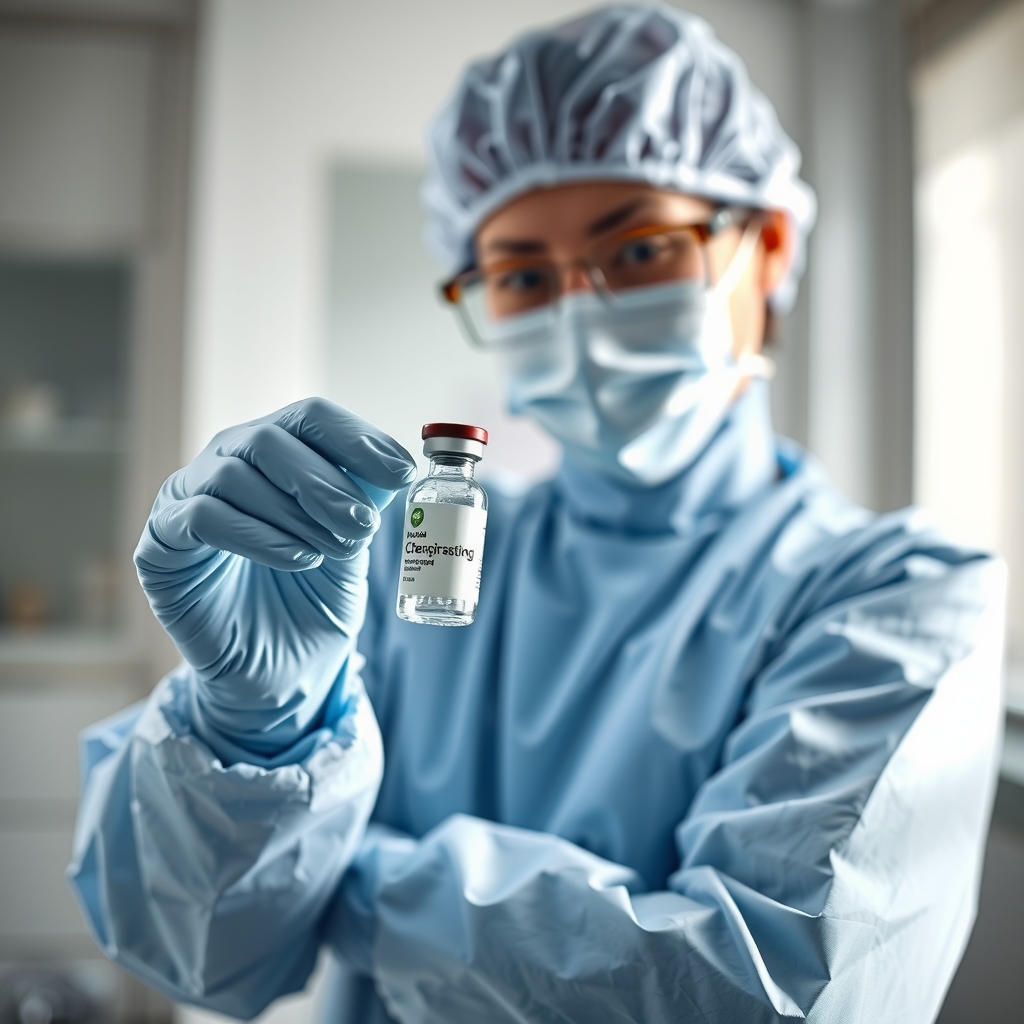
Working with chemo patients during pregnancy is conditionally safe. Is working with chemo patients safe during pregnancy? Learn about exposure risks and vital
By Shubhra Mishra — a mom of two who turned her own confusion during pregnancy into BumpBites, a global mission to make food choices clear, safe, and stress-free for every expecting mother. 💛
Check whether any food is safe during pregnancy with the BumpBites Food Safety Checker.
Quick verdict: ⚠️ Talk to your doctor first. While complete avoidance of chemotherapy agents is ideal during pregnancy, working with chemo patients can be managed safely with strict adherence to protective measures and employer guidelines. We recommend discussing your specific situation with your obstetrician and employer.
That moment you realize you're pregnant, and your mind races through everything you've done, eaten, or been exposed to recently – it's a completely normal reaction. For healthcare professionals, especially those on the front lines in oncology, a common and urgent concern is: is working with chemo patients safe during pregnancy? If you're an oncology nurse, pharmacist, or other healthcare worker who regularly handles or is exposed to chemotherapy drugs or patients receiving them, it's natural to feel anxious about potential risks to your developing baby. Take a deep breath. We're here to break down the evidence, official guidelines, and practical steps you can take to protect yourself and your little one.
At BumpBites, we understand this isn't just a job; it's a calling, and your priority is always patient care. But now, you have another tiny patient to protect. The good news is that with proper precautions and clear communication with your healthcare provider and employer, many healthcare professionals can continue their roles with modifications. This article will cover the specific risks, recommended safety measures, and alternative options to help you navigate this important decision.
Safety Snapshot: Working with Chemo Patients During Pregnancy
Trimester/Phase
Verdict
Notes
First Trimester
⚠️ Safe with strict limits
Highest risk period for fetal development (organogenesis). Strict adherence to PPE and safe handling protocols is crucial. Discuss reassignment.
Second Trimester
⚠️ Safe with strict limits
Fetal growth and maturation continue. Continued vigilance with PPE and safety protocols is essential.
Third Trimester
⚠️ Safe with strict limits
Fetal development largely complete, but growth continues. Risks of preterm labor or low birth weight with significant exposure. Maintain strict precautions.
While Breastfeeding
⚠️ Safe with strict limits
Chemotherapy drugs can potentially be excreted in breast milk. Strict avoidance of direct drug handling and patient contact during drug administration is recommended. Consult a lactation specialist.
What Does "Working with Chemo Patients" Entail?
Working with chemotherapy patients typically involves exposure to cytotoxic (cell-killing) drugs, which are potent medications designed to target rapidly dividing cancer cells. For healthcare workers, this exposure can occur in several ways. The most direct route is through preparing and administering chemotherapy drugs, which involves handling vials, syringes, IV lines, and infusion pumps. This can lead to skin contact, inhalation of aerosols, or accidental splashes.
Indirect exposure is also a significant concern. Chemotherapy drugs and their metabolites can be present in patients' bodily fluids (urine, feces, vomit, sweat, tears) for several days after administration. This means that nurses, nursing assistants, and environmental services staff who handle patient linens, assist with toileting, or clean patient rooms can also be exposed. Even being in the same room as a patient undergoing an infusion, or handling contaminated waste, carries a potential risk. These drugs are designed to be powerful, and their impact on rapidly dividing cells is the primary concern when considering fetal development.
Proper personal protective equipment (PPE) is non-negotiable when handling chemotherapy drugs, especially during pregnancy.
Is Working with Chemo Patients Safe During Pregnancy?
The consensus among leading health organizations like the American College of Obstetricians and Gynecologists (ACOG), the National Institute for Occupational Safety and Health (NIOSH), and the Occupational Safety and Health Administration (OSHA) is that while complete avoidance of hazardous drugs during pregnancy is ideal, working with chemo patients safe during pregnancy is possible if stringent safety protocols are meticulously followed. However, the level of risk is directly tied to the degree of exposure and the effectiveness of protective measures.
ACOG emphasizes that healthcare employers have a responsibility to provide a safe working environment, which includes minimizing exposure to hazardous agents for pregnant employees. OSHA and NIOSH have detailed guidelines for handling hazardous drugs, including specific recommendations for pregnant workers. These guidelines stress the importance of engineering controls (e.g., biological safety cabinets), administrative controls (e.g., comprehensive training, safe work practices), and personal protective equipment (PPE).
The primary concern stems from the genotoxic, mutagenic, and teratogenic properties of many chemotherapy agents. This means they can damage DNA, cause mutations, and lead to birth defects. While modern safety practices have significantly reduced occupational exposure compared to decades past, residual risk remains. Many obstetricians and occupational health specialists advocate for a "as low as reasonably achievable" (ALARA) approach, meaning all efforts should be made to minimize exposure to the lowest possible level, especially during pregnancy.
Is it safe to work with chemotherapy patients in the first trimester?
The first trimester, particularly weeks 3 through 8, is the most critical period for fetal development, known as organogenesis. During this time, the baby's major organs are forming, making them highly susceptible to damage from teratogens – substances that can cause birth defects. Because of this heightened vulnerability, working with chemo patients safe during pregnancy is most challenging in the first trimester.
Exposure to chemotherapy agents during this window carries the highest theoretical risk for spontaneous abortion, major congenital malformations, and intrauterine growth restriction. While robust human studies on occupational exposure are challenging to conduct and often show conflicting results due to varying exposure levels and confounding factors, the potential severity of outcomes warrants extreme caution. We recommend that pregnant healthcare workers prioritize discussing temporary reassignment to non-hazardous duties during the first trimester with their employer and obstetrician. If reassignment isn't immediately possible, strict adherence to all PPE and safe handling protocols is absolutely vital, and any direct handling of chemotherapy drugs should be avoided if possible.
Working with Chemo Patients in the Second Trimester
By the second trimester, most of the baby's major organs have formed, and the risk of major structural birth defects from teratogen exposure decreases compared to the first trimester. However, fetal growth and the development of the central nervous system, reproductive organs, and other systems continue. Therefore, exposure to chemotherapy agents can still pose risks, including potential for growth restriction, developmental delays, and subtle neurological effects.
If you are continuing to work in an oncology setting during your second trimester, maintaining rigorous adherence to all safety protocols, including appropriate personal protective equipment, is still paramount. We recommend regularly reviewing your workplace's hazardous drug policies and ensuring all engineering controls (like ventilation systems and biological safety cabinets) are functioning optimally. Your employer should be able to provide documentation of these checks.
Working with Chemo Patients in the Third Trimester
In the third trimester, the baby is primarily growing and maturing in preparation for birth. While the risk of major birth defects is low, exposure to chemotherapy agents can still potentially lead to issues such as intrauterine growth restriction, preterm labor, or low birth weight. There's also a theoretical concern for effects on the developing fetal immune system or other organ systems that are still maturing.
Continued vigilance with safe handling practices and PPE is essential throughout the third trimester. Many healthcare workers may begin their maternity leave towards the end of this period. If you are debating the financial implications of taking time off versus working, considering a stay-at-home mom vs working mom cost comparison might be helpful, but your health and your baby's health should always be the top priority in this decision.
Working with Chemo Patients While Breastfeeding
The safety of working with chemotherapy agents while breastfeeding is also a concern because many drugs and their metabolites can be excreted in breast milk, potentially exposing the infant. The risk varies significantly depending on the specific drug, its molecular weight, lipid solubility, and protein binding, all of which influence its passage into milk.
While direct handling of chemotherapy drugs should be strictly avoided by breastfeeding mothers, indirect exposure from patient contact or contaminated surfaces also needs careful consideration. Organizations like the American Academy of Pediatrics (AAP) and ACOG generally advise against breastfeeding when a mother is receiving chemotherapy, but occupational exposure is a different scenario. We recommend consulting with your obstetrician, pediatrician, and a lactation consultant to assess the specific risks based on your work environment and the types of drugs you might encounter. It may be prudent to avoid direct drug handling or patient care during active chemotherapy administration if you choose to breastfeed.
Safe Handling Guidelines and Exposure Minimization
Since "safe dosage" doesn't apply to occupational exposure to hazardous drugs, the focus shifts to minimizing exposure to the absolute lowest possible level. This involves a multi-faceted approach combining engineering controls, administrative controls, and personal protective equipment (PPE). The goal is to create a barrier between you and the hazardous agents.
Engineering Controls: These are physical barriers or systems designed to remove or contain hazardous drugs.
Biological Safety Cabinets (BSCs): Class II or III BSCs are critical for preparing and compounding chemotherapy drugs, providing filtered air and containing aerosols. These should be certified annually.
Closed System Drug Transfer Devices (CSTDs): These devices mechanically prevent the transfer of environmental contaminants into a drug vial and the escape of hazardous drug or vapor concentrations outside the system. NIOSH recommends their use for drug preparation and administration.
Dedicated Ventilation Systems: Pharmacy compounding areas and patient administration rooms should have appropriate air changes and negative pressure to prevent the spread of aerosols.
Administrative Controls: These are policies and procedures designed to minimize exposure.
Comprehensive Training: All staff must be thoroughly trained on hazardous drug handling, spill management, and proper PPE use.
Standard Operating Procedures (SOPs): Clear, written SOPs for every step of drug handling, from receipt to waste disposal, must be in place and regularly reviewed.
Exposure Monitoring: While not universally practiced for all hazardous drugs, some facilities may offer biological monitoring (e.g., urine testing for drug metabolites) to assess exposure levels, though the interpretation of these results in relation to fetal risk can be complex.
Designated Areas: Chemotherapy preparation and administration should occur in designated, restricted areas.
Personal Protective Equipment (PPE): This is your last line of defense.
Gloves: Double gloving with chemotherapy-tested gloves (nitrile or latex, thicker than standard exam gloves) is essential for handling drugs and contaminated materials. Gloves should be changed frequently and immediately if contaminated.
Gowns: Chemotherapy-tested, impermeable gowns made of lint-free, low-permeability fabric with a closed front, long sleeves, and elasticized or knit cuffs.
Eye and Face Protection: Goggles or a face shield should be worn when there is a risk of splashing (e.g., during drug reconstitution, administration, or spill cleanup).
Respiratory Protection: An N95 respirator or, for higher risk procedures (like spill cleanup), a powered air-purifying respirator (PAPR) with appropriate cartridges should be used if there is a risk of aerosolized drug exposure. Surgical masks do NOT provide adequate protection against hazardous drug aerosols or vapors.
For pregnant staff, we recommend ensuring all these controls are in place and advocating for your safety. If any of these protections are compromised, you should immediately inform your supervisor and occupational health department.
What are the risks of chemotherapy exposure to a developing fetus?
The potential risks associated with occupational exposure to chemotherapy agents during pregnancy are a significant concern for healthcare workers. These drugs are designed to interfere with cell growth and division, which is precisely what makes them effective against cancer, but also what poses a threat to a rapidly developing fetus. The primary risks include:
Teratogenicity: This refers to the ability of a substance to cause birth defects. Many chemotherapy drugs are known teratogens, meaning they can lead to structural abnormalities in the baby's organs or body parts if exposure occurs during critical periods of development (especially the first trimester).
Miscarriage and Spontaneous Abortion: Exposure to certain cytotoxic drugs has been linked to an increased risk of miscarriage or spontaneous abortion, particularly with higher or more frequent exposure.
Intrauterine Growth Restriction (IUGR): Chemotherapy agents can interfere with the baby's growth, potentially leading to a smaller baby at birth (low birth weight).
Preterm Birth: Some studies suggest a potential link between occupational exposure and an increased risk of delivering before 37 weeks of gestation.
Developmental Delays and Neurocognitive Effects: While harder to quantify from occupational exposure, direct exposure to chemotherapy in utero (e.g., when a pregnant mother receives treatment for cancer) has been associated with long-term neurocognitive and developmental challenges in children. The concern for occupational exposure is that even low-level, chronic exposure could theoretically contribute to these more subtle effects.
Carcinogenesis and Mutagenesis: Many chemotherapy drugs are also carcinogens (cancer-causing) and mutagens (cause genetic mutations). While the risk to the fetus from occupational exposure is not well-established, the underlying mechanisms raise concerns about potential long-term risks, including childhood cancers, though this is largely theoretical in the context of low-level occupational exposure.
It's important to differentiate between direct therapeutic exposure (when a pregnant person is undergoing chemotherapy treatment) and occupational exposure. Occupational exposure typically involves much lower doses, but chronic, low-level exposure still warrants serious consideration due to the potency of these agents. The exact risk to your baby depends on the specific drugs involved, the duration and level of exposure, and the trimester of pregnancy.
Safer Alternatives / Other Safe Options for Pregnant Oncology Nurses
If you're an oncology nurse or healthcare worker and are concerned about working with chemo patients safe during pregnancy, discussing alternative job roles or modifications with your employer is a crucial step. Many healthcare systems have policies in place for pregnant employees to ensure a safe working environment. Here are several safer alternatives to consider:
Telehealth Nursing: Provides patient care and education remotely, eliminating any direct exposure to hazardous drugs or infectious agents.
Nurse Case Management: Involves coordinating patient care, navigating insurance, and managing discharge planning, often with minimal to no direct patient contact or drug handling.
Patient Education (non-oncology): Focuses on educating patients and families about various health conditions, lifestyle changes, or preventive care, typically in a classroom or office setting.
Clinical Research Coordination (non-drug handling): Roles that focus on data collection, patient recruitment, and administrative tasks for clinical trials, specifically avoiding investigational drug preparation or administration.
Administrative Nursing Roles: Positions in management, quality improvement, or policy development that are office-based and do not involve direct patient care or hazardous drug exposure.
Maternity Leave: Taking early maternity leave or utilizing short-term disability can provide a complete break from the work environment during pregnancy.
Temporary Reassignment to Non-Hazardous Duties: This is often the most common and practical solution, involving a temporary transfer to a different unit or role within the hospital that doesn't involve chemotherapy exposure (e.g., a postpartum unit, a general medical-surgical floor with no hazardous drug administration, or an outpatient clinic without chemotherapy).
Infection Control Nursing: While still a clinical role, this often involves more administrative and educational duties focused on preventing the spread of infections, typically with less direct exposure to hazardous drugs than oncology.
Related Items — Safety at a Glance
Beyond chemotherapy, many other occupational exposures can raise questions during pregnancy. Here's a quick look at some common concerns for healthcare workers and others:
Occupational Exposure Safety During Pregnancy
Occupational Exposure
Verdict
Notes
Working with radiation during pregnancy
⚠️ Safe with strict limits
Requires diligent monitoring and adherence to ALARA (As Low As Reasonably Achievable) principles, shielding, and dose limits. Fetal dose should not exceed 0.5 rem (5 mSv) over gestation.
Working with anesthetic gases during pregnancy
⚠️ Safe with strict limits
Requires proper ventilation systems and scavenging equipment to minimize exposure to waste anesthetic gases. Avoid prolonged exposure.
Working with infectious diseases during pregnancy
⚠️ Safe with strict limits
Requires strict adherence to universal precautions, appropriate PPE, and vaccination where available (e.g., flu, MMR if non-immune prior to pregnancy). Risk depends on specific pathogen.
Handling hazardous cleaning chemicals during pregnancy
⚠️ Safe with strict limits
Avoid direct contact with strong chemicals, ensure good ventilation, wear gloves and masks. Opt for less toxic alternatives if possible.
Lifting heavy patients during pregnancy
⚠️ Safe with limits
Avoid heavy lifting, especially repetitive or awkward lifting. Use proper body mechanics, assistive devices, and team lifts to prevent injury and uterine contractions.
Working night shifts during pregnancy
⚠️ Safe with limits
Associated with potential risks like preterm birth and preeclampsia, likely due to circadian rhythm disruption. Discuss schedule modifications with your employer.
Exposure to mercury in dental offices during pregnancy
⚠️ Safe with limits
Minimizing exposure to mercury vapor from amalgam fillings is crucial. Ensure proper ventilation, use high-volume evacuation, and avoid direct handling.
Working in a lab with chemicals during pregnancy
⚠️ Safe with strict limits
Requires strict adherence to chemical safety protocols, fume hoods, appropriate PPE, and avoiding known teratogens. Review Material Safety Data Sheets (MSDS).
Exploring alternative job roles or temporary reassignment can provide peace of mind during pregnancy.
Myth vs. Fact
Myth vs. Fact
Myth: As long as I wear gloves, I'm completely safe from chemotherapy exposure.
Fact: While gloves are a critical part of personal protective equipment (PPE), they are not a foolproof barrier. Chemotherapy drugs can penetrate certain glove materials over time, or exposure can occur through splashes, aerosols, or contaminated surfaces. Double gloving with chemotherapy-tested gloves, along with gowns, eye protection, and respiratory protection, provides a much higher level of safety. Engineering controls like biological safety cabinets and closed-system drug transfer devices are also essential layers of protection.
Myth: Only nurses who prepare chemotherapy drugs are at risk.
Fact: Anyone who comes into contact with chemotherapy drugs or the bodily fluids of patients who have recently received them can be at risk. This includes nurses administering the drugs, pharmacy staff, environmental services staff handling linens or cleaning rooms, and even family members assisting with patient care at home. Chemotherapy drugs and their metabolites can be present in urine, feces, vomit, and other bodily fluids for several days post-administration, posing an indirect exposure risk.
Myth: My employer legally has to reassign me if I'm pregnant.
Fact: While many employers proactively offer reassignment, especially in high-risk areas like oncology, the legal requirements can vary. In the US, the Pregnancy Discrimination Act (PDA) and the Americans with Disabilities Act (ADA) may require employers to provide reasonable accommodations, which could include temporary reassignment to a less hazardous role, if such positions are available and if the pregnant employee is temporarily unable to perform certain duties. It's crucial to understand your workplace's specific policies and discuss your concerns with your employer's human resources and occupational health departments.
Key Takeaways
Prioritize Discussion: Talk to your obstetrician and employer as soon as you know you're pregnant to discuss your specific work environment and potential risks.
Strict Precautions are Essential: If you continue to work in oncology, meticulously follow all guidelines for PPE, safe handling, and engineering controls (e.g., biological safety cabinets, CSTDs).
First Trimester is Highest Risk: The period of organogenesis (first trimester) carries the highest risk for fetal development; consider temporary reassignment during this time.
Exposure is Not Just Direct: Be aware of indirect exposure from patient bodily fluids and contaminated surfaces for several days after chemotherapy administration.
Explore Alternatives: Discuss safer alternative job roles or temporary reassignment options with your employer to minimize exposure.
Know Your Rights: Understand your employer's policies regarding pregnant workers and your rights under relevant labor laws.
Frequently Asked Questions
Can a pregnant nurse work in oncology?
A pregnant nurse can potentially work in oncology, but it requires meticulous adherence to strict safety protocols, including comprehensive personal protective equipment (PPE), engineering controls, and administrative policies. Many healthcare organizations recommend or facilitate temporary reassignment to non-hazardous duties for pregnant staff to minimize exposure to chemotherapy agents and other hazardous drugs, especially during the first trimester.
What are the risks of chemotherapy exposure to a fetus?
The risks of chemotherapy exposure to a fetus include teratogenicity (causing birth defects), increased risk of miscarriage, intrauterine growth restriction (low birth weight), and potentially long-term developmental or neurocognitive effects. The severity and type of risk depend on the specific drug, dose, duration of exposure, and the trimester of pregnancy.
How long do chemotherapy drugs stay in a patient's system?
Chemotherapy drugs and their metabolites can remain in a patient's bodily fluids (urine, feces, vomit, sweat) for varying periods, typically ranging from 48 hours to 7 days after administration, depending on the specific drug, its half-life, and the patient's metabolism. During this time, handling patient bodily fluids or contaminated linens poses a risk of indirect exposure.
Do oncology nurses have higher rates of miscarriage?
Some early studies suggested a potential link between occupational exposure to chemotherapy drugs and higher rates of miscarriage among oncology nurses. However, more recent studies, especially those conducted in environments with modern safety protocols, have yielded conflicting results or shown no significant increase in adverse reproductive outcomes. The consensus is that strict adherence to current safety guidelines significantly mitigates this risk.
What PPE should pregnant nurses wear for chemotherapy?
Pregnant nurses handling chemotherapy should wear comprehensive PPE, including double chemotherapy-tested gloves (nitrile is preferred), an impermeable chemotherapy-tested gown with a closed front and cuffed sleeves, eye protection (goggles or face shield), and respiratory protection (e.g., an N95 respirator or PAPR) if there's a risk of aerosol exposure. Surgical masks are not sufficient for protection against hazardous drug aerosols.
Is it safe to visit a cancer patient undergoing chemo while pregnant?
Generally, it is considered safe to visit a cancer patient undergoing chemotherapy while pregnant, as long as you avoid direct contact with the chemotherapy drugs themselves or the patient's bodily fluids (urine, feces, vomit) for a few days after their treatment. Casual contact is typically not a concern. Always practice good hand hygiene after visiting, and if you have any doubts, discuss them with your own obstetrician.
Can chemotherapy drugs be absorbed through the skin?
Yes, many chemotherapy drugs can be absorbed through intact skin, which is why appropriate gloves and gowns are critical for protection. Skin exposure can lead to systemic absorption, meaning the drug enters the bloodstream and can potentially reach the fetus. This route of exposure, along with inhalation of aerosols, is a primary concern for occupational safety.
What are the guidelines for pregnant healthcare workers?
Guidelines for pregnant healthcare workers, often issued by bodies like ACOG, NIOSH, and OSHA, emphasize the employer's responsibility to provide a safe working environment. This includes implementing engineering controls, strict administrative policies, providing appropriate PPE, and offering accommodations or temporary reassignment to minimize exposure to hazardous agents like chemotherapy drugs. Pregnant workers should openly communicate their status and concerns with their employer and healthcare provider.
When to Call Your Doctor
If you are pregnant and work in an oncology setting, it's essential to maintain open communication with your healthcare provider. You should call your doctor if:
You experience any direct skin contact or splash exposure to chemotherapy drugs.
You develop any unusual symptoms, such as rash, nausea, headaches, or dizziness, that you suspect might be related to workplace exposure.
You have concerns about your workplace's safety protocols or feel that you are not adequately protected.
You experience any signs of miscarriage (vaginal bleeding, abdominal cramping) or preterm labor (contractions, fluid leakage).
You are debating continuing to work in a hazardous environment and need personalized medical advice regarding your specific pregnancy and health conditions.
This article is for informational purposes only and is not a substitute for professional medical advice, diagnosis, or treatment. Always seek the advice of your physician or other qualified health provider with any questions you may have regarding a medical condition.
References
American College of Obstetricians and Gynecologists (ACOG). (2020). Occupational and Environmental Risks to Reproductive Health. Committee Opinion No. 819.
National Institute for Occupational Safety and Health (NIOSH). (2016). NIOSH List of Antineoplastic and Other Hazardous Drugs in Healthcare Settings, 2016. Department of Health and Human Services.
Occupational Safety and Health Administration (OSHA). (2016). Controlling Occupational Exposure to Hazardous Drugs. OSHA Technical Manual, Section VI: Chapter 2.
Centers for Disease Control and Prevention (CDC). (2018). Workplace Safety and Health Topics: Hazardous Drug Exposures in Healthcare.
World Health Organization (WHO). (2018). Guidelines on the Safe Use of Hazardous Drugs.
Not sure about the label on Is Working With Chemo Patients Safe During Pregnancy products?
Snap the ingredients list and SafeFilter checks every ingredient for your stage — only 3 free scans this month, then you're locked until reset. Unlimited from $7/mo or $50/yr.
When Shubhra Mishra was expecting her first child in 2016, she was overwhelmed by conflicting food advice — one site said yes, another said never. By the time her second baby arrived in 2019, she realized millions of mothers face the same confusion.
That sparked a five-year journey through clinical nutrition papers, cultural diets, and expert conversations — all leading to BumpBites: a calm, compassionate space where science meets everyday motherhood.
Her long-term vision is to build a global community ensuring safe, supported, and free deliveriesfor every mother — because no woman should face pregnancy alone or uninformed. 🌿
🌍 Stand with mothers, shape safer guidance
Join a small circle of experts who review BumpBites articles so expecting parents everywhere can decide with confidence.