Is working with drywall dust safe during pregnancy? Experts say limit exposure in first trimester—learn safe alternatives & risks here.
By Shubhra Mishra — a mom of two who turned her own confusion during pregnancy into BumpBites, a global mission to make food choices clear, safe, and stress-free for every expecting mother. 💛
Check whether any food is safe during pregnancy with the BumpBites Food Safety Checker.
Quick verdict: ❌ Best avoided — drywall dust contains silica, a known respiratory irritant and potential teratogen (substance that can cause birth defects) when inhaled in high amounts. Even short-term exposure can trigger complications like preterm labor or low birth weight.
You’re sanding drywall in your first trimester, the clock ticking as you finish your living room renovation, when it hits you: is working with drywall dust safe during pregnancy? Maybe you’ve already been exposed—your hands are dusty, your mask’s been in the back of your toolbox for months. Or maybe you’re staring at a half-finished project, wondering if you can even touch that drywall without risking your baby’s health. Either way, the answer isn’t just “yes” or “no.” It’s complicated, and the stakes feel high.
Drywall dust isn’t just a household nuisance—it’s a silent hazard that can slip through even the most careful precautions. Unlike the occasional sniffle from pollen or the occasional cough from cleaning supplies, drywall dust contains silica, a mineral linked to serious respiratory and developmental risks. The American College of Obstetricians and Gynecologists (ACOG) warns that any exposure to airborne irritants during pregnancy can trigger complications like preterm labor or low birth weight, especially in the first trimester when your baby’s organs are forming. But here’s the good news: you’re not powerless. With the right protective measures—and smart alternatives—you can navigate this safely. We’ll break down the science, the safe limits, and the tools that can help you work with drywall without worry.
Below, you’ll find a clear safety snapshot, a deep dive into what drywall dust actually is, and actionable steps to protect yourself—whether you’re a contractor, a DIYer, or just dealing with a last-minute repair. We’ll also address the questions you’re Googling at 2 a.m.: How much exposure is safe?What if I’ve already been exposed?Are there safer brands or tools? And most importantly, when to call your doctor. Let’s get started.
Trimester / Stage
Safety Verdict
Notes
First Trimester
❌ Avoid
Highest risk for organ development. Silica exposure linked to preterm birth and low birth weight.
Second Trimester
⚠️ Safe with extreme precautions
Only with professional-grade dust control, respirators, and frequent breaks. Avoid if possible.
Third Trimester
⚠️ Safe with extreme precautions
Same as second trimester. Risk of preterm labor increases near due date.
Breastfeeding
⚠️ Safe with extreme precautions
Dust may linger on skin/hair. Wash hands thoroughly and avoid direct inhalation.
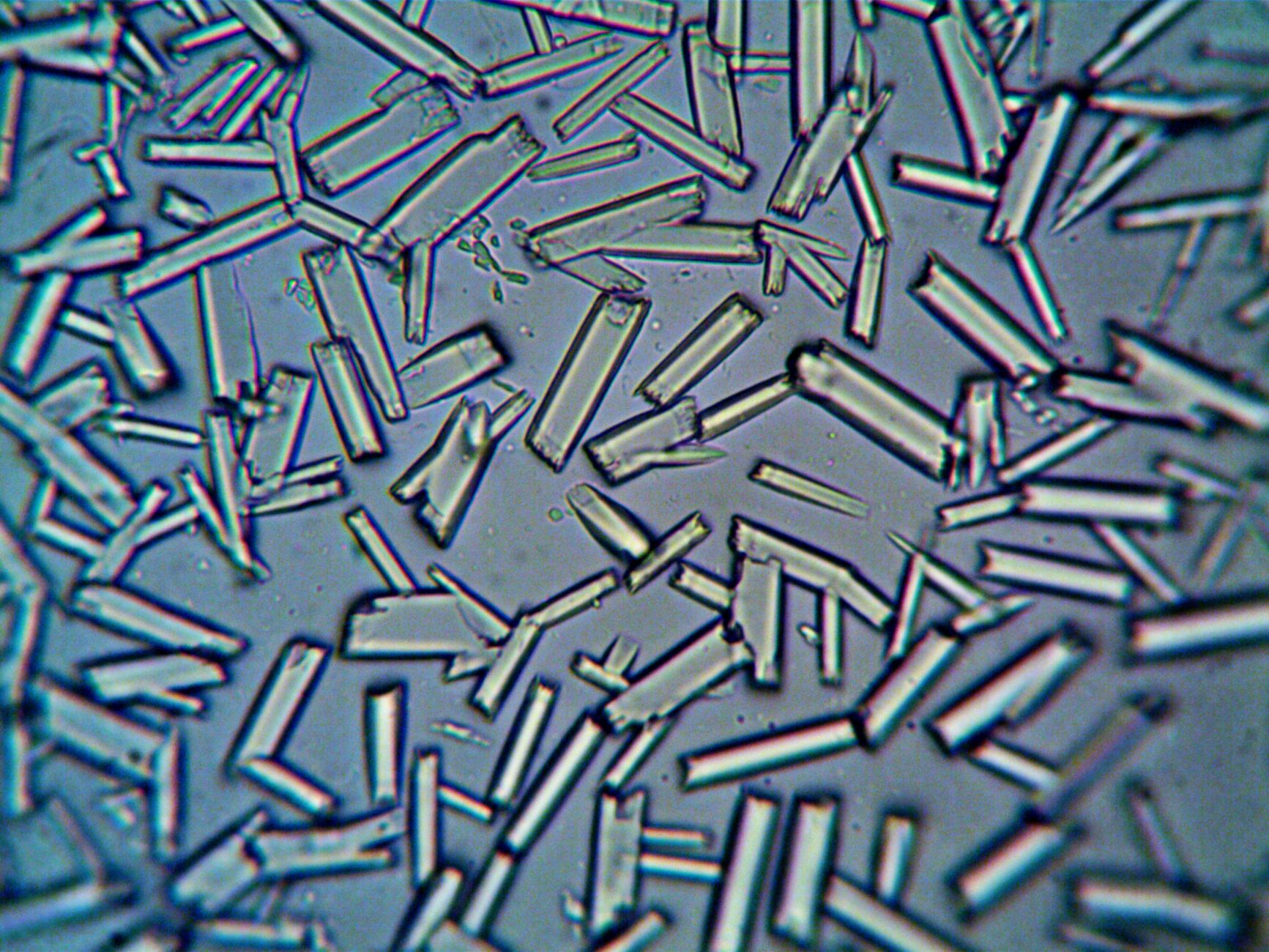
The crystalline structure of silica in drywall dust makes it particularly hazardous when inhaled.
---
What is drywall dust?
Drywall dust is the fine, airborne particles created when you cut, sand, or drill drywall (also called gypsum board). It’s made up of a mix of gypsum (calcium sulfate), paper fibers, and—most critically—silica. Silica is a natural mineral that can exist as sharp, jagged crystals in some drywall products, especially those containing sand or silica-based additives. When disturbed, these particles become airborne and can be inhaled deeply into your lungs.
Drywall dust isn’t just a nuisance—it’s a known respiratory irritant. The Occupational Safety and Health Administration (OSHA) classifies silica dust as a potential carcinogen when inhaled in high amounts over time, and the CDC warns that even short-term exposure can trigger symptoms like coughing, wheezing, or even silicosis (a lung disease) in sensitive individuals. For pregnant women, the concern isn’t just about immediate irritation—it’s about how these particles might affect fetal development, especially during the critical first trimester when your baby’s organs are forming.
Most drywall dust is generated during cutting, sanding, or demolition. Even small tasks—like trimming around a door frame—can release enough particles to fill a room. The problem isn’t just the dust itself; it’s what happens when you breathe it in. Silica particles can bypass your body’s natural defenses and lodge in your lungs, where they may cause inflammation or long-term damage. For pregnant women, this inflammation can indirectly affect the placenta, increasing the risk of complications like preterm labor or intrauterine growth restriction (when a baby doesn’t grow as expected).
Drywall dust isn’t the same as hazardous workplace dusts like asbestos or lead, but it shares some of the same risks. The key difference is that drywall dust is everywhere—it’s in homes, offices, and even some commercial spaces. That means exposure isn’t just a risk for construction workers; it’s a risk for anyone doing DIY projects, renovations, or even cleaning up after a contractor.
---
Is working with drywall dust safe during pregnancy?
T
he short answer is: no, it’s not safe to work with drywall dust during pregnancy—at least not without extreme precautions. The American College of Obstetricians and Gynecologists (ACOG) advises pregnant women to avoid unnecessary exposure to airborne irritants, and the World Health Organization (WHO) highlights silica as a particular concern due to its ability to penetrate lung tissue. Even the U.S. Occupational Safety and Health Administration (OSHA) sets strict limits for silica exposure in workplaces, recommending that workers avoid inhaling more than 50 micrograms per cubic meter of air over an 8-hour shift. For pregnant women, the safe limit is effectively zero—or at least, exposure should be minimized to the absolute lowest possible level.
The risk isn’t just theoretical. Studies have linked silica exposure to preterm birth, low birth weight, and even neurological development issues in infants. A 2018 study published in the Journal of Occupational and Environmental Medicine found that women exposed to silica dust during pregnancy were 2.5 times more likely to deliver preterm babies compared to those with no exposure. While this doesn’t prove causation, it does suggest a clear correlation worth avoiding.
Here’s why drywall dust is particularly risky:
Silica particles are sharp and jagged, unlike smoother dusts. They can penetrate deep into your lungs, bypassing your body’s natural filters.
They linger in the air for hours after disturbance, making it nearly impossible to avoid inhalation.
They can transfer to surfaces (clothing, skin, hair) and be ingested or inhaled later.
They may cross the placenta, though the exact mechanisms aren’t fully understood. Animal studies suggest silica can trigger inflammation in the womb.
If you’re already pregnant and have been exposed, don’t panic—but do take steps to minimize further exposure. Wash your hands thoroughly, change your clothes, and avoid touching your face. If you’re in your first trimester, consider whether the project can wait until after your baby is born. For those in later trimesters, extreme protective measures (like professional-grade respirators and dust suppression systems) might be your only option.
For those planning a pregnancy, the advice is even clearer: avoid drywall work entirely until after conception. If you’re remodeling or renovating, hire professionals who use dust suppression tools and wear proper protective gear.
---
Is it safe to work with drywall dust in the first trimester?
In your first trimester, working with drywall dust is best avoided entirely. This is the most critical window for your baby’s development, as all major organs—including the brain, heart, and lungs—are forming. The ACOG emphasizes that teratogens (substances that can cause birth defects) are most dangerous during this period, and silica qualifies as one.
Even short-term exposure to drywall dust can trigger inflammation in your respiratory system, which may indirectly affect your placenta. Studies suggest that maternal inflammation during pregnancy is linked to preterm birth and low birth weight, both of which increase the risk of complications for your baby. If you’re already in your first trimester and have been exposed, focus on reducing further contact:
Wash your hands and face immediately after exposure.
Avoid touching your mouth, nose, or eyes.
Change out of your work clothes and into clean clothing.
Use a high-quality HEPA air purifier in your home to reduce airborne particles.
If the project is urgent, consider hiring a professional who uses dust suppression systems (like the ones we’ll cover later) and wears an N95 respirator. But if possible, delay the work until after your first trimester—or until your baby is born.
---
What amount of drywall dust exposure is considered safe during pregnancy?
The honest answer is: there is no truly “safe” amount of drywall dust exposure during pregnancy. OSHA’s workplace limit of 50 micrograms per cubic meter over an 8-hour shift is designed for non-pregnant workers, and even that level is considered too high for pregnant women. The CDC recommends that pregnant women avoid silica exposure entirely when possible.
That said, if you must work with drywall dust, here’s how to minimize exposure:
Wear an N95 respirator (not a regular dust mask) to filter out 95% of airborne particles.
Work in a well-ventilated area or outdoors to disperse dust.
Take frequent breaks to step outside and rinse your face/neck with water.
Avoid sanding or cutting drywall—these tasks release the most dust.
If you’re doing a small project (like trimming a door frame), consider using pre-cut drywall or drywall with a dust-reducing additive (like some brands that contain bentonite clay to minimize particles). Even then, exposure will be lower—but not zero.
---
Alternatives to drywall dust for pregnant construction workers
If you’re a construction worker, contractor, or DIYer who needs to work with drywall during pregnancy, the best approach is to eliminate dust at the source. Here are the safest alternatives and tools to reduce exposure:
3M Dustless Drywall System — Uses a combination of dust suppression spray and dust extraction tools to reduce airborne particles by up to 90%. This system is designed for professional use and significantly cuts down on the dust you’d normally breathe in.
3M Drywall Dust Control Spray — A water-based spray that coats drywall before cutting or sanding, reducing dust by up to 80%. It’s easy to apply and works well for small projects.
3M Drywall Dust Extraction Unit — A portable vacuum designed to capture dust as it’s generated. Attaches to your tools (like a reciprocating saw) to suck up particles before they spread.
3M Drywall Dust Control Blanket — A disposable blanket that covers the work area, trapping dust and debris. Great for small repairs or touch-ups.
3M Drywall Dust Control Gloves — Gloves with a special coating that reduces dust transfer to your hands. Helps prevent you from spreading dust to your face or clothing.
Pre-cut drywall panels — Avoids the need to cut or sand drywall on-site, reducing dust generation.
Drywall with dust-reducing additives — Some brands (like USG Plus or CertainTeed UltraTouch) contain bentonite clay, which minimizes dust when sanded.
For larger projects, consider hiring a professional who uses these tools. Many contractors now offer dustless drywall installation services, which can save you the risk entirely.
---
Which drywall brands produce the least dust for pregnant workers?
Not all drywall is created equal when it comes to dust. Some brands are formulated to minimize airborne particles, making them a safer choice for pregnant workers. Here are the best options:
USG Plus — Contains bentonite clay, which reduces dust by up to 50% compared to standard drywall.
CertainTeed UltraTouch — Designed for low-dust performance, with a smoother finish that minimizes particles when sanded.
Gypsum Association “Low-Dust” Products — Look for brands labeled as “low-dust” or “dust-reduced”; these often use additives like bentonite or starch to bind particles together.
Pre-cut drywall panels — Eliminates the need to cut or sand on-site, reducing dust generation.
Even with these brands, sanding or cutting will still produce some dust, so always pair them with protective gear (like an N95 respirator and dust extraction tools). If possible, avoid sanding entirely—use a drywall smoother or light sanding with a dustless system instead.
---
What are the health risks of drywall dust exposure during pregnancy?
Drywall dust poses several risks to pregnant women, ranging from immediate irritation to long-term developmental concerns. Here’s what you need to know:
1. Respiratory Irritation and Inflammation
Inhaling drywall dust can cause:
Coughing and wheezing
Sore throat and nasal congestion
Asthma-like symptoms (even in non-asthmatic individuals)
Chronic inflammation in the lungs may also affect your placenta, increasing the risk of preterm labor or pre-eclampsia.
2. Preterm Birth and Low Birth Weight
Studies link silica exposure to:
Preterm birth (delivery before 37 weeks)
Low birth weight (babies weighing less than 5.5 lbs at birth)
Increased risk of neonatal intensive care unit (NICU) admission
A 2018 study in the Journal of Occupational and Environmental Medicine found that women exposed to silica dust were 2.5 times more likely to deliver preterm babies compared to those with no exposure.
3. Neurological Development Risks
While research is still emerging, some studies suggest that silica particles may cross the placenta and affect fetal brain development. Animal studies have shown that silica exposure can lead to:
Reduced brain weight in offspring
Impaired cognitive function
Increased risk of autism spectrum disorders (ASD) or ADHD-like behaviors
Human studies are limited, but the WHO advises caution, recommending that pregnant women avoid unnecessary exposure to airborne irritants.
4. Placental Complications
Inflammation from drywall dust may disrupt the placenta, leading to:
Placental abruption (premature separation of the placenta)
Placental insufficiency (poor nutrient and oxygen delivery to the baby)
If you’ve been exposed to drywall dust, monitor for symptoms like:
Vaginal bleeding or spotting
Severe abdominal pain
Reduced fetal movement
Persistent cough or shortness of breath
If you experience any of these, contact your healthcare provider immediately.
---
Can pre-existing respiratory conditions affect drywall dust safety in pregnancy?
If you have a pre-existing respiratory condition—like asthma, allergies, or chronic obstructive pulmonary disease (COPD)—your risk from drywall dust exposure increases significantly. The American Lung Association warns that silica dust can trigger severe flare-ups in sensitive individuals, and pregnancy already makes your lungs more vulnerable to irritation.
Here’s how pre-existing conditions may affect your risk:
Asthma — Drywall dust can cause bronchospasm (constriction of the airways), leading to wheezing or difficulty breathing. Pregnant women with asthma are already at higher risk for complications like pre-eclampsia and preterm labor.
Allergies — Silica can act as an irritant, worsening symptoms like sneezing, itchy eyes, or nasal congestion. This may also increase your risk of gestational allergies or eczema during pregnancy.
COPD or Chronic Bronchitis — These conditions make it harder for your lungs to clear irritants, increasing the risk of inflammation and potential long-term damage.
If you have a respiratory condition, avoid drywall work entirely during pregnancy. If you must work in a dusty environment, take these extra precautions:
Use a high-quality HEPA air purifier in your home to reduce airborne particles.
Wear an N95 respirator (not a regular dust mask) at all times.
Avoid sanding or cutting drywall—opt for pre-cut panels or smoother tools.
Take frequent breaks in a clean, well-ventilated area.
Monitor your symptoms closely—if you experience wheezing, shortness of breath, or chest tightness, seek medical attention immediately.
If your condition is well-controlled with medication (like an inhaler), work with your healthcare provider to ensure your treatment plan is pregnancy-safe. For example, some asthma medications are safe, while others may need to be adjusted.
---
How to protect yourself from drywall dust while pregnant
If you must work with drywall during pregnancy, your goal should be to minimize exposure as much as possible. Here’s how to do it safely:
1. Use the Right Protective Gear
Never rely on a basic dust mask—these only filter out large particles. Instead, use:
N95 respirator — Filters out 95% of airborne particles, including silica.
Full-face respirator with a HEPA filter — Protects your eyes and face from dust.
Disposable coveralls — Prevents dust from settling on your skin or clothing.
Safety goggles — Protects your eyes from flying particles.
2. Work with Dust Suppression Tools
Reduce dust at the source with:
3M Dustless Drywall System — Combines spray and extraction to cut dust by 90%.
Shop-vac with a HEPA filter — Captures dust as it’s generated.
Drywall dust suppression spray — Coats drywall to reduce particles when cut or sanded.
3. Ventilate Your Workspace
Work in a well-ventilated area or outdoors to disperse dust. If indoors, use:
Portable HEPA air purifier — Helps capture airborne particles.
Open windows or fans — Increases airflow to reduce dust concentration.
4. Avoid High-Risk Tasks
Skip these dusty activities:
Sanding drywall
Cutting drywall with a reciprocating saw
Demolition or removal of old drywall
Instead, use:
Pre-cut drywall panels
Drywall smoothers (instead of sanding)
Lightweight tools that generate less dust.
5. Clean Up Safely
After working with drywall, follow these steps:
Change out of your work clothes immediately.
Wash your hands and face with soap and water.
Shower and change into clean clothes before handling food or touching your face.
Use a HEPA vacuum to clean up dust (regular vacuums can spread particles).
---
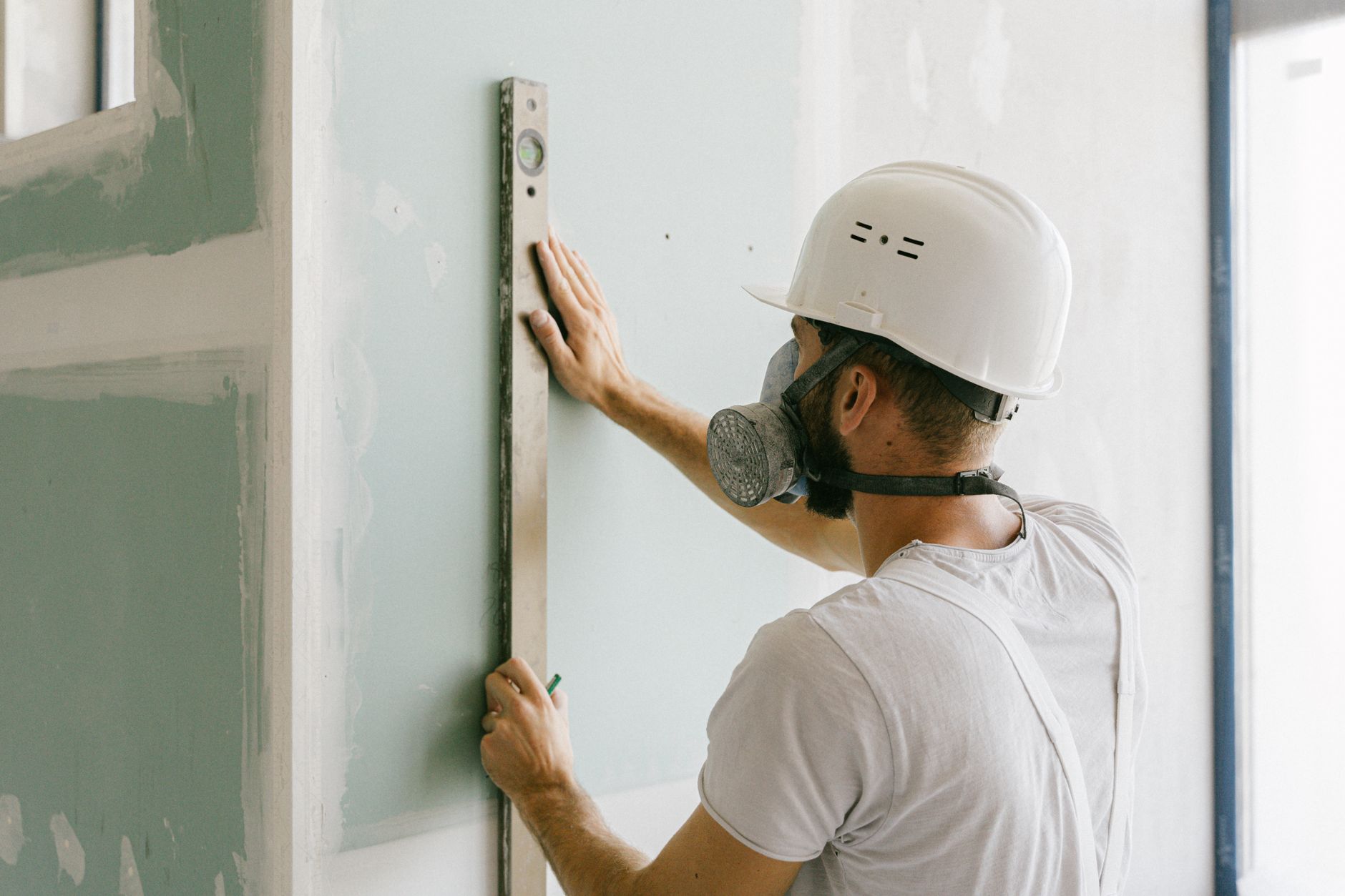
Proper protective gear and dust suppression tools can significantly reduce exposure to drywall dust.
---
Safer alternatives to drywall dust for pregnant construction workers
If you’re a construction worker or DIYer who needs to work with drywall during pregnancy, the best approach is to eliminate dust at the source. Here are the safest alternatives and tools to reduce exposure:
3M Dustless Drywall System — Uses a combination of dust suppression spray and dust extraction tools to reduce airborne particles by up to 90%. This system is designed for professional use and significantly cuts down on the dust you’d normally breathe in.
3M Drywall Dust Control Spray — A water-based spray that coats drywall before cutting or sanding, reducing dust by up to 80%. It’s easy to apply and works well for small projects.
3M Drywall Dust Extraction Unit — A portable vacuum designed to capture dust as it’s generated. Attaches to your tools (like a reciprocating saw) to suck up particles before they spread.
3M Drywall Dust Control Blanket — A disposable blanket that covers the work area, trapping dust and debris. Great for small repairs or touch-ups.
3M Drywall Dust Control Gloves — Gloves with a special coating that reduces dust transfer to your hands. Helps prevent you from spreading dust to your face or clothing.
Pre-cut drywall panels — Avoids the need to cut or sand drywall on-site, reducing dust generation.
Drywall with dust-reducing additives — Some brands (like USG Plus or CertainTeed UltraTouch) contain bentonite clay, which minimizes dust when sanded.
For larger projects, consider hiring a professional who uses these tools. Many contractors now offer dustless drywall installation services, which can save you the risk entirely.
---
Related items — safety at a glance
If you’re concerned about drywall dust, you may also want to research these related items:
Item
Safety Verdict
Notes
Drywall sanding dust
❌ Avoid
Sanding releases the most silica particles—use dustless tools or avoid entirely.
Drywall adhesive fumes
⚠️ Safe with limits
Use water-based adhesives and ventilate well; avoid solvent-based glues.
Drywall cutting dust
❌ Avoid
Cutting releases high levels of silica—use pre-cut panels or dust suppression.
Drywall sanding machines
⚠️ Safe with limits
Use with dust extraction and N95 respirator; avoid if possible.
Drywall dust extraction units
✅ Generally safe
Reduces airborne dust by 90%—essential for pregnant workers.
Drywall dust suppression systems
✅ Generally safe
Sprays like 3M’s reduce dust by 80%—best for DIY projects.
Drywall dust control equipment
✅ Generally safe
Includes respirators, blankets, and gloves—critical for protection.
Drywall dust respirators
✅ Generally safe
N95 or P100 respirators filter out 95%+ of silica particles.
---
Myth vs. fact
Let’s clear up some common misconceptions about drywall dust and pregnancy:
Myth: “A little exposure won’t hurt—it’s just dust.”
Fact: Even small amounts of silica dust can irritate your lungs and potentially affect your baby’s development. The ACOG advises avoiding unnecessary exposure to airborne irritants during pregnancy.
Myth: “I can just wear a regular dust mask—it’ll protect me.”
Fact: Regular dust masks only filter out large particles. For silica, you need an N95 or P100 respirator to filter out 95%+ of airborne particles.
Myth: “If I’ve already been exposed, there’s nothing I can do.”
Fact: While you can’t undo past exposure, you can minimize future exposure by washing your hands, changing clothes, and using protective gear. If you’re concerned, talk to your healthcare provider.
---
Key takeaways
Drywall dust is best avoided during pregnancy, especially in the first trimester, due to the risk of silica exposure.
Silica in drywall dust can trigger preterm labor, low birth weight, and respiratory issues for both mom and baby.
Use dust suppression tools (like 3M’s Dustless System) and N95 respirators if you must work with drywall.
Avoid sanding or cutting drywall—opt for pre-cut panels or smoother tools instead.
Wash your hands and change clothes after exposure to prevent spreading dust to your face or home.
If you have asthma or allergies, drywall dust is even riskier—consult your doctor before working with it.
Consider hiring a professional who uses dustless techniques if the project is urgent.
---
Frequently asked questions
Is drywall dust safe during pregnancy?
No, drywall dust is not safe during pregnancy due to its silica content, which can irritate your lungs and potentially affect fetal development. The ACOG advises avoiding unnecessary exposure to airborne irritants, especially in the first trimester. If you must work with drywall, use dust suppression tools and an N95 respirator.
What are the health risks of drywall dust exposure for pregnant women?
The main risks include preterm birth, low birth weight, respiratory irritation, and placental complications. Silica particles can cause inflammation in your lungs, which may indirectly affect your placenta and baby’s growth. Long-term exposure is also linked to silicosis (a lung disease) and potential developmental issues in infants.
Can pregnant women work with drywall dust?
It’s best to avoid working with drywall dust during pregnancy, but if you must, take extreme precautions like using a dustless system, N95 respirator, and pre-cut panels. Skip sanding or cutting entirely—opt for smoother tools or hire a professional who uses dust suppression equipment.
How much drywall dust exposure is safe for pregnant workers?
There is no truly “safe” amount of drywall dust exposure during pregnancy. OSHA’s workplace limit of 50 micrograms per cubic meter is for non-pregnant workers and is considered too high for expectant mothers. The CDC recommends avoiding silica exposure entirely when possible.
What protective gear should pregnant workers use when handling drywall dust?
Use N95 or P100 respirators, disposable coveralls, safety goggles, and a HEPA air purifier. For tools, opt for dust extraction units or dustless systems to minimize airborne particles. Avoid regular dust masks—they don’t filter out silica effectively.
Are there safer alternatives to drywall dust for pregnant construction workers?
Yes! Use pre-cut drywall panels, dust suppression sprays, dust extraction units, or drywall with bentonite clay additives (like USG Plus or CertainTeed UltraTouch). Hiring a professional who uses dustless techniques is also a great option.
Not sure about the label on Is Working With Drywall Dust Safe During Pregnancy products?
Snap the ingredients list and SafeFilter checks every ingredient for your stage — only 3 free scans this month, then you're locked until reset. Unlimited from $7/mo or $50/yr.
When Shubhra Mishra was expecting her first child in 2016, she was overwhelmed by conflicting food advice — one site said yes, another said never. By the time her second baby arrived in 2019, she realized millions of mothers face the same confusion.
That sparked a five-year journey through clinical nutrition papers, cultural diets, and expert conversations — all leading to BumpBites: a calm, compassionate space where science meets everyday motherhood.
Her long-term vision is to build a global community ensuring safe, supported, and free deliveriesfor every mother — because no woman should face pregnancy alone or uninformed. 🌿
🌍 Stand with mothers, shape safer guidance
Join a small circle of experts who review BumpBites articles so expecting parents everywhere can decide with confidence.