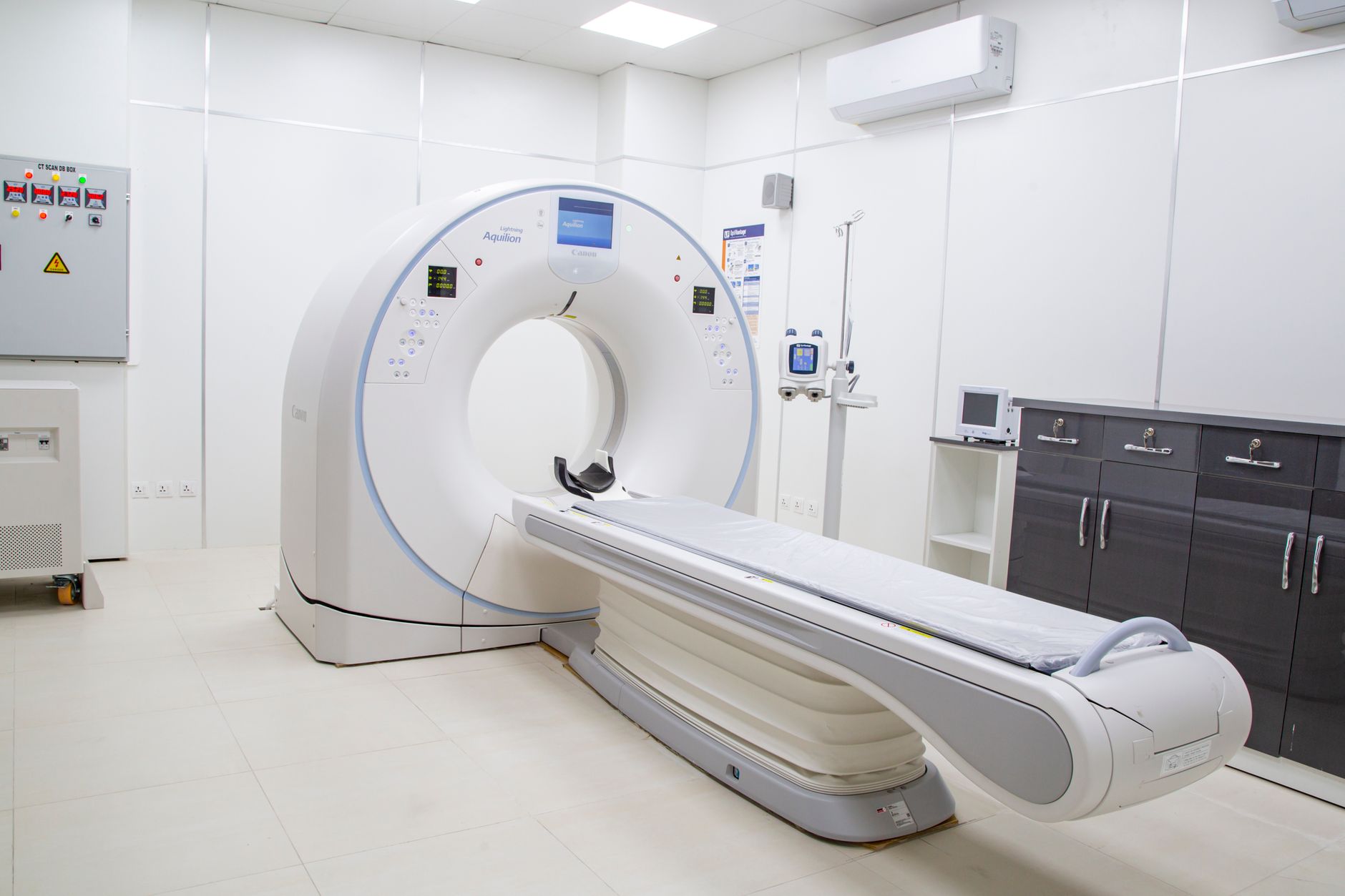
consensus among leading medical and safety organizations is that working with MRI machines during pregnancy is generally considered safe for staff, provided that established safety guidelines are rigorously followed. This verdict stems from the fundamental difference in how MRI technology works compared to other imaging modalities. MRI uses strong magnetic fields and radiofrequency (RF) energy, which are non-ionizing. This means they do not have enough energy to remove electrons from atoms or molecules, which is the mechanism by which ionizing radiation (like X-rays or CT scans) can damage DNA and potentially lead to birth defects or cancer.
The American College of Obstetricians and Gynecologists (ACOG) and the American College of Radiology (ACR) generally concur that there are no known adverse effects on the fetus from exposure to the static magnetic fields, time-varying magnetic fields (gradient fields), or radiofrequency fields used in MRI when a pregnant person is properly screened and follows safety protocols. The Food and Drug Administration (FDA) also regulates MRI devices and has not identified specific risks to pregnant operators from routine occupational exposure.
However, "generally safe" doesn't mean "no precautions needed." The primary concerns for pregnant MRI professionals revolve around:
- Static Magnetic Fields: The powerful, constant magnetic field. While not ionizing, its strength can cause objects to become projectiles and interfere with medical devices.
- Gradient Magnetic Fields: These rapidly changing magnetic fields create the loud knocking sounds during a scan and can induce currents in conductive materials.
- Radiofrequency (RF) Fields: These generate heat within tissues, though modern scanners are designed to keep this within safe limits for patients.
- Acoustic Noise: The loud sounds produced by the gradient coils can be a concern for prolonged exposure.
- Cryogens: The liquid helium used to cool the magnet, which poses asphyxiation risks in the event of a quench (rapid loss of superconductivity).
- Gadolinium Contrast Agents: While exposure to the powerful magnetic fields themselves is the main focus, handling gadolinium contrast agents also requires careful attention to minimize skin contact or inhalation, as these agents are generally avoided during pregnancy for direct patient administration unless absolutely necessary.
Employer policies, often guided by OSHA (Occupational Safety and Health Administration) and facility-specific MRI safety manuals, should outline clear procedures for pregnant staff. Many facilities offer temporary reassignment to non-MRI areas to eliminate any potential concerns and provide peace of mind. This proactive approach underscores the commitment to ensuring a safe working environment, aligning with the general principle that while direct harm from the fields is unlikely, minimizing any potential exposure during this critical time is prudent.
Is working with MRI machines safe during the first trimester?
The first trimester is a period of rapid organogenesis, where the fetus's major organs and body structures are forming. Understandably, this is often the time of greatest anxiety for pregnant individuals regarding any potential exposures. For working with MRI machines, current evidence suggests that exposure to the static magnetic fields, gradient magnetic fields, and radiofrequency fields does not pose a known risk for miscarriage or birth defects during the first trimester. The non-ionizing nature of MRI is a key factor here.
However, prudence is still advised. Most professional guidelines, including those from the ACR, recommend that pregnant personnel continue to adhere strictly to all MRI safety protocols, particularly regarding safety zones. While direct harm from the magnetic fields is not established, minimizing time spent within Zone IV (the scanner bore) and avoiding situations where you might be exposed to strong, rapidly changing gradient fields is a sensible approach. This might involve stepping out of the scan room during active scanning or delegating tasks that require close proximity to the scanner during operation. The primary concerns in this trimester, as with any, remain projectile hazards and acoustic noise, which are managed through strict adherence to safety zones and hearing protection.
What are the risks of MRI exposure for pregnant staff in later trimesters?
As pregnancy progresses into the second and third trimesters, the fundamental safety principles regarding MRI exposure remain the same: the non-ionizing nature of the technology means direct harm to the fetus from the magnetic or radiofrequency fields is not established. By this stage, the fetus's organs are largely formed, and growth and maturation are the primary processes.
The main considerations in later trimesters shift slightly:
- Maternal Comfort: Pregnant staff might find prolonged standing or specific positions within the MRI suite uncomfortable. Employers should consider accommodations to reduce physical strain.
- Acoustic Noise: While the fetus is somewhat shielded by the mother's abdomen, exposure to extremely loud acoustic noise from the gradient coils, especially for extended periods, is a theoretical concern. However, occupational exposure for staff is typically less intense and prolonged than for a patient undergoing a scan. Standard hearing protection should always be used when in the scan room during operation.
- Tissue Heating: The radiofrequency fields can cause minor tissue heating. For patients, this is carefully monitored. For staff, who are not directly in the bore, this is not a significant concern under normal operating conditions.
- Projectile Hazards: The risk of ferromagnetic objects becoming dangerous projectiles remains constant throughout all trimesters and requires unwavering vigilance in adhering to safety protocols.
Overall, if you're working with MRI machines in your second or third trimester, continue to follow all established safety guidelines. Your employer should be open to discussing any necessary accommodations to ensure your comfort and safety.
Is working with MRI machines safe during breastfeeding?
Working with MRI machines is considered safe during breastfeeding. There are no known risks to the breastfeeding parent or the infant from exposure to the magnetic fields or radiofrequency energy used in MRI. The technology does not involve ionizing radiation, which could potentially accumulate in breast milk or pose other risks.
If you handle gadolinium-based contrast agents as part of your job, the same precautions for minimizing skin contact and inhalation that apply to pregnant staff should be continued. However, the trace amounts that might be absorbed occupationally are not considered a risk for excretion into breast milk in levels that would harm an infant. For breastfeeding individuals who undergo an MRI with contrast themselves, guidelines generally suggest a brief interruption of breastfeeding, but this is a separate concern from occupational exposure. For daily work, no special precautions beyond standard occupational safety are necessary.
How close can a pregnant technician safely be to an MRI scanner?
The safe proximity for a pregnant technician to an MRI scanner is primarily governed by the established MRI safety zones, which are crucial for all personnel. These zones are designed to manage the risks associated with the powerful magnetic field.
- Zone I: Public access area, typically outside the MRI suite. No restrictions.
- Zone II: Interface between public and MRI environment. Controlled access, staff escort for unscreened individuals.
- Zone III: Restricted access area, where the magnetic field is strong enough to pose a hazard to ferromagnetic objects and individuals with implants. Access is strictly controlled, and personnel must be screened.
- Zone IV: The MRI scanner magnet bore itself. This is where the static magnetic field is strongest, and gradient and RF fields are active during scanning. Access is strictly limited to screened patients and authorized, screened personnel.
For pregnant MRI technologists, the key is to avoid unnecessary prolonged exposure within Zone IV during active scanning. While there's no specific "safe distance" in meters that differentiates pregnant staff from non-pregnant staff regarding static magnetic fields, the principle is to minimize time spent in areas where the rapidly changing gradient fields and radiofrequency pulses are most intense. This means:
- **Minimizing Time in Zone IV:** Whenever possible, pregnant staff should step out of the scan room (Zone IV) during active image acquisition, especially during sequences with high gradient field activity or significant acoustic noise.
- **Adhering to Line of Sight:** If you must be in the scan room during scanning (e.g., for patient monitoring), maintain a safe distance from the bore and ensure you are not positioned directly in the path of the gradient or RF fields unnecessarily.
- **Awareness of Projectile Hazards:** This is paramount in all zones near the scanner. The magnetic field extends beyond the bore, making Zone III and IV dangerous for ferromagnetic objects.
The ACR and other bodies don't set a specific distance limit for pregnant staff different from non-pregnant staff because the known risks from the magnetic fields themselves are considered minimal. Instead, the focus is on strict adherence to facility safety protocols, minimizing time in the immediate scanning environment during operation, and ensuring proper screening for all ferromagnetic objects or implants. Your employer's specific policies will provide the most precise guidance, and temporary reassignment is often offered to eliminate any potential concerns entirely.
Can working near an MRI machine cause miscarriage or birth defects?
Based on current scientific evidence and the consensus of major health organizations, working near an MRI machine when proper safety protocols are followed is not known to cause miscarriage or birth defects. This is a critical distinction that often causes anxiety, as many people mistakenly associate MRI with the risks of X-rays or CT scans.
Let's break down the key reasons why this concern is largely unfounded:
- Non-Ionizing Radiation: As discussed, MRI uses magnetic fields and radiofrequency waves, which are non-ionizing. This means they do not have the energy to break chemical bonds or damage DNA in the way that ionizing radiation (like that from X-rays or radiation therapy equipment) can. DNA damage is the primary mechanism through which radiation can cause birth defects or increase miscarriage risk.
- Lack of Evidence: Extensive research and decades of clinical use have not shown a causal link between occupational exposure to MRI fields and an increased risk of miscarriage, birth defects, or other adverse pregnancy outcomes in humans. Studies on patients who have undergone MRI scans during pregnancy have also generally found no increased risk, even with direct exposure to the fetus.
- Controlled Occupational Exposure: Occupational exposure for MRI technologists is typically much lower and less direct than the exposure a patient receives during a scan. Staff are generally not positioned directly within the scanner bore during active imaging for extended periods.
While the theoretical possibility of subtle biological effects from strong magnetic fields is an ongoing area of research, the current clinical and epidemiological data do not support a link to adverse pregnancy outcomes for properly protected staff. The primary risks in an MRI environment are physical hazards (projectile effect, cryogen leaks) and acoustic noise, all of which are managed through strict safety protocols. Therefore, if you are pregnant and working with MRI machines, and your workplace adheres to established safety guidelines, you can generally be reassured that your exposure is not known to cause miscarriage or birth defects.
What are the potential long-term effects of MRI exposure on a fetus?
The potential long-term effects of occupational MRI exposure on a fetus, specifically for pregnant staff, are not well-established because current research has not identified any significant adverse outcomes from such exposure. This aligns with the understanding that MRI's non-ionizing nature does not cause DNA damage, which would be the primary pathway for long-term effects like increased cancer risk or developmental issues.
The main components of MRI exposure are:
- Static Magnetic Fields: These powerful, constant fields are always present. While some studies have explored potential effects on cellular processes, no consistent evidence links occupational static field exposure to long-term fetal harm.
- Gradient Magnetic Fields: These rapidly changing fields can induce small electrical currents in tissues. While patients sometimes experience peripheral nerve stimulation (a tingling sensation), staff exposure is typically lower. No long-term fetal effects are known.
- Radiofrequency (RF) Fields: These can cause tissue heating. For patients, specific absorption rate (SAR) limits are in place to prevent excessive heating. For staff, who are not in the bore, significant RF-induced heating is not a concern.
The American College of Radiology (ACR) and the American College of Obstetricians and Gynecologists (ACOG) guidelines, which address the safety of MRI for pregnant patients, generally conclude that MRI is a safe diagnostic tool during pregnancy. If direct exposure for patients is considered safe, occupational exposure for staff, which is typically less intense and more controlled, would logically carry an even lower risk.
It's important to differentiate between theoretical concerns and established risks. While research continues to explore the most subtle biological interactions with strong magnetic fields, the current scientific consensus is that occupational exposure to MRI fields for pregnant technologists, when safety protocols are followed, does not lead to known long-term adverse effects on the fetus. The overarching principle for pregnant staff remains to adhere strictly to all safety guidelines and discuss any concerns with their employer and healthcare provider.
What are the official guidelines for pregnant MRI technologists?
Official guidelines for pregnant MRI technologists are primarily derived from broader MRI safety recommendations issued by organizations like the American College of Radiology (ACR), the Food and Drug Administration (FDA), and occupational safety bodies such as the Occupational Safety and Health Administration (OSHA). While these bodies generally do not issue separate, specific guidelines solely for pregnant staff, their overarching safety principles apply and are often interpreted by individual institutions to create specific policies for pregnant employees.
Key aspects of these guidelines and common institutional policies include:
- Non-Ionizing Radiation: The fundamental principle is that MRI uses non-ionizing radiation, differentiating it from X-rays or CT scans. Therefore, the radiation dose limits applicable to pregnant staff in X-ray departments do not apply to MRI.
- Adherence to Safety Zones: Strict adherence to MRI safety zones (Zone I-IV) is paramount. Pregnant staff, like all staff, must be thoroughly screened for ferromagnetic objects and medical implants. Time spent in Zone IV (the scanner bore) during active scanning should be minimized.
- Projectile Hazards: The risk of ferromagnetic objects becoming dangerous projectiles is constant and must be managed rigorously through screening and control of the environment.
- Acoustic Noise: Staff who must be in the scan room during active scanning should use appropriate hearing protection to mitigate exposure to loud gradient coil noise.
- Cryogen Safety: Awareness of the risks associated with cryogen leaks (asphyxiation) and proper emergency procedures are essential for all personnel.
- Gadolinium Contrast Agents: If handling gadolinium-based contrast agents, pregnant staff should follow universal precautions to minimize skin contact and inhalation, as these agents are generally avoided for direct patient administration during pregnancy unless medically necessary.
- Employer Responsibilities: Employers are generally encouraged to conduct individual risk assessments and, if requested, make reasonable accommodations for pregnant employees, which may include temporary reassignment to non-MRI duties. Many facilities proactively offer or recommend such reassignments to provide additional peace of mind and minimize any perceived risk.
- Consultation: Pregnant technologists are advised to consult with their obstetrician and their employer's occupational health department to discuss their specific work environment and any concerns.
In essence, while there isn't a unique set of "pregnant MRI technologist" guidelines, the existing comprehensive MRI safety standards, combined with an understanding of MRI's non-ionizing nature, form the basis for safe practice. Many institutions, out of an abundance of caution and to support employee well-being, will offer or encourage temporary reassignments or modifications to duties. This aligns with broader guidance on is working as an ICU nurse safe during pregnancy or other specialized medical roles.
Do MRI machines emit radiation that can harm a pregnancy?
This is one of the most common and important misconceptions to clarify: MRI machines do **not** emit radiation that can harm a pregnancy in the way that X-rays or CT scans do. The term "radiation" can be confusing because it broadly refers to energy moving in waves or particles. However, there are two crucial types:
- Ionizing Radiation: This type, used in X-rays, CT scans, and nuclear medicine, has enough energy to ionize atoms – meaning it can knock electrons off atoms, creating charged particles. This process can damage DNA, leading to cell mutations, birth defects, or an increased risk of cancer. Pregnant individuals are advised to minimize exposure to ionizing radiation. You can learn more about this in our article on is working with chemo patients safe during pregnancy, which also touches on radiation safety.
- Non-Ionizing Radiation: This type, which includes radio waves, microwaves, visible light, and the electromagnetic fields used in MRI, does not have enough energy to ionize atoms. While these forms of energy can still interact with biological tissue (for example, microwaves generate heat), they do not cause the direct DNA damage associated with ionizing radiation.
MRI machines use powerful static magnetic fields, rapidly changing gradient magnetic fields, and radiofrequency (RF) electromagnetic fields. None of these are ionizing. Therefore, the concern about radiation harm to a pregnancy from an MRI machine is based on a misunderstanding of the technology. The primary risks in an MRI environment are physical (like the projectile effect of ferromagnetic objects) and acoustic (loud noise), not radiation-induced biological damage.
For pregnant staff, adhering to MRI safety protocols means managing these physical and acoustic risks, not protecting against a "radiation dose." This clear distinction is why health organizations generally consider MRI safe for pregnant patients when clinically indicated, and by extension, for pregnant staff following occupational safety guidelines.
Side effects and risks
While working with MRI machines during pregnancy is generally considered safe with proper precautions, it's crucial to be aware of the actual side effects and risks associated with the MRI environment, distinguishing them from common misconceptions. These risks apply to all personnel, but specific considerations for pregnant individuals are noted.
- Projectile Hazards:
- Risk: This is the most significant and immediate danger in an MRI suite. The powerful static magnetic field can turn ferromagnetic objects (like scissors, oxygen tanks, wheelchairs, or even hairpins) into dangerous projectiles, pulling them forcefully into the scanner bore.
- Pregnancy Consideration: This risk is constant and applies equally to pregnant staff. Vigilant screening of oneself and others, strict adherence to safety zones, and never bringing unapproved items into Zone III or IV are paramount.
- Acoustic Noise:
- Risk: The rapidly switching gradient coils produce very loud knocking or banging noises during scanning, which can reach over 100-120 dB. Prolonged exposure can cause hearing damage.
- Pregnancy Consideration: While the fetus is somewhat insulated by the maternal abdomen, continuous exposure to very loud noise is generally not recommended during pregnancy. Pregnant staff should use proper hearing protection (earplugs or earmuffs) whenever in the scan room during active scanning.
- Tissue Heating (RF Energy):
- Risk: Radiofrequency (RF) fields can deposit energy into tissues, causing a slight temperature increase. For patients, Specific Absorption Rate (SAR) limits are monitored.
- Pregnancy Consideration: For staff, who are not inside the scanner bore, the occupational exposure to RF fields is significantly lower and not considered to induce harmful tissue heating.
- Magnetic Field Interactions (Gradient Fields):
- Risk: The rapidly changing gradient magnetic fields can induce small electrical currents in conductive materials, including the human body. This can cause peripheral nerve stimulation (a tingling sensation) in patients.
- Pregnancy Consideration: For staff, exposure to these fields is typically less intense than for a patient. There is no established evidence that these induced currents cause harm to the fetus at occupational exposure levels.
- Cryogen Hazards (Quench Event):
- Risk: MRI magnets are cooled by cryogens (typically liquid helium). A "quench" is a sudden loss of superconductivity, leading to the rapid boil-off of cryogens. This can displace oxygen in the room, posing an asphyxiation risk.
- Pregnancy Consideration: This is a rare but serious emergency risk for anyone in the MRI suite. Pregnant staff should be fully trained in emergency procedures, including immediate evacuation.
- Gadolinium Contrast Agents:
- Risk: These agents are typically administered intravenously to patients to enhance image contrast. For patients, they are generally avoided during pregnancy unless absolutely essential due to theoretical concerns about fetal exposure.
- Pregnancy Consideration (Occupational): For staff, the risk comes from handling the agent, such as during preparation or administration. Standard universal precautions (gloves, eye protection, minimizing spills) should be strictly followed to prevent skin contact or inhalation. The risk of systemic absorption from occupational handling is considered very low, but prudence suggests minimizing any unnecessary exposure.
It's important to reiterate that the biological effects of the magnetic and RF fields themselves are not known to cause miscarriage or birth defects at occupational exposure levels. The primary concerns are the physical hazards and loud noise, which are managed through strict safety protocols and environmental controls.
What are safe work alternatives for pregnant MRI professionals?
Many healthcare institutions, out of an abundance of caution and to support pregnant employees, offer or recommend temporary reassignments or modifications to duties. This approach prioritizes peace of mind and minimizes any perceived theoretical risks, even though direct harm from working with MRI machines is not established. Here are some safe work alternatives that pregnant MRI professionals might consider or be offered:
- Temporary Reassignment to Non-MRI Areas: This is often the most straightforward solution, moving the employee to a different department or role entirely for the duration of their pregnancy.
- Administrative Duties: Many imaging departments have administrative tasks that can be performed, such as managing patient records, scheduling, billing, or quality assurance.
- Patient Intake and Scheduling Roles: These roles involve interacting with patients and preparing them for their scans but do not require direct presence in the MRI suite during scanning.
- Ultrasound Department Work: Ultrasound uses sound waves, not magnetic fields or radiation, and is generally considered very safe during pregnancy for both patients and operators. This can be a natural fit for an imaging professional.
- Educational or Training Positions: If the facility has a training program, pregnant staff could be temporarily assigned to educational roles, developing materials or instructing new staff.
- Image Post-Processing and Analysis: Many MRI professionals have skills in image manipulation and analysis, which can be done remotely from the scanner.
- Maternity Leave: While not a "work alternative" in the traditional sense, taking maternity leave is, of course, an option when the pregnancy progresses to a point where working becomes too challenging or the individual prefers to be home.
The availability of these alternatives will depend on the size and structure of the healthcare facility, as well as the specific needs of the department. It's crucial for pregnant employees to communicate openly with their managers, human resources department, and occupational health services to explore available options and ensure a safe and comfortable work environment throughout their pregnancy. This proactive approach helps to alleviate anxiety and supports a healthy pregnancy journey.
Understanding the safety of working with MRI machines during pregnancy often leads to questions about other medical imaging and healthcare environments. Here's a quick comparison of related items and their general safety verdict for pregnant staff:
Myth vs. fact
Navigating pregnancy in a professional medical environment can be confusing, especially with so much information (and misinformation) circulating. Let's clear up some common myths about working with MRI machines during pregnancy.
Myth: MRI machines emit the same harmful radiation as X-rays and CT scans, so working with them is equally dangerous during pregnancy.
Fact: This is the most prevalent misconception. MRI machines use powerful magnetic fields and radiofrequency (RF) waves, which are forms of non-ionizing radiation. Unlike X-rays and CT scans, which use ionizing radiation that can damage DNA, MRI does not have the energy to break chemical bonds. Therefore, the risks associated with radiation exposure during pregnancy (like birth defects or increased cancer risk) do not apply to MRI. The concerns for MRI are primarily physical (projectile hazards, acoustic noise), not radiation-induced biological damage.
Myth: If an MRI technologist gets pregnant, they must immediately stop working in the MRI suite entirely.
Fact: While many institutions offer temporary reassignment as a precautionary measure or to provide peace of mind, it is not universally mandated that pregnant MRI technologists cease all work in the MRI suite. Current guidelines suggest that working in an MRI environment, with strict adherence to safety protocols (like respecting safety zones, using hearing protection, and minimizing time near the scanner bore during active scanning), is generally considered safe. The decision to reassign is often a facility-specific policy or a personal choice made in consultation with an obstetrician and employer, rather than an absolute safety requirement.
Myth: The strong magnetic field of an MRI machine can somehow "pull" on the fetus or disrupt its development.
Fact: The magnetic fields used in MRI interact with the hydrogen atoms in the body, temporarily realigning them. They do not physically "pull" on tissues or the fetus in a harmful way. While the fields are strong enough to affect ferromagnetic objects (hence the projectile hazard), they do not exert physical force on non-ferromagnetic biological tissue in a manner that would disrupt fetal development. The fetus is made of biological material, not metal, and thus is not subject to the same magnetic forces as a metal object.
Key takeaways
- Working with MRI machines during pregnancy is generally considered safe when strict safety protocols are followed.
- MRI uses non-ionizing magnetic fields and radiofrequency waves, which do not cause DNA damage like X-rays or CT scans.
- There is no known increased risk of miscarriage or birth defects for pregnant staff adhering to safety guidelines.
- Primary occupational risks are projectile hazards, acoustic noise, and handling gadolinium contrast agents, all managed through strict protocols.
- Strict adherence to MRI safety zones (Zone I-IV) and minimizing time near the scanner bore during active scanning are crucial.
- Many employers offer temporary reassignment to non-MRI duties as an accommodation and to provide peace of mind.
- Always consult your obstetrician and employer's occupational health department to discuss your specific situation.
Frequently asked questions
Is it safe to be around MRI while pregnant?
Yes, it is generally considered safe to be around MRI machines while pregnant, provided that all established safety protocols are strictly followed. MRI technology uses non-ionizing magnetic fields and radiofrequency waves, which do not pose the same risks as ionizing radiation from X-rays or CT scans.
Can MRI exposure harm a developing fetus?
Current scientific evidence and major health organizations indicate that occupational MRI exposure, when safety guidelines are adhered to, is not known to harm a developing fetus. There is no established link between such exposure and an increased risk of miscarriage, birth defects, or other adverse pregnancy outcomes.
What precautions should pregnant MRI technologists take?
Pregnant MRI technologists should continue to follow all standard MRI safety protocols, including strict adherence to safety zones, thorough screening for ferromagnetic objects, and using hearing protection in the scan room. Minimizing time in Zone IV (scanner bore) during active scanning and taking precautions when handling gadolinium contrast agents are also recommended.
Do MRI machines use radiation?
MRI machines use a form of electromagnetic energy (radiofrequency waves and magnetic fields), which can broadly be called "radiation." However, it is **non-ionizing radiation**, meaning it does not have the energy to damage DNA like ionizing radiation (X-rays, CT scans) does. This is a crucial distinction for pregnancy safety.
Can a pregnant woman work in an MRI suite?
Yes, a pregnant woman can generally continue to work in an MRI suite if all safety guidelines are followed. Many facilities offer temporary duty modifications or reassignment as an option to provide extra caution and peace of mind, but it is not universally mandated to stop working in the suite.
What are the ACOG guidelines for MRI during pregnancy?
ACOG (American College of Obstetricians and Gynecologists) generally states that MRI is not associated with known adverse fetal effects and can be used in pregnancy when clinically indicated. While specific occupational guidelines for pregnant technologists are usually deferred to the ACR and institutional policies, ACOG's stance on patient safety supports the low-risk assessment for occupational exposure.
Is gadolinium contrast safe for pregnant technicians to handle?
When handling gadolinium contrast agents, pregnant technicians should follow universal precautions to minimize skin contact and inhalation. While gadolinium is generally avoided for direct patient administration during pregnancy, the risk from occupational handling is considered very low if proper safety measures (like gloves and eye protection) are used.
When to call your doctor
While working with MRI machines is generally considered safe for pregnant professionals, it's always important to listen to your body and communicate any concerns with your healthcare provider. You should call your doctor if you experience:
- Any unusual symptoms or discomfort that you suspect might be related to your work environment.
- Persistent headaches, dizziness, or nausea that could be exacerbated by the MRI environment.
- Increased anxiety or stress about your work environment that impacts your well-being.
- If you have any medical implants or conditions that could be affected by magnetic fields.
It's crucial to have an open dialogue with your obstetrician and your employer's occupational health department. They can help you assess your specific work duties, review your facility's safety protocols, and discuss any accommodations that might be necessary to ensure your comfort and safety throughout your pregnancy. Remember, this information is for educational purposes only and is not a substitute for professional medical advice. Always consult with your healthcare provider for personalized guidance regarding your pregnancy and work environment.
References
- American College of Obstetricians and Gynecologists (ACOG). (2017). ACOG Practice Bulletin No. 175: Obstetric Imaging. Obstetrics & Gynecology, 129(1), e1-e19.
- American College of Radiology (ACR). (2020). ACR Guidance Document on MR Safe Practices: 2020. Journal of the American College of Radiology, 17(1), e1-e12.
- Food and Drug Administration (FDA). (2023). Magnetic Resonance Imaging (MRI). Retrieved from https://www.fda.gov/radiation-emitting-products/mri-magnetic-resonance-imaging/magnetic-resonance-imaging-mri
- Occupational Safety and Health Administration (OSHA). (2023). Ionizing Radiation. Retrieved from https://www.osha.gov/ionizing-radiation
- National Health Service (NHS). (2023). MRI scan. Retrieved from https://www.nhs.uk/conditions/mri-scan/
- Centers for Disease Control and Prevention (CDC). (2023). Reproductive Health and the Workplace. Retrieved from https://www.cdc.gov/niosh/topics/repro/default.html