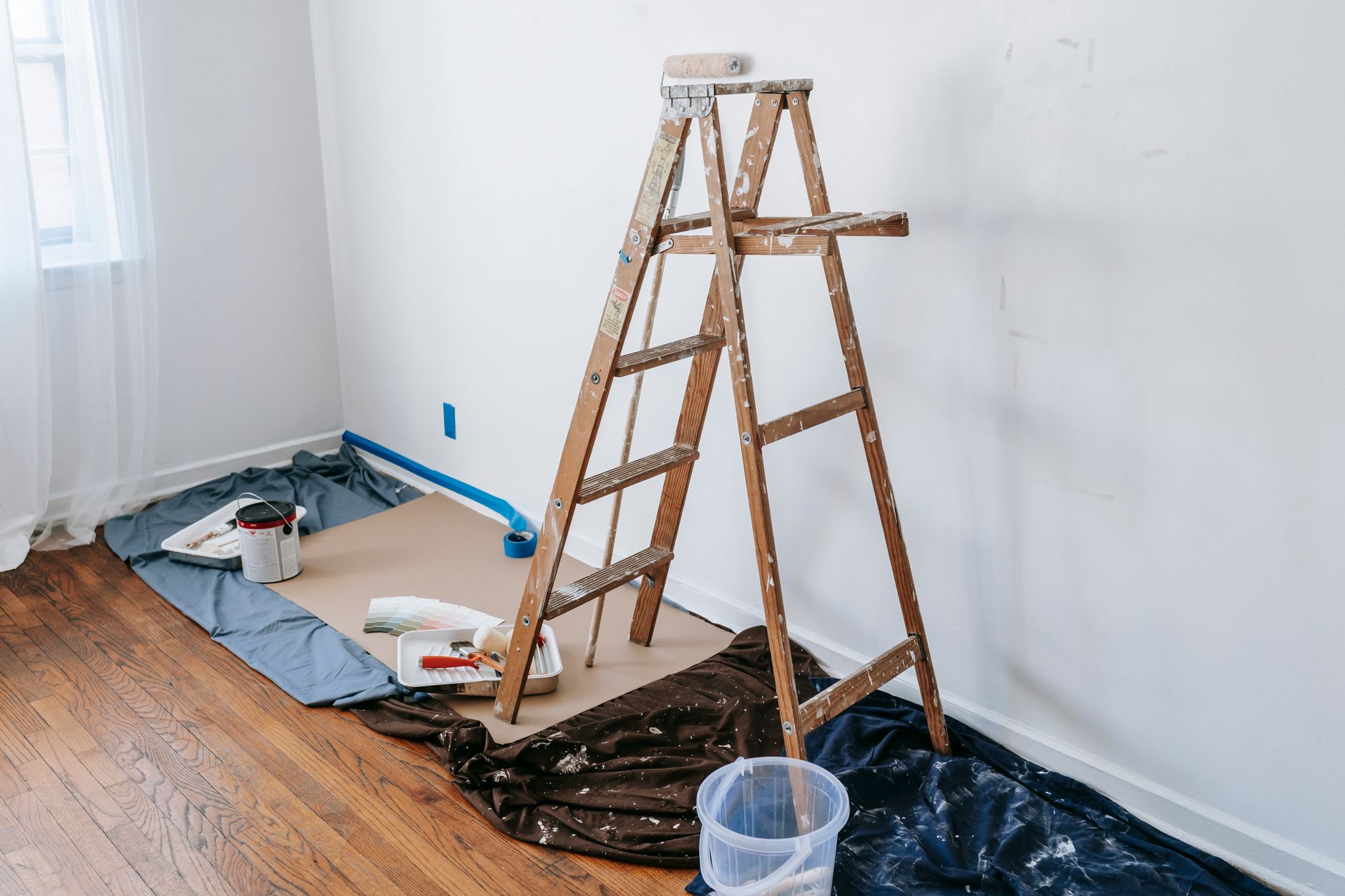
Limit painting during pregnancy. Avoid oil-based paints and high-VOC fumes, especially in the first trimester. Opt for safer alternatives.
By Shubhra Mishra — a mom of two who turned her own confusion during pregnancy into BumpBites, a global mission to make food choices clear, safe, and stress-free for every expecting mother. 💛
Check whether any food is safe during pregnancy with the BumpBites Food Safety Checker.
Quick verdict: ⚠️ Safe with limits. While painting a room during pregnancy is generally considered low risk with modern, low-VOC paints and proper ventilation, it's crucial to take significant precautions and ideally defer the task to others, especially during the first trimester. If you must paint, choose water-based, zero-VOC or low-VOC paints and ensure excellent airflow.
The nesting instinct is a powerful force during pregnancy, often inspiring a desire to prepare your home for your little one's arrival. For many expecting parents, this includes the exciting project of painting a nursery or refreshing other rooms. But as soon as the paint can opens, a common question often surfaces: is painting a room safe during pregnancy? It's a completely understandable worry, and if you're standing in the paint aisle wondering if it's okay to pick up that brush, or if you've already started a project and are now feeling a wave of panic, take a deep breath. You're not alone in this concern, and we're here to help you understand the current guidance on paint safety.
The good news is that with careful choices and proper precautions, many types of painting are considered low risk during pregnancy. However, not all paints are created equal, and some pose more significant concerns due to the chemicals they release. We'll walk you through what the experts say, which paints to choose, how to minimize any potential risks, and when it's definitely best to step away from the paintbrush.
Trimester/Stage
Verdict
Notes
First Trimester
⚠️ Talk to your doctor first / Best avoided
Highest risk period for fetal development. Avoid if possible. If unavoidable, use extreme caution with zero-VOC, water-based paints and maximum ventilation.
Second Trimester
⚠️ Safe with limits
Generally considered safer than the first trimester, but still requires strict adherence to precautions (zero-VOC, excellent ventilation, limited exposure).
Third Trimester
⚠️ Safe with limits
Similar safety profile to the second trimester regarding paint fumes, but physical discomfort and risk of falls increase. Prioritize help from others.
Breastfeeding
✅ Generally safe with precautions
Minimal concern for transfer of paint chemicals into breast milk with modern paints and good ventilation. Avoid direct skin contact or ingestion.
What is Painting a Room? Understanding the Components
Painting a room involves applying a liquid coating to surfaces to add color, protect, and enhance aesthetics. While it seems straightforward, paints are complex mixtures of various chemical components, and understanding these is key to assessing safety during pregnancy. The primary components of most paints include:
Pigments: Provide color and opacity. These are generally inert and non-toxic.
Binders (Resins): Act as the "glue" that holds the pigment together and makes it adhere to the surface. Examples include acrylics, vinyls, and alkyds.
Solvents: These are liquids that dissolve the binder and pigment, allowing the paint to be applied smoothly. As the paint dries, the solvents evaporate, releasing fumes. This is where most of the pregnancy safety concerns lie.
Additives: Small amounts of various chemicals to improve paint performance, such as anti-mildew agents, thickeners, or drying accelerators.
Paints are broadly categorized by their solvent base:
Water-based (Latex) Paints: These use water as their primary solvent. They typically have lower levels of volatile organic compounds (VOCs) compared to oil-based paints and are generally preferred for indoor use, especially during pregnancy.
Oil-based (Alkyd) Paints: These use petroleum-based solvents. They tend to have higher VOC levels and stronger, more persistent fumes. They are generally not recommended for use during pregnancy due to increased chemical exposure.
Primers: Used to prepare surfaces for painting, they can be water-based or oil-based and should be treated with the same caution as their corresponding paint types.
The main concern with painting during pregnancy revolves around the inhalation of solvents and VOCs, which are chemicals that evaporate into the air as paint dries. High exposure to these chemicals can potentially cause symptoms like headaches, nausea, dizziness, and in some cases, more serious health effects. However, modern paint formulations have significantly reduced VOC levels, making them a much safer option.
Is Painting a Room Safe During Pregnancy?
The overarching consensus from leading health organizations like the American College of Obstetricians and Gynecologists (ACOG) and the UK's National Health Service (NHS) is that occasional, limited exposure to modern, water-based, low-VOC (volatile organic compound) paints is generally considered low risk during pregnancy, provided proper precautions are taken. However, prolonged exposure, inadequate ventilation, or the use of older, oil-based, or high-VOC paints should be avoided.
Historically, paint contained higher levels of harmful chemicals, and there were greater concerns about teratogenic effects (substances that can cause birth defects). Today, advancements in paint technology have led to the widespread availability of paints with significantly reduced or even zero VOCs. These innovations have drastically lowered the potential risks associated with painting a room while pregnant.
The primary concern stems from inhaling paint fumes, which contain VOCs. These chemicals can cross the placenta, and while studies on their direct impact on human pregnancy are complex and often inconclusive for low-level, intermittent exposure, the precautionary principle is always applied when it comes to fetal development. High levels of exposure to solvents, particularly in industrial settings, have been linked to potential risks, but this is different from painting a single room with modern household paints.
Therefore, when considering is painting a room safe during pregnancy, the answer isn't a simple yes or no. It depends heavily on the type of paint, the ventilation, the duration of exposure, and the trimester of pregnancy. We at BumpBites recommend prioritizing zero-VOC, water-based paints and ensuring maximum airflow to minimize any potential inhalation of fumes. If you have any underlying health conditions or specific concerns, always discuss your plans with your healthcare provider before starting a painting project.
Choosing zero-VOC, water-based paints is a top priority for minimizing exposure to harmful fumes.
Is it safe to paint a room while pregnant in the first trimester?
The first trimester (weeks 1-12) is the most critical period for fetal development, as all major organs are forming. During this time, the developing baby is most vulnerable to external factors. For this reason, most obstetricians and health organizations recommend avoiding painting a room during the first trimester if possible. If painting is absolutely unavoidable, it is crucial to use only zero-VOC, water-based paints, ensure exceptionally good ventilation, and limit exposure to the bare minimum. Ideally, another person should handle the painting, with the pregnant person staying completely out of the area. This cautious approach helps minimize any potential risks during this sensitive developmental window.
Can I paint a nursery in the second trimester without risk?
The second trimester (weeks 13-27) is generally considered a safer period for moderate activity compared to the first. Many pregnant individuals feel more energetic and experience less morning sickness during this time. While the risk associated with paint fumes is lower than in the first trimester, it's not entirely eliminated. If you plan to paint a nursery in the second trimester, you must still adhere to strict safety guidelines. This includes using only zero-VOC or very low-VOC, water-based paints, ensuring excellent cross-ventilation, taking frequent breaks in fresh air, and limiting your overall exposure time. Avoid oil-based paints and any products with strong chemical odors. The goal is to minimize any inhalation of fumes to protect both your health and your baby's development.
Is painting a room in the third trimester harmful to the baby?
By the third trimester (weeks 28-40), the baby's major organs are fully formed, but growth and maturation continue. The risks associated with paint fumes are similar to those in the second trimester, meaning that with modern paints and strong precautions, the direct risk to the baby from fumes is considered low. However, painting in the third trimester introduces other physical challenges. Increased weight, changes in balance, and swelling can make climbing ladders or bending for extended periods uncomfortable and potentially risky for falls. Fatigue is also common. Therefore, while chemical exposure might be less of a concern than in the first trimester, physical safety becomes paramount. It's highly recommended to delegate painting tasks to others during the third trimester, focusing instead on other nursery preparations that don't involve ladders or strenuous activity.
Painting while breastfeeding
For individuals who are breastfeeding, the good news is that painting a room with modern, low-VOC or zero-VOC, water-based paints, and ensuring good ventilation, poses minimal risk of chemical transfer into breast milk. Most paint chemicals are not readily absorbed into the bloodstream in significant enough quantities to pass into milk, especially with intermittent exposure and proper precautions. The primary concern would be direct ingestion of paint or prolonged, intense exposure to fumes, which should always be avoided. If you are breastfeeding and painting, continue to prioritize ventilation, wear gloves, and wash your hands thoroughly after painting and before handling your baby or breastfeeding.
How much painting is too much during pregnancy?
There isn't a universally defined "safe" amount of painting during pregnancy, as individual sensitivities and paint types vary. Instead, focus on minimizing exposure through these guidelines:
Duration: Limit painting sessions to short periods, ideally no more than 1-2 hours at a time. Take frequent breaks (every 30-60 minutes) to get fresh air outside the painted area.
Frequency: Avoid painting multiple days in a row. Allow ample time for rooms to air out completely between sessions.
Ventilation is Key: This is arguably the most important factor. Always paint in a well-ventilated area. Open windows and doors on opposite sides of the room to create a cross-breeze. Use fans to help circulate air out of the room. Keep the area ventilated for several days after painting until all odors dissipate.
Room Size: Painting a small accent wall is less concerning than painting an entire large room. The smaller the area, the less chemical off-gassing.
Type of Paint: As discussed, zero-VOC or low-VOC, water-based paints are preferred. Avoid oil-based paints, spray paints, paint thinners, and strippers entirely.
The goal is to keep any potential inhalation of fumes as low as possible. If you start to feel dizzy, nauseous, lightheaded, or develop a headache, stop immediately and move to fresh air. When considering other household tasks, remember to also check what laxatives are safe for pregnancy or if Mucinex is safe during pregnancy if you need to manage common pregnancy discomforts.
What are the safest paint brands for pregnant women?
When selecting paint during pregnancy, the key is to look for labels that explicitly state "Zero VOC" or "Low VOC." These terms indicate that the paint contains minimal volatile organic compounds, which are the chemicals responsible for paint fumes and potential health concerns. Water-based (latex) paints are generally preferred over oil-based paints due to their lower VOC content. Always check the product label for specific VOC levels and certifications.
Here are some brands known for offering zero-VOC or low-VOC options that are often recommended for use during pregnancy:
ECOS Paints: This brand specializes in premium, non-toxic, zero-VOC paints, primers, and varnishes. They are often cited as one of the safest options available, with no harsh fumes or odors.
AFM Safecoat: Another brand dedicated to producing extremely low-VOC and zero-VOC paints and building products. They focus on minimizing chemicals that can off-gas into the indoor environment.
Benjamin Moore Natura: Benjamin Moore offers a "Natura" line that is certified asthma & allergy friendly and is zero-VOC, making it a popular choice for nurseries and sensitive individuals.
Sherwin-Williams Harmony: This line from Sherwin-Williams is zero-VOC and also claims to reduce common indoor odors from pets, cooking, and smoke.
Behr Premium Plus: Behr's Premium Plus line is typically low-VOC, though always double-check the specific product label. They offer good coverage and durability for a generally accessible price point.
Clare Paint: A newer brand with a focus on designer-curated colors and zero-VOC, low-odor formulas. They also offer peel-and-stick paint samples.
Even with these "safer" brands, it's still essential to maintain excellent ventilation during and after painting. Always read the specific product's technical data sheet or safety data sheet if you have any doubts, and consult your doctor if you have particular sensitivities or concerns.
☢ Side effects and risks of painting during pregnancy
The primary concern regarding is painting a room safe during pregnancy revolves around the inhalation of volatile organic compounds (VOCs) and other chemicals found in paint fumes. While modern paints have significantly reduced these levels, exposure can still lead to some side effects and, in rare cases, potential risks.
What are the risks of inhaling paint fumes while pregnant?
The risks largely depend on the type of paint, the duration and intensity of exposure, and the trimester. For typical household painting with modern, low-VOC, water-based paints and good ventilation, the risks are considered low. However, higher exposure, especially to older or oil-based paints, can be concerning:
Short-term side effects: Even low-level exposure can cause symptoms like headaches, nausea, dizziness, lightheadedness, fatigue, and irritation of the eyes, nose, and throat. These symptoms are generally temporary and resolve once you move to fresh air.
Potential developmental risks: Most studies on paint fumes and pregnancy outcomes focus on occupational exposure (e.g., painters working daily with high levels of solvents). These studies have, in some cases, suggested a possible link between high, chronic solvent exposure and a slightly increased risk of certain birth defects, learning difficulties, or low birth weight. However, these findings are not consistently replicated across all studies, and it's crucial to differentiate between occupational exposure and intermittent, low-level exposure from painting a single room with modern paints. The evidence for adverse effects from typical household painting with low-VOC paints is weak.
Respiratory issues: For individuals with asthma or other respiratory sensitivities, paint fumes can trigger or worsen symptoms.
Can painting a room cause miscarriage or birth defects?
This is one of the most common and anxiety-inducing questions for pregnant individuals. Based on current scientific evidence and expert consensus, painting a room with modern, low-VOC or zero-VOC, water-based paints, with adequate ventilation and limited exposure, is NOT generally considered a significant risk factor for miscarriage or birth defects. The vast majority of studies that suggest potential links involve high, chronic occupational exposure to specific types of solvents, not the intermittent exposure from household painting.
The ACOG and NHS guidelines emphasize precautions due to the theoretical possibility of risk, especially during the first trimester, but they do not state that occasional household painting with modern paints directly causes miscarriage or birth defects. If you've already painted a room before realizing you were pregnant, or if you've had some exposure, try not to panic. The likelihood of harm is extremely low, particularly if you used modern paints and didn't experience severe symptoms. Always discuss any concerns with your healthcare provider.
Safer alternatives to painting a room during pregnancy
If you're wondering if is painting a room safe during pregnancy, and you'd rather avoid the potential risks and fumes altogether, there are plenty of fantastic alternatives to refresh your space without a paintbrush. These options can help achieve a beautiful nursery or updated room with minimal to zero chemical exposure:
Specialized Zero-VOC Paints:
ECOS Paints: Known for being truly zero-VOC and non-toxic, these paints are specifically formulated for sensitive environments and individuals.
AFM Safecoat: Another leader in non-toxic, low-odor paints and sealers, designed for chemically sensitive individuals.
Benjamin Moore Natura: Certified asthma & allergy friendly, this zero-VOC line offers a wide range of colors.
Sherwin-Williams Harmony: A zero-VOC paint that also helps reduce common household odors.
Behr Premium Plus: While not all lines are zero-VOC, their Premium Plus typically has very low VOCs and is widely available.
Natural & Traditional Paints:
Milk Paint: An ancient paint made from milk protein (casein), lime, clay, and natural pigments. It's naturally zero-VOC and non-toxic, though it may require a topcoat or sealer.
Clay Paint: Made from natural clays, minerals, and water, these paints are zero-VOC, breathable, and create a unique matte finish.
Peel-and-stick wall decals: A fantastic, temporary, and completely fume-free way to add color, patterns, or themes to a room. Easy to apply and remove.
Fabric wall hangings: Tapestries, quilts, or even framed fabric panels can add texture, color, and warmth to a room without any chemical exposure.
Wood panels or shiplap: If you're looking for a more structural change, pre-finished wood panels can add character. Ensure they are pre-finished with low-VOC sealants.
These alternatives not only address the concerns around paint fumes but can also offer unique aesthetic possibilities for your home.
Related items — safety at a glance
Beyond simply painting a room, many home renovation projects involve other chemical exposures. Here's a quick look at the safety of related items during pregnancy:
Item
Verdict
Notes
Spray Painting
❌ Best avoided
High concentration of VOCs and fine airborne particles. Difficult to ventilate adequately.
Using Paint Thinner
❌ Best avoided
High levels of strong solvents. Significant fume inhalation risk. Delegate to others.
Staining Wood
❌ Best avoided
Wood stains often contain strong solvents and VOCs. Use only in extremely well-ventilated areas, with a respirator, and for very short periods if absolutely necessary. Zero-VOC stains are rare but exist.
Applying Varnish
❌ Best avoided
Varnishes, like stains, contain solvents and VOCs. Avoid if possible; if not, use zero-VOC options with maximum ventilation and PPE.
Using Epoxy Paint
❌ Best avoided
Epoxy paints release strong fumes during mixing and curing, including chemicals that can be respiratory irritants and sensitizers. Avoid entirely.
Oil-based Paint
❌ Best avoided
Higher VOC content and stronger, more persistent fumes than water-based paints. Always opt for water-based alternatives.
Lead Paint Removal
❌ Best avoided
Extremely dangerous. Lead dust is highly toxic to developing fetuses. Must be handled by certified professionals while you are not present.
Wallpaper Glue
⚠️ Safe with limits
Choose low-VOC, water-based wallpaper adhesives. Ensure good ventilation during application and drying.
Caulking
⚠️ Safe with limits
Many caulks are water-based and low-VOC. Check labels carefully. Use in a well-ventilated area. Avoid silicone-based products with strong acetic acid odors.
Using Paint Strippers
❌ Best avoided
Contain very harsh chemicals (e.g., methylene chloride) that are highly toxic. Avoid completely and delegate.
Myth vs. fact
Myth: You need to stay out of a freshly painted room for weeks.
Fact: While it's wise to air out a freshly painted room thoroughly, especially after using traditional paints, modern zero-VOC or low-VOC paints off-gas much less and for a shorter duration. With good ventilation (open windows, fans), a room painted with zero-VOC paint can be safe to enter and even sleep in within 24-48 hours, or once the smell has completely dissipated. For oil-based or higher-VOC paints, a longer airing period of several days to a week is advisable.
Myth: All paint is equally dangerous during pregnancy.
Fact: This is a significant misconception. The type of paint makes a huge difference. Oil-based paints and older formulations typically contain much higher levels of VOCs and solvents, posing greater risks. Modern water-based, low-VOC, and especially zero-VOC paints have been specifically developed to reduce chemical emissions, making them a much safer option for everyone, including pregnant individuals. Always check the label!
Myth: Wearing a simple dust mask is enough protection against paint fumes.
Fact: A standard dust mask or surgical mask offers no protection against inhaling chemical fumes (gases and vapors). To protect against VOCs, you would need a specialized respirator mask with activated carbon cartridges, which are designed to filter out organic vapors. However, even with a respirator, the best advice for pregnant individuals is to minimize exposure by using low-VOC paints and ensuring excellent ventilation, or by having someone else do the painting.
Key takeaways
For the question, "Is painting a room safe during pregnancy?" the answer is generally "safe with limits and precautions."
Prioritize zero-VOC or low-VOC, water-based paints over oil-based paints.
Ensure excellent ventilation by opening windows, using fans, and allowing fresh air to circulate for days after painting.
Limit your exposure time to short sessions and take frequent breaks in fresh air.
The first trimester is the most critical period; avoid painting if possible, or use extreme caution.
Consider delegating painting tasks to others, especially for physically demanding aspects or if using higher-VOC products.
Immediately stop painting and move to fresh air if you experience symptoms like dizziness, nausea, or headaches.
Many safe, non-paint alternatives exist for decorating, such as peel-and-stick decals or fabric wall hangings.
Frequently asked questions
Can paint fumes cause birth defects?
For household painting with modern, low-VOC or zero-VOC, water-based paints, and proper ventilation, the risk of paint fumes causing birth defects is considered very low. Studies linking paint fumes to birth defects typically involve high, chronic occupational exposure to strong solvents, which is different from occasional home painting. Always prioritize precautions to minimize any theoretical risk.
How long should a pregnant woman stay out of a freshly painted room?
For rooms painted with zero-VOC or low-VOC water-based paints, it's generally recommended to stay out until the smell has completely dissipated, which could be 24-48 hours with good ventilation. For oil-based or higher-VOC paints, a longer period of several days to a week with continuous ventilation is advisable. The key is to ensure no noticeable odors remain.
Is water-based paint safe during pregnancy?
Yes, water-based (latex) paints are generally considered the safest option if you must paint during pregnancy. They typically contain significantly lower levels of VOCs compared to oil-based paints. Always look for "zero-VOC" or "low-VOC" labels even with water-based paints and ensure excellent ventilation during and after painting.
What are the symptoms of paint fume exposure during pregnancy?
Symptoms of paint fume exposure can include headaches, nausea, dizziness, lightheadedness, fatigue, and irritation of the eyes, nose, or throat. These are usually temporary and resolve quickly once you get to fresh air. If you experience any of these symptoms while painting, stop immediately and move to a well-ventilated area.
Can I paint my nails while pregnant if I can't paint a room?
Painting your nails is generally considered safe during pregnancy, especially if done in a well-ventilated area and not excessively. The chemical exposure from nail polish is much lower and less prolonged than from painting a room. Look for "3-free" or "5-free" polishes that avoid certain common chemicals if you're concerned. For other beauty treatments, you might wonder is Botox safe during pregnancy.
Is it safe to be around someone else painting while pregnant?
Being around someone else painting still means you're exposed to fumes. If someone else is painting, you should still follow the same precautions: ensure excellent ventilation, use zero-VOC or low-VOC paints, and limit your time in the vicinity, especially during the first trimester. Ideally, stay out of the house or the immediate area until the paint has dried and the fumes have dissipated.
What should I do if I accidentally inhaled paint fumes while pregnant?
If you accidentally inhaled paint fumes, don't panic. Move immediately to fresh air. Open windows and doors to ventilate the area. If you experience symptoms like dizziness, persistent headache, nausea, or shortness of breath, contact your healthcare provider for advice. For most brief, low-level exposures to modern paints, the risk is very low.
Are there any paints that are 100% safe for pregnancy?
While no chemical product can be declared 100% risk-free, zero-VOC, water-based paints like ECOS Paints, AFM Safecoat, or Benjamin Moore Natura come closest to being considered "safest" for pregnancy. These paints are specifically formulated to minimize off-gassing and harmful chemicals. However, even with these, excellent ventilation and limiting exposure are still recommended as best practices.
When to call your doctor
While painting a room during pregnancy with the right precautions is generally low risk, it's always best to err on the side of caution and consult your healthcare provider if you have any concerns. Call your doctor immediately if you experience any of the following during or after painting:
Severe or persistent headache.
Intense dizziness or lightheadedness that doesn't resolve in fresh air.
Persistent nausea or vomiting.
Shortness of breath or difficulty breathing.
Unusual fatigue or confusion.
Any unusual symptoms that concern you.
If you have a pre-existing respiratory condition like asthma, or if you were exposed to high levels of fumes from oil-based paints, solvents, or paint strippers, it's also wise to contact your doctor for guidance. Remember, this information is for educational purposes only and is not a substitute for professional medical advice from your healthcare provider.
References
American College of Obstetricians and Gynecologists (ACOG).
Not sure about the label on Is Painting A Room Safe During Pregnancy products?
Snap the ingredients list and SafeFilter checks every ingredient for your stage — only 3 free scans this month, then you're locked until reset. Unlimited from $7/mo or $50/yr.
When Shubhra Mishra was expecting her first child in 2016, she was overwhelmed by conflicting food advice — one site said yes, another said never. By the time her second baby arrived in 2019, she realized millions of mothers face the same confusion.
That sparked a five-year journey through clinical nutrition papers, cultural diets, and expert conversations — all leading to BumpBites: a calm, compassionate space where science meets everyday motherhood.
Her long-term vision is to build a global community ensuring safe, supported, and free deliveriesfor every mother — because no woman should face pregnancy alone or uninformed. 🌿
🌍 Stand with mothers, shape safer guidance
Join a small circle of experts who review BumpBites articles so expecting parents everywhere can decide with confidence.