

Quick take: Most pregnant people can use the regular Mucinex formulation (guaifenesin ± dextromethorphan) for short‑term relief of chest congestion, but it’s best to limit use to the lowest effective dose, avoid the first trimester unless a provider says it’s necessary, and double‑check any product that adds a decongestant such as pseudoephedrine. Talk to your OB‑GYN or midwife if you have chronic lung issues, are taking other medicines, or are unsure which version is safest.
It’s 2 a.m., you’re sniffling, your throat feels raw, and the “Mucinex” bottle on the nightstand looks like a lifeline. You glance at the label, wonder whether the medication could harm the tiny heartbeat you’ve been hearing on the monitor, and start searching “Mucinex and pregnancy is it safe to use.” You’re not alone—many expectant parents feel the same mix of urgency and caution.
First‑trimester nausea, a lingering cold, or a sudden bout of congestion can feel overwhelming when you’re already juggling doctor appointments and a growing to‑do list. The good news is that the active ingredients in most Mucinex products have been studied for decades, and professional societies such as ACOG and the CDC have issued guidance that helps you weigh benefits against potential risks.
In this article we’ll break down what’s inside Mucinex, how each component is classified for pregnancy, what the latest research says, and practical tips for dosage, timing, and safer alternatives. We’ll also cover breastfeeding considerations, drug‑interaction warnings, and the exact questions you should ask your provider at your next visit.
Can I take Mucinex while pregnant during the first trimester?
The first trimester is the period of organ formation, so many clinicians advise extra caution with any medication. Mucinex offers several formulations, but the most common over‑the‑counter (OTC) product contains guaifenesin, an expectorant that thins mucus, and sometimes dextromethorphan, a cough suppressant. Both ingredients are listed by the FDA as Category C, meaning animal studies have shown some adverse effects on the fetus, but there are no well‑controlled human studies.
Despite the Category C label, observational data from thousands of pregnant patients who used guaifenesin for chronic bronchitis or seasonal colds have not shown an increase in birth defects or miscarriage rates. A 2019 review in the American Journal of Obstetrics & Gynecology concluded that occasional guaifenesin use (≤ 600 mg per day) appears to be low‑risk, especially after the first 12 weeks. Dextromethorphan, meanwhile, is also Category C but has a similar safety profile when used short‑term.
What the guidelines say
- American College of Obstetricians and Gynecologists (ACOG): No routine restriction on guaifenesin after the first trimester; use the lowest effective dose.
- National Institute for Health and Care Excellence (NICE) – UK: Recommends avoiding any non‑essential medication in the first 12 weeks; if needed, choose guaifenesin 200 mg every 4 hours, max 1200 mg/24 h.
- CDC: Lists guaifenesin as “compatible with pregnancy” when used for short‑term relief.
If you’re in the first 12 weeks and your congestion is mild, many providers suggest non‑pharmacologic measures first—steam inhalation, saline nasal spray, and staying well‑hydrated. If symptoms are severe enough to disrupt sleep or cause secondary infections, a brief course of guaifenesin is generally considered acceptable, but you should discuss it with your provider before starting.
When you do decide to take a medication in early pregnancy, timing can matter. Taking the dose after meals can reduce nausea, and spacing it at least four hours from other OTC products helps avoid accidental double‑dosing. Always keep a written record of any medication you start; this makes follow‑up appointments smoother and ensures your care team has a clear picture of your exposure history.
Talking point for your next visit: Ask your provider, “Given my trimester and symptom severity, is guaifenesin the safest option, or should we try a non‑drug approach first?” This lets the clinician tailor advice to your specific situation.
Is Mucinex safe for pregnant women with a cold?
Clinical experience shows that the combination of guaifenesin + dextromethorphan (the “Mucinex DM” formulation) does not increase the risk of congenital anomalies when taken at the recommended dose for a short period (typically 5‑7 days). However, products that add a decongestant such as pseudo‑ephedrine (found in “Mucinex D”) shift the safety profile, because pseudo‑ephedrine is a Category C sympathomimetic that can raise blood pressure and reduce uteroplacental blood flow.
When to choose a plain versus a combo product
- Plain guaifenesin (Mucinex Original): Safe for most pregnant people, even in the first trimester, when used as directed.
- Mucinex DM (guaifenesin + dextromethorphan): Generally safe after 12 weeks; avoid in the first trimester unless advised.
- Mucinex D (adds pseudo‑ephedrine): Not recommended during pregnancy unless a clinician explicitly approves it, especially if you have hypertension or a history of pre‑eclampsia.
Remember that “cold” symptoms often improve with rest, fluids, and humidified air. If you’re still struggling after a few days, a limited trial of guaifenesin can provide relief without significant risk, but always check with your health‑care team first.
It’s also worth noting that fever—common with viral colds—should be treated promptly because prolonged elevated temperature (above 101 °F/38.3 °C) in the first trimester has been linked to neural‑tube defects. Acetaminophen is the preferred antipyretic in pregnancy, and can be combined safely with guaifenesin if you need both cough relief and fever control.
Red flag reminder: If your congestion is accompanied by a fever that won’t break, or you develop sinus pain that worsens after three days, call your provider. Those signs can indicate a bacterial infection that may need antibiotics.
What are the risks of using Mucinex during pregnancy?
Potential risks fall into two categories: maternal side effects and fetal exposure. Guaifenesin is generally well‑tolerated; the most common side effects are mild gastrointestinal upset, such as nausea or loose stools. Dextromethorphan can cause dizziness, drowsiness, or, in rare cases, an allergic reaction. Both ingredients cross the placenta in small amounts, but no teratogenic (birth‑defect‑causing) effects have been documented in large human studies.
For the fetus, the theoretical concerns involve altered fetal heart rate or growth restriction if high doses of a sympathomimetic decongestant (pseudo‑ephedrine) are used. A 2021 systematic review in Obstetrics & Gynecology found a slight increase in preterm birth when women regularly used high‑dose pseudo‑ephedrine (> 60 mg/day), but the data were not statistically robust. This risk does not apply to guaifenesin‑only products.
Rare but important warnings
- Allergic reactions (rash, swelling, difficulty breathing) – seek emergency care.
- Persistent high fever or worsening cough despite medication – could signal infection requiring antibiotics.
- Signs of high blood pressure (headache, vision changes, swelling) after taking a decongestant – call your provider.
Overall, the consensus among obstetricians is that short‑term use of guaifenesin‑only Mucinex is low‑risk, while combo products with dextromethorphan are acceptable after the first trimester, and decongestant‑containing versions should be avoided unless a clinician says the benefits outweigh the risks.
It’s also prudent to consider drug interactions. Guaifenesin can increase the absorption of certain antibiotics (e.g., amoxicillin) and may affect the metabolism of some antihistamines. If you’re on prescription medications for asthma, hypertension, or thyroid disease, a quick medication‑review with your pharmacist can prevent unintended interactions.
Mucinex dosage recommendations for pregnant women
Pregnancy does not dramatically change the pharmacokinetics of guaifenesin or dextromethorphan, so standard adult dosing is typically used. However, many providers suggest the lowest effective dose to minimize any fetal exposure.
For guaifenesin‑only (Mucinex Original 600 mg tablets):
- Adults: 600 mg every 12 hours; maximum 1200 mg per day.
- Pregnant people: Same dosing, but limit use to ≤ 5 days unless otherwise directed.
For Mucinex DM (guaifenesin 600 mg + dextromethorphan 30 mg):
- Adults: 1 tablet every 12 hours; max 2 tablets per day.
- Pregnant people (after 12 weeks): Same dosing, short‑term only.
Products that combine guaifenesin with pseudo‑ephedrine (e.g., Mucinex D) are not recommended for pregnancy unless a provider explicitly approves a short, low‑dose trial (typically 30 mg pseudo‑ephedrine every 12 hours, not exceeding 60 mg per day).
Trimester‑specific guidance
| Trimester | Guaifenesin‑only (Mucinex) | Mucinex DM (guaifenesin + dextromethorphan) | Mucinex D (adds pseudo‑ephedrine) |
|---|---|---|---|
| First (0‑13 weeks) | Allowed, short‑term, 600 mg × 2 max / day | Generally avoided; discuss with provider | Not recommended |
| Second (14‑27 weeks) | Allowed, short‑term | Allowed if needed, same dose as above | Only under strict medical supervision |
| Third (28‑40 weeks) | Allowed, short‑term | Allowed, short‑term | Generally avoided; consider alternatives |
Because the placenta becomes more efficient later in pregnancy, the relative fetal exposure to any drug actually decreases as you approach term. Nevertheless, the principle of “as low as reasonably achievable” (ALARA) still applies.

Alternatives to Mucinex for congestion in pregnancy
When you’re pregnant, the safest first line is always non‑pharmacologic relief. Warm steam from a shower, a humidifier in the bedroom, or a bowl of hot water with a towel draped over your head can loosen mucus without any medication.
Saline nasal sprays or drops (e.g., Ocean or Simply Saline) are pregnancy‑friendly and help keep nasal passages moist. A few drops in each nostril, up to several times a day, are safe throughout all trimesters. Adding a few drops of eucalyptus or menthol oil to a diffuser can give a soothing scent without systemic absorption.
Nutrition‑based remedies
- Honey‑lemon tea: Warm water, a teaspoon of raw honey, and fresh lemon juice soothe the throat and may reduce coughing.
- Spicy broth: Chicken or vegetable broth with a pinch of ginger or cayenne can act as a natural decongestant.
- Vitamin C‑rich foods: Oranges, strawberries, and bell peppers support immune function but do not replace medication if you need it.
If you need a pharmacologic option but want to avoid guaifenesin, consider acetaminophen for fever or body aches (Category B, safe in pregnancy) combined with the above non‑drug measures. Always check with your provider before mixing any OTC product.
Does Mucinex contain ingredients harmful to the fetus?
The standard Mucinex line contains guaifenesin as the active expectorant. Some formulations add dextromethorphan (cough suppressant) or pseudo‑ephedrine (nasal decongestant). The FDA’s pregnancy‑risk categories for these ingredients are:
- Guaifenesin: Category C – animal studies show some risk, but human data are reassuring.
- Dextromethorphan: Category C – limited data; short‑term use appears safe.
- Pseudo‑ephedrine: Category C – can raise blood pressure; generally avoided unless medically indicated.
Inactive ingredients (binders, dyes, flavorings) are typically inert, but some people experience sensitivities to dyes such as Yellow 5. If you have a known dye allergy, check the packaging or opt for a dye‑free formulation.
Mucinex vs. Sudafed safety in pregnancy
| Product | Active ingredient | Pregnancy category | Typical concern |
|---|---|---|---|
| Mucinex (guaifenesin) | Guaifenesin | C | Minimal fetal exposure; mild GI upset possible |
| Mucinex DM | Guaifenesin + Dextromethorphan | C | Same as above; add occasional dizziness |
| Sudafed | Pseudo‑ephedrine | C | Potential blood‑pressure elevation, reduced uteroplacental flow |
Because Sudafed’s pseudo‑ephedrine component can affect maternal blood pressure, many obstetricians consider it a higher‑risk option than guaifenesin‑only Mucinex. If you need a decongestant, your provider may suggest an intranasal saline spray or a short, low‑dose course of a prescription antihistamine that has a clearer safety profile.
How does Mucinex affect breastfeeding mothers?
After delivery, the concern shifts from fetal exposure to infant exposure through breast milk. Both guaifenesin and dextromethorphan are excreted into milk in low concentrations. The American Academy of Pediatrics (AAP) classifies guaifenesin as compatible with breastfeeding (L1 – “safest”), and dextromethorphan is also considered compatible (L2 – “usually compatible”).
Studies measuring milk concentrations after a standard 600 mg guaifenesin dose found levels well below the infant’s therapeutic dose, suggesting negligible effect on the newborn. Dextromethorphan appears in milk at < 0.1 mg/L, far below the dose that would cause sedation in an infant.
Practical timing tips
- Take the medication immediately after feeding, giving the next feed a 2‑hour window to allow milk levels to decline.
- Monitor your baby for unusual drowsiness or irritability after the first dose; most infants show no change.
- If you’re using a product that contains pseudo‑ephedrine, discuss it with your pediatrician, as higher concentrations could theoretically affect infant appetite.
Overall, guaifenesin‑only Mucinex is considered safe for most breastfeeding mothers, but always keep your provider in the loop, especially if you’re also taking other OTC cough medicines.
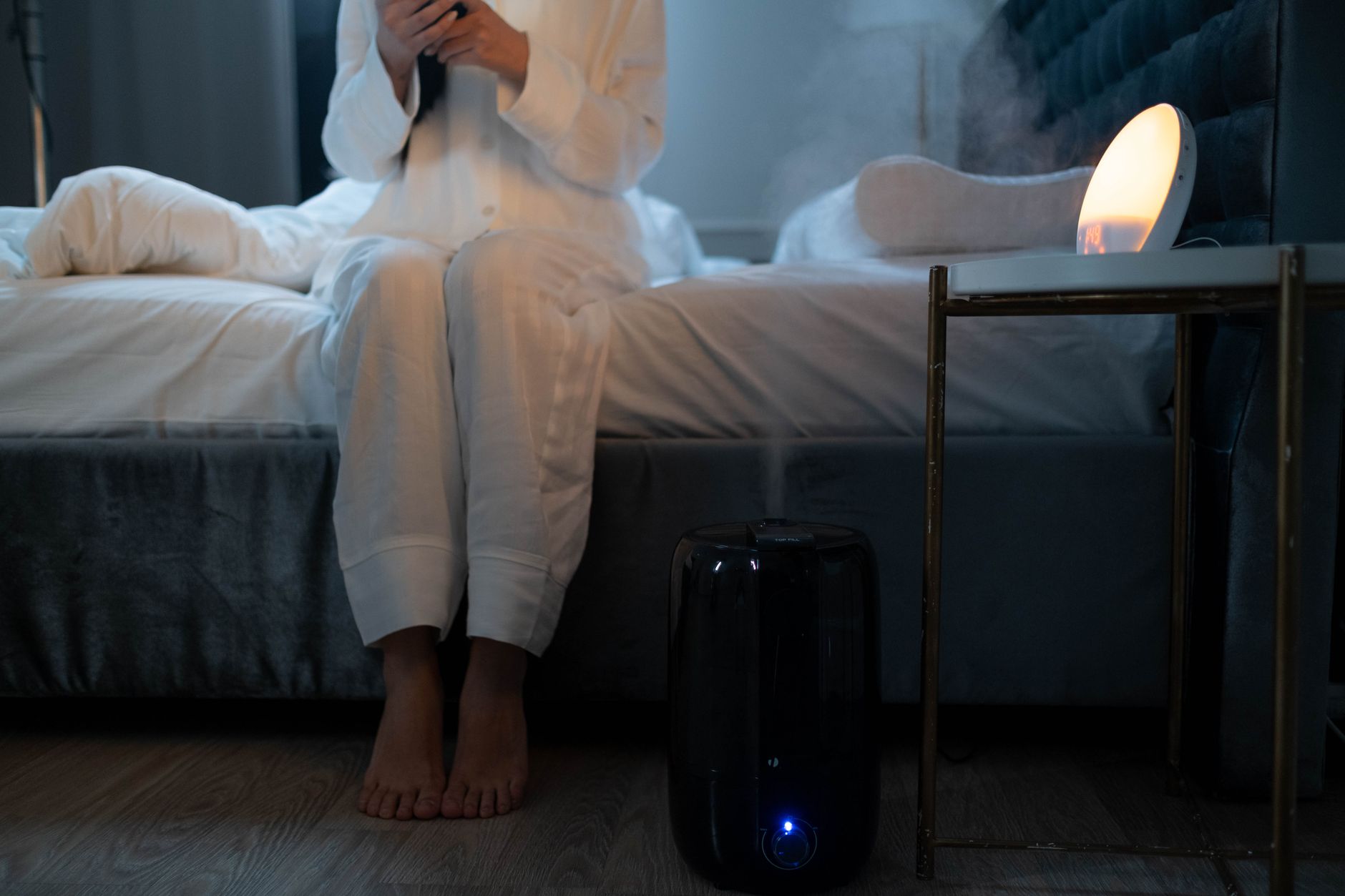
From our medical team: If you’re pregnant and struggling with a stubborn cough or chest congestion, start with non‑drug measures—hydration, steam, saline spray—and only add guaifenesin if symptoms persist beyond a few days. Keep the dose low, avoid products that contain pseudo‑ephedrine unless a clinician says it’s necessary, and always let your OB‑GYN know about any OTC medication you start. When you’re breastfeeding, the same guaifenesin‑only formula is generally safe for your infant, but watch your baby for any unexpected drowsiness.
Understanding Mucinex labels: active and inactive ingredients
Reading the label can feel overwhelming, but a quick scan tells you what you’re actually ingesting. The “active ingredient” section lists the therapeutic agents—guaifenesin, dextromethorphan, or pseudo‑ephedrine—along with their strengths per tablet or dose. Below that, the “inactive ingredients” column includes binders, fillers, and dyes that rarely cause problems, but they’re worth noting if you have sensitivities.
For example, Mucinex Original tablets typically contain guaifenesin 600 mg, microcrystalline cellulose (a filler), and magnesium stearate (a lubricant). The DM version adds dextromethorphan 30 mg, while the D version swaps in pseudo‑ephedrine 30 mg. If you’re avoiding stimulants, look for the “no pseudo‑ephedrine” badge on the packaging. Some brands also market “sugar‑free” or “dye‑free” variants, which can be gentler on a sensitive stomach.
When you shop, keep a small notebook or notes app with the exact product name, strength, and expiration date. This habit not only helps you stay within safe dosing limits but also makes it easier to discuss any concerns with your provider or pharmacist.
When to consider prescription alternatives for severe congestion
Most mild‑to‑moderate congestion can be managed with OTC options and home remedies, but a subset of pregnant patients develop chronic or severe symptoms that interfere with sleep, nutrition, or oxygenation. In those cases, a prescription medication may be warranted.
Common prescription choices include low‑dose inhaled corticosteroids (e.g., budesonide) for asthma‑like wheezing, or a short course of a macrolide antibiotic if a bacterial sinus infection is suspected. The American College of Obstetricians and Gynecologists (ACOG) notes that inhaled steroids have a favorable safety profile in pregnancy, as they act locally with minimal systemic absorption.
Another option is a prescription antihistamine such as cetirizine, which is classified as Category B and considered safe for use throughout pregnancy. Your provider will weigh the severity of your congestion against any potential medication risks, and they may also order a chest X‑ray (with shielding) if pneumonia is a concern—radiation exposure from a single X‑ray is below the threshold that would harm the fetus.
If congestion persists despite these measures, an ENT specialist can evaluate for structural issues (e.g., nasal polyps) that might benefit from targeted therapy, always with pregnancy‑compatible options in mind.
Mucinex and other medications: important interactions during pregnancy
Pregnancy often brings a cocktail of prenatal vitamins, iron supplements, and sometimes chronic‑condition drugs. Guaifenesin can modestly increase the absorption of certain antibiotics like amoxicillin, which may be prescribed for a secondary bacterial infection. This can be helpful, but it also means you should avoid unintentionally doubling the dose.
Dextromethorphan is metabolized by the liver enzyme CYP2D6. Some antidepressants (e.g., fluoxetine) inhibit this enzyme and could raise dextromethorphan levels, leading to increased drowsiness. If you’re taking a selective serotonin reuptake inhibitor (SSRI) or a migraine medication such as sumatriptan, discuss timing with your pharmacist to prevent overlap.
Finally, pseudo‑ephedrine can interact with antihypertensive drugs, potentially blunting their effect and raising blood pressure. Women with gestational hypertension or pre‑eclampsia should avoid any product containing pseudo‑ephedrine unless a specialist explicitly advises otherwise.
How to manage missed doses or accidental over‑use of Mucinex while pregnant
Missed a dose? Take it as soon as you remember, unless it’s close to the time of your next scheduled dose. In that case, skip the missed one and resume your regular schedule—don’t double up. Accidental over‑use (e.g., taking two tablets too close together) can increase the risk of nausea, dizziness, or, rarely, cardiac arrhythmia.
If you think you’ve taken more than the recommended amount, contact your OB‑GYN or a poison‑control center right away. Most overdoses are mild and resolve with supportive care, but it’s better to be safe, especially in the first trimester when any extra exposure is taken seriously.
Keeping a medication diary, setting phone reminders, or using a pill‑organizer can prevent these slip‑ups. When you’re unsure, a quick call to your provider’s after‑hours line can give you peace of mind.
Myth vs. fact
Myth: “All cough medicines are dangerous in pregnancy.”
Fact: Not all cough medicines carry the same risk. Guaifenesin‑only products are considered low‑risk when used short‑term, while decongestants that contain pseudo‑ephedrine should be avoided unless a provider explicitly approves them.
Myth: “If a medication is safe for the fetus, it’s automatically safe for the breastfeeding baby.”
Fact: Breastfeeding safety depends on how much of the drug passes into milk and the infant’s sensitivity. Guaifenesin and dextromethorphan are both classified as compatible with breastfeeding, but pseudo‑ephedrine can accumulate at higher levels and should be used with caution.
Key takeaways
- Guaifenesin‑only Mucinex is low‑risk for most pregnant people; limit use to the shortest duration needed.
- Avoid Mucinex products that contain pseudo‑ephedrine unless a doctor specifically approves them.
- After the first trimester, Mucinex DM (guaifenesin + dextromethorphan) can be used at standard dosing for brief symptom relief.
- Non‑drug options—steam, saline spray, honey‑lemon tea—are effective first‑line strategies for congestion.
- Both guaifenesin and dextromethorphan are compatible with breastfeeding; monitor your infant for any unusual signs.
- Read labels carefully, track doses, and keep your provider informed of any OTC medication you start.
Frequently asked questions
Is it safe to take Mucinex while pregnant?
Yes, the guaifenesin‑only version of Mucinex is generally considered safe for short‑term use during pregnancy, especially after the first trimester; discuss any concerns with your provider.
What are the active ingredients in Mucinex and are they safe for pregnancy?
Mucinex typically contains guaifenesin (an expectorant) and may add dextromethorphan (cough suppressant) or pseudo‑ephedrine (decongestant); guaifenesin and dextromethorphan are Category C but have not shown teratogenic effects, while pseudo‑ephedrine is also Category C and usually avoided.
Can Mucinex cause birth defects?
Current evidence does not link guaifenesin or dextromethorphan to birth defects when used at recommended doses for a short period; however, high‑dose pseudo‑ephedrine has been associated with a slight increase in preterm birth in some studies.
How long should I wait after taking Mucinex before breastfeeding?
Because guaifenesin and dextromethorphan appear in breast milk at very low levels, most providers advise waiting about 2 hours after a dose before the next feeding, though many mothers breastfeed without any delay.
Are there any natural alternatives to Mucinex for pregnant women?
Yes—saline nasal sprays, humidified air, warm honey‑lemon tea, and spicy broth are safe, drug‑free ways to relieve congestion and cough during pregnancy.
What do doctors recommend for congestion relief during pregnancy?
Most obstetricians suggest starting with non‑pharmacologic measures; if medication is needed, they usually recommend guaifenesin‑only Mucinex at the lowest effective dose, avoiding decongestants containing pseudo‑ephedrine unless medically indicated.
Can I use Mucinex if I have asthma or another chronic lung condition?
If you have a pre‑existing lung condition, your provider may tailor the dose or suggest a prescription inhaler instead of OTC Mucinex. It’s important to coordinate care so that both your respiratory health and pregnancy are optimally managed.
Is it okay to combine Mucinex with other cold medicines?
Combining multiple OTC products can lead to accidental overdose of shared ingredients (like guaifenesin or dextromethorphan). Always check the active ingredients list and ask your pharmacist or provider before stacking medications.
Can I take Mucinex if I have high blood pressure?
If you have gestational hypertension or a history of pre‑eclampsia, avoid any Mucinex product that contains pseudo‑ephedrine. Plain guaifenesin‑only formulations are generally safe, but discuss your blood‑pressure status with your provider before starting any medication.
Is there a natural alternative to dextromethorphan for cough relief?
Honey (for those over one year old) and warm ginger tea are evidence‑based, drug‑free cough suppressants that many pregnant people find soothing. Adding a few drops of lemon can further calm irritation without adding medication.
When to call your doctor
If you develop any of the following, seek medical attention promptly: high fever (> 101.5 °F/38.6 °C), persistent cough lasting more than two weeks, difficulty breathing, chest pain, swelling or sudden increase in blood pressure, or signs of an allergic reaction such as hives, swelling of the face, or trouble swallowing. This article is for informational purposes only and does not replace personalized medical advice.

