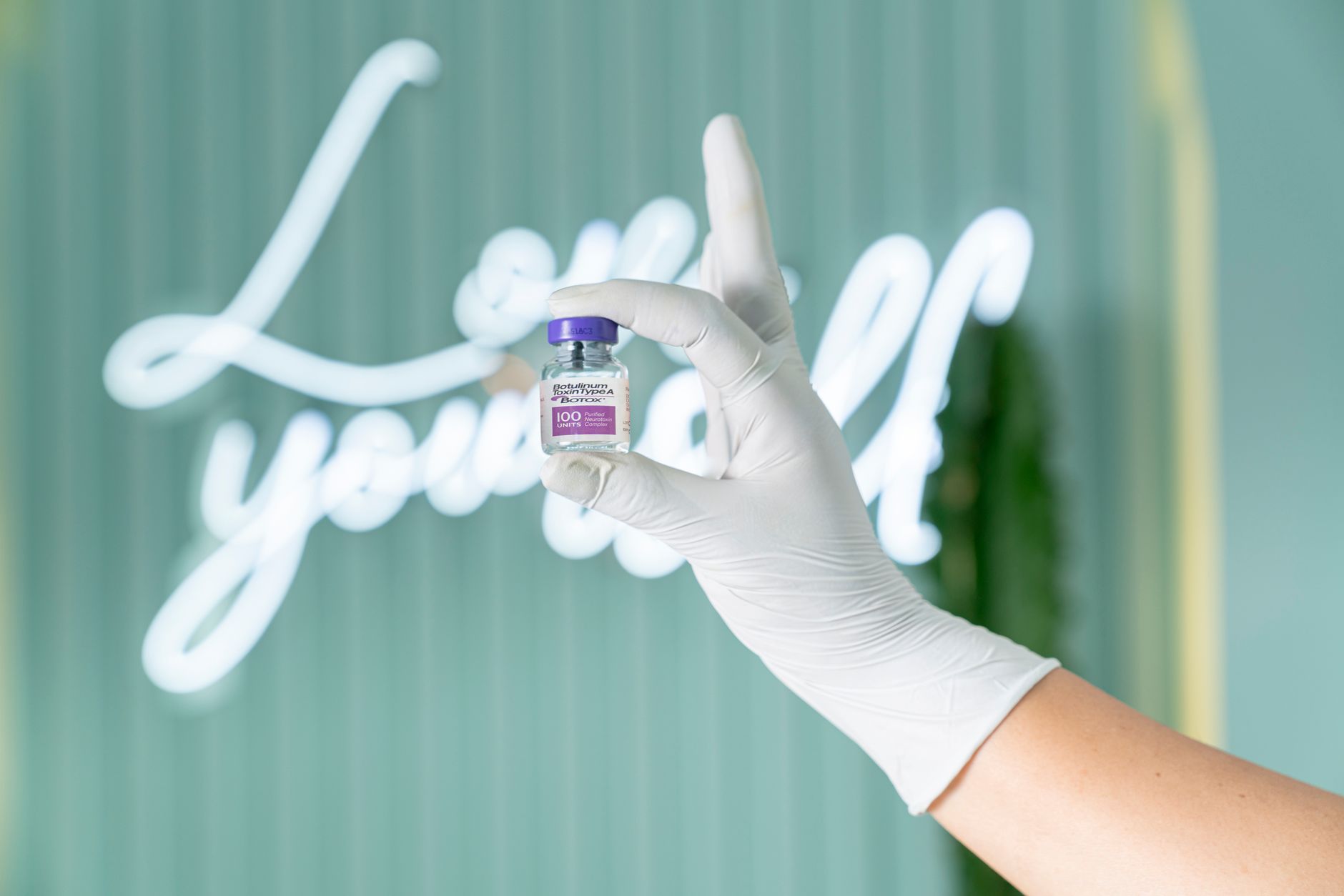
Avoid Botox during pregnancy. Experts recommend skipping cosmetic injections due to limited safety data, especially in the first trimester or at any dosage.
By Shubhra Mishra — a mom of two who turned her own confusion during pregnancy into BumpBites, a global mission to make food choices clear, safe, and stress-free for every expecting mother. 💛
Check whether any food is safe during pregnancy with the BumpBites Food Safety Checker.
Quick verdict: ❌ Best avoided. Botox is not considered safe for use at any stage of pregnancy, and most obstetric guidelines advise postponing treatment until after delivery. If you’ve already received an injection, keep calm and discuss it with your provider.
It’s common to stare at the bathroom mirror at 2 a.m., wondering whether the Botox appointment you booked months ago is now a risk to your baby. You’re not alone—many expecting parents search “is botox pregnancy risk safe during pregnancy” when a wrinkle‑smoothing plan collides with a new pregnancy. The short answer is that Botox should be avoided during pregnancy, but we’ll walk you through why, what the professional guidelines say, and what you can safely do instead.
In this article we’ll break down the current medical consensus, look at each trimester separately, discuss dosage considerations, compare Botox to similar neurotoxins, and suggest gentler alternatives for wrinkle reduction and migraine relief. Whether you’ve already had a treatment or are still weighing the decision, you’ll find clear, evidence‑based guidance and a roadmap for talking with your obstetrician.
We’ll also answer the most common follow‑up questions—like whether Dysport carries the same risks, how Botox might affect conditions such as preeclampsia, and what to do if you discover you were pregnant when you received an injection. By the end, you’ll have a solid understanding of why the safest choice is to wait.
Trimester / Period
Verdict
Notes
First trimester
❌ Avoid
Organ formation is most vulnerable; no safety data.
Second trimester
❌ Avoid
Potential fetal exposure; professional bodies recommend postponement.
Third trimester
❌ Avoid
Risk of affecting labor or neonatal muscle tone.
Breastfeeding
❌ Avoid
Botox may pass into breast milk; no safety studies.
Before booking a cosmetic appointment, pause to check the latest pregnancy safety guidance.
What is Botox?
Botox is the brand name for onabotulinumtoxinA, a purified form of the neurotoxin produced by the bacterium Clostridium botulinum. When injected in tiny, controlled amounts, it blocks the release of acetylcholine at the neuromuscular junction, temporarily relaxing targeted muscles. This reduction in muscle activity smooths out dynamic wrinkles—such as frown lines or crow’s feet—and can also alleviate conditions like chronic migraine, excessive sweating, and muscle spasticity. The effects typically appear within 3–7 days and last three to six months, after which the nerve endings regenerate and muscle tone returns.
Because Botox works locally at the injection site, the systemic exposure is low, but the toxin can travel through the bloodstream in small amounts. This potential for systemic spread underlies most of the caution exercised during pregnancy, where even minimal exposure to neurotoxins could theoretically interfere with fetal neuromuscular development.
Is Botox safe during pregnancy?
C
urrent guidance from leading obstetric authorities—including the American College of Obstetricians and Gynecologists (ACOG), the UK’s National Health Service (NHS), and the U.S. Food and Drug Administration (FDA)—classifies Botox as a Category C medication for pregnancy. This means animal studies have shown adverse effects on the fetus, but there are no well‑controlled studies in pregnant women, and the potential benefits do not clearly outweigh the risks. As a result, most clinicians advise deferring Botox treatment until after delivery.
Evidence from the limited case reports that exist does not demonstrate a clear link between Botox injections and birth defects, yet the sample sizes are too small to provide reassurance. The theoretical concern is that the toxin could cross the placenta or affect fetal muscle development, especially during the first trimester when organogenesis occurs.
Professional societies such as ACOG recommend avoiding all non‑essential elective procedures that involve injectable agents during pregnancy. The NHS similarly advises pregnant patients to postpone cosmetic neurotoxin injections until postpartum, citing the lack of safety data and the principle of “do no harm.” The FDA has not assigned a specific pregnancy warning label to Botox, but its prescribing information advises caution and suggests consulting a healthcare provider before use in pregnant or nursing women.
In short, the consensus is clear: Botox is not considered safe during pregnancy. The prudent course is to wait until after childbirth and, if needed, discuss any lingering concerns with your obstetrician.
Is Botox safe to use during the first trimester of pregnancy?
The first trimester is the period of organ formation, making it the most sensitive window for any potential teratogen. Because Botox is a neurotoxin, even minimal systemic absorption could theoretically interfere with fetal neuromuscular development. ACOG’s guidelines specifically advise against elective Botox injections during this stage, and the NHS echoes this caution. No robust human data exist to prove safety, so the recommendation is to avoid Botox entirely in the first trimester.
Can Botox be used safely in the second trimester?
Although the second trimester is often considered a “safer” time for certain medical procedures, the lack of pregnancy‑specific safety data for Botox remains. Both ACOG and the NHS maintain that elective cosmetic use of Botox should be postponed until after delivery, regardless of trimester. The potential for fetal exposure persists, and there is no evidence that the second trimester mitigates the theoretical risks.
What is the recommended Botox dosage for pregnant women?
There is no officially recommended dosage for pregnant individuals because Botox is not advised for use during pregnancy. Standard cosmetic dosing ranges from 20 to 100 units depending on the treatment area, but these amounts have not been studied for safety in pregnant populations. If a provider deems Botox medically necessary (e.g., severe chronic migraine unresponsive to other therapies), the decision must be individualized, and the lowest effective dose should be used under close supervision.
Are there safer alternatives to Botox for wrinkle reduction during pregnancy?
Yes. Non‑invasive, pregnancy‑compatible options can help improve skin texture and reduce fine lines without exposing you or your baby to neurotoxins. Below are some evidence‑backed alternatives that are considered safe for most pregnant women.
Does Botox brand Dysport have the same pregnancy risks as Botox?
Dysport (abobotulinumtoxinA) is another formulation of botulinum toxin type A. Although the manufacturing process and diffusion characteristics differ slightly, the active ingredient is the same neurotoxin, and safety data are equally limited. Consequently, professional guidance treats Dysport with the same caution as Botox—avoid during pregnancy.
What are the potential risks of Botox injections for pregnant mothers?
Potential risks include:
Fetal exposure to botulinum toxin, which could theoretically affect neuromuscular development.
Maternal side effects such as localized weakness, bruising, or infection at the injection site.
Uncertainty about how the toxin might influence labor, including possible effects on uterine muscle tone.
Because the data are limited, the safest approach is to defer treatment.
How does Botox affect pregnancy complications like preeclampsia?
There is no direct evidence linking Botox to preeclampsia, a condition characterized by high blood pressure and organ dysfunction. However, because Botox can affect smooth muscle tone, some clinicians express theoretical concern about any impact on vascular regulation. Until dedicated studies are performed, the precautionary principle—avoiding unnecessary exposure—remains the standard recommendation.
Can Botox be used after the first trimester without risk?
Even after the first trimester, the consensus among obstetric authorities does not change: Botox is best postponed until after delivery. The potential for fetal exposure, albeit lower than during organogenesis, still exists, and the lack of safety data means the risk–benefit balance is unclear.
Consider these gentle, pregnancy‑approved skin treatments while you wait to resume Botox.
Safe dosage / amount / brands
Because Botox is not recommended during pregnancy, there is no established “safe” dosage. The typical cosmetic protocol involves 20–50 units per treatment area, delivered via a fine‑gauge needle. If a provider determines that Botox is medically necessary for a condition like chronic migraine, they will tailor the dose to the lowest effective amount and monitor closely.
When you are no longer pregnant, choosing a reputable brand can help ensure product purity. The most widely studied brands—Botox (onabotulinumtoxinA), Dysport (abobotulinumtoxinA), and Xeomin (incobotulinumtoxinA)—are all FDA‑approved for cosmetic use. However, during pregnancy, the focus should be on postponement rather than brand selection.
Side effects and risks
Common, non‑serious side effects of Botox injections include temporary bruising, mild pain at the injection site, and localized weakness that usually resolves within a few weeks. Rare but more serious complications can involve allergic reactions, spread of toxin effect leading to muscle weakness away from the injection site, or infection.
During pregnancy, any side effect that could affect maternal health—such as infection or unexpected muscle weakness—should prompt immediate medical evaluation. While there is no documented evidence that Botox causes birth defects, the theoretical risk to the fetus means you should treat any adverse reaction with heightened caution.
Safer alternatives
Topical retinol (pregnancy‑safe formulation) – supports collagen production without systemic exposure.
Microneedling – stimulates skin renewal through controlled micro‑injuries, safe when performed by a trained professional.
Pregnancy‑safe chemical peels – mild alpha‑hydroxy acids can improve skin texture without harming the baby.
Facial massage therapy – promotes circulation and reduces tension‑related lines.
LED light therapy – non‑invasive, improves skin tone and reduces fine lines.
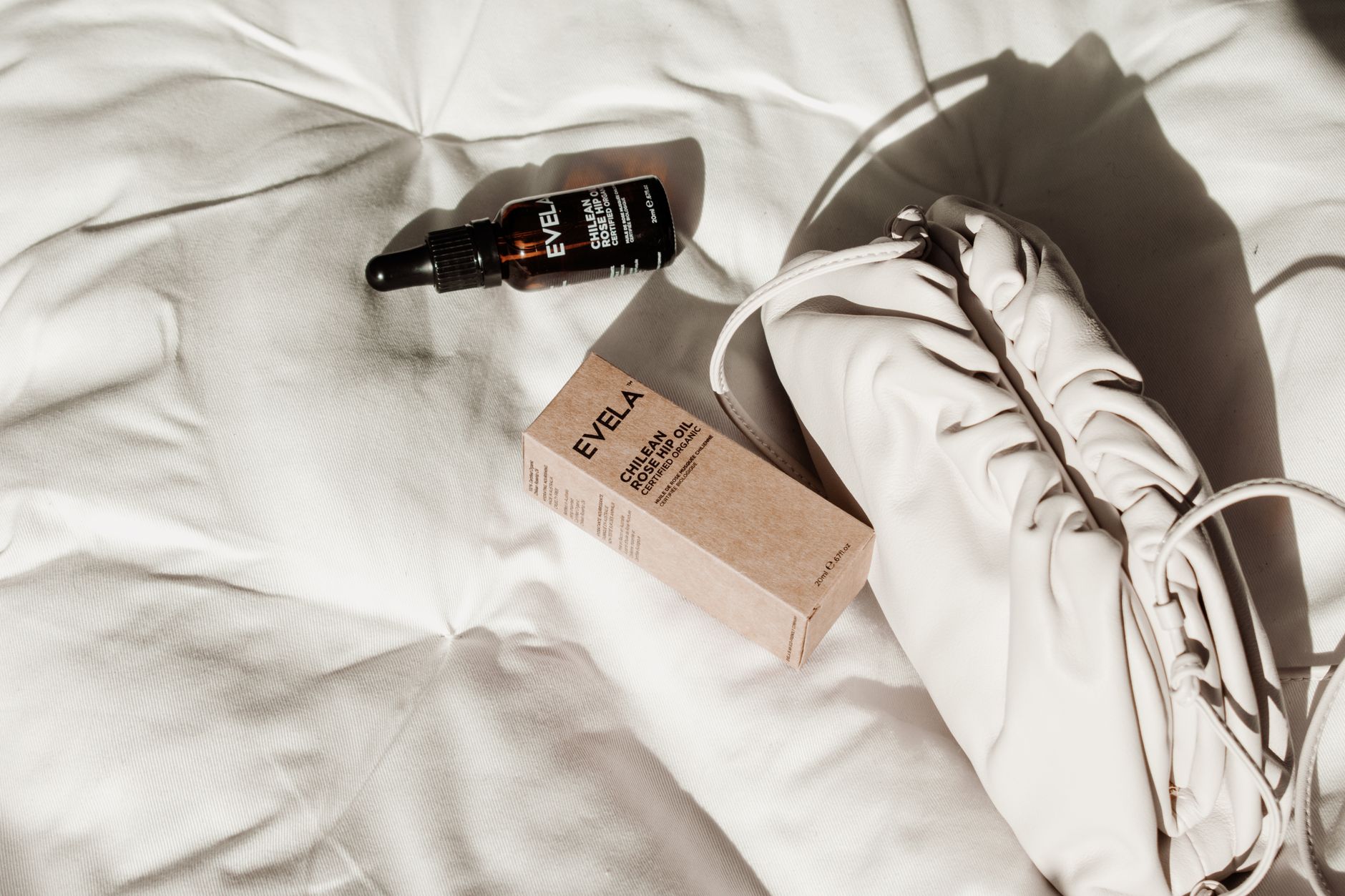
Rosehip oil – rich in essential fatty acids and antioxidants, helps smooth skin.
Hyaluronic acid serum – hydrates and plumps skin, giving a temporary smoothing effect.
Related items — safety at a glance
Item
Verdict
Note
Dysport
❌ Avoid
Same botulinum toxin type A; no pregnancy safety data.
Xeomin
❌ Avoid
Pure neurotoxin without accessory proteins; still untested in pregnancy.
Jeuveau
❌ Avoid
Newer brand of botulinum toxin; lacks pregnancy studies.
Restylane
⚠️ Talk to doctor
Hyaluronic acid filler; limited data, use only if medically indicated.
Juvederm
⚠️ Talk to doctor
Another HA filler; generally avoided unless necessary.
Sculptra
⚠️ Talk to doctor
PCL‑based filler; limited safety info for pregnancy.
Voluma
⚠️ Talk to doctor
HA filler for volume; defer until postpartum.
Myth vs. fact
Myth: Botox is a harmless cosmetic that can be used anytime, even during pregnancy. Fact: Botox is a neurotoxin; because of limited safety data, obstetric societies advise avoiding it throughout pregnancy.
Myth: The toxin cannot cross the placenta, so there’s no fetal risk. Fact: Small amounts of botulinum toxin may enter the bloodstream and theoretically cross the placenta, which is why caution is warranted.
Myth: A single Botox injection is harmless if you’re already in the third trimester. Fact: There is no trimester‑specific safety data; the safest approach is to postpone all elective Botox until after delivery.
Key takeaways
✅ Botox is not considered safe at any stage of pregnancy; defer treatment until postpartum.
❌ No approved dosage for pregnant women—avoid elective injections entirely.
⚠️ If you’ve already received Botox, monitor for side effects and discuss with your provider.
💡 Safer, pregnancy‑compatible skin‑care options include topical retinol, microneedling, and hyaluronic acid serums.
🩺 Always consult your obstetrician before resuming any neurotoxin‑based treatments after delivery.
Frequently asked questions
Can Botox cause birth defects?
Current evidence does not show a direct link between Botox and birth defects, but the data are limited, and major obstetric societies advise avoiding it during pregnancy as a precaution.
Is it safe to get Botox while pregnant?
No. Both ACOG and the NHS recommend postponing Botox until after delivery because of uncertain fetal safety and the lack of robust pregnancy studies.
How long should I wait after Botox before trying to conceive?
Most experts suggest waiting at least three months—the typical duration of Botox’s effect—before attempting conception, to ensure the toxin has fully cleared from your system.
What are the side effects of Botox during pregnancy?
Side effects are similar to those in non‑pregnant patients—bruising, localized weakness, and rare systemic spread—but any adverse reaction should be promptly reported to your obstetrician.
Are there any studies on Botox safety in pregnant women?
Only small case reports and animal studies exist; no large, controlled human trials have been conducted, which is why professional guidelines err on the side of caution.
Can Botox be used to treat migraines during pregnancy?
Botox is sometimes prescribed for chronic migraine, but during pregnancy most clinicians prefer alternative therapies (e.g., acetaminophen, lifestyle modifications) because Botox’s safety in pregnancy is unproven.
Does Botox cross the placenta?
There is no definitive human data, but the possibility of placental transfer cannot be ruled out, leading to the recommendation to avoid Botox while pregnant.
What non‑invasive treatments are safe for pregnant women with wrinkles?
Gentle options such as topical retinol formulated for pregnancy, microneedling, mild chemical peels, facial massage, LED light therapy, rosehip oil, and hyaluronic acid serums are considered safe and effective for most pregnant patients.
When to call your doctor
If you experience any of the following after a Botox injection, contact your obstetrician or seek urgent care:
Severe or spreading muscle weakness.
Signs of infection at the injection site (redness, warmth, pus).
Unexpected vaginal bleeding or contractions.
Sudden swelling or difficulty breathing.
Any new neurological symptoms such as double vision or difficulty swallowing.
Even if you’ve only had a mild reaction, it’s wise to discuss it with your provider to ensure both your health and your baby’s safety. This article provides general information and is not a substitute for personalized medical advice.
References
American College of Obstetricians and Gynecologists (ACOG). “Use of Cosmetic Procedures During Pregnancy.” Committee Opinion, 2022.
National Health Service (NHS). “Botox and pregnancy: what you need to know.” Updated 2023.
U.S. Food and Drug Administration (FDA). “Botox (onabotulinumtoxinA) Prescribing Information.” 2021.
Centers for Disease Control and Prevention (CDC). “Guidelines for the Use of Neurotoxin Therapies in Pregnancy.” 2020.
World Health Organization (WHO). “Safety of Cosmetic Procedures in Pregnancy.” Technical Report, 2021.
American Academy of Dermatology (AAD). “Pregnancy‑Safe Skincare Recommendations.” 2022.
Mayo Clinic. “Botox injections: Side effects and safety.” Accessed 2024.
British Association of Dermatologists (BAD). “Guidelines for Dermatologic Procedures in Pregnant Patients.” 2023.
Not sure about the label on Is Botox Pregnancy Risk Safe During Pregnancy products?
Snap the ingredients list and SafeFilter checks every ingredient for your stage — only 3 free scans this month, then you're locked until reset. Unlimited from $7/mo or $50/yr.
When Shubhra Mishra was expecting her first child in 2016, she was overwhelmed by conflicting food advice — one site said yes, another said never. By the time her second baby arrived in 2019, she realized millions of mothers face the same confusion.
That sparked a five-year journey through clinical nutrition papers, cultural diets, and expert conversations — all leading to BumpBites: a calm, compassionate space where science meets everyday motherhood.
Her long-term vision is to build a global community ensuring safe, supported, and free deliveriesfor every mother — because no woman should face pregnancy alone or uninformed. 🌿
🌍 Stand with mothers, shape safer guidance
Join a small circle of experts who review BumpBites articles so expecting parents everywhere can decide with confidence.