Quick take: It's incredibly common for your libido to drop significantly after having a baby due to a complex interplay of hormonal shifts, physical recovery, sleep deprivation, and emotional adjustments. This can last for months, sometimes even over a year, and is a normal part of postpartum recovery. Open communication with your partner, prioritizing self-care, and exploring different forms of intimacy can help you navigate this period, and professional support is available if needed.
The quiet moments after your baby finally drifts off to sleep can feel like a precious gift. But for many new moms, instead of feeling rested or romantic, these moments are often filled with exhaustion, a racing mind, and perhaps a quiet worry: "Why do I have no desire for sex?" If you're nodding along, take a deep breath. You are absolutely not alone in experiencing a significant drop in your libido after having a baby.
The journey into motherhood is transformative in countless ways, and your sexual desire is no exception. From the moment you welcome your little one, your body, mind, and relationship dynamics undergo profound changes. It's easy to feel disconnected from your former self, especially when it comes to intimacy. This guide will gently walk you through the common reasons behind a low sex drive postpartum, offer reassurance that your feelings are normal, and provide practical, compassionate strategies to help you reconnect with yourself and your partner.
We'll explore everything from the hormonal shifts that play a major role to the often-overlooked impacts of sleep deprivation and body image. Our goal is to empower you with understanding and provide actionable steps, all while reminding you that this is a season, and your desire can, and often does, return in its own time.
Why is my libido so low after having a baby?
If you're asking, "Why is my libido so low after having a baby?", you're voicing a concern shared by countless new mothers. The truth is, there isn't one single answer, but rather a perfect storm of physiological, emotional, and practical factors that converge to dampen sexual desire. Understanding these underlying causes can be the first step towards feeling less alone and more in control.
The Hormonal Rollercoaster
One of the biggest drivers of low libido postpartum is the dramatic shift in your hormones. After delivery, your body experiences a significant drop in estrogen and progesterone, the very hormones that surged during pregnancy. Estrogen, in particular, plays a key role in sexual desire and vaginal lubrication.
- Low Estrogen: This drop can lead to reduced sexual interest and, critically, cause vaginal dryness, making sex uncomfortable or even painful. This is especially pronounced if you are breastfeeding.
- High Prolactin: If you're breastfeeding, your body produces high levels of prolactin, the hormone responsible for milk production. While essential for feeding your baby, prolactin also suppresses ovarian function, further lowering estrogen and testosterone levels. Testosterone, often thought of as a male hormone, is crucial for female libido.
This hormonal landscape is a major reason for the hormonal causes of low libido after birth. It's your body's way of prioritizing infant care over reproduction, a biological imperative that can feel frustratingly out of sync with your desire for intimacy.
Physical Recovery and Discomfort
Childbirth, whether vaginal or C-section, is a major physical event that requires significant healing. Your body has undergone immense changes, and it needs time to recover.
- Vaginal Dryness: As mentioned, low estrogen often leads to vaginal dryness postpartum. This can make any attempt at intimacy uncomfortable or even painful, naturally decreasing your desire to engage.
- Perineal Pain and Tears: If you had a vaginal birth, you might be recovering from an episiotomy or perineal tearing. Pain, soreness, and fear of pain can be significant barriers to sexual activity.
- C-Section Recovery: A C-section involves major abdominal surgery. Incision pain, tenderness, and numbness can last for weeks or months, making certain positions uncomfortable and reducing overall physical comfort.
- Pelvic Floor Changes: Pregnancy and childbirth can affect the strength and function of your pelvic floor muscles, potentially leading to discomfort or feelings of looseness.
Emotional and Mental Health Challenges
The emotional landscape of new motherhood is complex and often overwhelming. Your mental health plays a huge role in your desire for sex.
- Postpartum Depression (PPD) and Anxiety: These common conditions can profoundly impact libido. Symptoms like persistent sadness, loss of interest in activities you once enjoyed, overwhelming anxiety, and feelings of hopelessness directly interfere with sexual desire. The link between postpartum depression and sex drive is strong, as depression often saps energy and pleasure from all aspects of life.
- Body Image Issues: Many women feel unfamiliar with their postpartum bodies. Stretch marks, lingering belly fat, breast changes, and general body aches can lead to feelings of self-consciousness or unattractiveness, making intimacy feel daunting.
- Overwhelm and Identity Shift: The sheer responsibility of caring for a newborn can be all-consuming. Your identity shifts from an individual to primarily a mother, and finding space for your sexual self can feel impossible.
Exhaustion and Sleep Deprivation
This might be the most universally experienced culprit. Caring for a newborn means broken sleep, often for months on end. Sleep deprivation doesn't just make you tired; it affects your mood, energy levels, and hormonal balance. When you're constantly running on empty, the last thing on your mind is often sex. The impact of sleep deprivation on postpartum libido cannot be overstated; it's a fundamental drain on your physical and mental resources, leaving little room for desire.
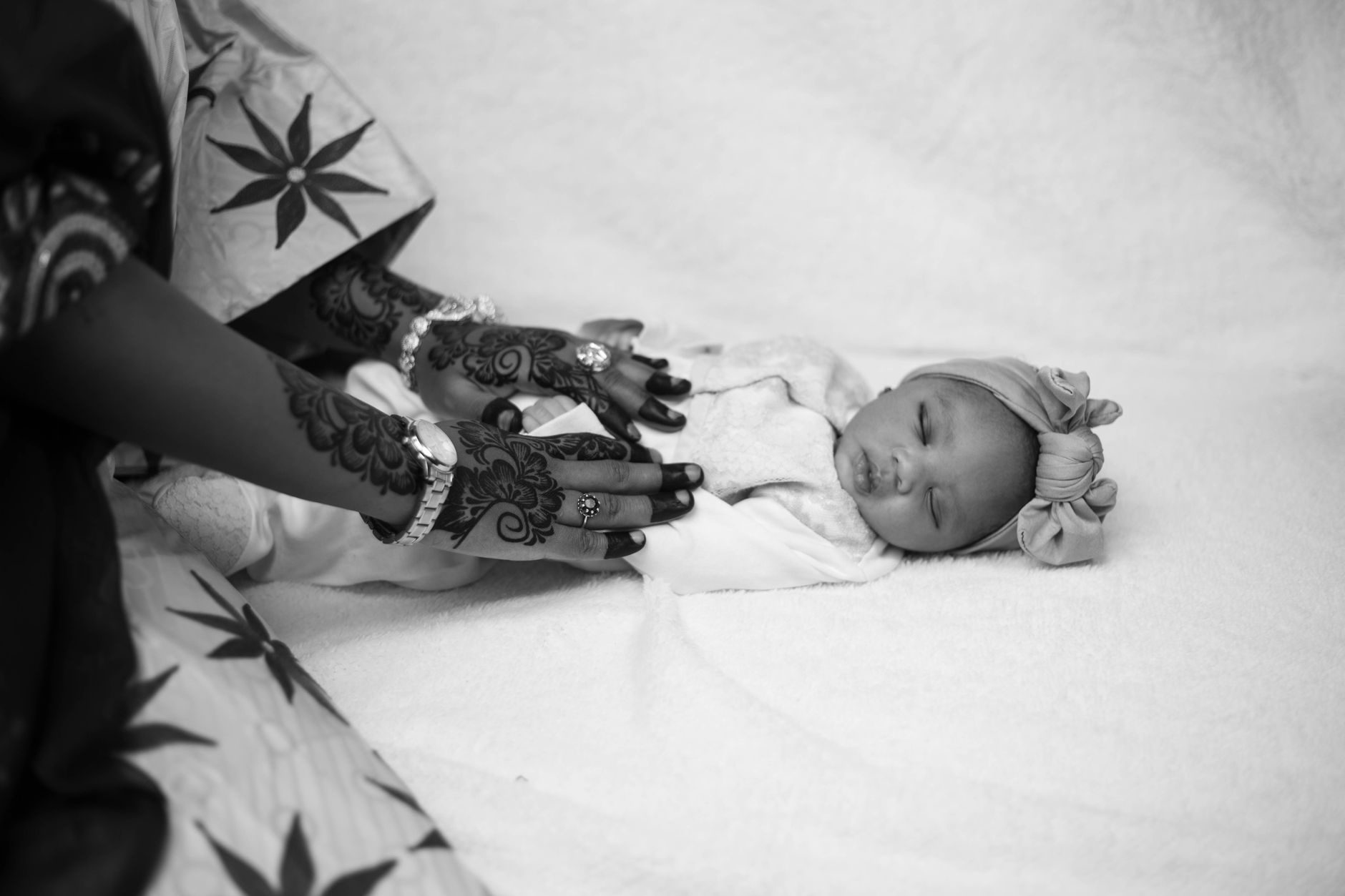
When does your sex drive return after childbirth?
O
ne of the most common questions new parents ask is, "When does your sex drive return after childbirth?" The honest answer is: there's no fixed timeline, and it varies wildly from person to person. While many women feel pressure to resume sexual activity around the traditional six-week postpartum checkup, desire often takes much longer to return. This is perfectly normal and expected.
The "Six-Week Mark" and What It Means
The six-week postpartum checkup is typically when healthcare providers give the "all clear" to resume sexual activity. This clearance primarily refers to physical healing – ensuring any tears or incisions have mended, and bleeding has stopped. However, physical readiness does not equate to emotional or hormonal readiness for intimacy. Many women report still feeling sore, tired, or simply not interested at this point, and that's completely valid.
Individual Variation: A Wide Spectrum
For some women, a spark of desire might return within a few months. For others, it could take six months, a year, or even longer. Research from the American College of Obstetricians and Gynecologists (ACOG) and other bodies consistently shows a wide range in the return of postpartum sexual activity and satisfaction. Factors like breastfeeding, sleep quality, mental health, and relationship dynamics all play a significant role in how long it takes for your libido to come back after baby.
- Early Return (1-3 months): Less common, often seen in non-breastfeeding mothers with good support systems and minimal birth trauma.
- Gradual Return (3-12 months): The most common scenario. Desire may come and go, slowly increasing as physical healing progresses, sleep improves, and hormonal levels begin to normalize (especially after breastfeeding stops or becomes less frequent).
- Delayed Return (12+ months): Also normal, particularly for those facing ongoing challenges like severe sleep deprivation, postpartum depression, or prolonged breastfeeding.
Understanding the "New Normal"
It’s important to acknowledge that when your libido does return, it might feel different. Your body has changed, your priorities have shifted, and your relationship with your partner has evolved. Intimacy might look different too, perhaps focusing more on cuddling, foreplay, or non-penetrative activities before full sexual intercourse. The key is patience and self-compassion. There is no right or wrong answer to how long does low libido last after childbirth; your journey is unique.
Is it normal to have no desire for sex postpartum?
Absolutely, 100% yes, it is normal to have no desire for sex postpartum. If you're grappling with this question, please know that you are in good company. Many, if not most, new mothers experience a significant drop in their sex drive, and for a large number, desire can be completely absent for an extended period. This isn't a sign that something is wrong with you, or that you don't love your partner, or that your relationship is doomed. It's a normal, physiological, and emotional response to the monumental task of creating and caring for a new human being.
Validation and Reassurance
The constant cultural messaging around sex can make you feel like an anomaly if you're not instantly eager to jump back into bed. However, the reality of postpartum life is far from the romanticized image often portrayed. Your body is recovering, your hormones are recalibrating, and your entire being is dedicated to the survival and well-being of your infant. It's a period of intense selflessness and physical demand, leaving little energy or mental space for sexual desire.
The Menopause Society (formerly NAMS), which studies female hormonal changes across the lifespan, notes that postpartum hormonal shifts are profound and naturally impact sexual function. What you are experiencing is a reflection of these biological realities, compounded by the emotional and practical demands of new parenthood.
Shifting Priorities
Before baby, your priorities might have included date nights, career goals, and personal hobbies. After baby, your brain is hardwired to focus on one thing: your child. This primal instinct is powerful and overrides many other needs, including your own sexual desire. Your body and mind are working overtime to nurture and protect your baby, leaving little room for anything else. One reader described it perfectly, saying, "My 'intimacy cup' felt completely full just from holding my baby. There was nothing left for my partner."
This shift in focus is not a failing; it's a testament to your commitment as a parent. Give yourself grace and permission to prioritize what feels most essential right now. Your sexual self is not gone forever; it's simply taking a necessary pause.
How does breastfeeding affect your libido?
Breastfeeding, while a beautiful and bonding experience for many mothers and babies, often has a direct and significant impact on a mother's libido. If you're nursing and wondering why your sex drive has completely vanished, the answer lies largely in the intricate dance of hormones.
The Prolactin Effect
The primary hormone responsible for milk production is prolactin. When you breastfeed, your body produces high levels of prolactin. While this hormone is essential for nourishing your baby, it also has a powerful side effect: it suppresses the production of estrogen and testosterone. These two hormones are crucial for sexual desire and arousal in women.
- Lower Estrogen: Reduced estrogen levels lead to vaginal dryness postpartum, which can make intercourse uncomfortable or painful. This physical discomfort naturally reduces desire.
- Lower Testosterone: Testosterone, even in small amounts, plays a key role in female libido, energy, and overall sense of well-being. When prolactin suppresses testosterone, it can directly diminish your sexual interest.
This hormonal interplay is why many breastfeeding mothers report feeling "touched out" and having little to no interest in sexual activity. Your body is biologically geared towards nurturing your infant, not towards reproduction.
"Oxytocin Overload" and Energy Drain
Breastfeeding also releases oxytocin, often called the "love hormone," which promotes bonding and feelings of well-being. While wonderful for mother-baby attachment, some mothers find that this intense oxytocin release fulfills their need for physical closeness and emotional connection, leaving less desire for intimacy with their partner. Your body is already giving so much of itself physically and emotionally to your baby through feeding.
Beyond hormones, breastfeeding is physically demanding. It requires significant calories and energy, often leading to increased fatigue. When you're already sleep-deprived from nighttime feedings, adding the energy expenditure of breastfeeding can leave you utterly exhausted, making the thought of sex the furthest thing from your mind. So, yes, the answer to does breastfeeding lower your sex drive is often a resounding yes, due to both hormonal and energetic factors.

Strategies to boost low libido after pregnancy
While a dip in libido postpartum is common, it doesn't mean you're powerless. There are many gentle, practical strategies to boost low libido after pregnancy that focus on nurturing your body, mind, and relationship. Remember, this isn't about forcing desire, but about creating an environment where it can naturally re-emerge.
Prioritize Self-Care (Even Small Bites)
This is often easier said than done, but even small, consistent acts of self-care can make a big difference.
- Sleep, Sleep, Sleep: The impact of sleep deprivation on postpartum libido is immense. While uninterrupted sleep might be a distant dream, prioritize it whenever possible. "Sleep when the baby sleeps" isn't just an old adage; it's vital. Ask your partner, a family member, or a friend to take the baby for a few hours so you can get a solid nap or an earlier bedtime.
- Nourishing Food & Hydration: Eating nutrient-dense foods and staying well-hydrated helps combat fatigue and supports overall well-being. Focus on whole foods, lean proteins, and plenty of fruits and vegetables.
- Gentle Movement: Once cleared by your doctor, incorporate gentle exercise like walking, yoga, or pelvic floor exercises. Physical activity can boost mood, energy, and body confidence.
- Stress Management: Even 5-10 minutes of mindfulness, deep breathing, or journaling can help reduce the overwhelming stress of new parenthood.
Address Physical Discomforts
Pain or discomfort during sex is a major deterrent. Addressing these issues can significantly improve your desire to engage.
- Vaginal Dryness Solutions: For vaginal dryness postpartum, a common issue especially with breastfeeding, reach for lubricants and vaginal moisturizers.
Talk to your doctor if over-the-counter options aren't enough; they may suggest prescription estrogen creams (which are generally safe even while breastfeeding, as very little is absorbed systemically, but always consult your provider).
- Pelvic Floor Physical Therapy: If you're experiencing pain, discomfort, or feelings of weakness in your pelvic floor, a specialized pelvic floor physical therapist can provide targeted exercises and techniques to help you heal and regain comfort.
Reconnect with Your Partner (Beyond Sex)
Intimacy isn't just about penetrative sex. Focus on rebuilding connection in other ways.
- Date Nights (Even at Home): Schedule dedicated time, even if it's just after the baby is asleep, to talk, watch a movie, or share a meal without distractions.
- Physical Affection: Prioritize non-sexual touch like cuddling, holding hands, back rubs, or gentle kisses. This physical closeness can help rebuild intimacy without the pressure of sex.
- Explore New Intimacy: Consider foreplay, manual stimulation, or oral sex as ways to connect that might feel less demanding or painful than intercourse, especially in the early postpartum period.
Mindset Shifts
Challenge negative thoughts and be kind to yourself.
- Body Acceptance: Your body has done an incredible thing. Focus on its strength and resilience, rather than perceived flaws.
- Patience: Understand that this is a phase. Your desire will likely return, but it needs time and nurturing.
- Open Communication: As we'll discuss next, talking openly with your partner is crucial.
These postpartum low sex drive remedies are about holistic well-being, not just a quick fix for libido. By taking care of yourself, you create the space for desire to return naturally.
How to talk to your partner about low sex drive after baby
Talking to your partner about your low sex drive after baby can feel incredibly vulnerable and difficult. You might worry about hurting their feelings, making them feel rejected, or creating distance in your relationship. However, open and honest communication is one of the most powerful tools you have to navigate this challenging period together. Your partner might be feeling confused, frustrated, or even rejected, and understanding your experience can bring you closer.
Choose the Right Time and Setting
Don't try to have this conversation when you're both exhausted, stressed, or right after your partner has initiated intimacy. Find a calm moment when you can both give each other your full attention, perhaps during a quiet evening after the baby is asleep, or even during a short walk together. Avoid ambushing them or bringing it up in the heat of the moment.
Use "I" Statements to Express Your Feelings
Focus on how *you* are feeling, rather than what your partner might be doing or not doing. This reduces defensiveness and fosters empathy. Instead of saying, "You always want sex and I never do," try:
- "I've been feeling so exhausted lately, and it's making it hard for me to feel desire."
- "My body is still recovering, and I'm feeling a lot of discomfort, which makes me hesitant about sex."
- "I want to feel close to you, but my hormones and lack of sleep are really affecting my sex drive right now."
- "I'm worried about the changes in my body, and it's making me feel self-conscious about intimacy."
Reassure your partner that your low libido isn't a reflection of your love for them or their attractiveness. Make it clear that this is about *your* current state, not *their* desirability. For example, you might say, "I love you very much, and I still find you attractive, but my body and mind are just not in a place for sex right now."
Explain the "Why" (Without Making Excuses)
Help your partner understand the complex factors at play. Briefly explain the hormonal shifts, physical recovery, and overwhelming fatigue. Sharing some of the information from this article might even be helpful. For example:
- "My hormones are still all over the place, especially with breastfeeding, and that's really affecting my desire."
- "I'm still healing physically from the birth, and sometimes I'm worried about pain."
- "I feel so touched out from all the baby care, and sometimes I just need space for myself."
Part of reconnecting with partner after baby intimacy is redefining what intimacy means during this period. Sex doesn't have to be off the table entirely, but it might need to look different. Suggest other ways to connect physically and emotionally:
- "I'd love to just cuddle on the couch and watch a movie."
- "Could we take a warm bath together, just to relax and be close?"
- "How about we give each other a back massage tonight?"
- "I'm open to exploring other ways to be intimate, like foreplay or oral sex, if you are."
Emphasize that you still value your connection and want to maintain intimacy, even if it's not always penetrative sex. This approach shows willingness and keeps the lines of communication open, reinforcing that you're a team navigating this together.
When to seek professional help for postpartum low libido
While a dip in libido after having a baby is incredibly common and often resolves with time and self-care, there are situations when it's beneficial and even necessary to seek professional help. If your low sex drive is causing significant distress, impacting your relationship, or accompanied by other concerning symptoms, reaching out to a healthcare provider is a crucial step.
Signs It's Time to Seek Help
- Persistent Distress: If your low libido is causing you significant emotional distress, sadness, guilt, or anxiety, and these feelings don't improve with time or self-care strategies.
- Relationship Strain: If the lack of intimacy is creating ongoing tension, arguments, or distance between you and your partner, and communication efforts aren't helping to bridge the gap.
- Symptoms of Postpartum Depression or Anxiety: If your low libido is coupled with other signs of PPD or anxiety, such as persistent sadness, hopelessness, loss of interest in all activities (not just sex), severe fatigue, changes in appetite or sleep (unrelated to baby's schedule), irritability, intrusive thoughts, or feelings of being overwhelmed. The American Psychological Association (APA) emphasizes that changes in sexual function are a common symptom of depression.
- Painful Sex (Dyspareunia): If you consistently experience pain during or after sexual activity, beyond initial mild discomfort. This could indicate underlying physical issues like unhealed tears, muscle tension, nerve damage, or severe vaginal dryness that require medical evaluation.
- Lack of Improvement: If it's been many months (e.g., beyond a year) and despite your efforts, there's no improvement in your desire, or it feels like it's getting worse.
- Feeling Detached or Disconnected: If you feel a profound sense of detachment from your body, your partner, or your sexual identity that is distressing to you.
Who to See for Support
Depending on your specific concerns, several types of professionals can offer support:
- Your OB/GYN or Family Doctor: Start here. They can rule out any underlying medical conditions, check for physical healing issues (like scarring or infection), assess your hormonal status, and discuss potential treatments for vaginal dryness or pain. They can also screen for PPD and refer you to appropriate specialists.
- Pelvic Floor Physical Therapist: If you're experiencing pain during sex, pelvic floor weakness, or discomfort related to your perineum or C-section scar, a specialized physical therapist can be incredibly helpful. They can teach you exercises, provide manual therapy, and help you regain comfort and function.
- Mental Health Professional (Therapist, Psychologist, Psychiatrist): If you suspect PPD, postpartum anxiety, or are struggling with body image, stress, or the emotional toll of motherhood, a therapist can provide invaluable support. They can help you process your feelings, develop coping strategies, and address any underlying mental health concerns impacting your libido.
- Sex Therapist: A sex therapist specializes in sexual health and can help individuals and couples navigate issues like low libido, painful sex, communication challenges, and desire discrepancy. They can provide specific strategies for intimacy and help you explore any psychological barriers to desire.
Remember, seeking help is a sign of strength, not weakness. You deserve to feel good in your body and your relationship, and professionals are there to support you on your journey to rediscovering your sexual self.
Beyond hormones: Other factors impacting postpartum sex drive
While hormonal shifts are a significant player in low libido after having a baby, they are far from the only factor. Many other intertwined elements contribute to a diminished sex drive postpartum, affecting your energy, mood, and capacity for intimacy. Understanding these "beyond hormones" factors can help you address the full spectrum of influences on your sexual desire.
The Pervasive Impact of Sleep Deprivation
This is arguably one of the most powerful libido killers for new parents. The impact of sleep deprivation on postpartum libido is profound. When you're constantly waking up throughout the night, your body doesn't get the restorative rest it needs. This chronic fatigue doesn't just make you feel tired; it:
- Drains Energy: Leaves you with no physical energy for anything beyond basic baby care.
- Affects Mood: Makes you more irritable, anxious, and less patient, which isn't conducive to intimacy.
- Impairs Cognitive Function: Makes it hard to focus, think clearly, or even remember what you had for breakfast, let alone feel connected to your partner.
- Disrupts Hormones: While separate from the primary postpartum hormonal shifts, chronic sleep deprivation can further disrupt the balance of stress hormones like cortisol and sex hormones.
Many women report that simply getting a few consecutive hours of sleep is the quickest way to feel a flicker of their former selves, including their desire for intimacy.
Overwhelming Stress and Mental Load
Caring for a newborn is a 24/7 job, often accompanied by immense stress and a constant "mental load." This involves not just feeding and changing, but also anticipating needs, managing household tasks, scheduling appointments, and worrying about every little cough or cry. This constant state of vigilance and responsibility can be incredibly draining, leaving no mental space for sexual thoughts.
The "mental load" can be particularly heavy for mothers, who often take on the majority of childcare and household management. This can lead to feelings of resentment or overwhelm, which are natural enemies of desire.
Body Image Changes and Self-Consciousness
Your body has undergone a monumental transformation, and it's normal to feel unfamiliar with your postpartum self. Lingering belly fat, stretch marks, wider hips, changes in breast size and shape, and even surgical scars can make you feel self-conscious or unattractive. For many women, these feelings lead to a desire to avoid being seen naked or touched intimately, significantly dampening libido. One representative story we've heard is of a mom who loved her baby but admitted, "I just didn't recognize myself in the mirror anymore, and that made me shrink away from any intimacy with my husband."
The Shift in Identity and Relationship Dynamics
Becoming a parent fundamentally shifts your identity. You move from being an individual or part of a couple to primarily being a mother. This transition can be challenging, and finding your "self" outside of motherhood takes time. This can also impact relationship dynamics, as couples transition from partners to co-parents. Less time for each other, less spontaneous connection, and the sheer logistics of finding time alone can all contribute to a dip in libido and intimacy. The focus naturally shifts to the baby, and the couple's relationship can unintentionally take a backseat.
Understanding these multifaceted influences reinforces that low libido after having a baby is a complex issue, rarely just about one thing. Addressing these various factors holistically is often the most effective path to rediscovering your sexual self.
Myth vs. Fact about Postpartum Libido
Here are some common misconceptions and the realities about postpartum sex drive:
- Myth: Your sex drive should instantly return to normal after your 6-week postpartum checkup.
- Fact: The 6-week mark is primarily a medical clearance for physical healing, not a guarantee that your desire will magically reappear. For most women, libido takes months, or even over a year, to return, and it often comes back gradually and in a different form.
- Myth: If you have low libido postpartum, it means you don't love your partner or find them attractive anymore.
- Fact: Low libido after having a baby is almost universally a physiological and emotional response to hormones, fatigue, pain, and the overwhelming demands of new parenthood. It rarely reflects a lack of love or attraction for your partner. Open communication is key to helping your partner understand this.
- Myth: You just need to "power through" it or force yourself to have sex to get your libido back.
- Fact: Forcing intimacy when you're not ready can lead to pain, resentment, and further diminish desire. It's more effective to address the underlying causes (fatigue, pain, stress), prioritize self-care, and gently explore other forms of intimacy until your natural desire begins to return.
Key Takeaways
- Low libido after having a baby is extremely common and normal, stemming from hormonal shifts, physical recovery, and the demands of new parenthood.
- Hormones like low estrogen and high prolactin (especially with breastfeeding) significantly contribute to reduced desire and vaginal dryness.
- Physical healing from birth, pain, and discomfort can make sex undesirable or painful.
- Sleep deprivation, stress, body image changes, and the emotional toll of motherhood (including PPD) are major libido suppressors.
- There's no fixed timeline for libido to return; it varies widely and can take many months or even over a year.
- Open and honest communication with your partner about your feelings and needs is crucial for maintaining intimacy and connection.
- Prioritizing self-care, addressing physical discomforts, and exploring non-penetrative forms of intimacy can help rekindle desire.
- Seek professional help if low libido causes significant distress, impacts your relationship, or is accompanied by symptoms of PPD, anxiety, or persistent pain.
Frequently Asked Questions
Is it normal to have no sex drive after giving birth?
Yes, it is absolutely normal to have no sex drive after giving birth. This is a very common experience for new mothers due to a combination of hormonal changes, physical recovery, exhaustion, and the emotional demands of caring for a newborn. It does not mean there's anything wrong with you, and it doesn't indicate a lack of love for your partner.
How long does it take for your libido to come back after baby?
There's no set timeline for when your libido will return after having a baby, as it's highly individual. For some, desire might begin to return within a few months, while for others, it can take six months, a year, or even longer, especially if breastfeeding or experiencing significant sleep deprivation. Patience and self-compassion are key during this period.
What causes a woman's libido to drop after pregnancy?
A woman's libido drops after pregnancy due to several factors: a significant decrease in estrogen and testosterone (exacerbated by breastfeeding's high prolactin), physical recovery from childbirth, vaginal dryness, chronic sleep deprivation, the overwhelming stress and mental load of new parenthood, body image changes, and the potential for postpartum depression or anxiety.
How can I increase my sex drive after having a baby naturally?
To naturally increase your sex drive after having a baby, prioritize self-care like sleep, nourishing food, and gentle exercise. Address any physical discomforts like vaginal dryness with lubricants or pelvic floor therapy. Reconnect with your partner through non-sexual intimacy, open communication, and date nights. Managing stress and being patient with your body's recovery can also help.
Does breastfeeding lower your sex drive?
Yes, breastfeeding often lowers sex drive. The hormone prolactin, essential for milk production, also suppresses estrogen and testosterone levels. This leads to reduced desire and can cause vaginal dryness, making intercourse uncomfortable. Additionally, the physical demands and "touched out" feeling from constant nursing can contribute to diminished libido.
When is it safe to resume sexual activity after childbirth?
Most healthcare providers recommend waiting until after your 6-week postpartum checkup to resume sexual activity. This allows your body, particularly the uterus and any perineal tears or C-section incisions, to heal adequately and reduces the risk of infection or complications. Always consult your OB/GYN or midwife for personalized guidance.
When to see a doctor or specialist
While a decrease in libido postpartum is common, don't hesitate to reach out to a healthcare professional if you're concerned. You should see your doctor, OB/GYN, or a pelvic floor physical therapist if:
- You experience persistent pain or discomfort during sex.
- Your low libido is causing significant distress or negatively impacting your relationship.
- You have symptoms of postpartum depression or anxiety, such as persistent sadness, hopelessness, loss of interest in all activities, or overwhelming anxiety.
- You feel your libido hasn't improved over many months despite self-care efforts.
- You have concerns about your physical recovery, such as lingering soreness, urinary incontinence, or pelvic floor weakness.
Disclaimer: This article is for informational purposes only and does not constitute medical advice. Always consult with a qualified healthcare provider for any health concerns or before making any decisions related to your health or treatment.
References
- American College of Obstetricians and Gynecologists (ACOG). (2023). Postpartum Care: Recovery, and Sex.
- American Psychological Association (APA). (n.d.). Postpartum Depression.
- Mayo Clinic. (2023). Low Sex Drive in Women.
- The Menopause Society (formerly North American Menopause Society - NAMS). (n.d.). Sexual Health. (General information on female sexual health and hormonal influence, applicable to postpartum hormonal shifts).
- National Institute of Mental Health (NIMH). (2023). Postpartum Depression: Quick Facts.



