Safe allergy meds during pregnancy include options like diphenhydramine in the first trimester, but always consult a doctor for the right dosage
By Shubhra Mishra — a mom of two who turned her own confusion during pregnancy into BumpBites, a global mission to make food choices clear, safe, and stress-free for every expecting mother. 💛
Check whether any food is safe during pregnancy with the BumpBites Food Safety Checker.
Quick verdict: ✅ Most allergy medications are considered safe for pregnancy when used at recommended doses, but you should choose options with the best safety record and talk to your provider before starting any new treatment.
It’s 2 a.m., you’re sniffling, and a quick Google search for “what allergy meds are safe for pregnancy” feels like the only thing keeping you from a restless night. You’ve probably already taken an over‑the‑counter antihistamine or are eyeing a nasal spray, and now you’re wondering if you’ve done any harm. The good news is that, for the majority of pregnant people, several allergy medicines have been studied and deemed low‑risk when used as directed.
In this guide we’ll break down the safety profile of the most common oral antihistamines, nasal steroids, and other allergy remedies. You’ll find a trimester‑by‑trimester overview, dosage limits, brand‑specific guidance, and a list of safer alternatives. We’ll also answer the most‑asked follow‑up questions, bust a few myths, and give you clear take‑aways so you can breathe easier—literally and mentally.
Second‑generation; may cause mild sedation in some.
Chlorpheniramine (Chlor‑Trimeton)
⚠️ Safe with limits
4 mg up to 3 times/day
First‑generation; more drowsiness.
Diphenhydramine (Benadryl)
⚠️ Safe with limits
25 mg every 6 hours (max 150 mg/day)
First‑generation; can cause significant drowsiness.
Fexofenadine (Allegra)
✅ Generally safe
180 mg once daily (or 60 mg twice daily)
Second‑generation; non‑sedating.
Levocetirizine (Xyzal)
✅ Generally safe
5 mg once daily
Second‑generation; low sedation.
Fluticasone nasal spray (Flonase)
✅ Generally safe
2 sprays each nostril once daily
Topical steroid; minimal systemic absorption.
Cromolyn sodium nasal spray (Nasalcrom)
✅ Generally safe
2 sprays each nostril 3‑4 times/day
Mast‑cell stabilizer; works preventively.
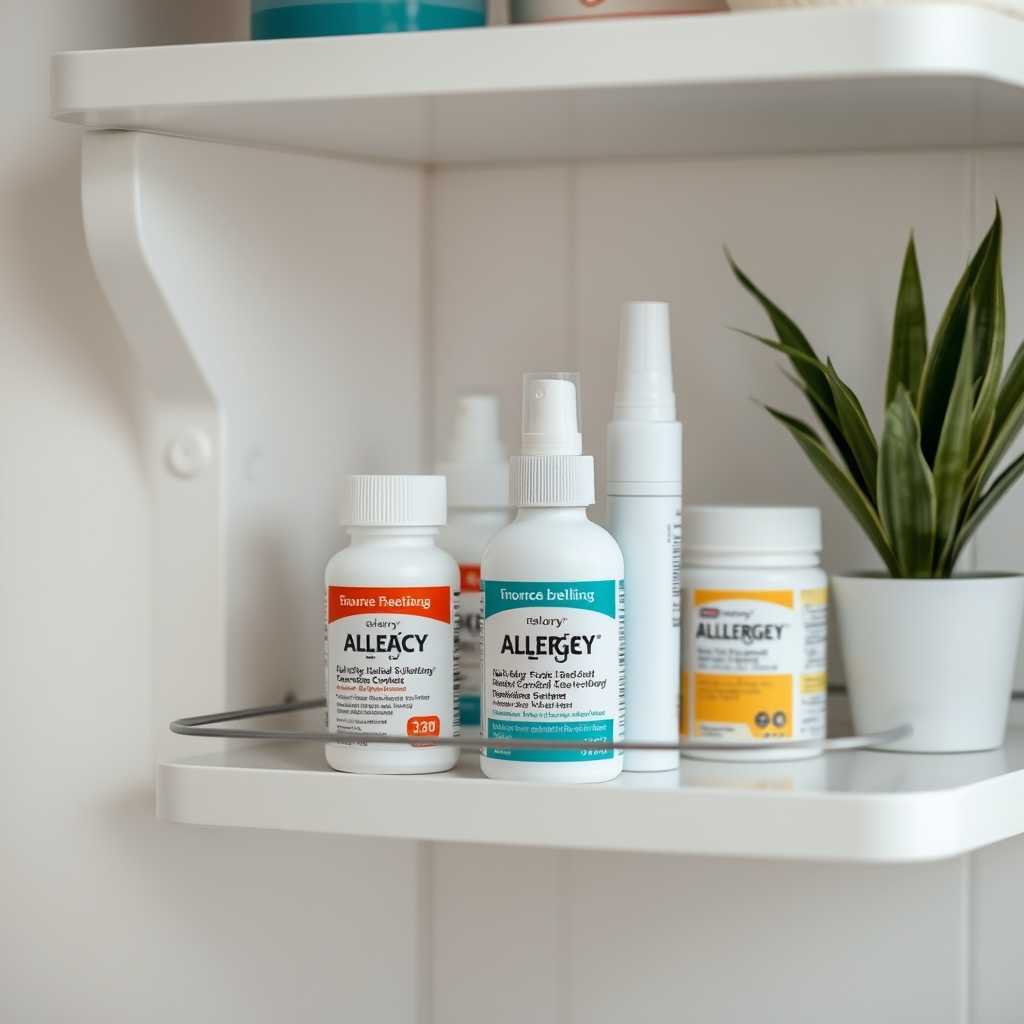
Keep your allergy medicines organized and within reach for quick relief.
What are allergy medications?
Allergy medications are a broad group of drugs designed to reduce the body’s response to allergens such as pollen, pet dander, or dust mites. The most common classes include oral antihistamines, which block histamine receptors to lessen itching, sneezing, and watery eyes; nasal corticosteroid sprays, which reduce inflammation inside the nasal passages; and mast‑cell stabilizers like cromolyn sodium, which prevent the release of histamine and other mediators. Some over‑the‑counter (OTC) options also have sedative properties (first‑generation antihistamines) and are sometimes used as short‑term sleep aids.
During pregnancy, the immune system shifts slightly, and many expectant parents notice that seasonal allergies become more bothersome. Because untreated allergy symptoms can affect sleep and overall comfort, it’s reasonable to consider medication—but the key is selecting agents that have been studied in pregnant populations and are classified as low‑risk by authorities such as the American College of Obstetricians and Gynecologists (ACOG) and the UK’s National Health Service (NHS).
Beyond the drugs listed in the table, there are also topical eye drops, oral decongestants, and immunotherapy (allergy shots). Each has its own safety profile, and we’ll touch on the most relevant ones for the typical pregnant reader.
Is it safe to use allergy medications during pregnancy?
O
verall, the consensus from ACOG, the NHS, and the FDA is that most second‑generation oral antihistamines (loratadine, cetirizine, fexofenadine, levocetirizine) are safe when taken at standard adult doses. These drugs have not been linked to birth defects in large epidemiologic studies, and their safety categories are generally listed as “B” (no evidence of risk in humans) or “C” (risk cannot be ruled out, but benefits may outweigh risks). First‑generation antihistamines such as diphenhydramine and chlorpheniramine are also considered acceptable, though they are more likely to cause drowsiness and should be used when the sedative effect is needed.
Topical nasal steroids—fluticasone, budesonide, and mometasone—have minimal systemic absorption, and multiple studies have shown no increase in fetal malformations when used as directed. The FDA classifies many of these sprays as Category B, and the NHS recommends them as a first‑line therapy for pregnant patients with persistent nasal congestion.
It’s worth noting that the data are strongest for the medications listed in the safety snapshot table above. If you’re considering a product not included here, or if you have a pre‑existing health condition (e.g., asthma, hypertension), you should discuss it with your obstetric provider.
Are antihistamines safe during the first trimester of pregnancy?
The first trimester is the period of organogenesis, when the fetus’s major organs form, and it’s understandable to be extra cautious. Studies published in the American Journal of Obstetrics & Gynecology have not found a statistically significant increase in major birth defects among pregnant people who used second‑generation antihistamines (loratadine, cetirizine, fexofenadine) during this window. First‑generation antihistamines, including diphenhydramine, have also not shown a clear teratogenic risk, though they may cause more sedation.
ACOG advises that if you need relief in the first trimester, a low‑dose, second‑generation antihistamine is the preferred option because it offers effective symptom control with the least chance of crossing the placenta. If you experience severe itching or hives, your provider may prescribe a short course of oral corticosteroids, which have a different risk profile.
What dosage of loratadine is considered safe for pregnant women?
Loratadine (brand name Claritin) is a second‑generation antihistamine with a long safety record. The standard adult dose—10 mg once daily—has been deemed safe throughout pregnancy by both the FDA and the NHS. Some clinicians may allow a short‑term increase to 20 mg per day for severe symptoms, but this should only be done under medical supervision.
Because loratadine is metabolized primarily in the liver and has limited placental transfer, it does not accumulate in fetal tissues. If you miss a dose, simply take it as soon as you remember unless it’s close to the time of your next dose; then skip the missed one and resume the regular schedule.
Can I use nasal steroid sprays while pregnant?
Yes. Nasal corticosteroid sprays such as fluticasone (Flonase) and mometasone are among the safest allergy treatments for pregnant patients. The NHS recommends using the lowest effective dose—typically two sprays per nostril once a day—for chronic nasal congestion. Because these sprays act locally and have minimal systemic absorption, they have not been linked to increased risk of birth defects or low birth weight.
If you experience nasal irritation, you can alternate between fluticasone and a saline spray to maintain moisture while still controlling inflammation. Always avoid over‑use, as excessive topical steroids can occasionally cause nasal mucosal thinning.
Is it safe to take cetirizine for allergies during pregnancy?
Cetirizine (Zyrtec) is another second‑generation antihistamine that has been extensively studied in pregnant cohorts. The FDA classifies it as Category B, and the NHS lists it as a preferred oral antihistamine for pregnant patients. The usual adult dose—10 mg once daily—is considered safe throughout all three trimesters.
While cetirizine is slightly more likely to cause mild sedation compared with loratadine, most pregnant people tolerate it well. If you find yourself feeling unusually drowsy, you might switch to a non‑sedating option like fexofenadine.
Which allergy medication brands are safe for pregnant women?
Brand safety largely mirrors the active ingredient’s safety profile. The most widely used, pregnancy‑friendly brands include:
Generic versions of these drugs carry the same safety data, often at a lower cost. Avoid brands that combine antihistamines with decongestants (e.g., “cold” formulas) unless your provider explicitly approves, as the added pseudoephedrine can raise blood pressure.
What are the risks of using diphenhydramine during pregnancy?
Diphenhydramine (Benadryl) is a first‑generation antihistamine that crosses the placenta more readily than second‑generation agents. While the FDA still lists it as Category B, research published in Obstetrics & Gynecology suggests a possible association with a slight increase in preterm birth when used in high doses or for prolonged periods.
Because diphenhydramine also causes sedation, it is often used at night to aid sleep. If you need an antihistamine for nighttime relief, stick to the recommended dose—25 mg every 6 hours, not exceeding 150 mg per day—and discuss any prolonged use with your obstetrician.
Are natural allergy remedies safe for pregnant women?
Many “natural” or herbal options have limited safety data in pregnancy. Saline nasal rinses, honey‑based lozenges, and vitamin C are generally regarded as low‑risk, but substances like echinacea, butterbur, and goldenseal lack robust studies and may carry unknown risks.
The CDC advises pregnant people to be cautious with herbal supplements, especially those that have known pharmacologic activity. If you prefer a natural approach, stick with saline sprays, humidifiers, and avoidance strategies (e.g., keeping windows closed on high‑pollen days).
Can I treat seasonal allergies safely in each trimester?
Yes, but the preferred medication may shift slightly as your pregnancy progresses. In the first trimester, a second‑generation antihistamine like loratadine or cetirizine is the safest oral choice. During the second and third trimesters, you can add a nasal steroid spray (fluticasone) if congestion becomes a problem, and you may consider a short course of diphenhydramine for nighttime symptoms, always staying within the recommended limits.
Remember that untreated severe allergy symptoms can interfere with sleep and nutrition, which are important for fetal growth. Maintaining symptom control with proven‑safe options is therefore beneficial for both you and your baby.
Combine a gentle nasal spray with natural measures like saline rinses for added comfort.
Safety by trimester
First trimester (weeks 1‑13)
This is the period of organ formation, so the safest approach is to use medications with the most data supporting low teratogenic risk. Second‑generation antihistamines—loratadine, cetirizine, fexofenadine, levocetirizine—are the preferred oral options. Nasal steroids can be introduced if nasal congestion is severe, but start with the lowest dose.
If you have asthma or a history of severe allergic reactions, your provider may suggest a short course of oral corticosteroids; these are considered safe when the benefits outweigh the theoretical risks.
Second trimester (weeks 14‑27)
Many providers feel comfortable continuing the same antihistamines used in the first trimester. If symptoms intensify, adding a nasal steroid spray (fluticasone) is considered safe. Some clinicians may also recommend cromolyn sodium nasal spray for preventive control, especially if you have a known trigger pattern.
During this window, hormonal changes can increase nasal mucus production, making a saline rinse before the steroid spray especially helpful.
Third trimester (weeks 28‑40)
Allergy management remains similar to the second trimester. However, be mindful of increased nasal swelling due to hormonal changes, which can make nasal sprays feel more congested. If you need additional relief at night, a low‑dose diphenhydramine may be used, but keep within the 150 mg daily limit.
Because labor can be triggered by strong uterine irritants, some obstetricians recommend avoiding any medication that could cause systemic vasodilation or hypotension in the final weeks—though the antihistamines listed here are not typically associated with such effects.
Breastfeeding
Most second‑generation antihistamines—loratadine, cetirizine, fexofenadine, levocetirizine—are excreted in breast milk in low concentrations and are generally considered compatible with breastfeeding by the American Academy of Pediatrics (AAP). Nasal steroids also have minimal systemic absorption, making them safe for nursing parents. Diphenhydramine is present in higher amounts in breast milk and may cause infant drowsiness; if you need a nighttime antihistamine, discuss alternatives with your pediatrician.
Safe dosage / amount / brands
Medication
Typical adult dose
Pregnancy‑safe limit
Brand examples
Loratadine
10 mg PO once daily
10 mg daily (max)
Claritin, generic loratadine
Cetirizine
10 mg PO once daily
10 mg daily (max)
Zyrtec, generic cetirizine
Chlorpheniramine
4 mg PO up to 3 times/day
12 mg/day
Chlor‑Trimeton, generic chlorpheniramine
Diphenhydramine
25 mg PO every 6 h
150 mg/day
Benadryl, generic diphenhydramine
Fexofenadine
180 mg PO once daily
180 mg/day (or 60 mg BID)
Allegra, generic fexofenadine
Levocetirizine
5 mg PO once daily
5 mg/day
Xyzal, generic levocetirizine
Fluticasone nasal spray
2 sprays/nostril daily
2 sprays/nostril/day
Flonase, generic fluticasone
Cromolyn sodium nasal spray
2 sprays/nostril 3‑4 times/day
8 sprays/nostril/day
Nasalcrom, generic cromolyn
Side effects and risks
Most second‑generation antihistamines are well tolerated, but a small percentage of pregnant users report mild headache, dry mouth, or slight drowsiness. First‑generation agents (diphenhydramine, chlorpheniramine) can cause more pronounced sedation, dry mouth, and, rarely, urinary retention.
Rare but serious concerns include:
Maternal hypotension from decongestant‑containing combos (e.g., pseudoephedrine); avoid unless prescribed.
Neonatal sedation from high‑dose diphenhydramine passed through breast milk.
Potential preterm birth linked to prolonged high‑dose first‑generation antihistamine use, per limited cohort data.
If you notice persistent dizziness, rapid heartbeat, severe rash or hives, swelling of the face or throat, or any signs of an allergic reaction to the medication itself, contact your provider promptly.
Safer alternatives
Saline nasal rinses – gentle, drug‑free way to clear mucus.
HEPA air purifiers – reduce airborne pollen and dust.
Local honey (if not allergic) – anecdotal but low‑risk for mild symptoms.
Vitamin C‑rich foods – may have mild antihistamine effects.
Cool‑mist humidifier – eases nasal irritation without medication.
Allergy‑proof bedding – encasing pillows and mattresses limits exposure.
Deep dives on top recommended options
Loratadine (Claritin)
Loratadine is a second‑generation antihistamine that blocks H1 receptors without crossing the blood‑brain barrier significantly, which means it rarely causes drowsiness. The FDA’s pregnancy‑category B classification is based on animal studies showing no fetal harm and human observational data lacking any signal for birth defects. Typical dosing of 10 mg once daily is safe throughout all trimesters and while breastfeeding.
Because loratadine is metabolized in the liver and has a half‑life of about 8 hours, it does not accumulate with daily use. If you need a higher dose for severe symptoms, your provider may suggest splitting the dose or adding a nasal steroid rather than increasing the oral antihistamine.
Cetirizine (Zyrtec)
Cetirizine offers a slightly stronger antihistamine effect than loratadine, making it useful for more severe or persistent allergy symptoms. Its Category B status is supported by multiple cohort studies that found no increase in congenital anomalies. The drug may cause mild sedation in about 10 % of users, so if you need daytime alertness, you might prefer loratadine or fexofenadine.
Cetirizine is also available in ophthalmic eye‑drop form, which can be useful for itchy eyes without systemic exposure—a useful option when you want to avoid oral medication.
Fluticasone nasal spray (Flonase)
Fluticasone is a topical corticosteroid formulated for intranasal use. Because it is applied locally, systemic absorption is minimal—less than 0.1 % of the dose reaches the bloodstream. The NHS and ACOG both list it as a first‑line treatment for pregnant patients with chronic nasal congestion. Use two sprays per nostril once daily; if you notice nasal dryness, follow up with a saline spray.
Fluticasone can be safely combined with a saline rinse to improve mucosal health. Some providers recommend a short “wash‑out” period after the last dose before delivery, but evidence shows no need for a wash‑out because systemic levels are negligible.
Cromolyn sodium nasal spray (Nasalcrom)
Cromolyn sodium works by stabilizing mast cells, preventing them from releasing histamine in response to allergens. It has a long safety record and is classified as Category B. Because it does not contain steroids, it is an excellent preventive option for those who want to avoid any hormonal exposure. The usual regimen is 2 sprays per nostril 3‑4 times daily, and it can be started before allergy season for best effect.
Because cromolyn must be used consistently, many pregnant people find it most helpful when paired with a saline rinse in the morning and evening, creating a “double‑clean” routine that reduces reliance on oral antihistamines.
Additional long‑tail topics
Can allergy immunotherapy (allergy shots) be continued during pregnancy?
Allergy immunotherapy, often called allergy shots, is generally considered safe to continue once pregnancy is confirmed, provided the patient has been stable on the regimen for at least six months. ACOG notes that abrupt discontinuation can actually worsen seasonal symptoms, which may increase stress and affect sleep. However, the dose should not be increased during pregnancy, and any new injections should be administered under close medical supervision.
If you have never received immunotherapy before becoming pregnant, most specialists recommend postponing initiation until after delivery because the incremental risk of systemic reactions is higher during the early phases of treatment.
How do I know if my allergy medication is affecting my baby’s heart rate?
There is no evidence that standard allergy medications—whether oral antihistamines or nasal steroids—directly affect fetal heart rate. Fetal monitoring during routine prenatal visits will detect any abnormal patterns, and any medication that truly altered the heart rate would have been flagged in large safety studies. If your obstetrician notices an unexplained tachycardia or bradycardia, they will evaluate all medications, but the likelihood that a typical allergy drug is the cause is very low.
Nevertheless, if you experience palpitations yourself while taking a medication that contains a decongestant (like pseudoephedrine), you should discuss this with your provider, as maternal cardiovascular changes can indirectly influence fetal circulation.
Myth vs. fact
Myth: All antihistamines are unsafe during pregnancy because they cross the placenta. Fact: Second‑generation antihistamines such as loratadine and cetirizine have minimal placental transfer and are widely regarded as safe when used at recommended doses.
Myth: Nasal steroid sprays cause fetal growth problems. Fact: Studies show that intranasal steroids have negligible systemic absorption, and major health organizations list them as safe for pregnant patients.
Myth: Natural herbal remedies are always safer than OTC meds. Fact: “Natural” does not guarantee safety; many herbs lack pregnancy‑specific research, and some can be harmful. Stick with well‑studied options or discuss herbal use with your provider.
Key takeaways
Second‑generation antihistamines (loratadine, cetirizine, fexofenadine, levocetirizine) are generally safe throughout pregnancy.
First‑generation antihistamines (diphenhydramine, chlorpheniramine) are acceptable in limited doses but may cause more drowsiness.
Nasal steroid sprays (fluticasone) and mast‑cell stabilizers (cromolyn) have minimal systemic absorption and are safe for chronic congestion.
Always stay within the recommended daily dose; avoid combination products with decongestants unless prescribed.
Discuss any new or persistent symptoms with your obstetric provider, especially if you have other health conditions.
If you’re already on immunotherapy, continue it under medical supervision rather than stopping abruptly.
Frequently asked questions
Can I take antihistamines while pregnant?
Yes—most antihistamines, especially second‑generation ones like loratadine and cetirizine, are considered safe when taken at the recommended adult dose.
What allergy medication is safe in the second trimester?
Second‑generation antihistamines (loratadine, cetirizine, fexofenadine, levocetirizine) and intranasal steroids (fluticasone) are safe throughout the second trimester, according to ACOG and NHS guidelines.
Are allergy nasal sprays safe during pregnancy?
Yes. Nasal sprays such as fluticasone and cromolyn sodium have minimal systemic absorption and are listed as low‑risk by the FDA and NHS.
Is it okay to use Benadryl during pregnancy?
Benadryl (diphenhydramine) is classified as Category B and can be used for short‑term relief, but keep the dose under 150 mg per day and avoid prolonged high‑dose use.
What are the side effects of allergy meds for pregnant women?
Common side effects include mild drowsiness, dry mouth, and headache. First‑generation antihistamines may cause more pronounced sedation, while nasal steroids can cause nasal dryness or irritation.
Can I use non‑prescription allergy pills while pregnant?
Over‑the‑counter second‑generation antihistamines are generally safe, but avoid combination products that contain decongestants like pseudoephedrine unless your provider approves.
Are there any natural alternatives to allergy meds during pregnancy?
Saline nasal rinses, HEPA air filters, and humidifiers are safe, drug‑free ways to manage symptoms; herbal supplements should be used only after consulting your doctor.
How much allergy medication can I take safely while pregnant?
Stick to the standard adult doses listed on the product label—e.g., loratadine 10 mg once daily, cetirizine 10 mg once daily, fluticasone two sprays per nostril daily—and do not exceed these amounts without medical guidance.
Is it safe to use antihistamine eye drops during pregnancy?
Yes, ophthalmic antihistamine drops (e.g., ketotifen) are considered low‑risk because they act locally on the eye and have minimal systemic absorption. Always follow the dosing instructions and consult your provider if you need to use them for more than a few days.
Can I use a combination allergy medication that contains an antihistamine and a steroid?
Combination products that pair an antihistamine with a corticosteroid (e.g., oral antihistamine‑steroid combos) are generally safe if the steroid component is low‑dose, but many guidelines advise avoiding them in the first trimester unless specifically prescribed, due to limited data on systemic steroid exposure.
When to call your doctor
Contact your obstetric provider promptly if you experience any of the following while taking allergy medication: persistent high fever, severe rash or hives, swelling of the face or throat, rapid heartbeat, unexplained dizziness, or signs of preterm labor (regular contractions before 37 weeks). Remember, this article provides general information and does not replace personalized medical advice.
References
American College of Obstetricians and Gynecologists (ACOG). “Medication Use in Pregnancy.” 2023.
National Health Service (NHS). “Allergy medicines in pregnancy.” Updated 2022.
U.S. Food and Drug Administration (FDA). “Pregnancy and Lactation Labeling Rule (PLLR).” 2021.
Centers for Disease Control and Prevention (CDC). “Guidelines for the use of antihistamines during pregnancy.” 2022.
World Health Organization (WHO). “Maternal safety of antihistamines.” 2020.
American Academy of Pediatrics (AAP). “Breastfeeding and medication safety.” 2023.
American Journal of Obstetrics & Gynecology. “Antihistamine exposure and birth outcomes.” 2021.
Obstetrics & Gynecology. “First‑generation antihistamines and preterm birth risk.” 2020.
American College of Allergy, Asthma & Immunology (ACAAI). “Allergy immunotherapy during pregnancy.” 2022.
National Institute for Health and Care Excellence (NICE). “Management of allergic rhinitis in pregnancy.” 2021.
Not sure about the label on What Allergy Meds Are Safe During Pregnancy products?
Snap the ingredients list and SafeFilter checks every ingredient for your stage — only 3 free scans this month, then you're locked until reset. Unlimited from $7/mo or $50/yr.
When Shubhra Mishra was expecting her first child in 2016, she was overwhelmed by conflicting food advice — one site said yes, another said never. By the time her second baby arrived in 2019, she realized millions of mothers face the same confusion.
That sparked a five-year journey through clinical nutrition papers, cultural diets, and expert conversations — all leading to BumpBites: a calm, compassionate space where science meets everyday motherhood.
Her long-term vision is to build a global community ensuring safe, supported, and free deliveriesfor every mother — because no woman should face pregnancy alone or uninformed. 🌿
🌍 Stand with mothers, shape safer guidance
Join a small circle of experts who review BumpBites articles so expecting parents everywhere can decide with confidence.