Discover what congestion medicine is safe for pregnancy. Many options are safe, especially in the second and third trimesters. Learn specific medications, dosages, and what to avoid for a healthy pregnancy.
By Shubhra Mishra — a mom of two who turned her own confusion during pregnancy into BumpBites, a global mission to make food choices clear, safe, and stress-free for every expecting mother. 💛
Check whether any food is safe during pregnancy with the BumpBites Food Safety Checker.
Quick verdict: ✅ Most over‑the‑counter congestion medicines are safe in pregnancy when used as directed, but decongestants that contain pseudo‑ephedrine or phenylephrine should be limited to later trimesters and only under a provider’s guidance.
It’s 2 a.m., the nightstand light flickers, and you’re staring at a bottle of cold medicine wondering, “what congestion medicine is safe for pregnancy?” You’ve probably felt the familiar stuffy‑nose pressure that makes breathing feel like a marathon, and the anxiety of not knowing whether the next dose will harm your baby can be overwhelming. First, breathe. The good news is that many common remedies are considered low‑risk, especially non‑medicated options like saline spray or a humidifier. In this guide we’ll walk through the safety of each option, how much you can safely take, trimester‑specific advice, and gentler alternatives that keep you and your baby comfortable.
We’ll also answer the most common follow‑up questions—like whether Sudafed is safe, how to manage congestion if you have high blood pressure, and what you can use while breastfeeding. By the end of this article you’ll have a clear, evidence‑based answer to “what congestion medicine is safe during pregnancy?” and a toolbox of safe options to choose from.
Both ingredients are considered low‑risk by FDA and NHS.
Mucinex
✅ Generally safe
Guaifenesin ≤2,400 mg/day
Only expectorant; no decongestant component.
Saline nasal spray
✅ Safe
Unlimited use
Non‑medicated, safe in all trimesters and while breastfeeding.
Humidifier
✅ Safe
Unlimited
Helps thin mucus; keep clean to avoid mold.
Neti pot (sterile‑water rinse)
✅ Safe
1–2 rinses per day
Use boiled or distilled water; avoid tap water to prevent infection.
Congestion medicines—often called cold or flu remedies—cover a range of products designed to relieve nasal stuffiness, sinus pressure, and coughing. They typically contain one or more of the following ingredients: a decongestant (like pseudo‑ephedrine or phenylephrine), an expectorant (guaifenesin), a cough suppressant (dextromethorphan), an antihistamine, or a pain reliever/fever reducer (acetaminophen). Decongestants shrink swollen blood vessels in the nasal passages, making breathing easier, while expectorants thin mucus so it can be cleared more readily. Cough suppressants calm the cough reflex, and antihistamines address runny noses caused by allergies. Understanding what each component does helps you weigh the benefits against any potential risks for your developing baby.
Overall, the consensus from major health authorities—including the American College of Obstetricians and Gynecologists (ACOG), the United Kingdom’s National Health Service (NHS), and the U.S. Food and Drug Administration (FDA)—is that most over‑the‑counter (OTC) congestion medicines are safe when used at recommended doses. Decongestants that contain pseudo‑ephedrine (found in Sudafed) are classified as Category C by the FDA, meaning risk cannot be ruled out, especially in the first trimester. Phenylephrine, another common decongestant, also falls into Category C and is generally advised only after the second trimester. In contrast, ingredients like guaifenesin, dextromethorphan, and acetaminophen have extensive safety data and are considered low‑risk. Non‑medicated options such as saline nasal spray, humidifiers, and properly used neti pots carry no pharmacologic risk and are safe throughout pregnancy and while breastfeeding.
Because every pregnancy is unique, you should always discuss any medication—especially decongestants—with your provider before starting, particularly if you have underlying conditions like high blood pressure or thyroid disease. The following sections break down safety by trimester, dosage guidelines, and specific brand considerations to give you a clear, evidence‑based roadmap for managing congestion safely.
Having a few safe options within arm’s reach can ease nighttime congestion and reduce anxiety.
What congestion medicine is safe during the first trimester?
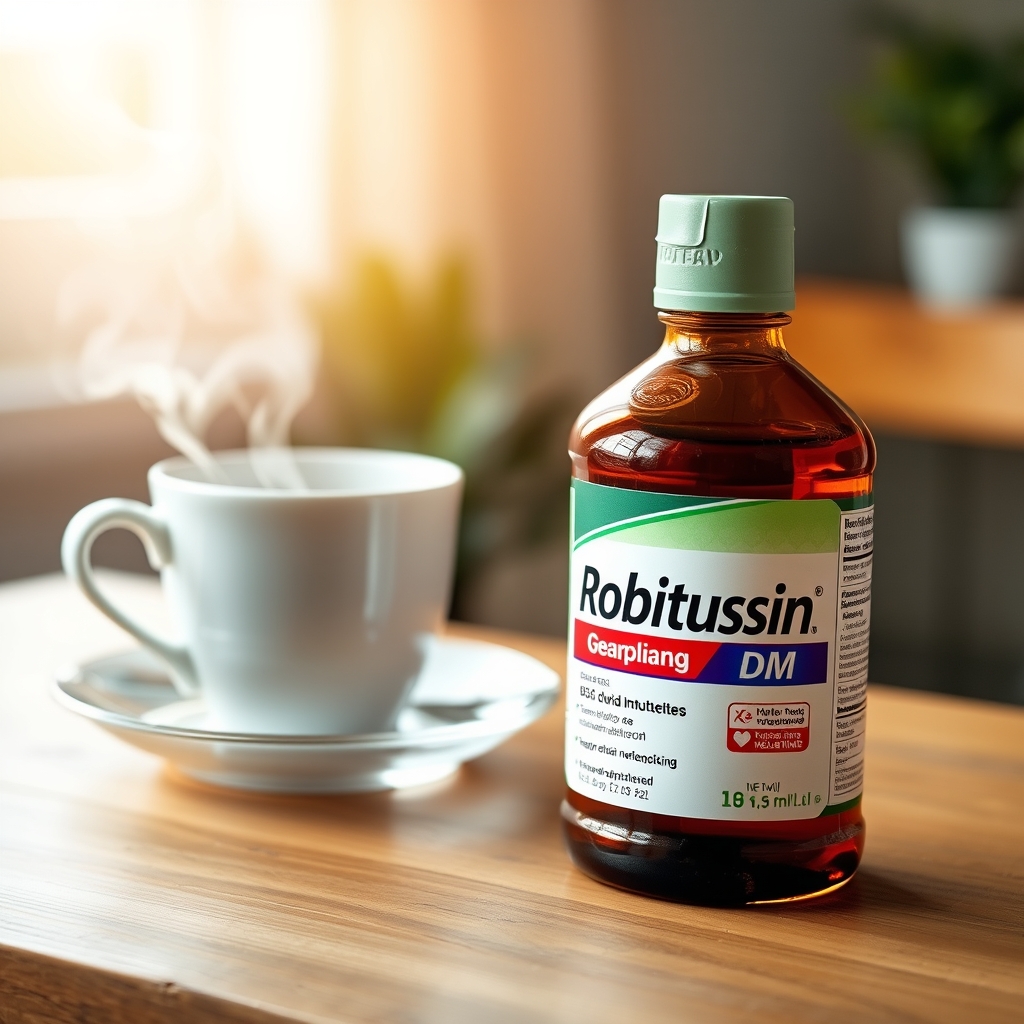
The first trimester is the period of organogenesis, when the baby’s major organs are forming. Because this is a high‑risk window, ACOG advises caution with any medication that could cross the placenta in significant amounts. Non‑medicated remedies—saline spray, a cool‑mist humidifier, and a properly used neti pot—are universally safe. Among OTC medicines, the safest choices are those without decongestants: Robitussin DM (dextromethorphan + guaifenesin) and Mucinex (guaifenesin alone) have not been linked to birth defects when taken at recommended doses.
Tylenol Cold + Flu Severe contains acetaminophen (which is safe) and phenylephrine (a decongestant). The phenylephrine component is Category C, and most clinicians recommend avoiding it in the first trimester unless the benefit clearly outweighs potential risk. If you need a decongestant early on, discuss a low‑dose pseudo‑ephedrine regimen with your provider, as some obstetricians consider it acceptable after 14 weeks.
Staying well‑hydrated and using a saline spray before bedtime can further reduce the need for medication. Many expectant parents find that a warm shower followed by a few sprays of saline before sleep eases congestion enough to avoid a dose of a decongestant.
Is it safe to take decongestants during pregnancy?
Decongestants work by narrowing blood vessels in the nasal passages, which can raise blood pressure—a concern for pregnant people with hypertension. The FDA classifies pseudo‑ephedrine and phenylephrine as Category C, meaning animal studies have shown some risk, but there are insufficient human studies. ACOG’s Committee Opinion No. 757 (2020) states that decongestants may be used after the first trimester if the mother’s symptoms are severe and no safer alternative exists, but they should be avoided in the first trimester when possible.
The NHS echoes this guidance, noting that short‑term use of pseudo‑ephedrine after 20 weeks is generally considered safe, while phenylephrine should be limited. For pregnant people with high blood pressure, the American Heart Association recommends avoiding decongestants altogether unless a provider explicitly approves them.
Women with thyroid disorders should also be cautious, as decongestants can interfere with thyroid medication absorption. Consulting your endocrinologist or obstetrician before starting a decongestant ensures that any potential interaction is managed.
How much congestion medicine can I take while pregnant?
When a medication is deemed safe, the key is staying within the recommended adult dosage. For acetaminophen‑containing combos like Tylenol Cold + Flu Severe, the limit is 3,000 mg per day (the standard adult maximum). Phenylephrine should not exceed 10 mg per dose, and only a single dose is advised per 24 hours during pregnancy.
Robitussin DM’s dextromethorphan dose is 10–20 mg every 4–6 hours, not exceeding 120 mg per day, while guaifenesin can be taken 200–400 mg every 4 hours, up to 2,400 mg daily. Mucinex (guaifenesin) follows the same dosing limits. Saline nasal spray and humidifiers have no dosage ceiling; you can use them as often as needed. Neti pots are safe with 1–2 rinses per day using sterile water.
Keeping a simple medication diary—note the product, dose, and time—helps you stay within safe limits and provides a clear record for your provider if questions arise.
Natural alternatives to congestion medicine during pregnancy
If you’d rather avoid any medication, several natural methods can relieve nasal congestion without risk. A cool‑mist humidifier adds moisture to the air, thinning mucus and easing breathing. Saline nasal sprays—available over the counter—provide gentle irrigation that clears passages without chemicals. A neti pot using boiled or distilled water clears the sinuses mechanically and is endorsed by the American Academy of Otolaryngology‑Head and Neck Surgery as safe for pregnant patients.
Other supportive measures include staying well‑hydrated, elevating the head while sleeping, and inhaling steam from a warm shower. Ginger tea can soothe a sore throat and may have mild anti‑inflammatory effects, though it does not directly decongest. Always avoid essential oils that are not pregnancy‑tested, as they can cause irritation.
Menthol rubs such as Vicks VapoRub are safe for external use on the chest or back, but you should never apply them directly inside the nostrils, especially if you have a sensitivity to strong fragrances.
Sudafed safe during pregnancy?
Sudafed’s active ingredient, pseudo‑ephedrine, is a Category C decongestant. The FDA’s labeling states that it should be used only when the potential benefit justifies the potential risk to the fetus. ACOG advises that pseudo‑ephedrine may be used after the first trimester if necessary, but it should be avoided in the first 12 weeks unless a provider deems it essential. For people with hypertension, Sudafed is generally discouraged because it can raise blood pressure.
In the United Kingdom, the NHS recommends limiting pseudo‑ephedrine to short courses (no more than 3 days) after 20 weeks gestation. If you’re uncertain, a safer alternative is a saline spray or a humidifier, which carry no systemic risk.
Some formulations, such as Sudafed PE (pseudo‑ephedrine with a lower dose), may be considered slightly safer, but they still fall under Category C and should only be used under medical supervision.
Risks of taking congestion medicine while pregnant
Most congestion medicines are low‑risk when used as directed, but potential side effects can still affect you and your baby. Decongestants may cause elevated blood pressure, insomnia, or rapid heart rate—symptoms that can be more concerning during pregnancy. Phenylephrine has been linked in some studies to reduced uterine blood flow, though evidence is limited.
Non‑decongestant ingredients like guaifenesin or dextromethorphan are generally considered safe, but they can cause mild gastrointestinal upset, dizziness, or drowsiness. Acetaminophen, while safe for pain and fever, should not exceed 3,000 mg per day to avoid liver toxicity.
Rarely, allergic reactions to any ingredient can occur, presenting as rash, swelling, or difficulty breathing. If any of these symptoms develop, seek medical attention promptly.
Reading product labels carefully is essential; some “cold” combos hide additional antihistamines or higher decongestant doses that could push you beyond safe limits.
Congestion medicine safe for pregnancy with high blood pressure
For pregnant patients with hypertension, decongestants (pseudo‑ephedrine or phenylephrine) are usually avoided because they can further raise blood pressure. In these cases, non‑medicated options—saline nasal spray, a humidifier, and a neti pot—are the safest. If medication is absolutely necessary, a low‑dose, short‑course dextromethorphan‑based product like Robitussin DM can be considered, as it does not affect blood pressure.
Always discuss any medication plan with your obstetric provider, who can monitor blood pressure and adjust treatment as needed.
Best congestion medicine for pregnancy sinus pressure
Sinus pressure often feels like a heavy, throbbing ache around the forehead and cheeks. The combination of a saline nasal spray and a humidifier usually provides enough relief without medication. If you need a pharmacologic option, a guaifenesin‑only product such as Mucinex—taken at the recommended dose of 600 mg every 12 hours—helps thin mucus and relieve pressure.
For those who also have a cough, Robitussin DM offers both a cough suppressant (dextromethorphan) and an expectorant (guaifenesin) in one bottle, making it a convenient, pregnancy‑compatible choice.
Congestion medicine safe during breastfeeding?
Most OTC congestion medicines that are safe during pregnancy are also considered compatible with breastfeeding. Acetaminophen passes into breast milk in low amounts and is deemed safe by the American Academy of Pediatrics (AAP). Dextromethorphan and guaifenesin are excreted in minimal concentrations, posing no known risk to the infant.
Decongestants like pseudo‑ephedrine can reduce milk supply, so if you are breastfeeding, it’s best to avoid them or use the lowest effective dose under medical supervision. Saline nasal spray, humidifiers, and neti pots remain completely safe while nursing.
Robitussin DM blends a safe cough suppressant with an expectorant, making it a popular pregnancy‑friendly choice.
Safe dosage / amount / brands
Below is a concise guide to the recommended adult dosages for each safe option, along with brand suggestions that meet pregnancy‑friendly standards. Always read the label for the exact strength, and never exceed the daily maximum.
Option
Typical adult dose
Pregnancy‑safe brands
Brands to avoid
Tylenol Cold + Flu Severe
Acetaminophen 500 mg + phenylephrine 10 mg per tablet; max 3 tablets/day
Products combining diphenhydramine (antihistamine) and decongestants
Mucinex
Guaifenesin 600 mg every 12 h; max 2,400 mg/day
Mucinex (Rexall)
Mucinex D (contains pseudo‑ephedrine)
Saline nasal spray
2–3 sprays per nostril as needed
Arm & Hammer, Ocean, Simply Saline
Sprays with added decongestant or antihistamine
Humidifier
Run continuously in bedroom; keep water level topped
Honeywell HCM‑350, Crane Drop‑Ultrasonic
Units without easy‑clean features (risk of mold)
Neti pot
1–2 rinses per day with sterile water
NeilMed, SinuPulse
Low‑cost plastic pots without proper cleaning instructions
Side effects and risks
Even safe medications can cause mild side effects. Acetaminophen may cause stomach upset if taken on an empty stomach. Phenylephrine can lead to jitteriness, increased heart rate, or insomnia. Dextromethorphan may cause drowsiness or, rarely, hallucinations at high doses. Guaifenesin is generally well tolerated but can cause nausea or a mild headache.
Red‑flag signs that warrant immediate medical attention include: persistent high fever (>38.5 °C), severe headache, swelling of the face or throat, rapid heartbeat (>120 bpm), or a sudden increase in blood pressure (≥140/90 mmHg). If any of these occur, contact your provider or seek emergency care.
Safer alternatives
Saline nasal spray – non‑medicated, works for any trimester.
Neti pot with boiled or distilled water – mechanically clears sinuses.
Warm steam inhalation – simple, drug‑free relief.
Ginger tea – soothing for throat irritation without decongestant risk.
Elevated sleeping position – helps sinus drainage overnight.
Nasal strips for pregnancy
Nasal strips are adhesive bands that gently lift the nasal passages, improving airflow without medication. They are considered safe in all trimesters because they contain no drugs and have no systemic effect. Look for strips that are fragrance‑free and hypoallergenic to avoid skin irritation.
Steam inhalation vs. hot showers
Both steam inhalation and a hot shower can loosen mucus. Steam inhalation allows you to target the nasal passages directly, while a shower also provides humidified air for the entire body. For pregnant people, keep the water temperature warm—not scalding—to prevent dizziness or overheating.
Combining medications safely
If you need both a cough suppressant and a decongestant, choose a product that combines dextromethorphan with phenylephrine only after the second trimester and under provider guidance. Avoid stacking separate products that together exceed the recommended dose of any single ingredient.
Tylenol Cold + Flu Severe
Tylenol Cold + Flu Severe combines acetaminophen (pain reliever/fever reducer) with phenylephrine (decongestant). Acetaminophen has a long safety record in pregnancy; ACOG and the FDA both list it as compatible at ≤3,000 mg per day. Phenylephrine, however, is a Category C decongestant, meaning the data are limited, and most clinicians advise using it only after the first trimester and when other options have failed.
When you choose this product, limit yourself to the lowest effective dose and avoid taking other acetaminophen‑containing products concurrently. The typical adult dose is one tablet (500 mg acetaminophen + 10 mg phenylephrine) every 4–6 hours, not exceeding three tablets in 24 hours. If you have high blood pressure, discuss alternatives with your provider, as phenylephrine can raise blood pressure.
Robitussin DM
Robitussin DM offers a combination of dextromethorphan (a cough suppressant) and guaifenesin (an expectorant). Both ingredients are classified as Category B by the FDA, indicating that animal studies have not shown risk and there are no adequate human studies, but the consensus is that they are safe when used as directed. The ACOG Committee Opinion No. 757 (2020) cites dextromethorphan as a low‑risk option for cough relief during pregnancy.
Typical dosing is 10–20 mg dextromethorphan every 4–6 hours (max 120 mg/day) and 200–400 mg guaifenesin every 4 hours (max 2,400 mg/day). This makes Robitussin DM a solid, generally safe choice for both cough and mild congestion.
Mucinex
Mucinex contains only guaifenesin, which thins mucus to make it easier to clear. Guaifenesin is widely regarded as safe for pregnant and breastfeeding patients. The FDA’s labeling does not list any pregnancy‑related warnings, and the NHS confirms its use in pregnancy at standard doses.
Take 600 mg every 12 hours (max 2,400 mg/day). Because it lacks a decongestant, it won’t raise blood pressure, making it especially suitable for those with hypertension or pre‑eclampsia risk.
Saline nasal spray
Saline nasal spray is simply sterile salt water. It works by moisturizing nasal passages and flushing out irritants. Since it contains no active drug, it is universally safe across all trimesters and while breastfeeding. The CDC lists saline spray as a recommended non‑pharmacologic option for managing congestion during pregnancy.
Use 2–3 sprays per nostril as needed. Some products come in single‑use vials, which are convenient for travel.
Humidifier
A cool‑mist humidifier adds moisture to indoor air, helping to loosen mucus and soothe irritated nasal passages. There are no systemic effects, so it’s safe for both the mother and the developing baby. The American Academy of Pediatrics recommends using a humidifier in a child’s (or infant’s) room, and the same advice applies to pregnant adults.
Keep the water tank clean and change the water daily to prevent mold or bacterial growth, which could otherwise cause respiratory irritation.
Neti pot
A neti pot performs nasal irrigation using sterile or boiled water. The practice, known as nasal lavage, is endorsed by the American Academy of Otolaryngology‑Head and Neck Surgery as safe for pregnant patients when proper water hygiene is observed. Using tap water can introduce harmful organisms (e.g., Naegleria fowleri), so always use boiled or distilled water.
Perform 1–2 gentle rinses per day, tilting the head sideways and allowing the solution to flow through each nostril. This method can dramatically reduce congestion without any medication.
Myth vs. fact
Myth: All decongestants are unsafe throughout pregnancy.
Fact: Decongestants like pseudo‑ephedrine and phenylephrine are Category C, meaning they may be used after the first trimester if the benefit outweighs the risk; many obstetricians approve short‑term use after 14 weeks.
Myth: Saline nasal spray is just “water” and won’t help.
Fact: Saline spray adds moisture and can physically clear mucus, providing immediate relief without any medication, and is safe at any stage of pregnancy.
Myth: You can’t use a neti pot while pregnant because of infection risk.
Fact: When used with boiled or distilled water and a clean device, a neti pot is a safe, drug‑free method endorsed by ENT specialists for pregnant patients.
Key takeaways
Non‑medicated options—saline spray, humidifiers, and neti pots—are safe in all trimesters and while breastfeeding.
Decongestants (pseudo‑ephedrine, phenylephrine) are Category C; avoid them in the first trimester and use only under provider guidance later.
Guaifenesin‑only products (Mucinex) and cough‑suppressant combos (Robitussin DM) are generally considered low‑risk.
Stay within recommended adult doses; never exceed 3,000 mg of acetaminophen per day.
If you have high blood pressure, steer clear of decongestants and opt for saline spray or humidifier.
Always discuss any new medication with your obstetric provider, especially if you have underlying health conditions.
Frequently asked questions
Can I take DayQuil while pregnant?
DayQuil contains acetaminophen, dextromethorphan, and phenylephrine; the acetaminophen and dextromethorphan are safe at recommended doses, but phenylephrine is Category C and should be avoided in the first trimester and used only under medical supervision later.
What can I take for a stuffy nose while pregnant?
Saline nasal spray, a cool‑mist humidifier, or a sterile‑water neti pot are the safest choices; if medication is needed, a guaifenesin‑only product like Mucinex or a low‑dose dextromethorphan combination such as Robitussin DM can be used.
Is Vicks safe during pregnancy?
Vicks VapoRub contains camphor, menthol, and eucalyptus oil; it is generally considered safe for external use on the chest or back, but you should avoid applying it inside the nostrils or on broken skin.
Can I use a neti pot while pregnant?
Yes, a neti pot is safe when you use sterile, boiled, or distilled water and keep the device clean; it provides drug‑free relief from nasal congestion.
How to relieve sinus pressure during pregnancy?
Use a humidifier, saline nasal spray, or a warm steam shower; if medication is required, a guaifenesin‑only product like Mucinex or a low‑dose dextromethorphan combination such as Robitussin DM can help reduce pressure safely.
What are the risks of untreated congestion during pregnancy?
Untreated severe congestion can lead to poor sleep, reduced oxygenation, and increased stress, which may affect maternal well‑being; however, most mild congestion can be managed safely with non‑medicated methods.
Can I take cold medicine while breastfeeding?
Most OTC cold medicines that are safe in pregnancy—such as acetaminophen, dextromethorphan, and guaifenesin—are also considered compatible with breastfeeding, but decongestants like pseudo‑ephedrine may reduce milk supply and should be used only if necessary.
Is it okay to combine saline spray with a decongestant?
Yes, you can use saline spray alongside a decongestant, but keep the total decongestant dose within the safety limits described earlier and avoid using multiple products that together exceed those limits.
Can I use a nasal spray containing oxymetazoline while pregnant?
Oxymetazoline is a topical decongestant classified as Category C; it should be avoided, especially in the first trimester, and used only under provider guidance later because it may cause vasoconstriction that could affect fetal blood flow.
When to call your doctor
Contact your obstetric provider promptly if you experience any of the following while taking congestion medicine: persistent fever above 38.5 °C (101.3 °F), severe or worsening headache, sudden swelling of the face or throat, rapid heart rate (>120 bpm), new or worsening high blood pressure (≥140/90 mmHg), or any signs of an allergic reaction such as rash, itching, or difficulty breathing. These symptoms could indicate a complication that needs professional evaluation.
Remember, this article provides general information and does not replace personalized medical advice. Always discuss any medication or remedy with your healthcare provider before starting.
References
American College of Obstetricians and Gynecologists. Committee Opinion No. 757: Use of Medication During Pregnancy. ACOG, 2020.
U.S. Food and Drug Administration. Drug Safety and Pregnancy Category Guidance. FDA, 2023.
National Health Service (UK). “Cold and flu medicines in pregnancy.” NHS, 2022.
Centers for Disease Control and Prevention. “Pregnancy and Medication Safety.” CDC, 2021.
World Health Organization. “Guidelines for the Safe Use of Over‑The‑Counter Medications in Pregnancy.” WHO, 2020.
American Academy of Pediatrics. “Use of Medications While Breastfeeding.” AAP, 2021.
American Academy of Otolaryngology–Head and Neck Surgery. “Nasal Irrigation (Neti Pot) Safety.” AAO‑HNS, 2022.
British National Formulary (BNF). “Acetaminophen and Phenylephrine.” BNF, 2023.
Mayo Clinic. “Cold and Flu Medications During Pregnancy.” Mayo Clinic, 2022.
Harvard Health Publishing. “Decongestants and Pregnancy.” Harvard Medical School, 2023.
Not sure about the label on What Congestion Medicine Is Safe During Pregnancy products?
Snap the ingredients list and SafeFilter checks every ingredient for your stage — only 3 free scans this month, then you're locked until reset. Unlimited from $7/mo or $50/yr.
When Shubhra Mishra was expecting her first child in 2016, she was overwhelmed by conflicting food advice — one site said yes, another said never. By the time her second baby arrived in 2019, she realized millions of mothers face the same confusion.
That sparked a five-year journey through clinical nutrition papers, cultural diets, and expert conversations — all leading to BumpBites: a calm, compassionate space where science meets everyday motherhood.
Her long-term vision is to build a global community ensuring safe, supported, and free deliveriesfor every mother — because no woman should face pregnancy alone or uninformed. 🌿
🌍 Stand with mothers, shape safer guidance
Join a small circle of experts who review BumpBites articles so expecting parents everywhere can decide with confidence.