Limit use of essential oils during pregnancy – what essential oils are safe for pregnancy includes safe amounts (up to 5 drops per day) and which are best used after the first trimester.
By Shubhra Mishra — a mom of two who turned her own confusion during pregnancy into BumpBites, a global mission to make food choices clear, safe, and stress-free for every expecting mother. 💛
Check whether any food is safe during pregnancy with the BumpBites Food Safety Checker.
Quick verdict: ⚠️ Safe with limits – several essential oils are considered low‑risk when properly diluted, but many should be avoided or used only under a provider’s guidance. Use only the recommended dilution ratios, limit daily exposure, and choose pregnancy‑certified brands for peace of mind.
It’s 2 a.m., the diffuser is humming softly, and you’re scrolling the web wondering, “what essential oils are safe for pregnancy?” You might have already added a few drops of lavender to a carrier oil or are about to spray citrus‑scented mist in the nursery. First, take a breath. You’re not alone—many expecting parents reach for aromatherapy to soothe nausea, stress, or sleep disturbances, and the good news is that a handful of oils are generally regarded as low‑risk when used correctly.
In this guide we’ll break down exactly which oils are considered pregnancy‑friendly, how much you can safely use each trimester, and what alternatives exist if you have sensitivities or prefer to avoid aromatics altogether. We’ll also flag the oils that experts from the American College of Obstetricians and Gynecologists (ACOG), the UK’s National Health Service (NHS), and the U.S. Food and Drug Administration (FDA) advise pregnant people to steer clear of, and we’ll give you practical tips for diffusion, topical use, and brand selection.
By the end of this article you’ll have a clear, evidence‑based answer to the question “what essential oils are safe for pregnancy,” plus a toolbox of safer options and red‑flag signs that tell you when to pause and call your provider.
Keep a low‑dose lavender blend on hand for gentle relaxation—just remember the recommended dilution.
Essential oil
Verdict (pregnancy)
Safe amount (max per day)
Notes
Lavender (Lavandula angustifolia)
✅ Generally safe
Up to 3 drops diluted
Use 0.5‑1 % dilution; avoid high concentrations in the first trimester
Sweet orange (Citrus sinensis)
✅ Generally safe
Up to 2 drops diluted
Phototoxicity is low; still limit in third trimester if skin‑sensitive
Lemon (Citrus limon)
✅ Generally safe
Up to 2 drops diluted
Phototoxic; avoid direct sun after topical use
Geranium (Pelargonium graveolens)
✅ Generally safe
Up to 2 drops diluted
Balancing hormone‑like effects, but safe at low dose
Ylang‑ylang (Cananga odorata)
✅ Generally safe
Up to 1 drop diluted
Strong scent; keep dilution low to avoid headaches
Rose (Rosa damascena)
✅ Generally safe
Up to 2 drops diluted
Gentle on skin; ideal for massage blends
Frankincense (Boswellia carterii)
✅ Generally safe
Up to 2 drops diluted
Supports relaxation; avoid high concentrations in early pregnancy
What are essential oils?
Essential oils are concentrated plant extracts obtained through steam distillation or cold‑pressing. They capture the “essence” of a plant’s fragrance and, in many cases, its bioactive compounds such as terpenes, phenols, and aldehydes. People use them for aromatherapy (inhalation or diffusion), topical massage, and occasionally internal use—though internal use is rarely recommended during pregnancy without medical supervision. Because the oils are so potent, a little goes a long way, and the safety profile can shift dramatically depending on concentration, route of administration, and gestational age.
In pregnancy, the primary concerns are uterine stimulation, hormonal modulation, and skin sensitization. Some oils, like clary sage or rosemary, contain compounds that can theoretically trigger uterine contractions, while others are relatively mild and have a long history of safe topical and inhalation use. Regulatory agencies such as the FDA do not formally approve essential oils for therapeutic purposes, but organizations like ACOG and the NHS provide guidance on which oils are low‑risk and which should be avoided.
Is what essential oils are safe for pregnancy a question you can answer confidently?
C
urrent guidance from ACOG states that “most essential oils are safe for pregnant women when used in low concentrations and for short periods,” but they caution against “high‑potency or uterine‑stimulating oils” without provider oversight. The NHS echoes this sentiment, recommending a dilution of 0.5‑1 % (roughly 5‑10 drops of essential oil per 30 ml of carrier oil) and limiting exposure to 30‑60 minutes per day. The FDA classifies many essential oils as “generally recognized as safe” (GRAS) for external use, yet it warns that ingestion is not approved for pregnant individuals.
Overall, the evidence suggests that the seven oils highlighted in our safety snapshot—lavender, sweet orange, lemon, geranium, ylang‑ylang, rose, and frankincense—are low‑risk when diluted appropriately. However, the safety of any oil can vary based on individual sensitivities, existing medical conditions, and the presence of other aromatherapy products. If you have a history of allergies, asthma, or skin reactions, it’s wise to perform a patch test or discuss use with your obstetrician.
Which essential oils are safe to use in each trimester of pregnancy?
First trimester (weeks 1‑13)
The first trimester is the period of organogenesis, when the embryo’s major organs form. Because of the heightened sensitivity, most clinicians advise limiting exposure to any essential oil that might have hormonal activity. Lavender, sweet orange, lemon, geranium, ylang‑ylang, rose, and frankincense are all considered low‑risk, but keep dilution at the lower end of the spectrum (0.5 % or about 5 drops per 30 ml carrier) and limit diffusion sessions to under 30 minutes.
If you have a history of miscarriage or are experiencing bleeding, ACOG recommends avoiding any aromatherapy that feels strong or that you are not accustomed to, as a precautionary measure.
Second trimester (weeks 14‑27)
During the second trimester, the uterus is less vulnerable to external hormonal influences, and many pregnant people find relief from nausea and stress with aromatherapy. The same seven oils remain safe, and you may increase the dilution slightly to 1 % (about 10 drops per 30 ml carrier) if you tolerate them well. Diffusing for up to an hour per day is generally acceptable, provided the room is well‑ventilated.
Third trimester (weeks 28‑40)
In the final trimester, the focus shifts to comfort and preparing for labor. Lavender and frankincense are often favored for relaxation, while citrus oils can boost mood. However, some clinicians note that citrus oils may increase skin photosensitivity, so avoid applying them topically before sun exposure. Maintain the 0.5‑1 % dilution and keep diffusion sessions under 45 minutes.
While breastfeeding
All seven oils are still considered safe while nursing, as only trace amounts pass into breastmilk. Use the same dilution guidelines and monitor your baby for any signs of irritation or unusual fussiness. If you notice any changes, discontinue use and consult your pediatrician.
When diffusing, keep the room ventilated and limit sessions to 30‑45 minutes.
What is the recommended dosage and dilution ratio for essential oils during pregnancy?
Because essential oils are highly concentrated, the safest practice is to dilute them in a carrier oil such as fractionated coconut, sweet almond, or jojoba oil. ACOG and the NHS both suggest a dilution of 0.5‑1 % for pregnant users. This translates to 5‑10 drops of essential oil per 30 ml (≈ 2 oz) of carrier oil. For topical massage, limit the total amount of essential oil to no more than 3‑4 drops per session, and never apply directly to the abdomen.
For diffusion, a common guideline is 3‑5 drops in a 100‑ml water reservoir, running the diffuser for 30‑45 minutes per day. If you experience headaches, dizziness, or nausea, reduce the number of drops or shorten the session. Maximum daily exposure should not exceed 10 drops total across all methods (diffusion + topical) to stay well within safety margins.
Never ingest essential oils during pregnancy unless a qualified health professional explicitly recommends a specific preparation and dosage. Ingesting even “safe” oils can lead to gastrointestinal irritation or unpredictable systemic effects.
Are there any essential oil brands that are specifically labeled as pregnancy‑safe?
Several reputable companies now carry “pregnancy‑safe” certifications on their packaging, indicating that the product has been formulated to meet the dilution and ingredient standards outlined by ACOG and the NHS. Look for labels that mention “Pregnancy‑Safe,” “Safe for Expecting Mothers,” or a third‑party seal such as the “Essential Oil Safety Council” (EOSC) certification.
Brands that frequently receive the pregnancy‑safe label include:
doTERRA (Pure‑Blend Pregnancy‑Safe line)
Young Living (Prenatal Essential Oil Collection)
Plant Therapy (Certified Pregnancy‑Safe™ series)
Rocky Mountain Oils (Pregnancy‑Safe blends)
When choosing a brand, verify that the product’s Certificate of Analysis (COA) is available and that the oil is 100 % pure, therapeutic‑grade, and free of synthetic additives. Even with a pregnancy‑safe label, always follow the recommended dilution ratios.
What essential oils should be avoided during pregnancy and why?
While many oils are low‑risk, a handful are flagged by ACOG, the NHS, and the FDA as potentially harmful because they can stimulate uterine contractions, act as endocrine disruptors, or cause severe skin sensitization. The most commonly avoided oils include:
Clary sage (Salvia sclarea) – contains linalyl acetate, which may influence hormone levels.
Rosemary (Rosmarinus officinalis) – can increase blood pressure and stimulate uterine activity.
Wintergreen (Gaultheria procumbens) – high methyl salicylate content, similar to aspirin.
Camphor (Cinnamomum camphora) – neurotoxic at high concentrations.
Eucalyptus (Eucalyptus globulus) – can cause respiratory irritation.
Oregano (Origanum vulgare) – potent antimicrobial that may be irritating.
These oils are best avoided entirely, especially in the first trimester. If you have already used one of them, stay calm; a single exposure is unlikely to cause harm, but you should discuss it with your provider for personalized reassurance.
Can essential oils be used as a natural remedy for morning sickness in pregnancy?
Yes—certain low‑risk oils have been shown to alleviate nausea in pregnant people when used by inhalation or diffusion. Lavender, sweet orange, and lemon are the most frequently cited in clinical anecdotes and small studies. A 2016 pilot study published in the Journal of Alternative and Complementary Medicine found that inhalation of 2 drops of lavender oil reduced nausea scores by 30 % compared with a control group. The NHS advises that a few drops of citrus oil in a diffuser or a cotton ball placed near the bedside may provide relief, but it should not replace medical treatment if nausea is severe.
For topical use, a diluted blend of lavender and ginger (another nausea‑relieving herb) applied to the wrists can be soothing. Always keep the dilution at 0.5 % for the first trimester and increase to 1 % only if tolerated.
What are the risks of applying essential oils topically on pregnant skin?
Topical application can cause skin irritation, allergic reactions, or, in rare cases, systemic effects if large amounts are absorbed. Phototoxic oils such as lemon and bergamot can make the skin more sensitive to UV light, leading to sunburns if applied before sun exposure. Pregnant skin is also more prone to heightened sensitivity, so a patch test is essential: apply a single drop of diluted oil to the inner forearm, cover with a bandage, and wait 24 hours for any reaction.
Other risks include uterine stimulation from certain oils (e.g., clary sage) and potential hormonal disruption. For these reasons, avoid applying any essential oil directly to the abdomen, lower back, or breast area unless a qualified practitioner has specifically recommended it.
Are there safe essential oil alternatives for pregnant women with allergies?
If you’re allergic to a particular botanical family or have a history of dermatitis, consider these non‑oil options that still offer aromatherapy benefits:
Herbal teas (ginger, peppermint, or chamomile) – soothing for nausea and stress.
Fresh aromatics like sliced cucumber, mint leaves, or a bowl of sliced oranges – provide fragrance without concentrated extracts.
Essential‑oil‑free aromatherapy sprays made with hydrosols (e.g., rose water, lavender water) – low concentration and generally safe.
These alternatives avoid the concentrated terpenes that can trigger allergic reactions while still delivering a pleasant scent environment.
How to safely diffuse essential oils in a prenatal environment?
Diffusion is the most common method for pregnant aromatherapy because it avoids direct skin contact. Follow these safety steps:
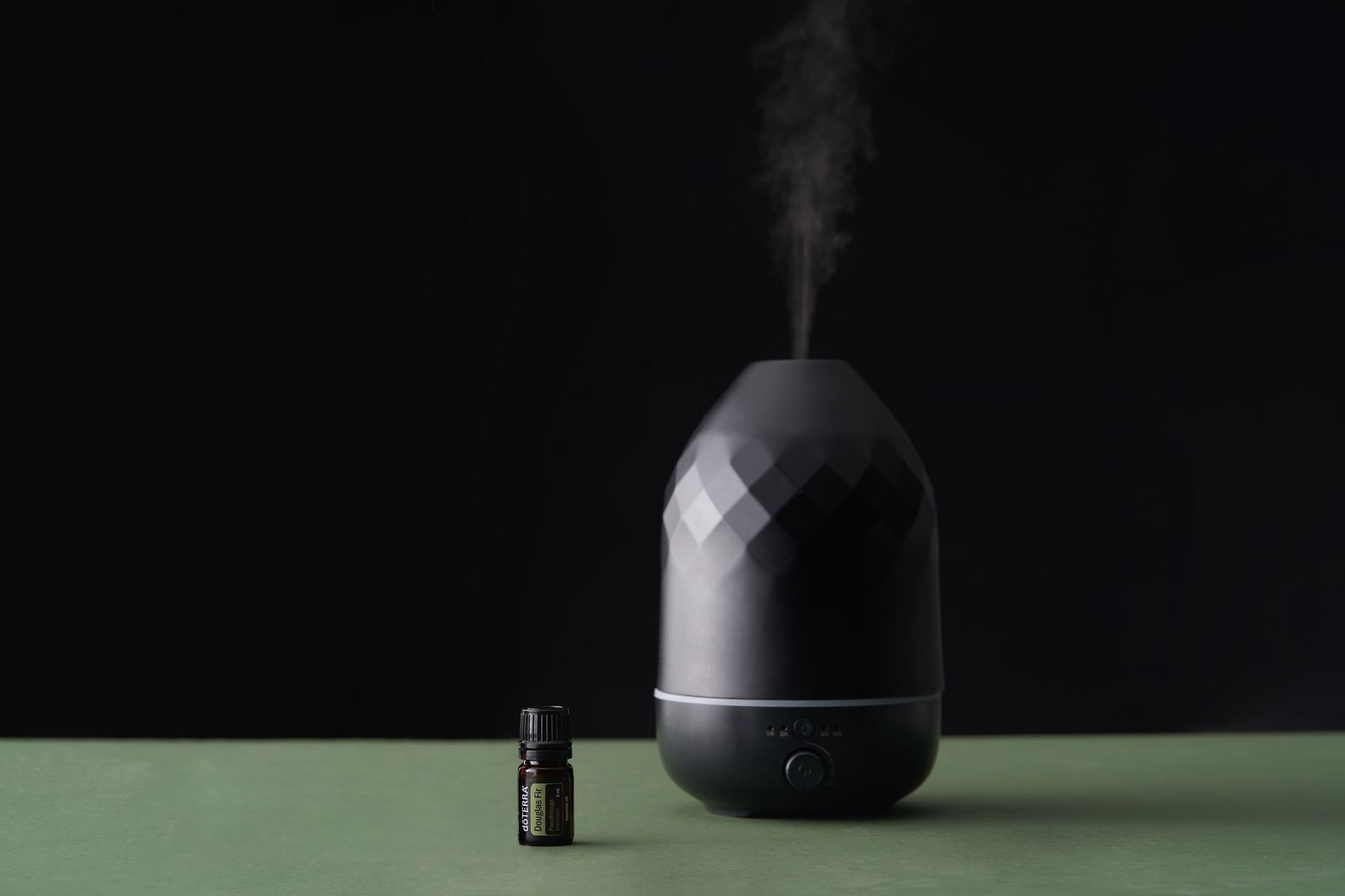
Choose a diffuser that uses ultrasonic or cool‑mist technology; avoid heat‑based diffusers that can alter oil chemistry.
Place the diffuser in a well‑ventilated room, ideally with windows open or a fan circulating air.
Start with 2‑3 drops of a pregnancy‑safe oil in the water reservoir; increase to no more than 5 drops if tolerated.
Run the diffuser for 30‑45 minutes, then allow a 15‑minute “off” period before restarting if needed.
Never diffuse in the infant’s sleeping area unless you have confirmed the oil is safe for both mother and baby.
Always keep the essential oil bottle out of reach of children and store it in a cool, dark place to preserve potency.
Safer alternatives
Ginger tea – a well‑studied, pregnancy‑approved remedy for nausea.
Vitamin B6 (pyridoxine) – reduces morning sickness in up to 70 % of cases.
Hydrosols (e.g., rose water) – contain a fraction of the essential oil’s compounds, making them milder.
Fresh citrus slices – provide a light scent without concentrated oils.
Chamomile tea – gentle calming effect without hormonal activity.
Pregnancy‑safe massage with a carrier‑only blend – the tactile sensation alone can be soothing.
Essential oil deep dives
Lavender essential oil (Lavandula angustifolia)
Lavender is one of the most studied aromatherapy oils. Its primary constituents—linalool and linalyl acetate—have calming, anti‑anxiety, and mild analgesic effects. ACOG cites lavender as “low‑risk” for inhalation and topical use when diluted to 0.5‑1 %.
For nausea, a few drops diffused in the bedroom or inhaled from a cotton ball can be effective. Topically, a 1 % lavender blend in a carrier oil can be massaged onto the shoulders or feet for relaxation. Avoid applying directly to the abdomen during the first trimester.
Sweet orange essential oil (Citrus sinensis)
Sweet orange delivers a bright, uplifting scent rich in limonene. It is considered safe for pregnant women when used in low concentrations. The NHS notes that citrus oils are non‑uterotonic and can help improve mood, especially in the third trimester.
Diffusing 2‑3 drops in a 100‑ml water reservoir for up to 45 minutes can lift spirits. For topical use, keep the dilution at 0.5 % and apply to the wrists or behind the ears. Remember to avoid sun exposure for at least 30 minutes after topical application due to mild phototoxic potential.
Lemon essential oil (Citrus limon)
Lemon oil shares many properties with sweet orange, with a higher concentration of limonene and citral. It is generally safe but more phototoxic, meaning it can increase skin sensitivity to UV light.
Use lemon oil primarily for diffusion—2 drops in a diffuser can freshen the air and reduce nausea. If you apply it topically (e.g., a 0.5 % blend on the soles of the feet), stay out of direct sunlight for several hours afterward.
Geranium essential oil (Pelargonium graveolens)
Geranium oil contains citronellol and geraniol, which have mild hormonal‑balancing properties. While some studies suggest it can influence estrogen receptors, the effect is negligible at low dilution levels. ACOG lists geranium as pregnancy‑compatible when used at 0.5‑1 %.
It works well in calming blends for bedtime. Diffuse 2‑3 drops or add a few drops to a carrier oil for a gentle foot massage. It’s also a good option for skin‑sensitive individuals because it is less likely to cause irritation.
Ylang‑ylang essential oil (Cananga odorata)
Ylang‑ylang is prized for its exotic floral scent and its ability to lower heart rate and blood pressure. The oil is safe for pregnant users when diluted to 0.5‑1 % and used sparingly because its strong aroma can be overwhelming.
A single drop in a diffuser mixed with lavender can create a calming ambiance. For topical use, limit to 1 drop per 30 ml of carrier oil and apply to the temples or wrists.
Rose essential oil (Rosa damascena)
Rose oil is gentle, hypoallergenic, and rich in antioxidants. It is often recommended for pregnant skin because of its soothing properties. The NHS specifically lists rose as “safe for topical use in pregnancy” when diluted.
Use a 1 % dilution for a soothing massage blend or add 2‑3 drops to a diffuser for a calming scent. Rose oil also pairs well with lavender for nighttime relaxation.
Frankincense essential oil (Boswellia carterii)
Frankincense has a grounding, woody aroma and contains boswellic acids that may support immune health. It is considered low‑risk for pregnant women, especially when diffused. ACOG notes that frankincense can be used during labor for relaxation, provided it is properly diluted.
Diffusing 2 drops in a room before bedtime can promote a sense of calm. For topical use, keep the dilution at 0.5‑1 % and apply to the shoulders or lower back for a soothing effect.
Myth vs. fact
Myth: All essential oils are safe because they’re “natural.”
Fact: “Natural” does not equal “risk‑free.” Some oils, such as clary sage and rosemary, can stimulate uterine activity and are best avoided during pregnancy (ACOG).
Myth: Ingesting a few drops of essential oil can boost health during pregnancy.
Fact: Ingestion is not recommended for any essential oil during pregnancy unless prescribed by a qualified health professional; the FDA does not approve internal use for pregnant individuals.
Myth: If a single drop causes no immediate reaction, the oil is safe.
Fact: Cumulative exposure matters. Even low‑dose oils can cause sensitization over time, so adhere to recommended daily limits and dilution ratios.
Key takeaways
Lavender, sweet orange, lemon, geranium, ylang‑ylang, rose, and frankincense are generally safe when diluted to 0.5‑1 %.
Limit total essential‑oil exposure to ≤ 10 drops per day across all methods.
Avoid clary sage, rosemary, wintergreen, jasmine, camphor, eucalyptus, and oregano during pregnancy.
Use a diffuser in a well‑ventilated space for no more than 30‑45 minutes at a time.
Choose brands that carry a “pregnancy‑safe” label and verify COA documentation.
If you experience skin irritation, headaches, or uterine cramping, stop use and contact your provider.
Frequently asked questions
Can I use lavender oil while pregnant?
Yes—lavender oil is considered low‑risk for pregnant people when diluted to 0.5‑1 % and limited to 3 drops per day. It can be diffused or applied topically to the wrists or shoulders for relaxation.
Is peppermint oil safe during pregnancy?
Peppermint oil is generally safe for inhalation and topical use in low concentrations, but some clinicians advise caution in the first trimester because it may affect uterine tone; always dilute to 0.5 % and avoid applying near the abdomen.
What essential oil is best for relieving pregnancy nausea?
Lavender, sweet orange, and lemon are the top three oils supported by small studies and clinical anecdotes for reducing nausea when inhaled or diffused in modest amounts.
How many drops of essential oil are safe for a pregnant woman?
Keep total daily exposure to 10 drops or fewer across all methods (diffusion, topical, massage). For each individual oil, limit to 2‑3 drops per session and dilute to 0.5‑1 % in a carrier oil.
Are there any essential oils that are completely unsafe during pregnancy?
Yes—clary sage, rosemary, wintergreen, jasmine, camphor, eucalyptus, and oregano are widely advised against because they can stimulate uterine contractions or cause severe skin reactions.
Can I diffuse essential oils in the nursery during pregnancy?
Diffusing in the nursery is acceptable if you choose a pregnancy‑safe oil, keep the diffuser at a low setting (2‑3 drops), and ensure the room is well‑ventilated. Avoid strong or potentially irritating oils like eucalyptus or wintergreen.
Do essential oil blends pose a higher risk for pregnant women?
Blends can increase complexity because they contain multiple constituents; the safest approach is to use single‑oil blends or pregnancy‑labeled blends that have been tested for low‑risk concentrations.
Should I avoid citrus essential oils in the third trimester?
Citrus oils such as sweet orange and lemon are still safe in the third trimester when diluted appropriately, but be mindful of phototoxicity—avoid applying them to skin before sun exposure.
When to call your doctor
If you experience any of the following after using an essential oil, contact your obstetrician or midwife promptly:
Uterine cramping or contractions not associated with labor.
Severe headaches, dizziness, or visual disturbances.
Skin rash, blistering, or swelling at the application site.
Shortness of breath, wheezing, or asthma‑like symptoms.
Persistent nausea or vomiting that does not improve with standard remedies.
These symptoms may indicate a reaction or a more serious issue. Remember, this article provides general information and is not a substitute for personalized medical advice.
References
American College of Obstetricians and Gynecologists. “Use of Complementary and Alternative Medicine During Pregnancy.” ACOG Committee Opinion, 2020.
National Health Service (NHS). “Essential oils in pregnancy.” NHS website, updated 2022.
U.S. Food and Drug Administration (FDA). “Essential Oils: Safety and Regulation.” FDA Consumer Health Information, 2021.
Centers for Disease Control and Prevention (CDC). “Pregnancy and Complementary Health.” CDC Guidance, 2023.
World Health Organization (WHO). “Traditional Medicine and Pregnancy.” WHO Technical Report Series, 2019.
Journal of Alternative and Complementary Medicine. “A pilot study on lavender aromatherapy for nausea in pregnancy.” 2016.
Not sure about the label on What Essential Oils Are Safe During Pregnancy products?
Snap the ingredients list and SafeFilter checks every ingredient for your stage — only 3 free scans this month, then you're locked until reset. Unlimited from $7/mo or $50/yr.
When Shubhra Mishra was expecting her first child in 2016, she was overwhelmed by conflicting food advice — one site said yes, another said never. By the time her second baby arrived in 2019, she realized millions of mothers face the same confusion.
That sparked a five-year journey through clinical nutrition papers, cultural diets, and expert conversations — all leading to BumpBites: a calm, compassionate space where science meets everyday motherhood.
Her long-term vision is to build a global community ensuring safe, supported, and free deliveriesfor every mother — because no woman should face pregnancy alone or uninformed. 🌿
🌍 Stand with mothers, shape safer guidance
Join a small circle of experts who review BumpBites articles so expecting parents everywhere can decide with confidence.