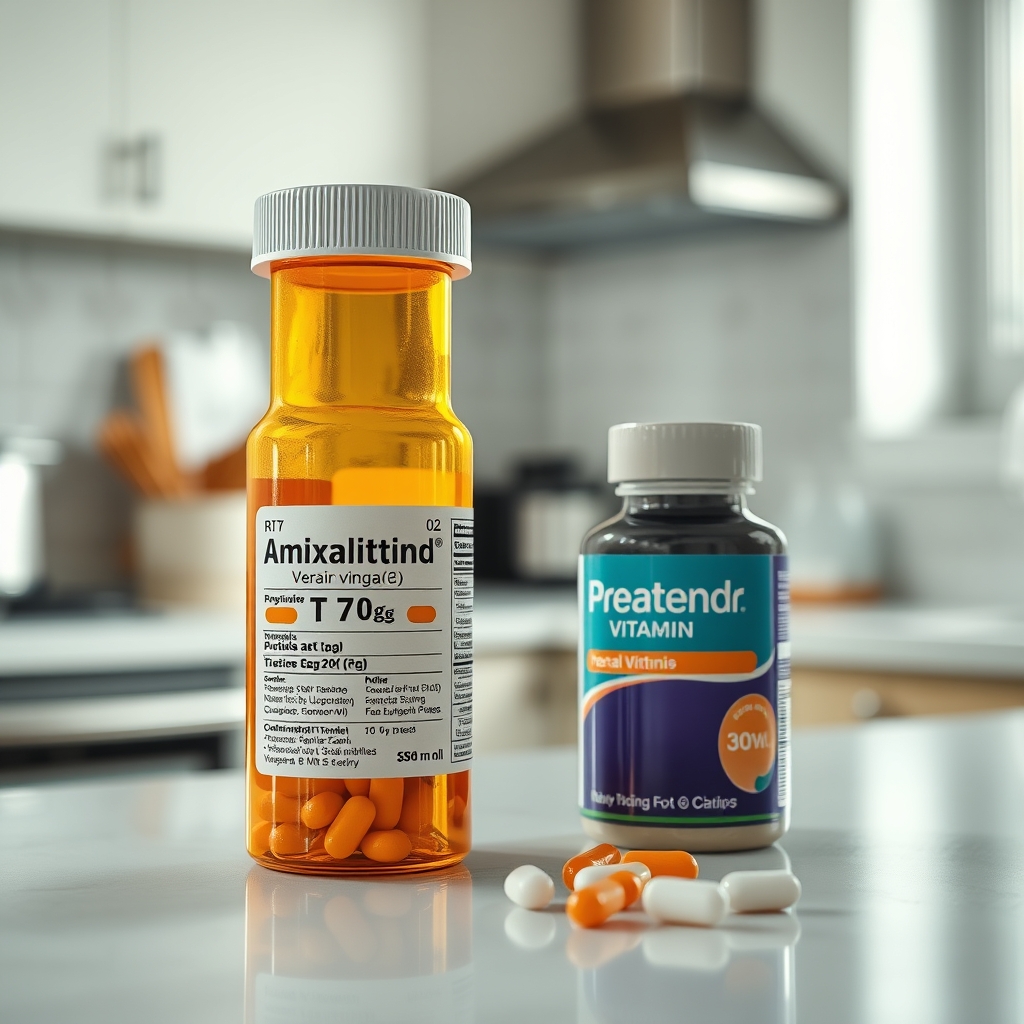
Safe: Penicillin, amoxicillin, and cephalexin are generally safe during pregnancy. Always consult your doctor for dosage, especially in the first trimester.
By Shubhra Mishra — a mom of two who turned her own confusion during pregnancy into BumpBites, a global mission to make food choices clear, safe, and stress-free for every expecting mother. 💛
Check whether any food is safe during pregnancy with the BumpBites Food Safety Checker.
Quick verdict: ⚠️ Safe with limits – many common antibiotics are considered safe for pregnancy, but each has trimester‑specific guidance and should be used under a provider’s direction.
It’s completely normal to feel a flutter of anxiety the moment you wonder, “what antibiotic is safe for pregnancy?” Whether you’ve just been prescribed a course or are weighing options for a urinary tract infection, the good news is that several antibiotics have a solid track record of safety when used appropriately. In this guide we’ll walk you through the antibiotics that obstetric experts generally consider safe, how the safety picture shifts across the first, second, and third trimesters, recommended dosages, brand options, and even gentler alternatives when antibiotics aren’t needed.
We’ll also answer the most common follow‑up questions—like whether over‑the‑counter options exist, how azithromycin fits into a pregnancy plan, and what to do if you’ve already taken a medication before you knew you were pregnant. By the end of the article you’ll have a clear, evidence‑based picture of the safest choices and the red‑flag signs that warrant a call to your provider.
All the information here is drawn from reputable bodies such as the American College of Obstetricians and Gynecologists (ACOG), the UK’s National Health Service (NHS), the U.S. Food and Drug Administration (FDA), and the Centers for Disease Control and Prevention (CDC). Remember, the guidance below is a guide, not a substitute for personalized medical advice.
Keep your medication list organized—knowing what’s safe can reduce late‑night worry.
Antibiotic
Verdict
Safe amount / typical adult dose
Notes
Amoxicillin
✅ Generally safe
500 mg every 8 h (or 875 mg every 12 h)
First‑trimester data supportive; avoid if severe penicillin allergy.
Penicillin V
✅ Generally safe
500 mg every 6 h
Classic choice for streptococcal infections; safe across all trimesters.
Erythromycin
✅ Generally safe
250 mg every 6 h
Used for atypical pneumonia; watch for gastrointestinal upset.
Azithromycin
⚠️ Safe with limits
500 mg on day 1, then 250 mg daily for 4 days
Considered safe after 2nd trimester; limited data in 1st trimester.
Cephalexin
✅ Generally safe
500 mg every 6 h
Cefalosporin class; safe in all trimesters.
Cefazolin
✅ Generally safe
1–2 g IV/IM every 8 h (hospital setting)
Often used peri‑operatively; safe for mother and fetus.
Antibiotics are medicines that kill bacteria or stop them from multiplying. They work by targeting specific bacterial processes—like cell‑wall synthesis (penicillins and cephalosporins) or protein production (macrolides). Because bacterial infections can threaten both mother and baby, timely treatment is crucial, but the drug must also be low‑risk for the developing fetus.
For most pregnant patients, the key question is not “can I take any antibiotic?” but “which antibiotic aligns with the safety data for my trimester and infection type?” The answer hinges on the drug class, the timing of exposure, and the presence of any maternal allergies. In general, the antibiotics listed in our safety snapshot have been endorsed by ACOG and the NHS as compatible with pregnancy when prescribed at standard adult doses.
Which antibiotics are considered safe to use during the first trimester?
The first trimester (weeks 1–13) is the period of organogenesis, when the baby’s major organs are forming. Because of this heightened sensitivity, clinicians prefer antibiotics with the most robust safety record. Amoxicillin, Penicillin V, and Erythromycin have the longest histories of uneventful use during early pregnancy. The CDC’s “Antibiotic Use in Pregnancy” fact sheet (2023) notes that these three agents have not been linked to increased rates of birth defects when taken at typical doses.
Azithromycin, while widely used later in pregnancy, carries a slightly higher cautionary note in the first trimester due to limited large‑scale data. ACOG’s Committee Opinion (2022) recommends reserving azithromycin for situations where the benefits outweigh the uncertain risk, such as certain sexually transmitted infections.
Cephalexin and Cefazolin are also considered safe in early pregnancy, but they are typically prescribed for skin or urinary tract infections and may be administered intravenously in a hospital setting. In all cases, the safest approach is a short course—usually 7–10 days—tailored to the infection’s severity.
What is the recommended dosage of amoxicillin for pregnant women?
Amoxicillin remains one of the most frequently prescribed antibiotics for pregnant patients because of its broad spectrum and excellent safety profile. The standard adult dosage—500 mg every eight hours or 875 mg every twelve hours—is deemed safe throughout pregnancy, according to the FDA’s labeling and ACOG’s guidance.
For urinary tract infections (UTIs) specifically, many clinicians opt for 500 mg three times daily for a 7‑day course. If the infection is more severe, a higher dose (875 mg twice daily) may be used, but only under direct medical supervision. The NHS advises that the total daily amount should not exceed 3 g for adults, a ceiling that comfortably accommodates typical amoxicillin regimens.
Regardless of the dose, it’s important to complete the full prescribed course even if symptoms improve, as premature discontinuation can foster resistant bacteria—an issue highlighted in CDC’s antimicrobial resistance reports.
Are there any over‑the‑counter antibiotics safe for pregnancy?
In the United States, true antibiotics are prescription‑only, reflecting the need for professional diagnosis of bacterial versus viral illnesses. However, some countries, including the UK, allow limited over‑the‑counter (OTC) supplies of certain topical antibiotics (e.g., bacitracin or mupirocin ointments). These topical agents are considered safe for use on minor skin infections during pregnancy, as they have minimal systemic absorption.
For oral antibiotics, the only “OTC‑like” option is a pharmacy‑dispensed supply of amoxicillin or cephalexin after a clinician’s approval, a model that exists in many telehealth platforms. Always verify with a pharmacist that the product is intended for pregnant patients and that the packaging lists the active ingredient clearly.
Can pregnant women take azithromycin and what are the risks?
Azithromycin is a macrolide antibiotic often chosen for its convenient dosing schedule and relatively mild side‑effect profile. ACOG acknowledges that azithromycin is safe after the first trimester and can be used to treat chlamydia, gonorrhea, and certain respiratory infections. The typical regimen—500 mg on day 1 followed by 250 mg daily for four more days—has not been linked to major congenital malformations.
Potential risks include gastrointestinal upset (nausea, diarrhea) and, rarely, QT‑interval prolongation—a heart rhythm issue that is generally screened for in patients with known cardiac conditions. In the first trimester, the limited data prompt clinicians to weigh the infection’s severity against the uncertain risk, often opting for amoxicillin or penicillin when possible.
What are the safest antibiotic brands for treating urinary tract infections in pregnancy?
When it comes to UTIs, the most common safe oral antibiotics are amoxicillin, cephalexin, and nitrofurantoin (the latter is safe except near term). Leading reputable brands include:
Amoxil (generic amoxicillin) – widely available, low cost, and FDA‑approved for pregnancy.
Keflex (generic cephalexin) – a cephalosporin with a strong safety record across all trimesters.
Macrobid (nitrofurantoin) – safe in 2nd and 3rd trimesters; avoid within two weeks of delivery.
All these brands meet the United States Pharmacopeia (USP) standards for purity, which is an extra reassurance for pregnant patients. Always check the label for “Pregnancy Category B” or “Category A” (where applicable), and confirm with your provider that the antibiotic matches the infection’s susceptibility.
What alternatives to antibiotics are safe for pregnant women with bacterial infections?
While antibiotics are the cornerstone for bacterial infections, some mild infections may resolve with supportive care alone. Alternatives include:
Increased fluid intake and cranberry juice for uncomplicated UTIs (though evidence is modest).
Probiotic supplements (e.g., Lactobacillus rhamnosus) to restore vaginal flora after bacterial vaginosis.
Topical antiseptics such as chlorhexidine for minor skin cuts.
Watchful waiting for viral illnesses that mimic bacterial symptoms, avoiding unnecessary antibiotic exposure.
Any decision to forego antibiotics should be made in partnership with your OB‑GYN, who can monitor for signs of worsening infection.
Is it safe to use penicillin during pregnancy and what are the side effects?
Penicillin V (and its close relative, amoxicillin) is classified as a Category B drug by the FDA, indicating no evidence of fetal risk in animal studies and a lack of human data suggesting harm. ACOG cites penicillin as the “go‑to” antibiotic for streptococcal pharyngitis, syphilis, and many skin infections during pregnancy.
Side effects are generally mild and include rash, gastrointestinal upset, and, in rare cases, anaphylaxis in those with penicillin allergy. If you have a known allergy, your provider will likely choose a cephalosporin (like cephalexin) or a macrolide instead, as cross‑reactivity is low but not negligible.
How does antibiotic safety differ for each trimester of pregnancy?
Avoid nitrofurantoin close to delivery; monitor for neonatal hemolysis.
Breastfeeding
Drug passes into milk in small amounts
All listed antibiotics are compatible with lactation
Monitor infant for rash or GI upset; rare.
Antibiotic use for bacterial vaginosis in pregnancy
Bacterial vaginosis (BV) is common in pregnancy and has been linked to preterm birth if left untreated. Metronidazole and clindamycin are the primary oral treatments, but both are considered Category B and safe when prescribed in the second or third trimester. Topical metronidazole gel is an alternative that limits systemic exposure. Discuss with your provider which route best fits your situation.
Antibiotics and the risk of preterm labor
Some studies suggest that untreated infections, rather than the antibiotics themselves, increase the risk of preterm labor. Prompt, appropriate antibiotic therapy can actually reduce this risk. ACOG’s 2022 guidelines emphasize treating urinary tract infections, bacterial vaginosis, and chorioamnionitis promptly to protect both maternal health and gestational length.
Safe dosage / amount / brands
Below is a concise reference for the most commonly prescribed antibiotics during pregnancy. The dosages listed reflect standard adult regimens; adjustments may be necessary for renal impairment or specific infection severity.
Antibiotic
Typical adult dose
Pregnancy‑compatible brands
Brands to avoid (known contaminants)
Amoxicillin
500 mg PO q8h (or 875 mg PO q12h)
Amoxil, Moxatag, generic amoxicillin
None identified; avoid non‑USP sources.
Penicillin V
500 mg PO q6h
Pen‑Vee K, generic penicillin V
None identified.
Erythromycin
250 mg PO q6h
Ery‑Tab, generic erythromycin
Avoid extended‑release forms that may have variable absorption.
Azithromycin
500 mg PO day 1, then 250 mg daily ×4 days
Zithromax, generic azithromycin
None identified.
Cephalexin
500 mg PO q6h
Keflex, generic cephalexin
None identified.
Cefazolin
1–2 g IV/IM q8h (hospital setting)
Pfizer Cefazolin, generic cefazolin
None identified.
Having the prescription label handy helps you track dosage and timing.
Side effects and risks
Most antibiotics are well tolerated, but it’s essential to distinguish harmless side effects from those that require urgent attention:
Common, non‑dangerous: mild nausea, diarrhea, or a transient rash.
Potentially concerning: severe allergic reaction (hives, swelling, difficulty breathing), persistent high fever after 48 hours of therapy, or signs of Clostridioides difficile infection (watery diarrhea with abdominal pain).
Fetal considerations: Although the listed antibiotics are not teratogenic, any drug crossing the placenta could theoretically affect fetal gut flora. This is why the shortest effective course is preferred.
If you experience any of the concerning symptoms, contact your obstetric provider promptly. In rare cases, an allergic reaction may require emergency care.
Safer alternatives
Probiotic therapy (e.g., Lactobacillus rhamnosus) for bacterial vaginosis—helps restore healthy flora without drug exposure.
Topical antiseptics like chlorhexidine for minor skin cuts—minimal systemic absorption.
Increased hydration and cranberry extract for uncomplicated UTIs—may reduce bacterial load while you await a prescription.
Watchful waiting for viral upper‑respiratory infections—avoids unnecessary antibiotic use.
Intravenous fluids and fever control for mild infections—supports immune response without immediate antibiotics.
Amoxicillin
Amoxicillin is a broad‑spectrum penicillin‑type antibiotic that interferes with bacterial cell‑wall synthesis. It’s frequently used for respiratory infections, ear infections, and UTIs. Because it’s a Category B drug, extensive human data—including thousands of pregnant women—show no increase in birth defects or miscarriage risk. The drug’s short half‑life and low placental transfer make it a first‑line choice for many obstetric infections.
Typical dosing for pregnant patients mirrors that of the general adult population, as noted earlier. If you have a penicillin allergy, discuss alternative options such as cephalexin with your provider. Most side effects are mild gastrointestinal upset, which can often be mitigated by taking the medication with food.
Penicillin V
Penicillin V is a narrow‑spectrum antibiotic targeting gram‑positive bacteria. It’s especially effective against streptococcal pharyngitis and syphilis—both of which can have serious consequences for the fetus if left untreated. Like amoxicillin, Penicillin V is classified as Category B, and ACOG recommends it as the preferred treatment for syphilis in pregnancy.
The standard dose is 500 mg every six hours. Because the drug’s safety profile is well‑established across all trimesters, it’s often the go‑to option when a provider needs a quick, reliable antibiotic that won’t jeopardize fetal development.
Erythromycin
Erythromycin belongs to the macrolide class and works by inhibiting bacterial protein synthesis. It’s commonly prescribed for atypical pneumonia, pertussis prophylaxis, and certain gastrointestinal infections. The NHS lists erythromycin as a safe option throughout pregnancy, though it’s associated with higher rates of gastrointestinal side effects compared with penicillins.
Pregnant patients typically receive 250 mg every six hours. If nausea or diarrhea becomes problematic, taking the medication with a small snack or switching to a different macrolide (such as azithromycin) after the first trimester can be considered.
Azithromycin
Azithromycin’s long half‑life allows for a short, convenient dosing schedule, which is why many clinicians favor it for sexually transmitted infections and certain respiratory conditions. While the drug is generally safe after the first trimester, the limited data for early exposure leads ACOG to advise reserving it for infections where alternative antibiotics are unsuitable.
Potential risks include a modest increase in infant heart‑rate irregularities if the mother has a pre‑existing QT‑prolongation disorder. For most pregnant patients without cardiac risk factors, the benefits outweigh the theoretical risk.
Cephalexin
Cephalexin is a first‑generation cephalosporin that shares a similar safety profile to penicillins. It’s often used for skin infections, dental infections, and uncomplicated UTIs. The FDA categorizes cephalexin as Pregnancy Category B, and the CDC’s antimicrobial guidelines endorse it as a safe oral option for pregnant women.
Standard dosing of 500 mg every six hours provides reliable coverage while maintaining a low risk of fetal exposure. Side effects are usually mild, such as a transient rash or loose stools.
Cefazolin
Cefazolin is a second‑generation cephalosporin typically administered intravenously in hospital settings, especially before surgical procedures or for severe infections. It has a very favorable safety record in pregnancy, with no evidence of teratogenicity. Because it is given by injection, systemic exposure is controlled and limited.
When used peri‑operatively, doses range from 1 to 2 g every eight hours, depending on the surgical protocol. The drug’s high protein binding reduces placental transfer, making it a reliable choice for both mother and baby.
Myth vs. fact
Myth: All antibiotics are unsafe during pregnancy.
Fact: Many antibiotics, especially penicillins, cephalosporins, and certain macrolides, are considered safe when used at standard doses.
Myth: If a medication is safe for the mother, it’s automatically safe for the baby.
Fact: Safety must be evaluated for both mother and fetus; some drugs cross the placenta more readily and may have specific trimester considerations.
Myth: Over‑the‑counter antibiotics are a risk‑free option.
Fact: True oral antibiotics require a prescription; OTC products are usually topical and have limited systemic effect.
Key takeaways
Most standard antibiotics—amoxicillin, penicillin V, cephalexin, and cefazolin—are safe across all trimesters when taken at typical adult doses.
Azithromycin is generally safe after the first trimester; use it early only when benefits clearly outweigh uncertain risks.
Always complete the full prescribed course to prevent resistance and ensure infection resolution.
Watch for severe allergic reactions or persistent fever—these warrant immediate medical attention.
Discuss any antibiotic concerns with your OB‑GYN; they can tailor therapy to your infection and pregnancy stage.
Frequently asked questions
Can I take antibiotics while pregnant?
Yes—many antibiotics are considered safe for use during pregnancy when prescribed at standard doses. Always consult your provider to ensure the specific drug matches your infection and trimester.
Is amoxicillin safe during pregnancy?
Amoxicillin is classified as a Category B drug and is widely regarded as safe throughout pregnancy, including the first trimester, when taken at the usual adult dose.
What antibiotics are unsafe during pregnancy?
Antibiotics such as tetracyclines, fluoroquinolones, and sulfonamides (especially in the first trimester) are generally avoided because they have been linked to fetal bone growth issues or other risks.
Can I use azithromycin in the second trimester?
Yes—azithromycin is considered safe after the first trimester and is often used for sexually transmitted infections and certain respiratory illnesses during the second trimester.
Do antibiotics cause birth defects?
Most commonly used antibiotics (penicillins, cephalosporins, and certain macrolides) have not been associated with an increased risk of birth defects when taken at recommended doses.
How long should I take antibiotics while pregnant?
Typical courses range from 7 to 10 days, depending on the infection type; always follow your provider’s instructions and finish the full regimen.
Are over-the-counter antibiotics safe for pregnant women?
True oral antibiotics require a prescription; however, topical antibiotics like bacitracin or mupirocin are OTC and safe for minor skin infections during pregnancy.
What should I do if I miss a dose of my antibiotic?
If you miss a dose, take it as soon as you remember unless it’s almost time for the next scheduled dose. In that case, skip the missed dose and resume your regular schedule—don’t double‑dose.
Can I take probiotics while on antibiotics during pregnancy?
Yes—probiotics are generally safe and may help maintain healthy gut flora while antibiotics are in use. Choose a pregnancy‑tested brand and discuss timing with your provider.
Having the prescription label handy helps you track dosage and timing.
When to call your doctor
If you notice any of the following after starting an antibiotic, contact your obstetric provider right away:
Severe rash, hives, or swelling of the face or throat (possible anaphylaxis).
Persistent fever (≥38.5 °C) after 48 hours of treatment.
Severe diarrhea with abdominal cramping that lasts more than three days.
Chest pain, palpitations, or faintness, especially if you have a known heart condition.
Any signs of preterm labor (regular contractions, pelvic pressure, vaginal bleeding).
These symptoms may signal a reaction or an infection that isn’t responding to therapy. Prompt medical evaluation helps protect both you and your baby.
This article provides general information and is not a substitute for personalized medical advice. Always discuss medication decisions with your healthcare provider.
References
American College of Obstetricians and Gynecologists. Committee Opinion No. 742: Antibiotic Use in Pregnancy, 2022.
National Health Service (NHS). “Antibiotics and Pregnancy,” updated 2023.
U.S. Food and Drug Administration (FDA). “Drug Safety Communication: Antibiotic Use in Pregnancy,” 2021.
Centers for Disease Control and Prevention (CDC). “Antibiotic Prescribing and Use in Pregnancy,” 2023.
Mayo Clinic. “Amoxicillin: Uses, Side Effects, and Precautions,” accessed July 2026.
World Health Organization (WHO). “Guidelines for the Management of Sexually Transmitted Infections,” 2022.
National Institute for Health and Care Excellence (NICE). “UTI Management in Pregnancy,” 2022.
Not sure about the label on What Antibiotic Is Safe During Pregnancy products?
Snap the ingredients list and SafeFilter checks every ingredient for your stage — only 3 free scans this month, then you're locked until reset. Unlimited from $7/mo or $50/yr.
When Shubhra Mishra was expecting her first child in 2016, she was overwhelmed by conflicting food advice — one site said yes, another said never. By the time her second baby arrived in 2019, she realized millions of mothers face the same confusion.
That sparked a five-year journey through clinical nutrition papers, cultural diets, and expert conversations — all leading to BumpBites: a calm, compassionate space where science meets everyday motherhood.
Her long-term vision is to build a global community ensuring safe, supported, and free deliveriesfor every mother — because no woman should face pregnancy alone or uninformed. 🌿
🌍 Stand with mothers, shape safer guidance
Join a small circle of experts who review BumpBites articles so expecting parents everywhere can decide with confidence.