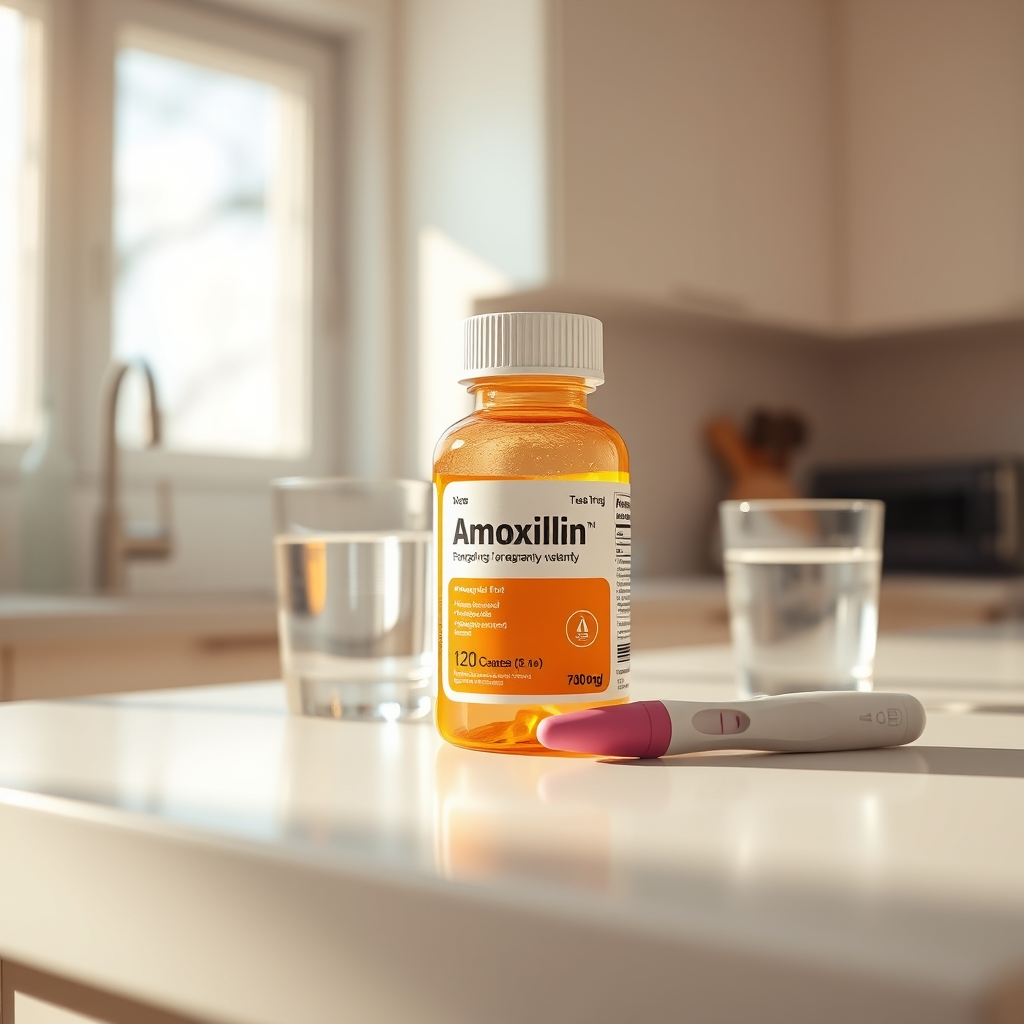
Safe: Penicillin, amoxicillin, and cephalexin are generally safe during pregnancy. Dosage and trimester matter—always consult your doctor before use.
By Shubhra Mishra — a mom of two who turned her own confusion during pregnancy into BumpBites, a global mission to make food choices clear, safe, and stress-free for every expecting mother. 💛
Check whether any food is safe during pregnancy with the BumpBites Food Safety Checker.
Quick verdict: ✅ Most short‑course, FDA‑approved antibiotics such as amoxicillin, erythromycin, cephalexin, azithromycin, penicillin V, and clindamycin are considered safe for pregnancy when prescribed at the appropriate dose. Talk to your provider if you’re unsure or have a complex infection.
It’s common to feel a sudden rush of worry when you discover you’re pregnant and need an antibiotic. You might be scrolling at 2 a.m., staring at the pharmacy aisle, and wondering, “what antibiotics are safe for pregnancy?” The good news is that, for most bacterial infections, there are well‑studied options that obstetricians and midwives routinely prescribe without fear of harming your baby.
In this complete safety guide we’ll walk through the antibiotics that are generally regarded as low‑risk, explain how safety changes across the three trimesters, and give you clear dosage numbers you can discuss with your provider. We’ll also cover what to avoid, which over‑the‑counter (OTC) products are actually prescription‑only, and natural alternatives that can support your immune system when a mild infection isn’t serious enough to need a prescription.
Whether you’ve already taken a dose before you knew you were pregnant, or you’re about to start a new course, you’ll find the evidence‑based answers you need. We’ll reference guidance from the American College of Obstetricians and Gynecologists (ACOG), the UK’s National Health Service (NHS), the U.S. Food and Drug Administration (FDA), and the Centers for Disease Control and Prevention (CDC) so you can feel confident in the information you’re reading.
Keep a short‑course antibiotic and a glass of water handy—most safe options are taken with food or water to reduce stomach upset.
Antibiotic (generic)
Safety verdict
Typical safe dose (adult)
Notes for pregnancy
Amoxicillin
✅ Generally safe
500 mg every 8 h (or 875 mg every 12 h)
First‑trimester data show no increase in birth defects; use for UTIs, ear infections, and respiratory infections.
Erythromycin
✅ Generally safe
250 mg every 6 h
Often chosen for patients allergic to penicillins; safe for gastric ulcer prophylaxis.
Cephalexin
✅ Generally safe
500 mg every 6 h
Cephalosporins have a safety record similar to penicillins; good for skin and soft‑tissue infections.
Azithromycin
✅ Generally safe
500 mg on day 1, then 250 mg daily days 2‑5
Used for chlamydia and certain respiratory infections; limited data but no teratogenic signal.
Penicillin V
✅ Generally safe
250‑500 mg every 6 h
Classic first‑line for streptococcal pharyngitis; safe throughout pregnancy.
Clindamycin
✅ Generally safe
300 mg every 6 h
Reserved for anaerobic infections; safe but monitor for possible C. difficile colitis.
What are antibiotics?
Antibiotics are medicines that kill bacteria or stop them from multiplying. They work by targeting structures that are unique to bacteria—such as the cell wall, protein synthesis machinery, or DNA replication enzymes—so they generally do not affect human cells. Because bacterial infections can spread quickly and cause complications for both mother and baby, clinicians often prescribe antibiotics when a pregnant person has a confirmed bacterial infection.
There are several classes of antibiotics, each with its own spectrum of activity. The most common classes used in pregnancy are penicillins (e.g., amoxicillin, penicillin V), macrolides (e.g., erythromycin, azithromycin), cephalosporins (e.g., cephalexin), and lincosamides (e.g., clindamycin). The safety of each class is evaluated based on animal studies, human pregnancy registries, and large epidemiologic databases. When a drug is labeled “generally safe,” it means that no consistent pattern of birth defects or pregnancy complications has been identified at standard therapeutic doses.
Because antibiotics are a cornerstone of infection control, they are also a frequent source of anxiety for expectant parents. Understanding that most of the agents we prescribe have decades of safety data can help you feel more at ease when your provider recommends one.
Is it safe to take antibiotics during pregnancy?
Yes—most antibiotics that are commonly prescribed for routine infections are safe when taken at the recommended dose. The American College of Obstetricians and Gynecologists (ACOG) states that “penicillins, cephalosporins, and macrolides are considered first‑line agents for most infections in pregnancy” (ACOG Practice Bulletin No. 194, 2020). The UK’s NHS echoes this guidance, noting that amoxicillin, erythromycin, and cephalexin “have a long history of safe use in pregnancy.”
Safety concerns arise mainly with antibiotics that cross the placenta and have demonstrated teratogenic effects in animal studies, such as tetracyclines, fluoroquinolones, and sulfonamides (especially in the first trimester). The FDA categorizes many of these as Pregnancy Category D or X, meaning the potential risks outweigh benefits unless no alternatives exist. The CDC’s Antibiotic Stewardship Program also emphasizes using the narrowest‑spectrum agent possible to reduce unnecessary exposure.
In practice, the risk of an untreated bacterial infection (e.g., urinary tract infection leading to pyelonephritis) often outweighs the minimal theoretical risk from a well‑studied antibiotic. Your provider will weigh infection severity, gestational age, and any drug allergies before selecting a regimen. If you’re ever uncertain, a quick phone call to your obstetrician can provide personalized reassurance.
It’s also worth noting that many antibiotics have been studied in large pregnancy registries that include tens of thousands of mother‑baby pairs, providing a solid evidence base for their safety. This data gives clinicians confidence that the benefits of treating an infection outweigh any small, unproven risks.
Which antibiotics are safe to take during each trimester of pregnancy?
Across the three trimesters, the same core group of antibiotics—amoxicillin, erythromycin, cephalexin, azithromycin, penicillin V, and clindamycin—remains the go‑to choice for most infections. The primary differences lie in the amount of placental transfer and the specific concerns that arise as the fetus develops.
First trimester (weeks 1‑13)
The first trimester is the period of organogenesis, when the baby’s major organs form. While many antibiotics are still considered safe, clinicians prefer those with the most robust safety data. Amoxicillin, erythromycin, and penicillin V have extensive human data showing no increase in congenital anomalies. Cephalexin and azithromycin are also acceptable, though the data pool is slightly smaller.
Second trimester (weeks 14‑27)
During the second trimester, the placenta is fully functional, and most antibiotics cross it in low amounts. All six of the antibiotics listed in our safety snapshot remain low‑risk. This is often the “sweet spot” for treating infections that require longer courses, such as bacterial pneumonia or complicated UTIs.
Third trimester (weeks 28‑40)
In the third trimester, the main concern is the drug’s effect on labor and the newborn’s early adaptation. Cephalexin and clindamycin are frequently used for Group B Streptococcus prophylaxis at delivery because they do not cause fetal heart‑rate abnormalities. Amoxicillin and erythromycin continue to be safe, but clinicians monitor for possible neonatal jaundice with macrolides.
Breastfeeding
All six antibiotics are excreted into breast milk at low levels. The American Academy of Pediatrics (AAP) classifies amoxicillin, erythromycin, cephalexin, azithromycin, penicillin V, and clindamycin as “compatible with breastfeeding.” Mothers are generally advised to watch the infant for mild gastrointestinal upset, which is rare.
What is the recommended dosage of amoxicillin for pregnant women?
For most uncomplicated infections, the standard adult dosage of amoxicillin is 500 mg taken every eight hours, or 875 mg every twelve hours. This regimen provides a total daily dose of 1.5 g to 2.1 g, which ACOG notes is safe throughout pregnancy. For severe infections such as bacterial pneumonia, a higher dose of 1 g every eight hours may be prescribed, but only under close medical supervision.
Amoxicillin is available in both tablet and liquid form, making it easy to adjust the dose for nausea or vomiting—a common issue in early pregnancy. If you have a known penicillin allergy, discuss alternatives such as erythromycin or azithromycin with your provider.
When you reach the third trimester, some clinicians may slightly reduce the dosing interval to avoid potential gastrointestinal side effects that could affect your comfort during labor. However, the total daily amount remains within the safe range, and the medication continues to be a first‑line option.
Are there any over‑the‑counter antibiotics safe for pregnancy?
In the United States and United Kingdom, true antibiotics are prescription‑only because misuse can lead to resistance and harmful side effects. However, some OTC products contain low‑dose antibiotics that are technically “approved” for limited use, such as bacitracin ointment for minor skin cuts. These topical agents are considered safe for pregnant skin, but they do not treat systemic infections.
OTC combinations like “triple‑antibiotic” ointments (neomycin, bacitracin, polymyxin B) are also safe for external use but should not be ingested. For oral infections, always seek a prescription; self‑treating with OTC “antibacterial” lozenges (e.g., containing chlorhexidine) is generally safe but does not replace a proper antibiotic course.
Some OTC products marketed as “natural antibiotics” contain herbal extracts (e.g., oregano oil) that have modest in‑vitro activity. While they are unlikely to cause fetal harm, they also lack the potency needed to clear a true bacterial infection, so they should be used only as adjuncts, not as primary therapy.
What are the risks of using tetracycline during pregnancy?
Tetracycline antibiotics (including doxycycline and minocycline) are classified as FDA Category D. They bind to calcium in developing teeth and bone, leading to permanent discoloration of the baby’s teeth and potential growth suppression. The CDC advises avoiding tetracyclines throughout pregnancy, especially during the second and third trimesters when fetal bone mineralization is rapid.
Because tetracyclines are also known to cross the placenta, there is a theoretical risk of liver toxicity in the fetus. If a tetracycline‑type drug is the only effective treatment for a specific infection, a specialist may weigh the benefits versus risks, but most clinicians will select an alternative class.
When a clinician needs to treat an infection that is commonly managed with tetracyclines (e.g., certain rickettsial diseases), they may opt for a short‑course macrolide such as azithromycin, which has a far safer profile in pregnancy.
Can I use azithromycin as an alternative to penicillin during pregnancy?
Yes—azithromycin is a macrolide antibiotic that ACOG lists as a “reasonable alternative” when penicillin allergy is present. It has a long half‑life, allowing for a shorter course (typically five days). Studies have not shown an increased risk of birth defects, and the CDC includes azithromycin in its recommended regimens for chlamydial infections in pregnant patients.
One caveat: azithromycin can cause mild gastrointestinal upset and, rarely, QT‑prolongation (a heart rhythm issue). If you have a personal or family history of cardiac arrhythmias, discuss this with your provider before starting the medication.
Resistance patterns are also a consideration; in areas where macrolide‑resistant strains of certain bacteria are common, clinicians may prefer a penicillin if the patient can tolerate it, but azithromycin remains a solid fallback.
What brand‑name antibiotics are considered safe for pregnant patients?
Brand names are less important than the active generic ingredient, but many patients recognize them more easily. Below is a quick reference:
Brand name
Generic equivalent
Safety verdict
Typical indication in pregnancy
Augmentin
Amoxicillin + clavulanate
✅ Generally safe
Respiratory infections, sinusitis
Amoxil
Amoxicillin
✅ Generally safe
UTI, ear infection
Ery‑Tab
Erythromycin
✅ Generally safe
Penicillin allergy, gastric ulcer prophylaxis
Keflex
Cephalexin
✅ Generally safe
Skin infections, streptococcal pharyngitis
Zithromax
Azithromycin
✅ Generally safe
Chlamydia, atypical pneumonia
Pen‑V‑K
Penicillin V
✅ Generally safe
Strep throat, dental prophylaxis
Clindagel
Clindamycin
✅ Generally safe
Anaerobic infections, intra‑abdominal infections
Choosing a reputable brand can help ensure consistent potency and fewer inactive ingredients that might cause irritation. Nonetheless, the generic versions are chemically identical and equally safe, so you can feel comfortable selecting whichever is more affordable or accessible.
How do antibiotics affect pregnancy complications like gestational diabetes?
Current evidence does not show a direct causal link between standard antibiotic use and the development of gestational diabetes mellitus (GDM). ACOG’s guideline on GDM (2023) notes that antibiotics prescribed for infections do not alter glucose metabolism in a clinically meaningful way. However, infections themselves can raise stress hormones, which may transiently raise blood sugar levels. Treating the infection promptly with a safe antibiotic can actually help maintain stable glucose control.
Some studies suggest that broad‑spectrum antibiotics may modestly affect gut microbiota, which in turn could influence metabolic pathways. This is an area of ongoing research, but no specific antibiotic class has been singled out as a risk factor for GDM. If you have GDM, your provider will monitor blood sugar more closely while you’re on any medication.
Additionally, certain antibiotics such as metronidazole have been studied for use in bacterial vaginosis, a condition that can increase the risk of preterm birth—another complication that can intersect with glucose regulation. The balance of treating infection versus potential metabolic impact is always individualized.
What are safe antibiotic options for treating urinary tract infections in pregnancy?
UTIs are among the most common bacterial infections in pregnancy, and untreated infections can lead to preterm labor. The safest first‑line oral agents are amoxicillin, amoxicillin‑clavulanate, and cephalexin. If the pathogen is resistant, nitrofurantoin (often sold as Macrodantin) is acceptable except near term (≥ 38 weeks) because of a rare risk of hemolytic anemia in the newborn. Fosfomycin (single‑dose) is also considered safe by the CDC for uncomplicated UTIs.
In cases of recurrent UTIs, a prophylactic low‑dose regimen of nitrofurantoin (50‑100 mg nightly) may be prescribed, but only under obstetric supervision. Intravenous options such as cefazolin are reserved for severe infections or when oral therapy fails.
When prescribing, clinicians also consider renal function, which can change during pregnancy. Dosage adjustments are rarely needed for the antibiotics listed, but your provider may order a urine culture to confirm the organism’s susceptibility before finalizing the regimen.
Are there natural alternatives to antibiotics that are safe during pregnancy?
While natural remedies cannot replace antibiotics for bacterial infections, some supportive measures can boost immune function and may help prevent mild infections from escalating:
Probiotic‑rich foods (yogurt, kefir) – maintain healthy gut flora.
Vitamin C‑rich fruits (berries, citrus) – support white‑blood‑cell activity.
Honey (especially Manuka) – topical antibacterial for minor skin cuts.
Garlic and ginger – have modest antimicrobial properties and are safe in culinary amounts.
Proper hydration and rest – the simplest ways to help your body fight infection.
If you suspect an infection, it is still safest to consult your provider; delaying appropriate antibiotic therapy can increase risks for both you and your baby.
These natural options are best used as preventive measures or adjuncts, not as replacements for a prescribed course when a bacterial infection is confirmed. They can, however, reduce the frequency of minor ailments that might otherwise prompt unnecessary antibiotic use.
Adding probiotic foods to your diet can support a healthy microbiome while you’re on antibiotics.
Deep dives on top recommended options
Amoxicillin
Amoxicillin is a penicillin‑type antibiotic that interferes with bacterial cell‑wall synthesis. It is the most commonly prescribed antibiotic for pregnant patients because of its extensive safety record. According to the NHS, amoxicillin “has not been associated with an increased risk of birth defects” (NHS Medicines A‑Z). It is effective against many Gram‑positive and some Gram‑negative organisms, making it a versatile first‑line choice for UTIs, sinusitis, and otitis media.
Typical adult dosing is 500 mg every eight hours, but your provider may adjust the schedule based on infection severity. Amoxicillin is available in tablets, capsules, and a pediatric suspension, which is helpful if you experience nausea. Side effects are usually mild—diarrhea, rash, or a yeast infection—and can be managed with probiotics.
Because amoxicillin is excreted in breast milk in low concentrations, it is also compatible with breastfeeding, making it a convenient choice for the postpartum period.
Erythromycin
Erythromycin belongs to the macrolide class and works by inhibiting bacterial protein synthesis. It is especially useful for patients who are allergic to penicillins. The FDA classifies erythromycin as Category B, meaning animal studies have not shown a risk and there are no well‑controlled studies in pregnant women that demonstrate harm.
It is commonly prescribed for respiratory infections and for preventing Group B Streptococcus transmission during labor. The standard dose is 250 mg every six hours. Gastrointestinal upset is more common than with amoxicillin, so taking it with food can help.
When used in the third trimester, erythromycin’s potential to affect neonatal bilirubin metabolism is monitored, but most clinicians find it well tolerated.
Cephalexin
Cephalexin is a first‑generation cephalosporin that, like penicillins, disrupts bacterial cell‑wall formation. Its safety profile mirrors that of penicillins, and ACOG lists it as a “preferred option for skin and soft‑tissue infections.” The usual adult dose is 500 mg every six hours. It is well‑absorbed, has minimal drug‑interaction potential, and is considered safe throughout all trimesters.
Cephalexin is also frequently used for prophylaxis before dental procedures in pregnant patients, reducing the risk of bacterial endocarditis without harming the fetus.
Azithromycin
Azithromycin is a macrolide with a long half‑life, allowing for a short five‑day regimen. It is frequently used for chlamydia, atypical pneumonia, and certain gastrointestinal infections. The CDC’s “Sexually Transmitted Infections Treatment Guidelines” endorse azithromycin as the first‑line therapy for chlamydia in pregnancy. Standard dosing is 500 mg on day 1 followed by 250 mg on days 2‑5.
While generally safe, azithromycin can cause transient heart rhythm changes in susceptible individuals, so a brief cardiac history is useful before prescribing.
Penicillin V
Penicillin V (phenoxymethylpenicillin) is a narrow‑spectrum penicillin often used for streptococcal pharyngitis and dental prophylaxis. Its safety has been documented for decades, and the drug is listed as Category A by the FDA, indicating no evidence of risk in human studies. Dosing is 250‑500 mg every six hours, and it is usually well‑tolerated.
Because it has a short half‑life, Penicillin V is often dosed more frequently, which can be convenient for managing mild infections without lingering side effects.
Clindamycin
Clindamycin is a lincosamide antibiotic that inhibits bacterial protein synthesis. It is reserved for infections caused by anaerobic bacteria, such as intra‑abdominal or dental infections. The ACOG bulletin on “Antibiotic Use in Pregnancy” notes clindamycin as “acceptable when indicated.” The typical adult dose is 300 mg every six hours. The main concern is a higher risk of Clostridioides difficile colitis, so probiotic support is advisable.
Clindamycin also penetrates the placenta well, making it useful for treating intra‑uterine infections that could threaten the pregnancy.
Special considerations when taking antibiotics in pregnancy
Even the safest antibiotics can interact with other medications or supplements you may be taking, such as prenatal vitamins, iron, or calcium. These interactions can affect absorption or increase side‑effects, so it’s worth discussing your full medication list with your provider.
How antibiotics interact with prenatal vitamins
Some antibiotics, particularly tetracyclines (which we avoid) and quinolones, bind to calcium and magnesium, reducing their own absorption when taken with calcium‑rich prenatal vitamins. While the antibiotics we recommend are not affected to the same degree, taking them at least two hours apart from iron or calcium supplements can help ensure optimal effectiveness.
Antibiotics and prenatal testing
Most antibiotics do not interfere with routine prenatal screenings such as ultrasounds, cell‑free DNA testing, or glucose tolerance tests. However, certain antibiotics can cause mild hepatic enzyme changes that might slightly alter liver function test results. Your obstetrician will interpret any abnormal labs in the context of recent medication use.
Space antibiotics and prenatal vitamins apart to maximize absorption and minimize stomach upset.
Myth vs. fact
Myth: All antibiotics are risky for the baby.
Fact: Only specific classes—like tetracyclines, fluoroquinolones, and some sulfonamides—carry known risks. The majority, including amoxicillin and cephalexin, have a long safety record.
Myth: You can finish an antibiotic course early if you feel better.
Fact: Incomplete treatment can lead to resistant bacteria, which may cause a more severe infection later in pregnancy. Always complete the full prescribed course unless your provider tells you otherwise.
Myth: Over‑the‑counter “natural” antibiotics are just as effective as prescription ones.
Fact: “Natural” antimicrobial agents (e.g., honey, garlic) may help with mild symptoms but cannot replace a prescription antibiotic for a confirmed bacterial infection.
Key takeaways
Most short‑course, FDA‑approved antibiotics (amoxicillin, erythromycin, cephalexin, azithromycin, penicillin V, clindamycin) are safe throughout pregnancy.
First‑trimester safety is strongest for penicillins and macrolides; avoid tetracyclines and fluoroquinolones.
Standard adult doses—e.g., amoxicillin 500 mg every 8 h—are considered safe; always follow your provider’s instructions.
Watch for side effects like diarrhea, rash, or rare allergic reactions; contact your provider if you notice severe symptoms.
Natural remedies can support immunity but never replace a prescribed antibiotic for a bacterial infection.
If you have any doubt, especially after taking a medication before confirming pregnancy, call your obstetrician for reassurance.
Frequently asked questions
Is it safe to take antibiotics in the first trimester?
Yes—most penicillins (including amoxicillin), cephalosporins, and macrolides are considered safe in the first trimester when used at the recommended dose. Avoid tetracyclines, fluoroquinolones, and sulfonamides unless no alternative exists.
Can I take amoxicillin while pregnant?
Yes—amoxicillin is one of the most widely used antibiotics in pregnancy and is classified as FDA Category B, indicating no proven risk to the fetus at standard doses.
What antibiotics should be avoided during pregnancy?
Avoid tetracyclines (including doxycycline), fluoroquinolones (e.g., ciprofloxacin), and certain sulfonamides, especially in the first trimester, because they have been linked to tooth discoloration, bone growth issues, and rare birth defects.
How long should I stay on antibiotics while pregnant?
Complete the full course prescribed by your provider, usually 7–14 days for most infections. Stopping early can lead to resistant bacteria and a higher risk of complications.
Do antibiotics cause birth defects?
The antibiotics listed as safe (amoxicillin, erythromycin, cephalexin, azithromycin, penicillin V, clindamycin) have not been associated with an increased risk of birth defects when taken at therapeutic doses.
Can I use over‑the‑counter antibiotics during pregnancy?
True oral antibiotics are prescription‑only; OTC products are limited to topical agents like bacitracin. For any systemic infection, you need a prescription from your healthcare provider.
Are there any side effects of antibiotics for the baby?
Most safe antibiotics cross the placenta in low amounts and do not cause direct harm. Rarely, macrolides can cause mild neonatal jaundice, and clindamycin carries a small risk of C. difficile infection in the newborn if the mother develops it.
Which antibiotics are safe for treating UTIs in pregnancy?
First‑line options include amoxicillin, amoxicillin‑clavulanate, and cephalexin. Nitrofurantoin is acceptable except near term (≥ 38 weeks), and fosfomycin is a single‑dose alternative with a good safety record.
What should I do if I miss a dose of my antibiotic?
Take the missed dose as soon as you remember, unless it’s almost time for your next scheduled dose. In that case, skip the missed dose and resume your regular schedule—don’t double‑dose. If you’re unsure, call your provider for guidance.
Is it safe to take antibiotics while breastfeeding?
Yes—most of the antibiotics discussed (amoxicillin, erythromycin, cephalexin, azithromycin, penicillin V, clindamycin) are considered compatible with breastfeeding. Small amounts pass into breast milk, but they are generally well tolerated by infants. Monitor your baby for any unusual fussiness or diaper changes, and contact your pediatrician if concerns arise.
When to call your doctor
Contact your obstetrician or go to the nearest emergency department if you experience any of the following while taking
Not sure about the label on What Antibiotics Are Safe During Pregnancy products?
Snap the ingredients list and SafeFilter checks every ingredient for your stage — only 3 free scans this month, then you're locked until reset. Unlimited from $7/mo or $50/yr.
When Shubhra Mishra was expecting her first child in 2016, she was overwhelmed by conflicting food advice — one site said yes, another said never. By the time her second baby arrived in 2019, she realized millions of mothers face the same confusion.
That sparked a five-year journey through clinical nutrition papers, cultural diets, and expert conversations — all leading to BumpBites: a calm, compassionate space where science meets everyday motherhood.
Her long-term vision is to build a global community ensuring safe, supported, and free deliveriesfor every mother — because no woman should face pregnancy alone or uninformed. 🌿
🌍 Stand with mothers, shape safer guidance
Join a small circle of experts who review BumpBites articles so expecting parents everywhere can decide with confidence.