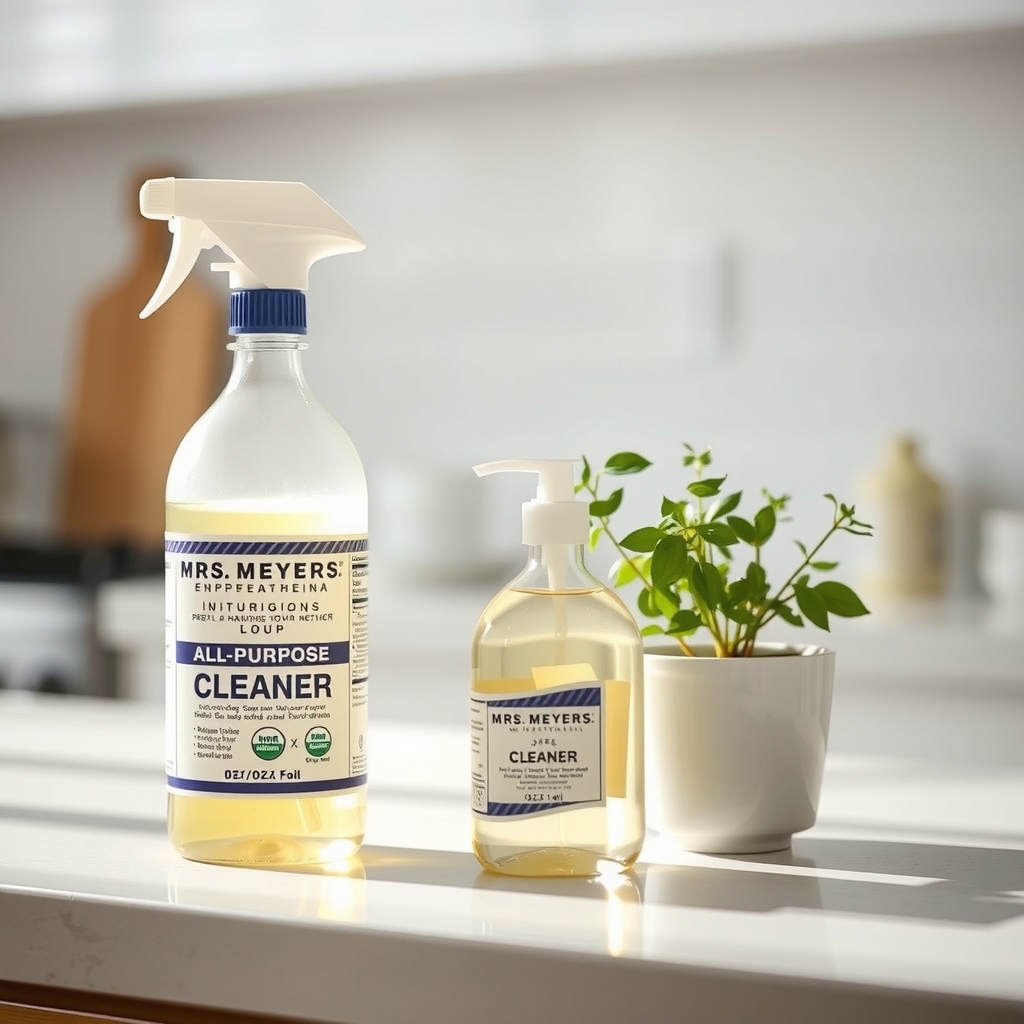
Conditional: Is Mrs. Meyer's safe during pregnancy? Most products are generally safe, but some essential oils warrant caution, especially in the first
By Shubhra Mishra — a mom of two who turned her own confusion during pregnancy into BumpBites, a global mission to make food choices clear, safe, and stress-free for every expecting mother. 💛
Check whether any food is safe during pregnancy with the BumpBites Food Safety Checker.
Quick verdict: ⚠️ Safe with limits. While Mrs. Meyers cleaning products are generally considered safer than conventional cleaners due to their plant-derived ingredients, it's wise to use them with good ventilation and mindfulness of their strong essential oil-based fragrances during pregnancy. Always prioritize minimal exposure and listen to your body for any sensitivities.
That familiar scent of lemon verbena or lavender from your Mrs. Meyers cleaner might usually bring a sense of freshness and cleanliness to your home. But now, as an expecting parent, every scent, every ingredient, and every product you use suddenly comes under intense scrutiny. You might be standing in the cleaning aisle, or perhaps you've just finished scrubbing the bathroom, and a wave of worry hits: is Mrs Meyers safe during pregnancy? It's a completely natural concern, especially when you're trying to create the safest environment for your growing baby.
At BumpBites, we understand this late-night Google search anxiety. The good news is that for most pregnant individuals, using Mrs. Meyers products occasionally and with proper precautions is unlikely to pose a significant risk. However, the "natural" label doesn't always mean "risk-free," and it's important to understand the nuances, particularly regarding strong fragrances and essential oils. We'll walk you through the current guidance, what to watch out for, and how to make informed choices for a clean and healthy home throughout your pregnancy journey.
Trimester/Stage
Verdict
Notes
First Trimester
⚠️ Use with caution
Strong scents and essential oils can exacerbate morning sickness and sensitivities. Ensure excellent ventilation. Avoid prolonged exposure.
Second Trimester
⚠️ Use with caution
Sensitivities may lessen, but good ventilation and avoiding direct contact remain important. Fetal development continues.
Third Trimester
⚠️ Use with caution
Maintain good ventilation to prevent respiratory irritation. Be mindful of bending and reaching during cleaning tasks.
While Breastfeeding
✅ Generally safe
Minimal systemic absorption from cleaning products. Continue good ventilation practices to avoid respiratory irritation for you and baby.
What are Mrs. Meyers Cleaning Products?
Mrs. Meyers Clean Day is a popular brand of household cleaning products known for its plant-derived ingredients and distinctive, garden-inspired scents. The company's philosophy centers on creating effective cleaners that are "thoughtfully formulated" with ingredients like essential oils, vegetable-derived cleaning agents, and other plant-based components. Their product line includes everything from all-purpose cleaners, dish soaps, and laundry detergents to hand soaps and scented candles.
Many consumers are drawn to Mrs. Meyers as an alternative to conventional cleaning products, which often contain harsher chemicals and synthetic fragrances. The brand emphasizes transparency about its ingredients, stating that their products are free from parabens, phthalates, animal-derived ingredients, and artificial colors. While often perceived as a "natural" option, it's important to remember that "plant-derived" doesn't automatically equate to "completely harmless," especially for sensitive populations like pregnant individuals. The key differentiator for Mrs. Meyers often lies in its use of essential oils to create its signature aromatic experience, which is where some pregnancy-related questions frequently arise.
Is Mrs. Meyers Cleaning Products Safe for Pregnant Women?
When asking is Mrs Meyers safe during pregnancy, the general consensus among health experts is that Mrs. Meyers cleaning products are typically considered safer than many conventional chemical cleaners, primarily due to their ingredient profile. However, it's not a blanket "safe" without caveats. The main considerations for pregnant individuals revolve around the products' strong fragrances, which are derived from essential oils, and the general principle of minimizing exposure to all chemicals during pregnancy.
Most cleaning product manufacturers, including Mrs. Meyers, do not conduct specific pregnancy safety testing. Therefore, guidance is based on the known properties of their ingredients and general recommendations for chemical exposure during gestation. The American College of Obstetricians and Gynecologists (ACOG) and other health organizations generally advise pregnant individuals to minimize exposure to harsh chemicals and strong fumes. Mrs. Meyers products, while less harsh than bleach or ammonia-based cleaners, still contain ingredients that can cause irritation, particularly in a poorly ventilated space.
The primary concern with Mrs. Meyers often stems from its essential oil content. While essential oils are "natural," they are potent plant extracts. In concentrated forms or with prolonged exposure, some essential oils are advised against during pregnancy. However, the amount of essential oils in cleaning products is typically very low and diluted, making systemic absorption and direct fetal harm highly unlikely through casual cleaning use. The more immediate concern is often respiratory irritation or exacerbation of pregnancy-related sensitivities, like nausea or headaches, due to strong scents. Therefore, when considering is Mrs Meyers safe during pregnancy, the answer is usually yes, but with a strong emphasis on proper ventilation and moderation.
Always ensure good ventilation when using any cleaning products, including Mrs. Meyers, especially during pregnancy.
Can I Use Mrs. Meyers in the First Trimester of Pregnancy?
First Trimester
The first trimester is a period of rapid organ development (organogenesis) for your baby, making it a time when many pregnant individuals are particularly cautious about exposures. For Mrs. Meyers products, the main concerns in the first trimester are heightened sensitivities and potential respiratory irritation rather than direct developmental harm. Many experience extreme sensitivities to smells during this time, and the strong essential oil-based fragrances in Mrs. Meyers can easily trigger or worsen morning sickness, nausea, or headaches. If you find the scents overwhelming, it's best to avoid them entirely or opt for fragrance-free alternatives.
If you choose to use Mrs. Meyers in your first trimester, ensure maximum ventilation by opening windows and doors. Keep cleaning sessions short, wear gloves to avoid skin contact, and consider having someone else handle the cleaning if the smells are bothersome. The goal is to minimize inhalation and skin exposure during this critical developmental window.
Second Trimester
As you move into the second trimester, many of the intense sensitivities and morning sickness symptoms of the first trimester may subside. This often makes cleaning tasks a bit more manageable. However, the general recommendations for safe cleaning practices still apply. Your baby is continuing to grow and develop, and minimizing exposure to chemicals remains a wise approach. While the risk of developmental harm from cleaning products like Mrs. Meyers is low, maintaining good habits is key.
Continue to prioritize excellent ventilation when using any Mrs. Meyers products. You might feel more comfortable with the scents now, but it's still best to avoid prolonged exposure. Wear gloves, and if you notice any return of sensitivities or discomfort, take a break or switch to a different product. Listen to your body; if something doesn't feel right, it's a signal to stop.
Third Trimester
In the third trimester, your body is preparing for birth, and physical comfort often becomes a primary consideration. While the risk to the baby from cleaning product exposure remains low, your own comfort and safety are paramount. Bending, reaching, and prolonged standing during cleaning can become more challenging and potentially lead to back pain or discomfort. The strong scents of Mrs. Meyers, even if tolerated earlier, could still cause respiratory irritation or trigger headaches, especially as your lungs have less space due to your growing uterus.
Good ventilation is still crucial. Consider breaking up cleaning tasks into shorter intervals or asking for help from family members. If you experience any dizziness, shortness of breath, or discomfort while cleaning, stop immediately and get fresh air. The focus in the third trimester is on maintaining a clean environment without overexerting yourself or exposing yourself to unnecessary irritants.
While Breastfeeding
Concerns about cleaning product safety often extend into the postpartum period, particularly for those who are breastfeeding. Fortunately, the systemic absorption of ingredients from cleaning products used in the home, like Mrs. Meyers, is generally very low. This means that the amount of chemicals that would enter your bloodstream and potentially transfer to breast milk is negligible and not considered a risk to a nursing infant.
The primary consideration while breastfeeding is similar to pregnancy: avoiding respiratory irritation for both you and your baby. Strong fumes from cleaning products can be irritating to a baby's developing lungs, so always ensure good ventilation. If you're cleaning while your baby is in the room, consider moving them to another area until the air has cleared. You can confidently continue to use Mrs. Meyers products while breastfeeding, as long as you maintain good ventilation and avoid direct contact with your baby's skin until surfaces are dry.
Safe Usage Practices for Mrs. Meyers During Pregnancy
While there isn't a specific "dosage" for cleaning products like Mrs. Meyers, there are clear guidelines for safe usage during pregnancy to minimize exposure and potential irritation:
Ensure Excellent Ventilation: This is the most crucial step. Open windows, turn on exhaust fans, and keep doors open to allow for plenty of fresh air circulation. This helps to disperse any fumes or strong essential oil scents, reducing inhalation.
Wear Gloves: Protect your skin from direct contact with cleaning solutions. While Mrs. Meyers products are generally mild, prolonged skin exposure can still cause irritation, especially if your skin is more sensitive during pregnancy.
Avoid Direct Inhalation: Don't spray products directly into the air or near your face. Spray onto a cloth first, then wipe surfaces.
Limit Cleaning Time: Keep cleaning sessions short and take breaks in fresh air. Avoid prolonged exposure, especially in enclosed spaces.
Don't Mix Products: Never mix Mrs. Meyers products with other cleaners, especially conventional ones like bleach or ammonia. This can create dangerous chemical reactions and release toxic fumes.
Read Labels: Always follow the instructions on the product label for proper use and dilution.
Consider Fragrance Sensitivity: If the essential oil scents trigger nausea, headaches, or respiratory discomfort, switch to fragrance-free alternatives or ask someone else to clean.
There are no specific "brands to look for" or "brands to avoid" within the Mrs. Meyers line itself, as the general safety advice applies to all their products. However, if you are particularly sensitive to fragrances, you might find their unscented hand soap or laundry detergent options more tolerable, though these are less common for their cleaning solutions.
Side Effects and Risks
While Mrs. Meyers products are generally considered less risky than conventional cleaners, it's important to be aware of potential side effects and risks, particularly for pregnant individuals:
Respiratory Irritation: The strong essential oil-based fragrances, even if "natural," can irritate the respiratory tract. This can lead to coughing, sneezing, wheezing, or difficulty breathing, especially for those with pre-existing conditions like asthma or heightened sensitivities during pregnancy.
Nausea and Headaches: The potent scents can easily trigger or worsen morning sickness, general nausea, or headaches in pregnant individuals, even if they didn't experience these sensitivities before pregnancy.
Skin Irritation: Direct or prolonged skin contact with cleaning solutions can cause dryness, redness, itching, or contact dermatitis, particularly for sensitive skin. Always wear gloves.
Eye Irritation: Accidental splashes or strong fumes can cause stinging, redness, and discomfort if they get into the eyes.
Theoretical Essential Oil Concerns: While the amount of essential oils in Mrs. Meyers products is very diluted, some essential oils (e.g., pennyroyal, rosemary, clary sage in high concentrations) are generally cautioned against during pregnancy due to potential uterine stimulating effects. However, the quantities in cleaning products are typically too low to pose this risk. The primary concern is irritation, not systemic absorption at harmful levels.
Most of these side effects are temporary and resolve once you move away from the product or into fresh air. They are generally considered "annoying but not dangerous" for the baby. However, if you experience persistent or severe respiratory distress, a severe allergic reaction, or any other concerning symptoms, you should stop using the product immediately and consult your healthcare provider.
What Are Safe Natural Cleaning Alternatives During Pregnancy?
If you find that Mrs. Meyers products trigger sensitivities or if you prefer to err on the side of extreme caution, there are many excellent and truly minimal-ingredient alternatives that are widely considered safe during pregnancy:
Vinegar: A powerful natural disinfectant and deodorizer. Mix white vinegar with water (50/50) for an all-purpose cleaner, glass cleaner, or floor cleaner. Avoid using on natural stone.
Baking Soda: An excellent abrasive cleaner, deodorizer, and stain remover. Sprinkle on surfaces and scrub, or make a paste with water for tough grime.
Dr. Bronner's Sal Suds: A concentrated, biodegradable, plant-based cleaner that is very versatile for dishes, laundry, and all-purpose cleaning. It's unscented or lightly scented with natural fir needle and spruce essential oils, which some may find less irritating.
Branch Basics: A complete non-toxic cleaning system based on a single concentrate that can be diluted for various uses, from all-purpose cleaner to laundry. It's fragrance-free and a popular choice for those with sensitivities.
Seventh Generation: Offers a wide range of plant-derived cleaning products, many of which are fragrance-free or use minimal, natural fragrances. They are widely available and a solid choice for reducing chemical exposure.
Ecos: Another brand focused on plant-derived ingredients and sustainable practices. They offer various cleaners, many with mild, natural scents or unscented options, which can be a good choice if is Mrs Meyers safe during pregnancy is a concern for you.
Puracy: Known for its gentle, plant-derived formulas and lack of harsh chemicals. Their products are often fragrance-free or lightly scented with natural essential oils that are generally well-tolerated.
Attitude Living: A Canadian brand offering a wide array of household products that are EWG Verified, meaning they meet strict health standards. Many products are fragrance-free and designed for sensitive skin.
Force of Nature: An appliance that uses electricity to convert salt, water, and vinegar into a powerful multi-purpose cleaner and deodorizer that is free of harsh chemicals and fragrances. It creates hypochlorous acid (HOCl) and sodium hydroxide (NaOH), which are effective disinfectants and cleaning agents.
Related Items — Safety at a Glance
Understanding the spectrum of cleaning product safety can help put Mrs. Meyers into context. Here's a quick look at other common cleaning products and their general safety during pregnancy:
Cleaning Product
Verdict
Notes
Clorox (Bleach)
❌ Best avoided
Strong fumes can cause severe respiratory irritation and headaches. If absolutely necessary, use in an extremely well-ventilated area with gloves and mask.
Lysol
⚠️ Use with caution
Contains harsh chemicals and strong synthetic fragrances that can irritate respiratory system. Use with excellent ventilation and avoid inhalation.
Fabuloso
⚠️ Use with caution
Strong synthetic fragrances and some chemical ingredients can cause irritation. Ensure good ventilation and minimize exposure.
Pine-Sol
⚠️ Use with caution
Contains pine oil and other irritants with strong fumes. Good ventilation is essential; can trigger respiratory issues.
Windex
⚠️ Use with caution
Contains ammonia, which can be irritating to eyes and respiratory tract. Use in a well-ventilated area and avoid direct inhalation.
Method Cleaning Products
⚠️ Safe with limits
Similar to Mrs. Meyers, generally plant-derived but with synthetic fragrances. Use with good ventilation, consider fragrance-free options.
Seventh Generation Cleaning Products
✅ Generally safe
Often fragrance-free or naturally scented, plant-derived, and transparent about ingredients. Good choice for minimizing chemical exposure.
Dawn Dish Soap
✅ Generally safe
Widely used and considered safe for typical dishwashing. Minimal fumes. Use gloves if skin is sensitive.
Tide Laundry Detergent
⚠️ Use with caution
Strong synthetic fragrances can be irritating. Opt for unscented or "free & clear" versions during pregnancy to minimize exposure.
Myth vs. Fact
Myth vs. fact
Myth: Because Mrs. Meyers is "plant-derived" and "natural," it's completely safe with no concerns during pregnancy.
Fact: While Mrs. Meyers uses many plant-derived ingredients and avoids some harsh chemicals, "natural" doesn't automatically mean "risk-free." The essential oils and strong fragrances, while natural, can still cause respiratory irritation or trigger sensitivities like nausea and headaches in pregnant individuals. Always use with caution and good ventilation.
Myth: Any exposure to cleaning chemicals during pregnancy will harm the baby.
Fact: The vast majority of everyday chemical exposures, especially from cleaning products used occasionally and with proper ventilation, are not strong enough or prolonged enough to cause harm to a developing baby. The body has mechanisms to process and eliminate small amounts of chemicals. The concern is primarily with high, prolonged, or direct exposure to harsh chemicals, not typical cleaning with products like Mrs. Meyers.
Myth: You should avoid cleaning your home entirely while pregnant.
Fact: It's perfectly fine and often necessary to clean your home while pregnant. The key is to do so safely: choose milder products, ensure excellent ventilation, wear gloves, and avoid overexertion. If you have extreme sensitivities or physical limitations, it's wise to ask for help, but cleaning itself isn't inherently dangerous.
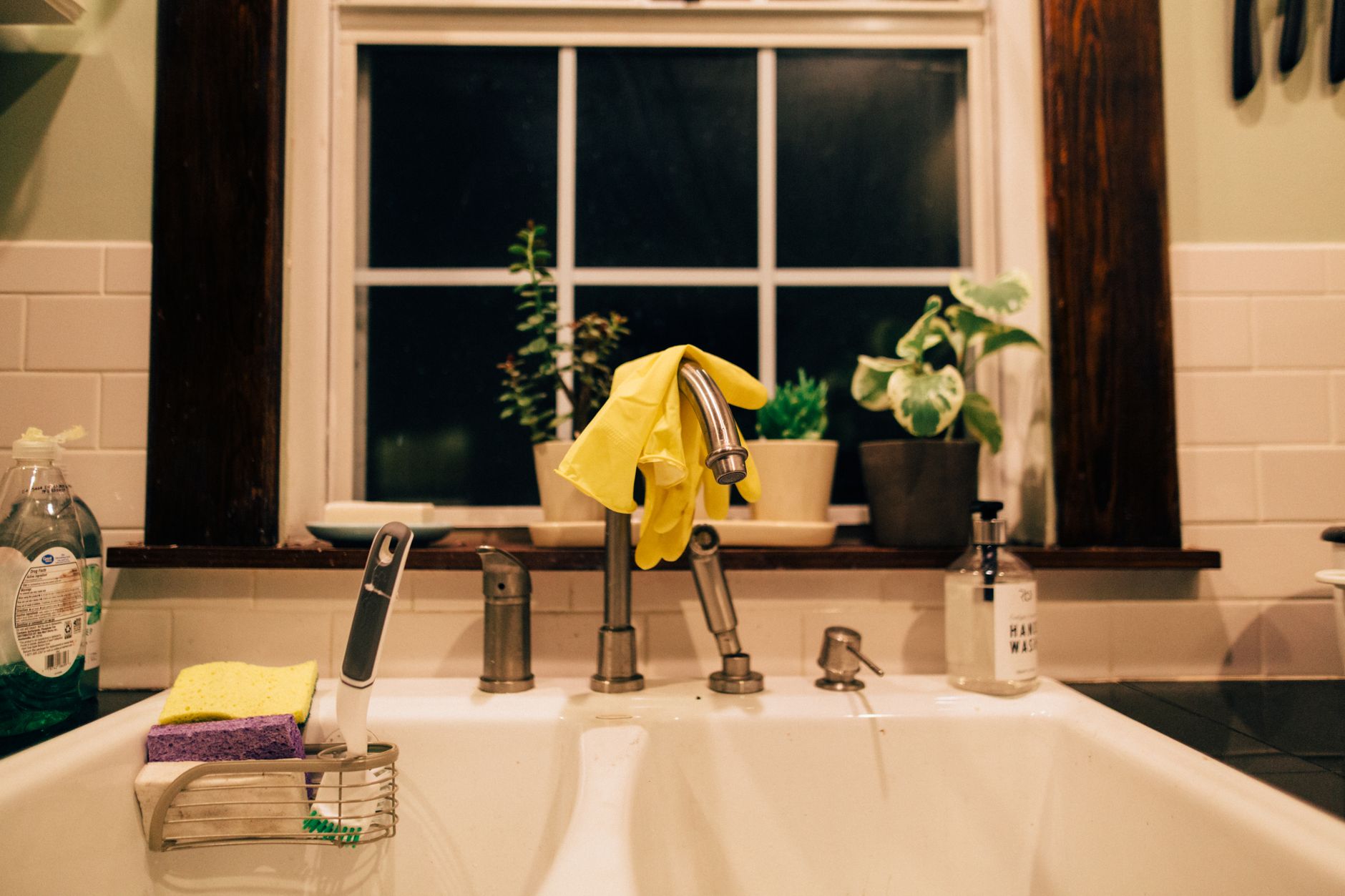
Wearing gloves when cleaning protects your skin from potential irritants, a simple but effective safety measure.
Key Takeaways
Mrs. Meyers cleaning products are generally considered safer than many conventional cleaners due to plant-derived ingredients.
The primary concern during pregnancy is the strong essential oil-based fragrances, which can trigger respiratory irritation, nausea, or headaches.
Always ensure excellent ventilation (open windows, use fans) when using Mrs. Meyers or any cleaning product.
Wear gloves to protect your skin from direct contact with cleaning solutions.
If you experience heightened sensitivities or discomfort, switch to fragrance-free or simpler alternatives like vinegar and baking soda.
Exposure to cleaning products during breastfeeding is generally not a concern for the baby, but maintain good ventilation.
Frequently Asked Questions
What cleaning products are safe to use while pregnant?
Many cleaning products are safe to use while pregnant with proper precautions. Generally, look for products that are fragrance-free, plant-derived, and avoid harsh chemicals like ammonia, bleach, and phthalates. Brands like Seventh Generation, Branch Basics, Puracy, and simple solutions like vinegar and baking soda are often recommended as safer options.
What cleaning ingredients should pregnant women avoid?
Pregnant women should ideally avoid cleaning ingredients such as ammonia, bleach (sodium hypochlorite), phthalates (often found in synthetic fragrances), glycol ethers, and strong solvents. These can cause respiratory irritation, skin sensitivities, or have more significant health concerns with high or prolonged exposure. Always check product labels carefully.
Can essential oils in cleaning products harm pregnancy?
In the diluted concentrations found in cleaning products like Mrs. Meyers, essential oils are unlikely to harm pregnancy through systemic absorption. The main concern is that their strong scents can cause respiratory irritation, trigger nausea, or exacerbate headaches in pregnant individuals, who often have heightened sensitivities. Ensure good ventilation to minimize inhalation.
Is it safe to clean with bleach while pregnant?
Cleaning with bleach is generally best avoided during pregnancy due to its strong, irritating fumes which can cause severe respiratory distress and headaches. If absolutely necessary, use bleach in an extremely well-ventilated area, wear gloves, and consider wearing a mask. Many obstetricians recommend asking someone else to handle bleach cleaning tasks.
Are natural cleaning products always safe during pregnancy?
No, "natural" doesn't automatically mean "always safe." While many natural cleaning products are excellent choices, some can still contain potent essential oils or other plant-derived ingredients that may trigger sensitivities or respiratory irritation. It's crucial to still use natural products with good ventilation, wear gloves, and listen to your body, especially if you have an increased sensitivity during pregnancy.
What are the best non-toxic cleaning products for pregnancy?
The best non-toxic cleaning products for pregnancy are those that are fragrance-free, transparent about their ingredients, and avoid harsh chemicals. Top recommendations include simple household staples like white vinegar and baking soda, or commercial brands like Branch Basics, Seventh Generation's Free & Clear line, Ecos, Puracy, and Attitude Living.
Can strong smells from cleaners affect pregnancy?
Yes, strong smells from cleaners can affect pregnancy, primarily by triggering or worsening common pregnancy symptoms like nausea, morning sickness, and headaches. They can also cause respiratory irritation, especially in poorly ventilated spaces. While these effects are usually uncomfortable rather than harmful to the baby, minimizing exposure to strong scents is advisable for your comfort.
When to Call Your Doctor
While using Mrs. Meyers products during pregnancy is generally considered safe with precautions, it's important to know when to seek medical advice. Call your doctor or healthcare provider if you experience any of the following after using cleaning products:
Severe or persistent respiratory symptoms like coughing, wheezing, shortness of breath, or chest tightness.
Dizziness, lightheadedness, or feeling faint.
Severe or persistent headaches that don't improve with fresh air.
Unusual or severe skin reactions, such as a widespread rash, intense itching, or blistering.
Eye irritation that is severe, persistent, or accompanied by vision changes.
Any other concerning symptoms that you believe might be related to chemical exposure.
Remember, this article is for informational purposes only and is not a substitute for professional medical advice. Always consult with your healthcare provider for any health concerns or before making changes to your pregnancy care routine.
Not sure about the label on Is Mrs Meyers Safe During Pregnancy products?
Snap the ingredients list and SafeFilter checks every ingredient for your stage — only 3 free scans this month, then you're locked until reset. Unlimited from $7/mo or $50/yr.
When Shubhra Mishra was expecting her first child in 2016, she was overwhelmed by conflicting food advice — one site said yes, another said never. By the time her second baby arrived in 2019, she realized millions of mothers face the same confusion.
That sparked a five-year journey through clinical nutrition papers, cultural diets, and expert conversations — all leading to BumpBites: a calm, compassionate space where science meets everyday motherhood.
Her long-term vision is to build a global community ensuring safe, supported, and free deliveriesfor every mother — because no woman should face pregnancy alone or uninformed. 🌿
🌍 Stand with mothers, shape safer guidance
Join a small circle of experts who review BumpBites articles so expecting parents everywhere can decide with confidence.