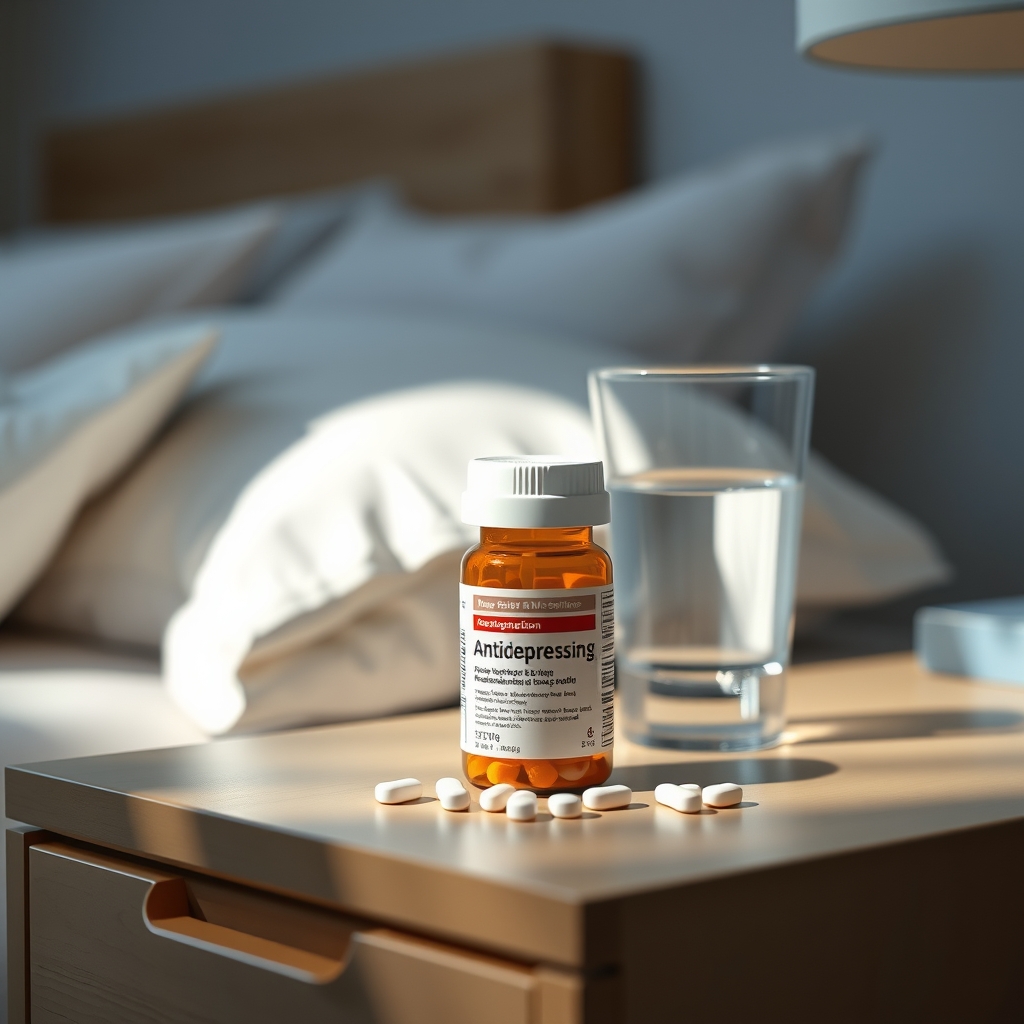
Safe in some cases: Depression medication during pregnancy may be safe with doctor-approved dosage, especially after the first trimester. Learn which options are low-risk.
By Shubhra Mishra — a mom of two who turned her own confusion during pregnancy into BumpBites, a global mission to make food choices clear, safe, and stress-free for every expecting mother. 💛
Check whether any food is safe during pregnancy with the BumpBites Food Safety Checker.
Quick verdict: ⚠️ Talk to your doctor first. Depression medication can be used during pregnancy, but the safety depends on the specific drug, dose, and trimester, so you should discuss the risks and benefits with your obstetric provider.
It’s 2 a.m., the clock ticks, and you’re staring at the bottle of antidepressants on your nightstand, wondering whether the pills you’ve been taking are safe for the baby growing inside you. You’re not alone—many expecting parents experience that sudden surge of anxiety when they discover they’ve been using a medication that could affect their pregnancy.
In this article we answer the most common questions about depression medication safe for pregnancy, from the first‑trimester verdict to dosage guidelines, brand differences, and safer non‑pharmaceutical options. We’ll walk you through the latest guidance from the American College of Obstetricians and Gynecologists (ACOG), the UK’s National Health Service (NHS), and the U.S. Food and Drug Administration (FDA), and we’ll give you a clear plan of action so you can stop worrying and start planning with confidence.
Whether you’re already on an SSRI, considering starting a new antidepressant, or thinking about switching to a different treatment, the information below will help you understand the risks, the benefits, and the alternatives that are proven safe for both you and your baby.
Take a breath, and remember that many clinicians have successfully managed depression throughout pregnancy. The goal of this guide is to give you the facts you need to have an informed conversation with your provider, not to scare you away from the care you deserve.
Keep the medication out of reach of children and store it in a safe place.
Trimester / Breastfeeding
Verdict
Notes
First trimester
⚠️ Use only if benefits outweigh risks
Potential small increase in birth‑defect risk with some SSRIs; close monitoring recommended.
Second trimester
✅ Generally safe with doctor’s guidance
Most SSRIs show no clear teratogenic effect; monitor for neonatal adaptation syndrome.
Third trimester
⚠️ Use with caution
Risk of neonatal withdrawal or respiratory distress; consider tapering under supervision.
Breastfeeding
✅ Generally safe for select SSRIs
Fluoxetine and sertraline have low infant exposure; monitor infant for irritability.
What is depression medication?
Depression medication, most commonly referred to as antidepressants, is a class of drugs used to treat major depressive disorder, anxiety, and related mood conditions. The most frequently prescribed types are selective serotonin reuptake inhibitors (SSRIs) such as fluoxetine, sertraline, and escitalopram; serotonin‑norepinephrine reuptake inhibitors (SNRIs) like venlafaxine and duloxetine; and atypical agents such as bupropion. These medications work by altering neurotransmitter levels—most often serotonin, norepinephrine, or dopamine—in the brain, which can improve mood, sleep, appetite, and energy levels.
Less commonly used classes include tricyclic antidepressants (TCAs) and monoamine oxidase inhibitors (MAOIs). While effective for some patients, TCAs and MAOIs have broader side‑effect profiles and more drug‑interaction concerns, which is why they are generally avoided during pregnancy unless no other options are viable. Because depression can have serious consequences for both mother and fetus (including poor prenatal care, preterm birth, and low birth weight), many clinicians aim to maintain stable treatment throughout pregnancy, balancing mental‑health benefits against potential medication risks.
Beyond the chemical mechanisms, it’s helpful to know that many antidepressants have been studied for decades, giving researchers a robust safety database. This history means that for most SSRIs, we have clear information about how they cross the placenta, how they are metabolized by both mother and fetus, and what neonatal outcomes look like when exposure occurs.
Is depression medication safe during pregnancy?
Current guidance from ACOG and the NHS indicates that many antidepressants, particularly certain SSRIs, are considered relatively safe when used at the lowest effective dose and under close obstetric supervision. The FDA classifies most SSRIs as “Category C” (risk cannot be ruled out), meaning that they should be prescribed only if the potential benefit justifies the potential risk to the fetus. The CDC notes that untreated maternal depression itself is a risk factor for adverse pregnancy outcomes, so the decision to continue medication often hinges on weighing maternal well‑being against modest, drug‑specific risks.
Evidence from large cohort studies—such as the 2020 ACOG review of over 5,000 pregnancies—shows that SSRIs like sertraline and fluoxetine are not linked to a markedly higher rate of major birth defects. However, a slight increase in cardiac malformations has been observed with paroxetine, leading many guidelines to advise against its use in the first trimester. For SNRIs, the data are more limited, and some clinicians prefer SSRIs when possible.
Importantly, abrupt discontinuation of antidepressants can trigger withdrawal symptoms and a relapse of depression, both of which can jeopardize prenatal health. Therefore, most obstetricians recommend a personalized approach: continue the medication if it has already been effective, consider dose adjustments if necessary, and discuss any concerns about specific agents with your provider.
Meta‑analyses published in the last five years have reinforced the view that the absolute increase in major malformations is small—often less than 1 % above baseline—and that the benefits of preventing severe depressive episodes frequently outweigh these modest risks. Nonetheless, each case is unique, and ongoing dialogue with your care team is essential.
Is it safe to take antidepressants during the first trimester of pregnancy?
The first trimester is the period of organ formation (organogenesis), and it is when teratogenic risks are most scrutinized. For most SSRIs, the absolute risk of major congenital anomalies remains low—generally below 2 %—and comparable to the background risk in the general population. However, paroxetine has been associated with a modestly higher risk of cardiac defects (approximately 1.5‑2 times the baseline). Because of this, ACOG advises clinicians to avoid paroxetine during the first trimester if alternative agents are available.
If you are already taking paroxetine, do not panic. Your provider may suggest switching to fluoxetine or sertraline, but any change should be made gradually to prevent a sudden relapse. For other SSRIs (fluoxetine, sertraline, escitalopram), the consensus is that they can be continued when the therapeutic benefit outweighs the small potential risk.
Counselling during this window often includes a discussion of absolute versus relative risk, so you can make an informed decision without feeling overwhelmed. Most women who continue an SSRI through the first trimester deliver healthy babies, and the presence of a supportive mental‑health plan reduces the chance of depression‑related complications.
It’s also worth noting that many non‑pharmacologic interventions—such as CBT or prenatal yoga—can be introduced early in pregnancy to lower the medication dose needed, providing an extra layer of safety during this critical period.
What is the recommended dosage of SSRIs for pregnant women?
Dosage recommendations for pregnant patients generally follow the standard adult dosing guidelines, but the lowest effective dose is emphasized. For example:
Fluoxetine: start 20 mg once daily; some clinicians stay at 20 mg unless symptoms require a higher dose.
Sertraline: 50 mg daily is typical; doses above 100 mg may increase infant exposure and are used only if needed.
Escitalopram: 10 mg daily, with a possible increase to 20 mg if symptoms persist.
Paroxetine: 20 mg daily (if used, usually limited to the second and third trimesters).
Therapeutic drug monitoring is sometimes employed for medications like venlafaxine, where plasma levels can guide dose adjustments. Your obstetrician may also consider pharmacogenetic testing if you have a history of atypical responses. The guiding principle is to use the smallest dose that keeps depressive symptoms under control.
Because many antidepressants have long half‑lives, steady‑state concentrations are reached slowly. This means that dose changes should be made with at least a week of observation before further adjustments, allowing both mother and fetus to adapt safely.
When a dose increase is considered, clinicians often re‑evaluate maternal weight gain, liver function, and any new side effects, ensuring that the benefit of improved mood continues to outweigh any additional exposure to the fetus.
Are there safer antidepressant brands for pregnant patients?
“Brand” is less important than the active ingredient, but some formulations have been studied more extensively. Generic sertraline and fluoxetine tablets have the longest safety track record, with multiple studies confirming low teratogenic risk. Extended‑release (XR) formulations of some SSRIs do not appear to increase risk, but they may cause higher maternal plasma levels, so clinicians often prefer immediate‑release versions during pregnancy.
If you are prescribed an antidepressant, ask your pharmacist whether a generic version is available, as generics are chemically identical to brand names and are equally safe when the active compound is the same. For patients concerned about pill burden, some clinicians recommend switching to a once‑daily formulation of fluoxetine, which has a long half‑life and may reduce withdrawal symptoms if a dose is missed.
When it comes to combination products (e.g., antidepressant plus sleep aid), the added agents often lack pregnancy‑specific safety data. In those cases, monotherapy with a well‑studied SSRI is usually the safer route.
Some brand‑specific studies have suggested minor differences in tolerability—for instance, certain coated tablets may cause less gastrointestinal upset. Discuss any tolerability concerns with your prescriber, who can help you choose a formulation that aligns with both safety and comfort.
What are the risks of using depression medication while pregnant?
Risks vary by medication class:
Birth defects: Slightly higher risk of cardiac malformations with paroxetine; otherwise, SSRIs show no consistent increase.
Neonatal adaptation syndrome: Newborns may experience respiratory distress, jitteriness, or feeding difficulties, especially when SSRIs are taken late in the third trimester.
Persistent pulmonary hypertension of the newborn (PPHN): Some studies suggest a modest association with late‑pregnancy SSRI exposure.
Maternal side effects: Nausea, headache, and insomnia can overlap with common pregnancy symptoms, making it hard to differentiate.
Long‑term neurodevelopmental outcomes have been a focus of recent research. Large‑scale follow‑up studies have not found strong evidence that in‑utero SSRI exposure leads to cognitive deficits in childhood, though subtle differences in emotional regulation have been reported in some cohorts. Overall, the absolute risk of serious adverse outcomes remains low, and untreated depression itself carries significant risks, including preterm birth and poor maternal self‑care. This balance is why most obstetric guidelines emphasize individualized counseling rather than blanket avoidance.
In addition to the above, some women experience weight changes, which can affect gestational weight gain targets. Monitoring weight and nutrition is part of a comprehensive prenatal plan when an antidepressant is prescribed.
Can depression medication cause birth defects in the third trimester?
Birth defects are typically established during the first trimester, so third‑trimester exposure does not increase the risk of structural anomalies. However, third‑trimester use of SSRIs can lead to neonatal adaptation syndrome and, in rare cases, persistent pulmonary hypertension of the newborn (PPHN). These conditions are usually reversible with supportive care, but they underscore the importance of coordinated delivery planning with your obstetric team.
Some clinicians elect to taper the dose after 34 weeks gestation to minimize neonatal exposure, especially when the mother’s symptoms are well‑controlled. This decision is always individualized, weighing the risk of maternal relapse against the potential for neonatal adaptation.
When tapering is considered, a slow reduction—often 10 mg every week for fluoxetine or 25 mg for sertraline—helps prevent both maternal withdrawal and a sudden surge of depressive symptoms, providing a smoother transition for both mother and baby.
What non‑pharmaceutical alternatives are safe for depression during pregnancy?
Non‑pharmaceutical treatments can be highly effective, either alone or as adjuncts to medication:
Cognitive Behavioral Therapy (CBT): A structured talk therapy that helps reframe negative thoughts; multiple trials show comparable efficacy to medication for mild‑to‑moderate depression.
Prenatal Yoga: Gentle stretches and breathing exercises improve mood and reduce anxiety without medication.
Regular Exercise: Walking, swimming, or low‑impact aerobics release endorphins and improve sleep quality.
Omega‑3 Fish Oil Supplements: EPA and DHA have modest antidepressant effects; choose a purified, pregnancy‑tested brand.
Acupuncture: May alleviate depressive symptoms and is considered safe when performed by a licensed practitioner.
Light Therapy: Bright‑light boxes can help with seasonal affective disorder and boost serotonin without medication.
These alternatives are especially useful for women who prefer to minimize medication exposure or who experience side effects from antidepressants. Many mental‑health providers now offer integrated care plans that combine medication with psychotherapy, exercise, and nutritional counseling to give a holistic approach.
For mothers who have limited access to in‑person therapy, tele‑health CBT programs have shown promising results and are often covered by insurance. Likewise, community‑based prenatal yoga classes can be a supportive environment for both physical and emotional well‑being.
How does depression medication affect pregnancy complications like gestational diabetes?
Most antidepressants do not directly cause gestational diabetes. However, some SSRIs have been linked in observational studies to a modest increase in blood‑glucose levels, potentially exacerbating pre‑existing insulin resistance. The clinical significance remains uncertain, and the primary concern is ensuring that maternal mood remains stable, as severe depression can lead to poor dietary habits and reduced prenatal care, which are stronger contributors to gestational diabetes.
If you develop gestational diabetes while on an antidepressant, your endocrinologist and obstetrician will monitor glucose closely and may adjust your medication dose if needed. Switching to a medication with a lower metabolic impact—such as sertraline, which has a relatively neutral effect on glucose—can be considered.
Beyond medication, lifestyle interventions (balanced diet, regular moderate‑intensity exercise) are cornerstone strategies for managing gestational diabetes and can also improve mood, creating a synergistic benefit.
Should I continue my current antidepressant or switch to a different one during pregnancy?
The decision hinges on three factors: how well your current medication controls symptoms, the specific drug’s safety profile, and any side effects you’re experiencing. If your current antidepressant is an SSRI with a strong safety record (e.g., sertraline or fluoxetine), most clinicians recommend continuing it. If you’re on paroxetine or an SNRI with limited pregnancy data, a switch to a more studied SSRI may be advisable.
Any change should be gradual, typically involving a taper over 1‑2 weeks followed by a cross‑titration period, to avoid withdrawal and relapse. Your provider will create a personalized plan that balances mental‑health stability with fetal safety.
In some cases, a provider may suggest adding a non‑pharmacologic therapy while maintaining a lower dose of the current medication, especially if mood symptoms are borderline. This hybrid approach can reduce overall drug exposure while still protecting maternal mental health.
Consider adding omega‑3 supplements as part of a holistic depression‑management plan.
Safe dosage / amount / brands
When prescribing antidepressants in pregnancy, clinicians aim for the minimum effective dose. Below is a concise guide for the most commonly used SSRIs:
Medication
Typical starting dose (mg)
Maximum recommended dose (mg)
Pregnancy‑safe brand (generic preferred)
Fluoxetine (Prozac)
20
80
Generic fluoxetine tablets
Sertraline (Zoloft)
50
200
Generic sertraline tablets
Escitalopram (Lexapro)
10
20
Generic escitalopram tablets
Paroxetine (Paxil)
20
50
Generic paroxetine tablets (use only after first trimester)
Venlafaxine (Effexor XR)
37.5
225
Generic venlafaxine XR
Bupropion (Wellbutrin)
150
300
Generic bupropion SR
For over‑the‑counter omega‑3 supplements, the FDA recommends 500‑1000 mg of combined EPA/DHA per day for pregnant women. Choose a brand that is certified free of mercury and PCBs, such as Nordic Naturals or a prenatal‑specific product.
Side effects and risks
Common side effects of antidepressants—nausea, headache, dry mouth, and insomnia—can overlap with typical pregnancy symptoms, making it challenging to attribute them to the medication. If side effects become severe (e.g., persistent vomiting, visual disturbances, or severe dizziness), contact your provider promptly.
More serious concerns include:
Neonatal adaptation syndrome: Newborns may be irritable, have tremors, or experience breathing difficulties. Usually resolves within two weeks.
Persistent pulmonary hypertension of the newborn (PPHN): Rare but serious; monitor newborns closely if SSRI exposure continued after 34 weeks.
Serotonin syndrome: Extremely rare in pregnancy, but can occur if antidepressants are combined with other serotonergic agents (e.g., certain migraine meds). Symptoms include rapid heart rate, high fever, and agitation—seek emergency care.
Any of these signs warrant immediate medical attention, but most pregnant patients on antidepressants experience only mild, manageable side effects.
Safer alternatives
Cognitive Behavioral Therapy (CBT): Evidence‑based, non‑pharmacologic treatment that can reduce depressive symptoms without drug exposure.
Prenatal Yoga: Gentle movement and breathing support mood regulation and reduce stress hormones.
Regular Exercise: Improves endorphin levels and sleep quality, both crucial for mental health.
Omega‑3 Fish Oil Supplements: EPA/DHA have modest antidepressant effects and are safe when sourced from purified, pregnancy‑tested brands.
Acupuncture: May alleviate depressive symptoms and is considered safe when performed by a licensed practitioner.
Light Therapy: Bright‑light exposure can treat seasonal affective disorder and boost serotonin without medication.
Related items — safety at a glance
Antidepressant
Verdict
One‑line note
Fluoxetine (Prozac)
✅ Generally safe
Long half‑life; low neonatal withdrawal risk.
Sertraline (Zoloft)
✅ Generally safe
Most studied SSRI in pregnancy.
Escitalopram (Lexapro)
✅ Generally safe
Low placental transfer.
Paroxetine (Paxil)
⚠️ Use with caution
Associated with cardiac malformations.
Venlafaxine (Effexor)
⚠️ Limited data
Potential neonatal adaptation syndrome.
Bupropion (Wellbutrin)
✅ Generally safe
Less serotonergic; monitor seizure risk.
Citalopram (Celexa)
✅ Generally safe
Higher dose linked to QT prolongation.
Duloxetine (Cymbalta)
⚠️ Use with caution
Limited pregnancy data; monitor liver function.
Myth vs. fact
Myth: All antidepressants cause birth defects.
Fact: Most SSRIs have not been linked to a significant increase in major congenital anomalies; only specific agents like paroxetine show a modest risk.
Myth: If you stop medication early in pregnancy, the baby will be completely protected.
Fact: Abrupt discontinuation can lead to relapse, which itself poses risks for preterm birth and poor prenatal care.
Myth: Breastfeeding is unsafe if you’re on an antidepressant.
Fact: Certain SSRIs, especially sertraline and fluoxetine, pass into breast milk at low levels and are considered compatible with breastfeeding by the AAP.
Key takeaways
Depression medication safe for pregnancy depends on the specific drug, dose, and trimester.
SSRIs such as sertraline and fluoxetine have the strongest safety data; paroxetine should be avoided in the first trimester.
Maintain the lowest effective dose and discuss any changes with your obstetric provider.
Non‑pharmaceutical options—CBT, yoga, exercise, omega‑3s—are effective and have no fetal risk.
Watch for neonatal adaptation symptoms and contact your doctor if severe side effects arise.
Frequently asked questions
Can I take antidepressants while pregnant?
Yes, many antidepressants can be continued during pregnancy when the benefits outweigh the potential risks, especially SSRIs like sertraline and fluoxetine.
What are the safest antidepressants during pregnancy?
Sertraline and fluoxetine are generally considered the safest options, with extensive data showing low rates of birth defects and manageable neonatal outcomes.
Do antidepressants cause birth defects?
Most antidepressants do not cause birth defects; however, paroxetine has been associated with a small increased risk of cardiac malformations when used in the first trimester.
How long should I wait after stopping antidepressants before getting pregnant?
Because most SSRIs have long half‑lives, a washout period of at least two weeks is often recommended, but you should discuss timing with your psychiatrist to avoid relapse.
Are SSRIs safe in the second trimester?
Yes, SSRIs are generally considered safe in the second trimester, with no clear link to major congenital anomalies and manageable neonatal adaptation risk.
What are natural alternatives to antidepressants for pregnant women?
Therapies such as cognitive behavioral therapy, prenatal yoga, regular exercise, omega‑3 fish oil, acupuncture, and light therapy are effective, evidence‑based options that pose no fetal risk.
Can depression medication affect the baby’s development?
While most antidepressants have minimal impact on long‑term neurodevelopment, late‑pregnancy exposure can lead to transient neonatal adaptation syndrome; ongoing research continues to monitor developmental outcomes.
Is it okay to switch antidepressants during pregnancy?
Switching is possible but should be done gradually under medical supervision to prevent withdrawal symptoms and relapse, and the new medication should have a solid safety record in pregnancy.
Is it safe to take a single missed dose of my antidepressant?
If you miss one dose, take it as soon as you remember unless it’s close to the time of your next dose; then skip the missed one and continue your regular schedule. One missed dose rarely poses a risk to the fetus.
What should I do if I experience withdrawal symptoms after stopping medication?
Contact your provider right away. Withdrawal can include dizziness, irritability, or flu‑like symptoms, and a clinician can guide a safe taper or suggest alternative therapies.
Is it safe to use herbal remedies like St. John’s Wort for depression during pregnancy?
Herbal supplements such as St. John’s Wort are not recommended in pregnancy because they can affect serotonin levels and may interact with other medications; discuss any herbal use with your provider.
Can antidepressants increase my risk of miscarriage?
Current evidence does not show a clear link between most SSRIs and miscarriage, but uncontrolled depression can increase stress hormones that may affect early pregnancy; maintaining mental health under medical guidance is the safest approach.
When to call your doctor
If you notice any of the following, contact your obstetric provider promptly:
Severe nausea or vomiting that leads to dehydration.
Signs of serotonin syndrome (rapid heartbeat, high fever, agitation).
New or worsening depression or anxiety symptoms.
Fetal movement changes after starting or changing medication.
Neonatal symptoms after birth such as persistent tremors, feeding difficulty, or respiratory distress.
These guidelines are informational only and do not replace personalized medical advice. Always discuss your specific situation with your healthcare provider.
References
American College of Obstetricians and Gynecologists (ACOG). “Practice Bulletin: Use of Antidepressants During Pregnancy.” 2020.
National Health Service (NHS). “Antidepressants and pregnancy.” Updated 2022.
U.S. Food and Drug Administration (FDA). “Drug Safety Communication: Antidepressants and Pregnancy.” 2021.
Centers for Disease Control and Prevention (CDC). “Depression and Pregnancy.” 2023.
Mayo Clinic. “Depression and pregnancy: Risks and treatment options.” Accessed July 2024.
World Health Organization (WHO). “Mental health and pregnancy.” 2022.
National Institute for Health and Care Excellence (NICE). “Antenatal and postnatal mental health.” 2021.
American Academy of Pediatrics (AAP). “Breastfeeding and medication safety.” 2020.
Not sure about the label on Is Depression Medication Safe During Pregnancy products?
Snap the ingredients list and SafeFilter checks every ingredient for your stage — only 3 free scans this month, then you're locked until reset. Unlimited from $7/mo or $50/yr.
When Shubhra Mishra was expecting her first child in 2016, she was overwhelmed by conflicting food advice — one site said yes, another said never. By the time her second baby arrived in 2019, she realized millions of mothers face the same confusion.
That sparked a five-year journey through clinical nutrition papers, cultural diets, and expert conversations — all leading to BumpBites: a calm, compassionate space where science meets everyday motherhood.
Her long-term vision is to build a global community ensuring safe, supported, and free deliveriesfor every mother — because no woman should face pregnancy alone or uninformed. 🌿
🌍 Stand with mothers, shape safer guidance
Join a small circle of experts who review BumpBites articles so expecting parents everywhere can decide with confidence.