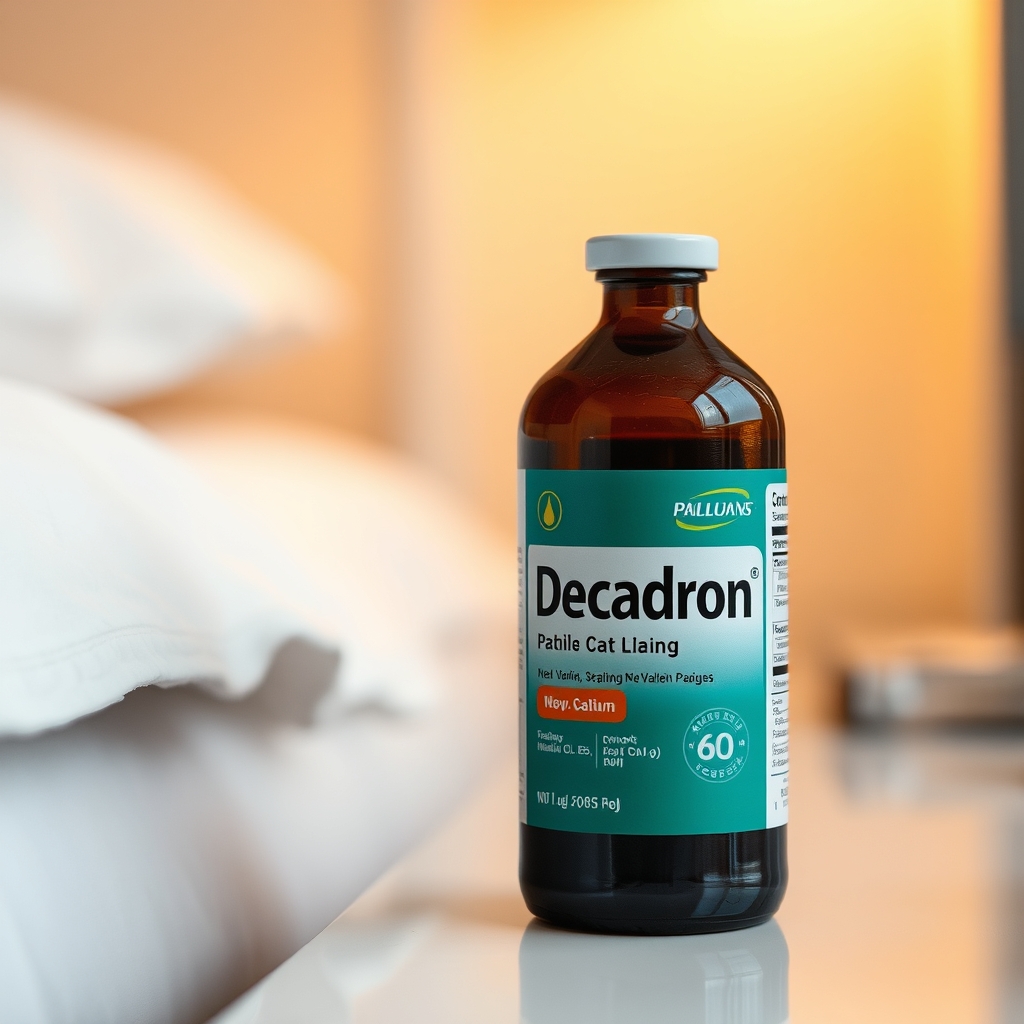
Limit dexamethasone during pregnancy. Experts advise short-term use only, typically in low doses (0.5–1 mg) for specific conditions like fetal lung maturation in the third trimester.
By Shubhra Mishra — a mom of two who turned her own confusion during pregnancy into BumpBites, a global mission to make food choices clear, safe, and stress-free for every expecting mother. 💛
Check whether any food is safe during pregnancy with the BumpBites Food Safety Checker.
Quick verdict: ⚠️ Talk to your doctor first. Dexamethasone can be used when the benefit outweighs potential risks, but it isn’t considered universally safe for all pregnant women. Your provider will decide the right dose, timing, and whether a safer alternative is preferable.
It’s 2 a.m. and you’ve just opened the pharmacy aisle, eyes scanning the tiny bottles of “Decadron” while your mind races: is dexamethasone safe during pregnancy? You may have already taken a dose for a flare‑up, or you might be wondering whether it’s the right choice for an upcoming ultrasound. You’re not alone—many expectant parents hit that same midnight checkpoint, and the good news is that the answer isn’t a blanket “yes” or “no.” It depends on the trimester, the reason you need the medication, and the dose your doctor prescribes.
In this article we’ll break down everything you need to know about dexamethasone and pregnancy. We’ll start with a quick safety snapshot, explain what dexamethasone actually is, and walk through the evidence from ACOG, the NHS, and the FDA. Then we’ll dive into safety by trimester, recommended dosages, potential risks, and safer alternatives. Finally, you’ll find a handy comparison table of related corticosteroids, myth‑busting facts, and a concise FAQ so you can stop the worry and get clear guidance.
Stage
Verdict
Notes
First trimester
⚠️ Use only if essential
Potential risk of birth defects; consider alternatives.
Second trimester
⚠️ Use under medical supervision
Often prescribed for fetal lung maturation; benefits may outweigh risks.
Third trimester
⚠️ Use with caution
Can affect fetal growth and maternal glucose; monitor closely.
Breastfeeding
✅ Generally safe
Small amounts pass into milk; most guidelines consider it compatible.
Dexamethasone is a synthetic glucocorticoid—a type of steroid hormone that mimics cortisol, the body’s natural anti‑inflammatory and immune‑modulating agent. It’s sold under brand names like Decadron and is available in oral tablets, injectable forms, eye drops, and topical creams. Doctors prescribe it for a range of conditions, from severe asthma attacks and allergic reactions to autoimmune disorders and, uniquely in obstetrics, to accelerate fetal lung development when preterm birth is imminent. Because it crosses the placenta easily, it can reach the baby directly, which is why its safety profile in pregnancy is scrutinized so closely.
So, is dexamethasone safe during pregnancy? The short answer is that it can be used when the therapeutic benefit outweighs the potential risk, but it isn’t a first‑line choice for routine inflammation. The American College of Obstetricians and Gynecologists (ACOG) notes that dexamethasone is a Category C drug—animal studies have shown adverse effects, but there are no well‑controlled human studies, and it may be prescribed for specific indications like fetal lung maturation. The UK’s NHS similarly advises that dexamethasone should only be used if the expected benefit justifies the possible risk. The FDA also classifies it as Pregnancy Category C. In practice, obstetricians often reserve dexamethasone for situations where its benefit—such as improving neonatal respiratory outcomes—has strong evidence, while opting for milder steroids or non‑steroidal options for routine inflammation.
Below we’ll explore how safety changes across each trimester, what dosage ranges are commonly used, and what alternatives you might consider if you’re looking for a gentler approach.
Is dexamethasone safe to take during the first trimester?
The first trimester is the period of organogenesis, when the baby’s major organs are forming. Because dexamethasone readily crosses the placenta, there is theoretical concern that high‑dose exposure could interfere with organ development. ACOG’s Committee Opinion (2020) advises that systemic corticosteroids, including dexamethasone, should be used in the first trimester only when the maternal benefit is clear and no safer alternative exists. Some observational studies have hinted at a slightly increased risk of cleft palate and other minor anomalies, though the data are not definitive.
If you need dexamethasone for a serious condition—such as severe autoimmune disease that threatens your health—your provider may still prescribe it, but they’ll aim for the lowest effective dose and the shortest possible course. For routine inflammation or minor allergic reactions, most clinicians will recommend alternatives like acetaminophen or topical hydrocortisone instead.
What is the recommended dexamethasone dosage for pregnant women?
Dosage depends heavily on the indication:
Fetal lung maturation: The classic regimen is 6 mg intramuscularly every 12 hours for a total of four doses (24 mg total), typically given between 24 and 34 weeks gestation.
Severe asthma or allergic reaction: Oral doses range from 0.5 mg to 9 mg per day, often split into two doses, but the exact amount is individualized.
Autoimmune flare: Doses may start at 0.5–1 mg daily and be titrated up to 10 mg or more, depending on severity.
Regardless of the scenario, ACOG stresses that “the lowest effective dose for the shortest duration” should be the goal. Your obstetrician will tailor the regimen to your condition, monitor blood glucose and blood pressure, and adjust as needed. If you’re unsure about the exact amount prescribed, always double‑check with your provider before starting or continuing treatment.
Can dexamethasone cause birth defects if used in pregnancy?
Current evidence does not conclusively link dexamethasone to major birth defects when used at standard obstetric doses for fetal lung maturation. However, higher systemic doses—especially in the first trimester—have been associated with a modest increase in minor congenital anomalies in some case‑control studies. The FDA’s Pregnancy Category C designation reflects this uncertainty: animal studies show adverse effects, but human data are limited.
Most experts agree that the risk of birth defects is low when dexamethasone is used for a short course (e.g., the four‑dose lung‑maturation protocol). The key is to avoid prolonged high‑dose therapy unless absolutely necessary. If you’re concerned about a specific defect, discuss ultrasound findings and any family history with your obstetrician; they can help weigh the risk versus benefit.
Are there safer alternatives to dexamethasone for inflammation during pregnancy?
Yes. For many inflammatory or painful conditions, safer options are available that carry less placental transfer or have a more established safety record:
Acetaminophen: Widely regarded as safe throughout pregnancy for pain and fever.
Hydrocortisone cream (topical): Low‑potency steroid for skin inflammation with minimal systemic absorption.
Prednisone: A systemic corticosteroid that is less potent than dexamethasone and often preferred for chronic inflammatory diseases.
Budesonide inhaler: Inhaled corticosteroid for asthma that delivers medication directly to the lungs with limited systemic exposure.
Magnesium sulfate: Used to prevent seizures in pre‑eclampsia and to aid fetal neuroprotection; not an anti‑inflammatory but a pregnancy‑specific therapy.
Low‑dose aspirin: Recommended for certain high‑risk pregnancies to reduce preeclampsia risk; not an anti‑inflammatory but often part of a broader regimen.
These alternatives are generally considered safer because they either have a longer track record of use in pregnancy or achieve therapeutic effect with far lower systemic exposure. Always discuss with your provider which option best fits your situation.
Is dexamethasone (Decadron) safe for pregnant women?
“Decadron” is simply a brand name for dexamethasone. The safety considerations are the same regardless of brand. The FDA’s labeling for Decadron notes that it is a Category C drug, meaning that it should be prescribed only if the potential benefit justifies the potential risk to the fetus. In practice, obstetricians often reserve Decadron for specific, evidence‑backed uses—most notably fetal lung maturation when preterm delivery is anticipated. For other indications, clinicians may opt for a different corticosteroid or a non‑steroidal option.
If you’ve been prescribed Decadron, ask your provider why it was chosen over alternatives, what the expected duration will be, and how they will monitor both you and the baby during treatment.
What are the risks of using dexamethasone for fetal lung development?
When given as a short four‑dose course to promote fetal lung maturity, dexamethasone has been shown to reduce the incidence of respiratory distress syndrome (RDS) and need for mechanical ventilation in preterm infants. The benefits are well documented in large randomized trials, and ACOG recommends this regimen for women at risk of delivering before 34 weeks.
Nevertheless, there are potential downsides:
Fetal growth restriction: Some studies suggest a slight decrease in birth weight when corticosteroids are administered repeatedly.
Neonatal adrenal suppression: A brief course can transiently suppress the newborn’s adrenal function, usually without clinical consequence.
Maternal hyperglycemia: Steroids raise blood sugar, which can worsen gestational diabetes or precipitate new‑onset diabetes.
Because the benefits for lung development are significant, most obstetricians consider the short‑course risk acceptable, especially when the baby is likely to be born very early. Ongoing monitoring of maternal glucose and fetal growth is standard practice.
How does dexamethasone affect pregnancy complications like gestational diabetes?
Dexamethasone, like all systemic glucocorticoids, can increase insulin resistance and raise blood glucose levels. For pregnant women with gestational diabetes, this effect can lead to higher fasting glucose and larger post‑prandial spikes, potentially necessitating adjustments in diet, exercise, or medication. ACOG advises close glucose monitoring when corticosteroids are prescribed, and many clinicians will temporarily intensify insulin therapy or oral hypoglycemics during the steroid course.
If you have gestational diabetes and your provider recommends dexamethasone, ask about a plan for glucose monitoring, potential medication adjustments, and the expected duration of steroid exposure. In some cases, a lower‑potency steroid such as prednisone may be chosen to mitigate the impact on blood sugar.
Can dexamethasone be used in the third trimester without harming the baby?
In the third trimester, the fetus is nearing full maturity, and the placenta begins to act as a barrier to many substances. Dexamethasone still crosses the placenta, but the short‑term exposure associated with fetal lung maturation (typically given before 34 weeks) is generally considered safe. However, using dexamethasone for non‑obstetric reasons late in pregnancy can increase the risk of fetal growth restriction and maternal hyperglycemia, as noted earlier.
If a third‑trimester indication arises—such as an acute asthma exacerbation—your provider may still prescribe dexamethasone but will aim for the lowest effective dose and will monitor fetal growth via ultrasound. For chronic conditions, switching to a steroid with a lower placental transfer rate, like prednisone, is often recommended.
When you’re unsure whether a steroid is right for you, keep the bottle out of sight and talk to your provider.
Safety by trimester
First trimester (weeks 1–13)
During organ formation, the placenta is more permissive, and dexamethasone’s ability to cross means the fetus is directly exposed. The consensus from ACOG and the NHS is to limit systemic corticosteroid use to situations where the maternal benefit is undeniable—such as severe autoimmune disease that threatens organ function. For mild inflammation, alternatives like acetaminophen or topical hydrocortisone are preferred. If dexamethasone is deemed essential, the dose should be the lowest possible, and the duration should be as short as feasible.
Second trimester (weeks 14–27)
The second trimester is the window when dexamethasone is most commonly employed for fetal lung maturation, usually between 24 and 34 weeks. The four‑dose regimen (6 mg IM every 12 hours) has a strong evidence base for reducing neonatal respiratory distress. Outside of this specific use, the same cautionary approach applies: only prescribe when the benefit outweighs potential risks, and monitor maternal glucose and fetal growth.
Third trimester (weeks 28–40)
In the later weeks, the baby’s lungs are already developing, so the primary obstetric indication for dexamethasone wanes. If a third‑trimester course is needed for a non‑obstetric condition, clinicians often choose prednisone or a lower‑dose steroid to reduce placental transfer. Ongoing ultrasound surveillance for growth restriction and frequent blood‑glucose checks are recommended if dexamethasone is used.
Breastfeeding
The American Academy of Pediatrics (AAP) considers dexamethasone compatible with breastfeeding. Small amounts pass into breast milk, but infant exposure is minimal and not associated with adverse effects. Nonetheless, if your baby is premature or has adrenal concerns, discuss timing of doses with your pediatrician to possibly delay feeding for a few hours after a dose.
When dexamethasone is part of a treatment plan, your provider will coordinate timing with prenatal testing.
Safe dosage / amount / brands
Because dexamethasone dosing is highly indication‑specific, the safest approach is to follow your provider’s prescription exactly. Below is a summary of typical regimens used in pregnancy, but remember that your own dose may differ:
Indication
Typical dose
Formulation
Notes
Fetal lung maturation
6 mg IM every 12 h × 4 doses
Injectable (Decadron)
Given between 24–34 weeks; total 24 mg.
Severe asthma exacerbation
0.5–9 mg PO daily (split BID)
Oral tablets (generic)
Duration usually 5–7 days; monitor glucose.
Autoimmune flare
0.5–10 mg PO daily, titrated
Oral tablets (generic)
Individualized; taper as condition improves.
Brand names you may encounter include Decadron (injectable), Dexamethasone Sodium Phosphate (oral), and various generic equivalents. All share the same active ingredient, so safety considerations are identical across brands. If you prefer a generic version to reduce cost, ask your pharmacist that it contains the same dexamethasone salt.
Side effects and risks
Dexamethasone’s side‑effect profile mirrors that of other systemic steroids, but pregnancy adds a layer of fetal considerations. Common, non‑dangerous side effects include:
Increased appetite and weight gain.
Mood changes, insomnia, or feeling “on edge.”
Elevated blood pressure.
Mild fluid retention.
More serious concerns that warrant prompt medical attention are:
Severe hyperglycemia: Persistent blood glucose >200 mg/dL or symptoms of diabetic ketoacidosis.
Signs of infection: Fever, chills, or worsening respiratory symptoms.
Fetal growth restriction: Detected on ultrasound as slowed growth velocity.
Severe hypertension or pre‑eclampsia: New‑onset headaches, visual changes, or swelling.
If any of these red‑flag symptoms appear, contact your obstetrician or seek emergency care immediately. Most side effects are manageable with close monitoring, but they underscore why dexamethasone should be used under supervision.
Safer alternatives
Acetaminophen: First‑line for pain and fever; extensive safety data throughout pregnancy.
Hydrocortisone cream: Low‑potency topical steroid for skin inflammation with minimal systemic absorption.
Prednisone: Systemic steroid with less placental transfer; preferred for many chronic inflammatory diseases.
Magnesium sulfate: Used for pre‑eclampsia and fetal neuroprotection; not an anti‑inflammatory but often part of a broader regimen.
Low‑dose aspirin: Helps prevent preeclampsia in high‑risk pregnancies; safe when taken as directed.
Related items — safety at a glance
Item
Verdict
One‑line note
Prednisone
⚠️ Use with caution
Lower placental transfer than dexamethasone; still systemic.
Hydrocortisone
✅ Generally safe
Often used topically; oral forms have limited data.
Betamethasone
⚠️ Use under supervision
Similar to dexamethasone; commonly used for fetal lung maturity.
Methylprednisolone
⚠️ Use with caution
Systemic steroid; dosing similar to prednisone.
Triamcinolone
⚠️ Use with caution
Injectable or topical; systemic exposure varies.
Fluticasone
✅ Generally safe
Inhaled steroid with minimal systemic absorption.
Myth vs. fact
Myth: “All steroids are unsafe in pregnancy.”
Fact: Some steroids, like dexamethasone, are used when the benefit outweighs risk, especially for fetal lung development. Others, such as low‑dose prednisone, may be safer for chronic conditions.
Myth: “If I take one dose of dexamethasone, it will definitely harm my baby.”
Fact: A single, medically‑indicated dose—especially the short course for lung maturation—has not been shown to cause major birth defects. Risks increase with higher doses and longer courses.
Myth: “Breastfeeding while on dexamethasone will poison my baby.”
Fact: Small amounts pass into breast milk, but the American Academy of Pediatrics deems dexamethasone compatible with breastfeeding.
Key takeaways
⚠️ Dexamethasone is not universally safe; it should be used only when the expected benefit outweighs potential risks.
✅ The short four‑dose regimen for fetal lung maturation is well‑studied and generally considered beneficial.
🔹 For routine inflammation, consider safer alternatives such as acetaminophen, hydrocortisone cream, or prednisone.
📈 Monitor blood glucose and fetal growth closely if dexamethasone is prescribed.
👩⚕️ Always discuss dosing, duration, and alternatives with your obstetric provider before starting.
Frequently asked questions
Can dexamethasone cause miscarriage?
Direct evidence linking dexamethasone to miscarriage is limited; most studies have not shown a clear increase in miscarriage rates when the drug is used for short, medically indicated courses.
Is dexamethasone safe for pregnant women with COVID‑19?
Current guidelines (e.g., WHO and NIH) suggest dexamethasone can be used for severe COVID‑19 in pregnancy when oxygen support is needed, as the maternal benefit outweighs potential fetal risk.
What are the side effects of dexamethasone during pregnancy?
Common side effects include increased appetite, weight gain, mood changes, and elevated blood pressure; serious concerns are hyperglycemia, infection, and fetal growth restriction.
Does dexamethasone cross the placenta?
Yes, dexamethasone readily crosses the placenta, delivering therapeutic levels to the fetus, which is why it’s used for lung maturation but also why caution is advised.
Are there any natural alternatives to dexamethasone for pregnancy?
While no natural product matches dexamethasone’s potency, anti‑inflammatory foods (e.g., omega‑3‑rich fish) and herbal teas like ginger can provide mild relief for certain symptoms, though they are not substitutes for prescription therapy.
Is it okay to use dexamethasone eye drops while pregnant?
Topical ocular formulations contain very low systemic absorption, and most ophthalmologists consider them safe when needed, but you should still discuss usage with your eye doctor.
Even eye‑drop formulations are best used after a quick chat with your doctor.
When to call your doctor
If you experience any of the following while taking dexamethasone, contact your obstetrician or seek urgent care:
Blood glucose consistently above 200 mg/dL or new‑onset diabetes symptoms.
Severe headache, visual changes, or swelling suggestive of pre‑eclampsia.
Signs of infection such as fever over 101 °F, chills, or worsening cough.
Rapid weight gain (>2 kg in a week) or swelling of the hands/feet.
Any concern that you have taken a dose higher than prescribed.
These guidelines are informational and not a substitute for professional medical advice. Always discuss any medication concerns with your health‑care provider.
References
American College of Obstetricians and Gynecologists. “Use of Corticosteroids for Fetal Lung Maturation.” ACOG Committee Opinion No. 797, 2020.
National Health Service (UK). “Corticosteroids in pregnancy.” NHS website, updated 2022.
U.S. Food and Drug Administration. “Dexamethasone (Decadron) Prescribing Information.” FDA, 2021.
World Health Organization. “Clinical Management of COVID‑19: Living Guidance.” WHO, 2023.
American Academy of Pediatrics. “Breastfeeding and Medications.” AAP, 2021.
Mayo Clinic. “Corticosteroids: Uses and side effects.” Mayo Clinic, accessed 2024.
Centers for Disease Control and Prevention. “Pregnancy and COVID‑19.” CDC, 2023.
Not sure about the label on Is Dexamethasone Safe During Pregnancy products?
Snap the ingredients list and SafeFilter checks every ingredient for your stage — only 3 free scans this month, then you're locked until reset. Unlimited from $7/mo or $50/yr.
When Shubhra Mishra was expecting her first child in 2016, she was overwhelmed by conflicting food advice — one site said yes, another said never. By the time her second baby arrived in 2019, she realized millions of mothers face the same confusion.
That sparked a five-year journey through clinical nutrition papers, cultural diets, and expert conversations — all leading to BumpBites: a calm, compassionate space where science meets everyday motherhood.
Her long-term vision is to build a global community ensuring safe, supported, and free deliveriesfor every mother — because no woman should face pregnancy alone or uninformed. 🌿
🌍 Stand with mothers, shape safer guidance
Join a small circle of experts who review BumpBites articles so expecting parents everywhere can decide with confidence.