Is diarrhea a sign of pregnancy? Find out the connection between diarrhea and pregnancy, and what it could mean for your health
By Shubhra Mishra — a mom of two who turned her own confusion during pregnancy into BumpBites, a global mission to make food choices clear, safe, and stress-free for every expecting mother. 💛
Check whether any food is safe during pregnancy with the BumpBites Food Safety Checker.
Quick take: Diarrhea alone isn’t a reliable sign of pregnancy, but hormonal shifts early in pregnancy can make the gut a little “off‑balance.” If you notice loose stools together with other classic early‑pregnancy cues—missed periods, breast tenderness, or mild nausea—it’s worth taking a home pregnancy test. Most bouts of pregnancy‑related diarrhea are mild and resolve with simple dietary tweaks, yet persistent or severe symptoms deserve a chat with your provider.
It’s 2 a.m., you’re curled up on the couch, and the sudden urge to dash to the bathroom wakes you up. You glance at the clock, remember you’ve missed your period, and wonder if the runny tummy could be a clue you’re pregnant. You’re not alone—many expecting parents report a surprise trip to the bathroom as one of their first “odd” changes.
While diarrhea can feel alarming, especially when you’re already juggling morning‑sickness cravings or a busy work schedule, most medical experts agree that it’s usually a side‑effect of the hormonal roller‑coaster that starts as soon as conception occurs. In this article we’ll unpack exactly why your bowels may be acting up, which symptoms are harmless and which merit a call to your doctor, and how to keep both you and your baby comfortable.
We’ll walk through the most common questions: Can diarrhea be an early sign of pregnancy? Is it dangerous? What foods help or hurt? And how does the picture change if you’re carrying twins or are in the third trimester? By the end you’ll have a clear, evidence‑based roadmap for handling those unexpected bathroom trips.
Can diarrhea be an early sign of pregnancy?
Short answer: Diarrhea by itself is not a diagnostic sign of pregnancy, but it can appear as part of a cluster of early‑pregnancy symptoms.
When a fertilized egg implants, the body releases higher levels of progesterone and estrogen. Progesterone relaxes smooth muscle throughout the gastrointestinal (GI) tract, slowing digestion and sometimes causing cramping, gas, or loose stools. In addition, the surge of estrogen can increase the production of bile, a digestive fluid that, in excess, may loosen stool.
Because these hormonal changes start within the first few weeks after conception, some women notice diarrhea as early as the first missed period. However, most women experience constipation rather than diarrhea, so the symptom is not a reliable pregnancy indicator on its own.
In practice, if diarrhea occurs alongside missed periods, breast tenderness, or mild nausea, a home pregnancy test is a sensible next step.
Keep a brief symptom diary; noting the timing of loose stools relative to other early signs can help you and your provider spot patterns that point toward pregnancy.
Is diarrhea during pregnancy a cause for concern?
<
strong>Short answer: For most pregnant people, occasional diarrhea is benign, but persistent or severe episodes can lead to dehydration, nutrient loss, or preterm labor.
The American College of Obstetricians and Gynecologists (ACOG) notes that mild GI upset is common in the first trimester, largely due to hormonal shifts. However, they also warn that chronic diarrhea—defined as three or more loose stools per day for more than a week—should be evaluated. Dehydration can reduce amniotic fluid volume, and electrolyte imbalances may affect muscle function, including uterine activity.
Risk factors that heighten concern include:
Blood in the stool
Fever above 100.4 °F (38 °C)
Severe abdominal pain or cramping
Weight loss exceeding 5 % of pre‑pregnancy body weight
Diarrhea that interferes with daily activities
If any of these red flags appear, contact your obstetrician or midwife promptly.
Even when symptoms are mild, staying vigilant about fluid intake can prevent complications that might otherwise seem unlikely.
What causes diarrhea in early pregnancy?
Short answer: Hormonal changes, heightened sensitivity to certain foods, and early‑pregnancy infections are the primary culprits.
Progesterone’s muscle‑relaxing effect can slow gastric emptying, but it also reduces the sphincter tone at the end of the colon, allowing stool to pass more quickly. Estrogen can increase bile secretion, which, when combined with a slower transit time, may produce the watery stools some describe.
Beyond hormones, many pregnant people develop new food sensitivities. Common triggers include:
Spicy or greasy foods
Dairy products (lactose intolerance can emerge)
Caffeinated beverages
Artificial sweeteners
Finally, early‑pregnancy infections—such as a mild viral gastroenteritis or a bacterial foodborne illness—can coincide with the first weeks of implantation, making it hard to separate cause from coincidence.
Understanding which trigger is most likely for you can guide quick dietary tweaks before the symptom worsens.
How to treat diarrhea during pregnancy safely?
Short answer: Rehydration, gentle diet modifications, and, when necessary, pregnancy‑approved medications are the safest approach.
First, focus on fluid replacement. The NHS advises pregnant people to sip water, oral rehydration solutions, or clear broths every 15‑30 minutes. Adding a pinch of salt and a splash of fruit juice can help replace lost electrolytes without excess sugar.
Second, adopt the BRAT diet—Bananas, Rice, Applesauce, and Toast—for a short period (24‑48 hours). These bland foods are low‑fiber and easy on the gut. After symptoms improve, gradually re‑introduce fiber‑rich foods like cooked carrots and oatmeal.
Third, consider over‑the‑counter options only after consulting your provider. ACOG notes that loperamide (Imodium) can be used short‑term in pregnancy when the benefits outweigh risks, but it should be avoided in the third trimester unless specifically prescribed.
Lastly, probiotic‑rich foods such as plain yogurt (if tolerated) or kefir can help restore healthy gut bacteria after a bout of diarrhea.
Remember that any medication, even “natural” remedies, should be cleared with your care team to avoid unintended effects.
Diarrhea and pregnancy symptoms at 6 weeks
Short answer: By six weeks, many people experience a mix of hormonal symptoms, and occasional loose stools can be part of that picture.
At six weeks, the embryo is about the size of a pea, and the placenta is beginning to produce its own hormones. Progesterone levels remain high, which can still affect bowel motility. It’s also common to have heightened sensitivity to food odors, leading some to avoid certain meals that previously caused no issue.
Typical accompanying symptoms at this stage include:
Mild breast tenderness
Fatigue
Light spotting (implantation bleeding)
Low‑grade nausea or “morning sickness”
If diarrhea is mild and you’re otherwise feeling well, it’s usually nothing to worry about. However, persistent loose stools combined with significant cramping or fever should trigger a call to your care team.
Tracking how often the symptom occurs can help you distinguish a brief hormonal blip from a developing infection.
Is diarrhea a sign of pregnancy with twins?
Short answer: Carrying twins amplifies hormonal changes, which can make GI symptoms like diarrhea more pronounced, but it is not a definitive sign of a multiple pregnancy.
Twins produce roughly twice the amount of hCG (human chorionic gonadotropin) and progesterone compared to a singleton pregnancy. These higher hormone levels can intensify the relaxation of intestinal smooth muscle, leading to both constipation and diarrhea in different individuals.
Other twin‑specific signs include:
More rapid uterine growth (often noticeable by 12 weeks)
Greater fatigue and increased appetite
Early onset of Braxton‑Hicks contractions
If you suspect twins because of a strong family history or an early ultrasound, discuss any GI concerns with your obstetrician, who may recommend a slightly adjusted diet to ensure adequate nutrition for both babies.
Even with twins, the same hydration and bland‑food principles apply—just with a slightly higher caloric focus.
Can diarrhea be a sign of miscarriage or ectopic pregnancy?
Short answer: Diarrhea alone is not a hallmark of miscarriage or ectopic pregnancy, but when it appears with heavy bleeding, severe pain, or dizziness, it may indicate a serious complication.
Miscarriage often presents with vaginal bleeding, cramping, and the passage of tissue. Some people report loose stools as a secondary symptom, likely due to the body’s stress response. An ectopic pregnancy—where the embryo implants outside the uterus—can cause abdominal pain and gastrointestinal upset, including diarrhea, because the growing tissue irritates the peritoneum.
Key warning signs that require urgent medical attention include:
Sudden, sharp abdominal pain on one side
Heavy vaginal bleeding or passage of clots
Faintness, dizziness, or rapid heartbeat
Fever or chills
If any of these accompany diarrhea, call emergency services or go to the nearest emergency department.
Prompt evaluation can differentiate a benign GI issue from a life‑threatening obstetric emergency.
Diarrhea and pregnancy first trimester
Short answer: The first trimester is the most common time for hormone‑driven GI changes, and occasional diarrhea is usually benign.
During weeks 1‑13, progesterone peaks, slowing gut motility, while estrogen stimulates the production of bile and gastric acid. The combination can lead to unpredictable bowel patterns—some people experience constipation, others loose stools. The first trimester also often brings heightened sense of smell, which can trigger nausea and make you avoid certain foods, inadvertently causing a low‑fiber diet that may result in diarrhea.
Practical tips for the first trimester include:
Stay hydrated—aim for 8–10 cups of fluid daily.
Eat small, frequent meals to avoid overwhelming the stomach.
Choose low‑fat, low‑spice options when cravings strike.
Keep a symptom diary to track any patterns between foods and bowel movements.
These habits not only soothe the gut but also lay a foundation for healthy digestion throughout pregnancy.
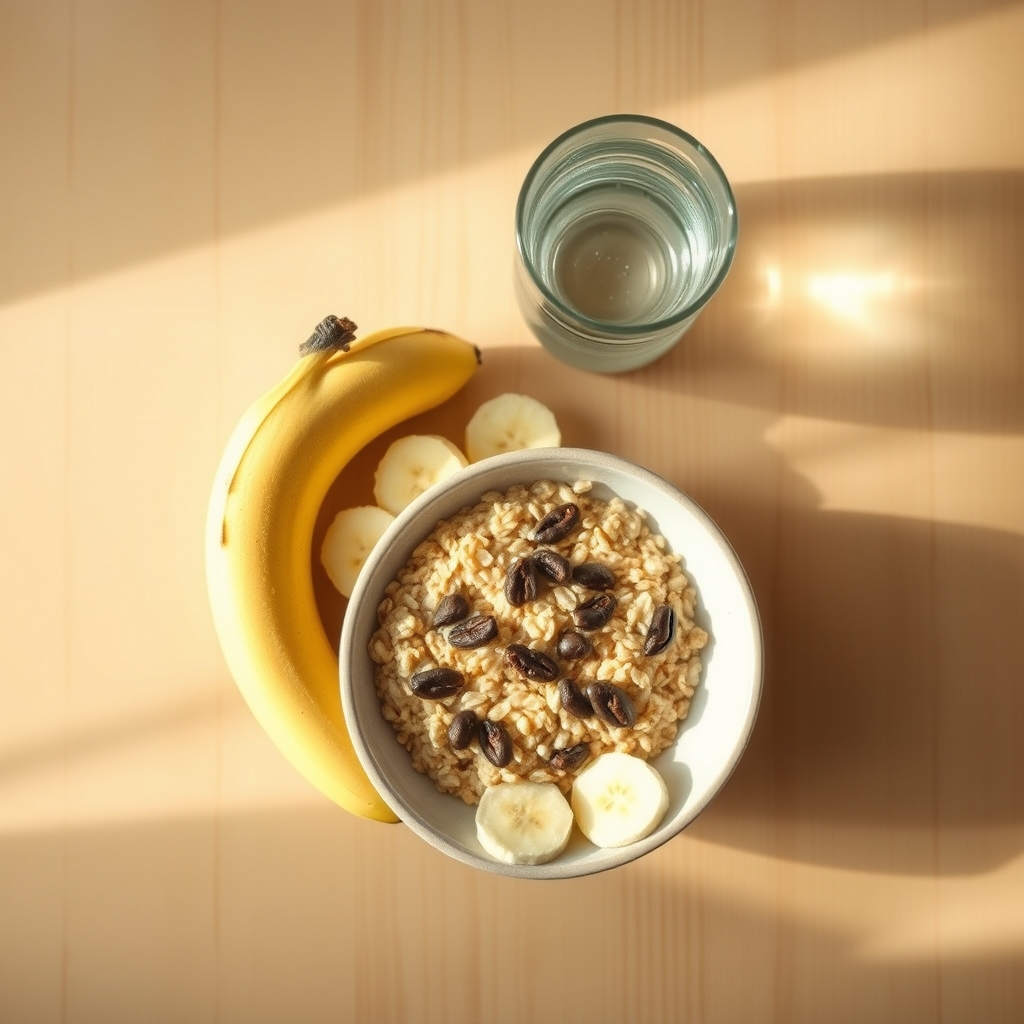
Simple, low‑fiber breakfast ideas can calm an upset stomach during early pregnancy.
Diarrhea and cramping in early pregnancy
Short answer: Cramping that accompanies diarrhea is usually due to intestinal muscle contractions, but persistent severe cramping should be evaluated.
When the colon moves stool quickly, it can cause mild, intermittent cramping. This is similar to the “stomach growl” many feel after a spicy meal. However, cramping that feels like menstrual cramps, spreads to the lower abdomen, or is accompanied by spotting may signal uterine activity rather than just bowel movement.
Distinguishing the two:
GI cramping often improves after bowel movement and is localized to the lower abdomen.
Uterine cramping may be constant, radiate to the hips, and is not relieved by passing stool.
If you’re unsure, a brief discussion with your provider can help you identify whether the pain is benign or requires further assessment.
Gentle stretching after meals can ease intestinal cramping without stimulating uterine activity.
Pregnancy diarrhea and bloating relief
Short answer: Gentle movement, mindful eating, and probiotic foods can ease both diarrhea and the bloating that often accompanies it.
Because hormonal changes slow gastric emptying, gas can build up, leading to bloating. Diarrhea can worsen bloating by causing rapid transit of gas‑laden foods. Strategies that address both include:
Walking for 10‑15 minutes after meals to stimulate peristalsis.
Eating slowly and chewing thoroughly to reduce swallowed air.
Choosing low‑FODMAP foods (e.g., peeled apples, zucchini, rice) that are less likely to ferment in the gut.
Adding a tablespoon of plain, unsweetened yogurt daily for probiotic support.
These steps often bring noticeable comfort within a day or two.
Keeping a small journal of foods that cause bloating can help you fine‑tune your diet as your pregnancy progresses.
Foods to avoid during pregnancy with diarrhea
Short answer: Limit high‑fat, highly spiced, and sugary foods, as well as caffeine and artificial sweeteners, until your gut steadies.
The table below lists common trigger foods and safer alternatives.
Food to Limit/Avoid
Why It Can Trigger Diarrhea
Gentler Alternative
Fried or greasy foods
High fat slows digestion, leading to rapid colonic transit
Baked chicken or steamed fish
Spicy sauces
Capsaicin irritates the lining of the gut
Mild herb‑infused sauces (basil, parsley)
Caffeinated drinks (coffee, energy drinks)
Caffeine stimulates intestinal muscles
Decaf tea or warm water with lemon
Artificial sweeteners (sorbitol, mannitol)
These sugar alcohols are poorly absorbed
Natural fruit puree for sweetness
High‑fiber raw vegetables (broccoli, cabbage)
Can increase gas and stool bulk quickly
Cooked carrots, peeled apples
Even small adjustments—like swapping a fried snack for a baked one—can dramatically reduce the frequency of loose stools.
Can you have diarrhea and morning sickness at the same time?
Short answer: Yes—hormonal fluctuations can cause both nausea and loose stools simultaneously, though they often feel contradictory.
Morning sickness is driven by rising hCG and estrogen, which also influence gut motility. Some people experience “the runs” after vomiting because the stomach empties quickly, and the intestines respond by moving contents along faster. Staying hydrated and eating bland, nutrient‑dense snacks (e.g., crackers with a thin spread of avocado) can help manage both symptoms.
Balancing fluids and electrolytes is especially important when both symptoms coexist, as dehydration can worsen nausea.
Diarrhea after pregnancy test
Short answer: A positive home pregnancy test does not cause diarrhea, but the emotional reaction to the result can trigger stress‑related GI changes.
Stress activates the autonomic nervous system, which can speed up or slow down digestion. If you feel anxious after seeing a positive line, you may notice an upset stomach or loose stools. Deep‑breathing exercises, a short walk, and a warm cup of herbal tea (like ginger) can calm both nerves and the gut.
Give yourself a few minutes to settle before reaching for any medication; often the digestive upset resolves once you feel more relaxed.
Can certain medications cause diarrhea in pregnancy?
Short answer: Some prenatal supplements and common prescriptions can irritate the gut, but the effect varies by individual.
Iron supplements, often recommended to prevent anemia, are a frequent culprit for both constipation and diarrhea, depending on formulation. Slow‑release iron tablets tend to cause constipation, while liquid iron may lead to loose stools. Similarly, certain antibiotics (e.g., amoxicillin) can disrupt normal gut flora, resulting in diarrhea. The NHS advises taking these medications with food and a probiotic to mitigate side effects.
If you suspect a medication is the trigger, discuss alternatives with your provider rather than stopping it abruptly.
Pairing iron with a probiotic can help keep your gut balanced.
How to tell if diarrhea is from food poisoning vs. pregnancy hormones?
Short answer: Food‑borne illness usually comes on suddenly after a specific meal and may include fever, whereas hormone‑related diarrhea develops gradually and lacks systemic signs.
Key clues for food poisoning include: onset within 2‑6 hours of eating suspect food, high‑grade fever, vomiting, and possibly blood in the stool. Hormonal diarrhea, by contrast, tends to be milder, appears alongside other early‑pregnancy symptoms, and does not usually cause a fever.
If you suspect food poisoning, the CDC recommends staying hydrated and seeking medical care if symptoms persist beyond 24 hours or you develop dehydration signs.
When in doubt, a quick call to your provider can help you decide whether you need a stool test or simply supportive care.
Diarrhea during pregnancy third trimester
Short answer: In the third trimester, the growing uterus can compress the intestines, sometimes leading to diarrhea or constipation; monitoring hydration and fiber intake is key.
By the third trimester, the baby’s position can press on the colon, altering stool consistency. Additionally, increased progesterone continues to relax smooth muscle, potentially causing a “push‑and‑pull” effect—some days you’ll have loose stools, other days you’ll be constipated.
Recommendations for this stage include:
At least 10 cups of fluid daily, including water, milk, and soups.
Two servings of soluble fiber (oatmeal, barley) and one serving of insoluble fiber (whole‑grain bread) each day.
Gentle prenatal yoga or pelvic‑tilt exercises to improve bowel motility.
Monitoring your stool pattern and adjusting fiber gradually can keep both constipation and diarrhea at bay as the baby grows.
Is it normal to have diarrhea after embryo transfer?
Short answer: Some women experience mild GI upset after embryo transfer, often due to the hormonal medications used in assisted reproductive technology (ART).
During in‑vitro fertilization (IVF) cycles, patients receive progesterone (vaginal suppositories, injections) and sometimes estrogen patches. These hormones mimic early‑pregnancy conditions and can cause the same gut relaxation that leads to diarrhea. The effect is usually short‑lived—lasting a few days after the transfer—once hormone levels stabilize.
If diarrhea is severe, interferes with medication absorption, or is accompanied by fever, contact your fertility clinic promptly.
Keeping a log of medication timing and bowel movements can help your fertility team adjust dosing if needed.
Diarrhea and pregnancy first trimester (expanded)
Short answer: Hormonal shifts, dietary changes, and early infections combine to create a “butterfly‑in‑the‑stomach” feeling that may include diarrhea.
Progesterone peaks around weeks 5‑6, slowing gastric emptying. Meanwhile, estrogen ramps up bile flow, which can accelerate colon activity. This dual effect explains why some pregnant people describe their stomach as “on a roller coaster.” The National Health Service (NHS) advises keeping a food‑symptom journal during this period to identify any patterns.
Common early‑pregnancy infections—such as a mild norovirus or a bacterial foodborne episode—are often coincidental, but they can exacerbate diarrhea. If you suspect an infection (e.g., recent travel, consumption of undercooked meat), seek medical advice early to prevent dehydration.
Staying proactive with hydration and a balanced diet can often prevent a short‑lived episode from turning into a longer disruption.
When diarrhea keeps you up at night, a glass of water and a calm environment can help you rest.
From our medical team: Most episodes of diarrhea in pregnancy are self‑limited. Focus on staying hydrated, choosing bland foods, and listening to your body. If you notice blood, fever, or a sudden change in pain, reach out to your provider right away. They can rule out infection, assess for dehydration, and, if needed, prescribe safe medication.
Myth vs. fact
Myth: Diarrhea always means you’re pregnant.
Fact: Diarrhea is a common GI symptom that can occur for many reasons—diet, infection, stress, or hormonal changes. It’s only a potential sign of pregnancy when paired with other early‑pregnancy cues.
Myth: All pregnant people experience constipation, never diarrhea.
Fact: While constipation is more frequent, about 10‑15 % of pregnant people report diarrhea at some point, especially in the first trimester.
Myth: Over‑the‑counter anti‑diarrheal meds are unsafe in pregnancy.
Fact: Certain medications, like loperamide, can be used short‑term under medical guidance. Always discuss any medication with your provider before starting.
Key takeaways
Diarrhea alone isn’t a reliable pregnancy test, but it can appear alongside other early signs.
Hormonal shifts—especially progesterone and estrogen—are the main drivers of GI changes in early pregnancy.
Stay hydrated; aim for 8–10 cups of fluid daily, and consider oral rehydration solutions if stools are frequent.
Adopt a bland, low‑fiber diet (BRAT) for 24‑48 hours, then gradually re‑introduce gentle fiber.
Seek medical care if you notice blood, fever, severe cramping, or weight loss over 5 %.
Discuss any over‑the‑counter medication with your provider, especially in the third trimester.
Track food and symptom patterns to identify triggers early and adjust your diet accordingly.
Frequently asked questions
What are the symptoms of diarrhea during pregnancy?
Short answer: Loose, watery stools occurring three or more times a day, often with mild cramping, urgency, and sometimes bloating.
Additional symptoms can include dehydration signs (dry mouth, dark urine), nausea, and occasional fever if an infection is present. Most symptoms are mild and resolve with hydration and dietary adjustments.
Can diarrhea be a sign of a healthy pregnancy?
Short answer: Occasionally, yes—mild diarrhea can reflect normal hormonal adjustments that many healthy pregnancies experience.
Because progesterone relaxes intestinal muscles, some women notice a temporary increase in bowel movements. As long as there’s no blood, fever, or severe pain, it’s generally considered a benign part of early pregnancy adaptation.
How long does diarrhea last during pregnancy?
Short answer: Typically 1‑3 days for hormone‑related episodes; longer if caused by infection or dietary triggers.
Most hormone‑driven diarrhea settles once the body acclimates to the new hormone levels, usually by the end of the first trimester. Persistent diarrhea beyond two weeks should be evaluated for infection, malabsorption, or other underlying conditions.
What are the causes of diarrhea in pregnant women?
Short answer: Hormonal changes, new food sensitivities, infections, and stress are the primary contributors.
Progesterone and estrogen alter gut motility; many pregnant people develop sensitivities to dairy, caffeine, or spicy foods; viral or bacterial gastroenteritis can coincide with early pregnancy; and anxiety about the pregnancy can trigger “stress‑bowel” reactions.
Can diarrhea during pregnancy lead to complications?
Short answer: Rarely, but prolonged diarrhea can cause dehydration, electrolyte imbalance, and, in severe cases, preterm labor.
Dehydration reduces amniotic fluid volume and can increase uterine irritability. If you experience persistent watery stools, monitor your fluid intake and seek medical advice if you notice signs of dehydration (e.g., dizziness, reduced urine output).
How can I manage diarrhea during pregnancy?
Short answer: Hydrate, follow a bland diet, add probiotics, and consult your provider before using any medication.
Drink water, clear broths, or oral rehydration solutions. Eat the BRAT foods for a short period, then re‑introduce gentle fiber. If symptoms persist beyond 48 hours, contact your obstetrician for further evaluation and safe treatment options.
Is it safe to use over‑the‑counter anti‑diarrheal medication in the second trimester?
Short answer: Generally, loperamide can be used short‑term in the second trimester if your provider approves it, but it’s not a first‑line choice.
ACOG notes that the medication’s safety profile is acceptable when benefits outweigh risks. Always discuss dosage and duration with your obstetrician before starting any OTC product.
Can stress cause diarrhea during pregnancy?
Short answer: Yes—stress activates the gut–brain axis, which can speed up intestinal transit and lead to loose stools.
Pregnancy‑related anxiety, work pressures, or excitement about upcoming parenthood can all trigger “nervous stomach” symptoms. Managing stress with breathing exercises, gentle movement, or talking to a support person can lessen the impact on your digestive system.
When to call your doctor
If you experience any of the following, contact your obstetrician or midwife immediately: blood in stool, fever above 100.4 °F (38 °C), severe abdominal pain, dehydration signs (dizziness, dark urine, rapid heartbeat), sudden weight loss, or persistent diarrhea lasting more than a week. This article provides general information and is not a substitute for personalized medical advice.
References
American College of Obstetricians and Gynecologists (ACOG). “Management of Gastrointestinal Symptoms in Pregnancy.” Practice Bulletin, 2023.
National Health Service (NHS). “Diarrhoea in pregnancy.” Clinical guidance, 2022.
World Health Organization (WHO). “Oral Rehydration Salts (ORS) for diarrhoea management.” 2021.
Centers for Disease Control and Prevention (CDC). “Pregnancy and Food Safety.” Updated 2023.
Mayo Clinic. “Diarrhea: When to see a doctor.” 2022.
Royal College of Obstetricians and Gynaecologists (RCOG). “Food and nutrition during pregnancy.” Clinical guideline, 2022.
U.S. Food and Drug Administration (FDA). “Pregnancy and lactation labeling for loperamide.” 2020.
National Institute for Health and Care Excellence (NICE). “Nutrition during pregnancy.” NG123, 2022.
Centers for Disease Control and Prevention (CDC). “Stress and gastrointestinal health during pregnancy.” 2023.
National Health Service (NHS). “Probiotics in pregnancy.” Clinical advice, 2021.
Not sure about the label on Is Diarrhea A Sign Of Pregnancy products?
Snap the ingredients list and SafeFilter checks every ingredient for your stage — only 3 free scans this month, then you're locked until reset. Unlimited from $7/mo or $50/yr.
When Shubhra Mishra was expecting her first child in 2016, she was overwhelmed by conflicting food advice — one site said yes, another said never. By the time her second baby arrived in 2019, she realized millions of mothers face the same confusion.
That sparked a five-year journey through clinical nutrition papers, cultural diets, and expert conversations — all leading to BumpBites: a calm, compassionate space where science meets everyday motherhood.
Her long-term vision is to build a global community ensuring safe, supported, and free deliveriesfor every mother — because no woman should face pregnancy alone or uninformed. 🌿
🌍 Stand with mothers, shape safer guidance
Join a small circle of experts who review BumpBites articles so expecting parents everywhere can decide with confidence.