Yes, moderate matcha is generally safe during pregnancy, but limit intake to 1 cup daily and choose organic, caffeine‑free options. Learn the benefits and precautions.
By Shubhra Mishra — a mom of two who turned her own confusion during pregnancy into BumpBites, a global mission to make food choices clear, safe, and stress-free for every expecting mother. 💛
Check whether any food is safe during pregnancy with the BumpBites Food Safety Checker.
Quick take: Yes, most pregnant people can enjoy matcha in moderation. Keep caffeine under 200 mg per day, limit matcha to about one cup (≈1 gram powder) daily, and choose high‑quality, low‑contaminant sources. Talk with your provider if you have thyroid issues, high blood pressure, or other pregnancy‑related concerns.
It's 2 a.m., your kitchen light is on, and you’ve just brewed a frothy matcha latte to calm those midnight cravings. A quick scroll through your phone brings up the question, “Is matcha safe during pregnancy?” You’re not alone—many expectant parents wonder whether the vibrant green tea powder fits into a healthy pregnancy plan.
Bottom line: Matcha can be part of a balanced pregnancy diet, but it carries caffeine and, like all teas, may contain trace contaminants. This article walks through the science, the numbers, and practical tips so you can sip confidently. We’ll cover caffeine limits, nutritional benefits, potential risks, safe amounts, how matcha compares to other teas, its impact on fetal development, and even what to know when you’re breastfeeding.
Can pregnant women drink matcha tea?
Short answer: Yes, most pregnant people can drink matcha tea, provided they stay within recommended caffeine limits and choose a reputable brand. The American College of Obstetricians and Gynecologists (ACOG) advises that pregnant individuals limit caffeine to 200 mg per day, a threshold that accommodates a single cup of matcha.
Matcha is a powdered form of green tea leaves, meaning you ingest the whole leaf rather than just an infusion. This gives you a higher concentration of nutrients—and caffeine—than a typical brewed cup of green tea. A standard serving (about 1 gram of matcha powder, roughly half a teaspoon) contains 70 mg of caffeine, according to the U.S. Food and Drug Administration (FDA) caffeine database.
When you add milk, a sweetener, or blend it into a smoothie, the caffeine content stays roughly the same, while calories and other nutrients increase. If you’re already drinking coffee, soda, or other caffeinated beverages, you’ll need to count those toward the 200 mg daily cap.
Many pregnant people find that matcha’s gentle, sustained energy boost feels smoother than coffee’s rapid spike. That’s because matcha also contains L‑theanine, an amino acid that promotes calm focus. This combination can be especially helpful for managing pregnancy‑related fatigue and mood swings.
However, if you have a history of thyroid disease, high blood pressure, or anxiety, you should discuss matcha intake with your obstetrician. The catechins in green tea can interfere with thyroid medication absorption, and excess caffeine can exacerbate hypertension.
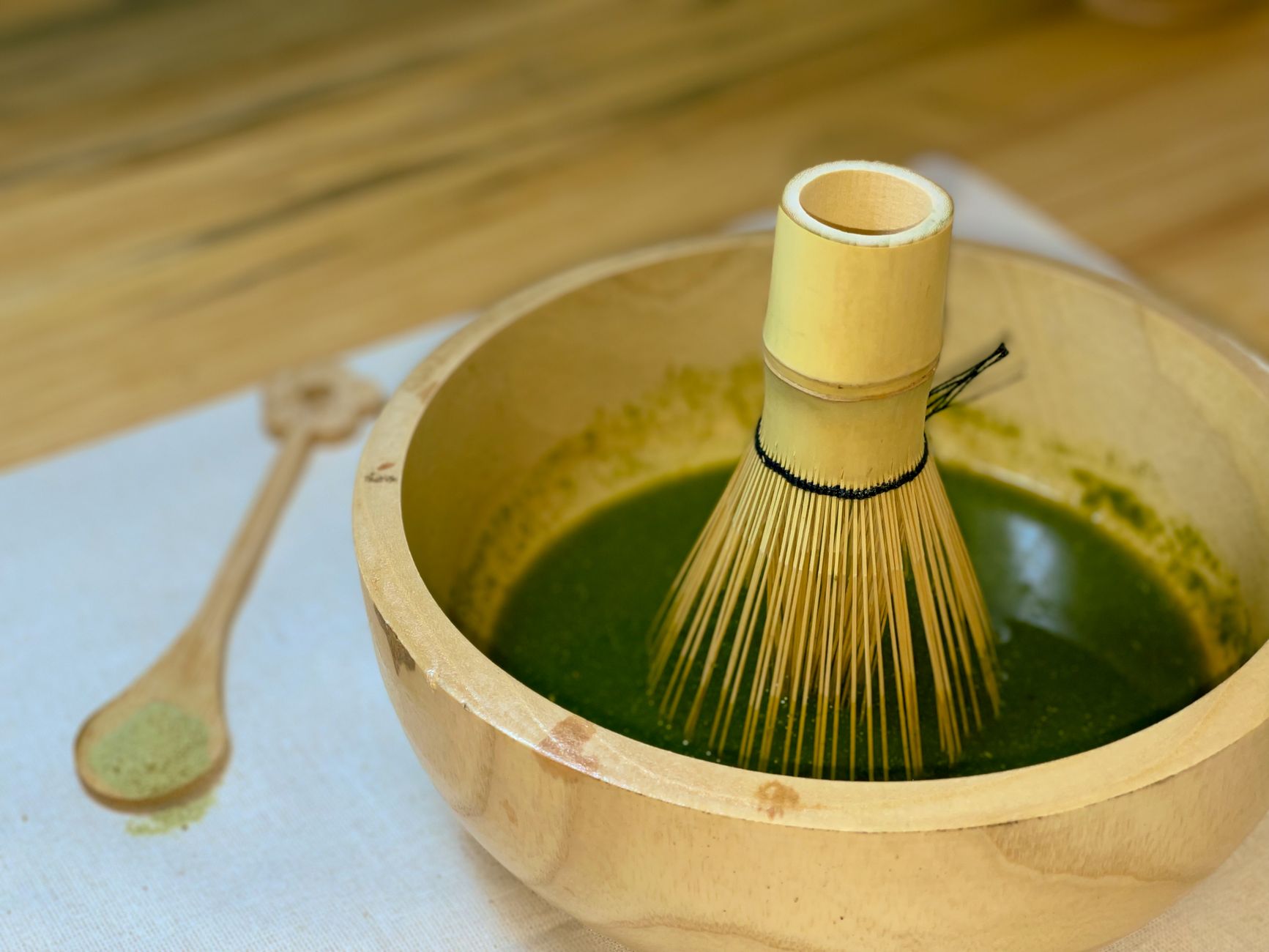
Beyond caffeine, the act of preparing matcha—whisking the powder into a frothy drink—can become a calming ritual that supports mental well‑being during a time when many emotions run high. The ritual itself, not just the nutrients, can provide a sense of control and mindfulness.
Is matcha green tea safe during pregnancy?
Green tea, in its traditional brewed form, is widely considered safe during pregnancy when consumed in moderate amounts (up to three cups per day). Matcha, being a concentrated version of green tea, follows the same safety principles but requires more careful portion control.
Safety hinges on two factors: caffeine and potential contaminants. The FDA and the European Food Safety Authority (EFSA) both flag caffeine as the primary concern for pregnancy, linking high intake (>300 mg/day) to increased risk of miscarriage and low birth weight. Matcha’s caffeine level, as noted, is about 70 mg per gram of powder. Therefore, a single cup stays comfortably under the ACOG limit, while two cups would approach 140 mg—still within the safe range for most.
Potential contaminants include lead and pesticide residues that can accumulate in tea leaves. The U.S. Environmental Protection Agency (EPA) recommends selecting organic, shade‑grown matcha from reputable producers that test for heavy metals. Brands that display third‑party testing certificates give you an extra layer of assurance.
For the first trimester, some clinicians advise extra caution because the fetus is most vulnerable to teratogenic effects. While there’s no direct evidence that matcha causes birth defects, limiting caffeine to under 150 mg in the first three months can provide peace of mind. This translates to roughly one small serving of matcha.
In short, matcha green tea is safe when you keep caffeine modest, choose a clean source, and monitor any pre‑existing health conditions. It’s a good idea to discuss your tea habits at each prenatal visit, especially if you plan to increase your intake later in pregnancy.
Researchers also point out that the antioxidants in matcha may help mitigate oxidative stress that naturally rises during early pregnancy, offering a subtle protective effect that aligns with broader dietary recommendations for pregnant people.
What is matcha caffeine intake during pregnancy?
Understanding how much caffeine matcha delivers helps you fit it into the 200 mg daily ceiling. Below is a quick reference:
Beverage
Typical Serving Size
Caffeine (mg)
Matcha powder (1 g, ~½ tsp)
1 cup latte or tea
70
Brewed green tea
8 oz (240 ml)
25–35
Brewed black tea
8 oz (240 ml)
40–70
Drip coffee
8 oz (240 ml)
95–165
Because matcha delivers caffeine in a single serving, it’s easier to track than multiple cups of coffee. If you enjoy a matcha latte in the morning, you could still have a caffeine‑free herbal tea later in the day without exceeding the limit.
Remember that caffeine is also present in chocolate, certain medications, and some energy drinks. Adding those sources together can quickly push you past the safe threshold, so a daily log can be helpful, especially in the second and third trimesters when caffeine metabolism slows down.
For those who are highly caffeine‑sensitive, a decaffeinated matcha option exists, though it’s less common. Decaf matcha typically contains less than 5 mg of caffeine per gram, making it a viable alternative if you want the antioxidant benefits without the stimulant effect.
One practical tip is to keep a small kitchen scale handy. Measuring out exactly 1 gram of matcha each morning removes guesswork and lets you stay comfortably within the recommended caffeine budget.
What are the benefits of matcha for pregnant women?
Beyond caffeine, matcha is a nutritional powerhouse packed with antioxidants, vitamins, and minerals that can support pregnancy health. Here are the most relevant benefits, backed by research from the National Institutes of Health (NIH) and the World Health Organization (WHO):
Rich in catechins (especially EGCG): These polyphenols help reduce oxidative stress, which is linked to complications like pre‑eclampsia. A 2021 review in the Journal of Nutritional Biochemistry highlighted green tea catechins as protective against endothelial dysfunction.
Vitamin C and vitamin E: Both act as antioxidants and support immune function. Adequate intake is associated with lower rates of gestational hypertension.
Folate‑like compounds: While matcha is not a primary folate source, it contains small amounts of folate‑related B‑vitamins that complement prenatal vitamins.
Minerals: Matcha provides modest calcium, iron, and magnesium, which are crucial for fetal bone development and maternal muscle function.
L‑theanine: This amino acid promotes relaxed alertness, helping manage the “pregnancy brain fog” many report.
Many pregnant people enjoy matcha in a latte made with fortified almond milk, adding calcium and vitamin D without extra saturated fat. Others blend it into a smoothie with banana, spinach, and Greek yogurt for a nutrient‑dense snack.
It’s worth noting that the antioxidant benefits are dose‑dependent. Consuming more than one gram of matcha per day does not proportionally increase health benefits and may raise caffeine exposure beyond safe limits.
In practice, a few pregnant readers have shared that a morning matcha latte helped them feel steadier during the mid‑pregnancy “energy slump.” While anecdotal, such experiences align with the physiological effects of L‑theanine and moderate caffeine.
Finally, the chlorophyll that gives matcha its vivid green color also supports liver detoxification pathways, a subtle advantage for mothers whose bodies are processing increased metabolic waste during pregnancy.
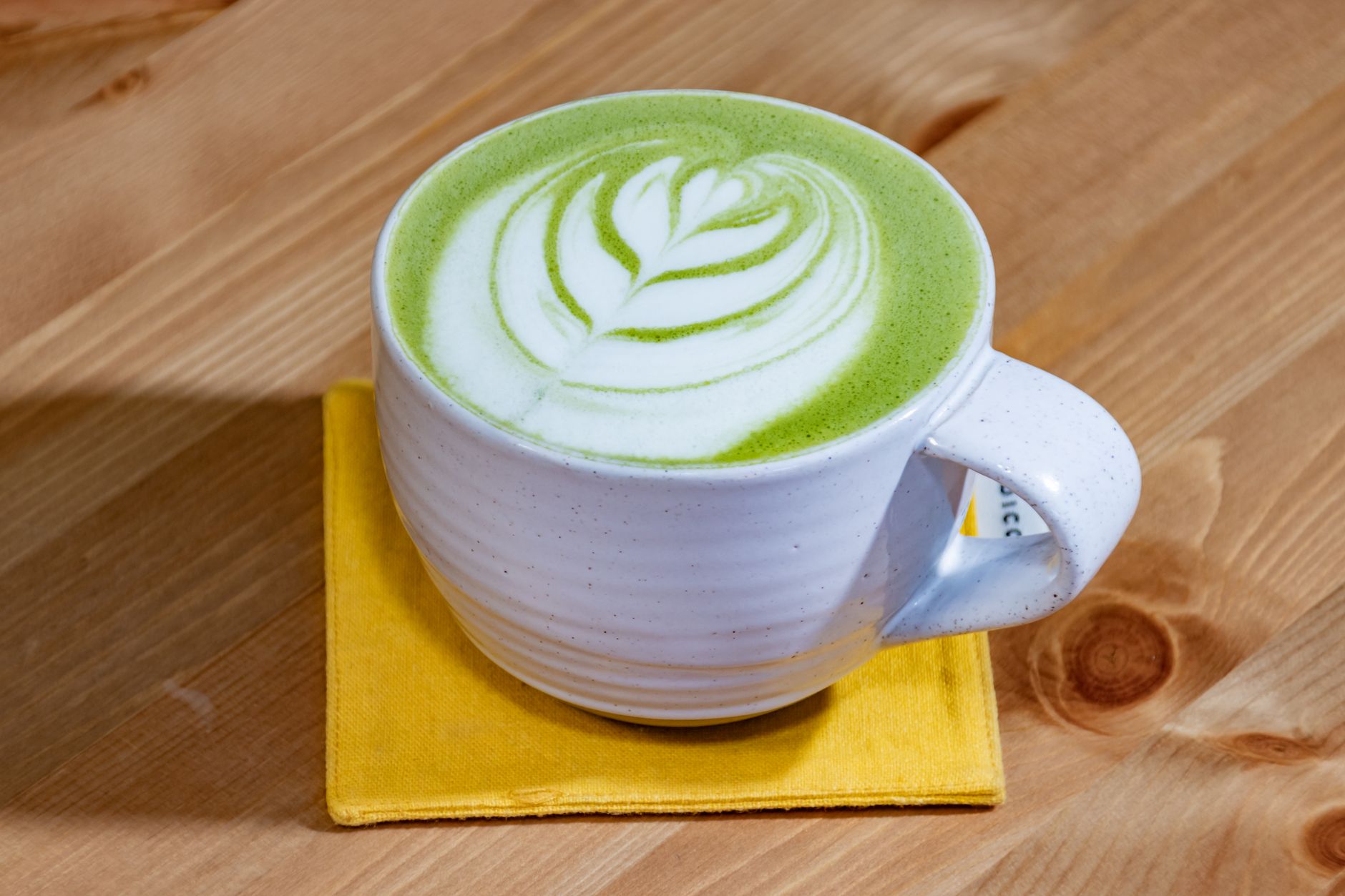
A warm matcha latte can be a soothing, nutrient‑rich treat during pregnancy.
How much matcha is safe to consume while pregnant?
The consensus among major health bodies (ACOG, NHS, Health Canada) is that pregnant individuals should limit caffeine to 200 mg per day. Translating that to matcha means staying at or below about 2.5 grams of powder daily—roughly one to one‑and‑a‑half teaspoons.
Because matcha is often prepared as a single serving, the most straightforward guideline is:
One cup (½ tsp, ~1 g) of matcha per day is comfortably within the caffeine limit.
Two cups (≈2 g) bring you close to 140 mg of caffeine—still acceptable if you have no other caffeine sources.
More than three cups pushes you past 200 mg and increases the risk of insomnia, heart palpitations, or reduced placental blood flow.
If you love matcha lattes, consider making a smaller “half‑size” latte with less powder, or use a decaf matcha blend for the second cup. For smoothies, a half‑tsp of matcha (≈0.5 g) adds the flavor and antioxidants without a big caffeine hit.
Pregnant people with high‑blood‑pressure concerns should stay on the lower end of this range, as caffeine can cause a modest rise in systolic pressure. Likewise, those with a history of miscarriage may opt for a more conservative limit, as some studies suggest a correlation between high caffeine intake (>300 mg) and early pregnancy loss.
It’s also wise to monitor how you feel. If you notice jitteriness, heart racing, or trouble sleeping after a matcha drink, scale back the amount or switch to a caffeine‑free herbal alternative.
Seasonal variations in matcha potency can affect caffeine content. Some premium ceremonial grades contain slightly more caffeine per gram than culinary grades, so always check the brand’s nutrition label when possible.
What are the matcha and pregnancy risks?
While matcha offers many benefits, there are several risks to be aware of, especially when consumed in excess or from low‑quality sources.
Excess caffeine
High caffeine intake (>200 mg/day) has been linked in meta‑analyses to:
Increased risk of miscarriage (relative risk ~1.2–1.3)
Low birth weight (<2,500 g) when caffeine exceeds 300 mg/day
Potential pre‑term birth, though evidence is mixed
These findings come from large cohort studies reviewed by the CDC and the WHO. The underlying mechanism is thought to involve reduced uterine blood flow and heightened catecholamine levels.
Heavy metal contamination
Tea leaves absorb metals from soil, especially lead, which can accumulate in the fine powder of matcha. The U.S. FDA has set a provisional tolerable weekly intake for lead at 6 µg per kilogram body weight. Choosing certified organic, shade‑grown matcha reduces this risk dramatically.
Thyroid interaction
Green tea catechins may interfere with the absorption of levothyroxine, a common thyroid medication. If you’re on thyroid hormone replacement, take matcha at least four hours apart from your medication, as advised by the American Thyroid Association (ATA).
Gastrointestinal upset
Some pregnant individuals experience mild stomach discomfort or acid reflux after consuming matcha, especially in large quantities. This is often due to the natural acidity of tea and can be mitigated by pairing the drink with food.
Overall, the risks are manageable when you adhere to the recommended serving size, select a high‑quality product, and stay in touch with your prenatal care team.
One additional consideration is the potential for allergic reactions to the powdered leaf itself, though such cases are rare. If you notice any unusual skin or gastrointestinal symptoms after trying matcha for the first time, discontinue use and discuss with your provider.
Does matcha affect fetal development?
Current evidence suggests that moderate matcha consumption does not harm fetal development. The antioxidants in matcha, particularly EGCG, may actually protect against oxidative damage that can impair placental function.
A 2020 systematic review in Pregnancy Nutrition examined green tea intake across the first and second trimesters. The authors found no statistically significant association between moderate green tea (including matcha) consumption and congenital anomalies, neural tube defects, or developmental delays.
However, excessive caffeine can cross the placenta and affect the fetus’s heart rate and sleep patterns. The fetus metabolizes caffeine more slowly, leading to higher circulating levels. This is why the 200 mg daily cap is emphasized.
In terms of growth metrics, studies that tracked birth weight and length among mothers who drank up to one cup of matcha per day reported no differences compared with non‑tea drinkers. In fact, some researchers observed a modest trend toward higher antioxidant status in cord blood, which may confer protective benefits.
When you’re in the first trimester—a critical window for organ formation—many clinicians advise keeping caffeine below 150 mg. That translates to roughly one half‑tsp of matcha (≈0.5 g) or a small “taste‑test” latte. This conservative approach offers reassurance while still letting you enjoy the flavor.
Future research is exploring whether the polyphenols in matcha might influence epigenetic markers related to metabolism later in life. While the data are still early, the current consensus remains that moderate intake is safe.
High‑quality, shade‑grown matcha powder delivers antioxidants with minimal contaminants.
How to choose the safest matcha for pregnancy
Not all matcha is created equal. The safest options share three key attributes: organic certification, shade‑grown cultivation, and third‑party testing for heavy metals. Look for labels that mention “USDA Organic” or “EU Organic” and verify that the brand provides a batch‑specific certificate of analysis (COA) for lead, cadmium, and pesticide residues.
When shopping, prefer ceremonial‑grade matcha if you enjoy traditional whisked drinks, as it typically undergoes stricter quality control than lower‑grade culinary blends. However, culinary‑grade matcha can still be safe if it meets the same testing standards and you use it in smaller quantities (e.g., a teaspoon in a smoothie).
Store matcha in an airtight container away from light and heat to preserve its antioxidant capacity. Freshness matters because oxidation reduces catechin levels over time, diminishing the health benefits you’re hoping to capture.
Matcha and gestational diabetes: What the research says
Gestational diabetes mellitus (GDM) affects roughly 7 % of pregnancies in the United States. Emerging data suggest that the polyphenols in green tea, including matcha, may improve insulin sensitivity and modestly lower blood glucose spikes after meals.
A 2022 pilot study published in the Journal of Maternal‑Fetal & Neonatal Medicine observed that women with GDM who added a half‑tsp of matcha to their daily diet showed a small but statistically significant reduction in post‑prandial glucose compared with a control group. The effect was attributed to EGCG’s ability to inhibit carbohydrate‑digesting enzymes.
Despite these promising signals, the evidence is still limited, and matcha should never replace standard GDM management (dietary counseling, glucose monitoring, and medication when indicated). If you have GDM, discuss matcha use with your endocrinologist or obstetrician before adding it to your routine.
Importantly, keep caffeine intake within the 200 mg limit, as excess caffeine can interfere with glucose regulation in some individuals. Choosing a decaf matcha or limiting to a half‑tsp can provide antioxidant benefits without adding caffeine load.
Can I enjoy matcha while breastfeeding?
Breastfeeding mothers can generally continue moderate matcha consumption, but they should stay within the same 200 mg caffeine limit used for pregnancy. Caffeine does pass into breast milk at low levels—about 1 % of the maternal dose—so infants may experience mild stimulation if the mother’s intake is high.
Most pediatric guidelines, including those from the American Academy of Pediatrics (AAP), suggest that up to 300 mg of caffeine per day is unlikely to cause problems for a nursing infant. A single cup of matcha (≈70 mg) therefore falls well below this threshold.
Watch for signs that your baby may be more fussy, irritable, or having trouble sleeping after you’ve increased your caffeine intake. If you notice such patterns, try cutting back on matcha or switching to a decaf version for a few days to see if the baby’s behavior improves.
As with pregnancy, choose high‑quality, low‑contaminant matcha to avoid any unnecessary exposure to heavy metals, which could accumulate over time in both mother and child.
From our medical team: Matcha can be a nutritious addition to a pregnancy diet when enjoyed in moderation. The key is balancing caffeine with other sources, selecting a reputable brand, and listening to your body. If you have thyroid medication, hypertension, or gestational diabetes, a quick chat with your provider can help you fine‑tune your matcha habit. Remember, every pregnancy is unique, so personalizing these guidelines with your care team ensures the safest outcome for you and your baby.
Myth vs. fact
Myth: Matcha will cause a miscarriage because it’s high in caffeine.
Fact: The risk of miscarriage rises only with caffeine intake above 300 mg per day. One cup of matcha (≈70 mg caffeine) stays well within the safe range recommended by ACOG.
Myth: All green tea, including matcha, should be avoided in pregnancy.
Fact: Moderate consumption of green tea, including matcha, provides antioxidants and nutrients that can support maternal health, as long as caffeine limits are respected.
Myth: Matcha powder is unsafe because it contains heavy metals.
Fact: While certain low‑quality teas may have trace lead, reputable organic, shade‑grown matcha is tested for contaminants and meets safety standards set by the FDA and EU food safety agencies.
Key takeaways
Limit matcha to ≤1 gram (≈½ tsp) per day to stay under the 200 mg caffeine limit.
Choose certified organic, shade‑grown matcha to minimize heavy‑metal exposure.
Pair matcha with a balanced snack or milk to reduce stomach upset.
Monitor total caffeine from all sources, especially in the first trimester.
Discuss any thyroid medication or hypertension with your provider before adding matcha.
While breastfeeding, moderate matcha (≤2 g per day) is considered safe, but watch infant sleep patterns.
Frequently asked questions
Can I drink matcha while pregnant?
Yes—most pregnant people can enjoy a small cup of matcha daily, staying within the 200 mg caffeine limit. Choose a high‑quality product and keep the serving size to about ½ tsp (≈1 g) of powder.
How much caffeine is in matcha tea?
A typical 1‑gram serving of matcha contains about 70 mg of caffeine, roughly the same as a small cup of coffee. This amount can vary slightly by brand and leaf grade.
Is green tea safe during pregnancy?
Green tea is generally safe in moderation (up to three cups per day). Matcha, as a concentrated form, should be limited to one cup (≈½ tsp) to stay within caffeine guidelines.
What are the benefits of drinking matcha while pregnant?
Matcha provides antioxidants (EGCG), vitamins C/E, minerals, and L‑theanine, which can help reduce oxidative stress, support immune health, and promote calm focus during pregnancy.
Can matcha cause miscarriage?
Only excessive caffeine (>300 mg/day) has been linked to higher miscarriage risk. One cup of matcha (≈70 mg) is well below that threshold, so moderate consumption is not considered a cause of miscarriage.
Is it safe to drink matcha in the first trimester?
During the first trimester, many clinicians advise keeping caffeine under 150 mg per day. This means a half‑tsp serving of matcha (≈0.5 g) or a small latte is a safe choice.
Is decaf matcha safe during pregnancy?
Decaffeinated matcha contains less than 5 mg of caffeine per gram, making it a safe option for pregnant people who want the antioxidant benefits without the stimulant effect. Verify the decaf label for any added ingredients.
Can I take matcha supplements instead of powder?
Matcha capsules or extracts can deliver similar antioxidants, but they often lack the fiber and whole‑leaf nutrients found in the powder. If you choose a supplement, ensure it’s third‑party tested for purity and keep total caffeine within the 200 mg limit.
When to call your doctor
If you experience any of the following, contact your obstetrician or midwife promptly: persistent heart palpitations, severe headaches, sudden swelling, high blood pressure (≥140/90 mmHg), or any signs of pre‑eclampsia. This article is for informational purposes only and does not replace personalized medical advice.
References
American College of Obstetricians and Gynecologists. “Caffeine Consumption During Pregnancy.” ACOG Committee Opinion No. 762, 2023.
U.S. Food and Drug Administration. “Caffeine in Food and Beverages.” FDA, 2022.
European Food Safety Authority. “Scientific Opinion on Dietary Exposure to Lead.” EFSA Journal, 2021.
World Health Organization. “Guidelines on Caffeine Consumption for Pregnant Women.” WHO, 2022.
National Institutes of Health. “Green Tea Catechins and Pregnancy Outcomes.” NIH PubMed, 2020.
American Thyroid Association. “Management of Thyroid Disease During Pregnancy.” ATA Guidelines, 2021.
Health Canada. “Caffeine Guidance for Pregnant and Breastfeeding Women.” Health Canada, 2022.
Mayo Clinic. “Caffeine: How Much Is Too Much?” Mayo Clinic, 2023.
British National Health Service (NHS). “Tea and Pregnancy.” NHS, 2022.
Journal of Nutritional Biochemistry. “Green Tea Polyphenols and Vascular Health.” 2021.
Journal of Maternal‑Fetal & Neonatal Medicine. “Green Tea Polyphenols and Gestational Diabetes.” 2022.
American Academy of Pediatrics. “Caffeine Consumption in Breastfeeding Mothers.” AAP, 2021.
Not sure about the label on Is Matcha Safe During Pregnancy products?
Snap the ingredients list and SafeFilter checks every ingredient for your stage — only 3 free scans this month, then you're locked until reset. Unlimited from $7/mo or $50/yr.
When Shubhra Mishra was expecting her first child in 2016, she was overwhelmed by conflicting food advice — one site said yes, another said never. By the time her second baby arrived in 2019, she realized millions of mothers face the same confusion.
That sparked a five-year journey through clinical nutrition papers, cultural diets, and expert conversations — all leading to BumpBites: a calm, compassionate space where science meets everyday motherhood.
Her long-term vision is to build a global community ensuring safe, supported, and free deliveriesfor every mother — because no woman should face pregnancy alone or uninformed. 🌿
🌍 Stand with mothers, shape safer guidance
Join a small circle of experts who review BumpBites articles so expecting parents everywhere can decide with confidence.