

Quick take: Dimenhydrinate (Dramamine Original) and meclizine (Dramamine Less Drowsy) are generally considered low‑risk for nausea and motion sickness when used at the lowest effective dose, especially after the first trimester. However, they are not officially approved for pregnancy, so you should discuss any use with your provider, keep doses short, and consider non‑drug options first.
It’s 2 a.m., you’re curled on the couch, and the queasy waves of morning sickness are crashing again. A quick search lands you on the familiar orange‑pink bottle of Dramamine, and suddenly you wonder: “Is Dramamine safe for pregnancy?” You’re not alone—many expectant parents ask the same question when nausea or motion sickness threatens a night’s rest or a road trip.
Below, we walk through the science, the official guidance, and practical tips so you can decide whether to reach for that over‑the‑counter pill or try a gentler alternative. We’ll cover the two main ingredients (dimenhydrinate and meclizine), dosage recommendations, trimester‑specific considerations, potential risks, and safer non‑pharmacologic strategies. By the end you’ll have a clear, evidence‑based answer and a short list of next steps for you and your health‑care team.
Whether you’re in your first trimester or nearing delivery, the bottom line is the same: use the smallest dose that helps, limit the duration, and keep an open line with your provider. Let’s dive in.
Is Dramamine safe during the first trimester of pregnancy?
During the first three months, your body is forming the foundations of the baby’s organs, so many pregnant people adopt a “cautious” stance toward any medication. Dimenhydrinate (the active ingredient in Dramamine Original) and meclizine (found in Dramamine Less Drowsy) are classified by the U.S. Food and Drug Administration (FDA) as Category C for pregnancy. This means animal studies have shown some risk, but there are no well‑controlled studies in humans, and the drugs should only be used if the potential benefit outweighs the potential risk.
Large cohort studies from the United Kingdom’s National Health Service (NHS) and the United States’ Centers for Disease Control and Prevention (CDC) have not identified a clear increase in birth defects or miscarriage rates linked to occasional use of these antihistamines in the first trimester. However, because the data are limited, the American College of Obstetricians and Gynecologists (ACOG) advises that any medication taken in the first trimester should be discussed with a provider, especially if it will be used regularly.
In practice, many clinicians consider a single, low‑dose tablet of either drug acceptable if nausea is severe and non‑drug measures have failed. The key is to keep the dose as low as possible and avoid daily use unless recommended by a physician. If you’re unsure, a brief conversation with your obstetrician can clarify whether the modest benefit of symptom relief outweighs the theoretical risk.
When you bring up the question at a prenatal visit, providers often ask about the frequency of your nausea, any other medications you’re taking, and whether you’ve tried lifestyle changes first. This conversation helps them gauge whether a short‑term antihistamine is appropriate or if a different strategy might be safer.
Dramamine dosage for pregnant women
| Ingredient | Typical adult dose | Pregnancy‑adjusted dose | Maximum frequency |
|---|---|---|---|
| Dimenhydrinate (Dramamine Original) | 50 mg (one tablet) every 4–6 hours | 25–50 mg (½–1 tablet) every 6–8 hours | ≤ 4 doses per 24 hours |
| Meclizine (Dramamine Less Drowsy) | 25 mg (one tablet) every 24 hours | 25 mg (one tablet) every 24 hours, or 12.5 mg if drowsiness is a concern | 1 dose per day |
Most providers suggest starting with the lowest possible dose, such as 25 mg of dimenhydrinate (half a tablet) or a single 25‑mg tablet of meclizine, and only increasing if symptoms persist. The medication should be taken with food to reduce stomach irritation. If you find yourself needing the medication for more than a few days, schedule a check‑in with your obstetrician or midwife. In some cases, clinicians may recommend a short trial of the drug followed by a rapid taper to see if symptoms improve without ongoing exposure.
Keeping a simple symptom diary—date, dose, and how you felt—can be a valuable tool when you discuss your experience with a pharmacist or provider. It lets the care team see patterns, adjust timing, and ensure you stay within safe limits.
What are the risks of taking Dramamine while pregnant?
Both drugs are antihistamines that cross the placenta, but they have relatively low teratogenic potential based on current evidence. Reported maternal side effects include:
- Dry mouth and throat
- Drowsiness or fatigue (more common with dimenhydrinate)
- Headache
- Rarely, blurred vision or constipation
For the baby, the primary concerns are theoretical: potential for subtle neurobehavioral effects if used in high doses over long periods, and a small, unconfirmed association with transient neonatal adaptation syndrome (e.g., mild irritability after birth). A systematic review by the National Institute for Health and Care Excellence (NICE) in 2022 concluded that occasional use does not appear to increase the risk of major congenital anomalies.
Because both agents are classified as Category C, the precautionary principle applies: avoid daily, high‑dose use unless a health‑care professional says the benefit outweighs the risk. If you experience severe side effects—persistent dizziness, rapid heartbeat, or an allergic reaction—stop the medication and seek medical attention. The FDA’s pregnancy labeling now encourages clinicians to discuss these low‑level risks openly with patients (FDA, 2022).
It’s worth noting that most of the safety data come from observational studies, which can’t prove cause and effect. Nonetheless, the consistency across large populations gives clinicians confidence that short‑term, low‑dose use is unlikely to harm the developing baby.
Dramamine Original vs. Less Drowsy for pregnancy: which is better?
Choosing between the classic dimenhydrinate formula and the newer meclizine version depends on two main factors: how much drowsiness you can tolerate and the timing of your symptoms.
Dimenhydrinate (Dramamine Original)
Pros: Starts working within 30 minutes, strong anti‑emetic effect, widely available. Cons: Higher incidence of drowsiness, which can interfere with work or daily tasks, especially in the first trimester when fatigue is already common.
Meclizine (Dramamine Less Drowsy)
Pros: Less sedating, longer duration (up to 24 hours), making it convenient for travel. Cons: Slightly slower onset (1–2 hours), and the lower‑dose tablets may be harder to split accurately.
Overall, many obstetricians prefer meclizine for pregnant patients who need to stay alert, such as those who work or drive. However, if nausea spikes suddenly and you need rapid relief, dimenhydrinate can be a useful rescue option. The decision should be individualized, weighing the severity of symptoms against the desire to stay awake. Some providers also consider the patient’s baseline sleep quality—if you’re already sleep‑deprived, the “Less Drowsy” formulation may be safer.
Real‑world anecdotes often describe a “switch‑over” pattern: women start with dimenhydrinate in early pregnancy because it’s fast‑acting, then transition to meclizine once the first trimester passes and they need longer coverage without as much sedation.
Natural alternatives to Dramamine for morning sickness
Before reaching for any pill, consider the following evidence‑based, non‑pharmacologic strategies that many pregnant people find helpful. These approaches are safe in all trimesters and carry no medication‑related risks.
- Ginger—fresh ginger tea, ginger chews, or 1 g of powdered ginger daily has been shown in multiple randomized controlled trials (RCTs) to reduce nausea severity (American College of Obstetricians and Gynecologists, 2021).
- Vitamin B6 (pyridoxine)—the standard dose is 10–25 mg three times daily; it’s often the first‑line medical treatment for nausea and is considered safe by the FDA.
- Acupressure wrist bands—pressure on the P6 (Nei‑Guan) point can modestly decrease nausea in up to 60 % of users (Cochrane review, 2020).
- Small, frequent meals—eating bland, low‑fat foods every 2–3 hours helps keep stomach acid stable.
- Hydration with electrolytes—sipping clear broth or an oral rehydration solution can curb both nausea and dehydration.
- Environmental adjustments—avoid strong odors, keep the bedroom well‑ventilated, and use a fan to reduce motion‑related triggers.
These options can be combined with a low dose of an antihistamine if needed, creating a layered approach that minimizes drug exposure while still giving you relief when nausea spikes.

When you pair ginger with a half‑tablet of dimenhydrinate, many report that the combined effect lasts longer than ginger alone, yet the overall medication exposure stays well within safe limits. Always note the timing—take the antihistamine after a ginger snack rather than on an empty stomach to lessen any potential stomach upset.
Can Dramamine cause birth defects?
The short answer: there is no strong evidence that occasional use of dimenhydrinate or meclizine causes birth defects. Large epidemiologic studies from the United Kingdom and United States have not found a statistically significant increase in major congenital anomalies among babies whose mothers used these antihistamines intermittently.
That said, because both drugs fall under FDA Category C, the precautionary principle still applies. The risk, if any, is considered low, but it is not zero. For mothers who require frequent dosing (more than twice a week) throughout pregnancy, clinicians may recommend switching to a vitamin B6 regimen or a prescription anti‑emetic with a clearer safety profile, such as doxylamine‑pyridoxine (Diclegis), which is FDA‑approved for nausea in pregnancy.
When counseling patients, many providers emphasize the importance of timing: the first trimester remains the most sensitive period for organ development, so limiting exposure during weeks 4–12 is prudent, even though the data do not show a direct causal link.
Reassurance is key. If you’ve only taken a few tablets early in pregnancy, the likelihood of a birth defect is extremely low. Still, keep an open dialogue with your care team so they can monitor any other risk factors you might have.
When to consult a doctor about Dramamine use in pregnancy
Because nausea and motion sickness can be signs of underlying conditions (hyperemesis gravidarum, vestibular disorders, or medication interactions), you should reach out to your health‑care provider if:
- You need to take Dramamine more than twice a week for a month.
- You experience severe side effects—persistent drowsiness, rapid heartbeat, or allergic reactions.
- Nausea is accompanied by weight loss of > 5 % of pre‑pregnancy weight, dehydration, or inability to keep fluids down.
- You are in your third trimester and notice new or worsening symptoms.
- You are breastfeeding and wonder about medication transfer to your infant.
In most cases, a brief discussion with your obstetrician, midwife, or a pharmacist will help you determine the safest plan. If you’re planning a long trip or anticipate frequent motion exposure, bring a written medication list to your appointment so the provider can weigh benefits and risks together.
During a routine prenatal visit, providers often review any over‑the‑counter medications you’ve taken since the last visit. This is a good moment to ask about the safest dose, timing relative to meals, and whether a prescription alternative might be preferable.
Additional considerations: related questions answered
Below are quick answers to some of the most common follow‑up questions we receive from expectant parents. If any of these spark further curiosity, keep them handy for your next prenatal visit.
Can I take Dramamine for nausea while pregnant?
Yes—if you have tried ginger, vitamin B6, and lifestyle changes without relief, a single low dose of either dimenhydrinate (½ tablet) or meclizine (one 25‑mg tablet) can be used, preferably after consulting your provider.
What motion sickness medicine is safe during pregnancy?
Meclizine (Less Drowsy) and dimenhydrinate (Original) are the most commonly recommended over‑the‑counter options. Prescription options like ondansetron (Zofran) are also used, but their safety profile is still under review; discuss this with your provider before combining them.
Is dimenhydrinate safe during pregnancy?
Dimenhydrinate is classified as Category C, meaning occasional use is considered low risk, but it should be avoided in high or daily doses without medical supervision.
What helps with extreme morning sickness?
First‑line treatments include ginger, vitamin B6, and acupressure. For severe cases (hyperemesis gravidarum), hospital‑based treatment may be needed, including IV fluids, vitamin B6, and prescription anti‑emetics such as doxylamine‑pyridoxine. Non‑pharmacologic measures (ginger, acupressure, small meals) remain foundational.
Can I take Dramamine in my third trimester?
Yes—both dimenhydrinate and meclizine can be used in the third trimester, but keep doses low and monitor for increased drowsiness, which could affect balance and fall risk.
Is it safe to take Bonine while pregnant?
Bonine contains dimenhydrinate, so the same Category C considerations apply. Use the smallest effective dose and consult your provider if you need it regularly.
Is it safe to take Dramamine with Zofran during pregnancy?
Combining two antihistamines or an antihistamine with ondansetron is generally not recommended without medical guidance, as the interaction may increase side effects such as drowsiness or cardiac rhythm changes.
What are the medication categories for Dramamine in pregnancy?
Both dimenhydrinate and meclizine fall under FDA Pregnancy Category C. This classification signals that animal studies have shown some risk, but there are no adequate human studies; use only if the benefit justifies the potential risk.
How does breastfeeding affect Dramamine use?
Both drugs are excreted into breast milk in small amounts. The American Academy of Pediatrics (AAP) considers them compatible with breastfeeding, but if your infant is very young (< 1 month) or you notice increased sleepiness in the baby, discuss alternatives with your pediatrician.

From our medical team: “If you’re reaching for Dramamine because nausea is interfering with nutrition or hydration, start with the smallest dose and limit use to a few days. Most patients tolerate meclizine better after the first trimester, but we always recommend a brief check‑in with your obstetrician to confirm it fits your individual health profile.”
How to use Dramamine while breastfeeding
Breastfeeding adds another layer of decision‑making because medications can pass into milk and affect a newborn. Both dimenhydrinate and meclizine appear in breast milk at low concentrations, typically less than 0.1 µg/mL, which translates to a negligible dose for the infant.
The American Academy of Pediatrics (AAP) classifies these antihistamines as compatible with breastfeeding, but they advise monitoring the infant for increased sleepiness or feeding changes, especially in the first weeks after birth. If you notice any unusual behavior, discuss switching to a non‑drug option or a prescription anti‑emetic with a clearer infant‑safety profile.
| Drug | Average Milk Concentration | Infant Daily Dose (estimated) | Safety Rating (AAP) |
|---|---|---|---|
| Dimenhydrinate | 0.08 µg/mL | ≈ 0.02 mg/kg | Compatible |
| Meclizine | 0.06 µg/mL | ≈ 0.015 mg/kg | Compatible |
When you’re ready to take a dose, try to schedule it right after a feeding session. This maximizes the interval before the next nursing bout, reducing the infant’s exposure. And always keep a log of any side effects you notice in yourself or your baby.

Understanding pregnancy medication categories and labeling
The FDA’s old “Category A, B, C, D, X” system was often confusing for patients because it grouped very different drugs together. In 2015 the agency introduced the Pregnancy and Lactation Labeling Rule (PLLR), which requires manufacturers to provide more detailed narrative sections on risk, clinical data, and dosing recommendations.
For Dramamine, the label now includes a “Risk Summary” that notes the lack of controlled human studies and cites animal data showing some fetal toxicity at high doses. The “Clinical Considerations” section advises using the drug only if the benefit justifies the potential risk and recommends the lowest effective dose. This narrative approach helps clinicians give personalized advice rather than relying on a simple letter rating.
When you read a medication label, look for three key headings: “Pregnancy,” “Lactation,” and “Females and Males of Reproductive Potential.” These sections will tell you what data exist, any known warnings, and whether you need a pregnancy test before starting the medication. If a label is vague, it’s a signal to discuss the drug with your provider.
Prescription options for motion sickness in pregnancy
When over‑the‑counter antihistamines aren’t enough, obstetricians may turn to prescription anti‑emetics that have stronger evidence of safety. The most widely studied is doxylamine‑pyridoxine (Diclegis or Bonamine), which combines an antihistamine with vitamin B6. Large randomized trials have shown it reduces nausea without increasing birth defect risk, and it is FDA‑approved specifically for pregnancy.
Ondansetron (Zofran) is another option, especially for severe nausea. While some studies suggest a slight increase in cardiac birth defects, the overall risk appears low, and many clinicians consider it acceptable when benefits outweigh potential harms. Promethazine (Phenergan) is occasionally used but carries a higher sedation risk and is generally reserved for hospital settings.
When a prescription is chosen, the dosing schedule is typically more structured than OTC options—often twice daily with meals—to maintain steady blood levels and reduce side effects. Your provider will weigh factors such as severity of nausea, existing medical conditions, and personal preferences before selecting a medication.
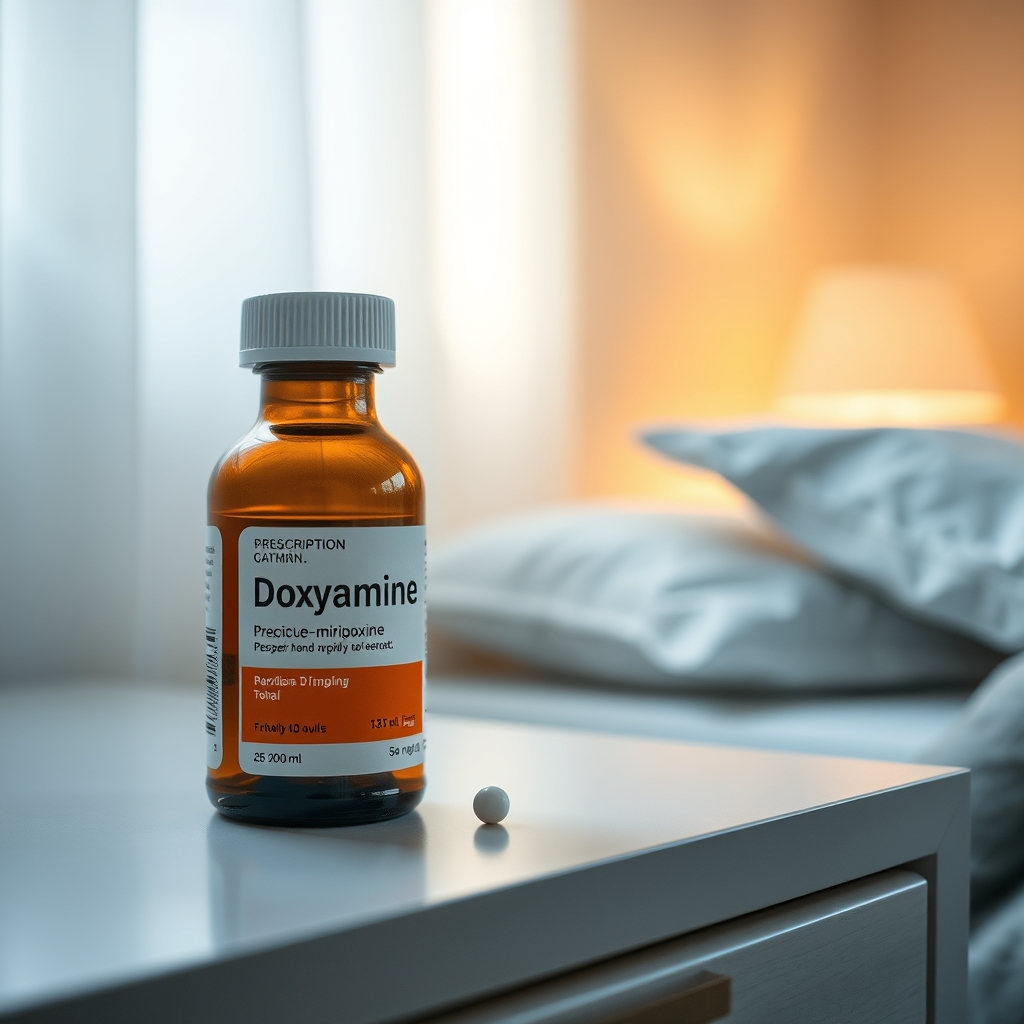
How to manage motion sickness while traveling during pregnancy
Travel can amplify nausea, especially on cars, boats, or planes. The safest strategy is to combine environmental tweaks with a low‑dose medication plan. Choose seats that minimize motion—window seats on aircraft, forward‑facing seats on boats, and the front passenger seat in a car. Keep a ginger candy or a small bottle of meclizine on hand, and take the medication 1–2 hours before departure (meclizine’s onset is slower but lasts up to 24 hours). Staying hydrated, avoiding heavy meals, and taking frequent, short breaks to get fresh air can further reduce symptoms. The NHS advises that pregnant travelers should also carry a copy of their medication list and a note from their provider in case they need medical attention abroad.
Before you book a trip, ask your obstetrician if a short course of meclizine is appropriate for the duration of your travel. Some providers write a “travel health” note that outlines the medication, dosage, and the reason for use, which can be helpful if you encounter customs or medical staff overseas.
Medication interactions: what to avoid when taking Dramamine in pregnancy
Antihistamines can interact with other sedating drugs, such as certain antidepressants (e.g., amitriptyline), opioids, or benzodiazepines, potentially amplifying drowsiness or respiratory depression. They may also affect the metabolism of some prenatal vitamins that contain iron, reducing absorption. The FDA’s drug‑interaction database recommends spacing meclizine or dimenhydrinate at least two hours apart from other central‑nervous‑system depressants. If you’re taking a prescription anti‑emetic like ondansetron, discuss timing with your provider to avoid overlapping side‑effects. Always share a full medication list with your obstetrician, including over‑the‑counter products and herbal supplements.
Another consideration is the potential for antihistamines to increase anticholinergic burden, which can lead to constipation—a common pregnancy complaint. If you notice harder stools, increase fiber intake, stay hydrated, and talk to your provider about safe stool softeners.
What to do if you experience side effects from Dramamine
Most side effects—dry mouth, mild drowsiness, or headache—are short‑lived and resolve after the drug wears off. If you notice persistent dizziness, a rapid heartbeat, or an allergic reaction (hives, swelling, difficulty breathing), stop the medication immediately and contact your health‑care provider or go to the nearest emergency department. For milder symptoms, try drinking water, eating a small snack, or using a cool compress on your forehead. Keep a symptom diary (date, dose, and what you felt) to share with your provider; this helps them decide whether to adjust the dose or switch to an alternative treatment.
Women who experience excessive sedation often find that taking the drug with food, or switching from dimenhydrinate to meclizine, reduces the drowsy feeling. If you’re driving or operating machinery, wait at least two hours after a dose before resuming those activities.
Myth vs. fact
Myth: All antihistamines are unsafe in pregnancy.
Fact: Dimenhydrinate and meclizine are Category C, meaning occasional, low‑dose use is generally considered acceptable when needed, though they should be avoided in high or chronic doses without medical supervision.
Myth: Taking Dramamine will guarantee a birth defect.
Fact: Current epidemiologic data do not show a clear link between occasional use and major congenital anomalies. The risk, if any, appears very low.
Myth: “Less Drowsy” means it’s completely safe for driving.
Fact: Meclizine reduces drowsiness compared with dimenhydrinate, but it can still cause mild sedation. Always test your reaction before operating a vehicle.
Key takeaways
- Both dimenhydrinate (Dramamine Original) and meclizine (Less Drowsy) are Category C; use the lowest effective dose after the first trimester.
- Typical pregnancy‑adjusted dosing is 25–50 mg dimenhydrinate every 6–8 hours or 25 mg meclizine once daily.
- Start with non‑drug options—ginger, vitamin B6, acupressure, and small meals—before reaching for medication.
- Limit use to occasional (≤ 2 times/week) unless a provider advises otherwise.
- Monitor for side effects such as excessive drowsiness, rapid heartbeat, or allergic reactions; stop and call your provider if they occur.
- Discuss any planned use with your obstetrician, especially if you’re in the first trimester or have a history of severe nausea.
Frequently asked questions
Can I take Dramamine for nausea while pregnant?
Yes—if lifestyle measures haven’t helped, a single low dose of dimenhydrinate (½ tablet) or meclizine (25 mg) can be used, but you should discuss it with your health‑care provider first.
What motion sickness medicine is safe during pregnancy?
Meclizine (Less Drowsy) and dimenhydrinate (Original) are the most commonly recommended over‑the‑counter options, while prescription ondansetron (Zofran) may be used under close supervision.
Is dimenhydrinate safe during pregnancy?
Dimenhydrinate is classified as Category C; occasional, low‑dose use is considered low risk, but daily or high‑dose use should be avoided without medical guidance.
What helps with extreme morning sickness?
First‑line treatments include ginger, vitamin B6, and acupressure. For severe cases (hyperemesis gravidarum), hospitalization for IV fluids and prescription anti‑emetics like doxylamine‑pyridoxine may be needed.
Can I take Dramamine in my third trimester?
Yes—both dimenhydrinate and meclizine can be used in the third trimester, but keep doses low and watch for increased drowsiness, which could affect balance.
Is it safe to take Bonine while pregnant?
Bonine contains dimenhydrinate, so the same Category C considerations apply. Use the smallest effective dose and consult your provider if you need it regularly.
Is it okay to take Dramamine with prenatal vitamins?
Generally, yes—there’s no known harmful interaction between dimenhydrinate or meclizine and standard prenatal vitamins. However, if your vitamin contains iron, take the antihistamine at least two hours apart to improve absorption.
Can I use homeopathic remedies instead of Dramamine?
Homeopathic products are not regulated by the FDA and lack robust clinical evidence. If you prefer a non‑pharmacologic route, stick with proven options like ginger, vitamin B6, or acupressure, and discuss any alternative therapies with your provider.
What should I do if I miss a dose of Dramamine while pregnant?
Do not double up. Take the missed dose as soon as you remember, unless it’s almost time for your next scheduled dose; in that case, skip the missed one and continue with your regular schedule. Always keep the total daily amount below the recommended maximum.
Can I take Dramamine if I have high blood pressure?
Both dimenhydrinate and meclizine can cause a mild increase in heart rate, which may raise blood pressure slightly. If you have hypertension, talk to your provider before using these medications; they may suggest a different anti‑emetic or closer monitoring.
When to call your doctor
If you experience any of the following, contact your obstetrician, midwife, or go to the nearest emergency department:
- Persistent vomiting for more than 24 hours, leading to dehydration.
- Weight loss of > 5 % of pre‑pregnancy body weight.
- Severe dizziness, rapid heartbeat, or chest pain after taking Dramamine.
- Allergic reaction signs: hives, swelling, or difficulty breathing.
- New or worsening symptoms in the third trimester, such as excessive drowsiness or falls.
This article is for informational purposes only and does not replace personalized medical advice. Always discuss any medication use with your health‑care provider.
References
- American College of Obstetricians and Gynecologists (

