Is Dextromethorphan Safe for Pregnancy? What Experts Say by Trimester

Is Dextromethorphan Safe for Pregnancy? What Experts Say by Trimester
On this page

Limit dextromethorphan during pregnancy. Experts recommend short-term use at the lowest dose, especially in the first trimester, with safer alternatives available.

Shubhra Mishra

By Shubhra Mishra — a mom of two who turned her own confusion during pregnancy into BumpBites, a global mission to make food choices clear, safe, and stress-free for every expecting mother. 💛

Are you a qualified maternal-health or nutrition expert? Join our reviewer circle.

Wondering about another food?

Check whether any food is safe during pregnancy with the BumpBites Food Safety Checker.

Download the Complete Pregnancy Food Guide (10,000 Foods) 📘

Instant PDF download • No spam • Trusted by thousands of moms

💡 Your email is 100% safe — no spam ever.

Quick verdict: ⚠️ Safe with limits. Dextromethorphan (DM) is generally considered low-risk for occasional use during pregnancy, particularly after the first trimester, when taken at standard adult doses. However, it's always best to consult your healthcare provider before taking any medication while pregnant, especially combination cold remedies.
Waking up with a nagging cough when you're pregnant can feel incredibly frustrating – and a little scary. You just want relief, but every medication label suddenly seems to shout "talk to your doctor!" If you're wondering, "Is **dextromethorphan safe for pregnancy**?" you're not alone. Many expecting parents find themselves staring at the pharmacy aisle, trying to figure out which cough suppressants are okay to take. The good news is that for most pregnant people, dextromethorphan is considered a relatively low-risk option for short-term cough relief, especially when used carefully and under guidance. At BumpBites, we understand the worry that comes with every decision during pregnancy. We're here to provide clear, evidence-based information to help you navigate these choices. This article will break down the safety of dextromethorphan in each trimester, discuss recommended dosages, highlight potential risks, and explore safer alternatives for managing that persistent cough.
Trimester/Status Verdict Notes
First Trimester ⚠️ Use with caution Generally advised to avoid medications if possible during this critical period of fetal development. Consult your doctor if your cough is severe.
Second Trimester ✅ Generally okay Considered low-risk for occasional, short-term use at standard adult doses. Focus on single-ingredient products.
Third Trimester ✅ Generally okay Similar to the second trimester, considered low-risk. Monitor for side effects and discuss any concerns with your provider.
Breastfeeding ⚠️ Use with caution Generally considered compatible with breastfeeding at usual doses, but some sources advise caution due to potential for drowsiness in the infant. Discuss with your doctor.
A bottle of single-ingredient dextromethorphan cough syrup on a wooden nightstand next to a glass of water and a tissue box.
Always check the label to ensure you're choosing a single-ingredient dextromethorphan product, avoiding combination medications that might contain other ingredients not recommended for pregnancy.

What is Dextromethorphan?

Dextromethorphan, often abbreviated as DM or DXM, is a common over-the-counter (OTC) medication primarily used as a cough suppressant. It works by affecting the signals in your brain that trigger the cough reflex, essentially raising your cough threshold. This means it helps to reduce the frequency and intensity of coughing, providing temporary relief from dry, hacking coughs. You'll find dextromethorphan as an active ingredient in many popular cold and flu remedies, often combined with other medications like pain relievers (acetaminophen), decongestants (phenylephrine), or expectorants (guaifenesin). It's available in various forms, including syrups, capsules, and lozenges. Because it's so widely available and effective for many types of coughs, it's a go-to for many people experiencing cold or flu symptoms. However, when you're pregnant, understanding each ingredient in a multi-symptom product is crucial, as not all are considered equally safe. This is why focusing on single-ingredient formulations of dextromethorphan is often recommended for pregnant individuals.

Is Dextromethorphan Safe During Pregnancy?

Whe
n it comes to whether **dextromethorphan is safe for pregnancy**, the consensus from major health organizations is generally reassuring, especially for short-term, appropriate use. The American College of Obstetricians and Gynecologists (ACOG) and the UK's National Health Service (NHS) often list dextromethorphan as one of the preferred cough suppressants for pregnant individuals, particularly after the first trimester. The U.S. Food and Drug Administration (FDA) previously classified dextromethorphan as Pregnancy Category C, meaning animal studies showed an adverse effect on the fetus, but there are no adequate and well-controlled studies in humans. However, the FDA has since moved away from letter categories, now advising a more nuanced approach based on available data. Current evidence suggests that dextromethorphan, when taken at recommended therapeutic doses, does not appear to increase the risk of major birth defects or pregnancy complications. Studies investigating its use in pregnant populations have largely found no significant association with adverse fetal outcomes. The mechanism by which it suppresses cough is localized to the central nervous system and is not known to directly interfere with fetal development or uterine contractions at typical doses. However, "safe with limits" is the key phrase here. Most obstetricians recommend caution with *any* medication during pregnancy, especially during the first trimester when the baby's organs are forming. The primary concern with dextromethorphan isn't usually the ingredient itself, but rather its common inclusion in multi-symptom cold and flu medications. These combination products often contain other ingredients like decongestants (e.g., pseudoephedrine, phenylephrine) which may have more specific contraindications or warnings during pregnancy, particularly for those with certain underlying conditions like high blood pressure. Therefore, if you choose to use dextromethorphan, selecting a single-ingredient product is highly advised to avoid unnecessary exposure to other medications.

Is dextromethorphan safe to use during the first trimester of pregnancy?

The first trimester is a period of rapid and critical organ development for your baby, making it the most sensitive time for exposure to medications. While studies have not definitively linked therapeutic doses of dextromethorphan to an increased risk of birth defects, most healthcare providers, including those at BumpBites, recommend a cautious approach. If you are experiencing a cough in your first trimester, the general advice is to try non-pharmacological remedies first, such as honey, lemon tea, or saline nasal sprays. If your cough is severe, persistent, or interfering significantly with your sleep or daily life, it's crucial to consult your obstetrician or midwife before taking any medication, including dextromethorphan. They can assess your individual situation and determine if the benefits outweigh any potential, albeit low, risks. Limiting exposure to any medications during this period is a common recommendation to support optimal fetal development.

Can I take dextromethorphan in the second trimester without risk?

By the second trimester, many of the baby's major organs are fully formed, and the risk window for major birth defects from medication exposure generally decreases. This is why dextromethorphan is more commonly considered acceptable for use during the second trimester. Current evidence from observational studies has not shown an increased risk of adverse outcomes when dextromethorphan is used at recommended doses during this period. The American College of Obstetricians and Gynecologists (ACOG) often includes it on lists of medications considered acceptable for use. However, even in the second trimester, it's still important to use dextromethorphan judiciously. Opt for single-ingredient formulations to avoid other medications you may not need, and always adhere to the recommended dosage. If you have any underlying health conditions or are taking other medications, a quick chat with your doctor is always a good idea to ensure **dextromethorphan is safe for pregnancy** in your specific circumstances.

Is dextromethorphan safe during the third trimester?

Similar to the second trimester, dextromethorphan is generally considered low-risk for occasional use during the third trimester. There is no evidence to suggest that therapeutic doses of dextromethorphan pose a risk of inducing preterm labor or causing other significant complications for the baby or mother in late pregnancy. At this stage, your baby's development is largely focused on growth and maturation. The primary concern with any medication in the third trimester often shifts to potential effects on labor and delivery or on the newborn after birth. For dextromethorphan, these concerns are minimal at standard doses. However, as always, listen to your body and consult your healthcare provider if you experience any unusual symptoms or if your cough persists or worsens. They can confirm that **dextromethorphan is safe for pregnancy** for you in your final weeks.

Dextromethorphan and Breastfeeding

When it comes to breastfeeding, the safety of dextromethorphan is generally considered compatible with caution. While some sources suggest that small amounts of dextromethorphan may pass into breast milk, the amount is typically very low and not expected to cause significant harm to a healthy, full-term infant when the mother takes standard doses. The main concern, though rare, could be potential drowsiness in the infant, especially if they are very young, premature, or have underlying health issues. The NHS and other reputable sources often advise that dextromethorphan can be used by breastfeeding mothers. However, it's always prudent to monitor your baby for any changes in feeding patterns, sleepiness, or unusual fussiness. As with all medications during breastfeeding, discussing your options with your doctor or a lactation consultant is the best approach to ensure the well-being of both you and your baby. When considering if **dextromethorphan is safe for pregnancy**, sticking to the recommended dosage is paramount. For pregnant individuals, the standard adult over-the-counter (OTC) dosage for dextromethorphan is generally considered appropriate. This typically means 10-20 mg every 4 hours, or 30 mg every 6-8 hours, with a maximum daily dose of 120 mg in a 24-hour period. However, it's crucial to always read the specific product label, as concentrations can vary between brands and formulations (syrup, capsules, etc.). We strongly recommend choosing a single-ingredient dextromethorphan product to avoid inadvertently taking other medications that might not be suitable for pregnancy. Combination cold and flu remedies often contain decongestants (like phenylephrine or pseudoephedrine), pain relievers (like ibuprofen), or antihistamines, some of which carry more significant warnings for pregnant individuals. If you are unsure about a specific product or its dosage, or if your cough is severe and persistent, always consult your healthcare provider. They can provide personalized advice based on your health history and the stage of your pregnancy. Never exceed the recommended dose, as higher doses can increase the risk of side effects and are not advised during pregnancy.

Which over-the-counter brands of dextromethorphan are considered safest in pregnancy?

When choosing an OTC dextromethorphan product, the "safest" brands are those that offer single-ingredient formulations. The brand name itself is less important than the active ingredients list. Look for products where **dextromethorphan** is the *only* active ingredient. Examples of such products typically include "Cough Suppressant" or "DM" in their name, but always double-check the "Active Ingredients" section on the label. Brands like Robitussin Cough Suppressant, Delsym, or store-brand equivalents often offer single-ingredient dextromethorphan options. Avoid products labeled "DM Cold & Flu," "DM Max," "Severe Cold," or "Multi-Symptom Relief," as these almost certainly contain additional ingredients like: * **Decongestants** (e.g., phenylephrine, pseudoephedrine), which might be restricted, especially if you have high blood pressure. * **Antihistamines** (e.g., doxylamine, diphenhydramine), which can cause drowsiness. * **Pain relievers** (e.g., acetaminophen, ibuprofen), where ibuprofen is generally avoided in the third trimester. When in doubt, ask your pharmacist for a single-ingredient dextromethorphan product, and always confirm with your doctor or midwife that any specific brand or formulation is appropriate for you.

Side Effects and Risks

While **dextromethorphan is safe for pregnancy** for many when used appropriately, it's still important to be aware of potential side effects and risks. At therapeutic doses, side effects are generally mild and uncommon. These can include: * **Drowsiness or dizziness:** This is perhaps the most common side effect. If you experience this, avoid driving or operating heavy machinery. * **Nausea or upset stomach:** Some individuals might feel a bit queasy after taking it. * **Mild constipation:** Though less common, it can occur. For pregnant individuals, these side effects are generally not dangerous but can certainly add to existing pregnancy discomforts. If you experience severe or bothersome side effects, discontinue use and contact your doctor. The more significant risks associated with dextromethorphan primarily arise from *misuse or abuse* of the medication, where excessively high doses are taken. This is rare when used as directed for cough relief. High doses can lead to more serious side effects such as: * Confusion or hallucinations * Rapid heartbeat * Severe dizziness or loss of coordination * Serotonin syndrome (a rare but serious condition when taken with certain antidepressants) These risks are not typically associated with therapeutic use during pregnancy, but they underscore the importance of strictly adhering to recommended dosages.

How does dextromethorphan affect pregnancy complications like preterm labor?

A common concern for pregnant individuals is whether medications might trigger complications like preterm labor. The good news is that current medical evidence does not suggest a link between therapeutic doses of dextromethorphan and an increased risk of preterm labor. Dextromethorphan's primary action is on the central nervous system to suppress the cough reflex; it does not directly affect uterine contractions or the physiological processes that initiate labor. Studies and clinical experience have not identified dextromethorphan as a factor in increasing the risk of uterine irritability or premature contractions. The American College of Obstetricians and Gynecologists (ACOG) and other leading health bodies do not list dextromethorphan as a medication associated with preterm labor. Therefore, if you are experiencing a cough and your doctor has approved dextromethorphan, you can generally feel reassured that its use at recommended doses is unlikely to impact your risk of preterm labor. However, if you experience any signs of preterm labor, such as regular contractions, pelvic pressure, or unusual vaginal discharge, stop taking any OTC medications and contact your doctor immediately, regardless of what you have taken.

Is dextromethorphan safe for pregnant women with chronic cough conditions?

For pregnant women experiencing chronic cough conditions, the safety profile of dextromethorphan requires a more nuanced discussion with a healthcare provider. While occasional, short-term use of dextromethorphan for acute coughs is generally considered low-risk, managing a chronic cough during pregnancy involves different considerations. Chronic coughs can be symptoms of underlying conditions such as asthma, allergies, gastroesophageal reflux disease (GERD), or other respiratory issues, which may require specific, ongoing medical management. Relying solely on dextromethorphan for a chronic cough might mask a more serious issue that needs attention. Additionally, prolonged use of any medication, even those considered low-risk, should always be discussed with your doctor during pregnancy. Your provider can help diagnose the cause of your chronic cough and recommend the most appropriate and safest long-term treatment plan, which might include specific prescription medications or non-pharmacological interventions tailored to your condition and pregnancy stage. They can also confirm if dextromethorphan is a suitable part of that plan for you.
A steaming mug of honey-lemon tea with a slice of fresh ginger and a lemon wedge, sitting on a rustic wooden coaster.
Warm herbal teas with honey, lemon, and ginger can be a soothing and safe natural remedy for coughs during pregnancy.

Safer Alternatives / Other Safe Options

If you're looking for ways to manage a cough during pregnancy without medication, or if you prefer to avoid dextromethorphan, there are several excellent and safe alternatives to consider. These options can often provide significant relief for mild to moderate coughs and sore throats: * **Honey and lemon tea:** A classic remedy! Honey is a natural cough suppressant and soothes the throat, while lemon provides vitamin C and can help thin mucus. Mix 1-2 teaspoons of honey with warm water and a squeeze of lemon juice. * **Warm herbal tea with ginger:** Ginger is known for its anti-inflammatory properties and can help soothe a sore throat and cough. Look for caffeine-free herbal teas like chamomile or peppermint. * **Saline nasal spray:** If your cough is linked to post-nasal drip, a saline spray can help clear nasal passages and reduce the irritation that triggers coughing. It's safe and non-medicated. * **Steam inhalation:** Breathing in warm, moist air can help loosen mucus and soothe irritated airways. You can do this by taking a steamy shower or by leaning over a bowl of hot water with a towel draped over your head (be careful not to burn yourself). * **Humidifier:** Using a cool-mist humidifier in your bedroom can add moisture to the air, preventing your throat and nasal passages from drying out and reducing irritation. * **Zinc lozenges:** Some studies suggest zinc can help reduce the duration and severity of cold symptoms, including cough. Check with your doctor about appropriate dosage during pregnancy. * **Vitamin C syrup:** While not a direct cough suppressant, adequate Vitamin C supports immune health, which can be beneficial when fighting off a cold. * **Acetaminophen (Tylenol) cough syrup:** If your cough is accompanied by fever or body aches, a single-ingredient cough syrup containing acetaminophen can help manage symptoms, as acetaminophen is generally considered safe during all trimesters for pain and fever relief. * **Guaifenesin (Mucinex) expectorant:** If your cough is productive (meaning you're bringing up mucus), guaifenesin can help thin and loosen mucus, making it easier to cough up. It's generally considered low-risk in the second and third trimesters. Always discuss these alternatives with your healthcare provider to ensure they are appropriate for your specific health needs during pregnancy. Understanding the safety of **dextromethorphan for pregnancy** also means knowing how it compares to other common cold and cough medications. Here's a quick look at some related items:
Item Verdict Note
Codeine ❌ Best avoided Narcotic cough suppressant; not recommended due to risks of respiratory depression in newborns and withdrawal symptoms.
Benzonatate (Tessalon Perles) ⚠️ Talk to your doctor first Pregnancy Category C; limited human data, generally reserved for severe cough when benefits outweigh risks.
Guaifenesin (Mucinex) ✅ Generally safe Expectorant that thins mucus; considered low-risk, especially after the first trimester.
Cough Drops (e.g., Ricola) ✅ Generally safe Most herbal or mentholated lozenges are safe for soothing, but check ingredients for any active medications.
Zinc Lozenges ⚠️ Use with caution May shorten cold duration; generally considered safe in moderation, but discuss dosage with your doctor.
Phenylephrine (Decongestant) ❌ Best avoided Oral decongestant; generally not recommended due to potential vasoconstrictive effects, especially in first trimester or with high blood pressure.
Chlorpheniramine (Antihistamine) ✅ Generally safe Older antihistamine, often used for allergy-related cough; generally considered safe.
Diphenhydramine (Benadryl) ✅ Generally safe Antihistamine with sedating effect, can help with cough; generally considered safe for occasional use.
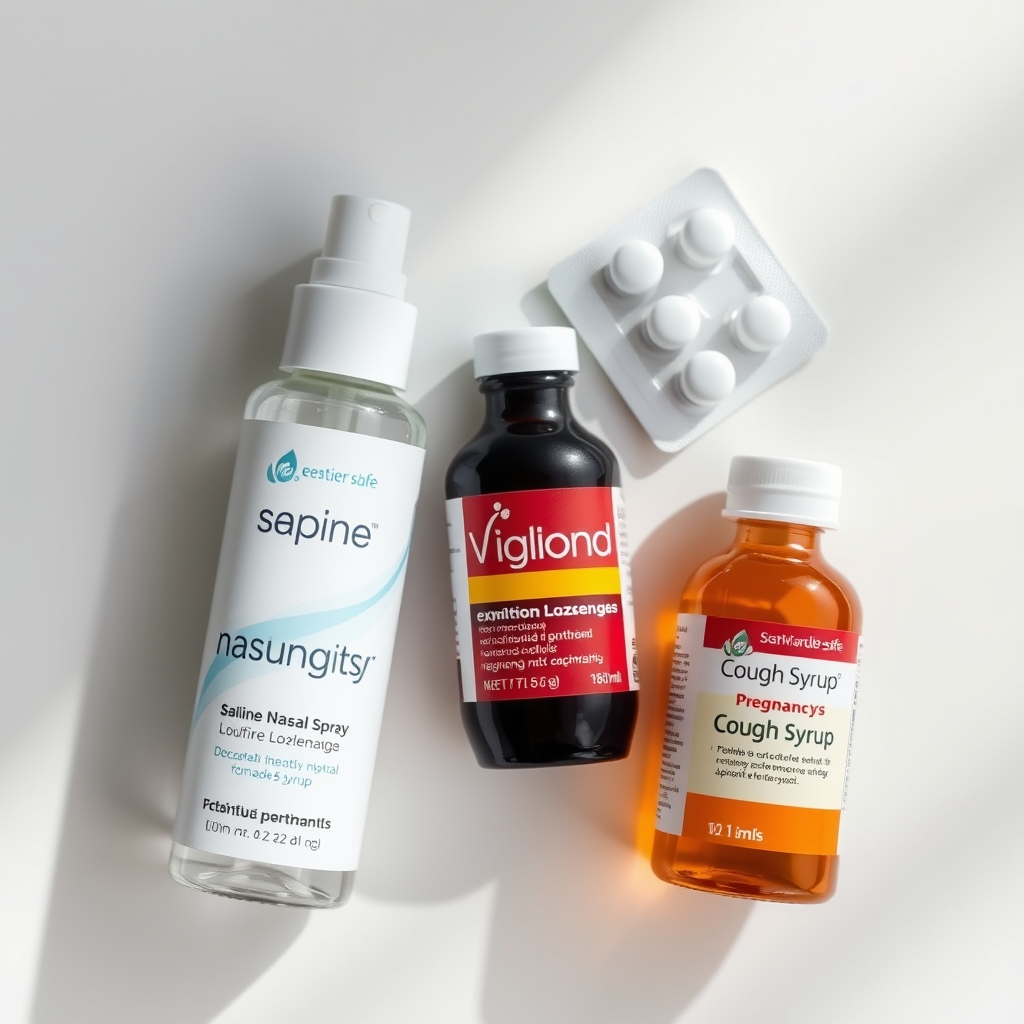
A small arrangement of pregnancy-safe cold and cough remedies including a bottle of saline nasal spray, a blister pack of zinc lozenges, and a small bottle of acetaminophen cough syrup.
When choosing over-the-counter remedies, always prioritize single-ingredient options and consult your doctor for personalized advice.

Myth vs. Fact

When you're pregnant, it can feel like there's a new myth around every corner. Let's clear up some common misconceptions about cough medications like dextromethorphan. * **Myth:** You can't take *any* medication at all when you're pregnant. * **Fact:** This is a common and understandable fear, but it's not entirely true. While it's wise to be cautious and avoid unnecessary medications, many over-the-counter and prescription drugs are considered safe for use during pregnancy, especially when taken under a doctor's guidance. The key is to know which ones are safe and at what stage of pregnancy. Medications like acetaminophen for pain and fever, and certain cough suppressants like dextromethorphan, are often approved by healthcare providers. * **Myth:** Dextromethorphan is a strong drug and will definitely harm my baby. * **Fact:** While the word "drug" can sound alarming, dextromethorphan is an over-the-counter medication with a well-established safety profile at therapeutic doses. Extensive research and clinical experience have not found a strong link between its appropriate use and harm to the baby. The real concern often lies with multi-symptom cold remedies that contain other ingredients that *might* be less suitable for pregnancy, not necessarily dextromethorphan itself. * **Myth:** If a medication is "natural," it's automatically safe during pregnancy. * **Fact:** This is a dangerous misconception. Many "natural" or herbal remedies can have potent pharmacological effects and may not be adequately studied for safety in pregnancy. For example, some essential oils or herbal teas can be harmful. Always research natural remedies thoroughly and discuss them with your healthcare provider, just as you would with any pharmaceutical drug. Honey and lemon tea, for example, is a natural remedy that is generally considered safe and effective.

Key Takeaways

* **Dextromethorphan is safe for pregnancy** for occasional, short-term use, especially after the first trimester, when taken at standard adult doses. * Always opt for **single-ingredient dextromethorphan products** to avoid other medications that may not be safe for pregnancy. * The **first trimester** is the most cautious period; try non-medicated remedies first or consult your doctor for severe coughs. * **Adhere strictly to recommended dosages** and never exceed the maximum daily limit. * **Safer alternatives** like honey and lemon tea, steam inhalation, and saline nasal spray are excellent first-line options. * **Consult your doctor or midwife** before taking any medication, especially if you have underlying health conditions or a persistent cough.

Frequently Asked Questions

Can I take dextromethorphan while pregnant?

Yes, dextromethorphan is generally considered a low-risk option for cough relief during pregnancy, especially in the second and third trimesters. However, it's crucial to use single-ingredient products at standard adult doses and ideally, after consulting your healthcare provider. Many obstetricians recommend trying non-pharmacological remedies first, particularly during the first trimester.

What are the risks of dextromethorphan during pregnancy?

At therapeutic doses, the risks of dextromethorphan during pregnancy are considered low. Common side effects are mild, such as drowsiness or nausea. The primary concern often stems from multi-symptom cold medications that combine dextromethorphan with other ingredients (like decongestants) which may carry higher risks for pregnant individuals. Misuse or abuse of high doses can lead to more serious, but rare, side effects.

Is it safe to use Robitussin DM in the third trimester?

Robitussin DM typically contains dextromethorphan and guaifenesin. Both ingredients are generally considered low-risk for use in the third trimester when taken at recommended doses. However, always check the specific Robitussin DM product label to ensure it doesn't contain other ingredients, and consult your doctor to confirm it's suitable for your individual circumstances.

What cough medicines are safe for pregnant women?

For pregnant women, generally safe cough medicines include single-ingredient dextromethorphan (cough suppressant) and guaifenesin (expectorant). Acetaminophen-based cough syrups are also typically safe if you need pain/fever relief. Natural remedies like honey and lemon, saline nasal spray, and steam inhalation are excellent first-line options. Always choose single-ingredient products and consult your doctor.

How much dextromethorphan is safe for a pregnant adult?

For pregnant adults, the safe dosage of dextromethorphan is generally the standard adult over-the-counter dose, typically 10-20 mg every 4 hours, or 30 mg every 6-8 hours, not exceeding 120 mg in a 24-hour period. Always read the product label carefully for specific instructions and confirm with your healthcare provider before use.

Does dextromethorphan cause birth defects?

Current medical evidence does not suggest that therapeutic doses of dextromethorphan cause birth defects. Studies on its use during pregnancy have largely found no increased risk of major congenital anomalies. While the FDA previously classified it as Pregnancy Category C, this was due to a lack of extensive human data, not direct evidence of harm.

Can dextromethorphan trigger labor?

No, there is no evidence to suggest that dextromethorphan, when taken at recommended therapeutic doses, can trigger labor or increase the risk of preterm labor. Its mechanism of action is focused on suppressing the cough reflex in the brain and does not directly affect uterine contractions or the physiological processes involved in initiating labor.

Are there natural alternatives to dextromethorphan for cough in pregnancy?

Absolutely! Many natural remedies are effective and safe for coughs during pregnancy. These include honey and lemon tea, warm herbal teas (especially with ginger), steam inhalation, saline nasal sprays, and using a humidifier. These options can provide soothing relief without medication and are often recommended as a first step.

When to Call Your Doctor

While **dextromethorphan is safe for pregnancy** for many, it's important to know when to seek professional medical advice. Contact your doctor or midwife if: * Your cough is severe, persistent, or worsens after a few days. * Your cough is accompanied by a high fever (over 100.4°F or 38°C). * You experience shortness of breath, chest pain, or wheezing. * You are coughing up thick, discolored mucus (green, yellow, or bloody). * You have a sore throat that is severe or lasts longer than a few days. * You develop a rash or any other new, concerning symptoms. * You have any concerns about medications you've taken or are considering. Remember, this information is for educational purposes only and is not a substitute for professional medical advice, diagnosis, or treatment. Always seek the advice of your physician or other qualified health provider with any questions you may have regarding a medical condition.

References

  1. American College of Obstetricians and Gynecologists (ACOG). (Accessed 2023). Treating Colds and Flu During Pregnancy.
  2. National Health Service (NHS) UK. (Accessed 2023). Medicines in pregnancy.
  3. Mayo Clinic. (Accessed 2023). Cold remedies: What's safe during pregnancy?
  4. U.S. Food and Drug Administration (FDA). (Accessed 2023). FDA Updates Pregnancy and Lactation Labeling Information for Prescription Drugs. (General guidance on labeling changes, relevant for understanding past categories).
  5. Centers for Disease Control and Prevention (CDC). (Accessed 2023). Flu Treatment and Pregnancy.

Editor's pick for this topic

Not sure about the label on Is Dextromethorphan Safe During Pregnancy products?

Snap the ingredients list (or paste it, or scan the barcode) and SafeFilter checks every ingredient against your stage of pregnancy — flagging what to avoid, what needs care, and what's fine.

Scan a label free

Informational only — not medical advice.

Shubhra Mishra

About the Author

When Shubhra Mishra was expecting her first child in 2016, she was overwhelmed by conflicting food advice — one site said yes, another said never. By the time her second baby arrived in 2019, she realized millions of mothers face the same confusion.

That sparked a five-year journey through clinical nutrition papers, cultural diets, and expert conversations — all leading to BumpBites: a calm, compassionate space where science meets everyday motherhood.

Her long-term vision is to build a global community ensuring safe, supported, and free deliveriesfor every mother — because no woman should face pregnancy alone or uninformed. 🌿

🌍 Stand with mothers, shape safer guidance

Join a small circle of experts who review BumpBites articles so expecting parents everywhere can decide with confidence.

⚠️ Always consult your doctor for medical advice. This content is informational only.