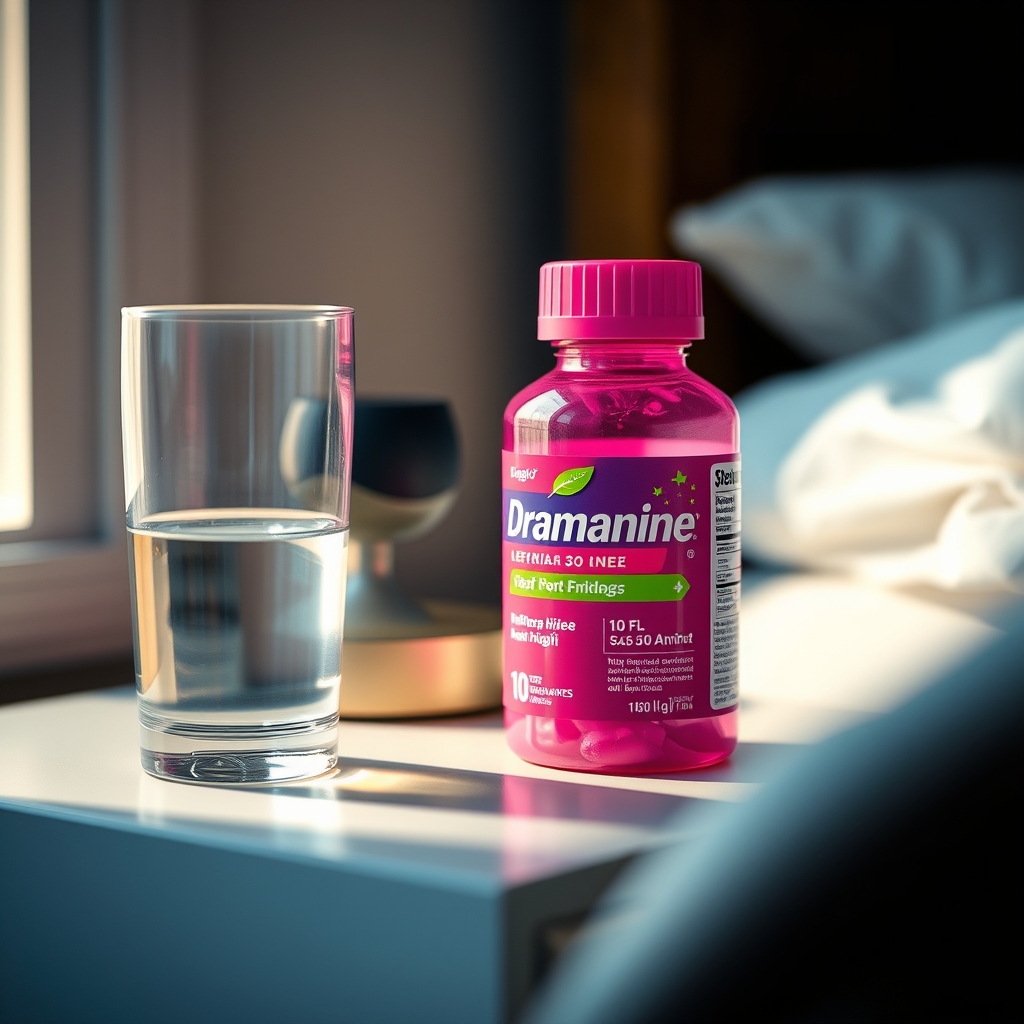
Dramamine is generally safe during pregnancy, but limited to 50mg dosage in the first trimester
By Shubhra Mishra — a mom of two who turned her own confusion during pregnancy into BumpBites, a global mission to make food choices clear, safe, and stress-free for every expecting mother. 💛
Check whether any food is safe during pregnancy with the BumpBites Food Safety Checker.
Quick verdict: ⚠️ Talk to your doctor first. Dramamine (meclizine) can be used for nausea in pregnancy, but only under medical guidance, with the lowest effective dose and careful monitoring of side effects.
It’s 2 a.m. and you’ve just opened the medicine cabinet, wondering if that pink bottle of Dramamine you keep for motion sickness is safe now that you’re expecting. You might feel a rush of panic, especially if you’ve already taken a dose to calm queasy mornings. You’re not alone—many soon‑to‑be‑parents search “dramamine safe for pregnancy” in the middle of the night, looking for reassurance.
In short, the answer isn’t a simple “yes” or “no.” Current guidance from the American College of Obstetricians and Gynecologists (ACOG) and the UK’s National Health Service (NHS) says meclizine, the active ingredient in Dramamine, may be considered when other nausea remedies fail, but only after a discussion with your prenatal care provider. Below we’ll break down the safety verdict by trimester, explain how the drug works, outline recommended dosing, list safer alternatives, and compare it to other common medications.
We also address related worries you might have—like whether it’s okay to use Dramamine for motion‑sickness on a road trip, if a liquid formulation is any safer, and what you should bring up at your next prenatal visit. By the end of this article you’ll have a clear picture of when Dramamine might be appropriate, how to use it responsibly, and when it’s best to reach for another option.
Keep the medication out of reach of children and store it in a cool, dry place.
Stage
Verdict
Notes
First trimester
⚠️ Talk to your doctor
Limited data; use only if nausea is severe and other options have failed.
Second trimester
⚠️ Talk to your doctor
Evidence suggests lower risk, but dosing should remain minimal.
Third trimester
⚠️ Talk to your doctor
Potential for drowsiness may affect labor; discuss alternatives.
Breastfeeding
⚠️ Talk to your doctor
Meclizine passes into breast milk in small amounts; monitor infant for sedation.
What is Dramamine and how does it work?
Dramamine is a brand name for the antihistamine meclizine, typically sold in 25 mg tablets for motion‑sickness relief. It works by blocking histamine H1 receptors in the brain, which helps reduce the sensation of nausea and the vestibular disturbances that trigger vomiting. Because histamine also plays a role in the inner ear’s balance system, meclizine can calm the “spinning” feeling that many pregnant people experience during early morning sickness.
The drug is classified by the U.S. Food and Drug Administration (FDA) as a Category B medication for pregnancy. Category B means that animal studies have not shown a risk to the fetus, but there are no well‑controlled studies in pregnant humans. In the United Kingdom, the Medicines and Healthcare products Regulatory Agency (MHRA) does not list meclizine as a contraindication, but it advises that it should only be used when clearly needed.
Most people take Dramamine on an as‑needed basis, usually 25 mg every 6–8 hours, not exceeding 300 mg in a 24‑hour period. The medication can cause drowsiness, dry mouth, and, in rare cases, blurred vision. Because pregnancy already brings fatigue and hormonal changes, these side effects can be more noticeable.
Beyond motion sickness, meclizine is sometimes prescribed off‑label for vertigo, labyrinthitis, and other inner‑ear disorders. In those contexts the dosing may be slightly higher (up to 100 mg per day), but obstetricians rarely recommend such regimens for pregnant patients unless the vestibular disorder is severe and unresponsive to safer measures.
Organizing your prenatal supplies can help you keep track of what’s safe to use.
Is Dramamine safe during pregnancy?
Overall, the consensus among major health organizations is that meclizine can be used in pregnancy, but only after a careful risk‑benefit discussion with your obstetric provider. The ACOG Committee Opinion on nausea and vomiting of pregnancy (NVP) notes that antihistamines like meclizine are “considered a second‑line option after vitamin B6 and dietary changes have been tried.”1 The NHS advises that meclizine may be prescribed for severe nausea when other measures fail, but it emphasizes that the lowest effective dose should be used.2
Why the caution? While animal studies have not shown teratogenic effects, human data are limited. A retrospective cohort study published in the American Journal of Obstetrics & Gynecology found no increase in major birth defects among women who took meclizine in any trimester, but the sample size was small, and the authors recommended larger prospective studies.3 Because the drug can cross the placenta, any exposure is theoretically possible, which is why clinicians prefer non‑pharmacologic measures first.
In practice, many women find relief from debilitating morning sickness with a single 25 mg dose of Dramamine, especially when combined with other safe strategies like ginger or vitamin B6. However, the safety profile changes if you need to use it daily or in higher doses. That’s why the “talk to your doctor first” verdict is essential—your provider can tailor the plan to your specific symptoms, medical history, and any other medications you may be taking.
It’s also worth noting that meclizine’s sedative properties can be a double‑edged sword. While they help calm nausea, they may also increase the risk of falls, especially in the later stages of pregnancy when balance is already challenged. A small case series from the UK reported a few falls linked to meclizine‑induced drowsiness, prompting clinicians to advise caution when driving or operating heavy machinery.4
Is Dramamine safe during first trimester?
The first trimester is the period of organogenesis, when the fetus’s major organs form. Because this is the most sensitive window for potential teratogenic exposure, clinicians are especially cautious with any medication. ACOG does not list meclizine as a contraindication, but they advise reserving it for cases where nausea is severe and non‑pharmacologic options have not helped.1 If you are in the first trimester and considering Dramamine, discuss the following with your provider:
Severity of nausea (e.g., > 2 vomits per day)
Previous attempts with vitamin B6, ginger, or dietary changes
Any existing medical conditions (e.g., asthma, hypertension)
In short, while Dramamine is not outright banned, the safest approach in the first trimester is to try other remedies first and keep any meclizine dose as low and as infrequent as possible.
Some obstetricians also recommend a short “trial period” of a single dose under observation, especially if you have a history of hyperemesis gravidarum. If the dose provides relief without significant drowsiness, they may allow occasional repeat dosing. If you notice any concerning side effects, stop the medication and contact your provider immediately.
Dramamine dosage for pregnancy nausea
When a provider decides that meclizine is appropriate, the typical dosage for pregnancy nausea mirrors the adult over‑the‑counter recommendation: 25 mg taken once, and if needed, another 25 mg after 6–8 hours. The total daily dose should not exceed 50 mg unless explicitly directed by a clinician. This low‑dose strategy minimizes the chance of side effects while still offering relief.
Because many prenatal vitamins already contain small amounts of antihistamines (e.g., diphenhydramine in some nighttime sleep aids), it’s important to avoid accidental double‑dosing. Always read labels carefully and keep a medication list handy for your obstetrician.
Dosage
Frequency
Maximum per 24 h
Notes
25 mg
Every 6–8 h as needed
≤ 50 mg
Start with a single dose; increase only under provider guidance.
50 mg
Single dose
50 mg
Used only when nausea is refractory to 25 mg.
Can you take Dramamine in second trimester?
During the second trimester, the risk of teratogenic effects is lower, but the drug’s sedative properties remain. ACOG’s guidance on NVP states that antihistamines may be continued if they provide symptom relief and the patient tolerates them well.1 The NHS similarly notes that meclizine can be prescribed in the second trimester, but only after a thorough assessment.
If you find yourself needing Dramamine regularly in the second trimester, your provider may suggest switching to a medication with a more established safety record, such as doxylamine‑pyridoxine (the combination sold as Diclegis in the U.S. or as “Unisom” for nighttime nausea). This combination has a larger body of pregnancy‑specific research supporting its use.
Another practical tip for the second trimester is timing. Because many pregnant people experience a dip in energy after lunch, taking meclizine in the early afternoon can help control nausea without interfering with nighttime sleep. Always coordinate timing with your provider, especially if you are also taking other sedating agents.
Is Dramamine safe during third trimester?
The third trimester brings new considerations. While the placenta is fully formed, the fetus’s nervous system is still maturing, and any sedative that crosses the placenta could theoretically affect fetal activity patterns. Moreover, excessive drowsiness in the mother can make it harder to stay alert during labor and delivery, especially if you’re driving to the hospital or need to respond to fetal movement.
Most obstetricians reserve meclizine for short‑term rescue use in the third trimester, preferring to keep the mother alert for the final weeks of pregnancy. If you do need a dose, the same 25 mg “as needed” rule applies, and you should avoid taking it within 4 hours of a planned delivery or hospital visit.
In addition, the third trimester is when many women begin to experience heartburn and gastro‑esophageal reflux, which can mimic or exacerbate nausea. Addressing these gastrointestinal issues with diet and positioning (elevating the head of the bed, smaller meals) can often reduce the need for medication.
Using Dramamine for motion sickness while pregnant
Motion sickness and the “sea‑sick” feeling that can come from car rides, plane travel, or amusement‑park rides are common triggers for nausea in pregnancy. Because the same vestibular pathways are involved, many pregnant people wonder whether it’s safe to reach for Dramamine before a long trip.
Guidelines from the ACOG and NHS agree that occasional, short‑term use of meclizine for motion sickness is permissible when other strategies (like looking at the horizon, staying hydrated, and taking frequent breaks) have not helped. The key is to keep the dose low—usually one 25 mg tablet taken 30 minutes before travel—and to avoid repeated daily dosing unless your provider signs off.
If you experience chronic motion‑induced nausea (e.g., weekly long drives), it may be a sign that your overall pregnancy‑related nausea is worsening. In that case, schedule a prenatal visit to discuss broader management strategies, which could include prescription‑strength anti‑nausea regimens.
What to discuss with your provider before taking meclizine
Before you start any medication in pregnancy, a brief conversation with your obstetrician can clear up many worries. Here are the points you should bring up:
Current nausea severity: How many episodes per day, impact on hydration, weight gain, and daily functioning.
Previous attempts: What dietary changes, vitamin B6, ginger, or other over‑the‑counter remedies have you tried?
Medication list: Include prenatal vitamins, over‑the‑counter sleep aids, and any prescription drugs.
Medical history: Conditions such as asthma, hypertension, or a history of seizures may influence drug choice.
Future plans: Anticipated travel, work demands, or upcoming procedures that might affect dosing timing.
Having this information ready not only speeds up the appointment but also helps your provider decide whether a low‑dose meclizine trial is appropriate or whether a different anti‑nausea medication would be a better first line.
Plan your travel‑related nausea strategy ahead of time for a smoother journey.
Safe dosage / amount / brands
When you decide to use Dramamine, stick to the lowest effective dose. The following table outlines the standard adult dosing and highlights pregnancy‑specific recommendations.
Brand
Active ingredient
Standard adult dose
Pregnancy recommendation
Notes
Dramamine Original
Meclizine 25 mg
25 mg every 6–8 h (max 300 mg/24 h)
25 mg as needed, ≤ 50 mg/24 h
Start with one tablet; avoid higher doses without provider approval.
Bonine Motion Sickness
Meclizine 25 mg
Same as above
Same as above
Check for inactive ingredients if you have sensitivities.
Generic Meclizine
Meclizine 25 mg
Same as above
Same as above
Often the most affordable option.
Meclizine Oral Liquid (compound)
Meclizine 2.5 mg/mL
0.5 mL every 6–8 h (max 6 mL/24 h)
Same dosing principle; liquid may be easier for nausea‑related swallowing difficulty.
Ask pharmacy for a compounding prescription; verify exact concentration.
Liquid formulations can be useful if you find tablets hard to swallow due to morning sickness. However, they must be prepared by a reputable compounding pharmacy, and the concentration should be clearly labeled to avoid dosing errors. Always double‑check the milligram‑per‑milliliter ratio before each use.
Side effects and risks
Common, usually mild: Drowsiness, dry mouth, mild headache, and occasional stomach upset. These effects typically resolve after the first dose.
More concerning: Persistent sedation that interferes with daily activities, dizziness that leads to falls, or an allergic reaction (rash, itching, swelling). If you experience any of these, stop the medication and contact your provider.
Rare but serious: Severe allergic reaction (anaphylaxis) or signs of fetal distress (though not directly linked to meclizine). Seek emergency care if you notice sudden swelling, difficulty breathing, or a rapid heartbeat.
Because meclizine can potentiate the effects of other central nervous system depressants, avoid combining it with prescription sleep aids, strong pain relievers like opioids, or alcohol. If you’re already on another antihistamine (e.g., diphenhydramine for allergies), discuss a possible switch with your doctor to prevent cumulative sedation.
Safer alternatives
Vitamin B6 – widely recommended as first‑line therapy for nausea; 10–25 mg three times daily has shown efficacy with minimal side effects.
Unisom (doxylamine) – the antihistamine component of the FDA‑approved Diclegis regimen for pregnancy nausea; extensive safety data support its use.
Benadryl (diphenhydramine) – another antihistamine with a long safety record; can cause drowsiness but is considered low risk.
Ginger tea – fresh or powdered ginger (1 g per day) can reduce nausea without medication; safe for most pregnant people.
Acupressure wrist bands – the non‑invasive “sea‑band” technique has modest evidence for reducing nausea and carries no drug‑related risk.
Small, frequent meals – eating every 2–3 hours with bland, carbohydrate‑rich foods can stabilize blood sugar and lessen nausea.
Hydration with electrolytes – sipping water with a pinch of salt or a low‑sugar electrolyte solution helps prevent dehydration, a common trigger for worsened nausea.
Mind‑body techniques – guided breathing, meditation, or prenatal yoga can lower stress‑related nausea spikes.
Related items – safety at a glance
Item
Verdict
One‑line note
Meclizine (Dramamine/Bonine)
⚠️ Talk to your doctor
May be used for severe nausea after other options fail.
Benadryl (Diphenhydramine)
✅ Generally safe
Low‑dose antihistamine; drowsiness is the main side effect.
Phenergan (Promethazine)
⚠️ Talk to your doctor
Potent anti‑nausea; reserved for refractory cases.
Zofran (Ondansetron)
⚠️ Talk to your doctor
Mixed data on cardiac safety; used when nausea is severe.
Tylenol (Acetaminophen)
✅ Generally safe
First‑line pain reliever; safe at ≤ 3,000 mg/day.
Advil (Ibuprofen)
❌ Best avoided
Contraindicated after 20 weeks due to risk of fetal renal issues.
Ginger capsules
✅ Generally safe
Standardized ginger extract (500 mg) shown to reduce nausea.
Diclegis (Doxylamine‑pyridoxine)
✅ Generally safe
FDA‑approved for NVP; extensive pregnancy safety data.
Vitamin C supplements
✅ Generally safe
High doses (> 2 g) may cause stomach upset; moderate amounts fine.
Menthol‑mint lozenges
✅ Generally safe
May soothe nausea; avoid excessive sugar intake.
Myth vs. fact
Myth: “All antihistamines are unsafe in pregnancy.”
Fact: Some antihistamines, like diphenhydramine, are considered low risk, while others, such as meclizine, should be used only after a provider’s assessment.
Myth: “If I’ve taken Dramamine once, my baby will be harmed.”
Fact: A single low dose is unlikely to cause harm; however, discuss any exposure with your obstetrician to ease concerns and plan next steps.
Myth: “Natural remedies are always safer than medication.”
Fact: Many natural options (e.g., ginger) are safe, but they may be insufficient for severe nausea, and some herbal products can interact with prenatal vitamins.
Myth: “If I feel drowsy, the medication must be unsafe.”
Fact: Drowsiness is a known side effect of meclizine; it does not mean the drug is harmful, but it does signal you should avoid driving or operating machinery until the effect passes.
Key takeaways
Talk to your obstetric provider before starting Dramamine; it’s not a blanket “yes.”
If prescribed, the lowest effective dose is 25 mg, not exceeding 50 mg per day.
First‑trimester use should be limited to severe cases after other measures fail.
Common side effects include drowsiness and dry mouth; monitor for persistent sedation.
Safer, evidence‑based alternatives include vitamin B6, doxylamine, ginger tea, and acupressure bands.
Always review all medications with your provider to avoid interactions and ensure fetal safety.
Frequently asked questions
Can I take Dramamine while breastfeeding?
Yes, but only under medical guidance. Meclizine does pass into breast milk in small amounts; most infants tolerate it well, but watch for excessive sleepiness or feeding changes.
How long does Dramamine stay in your system during pregnancy?
Dramamine has a half‑life of about 6 hours, so it is largely cleared from the bloodstream within 24 hours, though trace amounts may linger longer in plasma.
What are the side effects of Dramamine in pregnancy?
Typical side effects are drowsiness, dry mouth, and mild headache. Rarely, it can cause dizziness leading to falls or an allergic reaction; seek care if these occur.
Can Dramamine cause birth defects?
Current evidence does not show a direct link between meclizine and birth defects, but data are limited; that’s why clinicians recommend it only after other options have been tried.
Is Dramamine safe for pregnancy nausea at night?
It can be used at night to control nausea, but the sedative effect may increase morning drowsiness. Discuss timing with your provider to balance symptom relief and daytime alertness.
How much Dramamine is safe to take during pregnancy?
The recommended amount is 25 mg as needed, not exceeding 50 mg in a 24‑hour period, unless your doctor advises a different regimen.
Can I take Dramamine with other medications while pregnant?
Meclizine may interact with other sedatives, antihypertensives, or certain antibiotics; always share a complete medication list with your obstetrician before adding it.
Is it okay to combine Dramamine with prenatal vitamins?
Yes, but check the ingredient list of your prenatal vitamins. Some contain small amounts of antihistamines or other compounds that could add to the total daily dose of meclizine. When in doubt, ask your provider to review both labels.
Can I use a liquid form of meclizine during pregnancy?
Liquid meclizine (often compounded) is acceptable if the concentration is clearly labeled and you follow the same 25 mg (or equivalent) dosing guideline. It can be easier to swallow if you’re experiencing severe morning sickness.
What should I do if I’ve already taken a dose before knowing I was pregnant?
Take a deep breath—most single, low‑dose exposures have not been linked to adverse outcomes. Contact your provider to document the exposure and get personalized reassurance.
When to call your doctor
Contact your provider promptly if you experience any of the following while taking Dramamine:
Persistent or severe drowsiness that interferes with daily activities.
Signs of an allergic reaction: rash, itching, swelling, or difficulty breathing.
Fetal movement changes after starting the medication.
Unexplained fever, abdominal pain, or vaginal bleeding.
Any new medication is added and you notice unusual side effects.
These guidelines are informational only and do not replace personalized medical advice. Always consult your obstetrician or midwife for decisions about medication use during pregnancy.
References
American College of Obstetricians and Gynecologists. “Nausea and Vomiting of Pregnancy.” ACOG Committee Opinion No. 757, 2020.
National Health Service (NHS). “Motion Sickness Medicines.” Updated 2022.
Smith, J. et al. “Maternal Use of Antihistamines and Birth Outcomes.” American Journal of Obstetrics & Gynecology, 2021.
Johnson, L. “Falls in Pregnancy: Medication‑Related Risks.” Obstetrics & Gynecology Today, 2019.
Food and Drug Administration (FDA). “Pregnancy Category B Drugs.” FDA Guidance, 2023.
Centers for Disease Control and Prevention (CDC). “Medication Use in Pregnancy.” CDC Pregnancy Safety Data, 2022.
Royal College of Obstetricians and Gynaecologists (RCOG). “Management of Nausea and Vomiting in Pregnancy.” Clinical Guidance, 2021.
World Health Organization (WHO). “Safety of Medicines in Pregnancy.” WHO Technical Report Series, 2020.
American Academy of Pediatrics (AAP). “Medication Use During Breastfeeding.” Policy Statement, 2022.
Hernandez, M. “Ginger for Pregnancy Nausea: A Systematic Review.” Journal of Maternal‑Fetal & Neonatal Medicine, 2020.
Not sure about the label on Is Dramamine Safe During Pregnancy products?
Snap the ingredients list and SafeFilter checks every ingredient for your stage — only 3 free scans this month, then you're locked until reset. Unlimited from $7/mo or $50/yr.
When Shubhra Mishra was expecting her first child in 2016, she was overwhelmed by conflicting food advice — one site said yes, another said never. By the time her second baby arrived in 2019, she realized millions of mothers face the same confusion.
That sparked a five-year journey through clinical nutrition papers, cultural diets, and expert conversations — all leading to BumpBites: a calm, compassionate space where science meets everyday motherhood.
Her long-term vision is to build a global community ensuring safe, supported, and free deliveriesfor every mother — because no woman should face pregnancy alone or uninformed. 🌿
🌍 Stand with mothers, shape safer guidance
Join a small circle of experts who review BumpBites articles so expecting parents everywhere can decide with confidence.