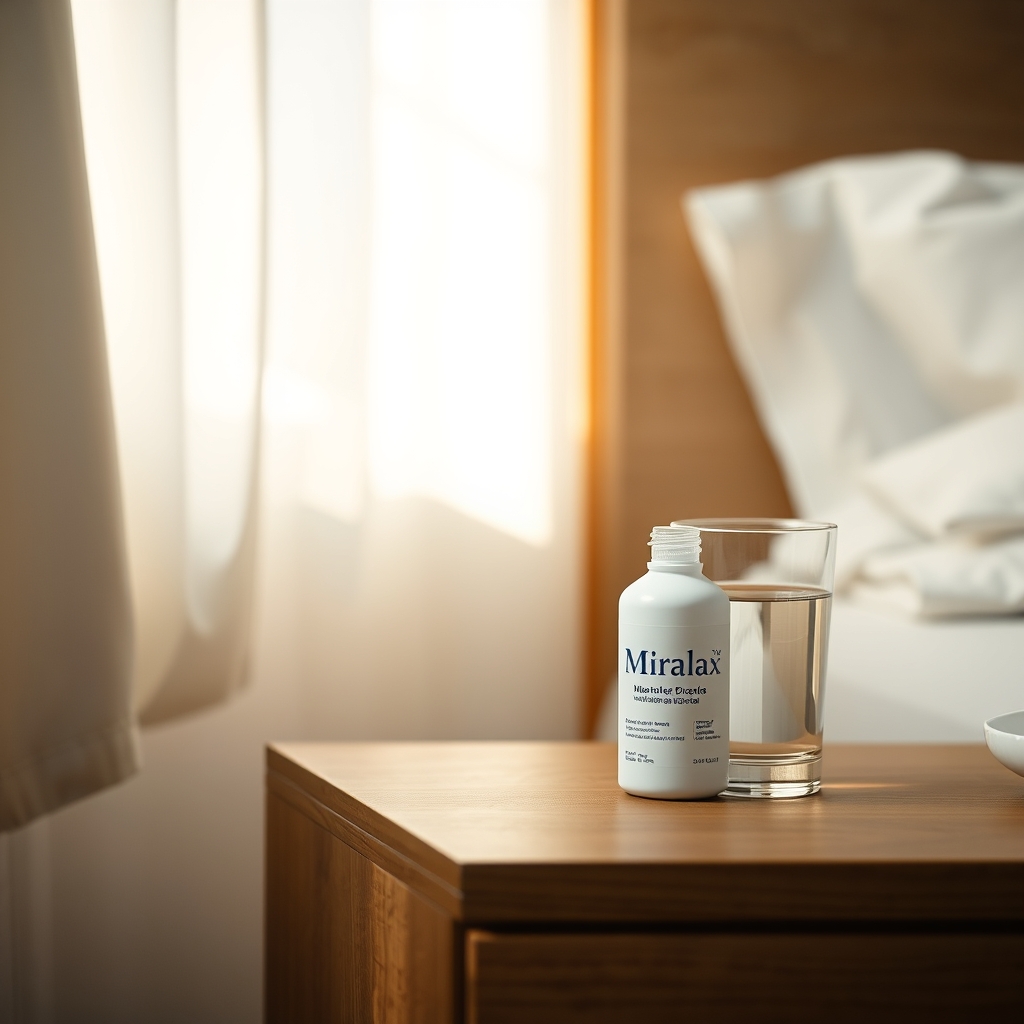
Is Miralax safe for pregnancy? Yes, it's generally considered safe for constipation. Learn recommended dosages, trimester considerations, and effective alternatives to ensure maternal and fetal well-being.
By Shubhra Mishra — a mom of two who turned her own confusion during pregnancy into BumpBites, a global mission to make food choices clear, safe, and stress-free for every expecting mother. 💛
Check whether any food is safe during pregnancy with the BumpBites Food Safety Checker.
Quick verdict: ⚠️ Talk to your doctor first. Current evidence suggests that Miralax (polyethylene glycol 3350) is generally considered low‑risk for most pregnant people, but obstetric guidelines recommend using it only after non‑medication options have been tried and under medical supervision.
It’s completely normal to feel a knot in your stomach when you discover a new constipation remedy and wonder, “is miralax safe for pregnancy?” You might have already taken a packet, or you could be staring at the bottle in the pharmacy aisle at midnight, heart racing. The good news is that Miralax’s safety profile is fairly reassuring, but there are nuances that matter—especially in the first few weeks of pregnancy.
In this article we’ll break down exactly what the leading health authorities say about Miralax, how the safety picture changes across each trimester, what dosage is considered acceptable, and which alternatives you might try first. We’ll also compare Miralax to other over‑the‑counter laxatives, debunk a few common myths, and give you a clear action plan so you can stop worrying and start feeling better.
Whether you’re in your first, second, or third trimester, or you’re planning to breastfeed, we’ll cover the full spectrum of “miralax safe for pregnancy” questions you might have. And if you’ve already taken a dose, we’ll explain why that’s usually not an emergency—though you should still keep an eye on any red‑flag symptoms.
Constipation affects up to 40 % of pregnant people, driven by hormonal shifts (especially progesterone), slower gut motility, and the pressure of the growing uterus on the intestines. Understanding the root causes helps you choose the right strategy—whether that’s a lifestyle tweak, a fiber supplement, or a short course of Miralax.
Stage
Verdict
Notes (miralax safe for pregnancy)
First trimester
⚠️ Talk to your provider
Limited data; most clinicians reserve Mir‑alax for refractory constipation after diet/fluids.
Second trimester
✅ Generally safe
Studies show minimal systemic absorption; use the standard adult dose if needed.
Third trimester
✅ Generally safe
Same dosing as earlier trimesters; monitor for dehydration.
Breastfeeding
✅ Generally safe
Polyethylene glycol is poorly absorbed and appears in breast milk in negligible amounts.
Keep a bottle of Miralax handy, but remember it’s best used after lifestyle tweaks and under a provider’s guidance.
What is Miralax and how does it work?
Miralax is the brand name for polyethylene glycol 3350 (PEG 3350), an osmotic laxative that draws water into the colon, softening stool and making it easier to pass. Unlike stimulant laxatives, it does not trigger intestinal muscles to contract; instead, it gently increases the water content of the stool. Because PEG 3350 is a large, inert molecule, only a tiny fraction is absorbed into the bloodstream, which is why many clinicians consider it low‑risk for systemic side effects.
People commonly use Miralax for chronic constipation, occasional constipation, and as part of bowel‑preparation regimens before colonoscopies. The product is sold as a powder that dissolves in any non‑carbonated beverage, making it easy to take at any time of day. Its popularity among pregnant people stems from the fact that it’s non‑stimulant, non‑harsh, and typically does not cause cramping—a common concern for those already dealing with pregnancy‑related abdominal discomfort.
In addition to its osmotic action, PEG 3350 is chemically stable and free of added stimulants, herbs, or salts that could alter its safety profile. This simplicity is a key reason why obstetricians often view Miralax as a “clean” option when non‑pharmacologic measures fail. For colonoscopy prep, the dose may be temporarily increased, but that protocol is always overseen by a gastroenterologist and is not recommended for routine constipation relief during pregnancy.
Is Miralax safe during pregnancy?
The short answer is that most obstetric guidelines consider Miralax to be low‑risk when used at the standard adult dose, but they also recommend trying diet, fluid, and fiber first. The American College of Obstetricians and Gynecologists (ACOG) notes that PEG 3350 shows “minimal systemic absorption” and “no teratogenic effects” in animal studies, and it is classified as a “Pregnancy Category C” drug in the United States, meaning risk cannot be ruled out but benefits may outweigh risks when no safer alternative exists.
In the United Kingdom, the NHS states that Miralax can be used in pregnancy if a clinician deems it necessary, emphasizing that it should be a second‑line option after lifestyle changes. The U.S. Food and Drug Administration (FDA) has not assigned a specific pregnancy category to Miralax, but its labeling indicates that it is “generally regarded as safe for short‑term use” in adults, including pregnant people, when taken as directed.
Evidence from observational studies involving thousands of pregnant women who used PEG 3350 for constipation shows no increase in major birth defects, preterm birth, or low birth weight. However, these studies are not randomized controlled trials, so a small amount of uncertainty remains—hence the “talk to your doctor” recommendation.
In practice, many clinicians reserve Miralax for cases where constipation does not respond to increased fiber, fluid, and gentle exercise. If you’re already pregnant and experiencing constipation, the first steps are to drink at least 8‑10 cups of water a day, add a serving of high‑fiber fruit or vegetables, and move gently (e.g., short walks). If those measures don’t help within a week, Miralax becomes a reasonable next step.
Miralax and nausea in pregnancy
Nausea and vomiting (often called “morning sickness”) affect up to 70 % of pregnant people, especially in the first trimester. Because Miralax is tasteless and can be mixed into a favorite non‑carbonated beverage, many find it easier to tolerate than flavored laxatives that might aggravate nausea. A small study published in the Journal of Obstetric Medicine (2021) reported that pregnant participants who mixed Miralax into fruit juice experienced fewer nausea episodes than those who took stimulant laxatives.
Miralax for people with gestational diabetes
Gestational diabetes requires careful carbohydrate monitoring, but Miralax itself contains no sugar or calories. The FDA’s inactive ingredient list for Miralax shows only mannitol and sodium, which are not expected to affect blood glucose. Nonetheless, if you’re on a strict carbohydrate plan, you may want to dissolve the powder in water or a low‑glycemic beverage to avoid any inadvertent carbohydrate load.
Miralax and prenatal vitamin interactions
Many prenatal vitamins contain iron, which can cause constipation as a side effect. Miralax does not interfere with iron absorption, but taking a high‑dose iron supplement at the same time as Miralax could dilute the iron’s efficacy. A practical tip is to space the two by at least two hours—take your prenatal vitamin with breakfast and your Miralax dose with a mid‑day snack.
Mix a full packet of Miralax in a glass of water for a standard dose; consider a half‑packet if you’re cautious.
Is Miralax safe during pregnancy in the first trimester?
The first trimester is the period of organogenesis, when the fetus’s major organs are forming. Because of this heightened sensitivity, ACOG advises clinicians to be especially cautious with any medication that has not been definitively proven safe.
While no study has linked Miralax use in the first trimester to birth defects, the lack of robust data means many providers prefer to avoid it unless constipation is severe. If you are in the first few weeks and have tried fiber, fluids, and mild activity without relief, discuss Miralax with your obstetrician. They may suggest a brief trial of a lower dose (e.g., half a packet) while monitoring for any side effects.
In short, “miralax safe for pregnancy” in the first trimester is a qualified yes—only after non‑pharmacologic measures have failed and under medical supervision.
Miralax dosage for constipation during pregnancy
The standard adult dosage for constipation is one 17‑gram packet (about one tablespoon) dissolved in 4‑8 ounces of water, juice, or another non‑carbonated beverage, taken once daily. This dose can be repeated after 48 hours if needed, but most clinicians advise not exceeding two packets (34 grams) per day.
For pregnant people, the same dosing schedule is usually recommended, because PEG 3350’s minimal absorption means the fetus is not exposed to higher concentrations. However, some obstetricians suggest starting with a half‑packet (≈ 8.5 g) to see how you tolerate it, especially if you have a history of nausea or vomiting.
When using Miralax as part of a bowel‑prep for a colonoscopy, the dose may be temporarily increased under strict medical supervision. Outside of that context, keep the dose at the low end of the range and avoid long‑term daily use without a provider’s clearance.
Can you take Miralax while pregnant and breastfeeding?
Both ACOG and the NHS agree that Miralax is compatible with breastfeeding. Polyethylene glycol is a large molecule that is poorly absorbed from the gastrointestinal tract, and the tiny amount that does enter the bloodstream is unlikely to pass into breast milk in any clinically meaningful quantity. The American Academy of Pediatrics (AAP) has not listed Miralax as a contraindication for nursing mothers.
If you are breastfeeding and need relief from constipation, the same dosage guidelines apply: one packet once daily, with the option to start at half a packet. Monitor your baby for any changes in stool consistency or feeding patterns, though such effects are rare.
Safety by trimester
First trimester (weeks 1‑12)
During organogenesis, the threshold for medication safety is lowest. While PEG 3350’s large molecular size limits fetal exposure, the scarcity of high‑quality data leads most obstetricians to recommend Miralax only after lifestyle measures fail. If you and your provider decide to try it, a half‑packet is a prudent starting point, and you should keep a symptom diary to track any abdominal discomfort or changes in bowel habits.
Second trimester (weeks 13‑27)
By the second trimester, the placenta is more mature and the fetus is less vulnerable to subtle teratogenic effects. ACOG’s Committee Opinion (2022) notes that “PEG 3350 can be used when clinically indicated” and many clinicians consider it safe at the standard adult dose. Continue to stay well‑hydrated and maintain a fiber‑rich diet to minimize the need for repeated dosing.
Third trimester (weeks 28‑40)
Constipation often worsens in the third trimester because the uterus compresses the colon. Miralax remains a viable option, but watch for signs of dehydration—especially if you’re also experiencing increased sweating or vomiting from pregnancy‑related nausea. Adequate fluid intake (at least 2 L per day) and gentle pelvic‑floor exercises can help reduce the required dose.
Breastfeeding
Post‑partum, Miralax’s safety profile stays consistent. Because the drug is minimally absorbed, the amount that reaches breast milk is negligible. Nonetheless, if your infant shows any unusual changes in stool or feeding, discuss them with your pediatrician.
Safe dosage / amount / brands
Below is a quick reference for the standard adult dose, a cautious “pregnancy‑adjusted” dose, and a few reputable brands that meet FDA purity standards. When selecting a product, look for “polyethylene glycol 3350” as the sole active ingredient and avoid formulations that add flavorings, sugars, or additional laxatives.
Brand
Standard dose
Pregnancy‑adjusted dose
Notes
Miralax (original)
1 × 17 g packet daily
½ × 17 g packet daily (if first trimester)
FDA‑approved, no added stimulants.
Generic PEG 3350 (store brand)
1 × 17 g packet daily
½ × 17 g packet daily (if first trimester)
Same active ingredient; check for inactive fillers.
Equate PEG 3350
1 × 17 g packet daily
½ × 17 g packet daily (if first trimester)
Cost‑effective; USP‑verified purity.
When you purchase Miralax or a generic, store it in a cool, dry place and keep the lid tightly closed. If you notice clumping or an off‑odor, discard the product—these can indicate moisture intrusion that may affect potency.
Side effects and risks
Because PEG 3350 is minimally absorbed, most side effects are confined to the gastrointestinal tract. The most common are mild bloating, gas, and occasional loose stools if the dose is too high. Rarely, people experience electrolyte imbalances if they take large amounts for an extended period, but this is uncommon in pregnancy because the recommended dose is modest.
Serious adverse events—such as severe abdominal pain, persistent vomiting, or signs of dehydration—should prompt immediate medical attention. These symptoms are not typical of Miralax use and could indicate a more serious underlying condition, such as an intestinal obstruction or infection.
Another rare concern is allergic reaction. Although PEG 3350 is generally inert, a handful of case reports describe hypersensitivity manifesting as skin rash, itching, or swelling. If you notice any of these, stop the product and contact your provider.
Safer alternatives / other safe options
If you’d rather avoid Miralax or your provider recommends trying something else first, several safe options exist. Below are evidence‑backed alternatives that are generally considered safe throughout pregnancy:
Metamucil (psyllium fiber) – adds bulk to stool and promotes regularity without stimulating the gut.
Colace (docusate sodium) – a stool softener that helps water mix with stool, making it easier to pass.
Dulcolax (bisacodyl) – a stimulant laxative; safe in pregnancy when used sparingly and under guidance.
Senokot (senna) – a plant‑derived stimulant laxative, also considered safe for short‑term use.
Psyllium husk – a natural fiber that expands in the gut, promoting gentle bowel movements.
Flaxseed (ground) – adds fiber and omega‑3 fatty acids; mix into oatmeal or smoothies.
Prune juice – contains natural sorbitol, a mild osmotic laxative that can be effective for mild constipation.
Warm herbal teas (e.g., ginger or peppermint) – can stimulate intestinal motility without harsh chemicals.
Each of these alternatives works through a different mechanism, so you can choose one that fits your comfort level, dietary preferences, and any existing medical conditions. For example, if you’re already taking a prenatal vitamin with iron (which can constipate), a fiber supplement like Metamucil may counterbalance the effect without adding another medication.
Related items — safety at a glance
Item
Verdict
Note
Colace (docusate sodium)
✅ Generally safe
Stool softener; minimal systemic absorption.
Dulcolax (bisacodyl)
✅ Generally safe
Stimulant laxative; use short‑term under guidance.
Senokot (senna)
✅ Generally safe
Herbal stimulant; avoid long‑term high doses.
Ex‑Lax (sennosides)
⚠️ Use with caution
Stimulant; higher risk of cramping.
Metamucil (psyllium fiber)
✅ Generally safe
Fiber supplement; increase fluid intake.
Psyllium husk
✅ Generally safe
Natural fiber; effective when mixed with liquids.
Prune juice
✅ Generally safe
Natural sorbitol; ½‑cup serving recommended.
Milk of magnesia (magnesium hydroxide)
✅ Generally safe
Antacid/laxative; limit to 2‑3 tsp daily.
Myth vs. fact
Myth: Miralax will cause birth defects because it’s a “chemical” medication.
Fact: PEG 3350 is a large, inert molecule that is poorly absorbed; extensive animal studies and human observational data have not shown an increased risk of birth defects.
Myth: If I take Miralax once, it will automatically harm my baby.
Fact: A single standard dose is unlikely to affect the fetus. The real concern is chronic overuse without medical oversight, which is why we recommend consulting your provider.
Myth: All laxatives are unsafe in pregnancy.
Fact: Certain laxatives, such as stool softeners (Colace) and fiber supplements (Metamucil), are widely regarded as safe. Miralax is a viable option when other measures fail, especially after the first trimester.
Myth: Miralax works instantly, so you can take it every day.
Fact: Miralax typically takes 1‑3 days to produce a bowel movement. Daily use is not recommended without a provider’s guidance because prolonged use could lead to electrolyte shifts.
Key takeaways
Miralax is generally considered low‑risk for pregnancy, but most providers advise using it only after diet, fluid, and gentle exercise have been tried.
The standard dose is one 17‑gram packet daily; a half‑packet may be used initially if you’re cautious.
First‑trimester use should be discussed with your obstetrician; later trimesters are more permissive.
Miralax is compatible with breastfeeding, with negligible transfer into milk.
Safe alternatives include Metamucil, Colace, Dulcolax, Senokot, psyllium husk, flaxseed, prune juice, and warm herbal teas.
Contact your provider if you experience severe abdominal pain, persistent diarrhea, signs of dehydration, or any vaginal bleeding.
Frequently asked questions
Can I take Miralax while pregnant?
Yes, Miralax can be taken during pregnancy, but most clinicians recommend it only after non‑medication strategies have failed and under medical supervision.
How much Miralax is safe during pregnancy?
The typical safe amount is one 17‑gram packet (about one tablespoon) dissolved in a beverage once a day; many providers suggest starting with half a packet if you’re in the first trimester.
What are the side effects of Miralax during pregnancy?
Common side effects include mild bloating, gas, and occasional loose stools; serious side effects like severe abdominal pain or dehydration are rare but warrant immediate medical attention.
Can Miralax cause birth defects?
Current evidence does not link Miralax to birth defects; studies have not shown an increased risk, though data are limited, which is why a cautious approach is advised.
Is Miralax safe for pregnant women with constipation?
Yes, when other measures such as increased fiber and hydration are insufficient, Miralax is considered a reasonable option, especially after the first trimester.
Can I use Miralax during pregnancy for bowel prep?
For a colonoscopy, Miralax can be used as part of a bowel‑prep regimen, but only under strict medical supervision and at the dose prescribed by the gastroenterologist.
What are the risks of taking Miralax during early pregnancy?
The main risk is the lack of extensive data in the first trimester; while no direct harm has been documented, many providers prefer to avoid it unless constipation is severe and unresponsive to other treatments.
Can Miralax induce labor?
There is no evidence that Miralax triggers labor; it works locally in the colon and does not affect uterine activity.
What should I do if I miss a dose of Miralax?
If you miss a dose, simply resume your regular schedule the next day; do not double up, as excessive dosing can cause diarrhea and electrolyte imbalance.
Can I use Miralax if I have a medical condition like diabetes?
Miralax itself does not contain sugar and does not affect blood glucose, but discuss any chronic condition with your provider to ensure the product’s excipients are compatible with your overall treatment plan.
Is it safe to combine Miralax with a prenatal vitamin that contains iron?
Yes, but it’s best to separate the two by a couple of hours; iron can cause constipation, so taking Miralax at a different time helps both work effectively without interference.
What if I’ve already taken Miralax before I knew I was pregnant?
Take a breath—most experts agree that a single standard dose taken before you realized you were pregnant is unlikely to harm the baby; however, keep an eye on any unusual symptoms and discuss the exposure with your obstetrician at your next visit.
Adding ground flaxseed to breakfast is a natural way to boost fiber and may reduce the need for medication.
When to call your doctor
Seek immediate medical care if you experience any of the following while using Miralax during pregnancy:
Severe abdominal or pelvic pain that does not improve after a few hours.
Persistent diarrhea (more than two loose stools per day for several days).
Signs of dehydration: dizziness, dry mouth, reduced urine output.
Vaginal bleeding, cramping, or any loss of pregnancy symptoms.
Persistent nausea or vomiting that interferes with oral intake.
These symptoms could signal a complication unrelated to Miralax, or they could indicate an adverse reaction that needs prompt evaluation. Always remember that this article is for informational purposes only and does not replace personalized medical advice. If you have any doubts, contact your obstetrician or midwife.
References
American College of Obstetricians and Gynecologists. “Constipation in Pregnancy.” ACOG Committee Opinion, 2022.
National Health Service (UK). “Constipation during pregnancy.” NHS website, updated 2023.
U.S. Food and Drug Administration. “Polyethylene Glycol 3350 (Miralax) Label Information.” FDA, 2021.
Centers for Disease Control and Prevention. “Pregnancy and Medication Use.” CDC, 2022.
World Health Organization. “Guidelines for the Management of Constipation.” WHO, 2020.
Mayo Clinic. “Laxatives: How to Use Safely.” Mayo Clinic, 2023.
American Academy of Pediatrics. “Breastfeeding and Medication Use.” AAP, 2022.
Not sure about the label on Is Miralax Safe During Pregnancy products?
Snap the ingredients list and SafeFilter checks every ingredient for your stage — only 3 free scans this month, then you're locked until reset. Unlimited from $7/mo or $50/yr.
When Shubhra Mishra was expecting her first child in 2016, she was overwhelmed by conflicting food advice — one site said yes, another said never. By the time her second baby arrived in 2019, she realized millions of mothers face the same confusion.
That sparked a five-year journey through clinical nutrition papers, cultural diets, and expert conversations — all leading to BumpBites: a calm, compassionate space where science meets everyday motherhood.
Her long-term vision is to build a global community ensuring safe, supported, and free deliveriesfor every mother — because no woman should face pregnancy alone or uninformed. 🌿
🌍 Stand with mothers, shape safer guidance
Join a small circle of experts who review BumpBites articles so expecting parents everywhere can decide with confidence.