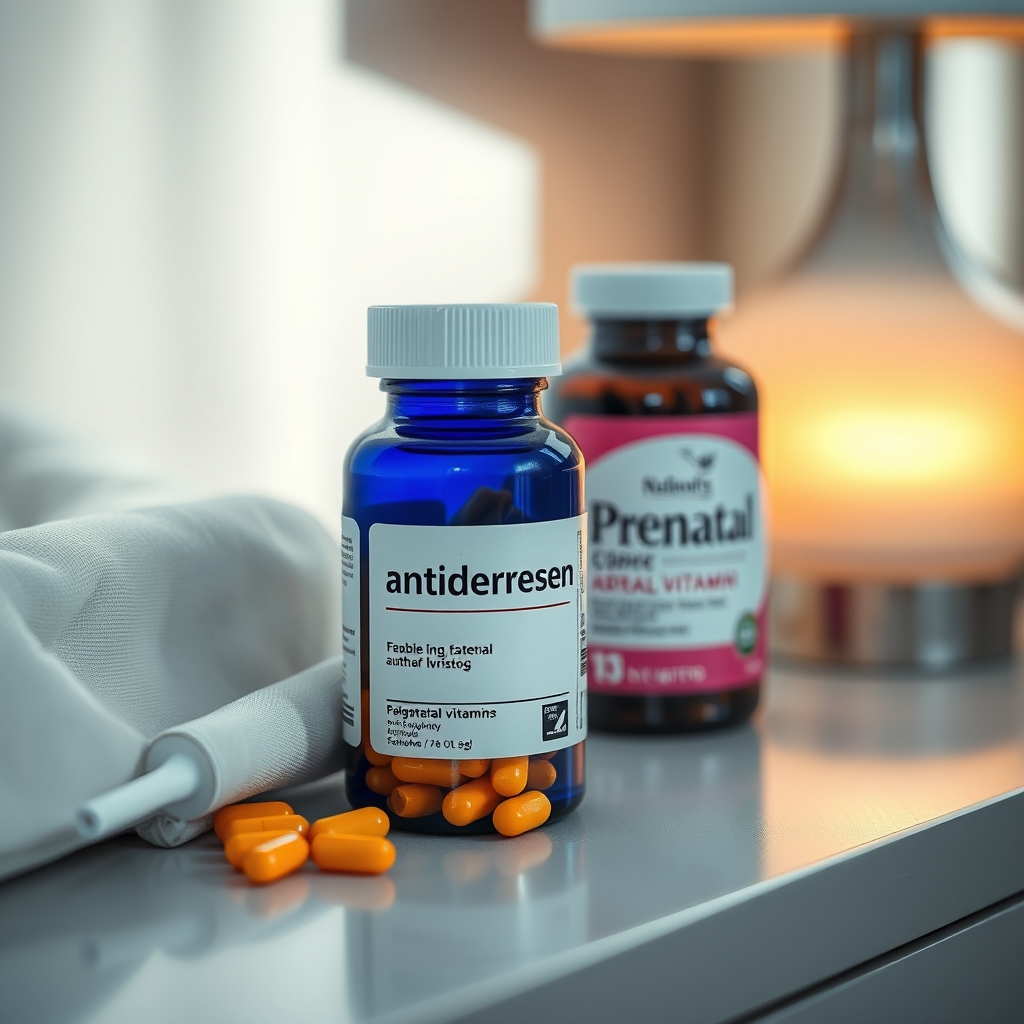
Safe: depression meds safe for pregnancy when taken at recommended doses; most are acceptable in the second trimester, but avoid high‑dose SSRIs early on.
By Shubhra Mishra — a mom of two who turned her own confusion during pregnancy into BumpBites, a global mission to make food choices clear, safe, and stress-free for every expecting mother. 💛
Check whether any food is safe during pregnancy with the BumpBites Food Safety Checker.
Quick verdict: ✅ Generally safe with careful monitoring. Most antidepressants can be continued during pregnancy, but the choice, dose, and timing should be individualized with your provider’s guidance.
Finding out you’re pregnant while already taking an antidepressant can feel like an overnight panic attack at 3 a.m. You might wonder whether the medication you’ve relied on for weeks, months, or years is safe for your growing baby, or if you need to stop it immediately. The short answer is that many antidepressants are considered safe enough to stay on during pregnancy, but the decision hinges on the specific drug, the dose, and the trimester you’re in.
In this article we answer the question “depression meds safe for pregnancy” by looking at the overall safety overview, trimester‑specific considerations, recommended dosages, potential risks, and safer medication brands. We’ll also explore non‑drug alternatives, how SSRIs compare to SNRIs, and what to do if you need to stop or switch your medication while pregnant. By the end you’ll have a clear, evidence‑based picture and a list of practical next steps.
Having an antidepressant on hand can feel reassuring—knowing the safety facts helps you make the best choice for you and your baby.
Stage
Verdict
Notes
First trimester
⚠️ Use with caution
Potential slight increase in congenital heart defects with some SSRIs; benefits often outweigh risks.
Second trimester
✅ Generally safe
Most antidepressants show no increased risk of birth defects; monitor for maternal side effects.
Third trimester
⚠️ Use with caution
Risk of neonatal adaptation syndrome and possible persistent pulmonary hypertension (PPHN) with certain SSRIs.
Breastfeeding
✅ Generally safe
Low levels pass into breast milk; most SSRIs are considered compatible with nursing.
What are antidepressants?
Antidepressants are a class of medications designed to balance chemicals in the brain that affect mood, such as serotonin, norepinephrine, and dopamine. The most commonly prescribed types during pregnancy are selective serotonin reuptake inhibitors (SSRIs) like sertraline and fluoxetine, serotonin‑norepinephrine reuptake inhibitors (SNRIs) such as venlafaxine, and atypical agents like bupropion. They work by either increasing the amount of neurotransmitters available in the synaptic cleft or altering receptor activity, which can alleviate symptoms of depression and anxiety.
Depression during pregnancy is not just a mood issue; untreated maternal depression is linked to poor prenatal care, preterm birth, and developmental challenges for the infant. Because of this, obstetric providers weigh the benefits of continuing medication against any potential fetal risks. Understanding the specific drug, its typical dosage, and how it behaves in pregnancy helps you and your provider decide on the safest path forward.
Prescribing antidepressants in pregnancy typically involves a collaborative approach. Your obstetrician, psychiatrist, and sometimes a primary‑care physician will review your psychiatric history, previous medication response, and any comorbid conditions. Together they create a treatment plan that may combine medication with psychotherapy, lifestyle modifications, and close monitoring of both maternal and fetal health.
Beyond the classic SSRIs and SNRIs, newer agents such as vortioxetine and vilazodone have limited pregnancy data, so they are usually avoided unless a specialist feels the benefits outweigh the unknown risks. This is why many clinicians stick with the drugs that have the longest safety track record.
Are antidepressants safe to use during each trimester of pregnancy?
C
urrent guidance from the American College of Obstetricians and Gynecologists (ACOG) and the UK’s National Health Service (NHS) states that many antidepressants, especially SSRIs, can be continued throughout pregnancy when the benefits outweigh the potential risks. The Food and Drug Administration (FDA) classifies most antidepressants as Category B or C, meaning animal studies have not shown a clear risk, but human data are limited.
In the first trimester, the period of organogenesis, some studies have reported a modest rise in the risk of cardiac malformations with paroxetine, while sertraline and fluoxetine appear to have a lower risk profile. By the second trimester, the risk of major birth defects is not significantly increased for most SSRIs and SNRIs. In the third trimester, concerns shift toward neonatal adaptation syndrome—a temporary set of withdrawal‑like symptoms—and a small increased risk of persistent pulmonary hypertension of the newborn (PPHN) with high‑dose fluoxetine.
Overall, the ACOG consensus is that discontinuing therapy abruptly can lead to relapse, which may pose a greater danger to both mother and baby than the modest medication risks. Therefore, depression meds safe for pregnancy are typically continued, with close monitoring and dose adjustments as needed.
It’s also worth noting that many clinicians now use therapeutic drug monitoring (TDM) to measure blood levels of certain antidepressants, ensuring the dose remains effective while staying within a safe range for the fetus. This extra layer of oversight adds reassurance, especially for women with a history of variable drug metabolism.
Emerging research from the WHO and NICE guidelines suggests that when a medication is required, the choice of drug should be guided by both the mother’s psychiatric history and the specific safety profile of the agent. For many patients, sertraline or escitalopram become the preferred first‑line agents because of their extensive data and relatively low placental transfer.
Relaxation techniques like yoga can complement medication, offering extra support during pregnancy.
First trimester
The first three months are the most sensitive window for fetal organ development. While most SSRIs are not outright contraindicated, the FDA and ACOG recommend using the lowest effective dose and preferring agents with the best safety data, such as sertraline and escitalopram. Paroxetine carries a higher relative risk of cardiac defects and is generally avoided unless no alternative exists.
For mothers with severe depression, the risk of untreated illness—including poor nutrition, substance use, and increased stress hormones—often outweighs the small potential medication risk. Your provider may order a detailed fetal echocardiogram if you’re on a higher‑risk SSRI.
Some clinicians also suggest a brief “wait‑and‑watch” period for women who are newly diagnosed early in pregnancy, using psychotherapy as the first line and adding medication only if symptoms become unmanageable.
Second trimester
During weeks 13‑27, the placenta’s barrier becomes more robust, and most antidepressants show minimal teratogenic risk. Studies cited by the NHS indicate no statistically significant rise in major malformations for sertraline, fluoxetine, or venlafaxine when used at standard therapeutic doses.
Monitoring focuses on maternal side effects, such as insomnia or weight changes, which can affect fetal growth. Blood levels of certain drugs may rise as pregnancy progresses, so dose adjustments are sometimes needed.
Because the second trimester is also a time of rapid fetal brain development, some providers consider adding low‑dose omega‑3 DHA supplementation to support both maternal mood and fetal neurodevelopment.
Third trimester
In the final months, the main concerns are neonatal adaptation syndrome (NAS) and, for some SSRIs, a slight increase in the risk of persistent pulmonary hypertension of the newborn (PPHN). NAS can include jitteriness, feeding difficulties, and respiratory distress, typically resolving within a few days after birth.
If you’re on fluoxetine or high‑dose sertraline, your obstetrician may suggest tapering the dose in the last few weeks or switching to a medication with a shorter half‑life, such as escitalopram, to reduce neonatal exposure.
Some hospitals now offer “neonatal monitoring protocols” for babies whose mothers used SSRIs late in pregnancy, allowing pediatric teams to intervene early if adaptation symptoms appear.
Breastfeeding
Most SSRIs and SNRIs are excreted in breast milk at low concentrations. The American Academy of Pediatrics (AAP) and CDC consider sertraline, escitalopram, and bupropion compatible with breastfeeding, while fluoxetine, because of its long half‑life, may accumulate in the infant and is often avoided unless necessary. Monitoring the infant for irritability or sleep changes is advisable.
When a mother chooses to breastfeed while on medication, many providers recommend timing feeds to minimize infant exposure, such as feeding just before taking the daily dose.
What is the recommended dosage of common antidepressants for pregnant women?
Dosage recommendations for pregnant patients mirror standard adult dosing, but clinicians often aim for the lowest effective dose to minimize fetal exposure. Below is a quick reference for several widely used agents. Always follow the exact regimen prescribed by your provider, as individual needs vary.
Medication
Typical adult dose
Pregnancy considerations
Sertraline (Zoloft)
50‑200 mg daily
Consider starting at 50 mg; monitor for nausea. Safe in all trimesters.
Fluoxetine (Prozac)
20‑80 mg daily
Long half‑life; may be tapered before delivery to reduce NAS risk.
Escitalopram (Lexapro)
10‑20 mg daily
Low placental transfer; often preferred in first trimester.
Paroxetine (Paxil)
10‑50 mg daily
Higher cardiac defect risk; used only if benefits outweigh risks.
Venlafaxine (Effexor)
75‑375 mg daily
Monitor blood pressure; generally safe after first trimester.
Bupropion (Wellbutrin)
150‑300 mg daily
Low serotonin syndrome risk; safe for breastfeeding.
Citalopram (Celexa)
20‑40 mg daily
Avoid >40 mg due to QT prolongation; otherwise safe.
Therapeutic drug monitoring (TDM) is increasingly used to fine‑tune these doses during pregnancy. Because physiological changes can raise drug concentrations, your provider may check blood levels mid‑pregnancy and adjust the dose to keep you in the therapeutic window while maintaining safety for your baby.
Which antidepressant brands are considered safer for pregnancy?
When we talk about “brands,” we refer to the specific generic formulations that have the most robust safety data. Sertraline (generic Zoloft), escitalopram (generic Lexapro), and fluoxetine (generic Prozac) are the most frequently studied and are generally regarded as the safest options for pregnant patients. Paroxetine (Paxil) is often avoided because of its association with congenital heart defects. Venlafaxine (Effexor) and bupropion (Wellbutrin) have decent safety profiles but are prescribed less often due to specific side‑effect concerns.
Choosing a brand also involves considering the pill’s inactive ingredients, which can affect tolerability. For example, some generic sertraline tablets contain lactose, which may be problematic for women with lactose intolerance. Discuss any ingredient sensitivities with your pharmacist, and ask about “lactose‑free” formulations if needed.
Insurance coverage can also influence brand selection. Many plans favor generic versions, which are typically less expensive and have the same active ingredient as the brand‑name product. If you’re concerned about cost, ask your provider whether a therapeutic equivalent is available that your insurance will cover.
What are the risks of taking antidepressants while pregnant?
Risks vary by medication class and dose. The most documented concerns include:
Congenital anomalies: Slightly increased risk of cardiac malformations with paroxetine.
Neonatal adaptation syndrome: Transient jitteriness, respiratory issues, and feeding problems, especially after third‑trimester exposure to SSRIs.
Persistent pulmonary hypertension of the newborn (PPHN): A rare but serious condition linked to late‑pregnancy fluoxetine use.
Maternal side effects: Nausea, insomnia, weight changes, and blood pressure elevations (particularly with SNRIs).
It’s important to weigh these risks against the dangers of untreated depression, which can include poor prenatal care, substance misuse, and increased risk of preterm birth. The ACOG emphasizes shared decision‑making, where the healthcare team and patient collaboratively assess the risk‑benefit balance.
Long‑term neurodevelopmental outcomes have been a focus of recent studies. Large cohort analyses from the CDC and WHO suggest that, when properly managed, exposure to most SSRIs does not significantly affect cognitive or behavioral development in early childhood, though a few studies note a modest increase in autism spectrum disorder risk that remains controversial and likely confounded by maternal mental health.
Can depression medication be used safely for pregnant women with anxiety?
Many antidepressants also treat anxiety disorders because they modulate the same neurotransmitter pathways. SSRIs such as sertraline and escitalopram are commonly prescribed for generalized anxiety disorder (GAD) and panic disorder during pregnancy, and they have a solid safety record. SNRIs like venlafaxine can be used as well, though they may raise blood pressure, so regular monitoring is essential.
When anxiety is the primary concern, non‑pharmacologic therapies (see the alternatives below) are often tried first. If medication is needed, the same dosage principles and trimester considerations apply, and the provider will tailor the choice to the individual’s symptom profile.
Co‑occurring depression and anxiety are common; treating both simultaneously with a single medication can simplify management and reduce overall drug exposure. Collaborative care models that involve both mental‑health specialists and obstetricians have been shown to improve outcomes for mother and baby.
What non‑drug alternatives are safe for managing depression during pregnancy?
Cognitive Behavioral Therapy (CBT) – Structured, evidence‑based counseling that reduces depressive symptoms without medication.
Prenatal yoga classes – Gentle stretches and breathing improve mood and reduce stress hormones.
Moderate walking exercise – Daily 30‑minute walks boost endorphins and support overall health.
Mindfulness meditation – Short, daily sessions can lower anxiety and improve sleep.
Omega‑3 DHA supplement (e.g., Nordic Naturals Prenatal DHA) – Supports brain health; low doses are considered safe.
Acupuncture – May alleviate depressive symptoms and is deemed safe when performed by a licensed practitioner.
Support groups – Connecting with other expectant parents can provide emotional validation and coping strategies.
Light therapy – Bright‑light boxes can help with seasonal mood swings without medication.
Nutrition-focused counseling – A diet rich in leafy greens, lean protein, and whole grains can stabilize mood.
While these approaches are generally safe, they work best when paired with regular check‑ins from your healthcare team. Many obstetric clinics now offer integrated mental‑health services, making it easier to combine therapy, exercise, and medication in a coordinated plan.
Organizing your medications and supplements can help you stay on track with safe dosing.
How does the safety of SSRIs compare to SNRIs in pregnancy?
Both SSRIs and SNRIs are generally regarded as safe when used at therapeutic doses, but SSRIs have a longer track record of research in pregnant populations. ACOG notes that SSRIs such as sertraline and escitalopram have the most extensive safety data and are often first‑line choices. SNRIs like venlafaxine are also used, but they carry a higher risk of elevated blood pressure, requiring more frequent monitoring.
In terms of neonatal outcomes, SSRIs have a slightly higher association with neonatal adaptation syndrome, while SNRIs have been linked to a modest increase in birth weight. Overall, the decision between an SSRI and an SNRI rests on the mother’s prior response to medication, side‑effect profile, and any comorbid conditions.
Recent NICE guidance emphasizes that, for women with a history of good response to a particular SNRI, continuing that medication may be preferable to switching, provided blood pressure is closely tracked.
What should I do if I need to stop antidepressants while pregnant?
Never discontinue abruptly. A gradual taper, typically over 2‑4 weeks, helps prevent withdrawal symptoms and reduces the risk of depressive relapse. Your obstetrician or psychiatrist will design a personalized taper plan, often switching to a shorter‑acting agent like escitalopram before stopping completely. If you experience worsening mood, insomnia, or anxiety during tapering, contact your provider promptly.
In some cases, switching to a different antidepressant with a better safety profile may be recommended rather than stopping altogether. For example, a woman on paroxetine might be transitioned to sertraline before attempting a taper.
It’s also wise to keep a symptom diary during the taper. Documenting mood changes, sleep patterns, and any physical side effects provides valuable information for your care team and can help fine‑tune the taper schedule.
Side effects and risks
Common side effects that are generally not dangerous but may affect comfort include nausea, dry mouth, headache, and mild insomnia. These often improve after the first few weeks of therapy. More serious concerns that warrant immediate medical attention are:
Severe mood swings or thoughts of self‑harm – call your provider or go to the nearest emergency department.
Rapid heartbeat, chest pain, or shortness of breath – could signal serotonin syndrome or cardiovascular issues.
Sudden swelling of the face or lips – a possible allergic reaction.
For the newborn, watch for prolonged jitteriness, feeding problems, or breathing difficulties after birth, especially if you were on a high‑dose SSRI in the third trimester. These signs usually resolve quickly but should be discussed with the pediatrician.
Safer alternatives
Cognitive Behavioral Therapy (CBT) – Proven to reduce depressive symptoms without medication exposure.
Prenatal yoga – Gentle movement and breathing help lower stress hormones.
Moderate walking exercise – Improves mood through endorphin release and supports cardiovascular health.
Mindfulness meditation – Short daily practice can ease anxiety and improve sleep quality.
Omega‑3 DHA supplement (e.g., Nordic Naturals Prenatal DHA) – Supports brain development and may have mood‑stabilizing effects.
Acupuncture – Safe when performed by a licensed practitioner and can alleviate depressive symptoms.
Support groups for expectant mothers – Sharing experiences reduces feelings of isolation.
Light therapy – Bright‑light exposure can help with seasonal affective symptoms without medication.
Nutrition counseling – A balanced diet rich in omega‑3s, iron, and folate can support mood.
Monitor blood pressure; safe after first trimester.
Bupropion
✅ Generally safe
Low serotonin‑related risks; safe for breastfeeding.
Citalopram
✅ Generally safe
Avoid >40 mg due to QT interval concerns.
Vortioxetine
⚠️ Insufficient data
Limited pregnancy studies; usually avoided.
Vilazodone
⚠️ Insufficient data
Safety unknown; discuss alternatives.
Myth vs. fact
Myth: All antidepressants cause birth defects.
Fact: Most SSRIs and SNRIs have not been shown to increase major birth defect rates, though a few (e.g., paroxetine) carry a small risk that is weighed against the benefits.
Myth: If you’re pregnant, you must stop all depression medication.
Fact: Stopping abruptly can lead to relapse, which may be more harmful than the medication’s modest risks. Continuation with close monitoring is often recommended.
Myth: Breastfeeding is unsafe if you’re on antidepressants.
Fact: Many antidepressants, particularly sertraline and escitalopram, are compatible with breastfeeding; only a few require caution.
Key takeaways
Most antidepressants, especially sertraline and escitalopram, are considered generally safe for pregnancy when used at the lowest effective dose.
First‑trimester exposure carries a modest risk with certain drugs (e.g., paroxetine); discuss alternatives with your provider.
Third‑trimester use may lead to neonatal adaptation syndrome; dose tapering before delivery can reduce this risk.
Non‑drug therapies like CBT, prenatal yoga, and mindfulness are effective, safe alternatives or complements.
Never stop medication abruptly—work with your obstetrician or psychiatrist on a taper plan.
Always report any concerning symptoms in yourself or your newborn to your healthcare team promptly.
Frequently asked questions
Can I take antidepressants while pregnant?
Yes, many antidepressants can be continued during pregnancy, especially if the benefits of treating depression outweigh the small potential medication risks. Your provider will help you choose the safest option.
Are SSRIs safe during pregnancy?
SSRIs such as sertraline and escitalopram are generally considered safe across all trimesters, though a slight increase in neonatal adaptation syndrome may occur with late‑pregnancy exposure.
What are the risks of antidepressants for my baby?
Risks can include a modest increase in certain birth defects (e.g., with paroxetine), neonatal adaptation syndrome, and rare cases of persistent pulmonary hypertension of the newborn, particularly with high‑dose fluoxetine.
How much antidepressant is safe during pregnancy?
The safest approach is to use the lowest effective dose; typical adult doses (e.g., sertraline 50‑200 mg) are often appropriate, but your provider may adjust the amount based on how you respond.
Can I switch antidepressants during pregnancy?
Yes, switching is possible and sometimes recommended if a medication poses higher risks; a gradual cross‑taper under medical supervision helps maintain mood stability.
What natural treatments can help depression in pregnancy?
Evidence‑based options include cognitive behavioral therapy, prenatal yoga, moderate walking, mindfulness meditation, omega‑3 DHA supplementation, and acupuncture.
Is it safe to stop antidepressants when pregnant?
Stopping abruptly is not advised; a medically supervised taper over several weeks reduces withdrawal symptoms and protects against relapse.
Do antidepressants cause birth defects?
Most antidepressants do not cause birth defects, though paroxetine has been linked to a slight increase in cardiac malformations; overall risk is low compared with untreated maternal depression.
Can I breastfeed while taking antidepressants?
Many antidepressants, especially sertraline, escitalopram, and bupropion, are compatible with breastfeeding; a few, like fluoxetine, may require closer monitoring due to longer drug half‑life.
What should I do if I experience side effects while pregnant?
Contact your provider promptly if side effects become severe, such as persistent nausea, high blood pressure, or mood worsening; mild symptoms often improve with dose adjustments or supportive care.
What if I miss a dose of my antidepressant while pregnant?
Take the missed dose as soon as you remember, unless it’s almost time for your next scheduled dose; then skip the missed one and resume your regular schedule—don’t double‑dose. If you’re unsure, call your provider for clarification.
Are over‑the‑counter sleep aids safe if I’m on antidepressants?
Most OTC sleep aids contain antihistamines like diphenhydramine, which are generally considered low‑risk in pregnancy, but they can increase drowsiness when combined with antidepressants. Discuss any sleep aid use with your provider to avoid excessive sedation.
When to call your doctor
If you notice any of the following, contact your provider immediately: severe mood changes, thoughts of self‑harm, chest pain or rapid heartbeat, sudden swelling of the face or lips, persistent high fever, or if your newborn shows prolonged jitteriness, feeding difficulties, or breathing problems after birth. This information is for educational purposes only and does not replace personalized medical advice. Always discuss any concerns with your healthcare professional.
References
American College of Obstetricians and Gynecologists. “Depression and Perinatal Mood Disorders.” ACOG Practice Bulletin No. 196, 2020.
National Health Service (NHS). “Antidepressants and pregnancy.” NHS website, 2022.
Food and Drug Administration (FDA). “Drug Safety Communication: FDA Updates on Antidepressants and Pregnancy.” 2021.
Centers for Disease Control and Prevention (CDC). “Maternal Depression and Pregnancy Outcomes.” CDC Health Information, 2021.
World Health Organization (WHO). “Guidelines for the Management of Mental Health Conditions in Pregnancy.” WHO, 2021.
Mayo Clinic. “Antidepressants and pregnancy: What you need to know.” Mayo Clinic, 2023.
National Institute for Health and Care Excellence (NICE). “Antenatal and postnatal mental health.” NICE guideline NG222, 2021.
American Academy of Pediatrics (AAP). “Breastfeeding and the Use of Medications.” AAP Policy Statement, 2020.
National Institute of Mental Health (NIMH). “Perinatal Depression.” NIMH fact sheet, 2022.
British Columbia Centre for Disease Control. “Guidelines on Antidepressant Use in Pregnancy.” BCCDC, 2023.
Not sure about the label on Is Depression Meds Safe During Pregnancy products?
Snap the ingredients list and SafeFilter checks every ingredient for your stage — only 3 free scans this month, then you're locked until reset. Unlimited from $7/mo or $50/yr.
When Shubhra Mishra was expecting her first child in 2016, she was overwhelmed by conflicting food advice — one site said yes, another said never. By the time her second baby arrived in 2019, she realized millions of mothers face the same confusion.
That sparked a five-year journey through clinical nutrition papers, cultural diets, and expert conversations — all leading to BumpBites: a calm, compassionate space where science meets everyday motherhood.
Her long-term vision is to build a global community ensuring safe, supported, and free deliveriesfor every mother — because no woman should face pregnancy alone or uninformed. 🌿
🌍 Stand with mothers, shape safer guidance
Join a small circle of experts who review BumpBites articles so expecting parents everywhere can decide with confidence.