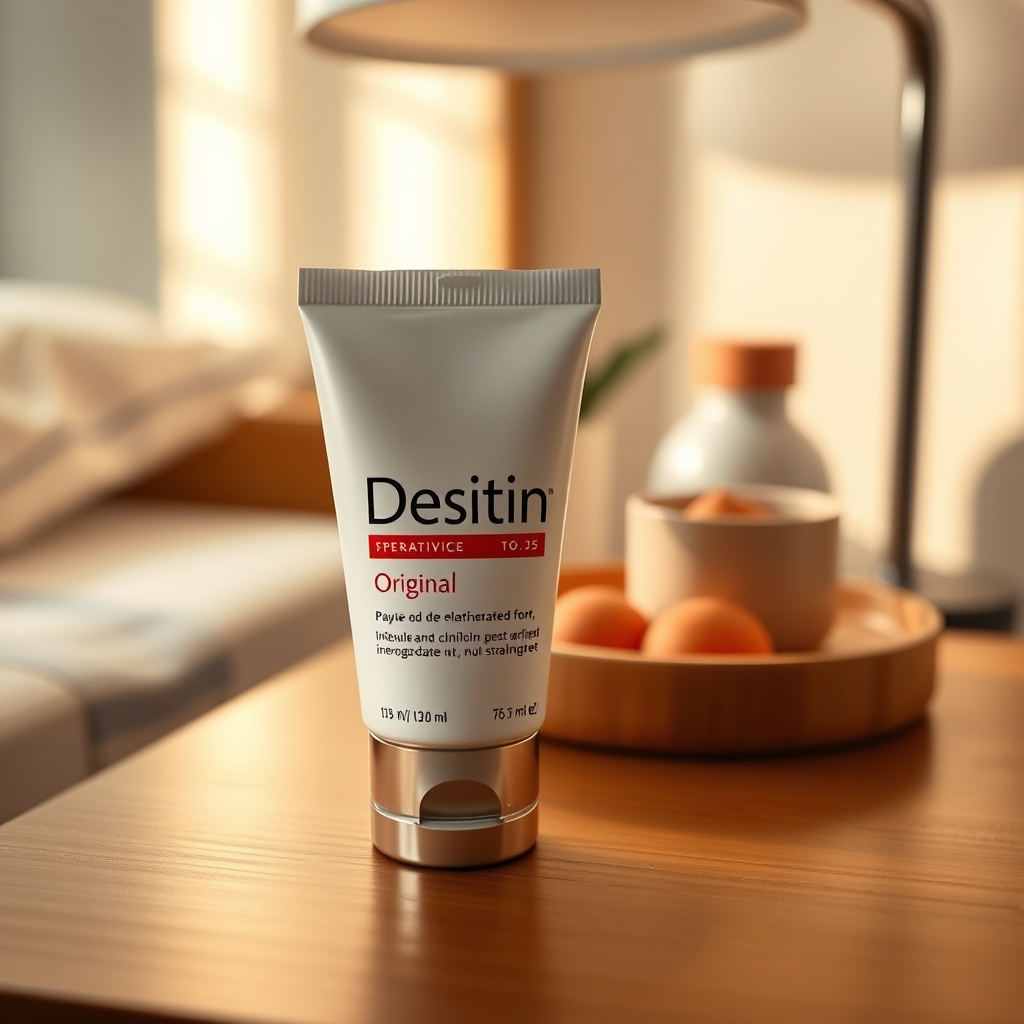
Safe: Desitin is generally safe during pregnancy, but use it in moderation and only as directed, especially in the first trimester
By Shubhra Mishra — a mom of two who turned her own confusion during pregnancy into BumpBites, a global mission to make food choices clear, safe, and stress-free for every expecting mother. 💛
Check whether any food is safe during pregnancy with the BumpBites Food Safety Checker.
Quick verdict: ✅ Desitin is generally safe to use during pregnancy when applied as directed for diaper rash. It contains zinc oxide, a topical ingredient classified as safe by the FDA and widely recommended by ACOG and NHS. Use a thin layer no more than a few times daily, and you can feel confident about both you and your baby.
It’s 2 a.m., you hear a tiny whimper, rush to the nursery, and spot a red patch on your baby’s bottom. You reach for the familiar Desitin tube, but a sudden thought—is Desitin safe during pregnancy? You pause, wondering if the zinc oxide in that ointment could harm your growing baby. You’re not alone; many expectant parents have that exact worry.
Good news: the current guidance from the American College of Obstetricians and Gynecologists (ACOG), the U.K.’s National Health Service (NHS), and the U.S. Food and Drug Administration (FDA) all consider zinc oxide, the active ingredient in Desitin, safe for topical use during pregnancy. In this article we’ll answer the question “is desitin safe during pregnancy?” in detail, walk through trimester‑specific considerations, explain how much you can apply, compare original and rapid‑relief formulas, and suggest gentler alternatives if you prefer.
We’ll also cover potential side effects, how to spot a reaction, and when you should call your provider. By the end you’ll have a clear, evidence‑based picture and can stop worrying about that diaper‑rash tube on your nightstand.
Trimester / Breastfeeding
Verdict
Notes
First trimester
✅ Generally safe
Apply a thin layer; avoid excessive use. Zinc oxide is not a systemic teratogen.
Second trimester
✅ Generally safe
Same as first trimester; no additional restrictions.
Third trimester
✅ Generally safe
Continue as needed; no evidence of fetal risk.
Breastfeeding
✅ Generally safe
Only minimal amounts may be transferred via breast milk; no reported adverse effects.
Desitin is a family of over‑the‑counter diaper‑rash ointments whose flagship product contains 40% zinc oxide, a mineral that creates a protective barrier on the skin. The “Original” version also includes petrolatum, lanolin, and a few soothing agents. “Rapid Relief” adds a small amount of dimethicone for a faster‑drying feel, while “Maximum Strength” ramps the zinc oxide up to 55% for more stubborn rashes. All formulations are designed for external use only; they are not ingested.
Because the active ingredient is a mineral, Desitin works by physically shielding irritated skin from moisture and friction rather than by systemic absorption. This barrier action is why pediatricians frequently recommend it for newborns and infants. The product’s safety profile hinges on the fact that zinc oxide is classified by the FDA as “Generally Recognized As Safe” (GRAS) for topical applications, and the ingredient has been used for decades on pregnant women’s skin without documented teratogenic effects.
Is Desitin safe during pregnancy?
Yes—most obstetric authorities agree that Desitin is safe for pregnant users when used as directed. ACOG’s “Medication Safety in Pregnancy” bulletin lists zinc oxide among the topical agents with no known fetal risk. The NHS’s “Skin care in pregnancy” page similarly notes that zinc‑based ointments are safe for diaper rash. The FDA’s monograph on zinc oxide confirms it is non‑toxic when applied to intact skin, and the CDC has no warnings regarding its use in pregnancy.
The underlying reason is simple: zinc oxide does not readily penetrate the skin barrier, so systemic absorption is negligible. Studies measuring blood zinc levels after repeated topical application of 40% zinc oxide creams found no significant rise, even in infants and pregnant adults. Consequently, there is no evidence that Desitin causes birth defects, growth restriction, or other developmental concerns.
Common misconceptions stem from confusing topical zinc oxide with oral zinc supplements, which can affect fetal development if taken in excess. The topical form stays on the surface and is not absorbed in amounts that would influence the placenta. Likewise, the petrolatum and lanolin base are also considered low‑risk for pregnant women, though those with a known lanolin allergy should avoid it.
Is Desitin safe to use during the first trimester of pregnancy?
The first trimester is the period of organogenesis, when the fetus’s major organs form, and many mothers worry about any exposure. Because Desitin’s zinc oxide does not cross the placenta, using it in the first trimester poses no known risk. ACOG’s trimester‑specific guidance emphasizes that topical products with GRAS ingredients are permissible throughout pregnancy, including the first three months.
If you have a history of skin sensitivities, you may want to perform a patch test on your forearm before applying it to your baby’s diaper area. A small amount left on the skin for 24 hours, then washed off, can reveal any potential irritation without exposing the fetus.
How much Desitin can a pregnant woman apply safely?
Desitin is intended for localized use, so the “dose” is measured in thin layers rather than milligrams. The manufacturer recommends applying a thin ribbon—about the width of a pencil—once or twice daily for mild rashes, and up to three times for more severe irritation. For pregnant users, we echo this guidance: no more than a thin layer per diaper change, and no more than three applications per day.
Because the product is not absorbed systemically, there is no cumulative “daily limit” like with oral medications. However, excessive amounts can trap moisture and actually worsen a rash, so the thin‑layer approach remains the safest practice.
Are there any risks associated with using Desitin while pregnant?
Overall, risks are minimal. The most common side effect is local skin irritation, which can manifest as redness, itching, or a mild burning sensation. In rare cases, individuals sensitive to lanolin or fragrance (if present in a specific variant) may develop an allergic contact dermatitis.
These reactions are not dangerous to the fetus, but they can be uncomfortable for the mother or baby. If you notice persistent redness, swelling, or blisters after application, discontinue use and consult your provider. No studies have linked Desitin to miscarriage, preterm labor, or congenital anomalies.
What are safe alternatives to Desitin for diaper rash during pregnancy?
Aquaphor Healing Ointment – Contains petrolatum and panthenol; both are considered safe for topical use in pregnancy.
Burt's Bees Baby Diaper Rash Ointment – Uses zinc oxide and shea butter, both GRAS ingredients.
Eucerin Baby Eczema Relief Cream – Features zinc oxide and ceramides; both are pregnancy‑friendly.
CeraVe Baby Healing Ointment – Combines zinc oxide with hyaluronic acid, a safe topical moisturizer.
Aveeno Baby Diaper Rash Cream – Contains colloidal oatmeal and zinc oxide, both soothing and safe.
Weleda Diaper Rash Cream – Uses zinc oxide and almond oil, both deemed low‑risk for pregnant users.
Is there a difference in safety between Desitin Original and Desitin Rapid Relief for pregnant users?
Both formulas share the same active ingredient—zinc oxide—and therefore have comparable safety profiles. The Rapid Relief version adds dimethicone, a silicone‑based polymer that speeds up the drying process. Dimethicone is also classified as GRAS for topical use and has no known fetal toxicity. Consequently, pregnant users can choose either product based on personal texture preference without worrying about added risk.
Can using Desitin cause any complications for pregnant women with sensitive skin?
If you have a known sensitivity to lanolin, petroleum jelly, or any fragrance, you may experience irritation. Desitin Original contains lanolin, while Rapid Relief and Maximum Strength have reduced lanolin levels. For those with particularly sensitive skin, a fragrance‑free, lanolin‑free alternative such as Aquaphor or CeraVe may be gentler.
Pregnant women with eczema or other dermatologic conditions should also discuss any new product with their obstetrician or dermatologist, as compromised skin barrier function can increase absorption of topical agents.
Is zinc oxide in Desitin safe for pregnant women?
Yes. Zinc oxide is a mineral that sits on the skin’s surface, forming a protective barrier. The FDA’s “Zinc Oxide Monograph” lists it as GRAS for topical use, and ACOG includes it among safe skin‑care ingredients during pregnancy. Numerous studies have shown that even with repeated use on infants, systemic absorption remains negligible, making it safe for both mother and baby.
How does Desitin compare to other diaper rash creams for safety in pregnancy?
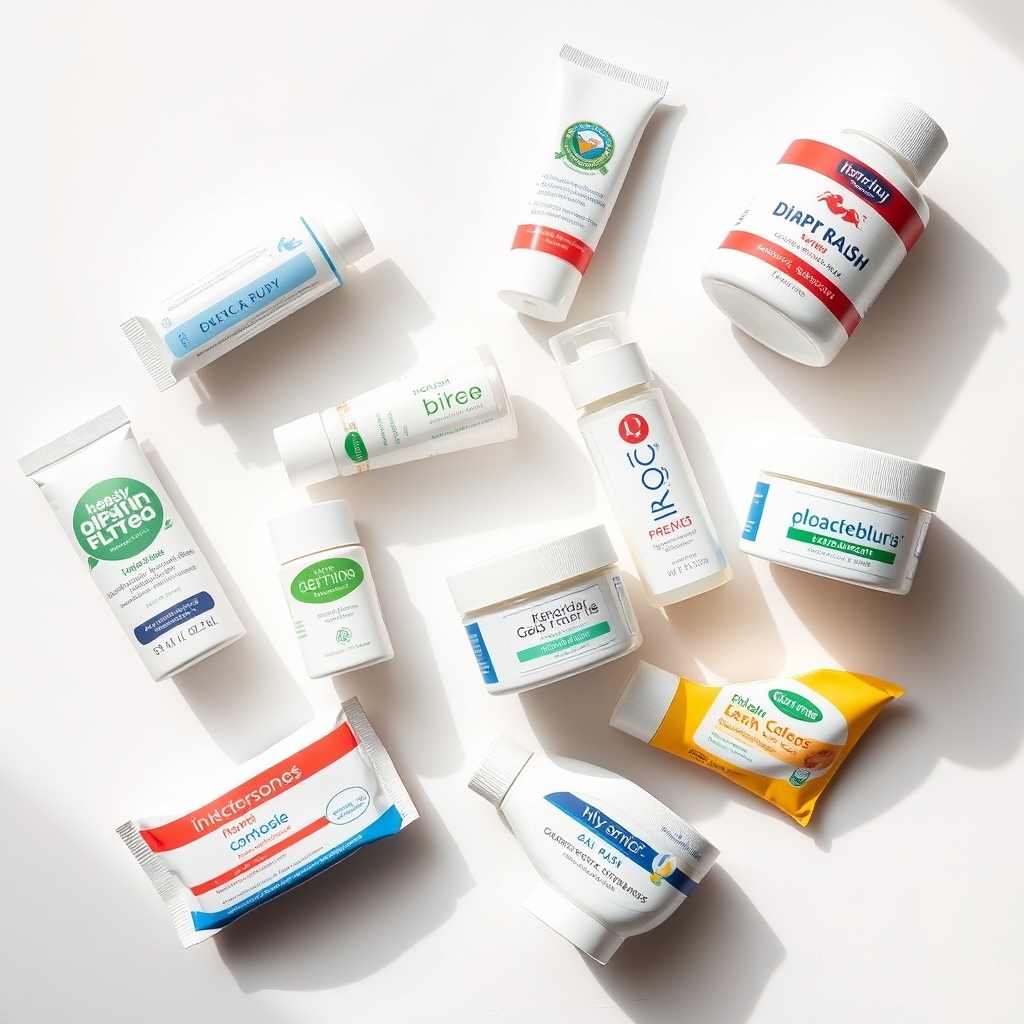
When we line up the most common diaper‑rash products, Desitin consistently ranks among the safest because its primary active—zinc oxide—is universally recognized as low‑risk. Products that rely on herbal extracts, essential oils, or high‑concentration steroids may pose a higher chance of irritation or systemic absorption. The table below gives a quick safety‑at‑a‑glance comparison.
Product
Verdict
One‑line note
Desitin Original
✅ Generally safe
Zinc oxide 40% with lanolin; widely endorsed by obstetric guidelines.
Desitin Rapid Relief
✅ Generally safe
Same zinc oxide plus dimethicone for quicker drying.
Desitin Maximum Strength
✅ Generally safe
Higher zinc oxide (55%) for severe rashes; still topical.
Boudreaux's Butt Paste
✅ Generally safe
Petroleum‑based with zinc oxide; fragrance‑free option.
Babyganics Diaper Rash Cream
✅ Generally safe
Plant‑based zinc oxide; free of parabens and phthalates.
Earth Mama Diaper Balm
⚠️ Use with caution
Contains shea butter and essential oils; some oils may irritate.
Mustela Diaper Cream
⚠️ Use with caution
Fragrance and botanical extracts could trigger allergies.
A+D Original Diaper Rash Ointment
✅ Generally safe
Zinc oxide 10% with lanolin; low‑risk.
Keep Desitin within easy reach for quick diaper‑change relief, but remember a thin layer is all you need.
Safe dosage / amount / brands
Because Desitin is a topical ointment, “dosage” translates to the amount you spread on each diaper change. The manufacturer’s instructions—apply a thin ribbon (approximately the width of a pencil) once or twice daily—are the safest guideline for pregnant users. For severe diaper rash, a third application may be added, but you should not exceed three uses per day.
All major brands (Original, Rapid Relief, Maximum Strength) use the same zinc‑oxide base and meet FDA standards. If you prefer a fragrance‑free or lanolin‑free version, consider the Rapid Relief or Maximum Strength formulas, which contain less lanolin. For those who are extra cautious, the “Maximum Strength” version’s higher zinc‑oxide concentration still poses no added risk because absorption remains minimal.
When choosing a brand, look for products that list zinc oxide as the primary active ingredient and avoid added herbal extracts or essential oils if you have a history of skin sensitivity.
Comparing brands side‑by‑side helps you pick the safest option for you and your baby.
Side effects and risks
Local skin irritation – Redness, itching, or a mild burning sensation may occur, especially if you have a lanolin or fragrance allergy.
Allergic contact dermatitis – Rare, but possible; signs include swelling, blistering, or a rash that spreads beyond the diaper area.
Occlusion‑related worsening – Over‑application can trap moisture, leading to a more severe rash.
None of these side effects are known to affect fetal development. However, if you notice any of the following, call your provider promptly: persistent swelling, fever, pus‑filled blisters, or a rash that does not improve after 48 hours of discontinuing the product.
Safer alternatives
Aquaphor Healing Ointment – Simple petrolatum and panthenol blend, free of zinc oxide but still creates a protective barrier.
Burt's Bees Baby Diaper Rash Ointment – Uses zinc oxide and shea butter without fragrance, suitable for sensitive skin.
Eucerin Baby Eczema Relief Cream – Combines zinc oxide with ceramides to soothe and protect.
CeraVe Baby Healing Ointment – Zinc oxide plus hyaluronic acid for extra moisture retention.
Aveeno Baby Diaper Rash Cream – Colloidal oatmeal and zinc oxide provide soothing relief.
Weleda Diaper Rash Cream – Zinc oxide with almond oil, a gentle option for those wary of lanolin.
Related items — safety at a glance
Item
Verdict
One‑line note
Desitin Rapid Relief
✅ Generally safe
Same zinc oxide; added dimethicone for faster drying.
Desitin Maximum Strength
✅ Generally safe
Higher zinc oxide (55%) for severe rashes; still topical.
Boudreaux's Butt Paste
✅ Generally safe
Petroleum‑based with zinc oxide; fragrance‑free.
Babyganics Diaper Rash Cream
✅ Generally safe
Plant‑based zinc oxide; free of parabens and phthalates.
Earth Mama Diaper Balm
⚠️ Use with caution
Contains essential oils that may irritate sensitive skin.
Mustela Diaper Cream
⚠️ Use with caution
Fragrance and botanical extracts could trigger allergies.
A+D Original Diaper Rash Ointment
✅ Generally safe
Zinc oxide 10% with lanolin; low‑risk.
Myth vs. fact
Myth: All zinc‑based creams are unsafe during pregnancy because zinc can be toxic.
Fact: Topical zinc oxide is not absorbed in amounts that affect the fetus; it is classified as GRAS by the FDA and is recommended by ACOG for diaper rash.
Myth: Using any diaper rash cream can cause birth defects.
Fact: There is no evidence linking topical diaper‑rash ointments, including Desitin, to congenital anomalies. The risk is limited to local skin irritation.
Myth: The “Rapid Relief” formula is unsafe because it contains extra chemicals.
Fact: The added dimethicone in Rapid Relief is also GRAS and does not increase fetal risk; both Original and Rapid Relief are equally safe.
Key takeaways
Desitin is generally safe throughout pregnancy; zinc oxide is a non‑systemic, GRAS ingredient.
Apply a thin layer no more than three times per day; over‑application can trap moisture.
Both Original and Rapid Relief formulas share the same safety profile; choose based on texture preference.
If you have lanolin or fragrance sensitivities, consider lanolin‑free alternatives like Aquaphor or CeraVe.
Watch for local skin irritation; call your provider if swelling, blisters, or fever develop.
All major diaper‑rash products with zinc oxide rank as safe; avoid those with high‑concentration herbal extracts or essential oils if you have sensitive skin.
Frequently asked questions
Can I use Desitin while pregnant?
Yes—Desitin is considered safe for use during pregnancy when applied as a thin layer for diaper rash. The zinc oxide in the product does not cross the placenta, and major health authorities list it as low‑risk.
Is zinc oxide safe for pregnant women?
Absolutely. Zinc oxide is classified by the FDA as “Generally Recognized As Safe” for topical use, and both ACOG and NHS affirm its safety for pregnant skin.
What are the side effects of Desitin during pregnancy?
Side effects are typically limited to local irritation, such as redness or mild itching. Rarely, an allergic reaction may occur, especially in those sensitive to lanolin or fragrance.
How often can I apply Desitin if I'm pregnant?
Apply a thin ribbon once or twice daily for mild rashes, and up to three times daily for more severe irritation. Avoid exceeding three applications per day to prevent moisture trapping.
Are there any ingredients in Desitin that are harmful to a fetus?
No. The active ingredient, zinc oxide, and the base ingredients (petrolatum, lanolin) are all considered safe for fetal development when used topically.
What diaper rash creams are recommended for pregnant mothers?
Desitin (Original or Rapid Relief), Aquaphor Healing Ointment, Burt's Bees Baby Diaper Rash Ointment, and CeraVe Baby Healing Ointment are all pregnancy‑friendly options.
Does Desitin cause any allergic reactions in pregnant women?
Allergic reactions are rare but possible, especially for those with known lanolin or fragrance sensitivities. Symptoms include localized swelling, redness, or a spreading rash.
Can using Desitin affect my baby's skin after birth?
Desitin is designed to protect the baby's skin, not harm it. When used correctly, it should not affect the baby’s skin after birth; any lingering residue can be gently washed off during the next diaper change.
When to call your doctor
If you notice any of the following after using Desitin, contact your obstetrician or pediatrician promptly:
Persistent swelling, blistering, or pus that does not improve within 48 hours.
Fever, chills, or signs of infection.
Widespread rash extending beyond the diaper area.
Severe itching or burning that interferes with sleep or daily activities.
These symptoms may indicate an allergic reaction or secondary infection that requires medical evaluation. Remember, this article provides general information and is not a substitute for personalized medical advice.
References
American College of Obstetricians and Gynecologists. “Medication Safety in Pregnancy.” ACOG Committee Opinion, 2022.
U.S. Food and Drug Administration. “Zinc Oxide (GRAS) Monograph.” FDA, 2021.
National Health Service (NHS). “Skin care in pregnancy.” NHS Website, 2023.
Centers for Disease Control and Prevention. “Topical Medications and Pregnancy.” CDC, 2022.
Mayo Clinic. “Zinc oxide ointment: Uses and safety.” Mayo Clinic, 2023.
World Health Organization. “Guidelines for safe use of topical agents during pregnancy.” WHO, 2022.
Not sure about the label on Is Desitin Safe During Pregnancy products?
Snap the ingredients list and SafeFilter checks every ingredient for your stage — only 3 free scans this month, then you're locked until reset. Unlimited from $7/mo or $50/yr.
When Shubhra Mishra was expecting her first child in 2016, she was overwhelmed by conflicting food advice — one site said yes, another said never. By the time her second baby arrived in 2019, she realized millions of mothers face the same confusion.
That sparked a five-year journey through clinical nutrition papers, cultural diets, and expert conversations — all leading to BumpBites: a calm, compassionate space where science meets everyday motherhood.
Her long-term vision is to build a global community ensuring safe, supported, and free deliveriesfor every mother — because no woman should face pregnancy alone or uninformed. 🌿
🌍 Stand with mothers, shape safer guidance
Join a small circle of experts who review BumpBites articles so expecting parents everywhere can decide with confidence.