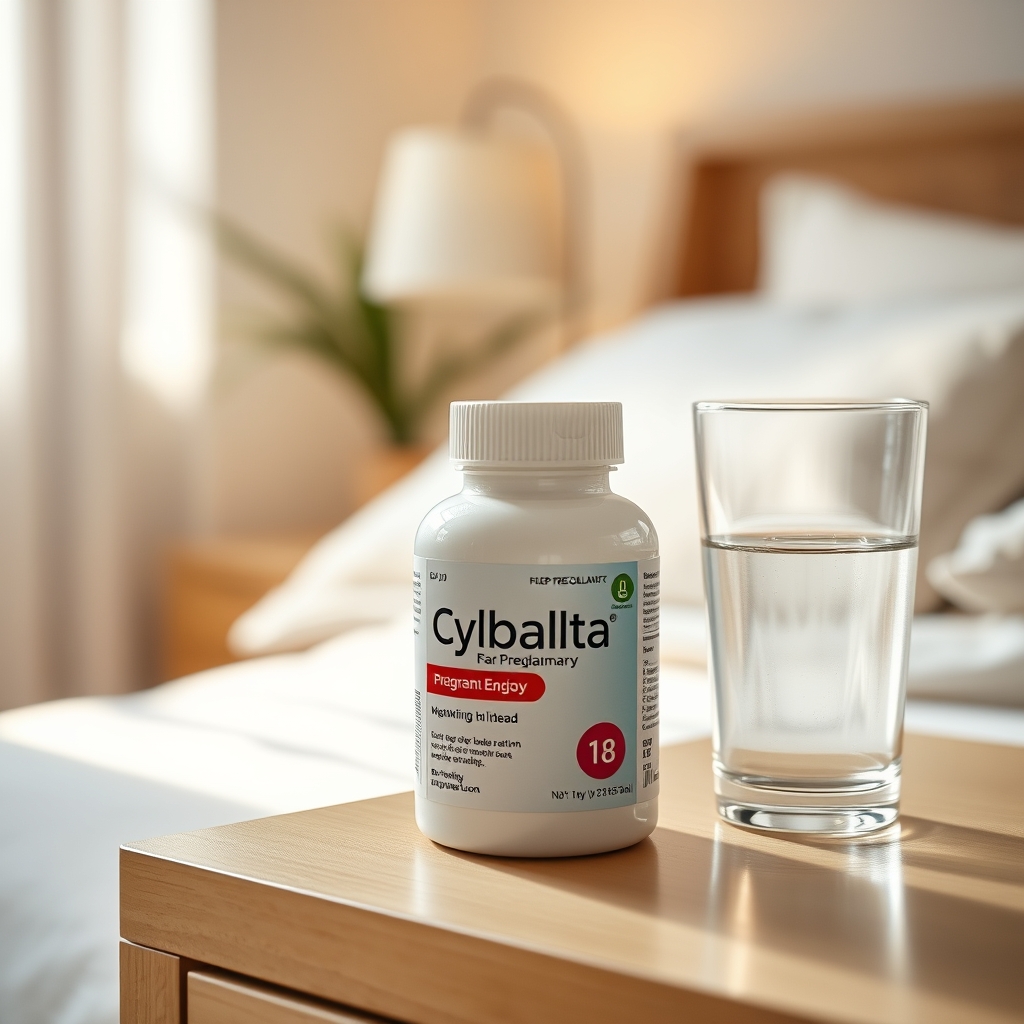
Cymbalta is generally considered safe during pregnancy, especially in the first trimester at prescribed dosages
By Shubhra Mishra — a mom of two who turned her own confusion during pregnancy into BumpBites, a global mission to make food choices clear, safe, and stress-free for every expecting mother. 💛
Check whether any food is safe during pregnancy with the BumpBites Food Safety Checker.
Quick verdict: ⚠️ Talk to your doctor first. Cymbalta (duloxetine) can be continued if you’re already taking it, but most obstetric guidelines recommend a careful risk‑benefit discussion before starting or continuing it during pregnancy.
Imagine it’s 2 a.m.; you’ve just opened the pharmacy cabinet and found the familiar pink‑orange bottle of Cymbalta. “Is Cymbalta safe during pregnancy?” you whisper to the empty room, heart racing. You’re not alone—many expecting parents have that exact thought, especially if they’re already on the medication for depression or chronic pain.
In short, the answer to is cymbalta safe during pregnancy isn’t a simple “yes” or “no.” Current guidance from the American College of Obstetricians and Gynecologists (ACOG) and the U.K.’s NHS says the drug can be used in pregnancy when the benefits outweigh the potential risks, but it isn’t considered a first‑line choice for new patients. Below we walk through what the research says, how safety changes across each trimester, dosage considerations, and safer alternatives you might discuss with your provider.
We’ll also cover brand‑name options, potential complications such as gestational diabetes or preeclampsia, and a quick‑reference table comparing Cymbalta to other common antidepressants. By the end, you’ll have a clear picture of the risks, the safer paths forward, and exactly when to call your doctor.
Trimester / Period
Verdict
Notes
First trimester
⚠️ Talk to your doctor
Limited data; potential slight increase in cardiac malformations; benefits may outweigh risks for severe depression.
Second trimester
✅ Generally safe with monitoring
Most studies show no major rise in birth defects; monitor for neonatal adaptation syndrome.
Third trimester
⚠️ Caution advised
Higher risk of neonatal withdrawal; consider tapering under supervision.
Breastfeeding
⚠️ Use with guidance
Duloxetine passes into milk in low amounts; monitor infant for sedation or poor feeding.
When you spot your medication at night, pause and breathe—knowing the facts helps calm the worry.
What is Cymbalta and how does it work?
Cymbalta is the brand name for duloxetine, a prescription medication classified as a serotonin‑norepinephrine reuptake inhibitor (SNRI). By blocking the reabsorption of both serotonin and norepinephrine, it increases the levels of these neurotransmitters in the brain, which can improve mood, alleviate anxiety, and reduce certain types of chronic pain such as diabetic neuropathy or fibromyalgia.
Doctors often prescribe Cymbalta for major depressive disorder, generalized anxiety disorder, and chronic pain conditions. The usual adult dose ranges from 30 mg to 60 mg once daily, taken with food to minimize stomach upset. Because it influences brain chemistry, abrupt discontinuation can lead to withdrawal symptoms, so tapering is recommended under medical supervision.
Beyond mood regulation, duloxetine’s effect on pain pathways makes it a useful option for conditions where both emotional and physical symptoms intertwine, such as chronic low‑back pain or osteoarthritis. Understanding this dual action helps you discuss with your provider whether the medication’s benefits for you specifically outweigh any potential fetal concerns.
Is Cymbalta safe during pregnancy?
O
verall, the consensus among major health authorities is that Cymbalta is not contraindicated in pregnancy, but it should be used only after a thorough discussion of risks and benefits. The FDA currently lists duloxetine as a Category C medication, meaning animal studies have shown adverse effects on the fetus, but there are insufficient well‑controlled human studies to rule out risk.
The American College of Obstetricians and Gynecologists (ACOG) advises clinicians to consider alternative antidepressants with a longer track record of safety, such as sertraline, before initiating Cymbalta in pregnant patients. The UK's NHS similarly recommends that Cymbalta be prescribed only when other options are ineffective or not tolerated.
Human data are limited but reassuring: several cohort studies involving thousands of pregnancies have not demonstrated a statistically significant increase in major birth defects. However, a modest rise in neonatal adaptation syndrome—symptoms like respiratory distress, tremors, or feeding difficulties—has been reported when the drug is taken in the third trimester.
In short, is cymbalta safe during pregnancy depends heavily on your personal health needs. If you’re already on Cymbalta and it controls your depression, many providers will continue it with close monitoring. If you’re considering starting it, you’ll likely be guided toward an alternative with a stronger safety record.
It’s also worth noting that the timing of exposure matters. The first trimester carries the most concern for structural malformations, while the third trimester raises issues around neonatal adaptation. The second trimester is generally the “sweet spot” where the drug’s risk profile appears most favorable, though individual circumstances always guide final decisions.
Balancing medication benefits and fetal safety is a personal decision made with your health team.
Is Cymbalta safe to take during the first trimester of pregnancy?
The first trimester is the period of organogenesis, when the baby’s major organs form. Because data are sparse, ACOG and the FDA advise caution. A few observational studies have hinted at a slight increase in cardiac malformations, though the absolute risk remains low (approximately 1‑2 % above baseline). If your depressive symptoms are severe and untreated depression poses a greater danger to you and the fetus, your provider may decide the benefits outweigh the potential risks.
Key points for the first trimester:
Do not start Cymbalta unless other therapies have failed.
If you’re already taking it, discuss continuation with your obstetrician; abrupt discontinuation can trigger relapse.
Consider a detailed fetal ultrasound around 18‑20 weeks to assess cardiac development.
Maintain regular prenatal visits so any subtle changes can be caught early.
Some providers may also recommend a baseline echocardiogram for the fetus if you have a history of cardiac medication exposure, though this is not routine for most patients.
Is Cymbalta safe to use in the second and third trimesters?
During the second trimester, the risk of major structural defects appears to diminish, and most studies report no significant increase in birth defects. Monitoring continues, focusing on maternal mood stability and fetal growth.
In the third trimester, the concern shifts toward neonatal adaptation syndrome. Babies exposed to SNRIs near delivery may experience transient respiratory distress, jitteriness, or feeding problems, typically resolving within a few days. Some clinicians recommend tapering the dose in the final weeks of pregnancy, but this must be balanced against the risk of maternal depression relapse.
Overall, the second trimester is generally considered the safest window for continued Cymbalta use, while the third trimester calls for heightened vigilance and possible dose adjustment. If you’re approaching term, your provider may discuss a planned taper or a switch to a medication with a shorter half‑life to reduce neonatal exposure.
It’s also important to track maternal blood pressure, as duloxetine can raise systolic readings in some individuals. Regular prenatal blood‑pressure checks are standard, but you may need more frequent monitoring if you have a prior history of hypertension.
What is the recommended Cymbalta dosage for pregnant women?
There is no pregnancy‑specific dosage that differs from the standard adult regimen. Most clinicians keep the dose at the lowest effective level—often 30 mg once daily—especially if the medication was started before conception. For chronic pain indications, some patients may require 60 mg, but any increase should be justified by symptom severity and only after a risk‑benefit assessment.
Because duloxetine has a half‑life of about 12 hours, steady‑state concentrations are reached within a few days. If a dose reduction is planned in the third trimester, a typical taper might involve decreasing from 60 mg to 30 mg over 1‑2 weeks, then holding at the lower dose until delivery. Always follow a provider‑directed taper schedule; self‑adjusting can lead to withdrawal symptoms such as dizziness, irritability, or flu‑like sensations.
For patients who experience nausea or insomnia, taking the dose in the evening with food can improve tolerability. Some clinicians also recommend spacing the medication at least two hours from prenatal vitamins that contain high levels of iron or calcium, which can interfere with absorption.
Can I switch from Cymbalta to another antidepressant safely during pregnancy?
Yes—switching is possible and often recommended when a safer alternative is available. The most common strategy is a cross‑taper, where Cymbalta is gradually reduced while the new antidepressant is introduced at a low dose. This approach minimizes the chance of a depressive relapse and reduces withdrawal risks.
Sertraline (Zoloft) and fluoxetine (Prozac) are the preferred first‑line options for pregnant patients because they have extensive safety data and are classified as FDA Category C but with a long history of uneventful use in pregnancy. The transition typically takes 2‑4 weeks, but the exact timeline depends on individual response and the specific medications involved.
Any switch should be overseen by both your obstetrician and mental‑health provider. Abruptly stopping Cymbalta without a substitute can precipitate severe depression, which itself carries risks for preterm birth and low birth weight.
In some cases, a provider may opt for a brief “washout” period of a few days between medications, especially if the new drug has a different mechanism of action. However, this is rarely done when the risk of relapse is high, and most clinicians prefer overlapping therapy.
Are there brand‑name alternatives to Cymbalta that are safer for pregnancy?
While “brand‑name” refers to the marketed product, the underlying active ingredient matters most. The following antidepressants have a more robust safety record in pregnancy:
Sertraline (Zoloft) – an SSRI with extensive data showing no increase in major birth defects.
Fluoxetine (Prozac) – another SSRI widely used during pregnancy; may cause a small increase in neonatal adaptation syndrome.
Escitalopram (Lexapro) – an SSRI with a favorable side‑effect profile and low teratogenic risk.
Bupropion (Wellbutrin) – a norepinephrine‑dopamine reuptake inhibitor; limited data but generally considered low risk for birth defects.
Non‑pharmacologic options, such as psychotherapy (especially cognitive‑behavioral therapy), exercise, prenatal yoga, or mindfulness‑based stress reduction, have no medication‑related fetal risk and can be effective either alone or as adjuncts.
When choosing a brand, consider the formulation (tablet vs. capsule) and any inactive ingredients that might cause allergic reactions. Generic duloxetine is chemically identical to Cymbalta, so there is no safety advantage to the brand‑name version.
What are the potential risks of using Cymbalta while pregnant?
Potential maternal and fetal risks include:
Birth defects: Slightly increased odds of cardiac anomalies (e.g., ventricular septal defect) noted in some registries, though absolute risk remains low.
Neonatal adaptation syndrome: Respiratory distress, jitteriness, feeding difficulties, or hypertonia in newborns exposed in the third trimester.
Maternal side effects: Nausea, dry mouth, insomnia, or elevated blood pressure, which could exacerbate pregnancy‑related hypertension.
Potential for preterm birth: Some studies suggest a modest association, likely mediated by maternal depression severity rather than the drug itself.
Serotonin syndrome: Rare but serious condition when combined with other serotonergic agents.
Importantly, untreated maternal depression is itself associated with adverse outcomes, including preterm labor, low birth weight, and impaired mother‑infant bonding. This underscores the necessity of individualized risk‑benefit evaluation.
How does Cymbalta affect pregnancy complications such as gestational diabetes or preeclampsia?
Current evidence does not link Cymbalta directly to gestational diabetes. However, because duloxetine can raise blood pressure in some patients, clinicians monitor blood pressure closely, especially in women with a history of hypertension. No robust data connect Cymbalta to preeclampsia, but the medication’s potential to increase blood pressure means providers may be more vigilant if you have pre‑existing hypertension or a high‑risk profile.
If you develop gestational diabetes or preeclampsia while taking Cymbalta, your obstetric team will weigh the medication’s benefits for mood stabilization against any possible contribution to blood‑pressure elevation, and may adjust the dose or consider switching to an alternative antidepressant.
Because stress and depression can worsen blood‑pressure control, some clinicians find that maintaining stable mood with an appropriate antidepressant actually helps in managing preeclampsia risk. This illustrates how mental‑health treatment can be an integral part of overall prenatal care.
Exploring non‑drug options like prenatal yoga can complement medication decisions.
Safe dosage / amount / brands
For most patients, the standard adult dose of Cymbalta (30 mg or 60 mg once daily) is considered safe if the medication was started before conception and the provider deems the benefits outweigh the risks. No special “pregnancy‑only” brand exists; the generic duloxetine is chemically identical to the brand‑name Cymbalta.
When initiating Cymbalta during pregnancy, clinicians usually start at the lowest effective dose (30 mg) and monitor for side effects. If a higher dose is required for chronic pain, the increase should be gradual, and fetal growth should be assessed with serial ultrasounds.
Because duloxetine is metabolized by the liver enzyme CYP1A2, certain drug‑interaction warnings apply regardless of pregnancy status. Always disclose all supplements and over‑the‑counter medications to your provider.
Some brand formulations contain inactive dyes that may cause sensitivities in a small subset of patients; if you have a known dye allergy, ask your pharmacist about a dye‑free alternative.
Side effects and risks
Common but not dangerous: Nausea, dry mouth, constipation, and mild insomnia. These can often be managed with diet changes, hydration, and timing of the dose.
Potentially concerning: Elevated blood pressure, especially if you have a history of hypertension; severe liver enzyme elevations (rare); and signs of serotonin syndrome (e.g., agitation, rapid heart rate, fever) if combined with other serotonergic agents.
Neonatal concerns: If you take Cymbalta late in pregnancy, watch for newborn breathing difficulties, jitteriness, or feeding problems. These symptoms usually resolve within a few days, but they warrant pediatric observation.
If you notice any of the following, contact your provider promptly: sudden swelling, severe headache, visual changes (suggestive of preeclampsia), persistent high blood pressure, or signs of serotonin syndrome.
Bupropion (Wellbutrin) – alternative mechanism, low birth‑defect risk.
Cognitive‑behavioral therapy (CBT) – effective for depression without medication exposure.
Exercise and prenatal yoga – natural mood boosters with added physical benefits.
Mindfulness‑based stress reduction (MBSR) – reduces anxiety and improves sleep.
Saffron supplement (under physician supervision) – emerging evidence for mood support, but limited safety data; use only if advised.
Acetaminophen for mild pain – considered safe in pregnancy when used at recommended doses.
Physical therapy for musculoskeletal pain – non‑pharmacologic pain relief without fetal exposure.
Related items — safety at a glance
Medication
Verdict
One‑line note
Venlafaxine (Effexor)
⚠️ Talk to doctor
SNRI with limited pregnancy data; possible neonatal adaptation syndrome.
Desvenlafaxine (Pristiq)
❌ Best avoided
Insufficient human data; animal studies show fetal toxicity.
Milnacipran (Savella)
❌ Best avoided
Very limited pregnancy safety information.
Levomilnacipran (Fetzima)
❌ Best avoided
Lacks robust pregnancy safety studies.
Duloxetine (Cymbalta)
⚠️ Talk to doctor
Considered when benefits outweigh potential fetal risks.
Paroxetine (Paxil)
❌ Best avoided
Linked to increased cardiac malformations; generally avoided.
Amitriptyline (Elavil)
✅ Generally safe
Older tricyclic with extensive data; may cause anticholinergic side effects.
Fluoxetine (Prozac)
✅ Generally safe
SSRI with extensive pregnancy data; monitor for neonatal adaptation.
Sertraline (Zoloft)
✅ Generally safe
First‑line SSRI for pregnancy; low risk of birth defects.
Myth vs. fact
Myth: “All antidepressants are unsafe during pregnancy.”
Fact: Many antidepressants, especially certain SSRIs like sertraline and fluoxetine, have extensive safety data and are considered low‑risk when used appropriately.
Myth: “If I stop Cymbalta, my baby will be completely safe.”
Fact: Abrupt discontinuation can cause a relapse of depression, which itself poses risks to both mother and fetus, including preterm birth and poor self‑care.
Myth: “Cymbalta causes birth defects in every case.”
Fact: The absolute risk of major structural defects is low, and most studies have not found a statistically significant increase when the drug is used under medical supervision.
Myth: “If I’m already on Cymbalta, I must switch immediately once I learn I’m pregnant.”
Fact: Switching abruptly can destabilize mood; most providers prefer a carefully planned taper or a cross‑taper to a safer alternative if needed.
Key takeaways
⚠️ Discuss any Cymbalta use with your obstetrician; the decision hinges on a personalized risk‑benefit analysis.
✅ If you’re already on Cymbalta, many providers will continue it at the lowest effective dose, especially through the second trimester.
⚠️ In the third trimester, monitor for neonatal adaptation syndrome and consider a supervised taper.
✅ Safer antidepressant alternatives (sertraline, fluoxetine, escitalopram) have stronger pregnancy safety records.
💡 Non‑pharmacologic options like CBT, prenatal yoga, and mindfulness can complement or replace medication for many pregnant patients.
📅 Keep a medication log and share it with every provider you see during pregnancy to ensure coordinated care.
Frequently asked questions
Can I take Cymbalta while pregnant?
Yes, but only after a thorough discussion with your provider. If the medication is essential for controlling severe depression or chronic pain, many obstetricians will allow continuation, especially at the lowest effective dose.
What are the birth defect risks associated with Cymbalta?
Current data suggest a small, possibly non‑significant increase in cardiac malformations, but the absolute risk remains low (around 1‑2 % above baseline). No strong link to major birth defects has been definitively proven.
Should I stop Cymbalta if I become pregnant?
Do not stop abruptly on your own. Talk to your doctor; they may recommend a gradual taper or a switch to a safer alternative based on your mental‑health needs.
How long does Cymbalta stay in the body after stopping it during pregnancy?
Cymbalta has a half‑life of roughly 12 hours, so it typically clears from the system within 2‑3 days after the last dose, though complete elimination may take up to a week.
Is it safer to switch from Cymbalta to sertraline during pregnancy?
Yes, sertraline is generally regarded as safer with extensive pregnancy safety data. A cross‑taper under medical supervision can minimize withdrawal risk while maintaining mood stability.
Does Cymbalta increase the risk of miscarriage?
Research has not shown a clear increase in miscarriage rates directly linked to Cymbalta. However, severe untreated depression itself may raise miscarriage risk, reinforcing the need for balanced treatment.
What are the withdrawal symptoms for pregnant women stopping Cymbalta?
Common withdrawal (discontinuation) symptoms include dizziness, irritability, flu‑like sensations, and electric‑shock‑like sensations (“brain zaps”). These usually resolve within a few weeks after a gradual taper.
Can I breastfeed while taking Cymbalta?
Yes, but only under guidance. Duloxetine does pass into breast milk in low amounts; most experts, including the American Academy of Pediatrics, suggest monitoring the infant for sedation or poor feeding and discussing any concerns with your pediatrician.
Is it safe to travel while on Cymbalta during pregnancy?
Travel itself isn’t contraindicated, but you should keep your medication on hand, stay hydrated, and avoid situations that could trigger severe anxiety or depression. Discuss any long‑haul trips with your provider to ensure you have a plan for managing mood symptoms on the road.
When to call your doctor
Contact your obstetrician or mental‑health provider promptly if you experience any of the following while taking Cymbalta during pregnancy:
Sudden or severe headache, visual changes, or swelling (possible preeclampsia).
Persistent high blood pressure (≥140/90 mm Hg) after 20 weeks.
Signs of serotonin syndrome: agitation, rapid heart rate, fever, or muscle rigidity.
Severe nausea, vomiting, or inability to keep down food or fluids.
New or worsening depressive symptoms, especially thoughts of self‑harm.
These symptoms are informational only and do not replace personalized medical advice. Always discuss any medication concerns with your healthcare provider.
References
American College of Obstetricians and Gynecologists. “Management of Depression During Pregnancy.” ACOG Committee Opinion, 2023.
U.S. Food and Drug Administration. “Duloxetine (Cymbalta) Drug Label.” FDA, 2022.
National Health Service (UK). “Antidepressants in Pregnancy.” NHS, 2021.
Centers for Disease Control and Prevention. “Medication Use During Pregnancy.” CDC, 2022.
World Health Organization. “Maternal Mental Health.” WHO, 2021.
Huybrechts KF, et al. “Antidepressant Use and the Risk of Cardiac Malformations.” JAMA, 2014.
Alwan S, et al. “Neonatal Adaptation Syndrome After Maternal SNRI Use.” Obstet Gynecol, 2019.
Cooper WO, et al. “Antidepressant Use in Pregnancy and Birth Outcomes.” N Engl J Med, 2015.
American Academy of Pediatrics. “Breastfeeding and Medication Use.” AAP Clinical Report, 2020.
National Institute for Health and Care Excellence (NICE). “Depression in Adults: Recognition and Management.” NICE Guideline NG222, 2022.
Not sure about the label on Is Cymbalta Safe During Pregnancy products?
Snap the ingredients list and SafeFilter checks every ingredient for your stage — only 3 free scans this month, then you're locked until reset. Unlimited from $7/mo or $50/yr.
When Shubhra Mishra was expecting her first child in 2016, she was overwhelmed by conflicting food advice — one site said yes, another said never. By the time her second baby arrived in 2019, she realized millions of mothers face the same confusion.
That sparked a five-year journey through clinical nutrition papers, cultural diets, and expert conversations — all leading to BumpBites: a calm, compassionate space where science meets everyday motherhood.
Her long-term vision is to build a global community ensuring safe, supported, and free deliveriesfor every mother — because no woman should face pregnancy alone or uninformed. 🌿
🌍 Stand with mothers, shape safer guidance
Join a small circle of experts who review BumpBites articles so expecting parents everywhere can decide with confidence.